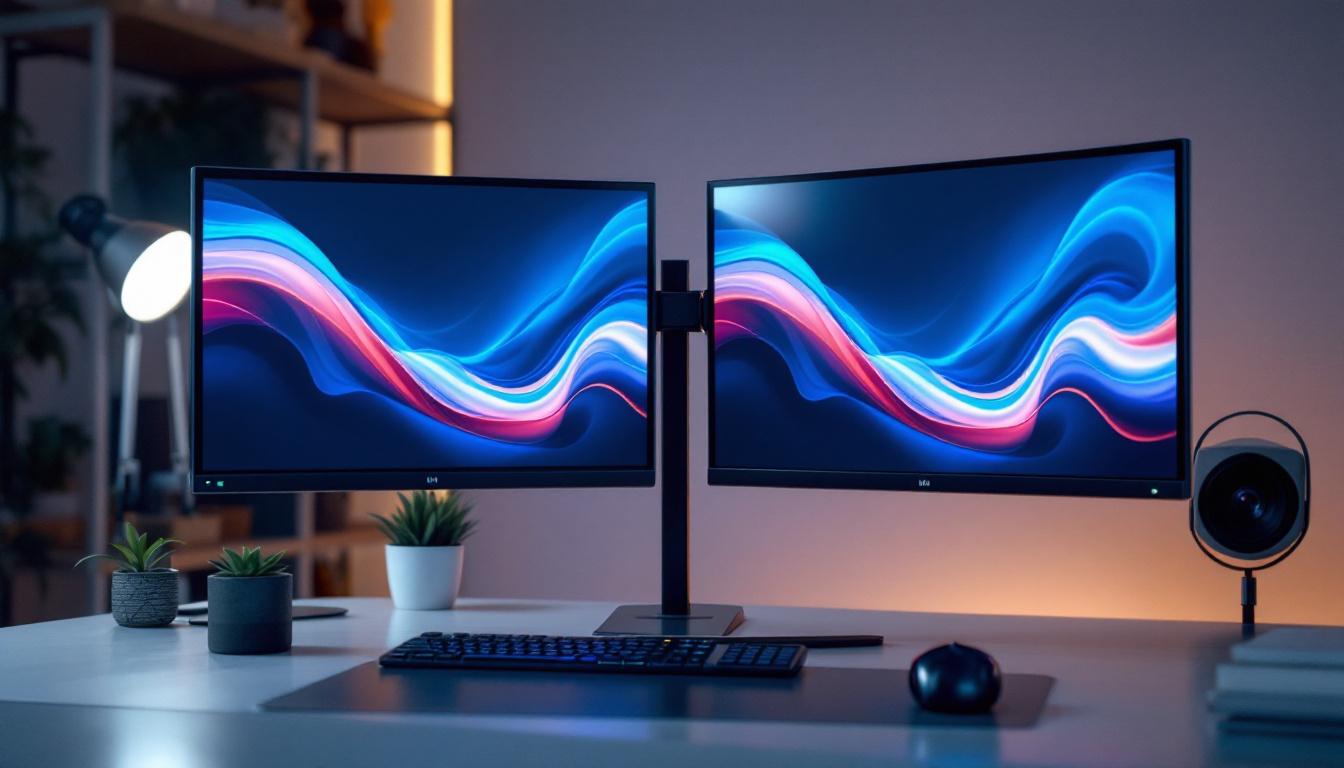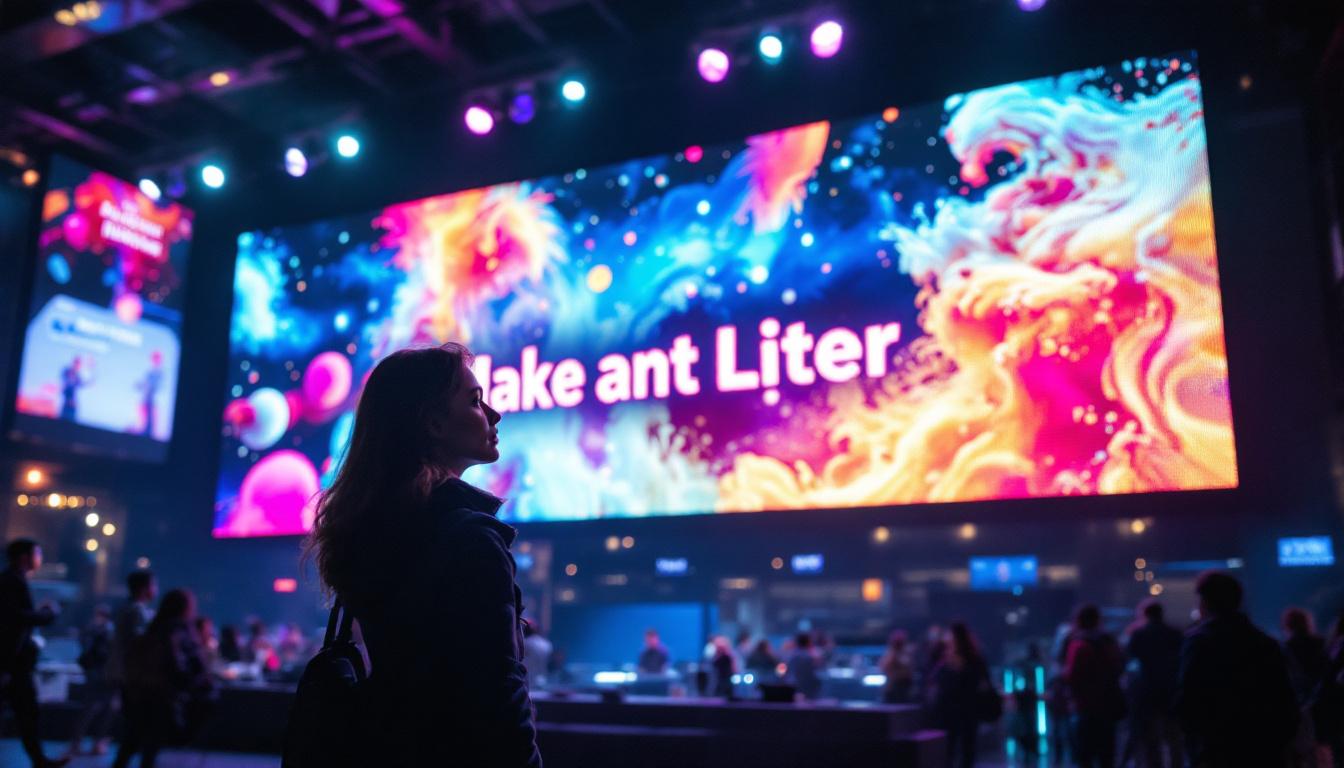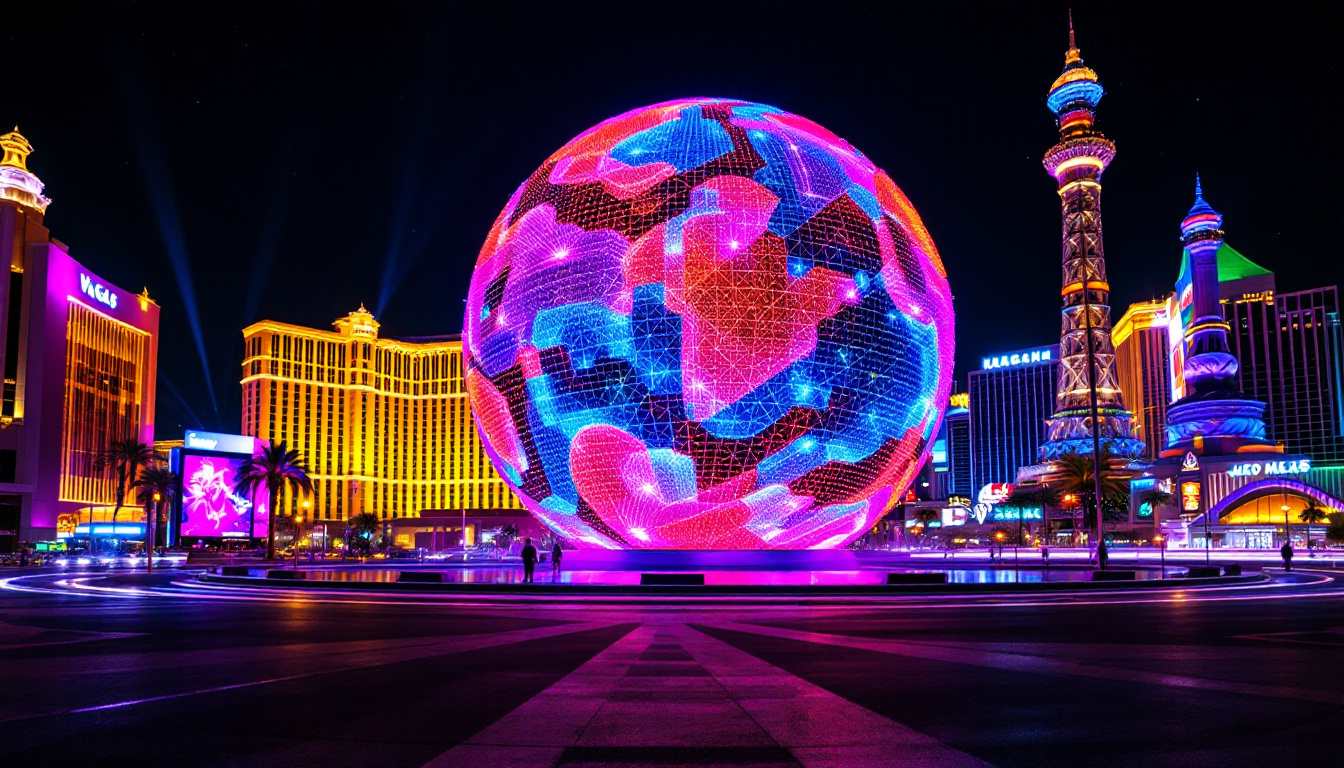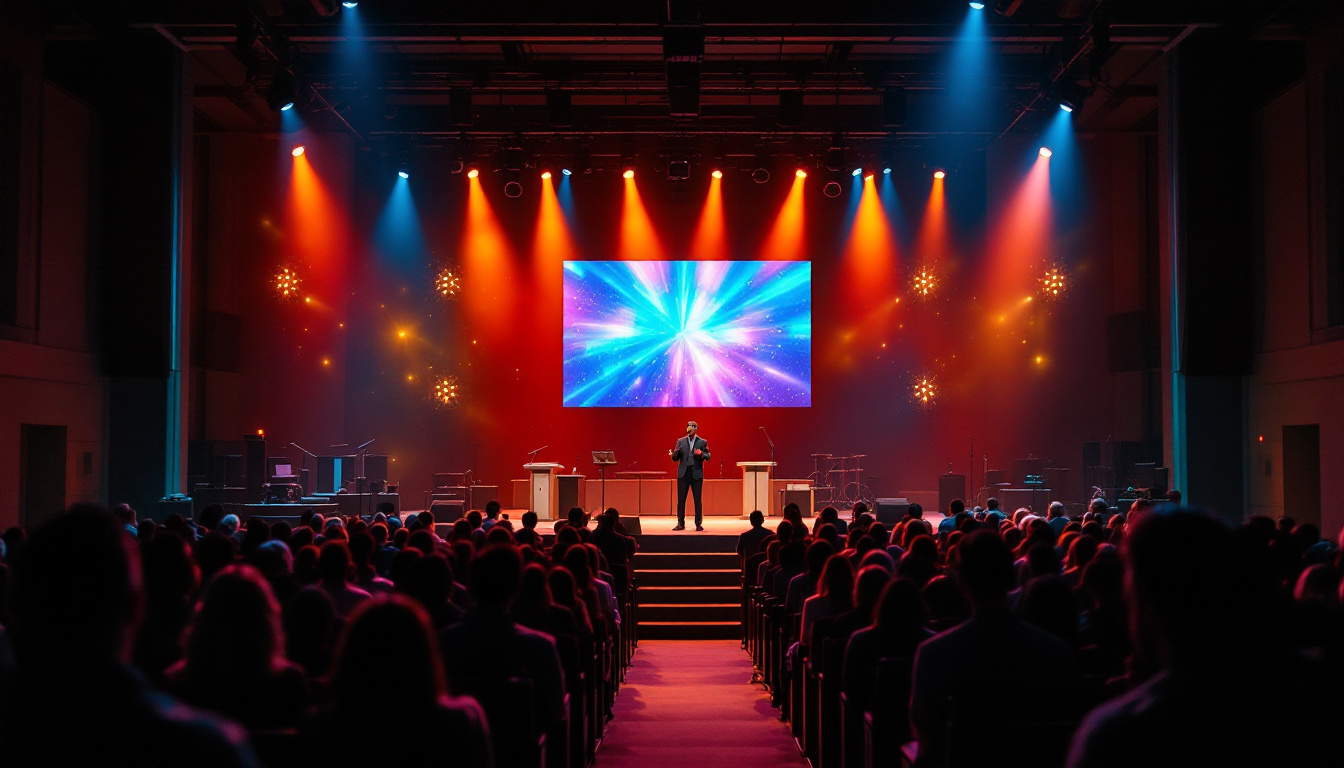
In the rapidly evolving world of digital signage and display technology, Direct View LED (Light Emitting Diode) displays have emerged as a leading solution for vibrant, high-impact visual communication. From stadiums and retail environments to corporate lobbies and transportation hubs, these displays offer unparalleled brightness, color accuracy, and scalability. This article explores the fundamentals of Direct View LED displays, their technology, applications, and why they are becoming the preferred choice for modern digital displays.
What is a Direct View LED Display?
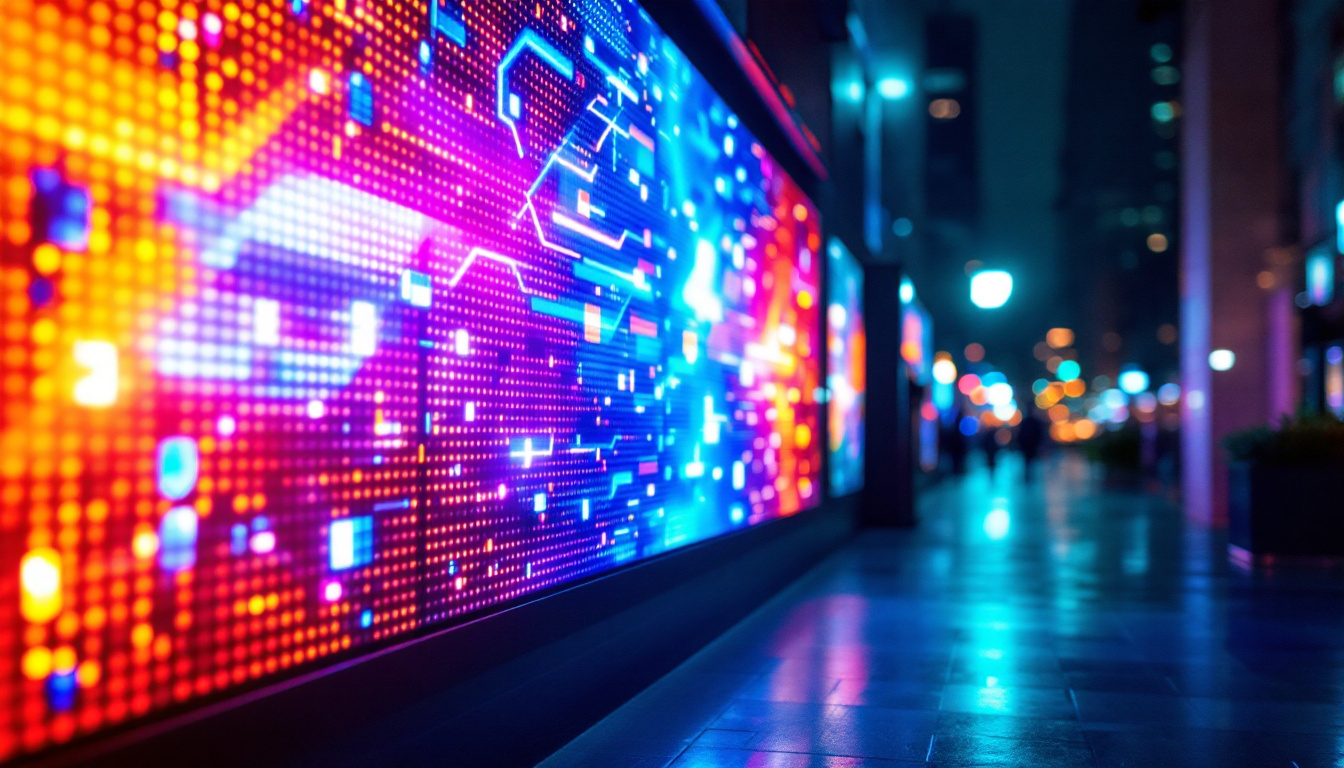
Direct View LED displays are large-format digital screens composed of thousands—or even millions—of tiny LEDs that emit light directly to the viewer. Unlike traditional LCD or projection-based displays, which rely on backlighting or reflected light, Direct View LEDs produce their own light, resulting in superior brightness and contrast.
The term “Direct View” refers to the fact that viewers see the light emitted directly from the LEDs themselves, rather than through a separate screen or panel. This direct emission allows for vivid colors and deep blacks, making images and videos appear more lifelike and dynamic. The technology has gained immense popularity in various applications, from advertising and entertainment to information displays in public spaces, due to its ability to capture attention and convey messages effectively.
Moreover, the versatility of Direct View LED displays means they can be tailored to fit different environments and purposes. For instance, outdoor displays are designed to withstand harsh weather conditions, while indoor models may focus on higher resolution for close viewing distances. This adaptability has made them a preferred choice for sports arenas, concert venues, and retail spaces, where engaging visuals are crucial for drawing in crowds and enhancing the overall experience.
How Direct View LEDs Work
Each pixel in a Direct View LED display consists of one or more tiny LEDs—typically red, green, and blue—that combine to produce a full spectrum of colors. By adjusting the intensity of each LED within a pixel, the display can render millions of colors with high precision. This process is known as additive color mixing.
The LEDs are arranged on modular panels, which can be connected seamlessly to create screens of virtually any size and shape. This modularity allows for flexible installation in a wide range of environments, from curved surfaces to massive outdoor billboards. Additionally, these modular panels can be easily replaced or upgraded, ensuring that the display can evolve with changing technology and viewer expectations.
Furthermore, advancements in LED technology have led to improvements in energy efficiency and lifespan, making Direct View LED displays not only a visually striking option but also a sustainable one. The latest models often incorporate smart technology, enabling features such as remote monitoring, automatic brightness adjustment based on ambient light, and integration with other digital systems for enhanced functionality.
Key Components of Direct View LED Displays
- LED Modules: The building blocks of the display, containing clusters of LEDs organized into pixels.
- Driver ICs: Integrated circuits that control the brightness and color of each LED pixel.
- Power Supply Units: Provide consistent electrical power to the LED modules.
- Control System: Manages the input video signal and synchronizes the display output.
- Cabinet Structure: The physical frame that holds the modules securely and allows for heat dissipation.
In addition to these components, the overall performance of Direct View LED displays is enhanced by advanced software solutions that facilitate content management and playback. Users can schedule content, create dynamic displays that change in real-time, and even interact with viewers through touch-sensitive screens or integrated sensors. This level of interactivity opens up new avenues for advertising and engagement, allowing brands to connect with their audience in innovative ways.
Advantages of Direct View LED Displays
Direct View LED technology offers several distinct advantages over other display types, making it a preferred choice for many applications.
Exceptional Brightness and Visibility
One of the most significant benefits of Direct View LED displays is their exceptional brightness. They can achieve luminance levels far beyond those of LCD or projection displays, often exceeding 5,000 nits for outdoor models. This makes them easily visible even in direct sunlight, a crucial factor for outdoor advertising, sports arenas, and transportation signage.
Superior Color Accuracy and Contrast
Because each LED emits light independently, Direct View LED displays can produce true blacks by turning off individual pixels completely. This capability results in infinite contrast ratios, enhancing image depth and realism. Additionally, the precise control over red, green, and blue LEDs enables a broad color gamut and accurate color reproduction, which is vital for branding and high-quality video content.
Scalability and Flexibility
Direct View LED displays are highly modular, allowing for easy scaling from small indoor screens to massive outdoor video walls. Their flexible design also supports creative installations on curved or irregular surfaces, opening new possibilities for architects and designers.
Durability and Longevity
LEDs are known for their long operational life, often rated at 50,000 to 100,000 hours. They are also robust against environmental factors such as moisture, dust, and temperature fluctuations, especially when housed in weatherproof cabinets. This durability reduces maintenance costs and downtime compared to other display technologies.
Energy Efficiency
Compared to traditional lighting and display technologies, LEDs consume less power while delivering higher brightness. Advances in LED chip design and driver electronics continue to improve energy efficiency, making Direct View LED displays more sustainable and cost-effective over time.
Applications of Direct View LED Displays
The versatility and performance of Direct View LED displays have led to their adoption across a wide range of industries and settings.
Outdoor Advertising and Digital Billboards
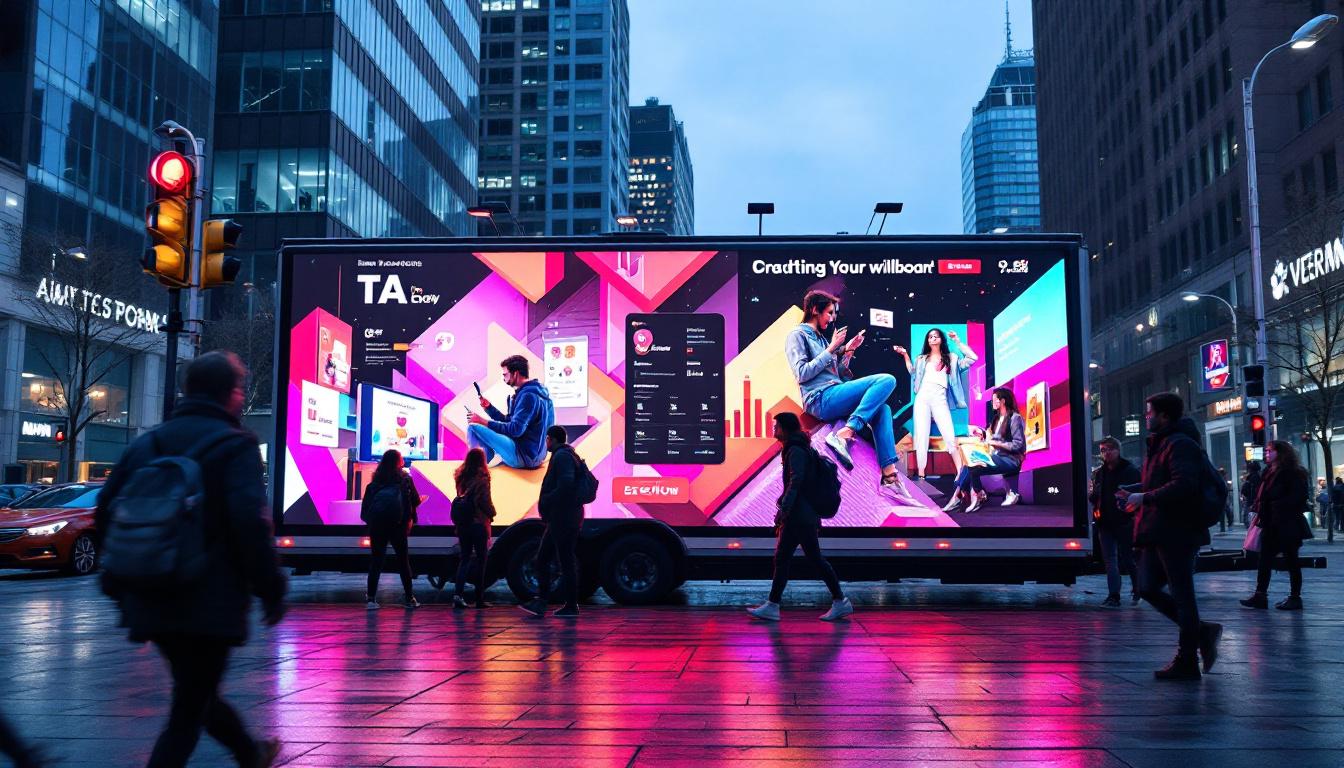
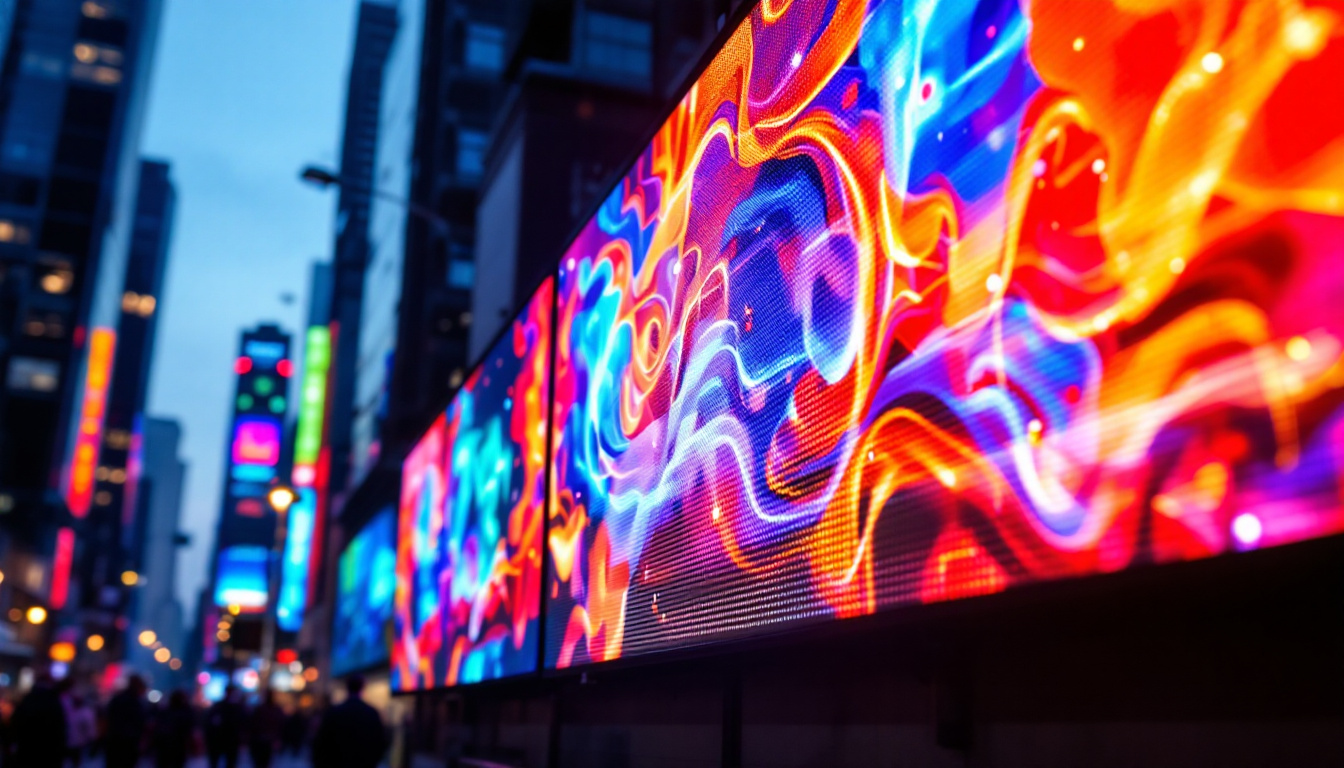
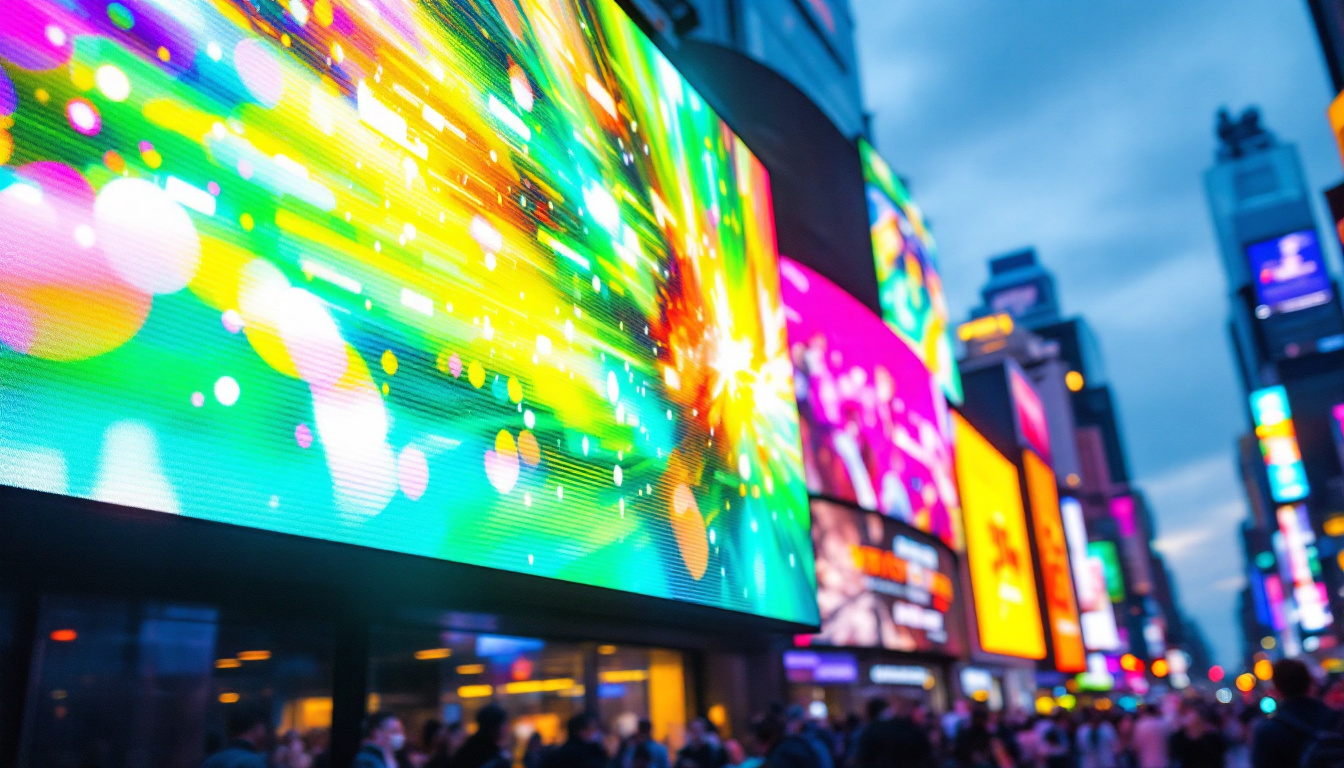
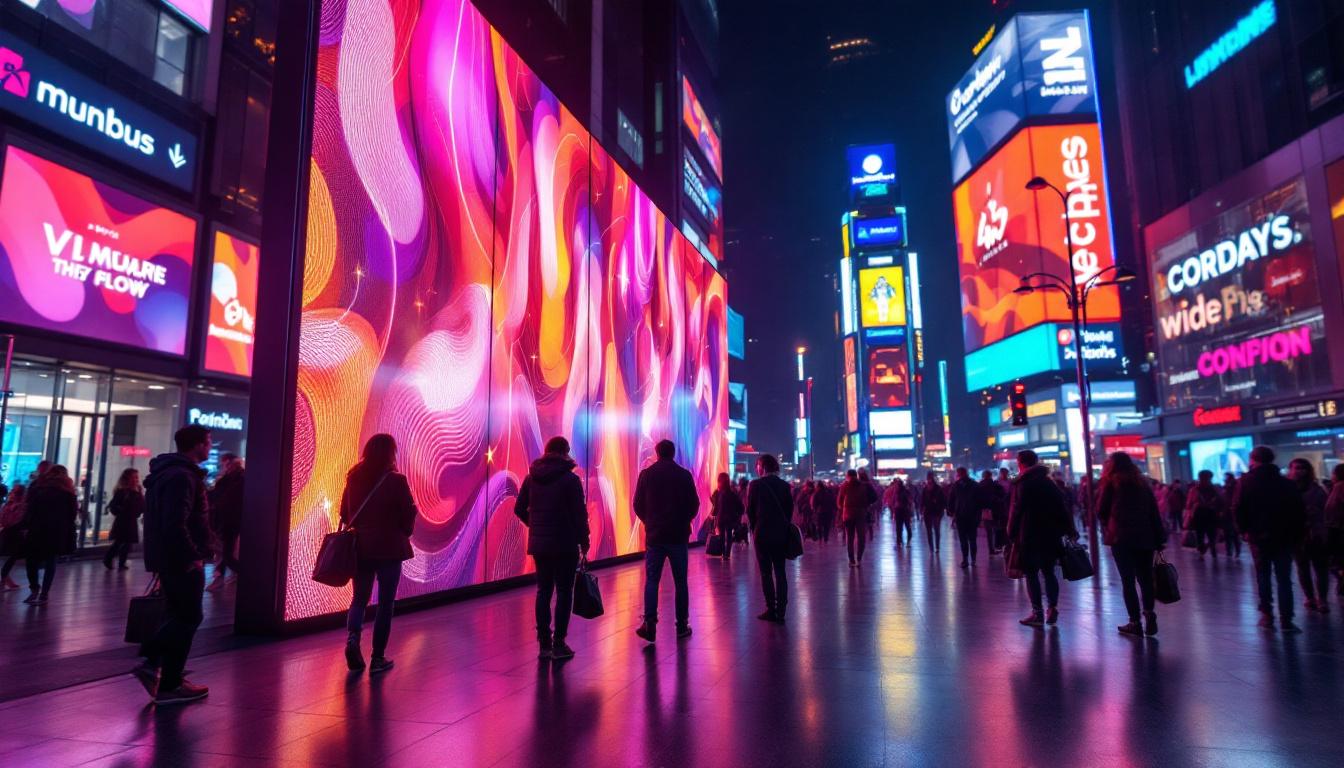
Outdoor digital billboards have become a dominant form of advertising, and Direct View LED displays are at the heart of this transformation. Their high brightness ensures visibility in all lighting conditions, while their durability withstands harsh weather. Brands leverage these displays for dynamic content that can be updated remotely and in real time, increasing engagement and advertising effectiveness.
Sports Arenas and Entertainment Venues
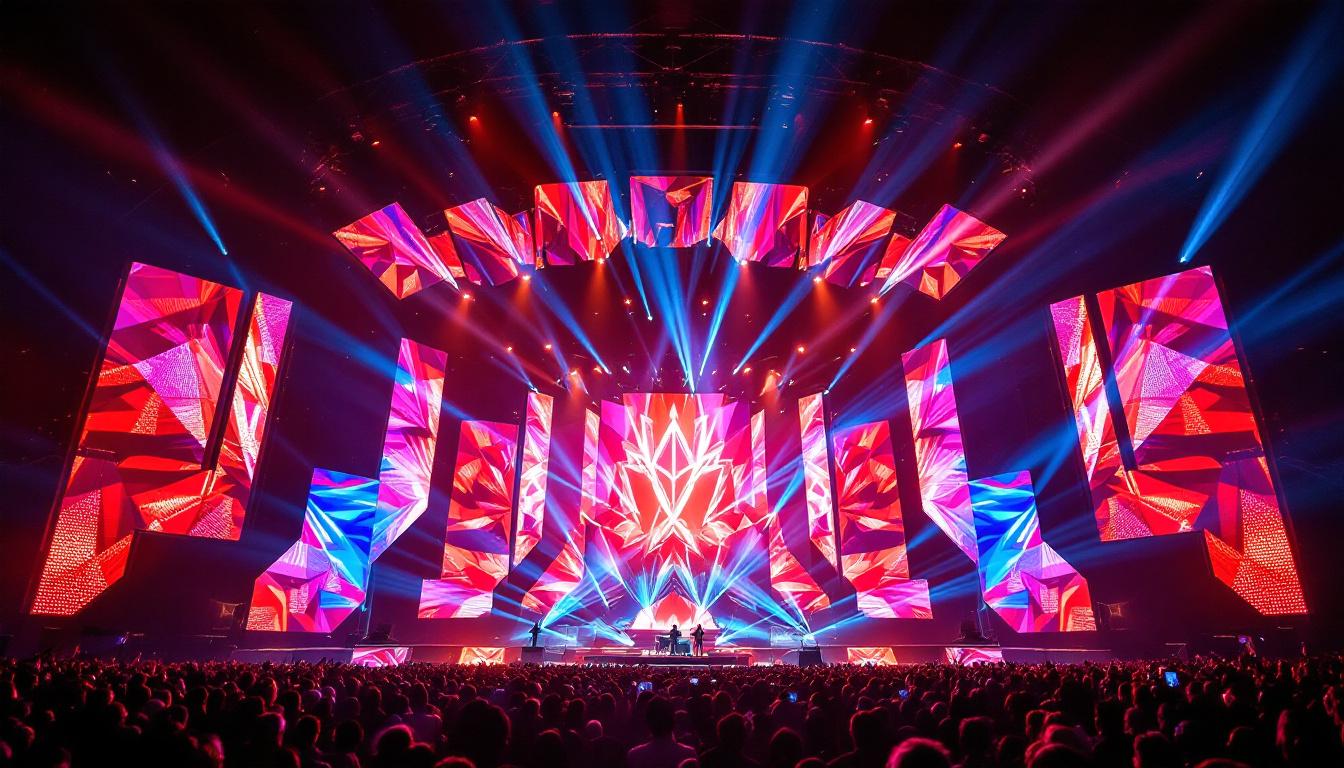
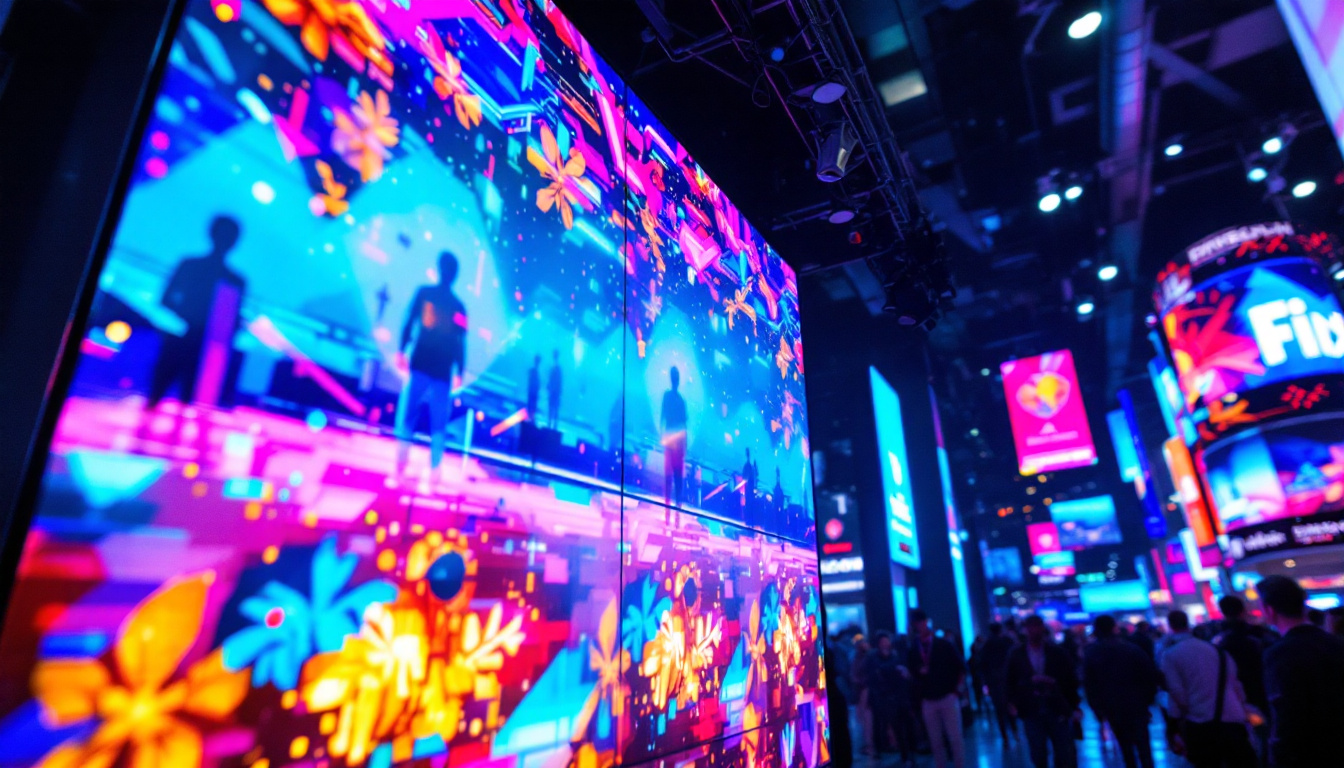
Large-scale LED video walls are now standard in stadiums and concert venues worldwide. They provide fans with clear views of live action, replays, and interactive content regardless of seating location. The ability to create curved or wrap-around screens enhances the immersive experience.
Retail and Corporate Environments
In retail stores, Direct View LED displays are used for eye-catching window displays, product promotions, and digital signage that adapts to customer behavior. Corporate lobbies and conference rooms utilize these displays for branding, presentations, and video conferencing, benefiting from their sleek appearance and high resolution.
Transportation Hubs and Public Spaces
Airports, train stations, and bus terminals employ Direct View LED displays for wayfinding, schedule updates, and emergency notifications. Their brightness and clarity ensure that information is accessible even in crowded or brightly lit environments.
Technical Considerations When Choosing a Direct View LED Display
Selecting the right Direct View LED display involves evaluating several technical factors to ensure optimal performance and return on investment.
Pixel Pitch and Resolution
Pixel pitch—the distance between the centers of adjacent pixels—is a critical parameter that affects image clarity and viewing distance. Smaller pixel pitches (e.g., 1.2mm to 2.5mm) are ideal for close-up viewing in indoor environments, delivering high resolution and fine detail. Larger pixel pitches (e.g., 6mm to 20mm) are suitable for outdoor applications where viewers are farther away.
Brightness and Contrast Ratio
Brightness requirements vary depending on the installation environment. Outdoor displays typically require higher brightness levels (4,000 to 8,000 nits) to remain visible under sunlight, while indoor displays generally operate at lower brightness (500 to 1,000 nits) to reduce eye strain. Contrast ratio, enhanced by the ability to switch off individual LEDs, contributes to image quality and should be considered alongside brightness.
Refresh Rate and Color Depth
A high refresh rate (typically 3,840 Hz or higher) is essential for smooth video playback and to avoid flicker, especially in broadcast or live event settings. Color depth, often 16-bit or greater, ensures accurate color gradients and reduces banding in images and videos.
Viewing Angle
Wide viewing angles (up to 160° horizontally and vertically) ensure that the image remains consistent and legible from different perspectives. This is particularly important in public spaces where audiences view the display from various positions.
Installation and Maintenance
Consideration should be given to the ease of installation and ongoing maintenance. Front-access designs facilitate quick module replacement without dismantling the entire display, reducing downtime. Additionally, weatherproof ratings such as IP65 or higher are crucial for outdoor installations to protect against dust and water.
Future Trends in Direct View LED Technology
The LED display industry continues to innovate, with several trends shaping the future of Direct View LED technology.
MicroLED and MiniLED Advances
MicroLED technology, featuring even smaller LEDs than traditional Direct View LEDs, promises higher resolution, improved energy efficiency, and better contrast. Although currently costly, MicroLED displays are gaining traction in premium applications such as ultra-high-definition TVs and augmented reality devices. MiniLEDs, which use smaller LEDs for backlighting in LCDs, also contribute to improved display performance.
Flexible and Transparent LED Displays
Flexible LED panels enable curved, foldable, or irregularly shaped displays, expanding creative possibilities in architecture and design. Transparent LED displays allow viewers to see through the screen while still displaying dynamic content, ideal for retail windows and glass facades.
Integration with AI and IoT
Smart LED displays integrated with artificial intelligence and Internet of Things (IoT) technologies can adapt content based on audience demographics, environmental conditions, or real-time data. This interactivity enhances user engagement and allows for targeted messaging.
Conclusion
Direct View LED displays represent a significant advancement in digital display technology, offering unmatched brightness, color fidelity, and versatility. Their modular design and robust construction make them suitable for a broad spectrum of applications, from outdoor advertising to immersive entertainment experiences. As technology continues to evolve, Direct View LEDs will play an increasingly prominent role in shaping how people interact with digital content in public and private spaces.
For businesses and organizations seeking impactful visual communication solutions, understanding the capabilities and considerations of Direct View LED displays is essential. Investing in this technology not only enhances audience engagement but also provides a durable, scalable platform capable of adapting to future innovations.
Explore Cutting-Edge LED Display Solutions with LumenMatrix
Ready to elevate your visual communication strategy with the latest in Direct View LED technology? LumenMatrix is at the forefront of innovation, offering a diverse range of LED display modules tailored to your needs. From Indoor and Outdoor LED Wall Displays to specialized solutions like Vehicle LED Displays, LED Sports Displays, and even Custom LED Displays, we have the expertise to bring your vision to life. Experience the future of digital signage with our All-in-One LED Displays and LED Transparent Displays, designed to captivate and engage your audience. Don’t just take our word for it; check out LumenMatrix LED Display Solutions today and see the difference for yourself.