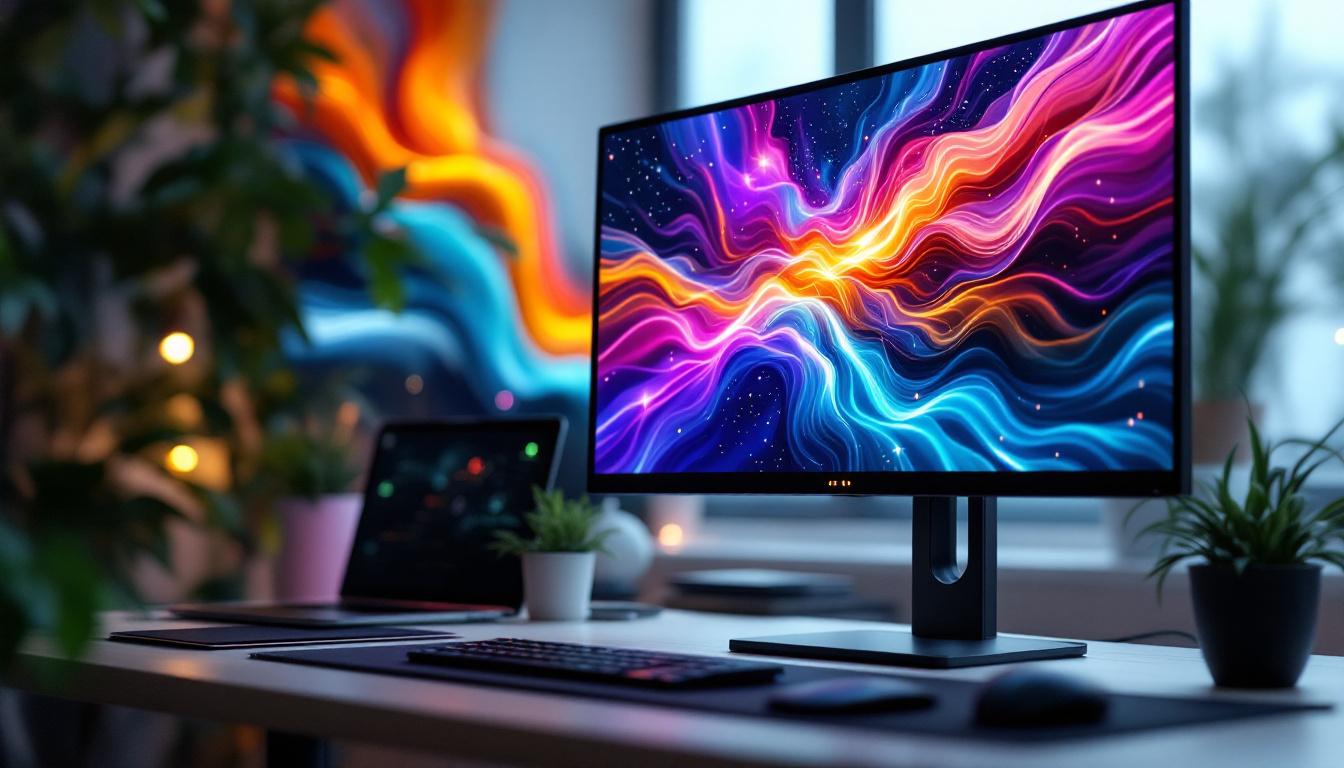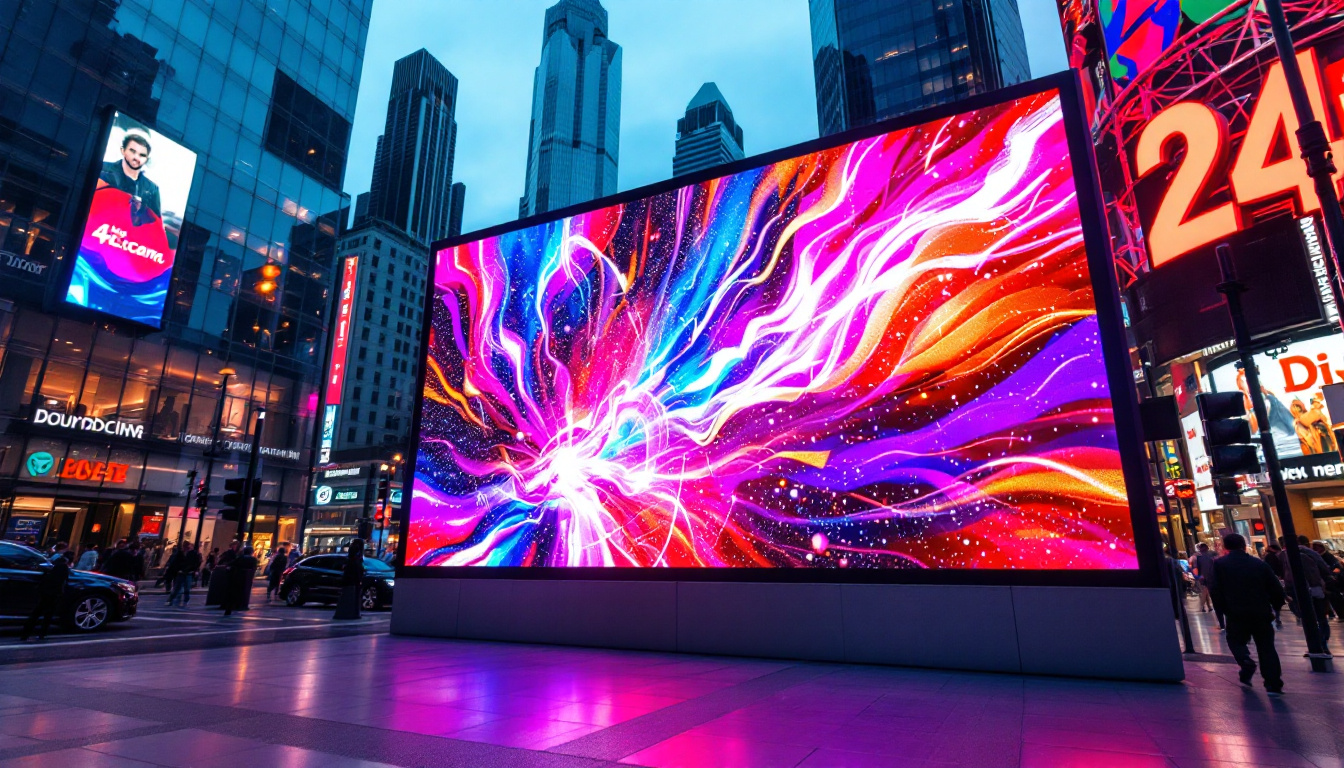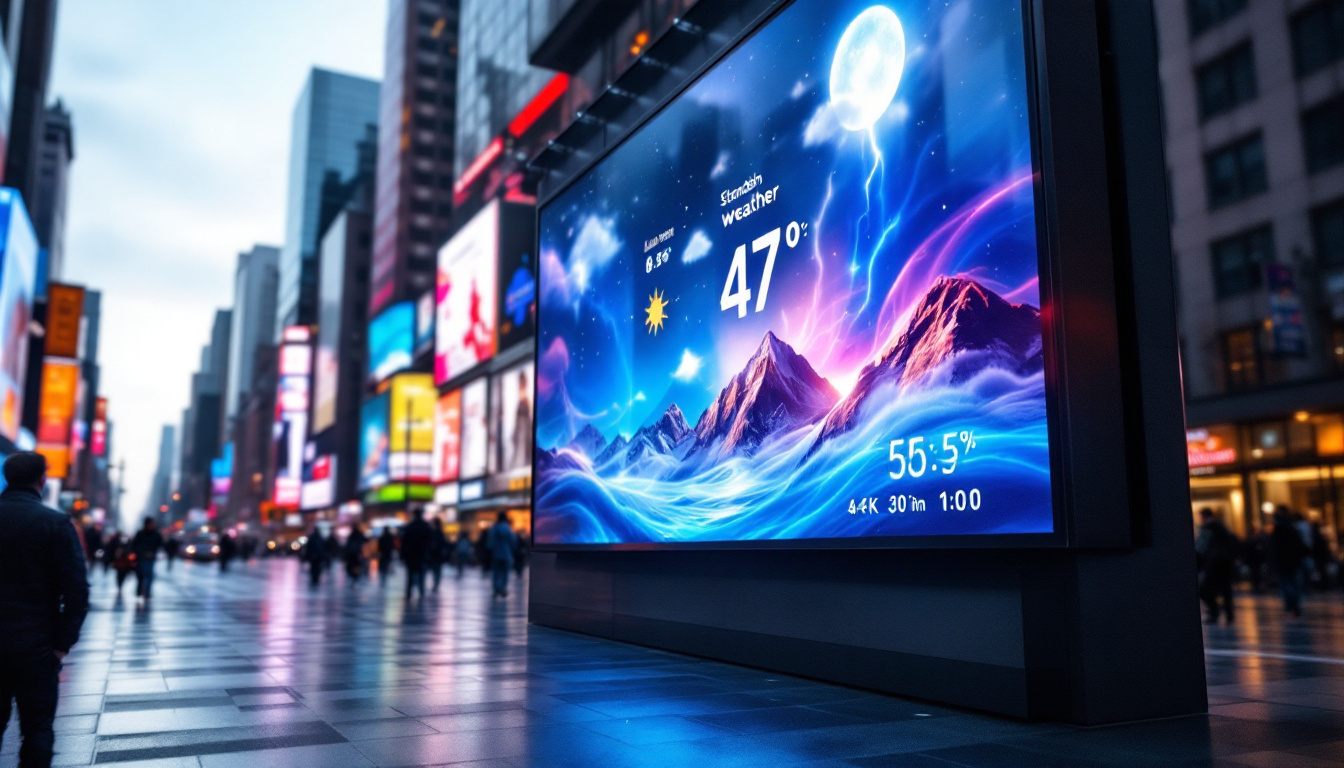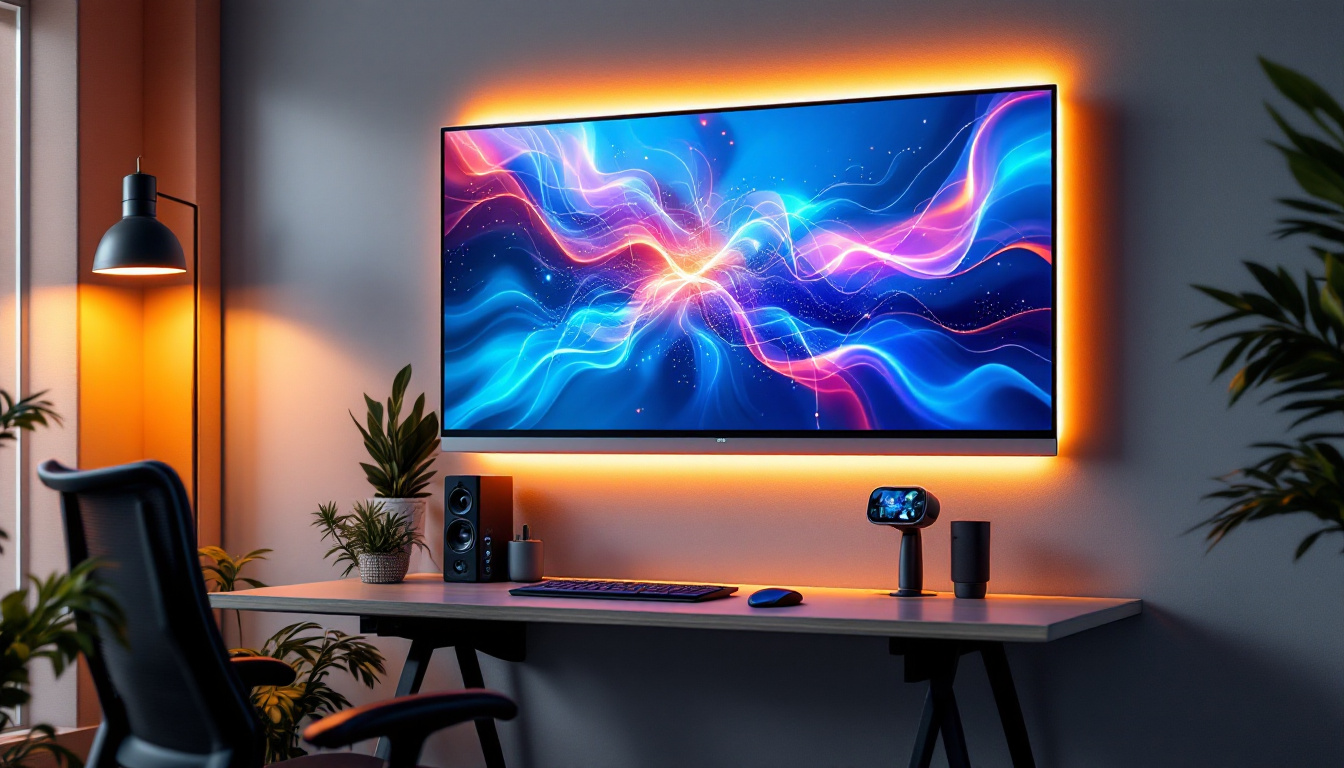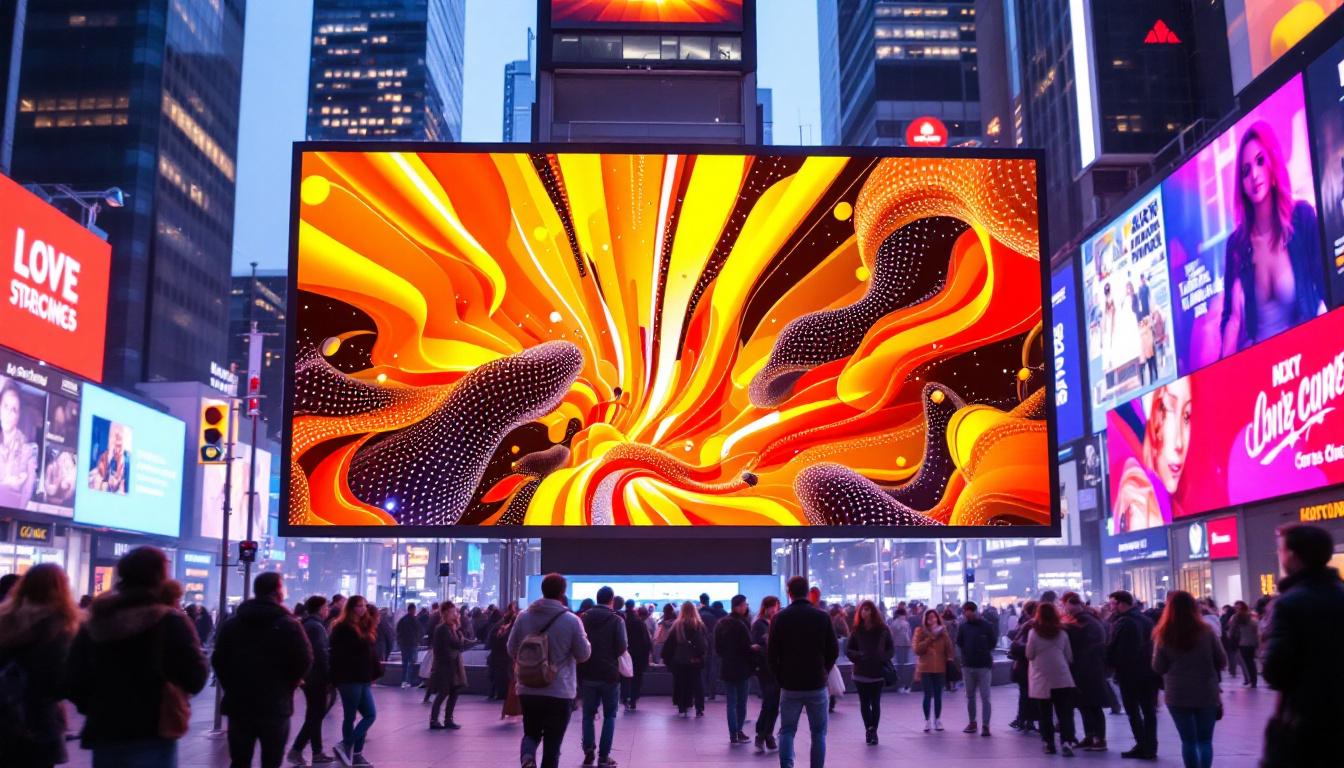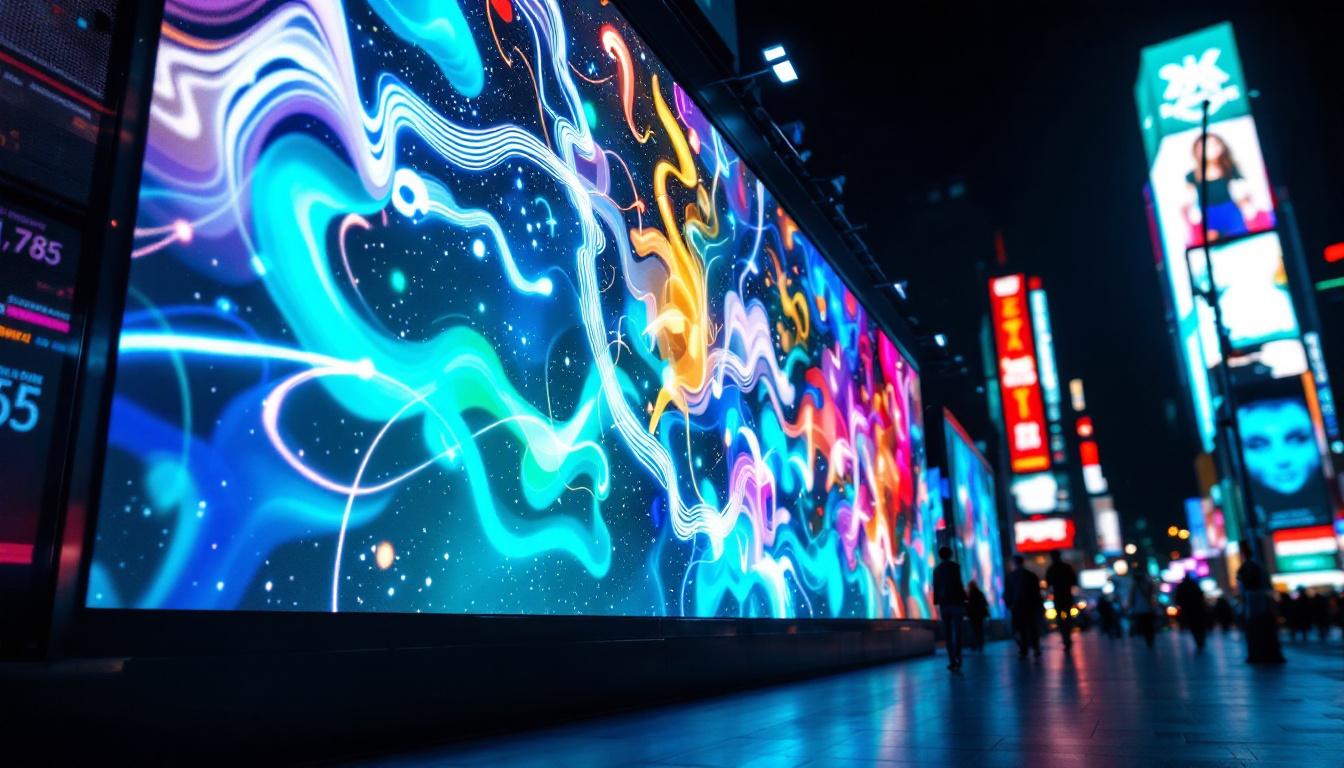
In the evolving world of visual technology, LED displays have become a cornerstone for showcasing artwork, advertisements, and dynamic content. From towering billboards in Times Square to immersive art installations in galleries, LED displays provide vibrant, flexible, and highly engaging visual experiences. This article explores the technology behind LED displays, their applications in displaying artwork, and why they have become an indispensable medium in modern visual communication.
Understanding LED Display Technology
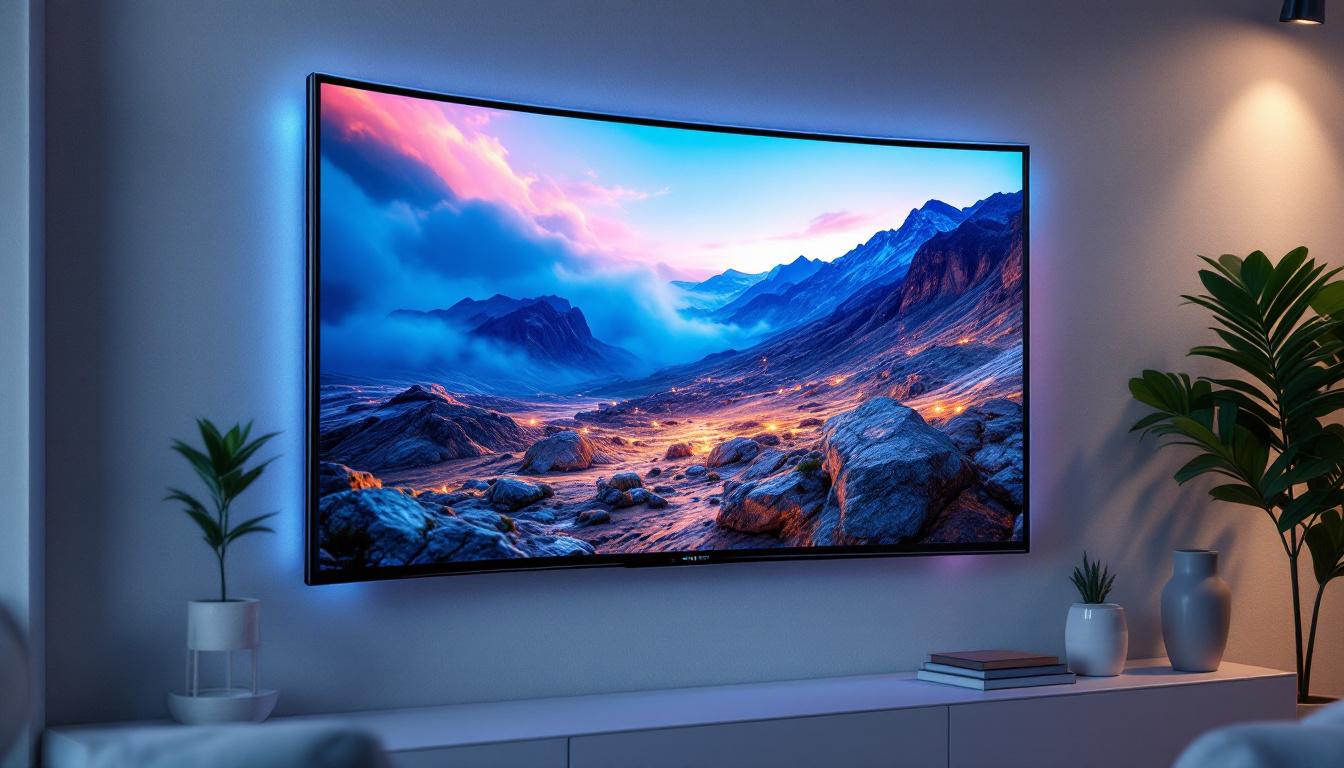
LED, or Light Emitting Diode, displays are composed of numerous tiny light sources that emit light when an electric current passes through them. Unlike traditional display technologies such as LCD or plasma, LEDs generate their own light, resulting in brighter images with superior contrast and color accuracy. This self-illuminating property allows LED displays to achieve deeper blacks and more vibrant colors, making them ideal for various applications, from home entertainment systems to large-scale public displays.
The core of an LED display consists of individual diodes arranged in a grid, each acting as a pixel. These pixels can be red, green, and blue (RGB), and by varying their intensity, the display can produce a full spectrum of colors. This RGB system is fundamental to the vivid and dynamic visuals that LED displays are known for. Additionally, advancements in technology have led to the development of RGBW (Red, Green, Blue, White) displays, which include a white sub-pixel to enhance brightness and improve color accuracy even further, particularly in bright environments.
Types of LED Displays
There are several types of LED displays, each suited to different environments and purposes:
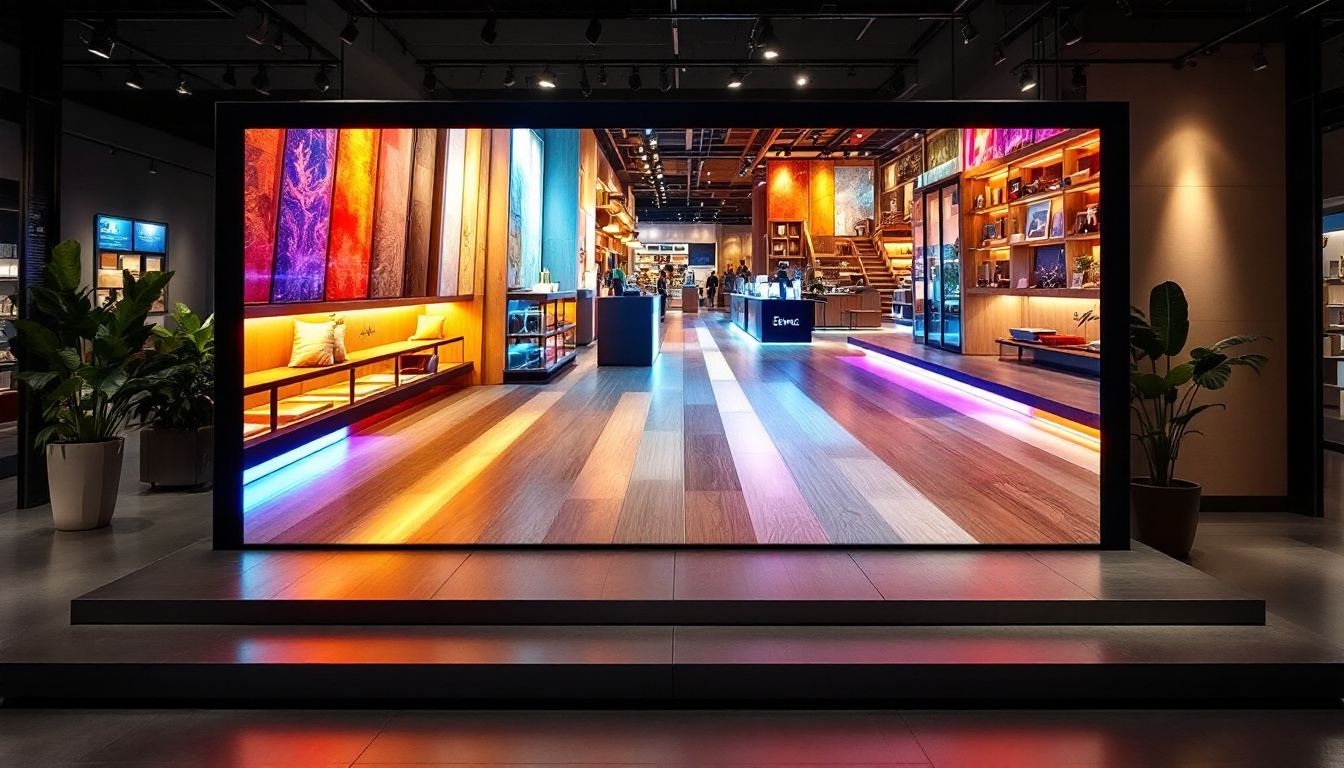
- Indoor LED Displays: Designed for close viewing distances, these displays have high pixel density, allowing for detailed and sharp images. They are commonly used in museums, galleries, and retail spaces. The ability to create immersive experiences makes them popular in interactive installations, where viewers can engage with the artwork in real-time.
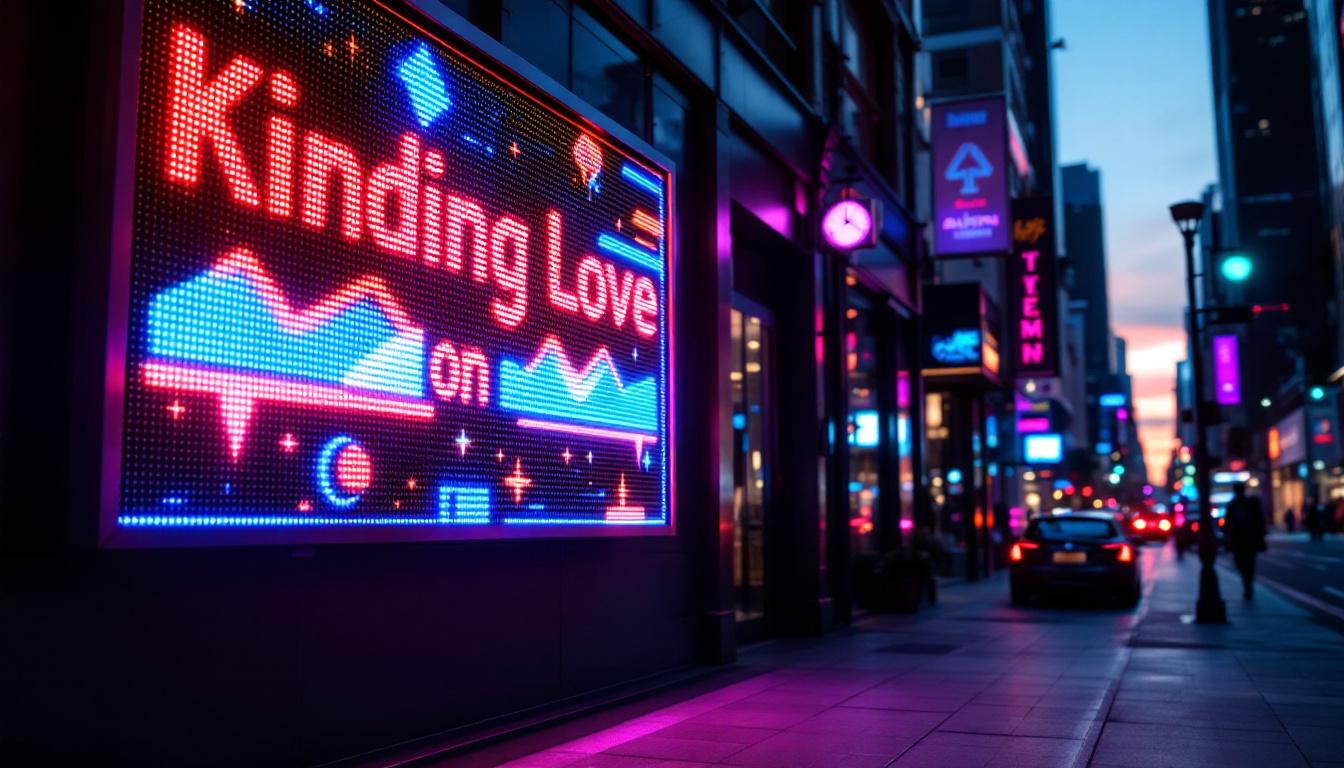
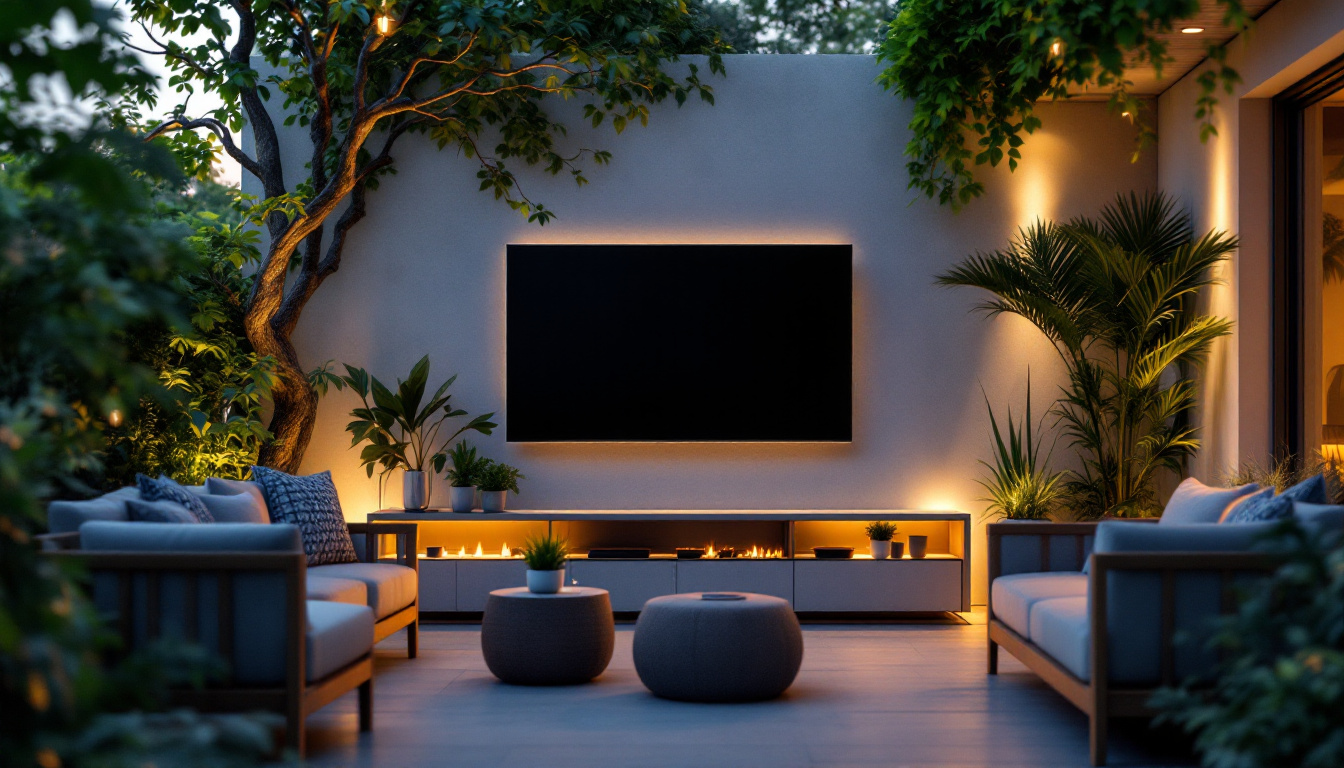
- Outdoor LED Displays: Built to withstand weather conditions and provide high brightness to combat sunlight, outdoor displays often have larger pixels and are used for billboards, stadium screens, and public art installations. These displays are engineered to be durable, with protective coatings that shield them from rain, dust, and UV rays, ensuring longevity and consistent performance in various climates.
- Flexible and Transparent LED Displays: These innovative displays can bend or be see-through, opening new creative possibilities for artists and designers. Their adaptability allows for unique architectural integrations, where the display can become part of the structure itself, providing both aesthetic appeal and functional information.
Key Technical Specifications
When evaluating LED displays for artwork, several technical factors come into play:
- Pixel Pitch: This refers to the distance between the centers of two adjacent pixels. A smaller pixel pitch means higher resolution and finer detail, crucial for indoor art displays. Displays with a pixel pitch of less than 2mm are becoming increasingly common in high-end installations, allowing for stunning clarity even at close range.
- Brightness: Measured in nits, brightness determines visibility in different lighting conditions. Outdoor displays often exceed 5,000 nits, while indoor displays typically range from 800 to 1,500 nits. This capability ensures that images remain vibrant and clear, even in direct sunlight or brightly lit environments.
- Refresh Rate: The number of times per second the display updates its image. Higher refresh rates reduce flicker and improve the viewing experience, especially for video content. A refresh rate of 60Hz or higher is generally recommended for smooth motion, particularly in dynamic art pieces that incorporate video elements.
- Color Accuracy: The ability of the display to reproduce colors faithfully, which is vital for artwork presentation. Advanced calibration techniques and color management systems are often employed to ensure that the colors displayed match the artist’s original intent, making LED technology a preferred choice for galleries and exhibitions.
The Role of LED Displays in Modern Artwork
LED displays have transformed the way art is created, presented, and experienced. They enable artists to incorporate motion, interactivity, and light into their work, expanding the boundaries of traditional media.
Dynamic and Interactive Art
Unlike static canvases, LED displays allow for dynamic content that can change over time or respond to viewer interaction. This capability has given rise to new forms of digital art where motion graphics, animations, and real-time data visualization become integral components.
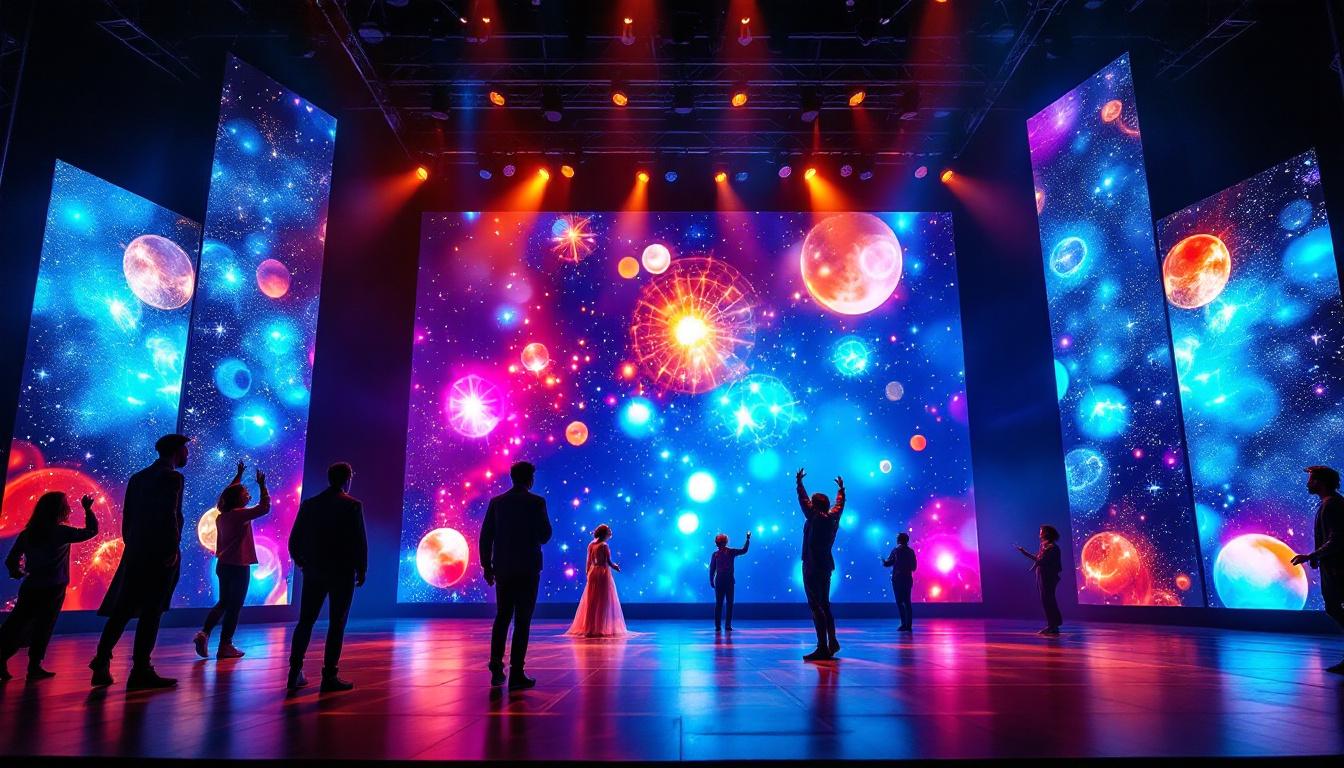
For example, interactive installations in public spaces use sensors to alter the displayed artwork based on audience movement or environmental factors. This interactivity fosters a deeper connection between the viewer and the artwork, making the experience immersive and personalized.
Large-Scale Public Art Installations
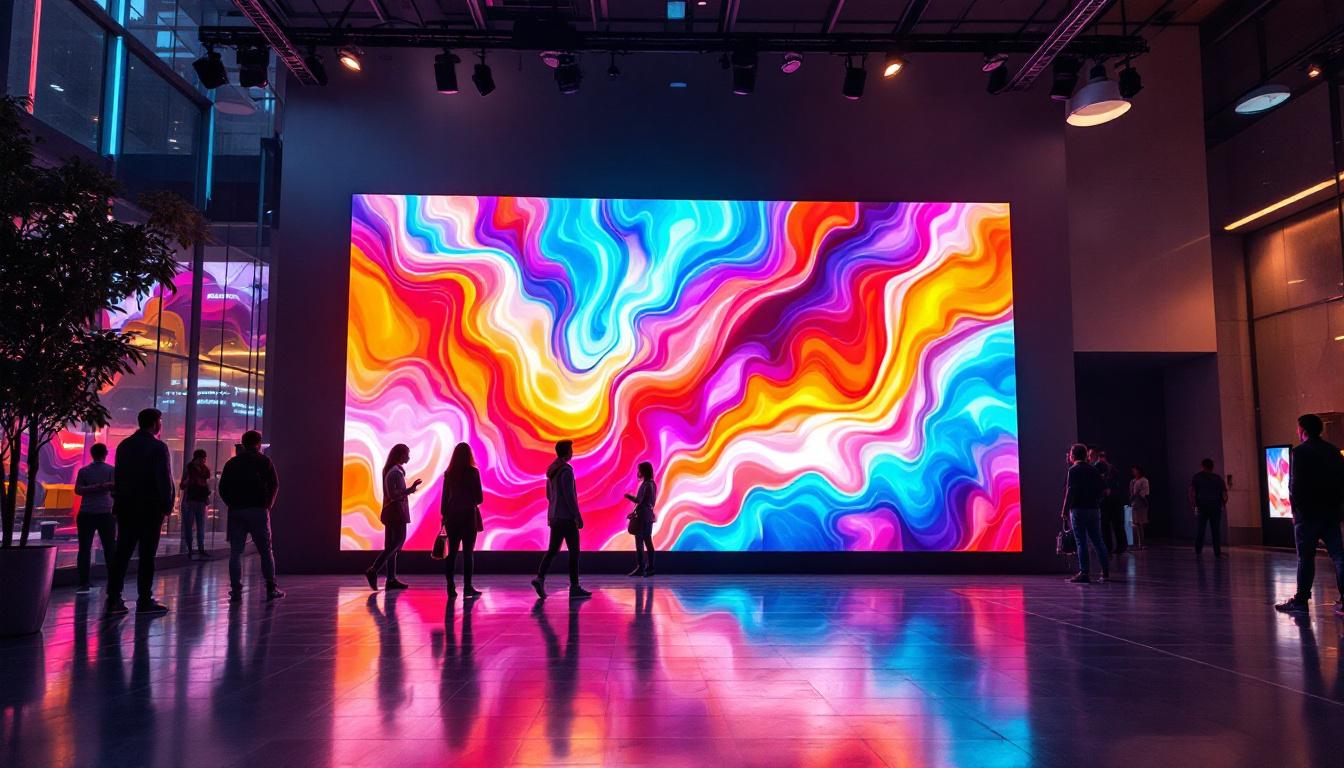
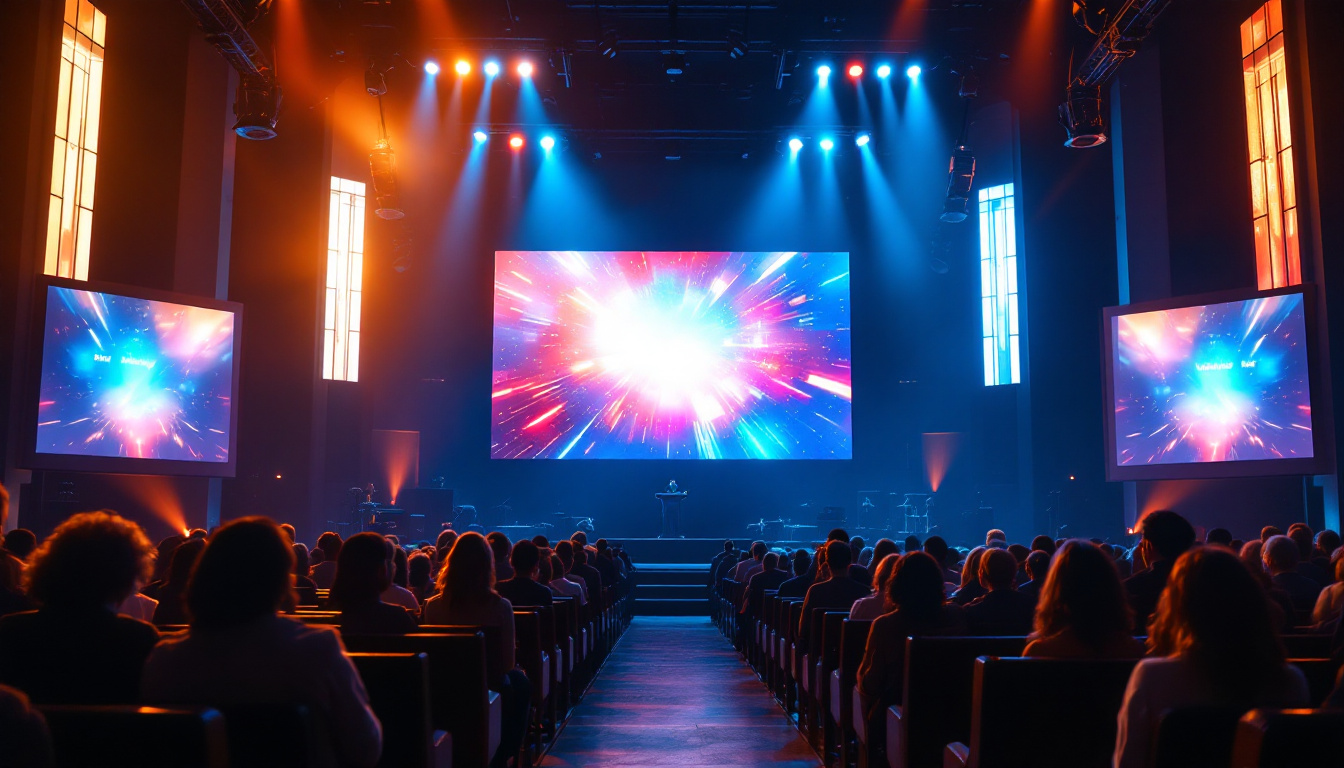
LED displays enable large-scale artworks that can be viewed from great distances. Cities around the world have embraced LED technology to turn building facades, bridges, and public squares into canvases for artistic expression. These installations often combine art with messaging, creating visually stunning environments that engage communities.
One notable example is the use of LED displays in the annual Festival of Lights in Berlin, where landmarks are illuminated with animated artworks, drawing millions of visitors each year.
Preserving and Enhancing Traditional Art
LED displays also play a role in preserving and enhancing traditional artworks. Museums use high-resolution LED screens to display digitized versions of fragile or rare pieces, allowing visitors to explore details without risking damage to the originals.
Additionally, LED technology can simulate lighting conditions or augment artworks with complementary visuals, enriching the storytelling aspect of exhibitions.
Advantages of LED Displays for Artwork Presentation
The adoption of LED displays in the art world is driven by several distinct advantages that these technologies offer over conventional display methods.
Vibrant Color and High Contrast
LED displays provide exceptional color vibrancy and contrast ratios. The self-illuminating nature of LEDs means blacks are truly black, and colors appear more saturated. This quality enhances the visual impact of artworks, making them more captivating to viewers.
Flexibility and Customization
LED panels can be configured in various shapes and sizes, from small indoor screens to massive outdoor walls. This adaptability allows artists and curators to tailor the display to the specific spatial and aesthetic requirements of an installation.
Moreover, content can be updated or changed remotely and instantly, offering unparalleled flexibility for exhibitions that evolve over time or feature multiple artists.
Energy Efficiency and Longevity
Compared to older display technologies, LEDs consume less power and have a longer operational lifespan. This efficiency reduces the environmental impact and maintenance costs associated with large-scale displays, making them a sustainable choice for galleries and public art projects.
Enhanced Viewer Engagement
The brightness, motion capabilities, and interactivity of LED displays capture attention more effectively than static mediums. This engagement is critical in environments where competing visual stimuli abound, such as urban centers or busy exhibitions.
Challenges and Considerations When Using LED Displays for Artwork
While LED displays offer numerous benefits, there are important challenges and considerations to address to ensure successful artwork presentation.
Cost and Installation Complexity
High-quality LED displays can be expensive to purchase and install, particularly for large-scale or custom configurations. Budget constraints may limit access for smaller galleries or independent artists.
Installation often requires specialized expertise, especially for outdoor or flexible displays, to ensure durability, safety, and optimal performance.
Color Calibration and Consistency
Maintaining accurate and consistent color reproduction across large LED panels can be challenging. Variations in manufacturing, aging of LEDs, and environmental factors can affect color uniformity, potentially compromising the artistic intent.
Regular calibration and maintenance are essential to preserve the fidelity of the displayed artwork.
Viewing Distance and Pixel Pitch Trade-offs
Choosing the right pixel pitch involves balancing resolution with viewing distance. A display with too large a pixel pitch may appear pixelated when viewed up close, while a very fine pitch can increase costs and power consumption.
Curators and artists must consider the typical audience distance to optimize visual quality and budget.
Environmental Impact and Light Pollution
Outdoor LED displays, especially those operating at high brightness levels, can contribute to light pollution and disrupt local ecosystems. Responsible design and operation practices, including dimming during late hours and using directional lighting, help mitigate these effects.
Future Trends in LED Display Artwork
The intersection of LED technology and art continues to evolve rapidly, driven by advances in materials, software, and creative experimentation.
MicroLED and MiniLED Technologies
Emerging microLED and miniLED technologies promise even higher resolution, better color accuracy, and improved energy efficiency. These smaller LEDs enable ultra-fine pixel pitches, opening new possibilities for detailed and immersive artwork displays.
Integration with Augmented Reality (AR) and Virtual Reality (VR)
Combining LED displays with AR and VR technologies is creating hybrid experiences where physical and digital art merge seamlessly. Visitors can interact with LED installations through mobile devices or wearables, enhancing engagement and storytelling.
AI-Driven Content Generation
Artificial intelligence is increasingly used to generate and adapt visual content in real time. AI algorithms can create evolving artworks that respond to environmental data, audience behavior, or even emotional cues, making LED displays a platform for living art.
Sustainability Innovations
As sustainability becomes a priority, manufacturers are developing eco-friendly LED materials and recycling programs. Energy harvesting techniques, such as solar-powered displays, are also gaining traction to reduce the carbon footprint of large installations.
Conclusion
LED displays have revolutionized the presentation of artwork by offering vibrant, flexible, and interactive platforms that engage audiences in unprecedented ways. Their ability to render dynamic content with exceptional brightness and color accuracy makes them ideal for both indoor galleries and large-scale public installations.
While challenges such as cost, color calibration, and environmental impact require careful consideration, ongoing technological advancements continue to expand the creative potential of LED displays. As artists and curators embrace these innovations, LED technology is poised to remain at the forefront of visual art expression for years to come.
Explore the Future of Art Display with LumenMatrix
As we embrace the transformative power of LED technology in the art world, LumenMatrix stands at the forefront, offering a spectrum of innovative LED display solutions. Whether you’re looking to create an immersive indoor gallery experience or captivate passersby with a large-scale outdoor installation, LumenMatrix has the technology to bring your vision to life. Our Indoor LED Wall Display, Outdoor LED Wall Display, and Custom LED Display options are just the beginning. We invite you to check out LumenMatrix LED Display Solutions and join us in revolutionizing visual communication and artwork presentation.