In the rapidly evolving world of digital signage and advertising, transparent LED displays have emerged as a revolutionary technology. Offering a unique blend of visibility, aesthetics, and functionality, these displays are transforming how brands communicate with their audiences and how spaces are designed. This article delves into the intricacies of transparent LED displays, exploring their technology, applications, benefits, and future potential.
Understanding Transparent LED Display Technology
Transparent LED displays, often referred to as see-through LED screens or display box transparent units, are a modern innovation in digital display technology. Unlike traditional LED screens that are opaque and block the view behind them, transparent LED displays allow light to pass through, creating a see-through effect while still delivering vibrant digital content. This unique capability makes them particularly appealing for a variety of settings, from retail environments to art installations, where visibility and engagement are crucial.
How Transparent LED Displays Work
The core principle behind transparent LED displays lies in their unique construction. These displays use specially designed LED modules arranged on a transparent substrate, such as glass or acrylic. The LEDs are spaced apart with gaps between them, allowing light and images to be displayed without obstructing the view behind the screen. This innovative design not only enhances aesthetic appeal but also allows for creative applications, such as overlaying digital graphics on physical objects or environments.
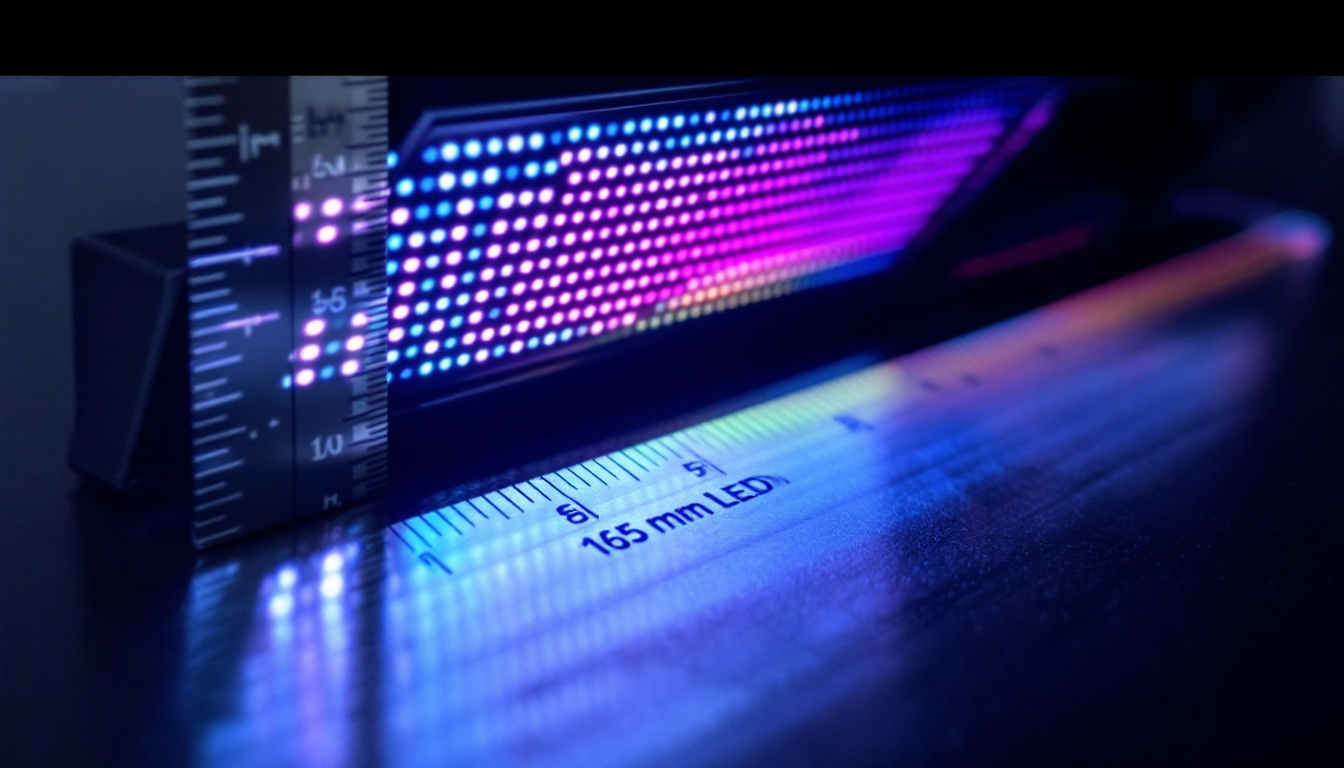
Typically, the pixel pitch—the distance between individual LEDs—is larger than in conventional LED displays, which contributes to the transparency. The LEDs emit bright, colorful light that can be seen clearly even in bright environments, while the transparent areas let ambient light and background visuals remain visible. This feature is particularly advantageous in high-traffic areas where maintaining a connection to the surrounding environment is essential, allowing for a seamless blend of digital and physical experiences.
Types of Transparent LED Displays
There are several variations of transparent LED displays, each suited for different applications:
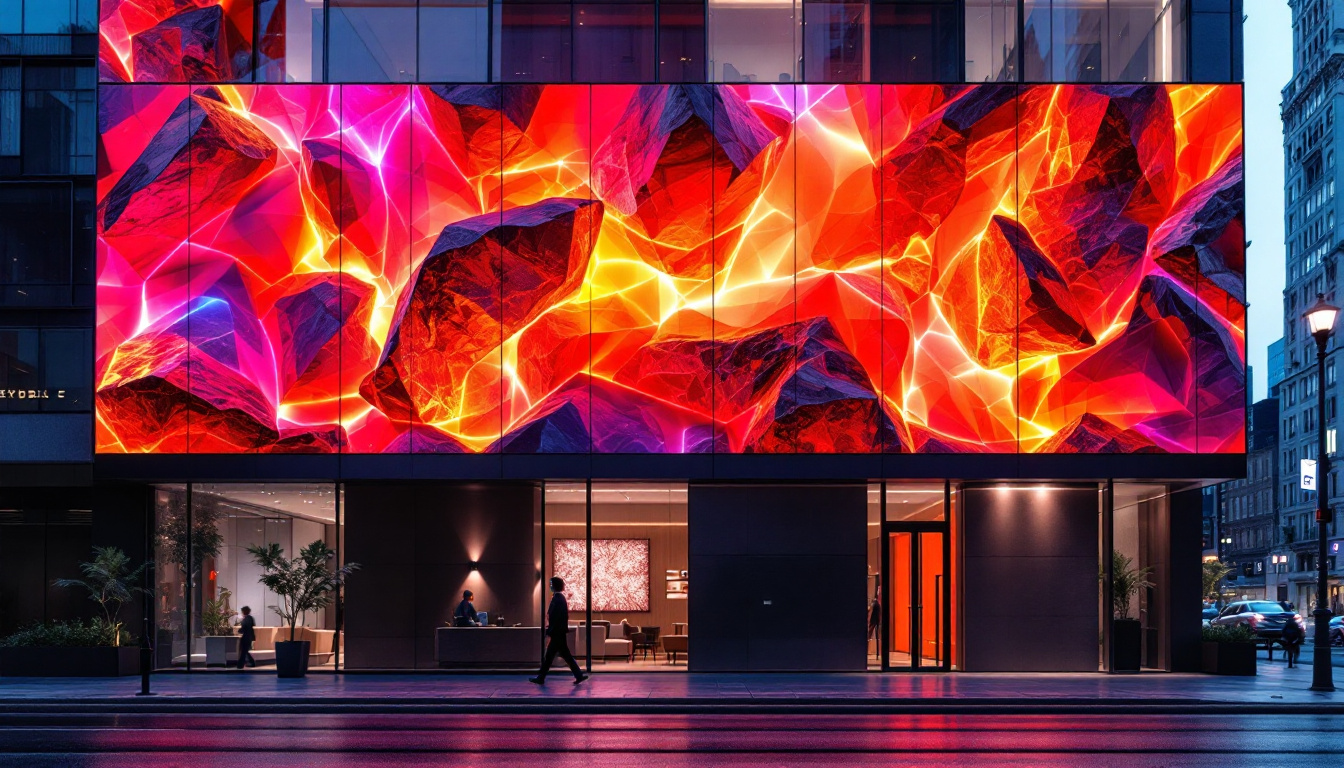
- Glass-based Transparent LED Screens: These are integrated into glass panels, often used in storefront windows or building facades. Their sleek design not only attracts customers but also allows businesses to showcase dynamic advertisements without compromising visibility.
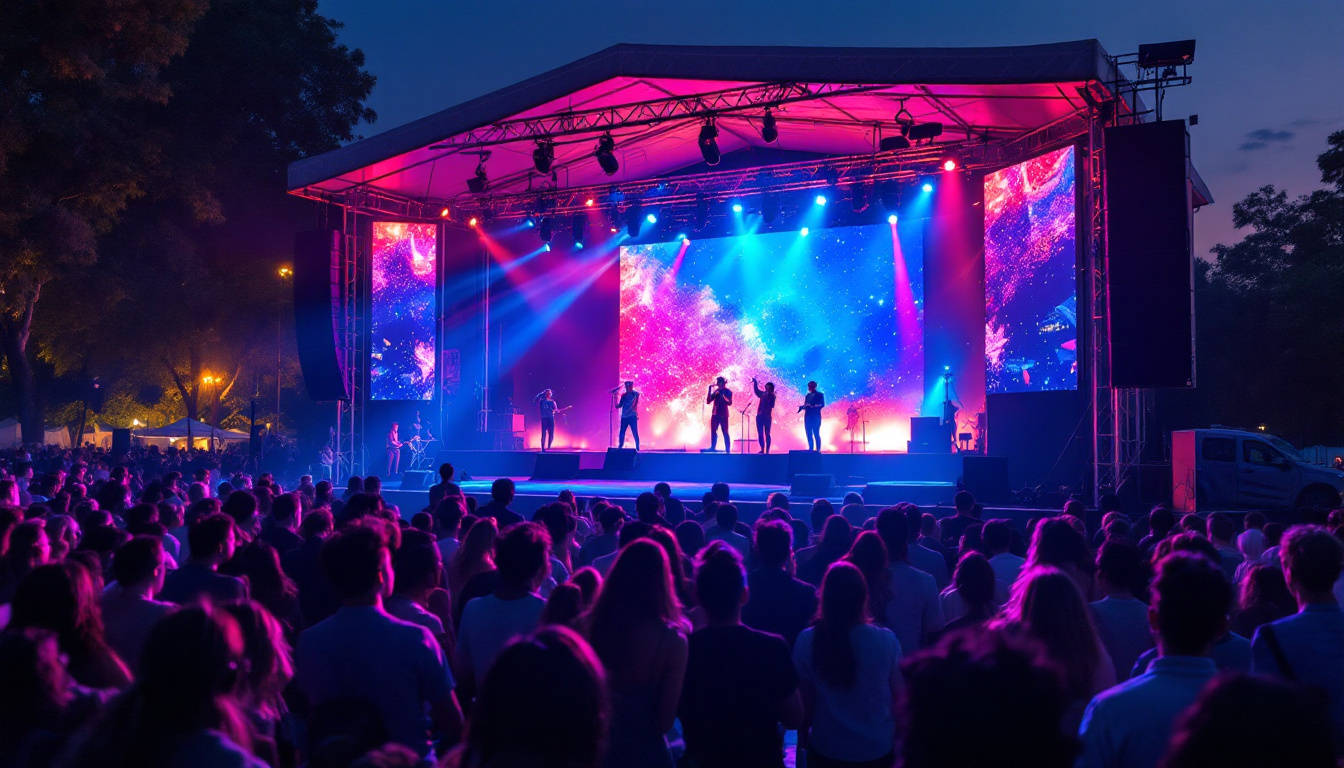
- Mesh LED Displays: Featuring a mesh-like structure, these displays are lightweight and ideal for large-scale outdoor installations. They are commonly used in concerts and festivals, where they can create stunning visual effects while allowing airflow and visibility.
- Film-based Transparent LEDs: Thin films embedded with micro-LEDs can be applied to existing glass surfaces, offering a retrofit solution. This flexibility allows businesses to upgrade their displays without the need for extensive renovations, making it a cost-effective option for modernizing storefronts.
Each type balances transparency, brightness, and durability differently, allowing for tailored solutions depending on the environment and use case. In addition to their aesthetic benefits, transparent LED displays are also energy-efficient, often consuming less power than traditional LED screens. This efficiency, combined with their ability to deliver high-quality visuals, makes them an attractive option for businesses looking to enhance their branding and customer engagement strategies.
Applications of Transparent LED Displays
Transparent LED displays have found a wide range of applications across various industries, leveraging their unique ability to blend digital content with physical environments.
Retail and Advertising
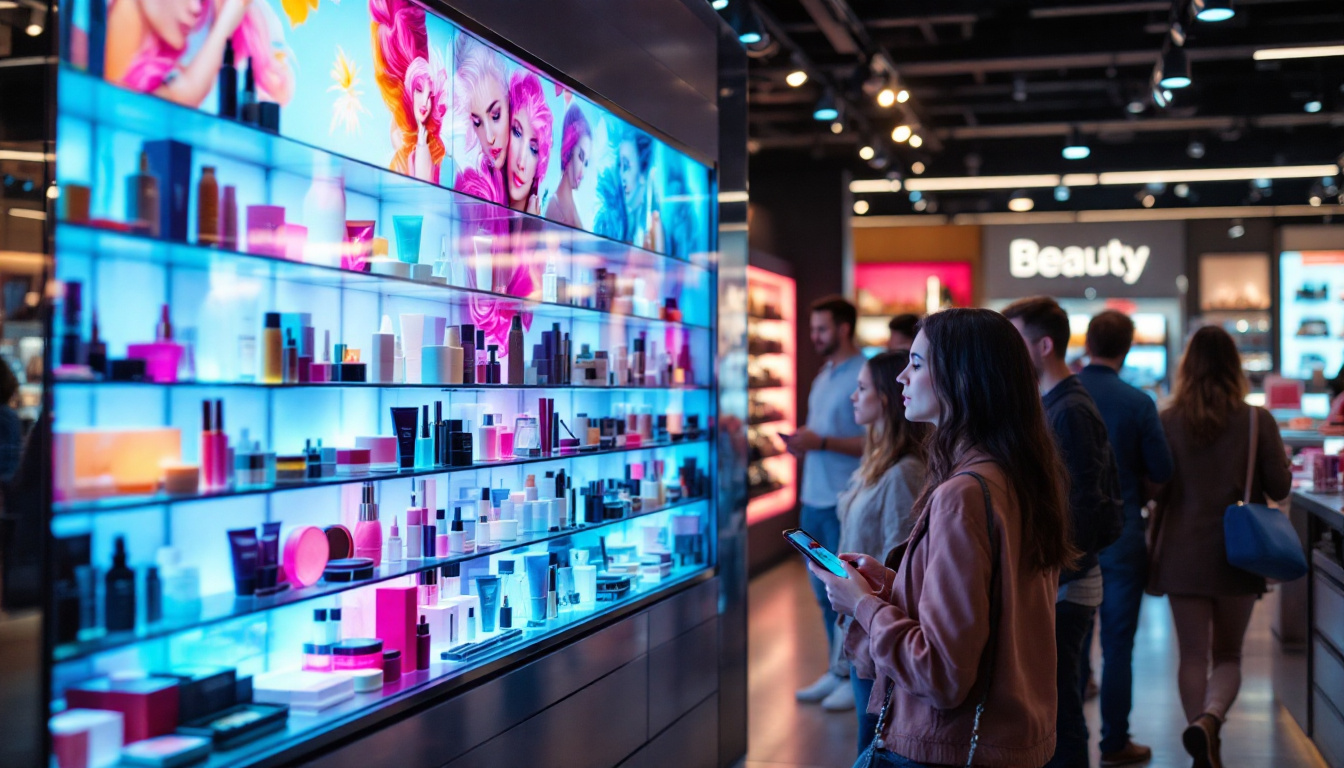
Retailers have embraced transparent LED displays as a powerful tool to attract customers while maintaining the visibility of their storefronts. By installing these displays on glass windows, stores can showcase dynamic advertisements, promotions, or branding messages without blocking natural light or the view inside.
For example, luxury brands often use transparent LED displays to create captivating window displays that enhance the shopping experience and drive foot traffic. According to a 2023 report by the Digital Signage Federation, stores utilizing transparent LED displays saw an average increase of 18% in customer engagement compared to traditional static signage. This innovative approach not only captivates potential customers but also allows brands to tell a story or convey a message in a visually striking manner, making the shopping environment more immersive and engaging.
Moreover, the flexibility of transparent LED displays enables retailers to easily update their content in real-time, allowing for timely promotions or seasonal campaigns that resonate with current trends. This adaptability is particularly beneficial during peak shopping seasons, where the ability to quickly change advertisements can significantly impact sales and customer interactions.
Architectural and Interior Design
Architects and interior designers leverage transparent LED technology to integrate digital elements seamlessly into buildings. Transparent displays can be embedded into glass walls, partitions, or elevator doors, providing information, ambiance, or interactive content without compromising the openness of the space.
This approach is particularly popular in corporate environments, museums, and high-end hospitality venues, where the balance between technology and aesthetics is crucial. For instance, in a modern office building, transparent LED displays can be used to showcase company achievements, upcoming events, or even art, creating a dynamic atmosphere that fosters creativity and collaboration among employees.
Additionally, these displays can be programmed to change according to the time of day or specific events, enhancing the overall experience for visitors and occupants alike. The ability to blend digital content with architectural elements not only elevates the design but also transforms the way spaces are perceived and interacted with, pushing the boundaries of traditional design principles.
Transportation and Public Spaces
In transportation hubs like airports and train stations, transparent LED displays are used to deliver real-time information such as schedules, directions, and advertisements while preserving natural light and sightlines. Similarly, in public spaces, these displays can serve as interactive kiosks or art installations that engage passersby without creating visual barriers.
These displays can also enhance safety and navigation in busy environments by providing clear, easily readable information that can be updated instantly. For example, during emergencies or unexpected delays, transparent LED displays can quickly relay crucial information to travelers, helping to alleviate confusion and maintain order. Furthermore, their aesthetic appeal can transform mundane waiting areas into vibrant spaces that enhance the overall experience for commuters, making travel not just a necessity but an enjoyable part of the journey.
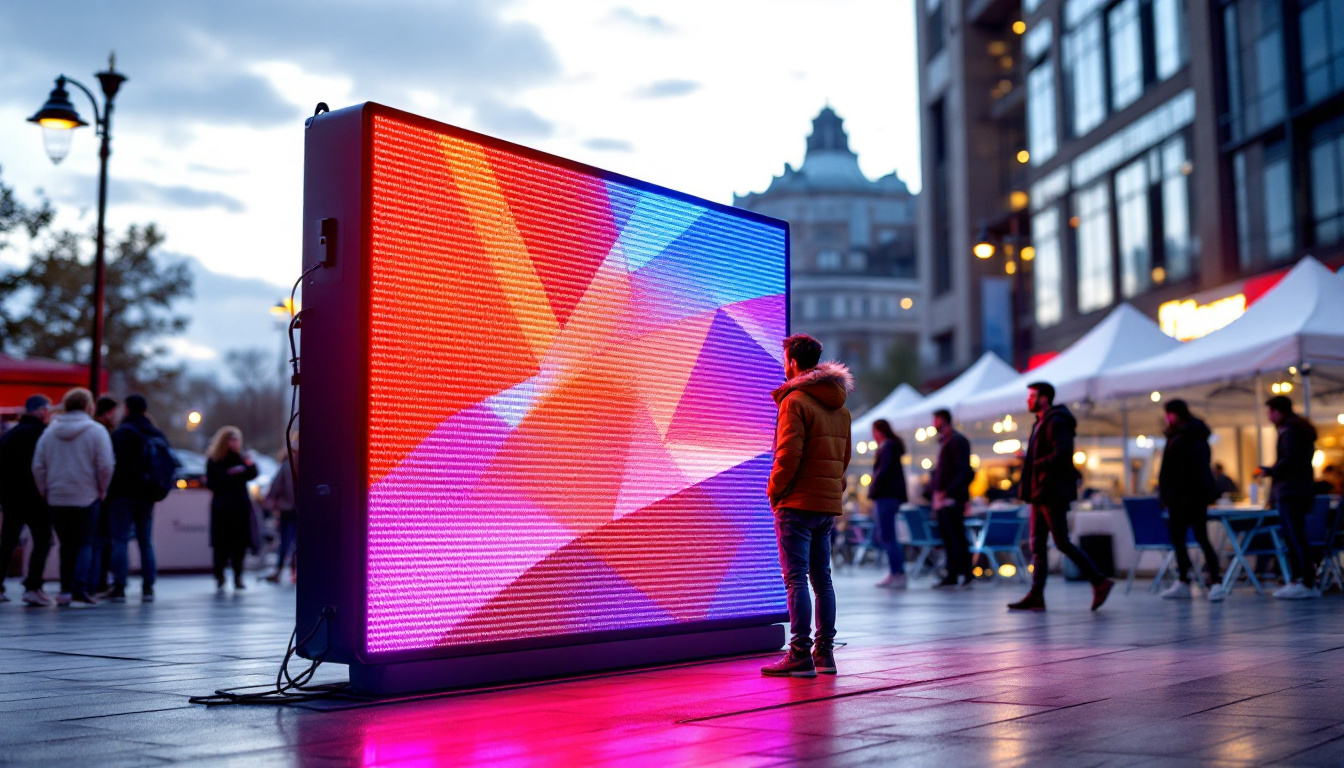
In parks and urban plazas, transparent LED displays can be utilized to showcase community events, local art, or environmental information, fostering a sense of community engagement. By integrating technology into public spaces, cities can create more interactive and informative environments that encourage social interaction and enhance the quality of urban life.
Advantages of Transparent LED Displays
The growing popularity of transparent LED displays is driven by several compelling advantages over traditional digital signage.
Enhanced Visual Appeal and Engagement
One of the most significant benefits of transparent LED displays is their ability to create visually stunning effects. The transparency allows for layering of digital content over real-world views, producing a futuristic and immersive experience. This can significantly boost viewer engagement and brand recall.
Energy Efficiency and Reduced Weight
Compared to conventional LED screens, transparent LED displays often consume less power because fewer LEDs are used per square meter due to the spacing required for transparency. Additionally, the lightweight nature of many transparent LED panels simplifies installation and reduces structural load on buildings.
Natural Light Preservation
Maintaining natural light is a critical consideration in many architectural projects. Transparent LED displays allow daylight to penetrate interior spaces, reducing the need for artificial lighting and enhancing occupant comfort and well-being. This feature aligns well with sustainable building practices and green certifications.
Versatility and Customization
These displays can be customized in shape, size, and pixel pitch to suit various environments and content requirements. Their modular design enables easy scalability and maintenance, making them a flexible choice for both temporary and permanent installations.
Challenges and Considerations
Despite their advantages, transparent LED displays also present certain challenges that must be carefully managed.
Cost Factors
Transparent LED technology is generally more expensive than traditional LED displays, primarily due to the specialized materials and manufacturing processes involved. Initial investment costs can be significant, although the long-term benefits and marketing impact often justify the expense.
Brightness and Contrast Limitations
While transparent LED displays are bright enough for many indoor and semi-outdoor applications, they may struggle to match the contrast and clarity of opaque LED screens in extremely bright outdoor environments. Selecting the appropriate pixel pitch and LED brightness is essential to optimize visibility.
Content Design Complexity
Designing content for transparent displays requires a different approach than for conventional screens. Content creators must consider the see-through nature of the display, ensuring that visuals complement rather than clash with the background. This often involves using high-contrast graphics, minimalist designs, and strategic placement of key information.
Future Trends and Innovations
The transparent LED display market continues to evolve rapidly, driven by advances in materials science, LED technology, and digital content creation.
Micro-LED and Mini-LED Integration
Emerging micro-LED and mini-LED technologies promise higher resolution, improved brightness, and greater energy efficiency. These advancements will enhance the visual quality of transparent displays, making them suitable for an even broader range of applications.
Interactive and Smart Displays
Integration with touch sensors, augmented reality (AR), and Internet of Things (IoT) technologies is transforming transparent LED displays into interactive smart surfaces. This development opens new possibilities for retail, education, and entertainment sectors, where user engagement is paramount.
Sustainability and Eco-Friendly Materials
As sustainability becomes a priority across industries, manufacturers are exploring eco-friendly materials and production methods for transparent LED displays. Recyclable substrates, low-power components, and longer-lasting LEDs contribute to reducing the environmental footprint of these displays.
Conclusion
Transparent LED displays represent a significant leap forward in digital signage technology, offering a unique combination of transparency, brightness, and versatility. Their ability to blend digital content seamlessly with physical environments makes them an invaluable tool for retailers, architects, advertisers, and public space designers.
While challenges such as cost and content design complexity exist, ongoing technological advancements and creative applications continue to expand the potential of transparent LED displays. As the market matures, these displays are poised to become a standard feature in modern visual communication and architectural design, shaping the way people interact with digital content in everyday spaces.
Illuminate Your Space with LumenMatrix
Ready to elevate your visual communication and create a lasting impression? Discover the transformative power of LumenMatrix’s advanced LED display solutions. From engaging Indoor LED Walls to dynamic Outdoor Displays, and from versatile Vehicle LED Displays to innovative Transparent LED Displays, LumenMatrix offers a wide array of options to bring your brand to life. Embrace the future of digital signage with our cutting-edge technology designed to captivate and engage. Check out LumenMatrix LED Display Solutions today and start your journey towards unparalleled visual storytelling.