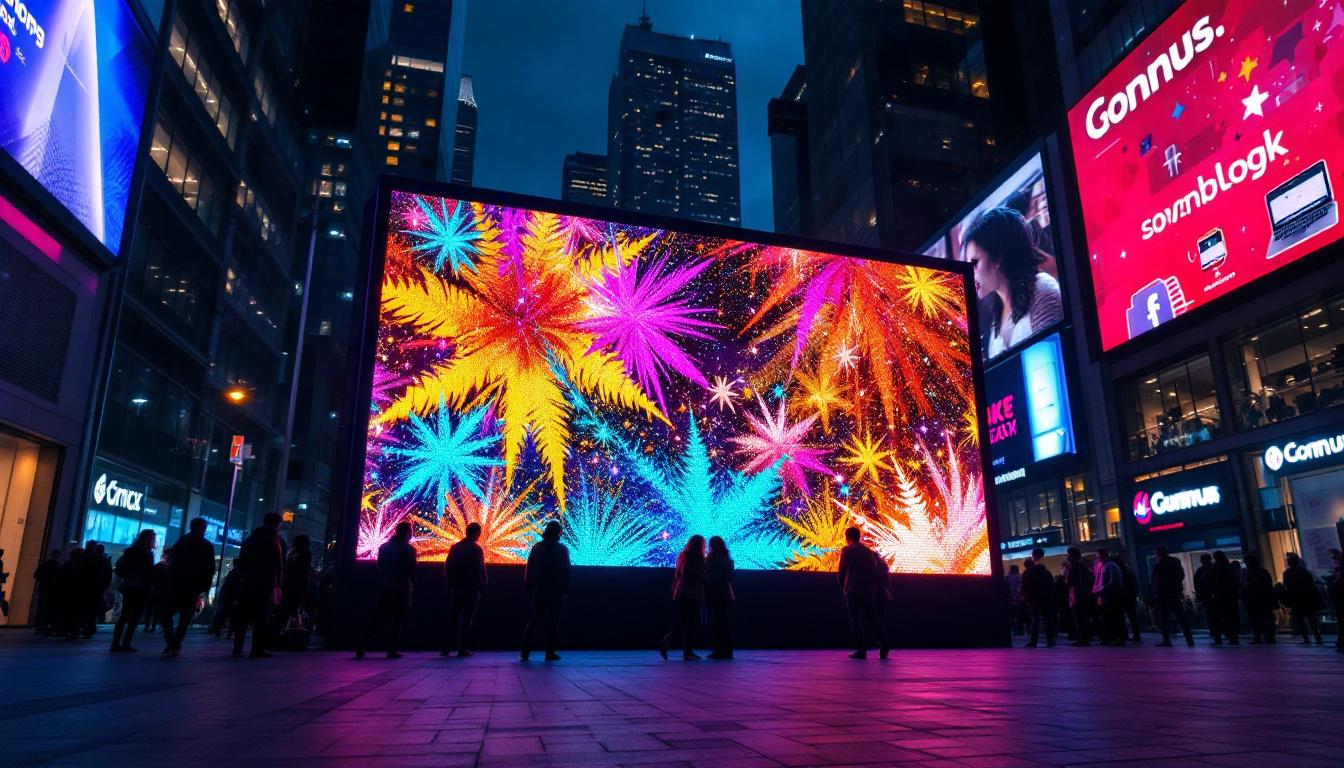
In today’s digital age, LED displays have become an integral part of how information is presented and consumed across various industries. From vibrant billboards in bustling city centers to sleek screens in corporate boardrooms, LED technology is everywhere. But what exactly is an LED display, how does it work, and why has it become the preferred choice for so many applications? This article delves deep into the world of LED displays, unpacking their technology, types, advantages, and future trends.
Understanding LED Technology: The Basics
LED stands for Light Emitting Diode, a semiconductor device that emits light when an electric current passes through it. Unlike traditional lighting sources such as incandescent bulbs or fluorescent tubes, LEDs produce light through electroluminescence, a process that is highly energy-efficient and long-lasting. This efficiency not only translates to lower energy bills but also contributes to a reduced carbon footprint, making LEDs a more environmentally friendly option for both residential and commercial lighting.
The core component of an LED display is the tiny LED pixel, which can be red, green, or blue. By varying the intensity of these three colors, an LED display can produce a full spectrum of colors, enabling vibrant and dynamic images. This RGB (Red, Green, Blue) color mixing principle is fundamental to how LED displays render visuals, allowing for the creation of intricate patterns and lifelike images that captivate viewers. Moreover, advancements in technology have led to the development of white LEDs, which combine various phosphor materials to produce a warm, natural light, further expanding their application in various settings.
How LED Displays Work
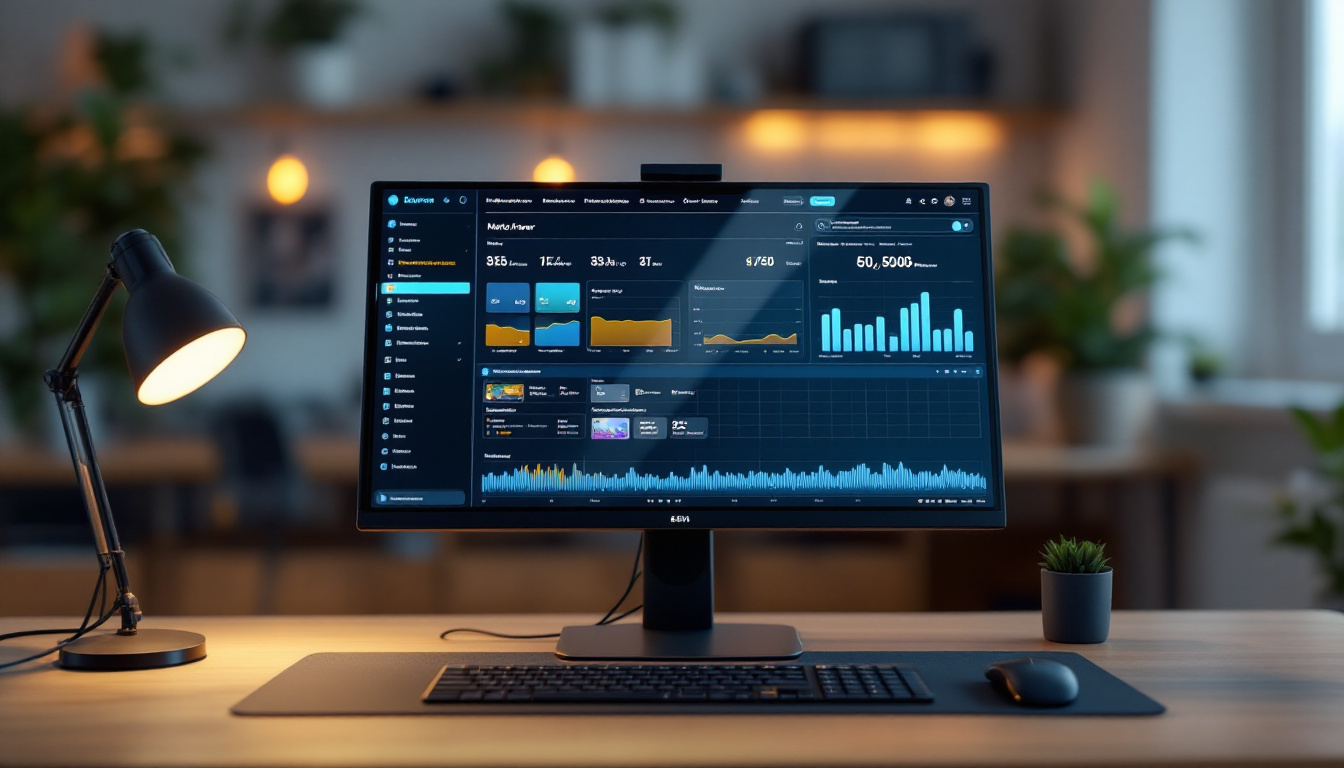
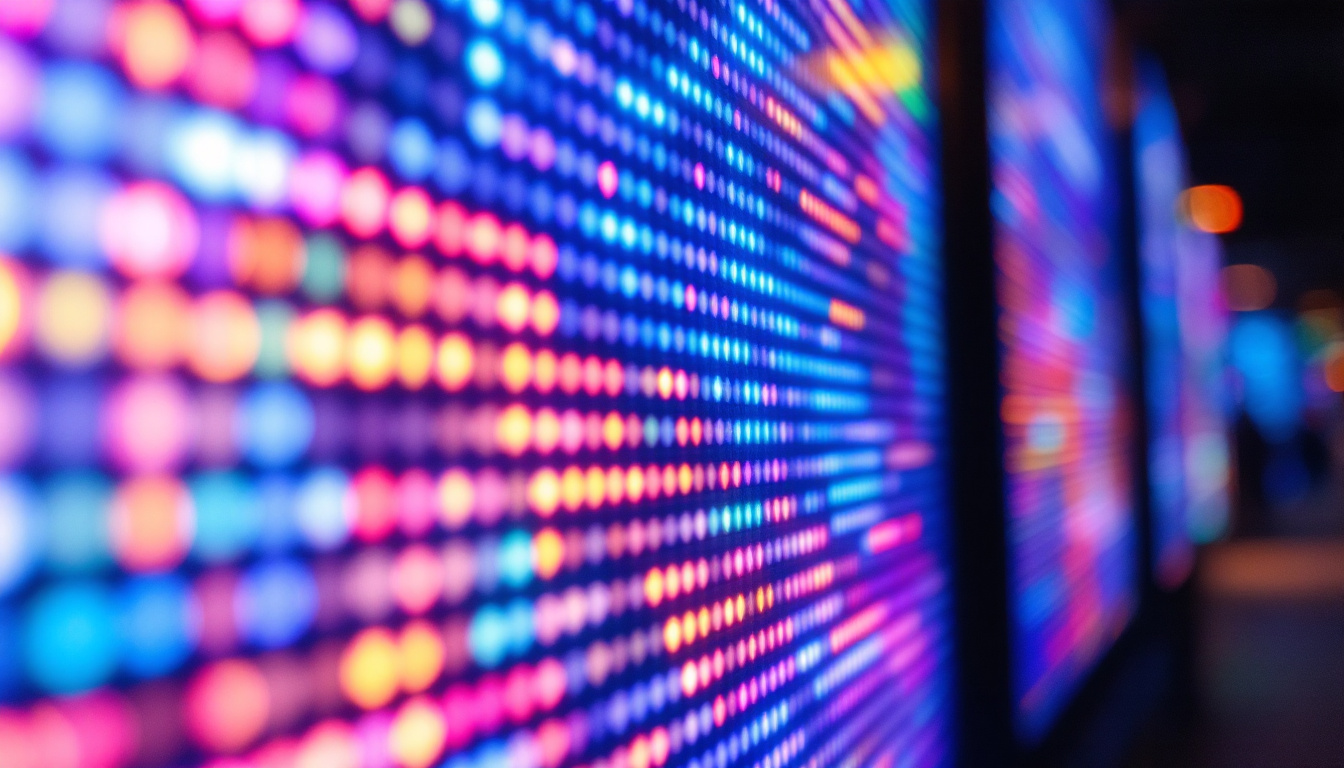
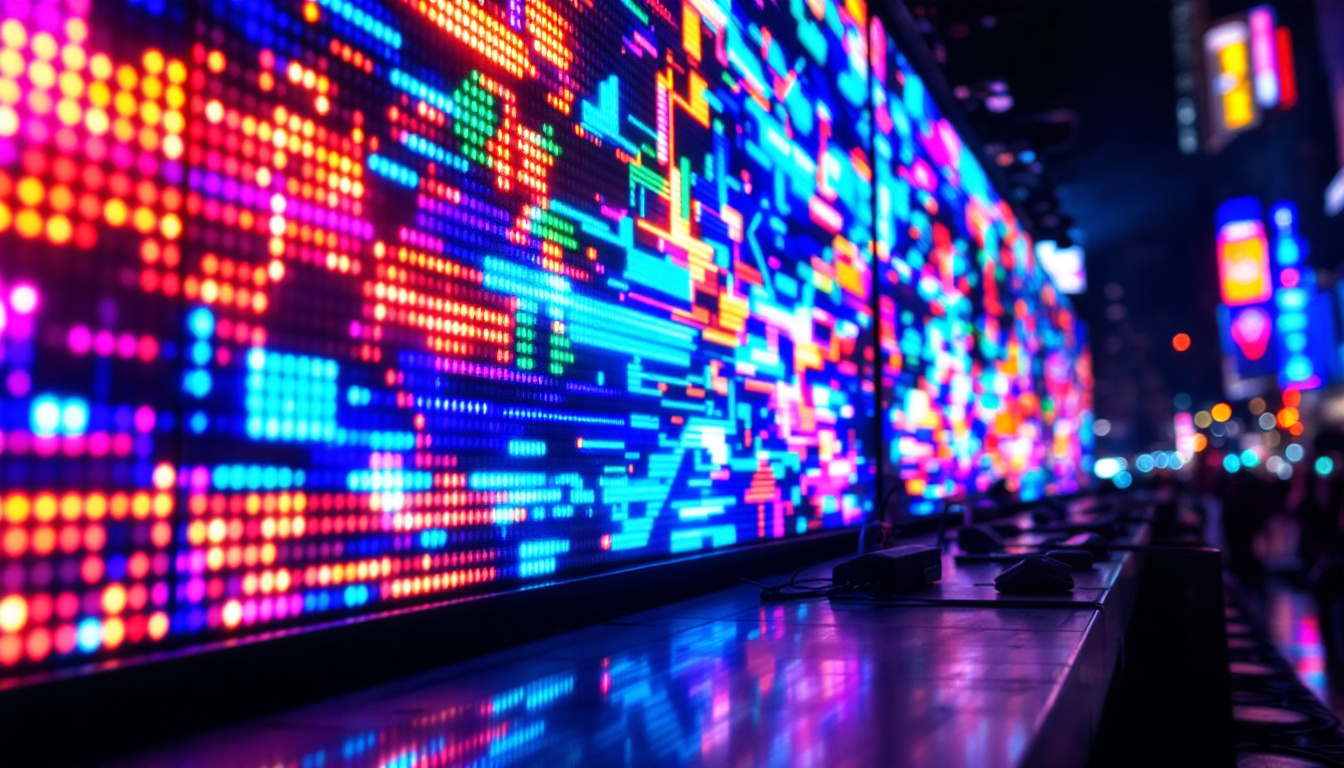
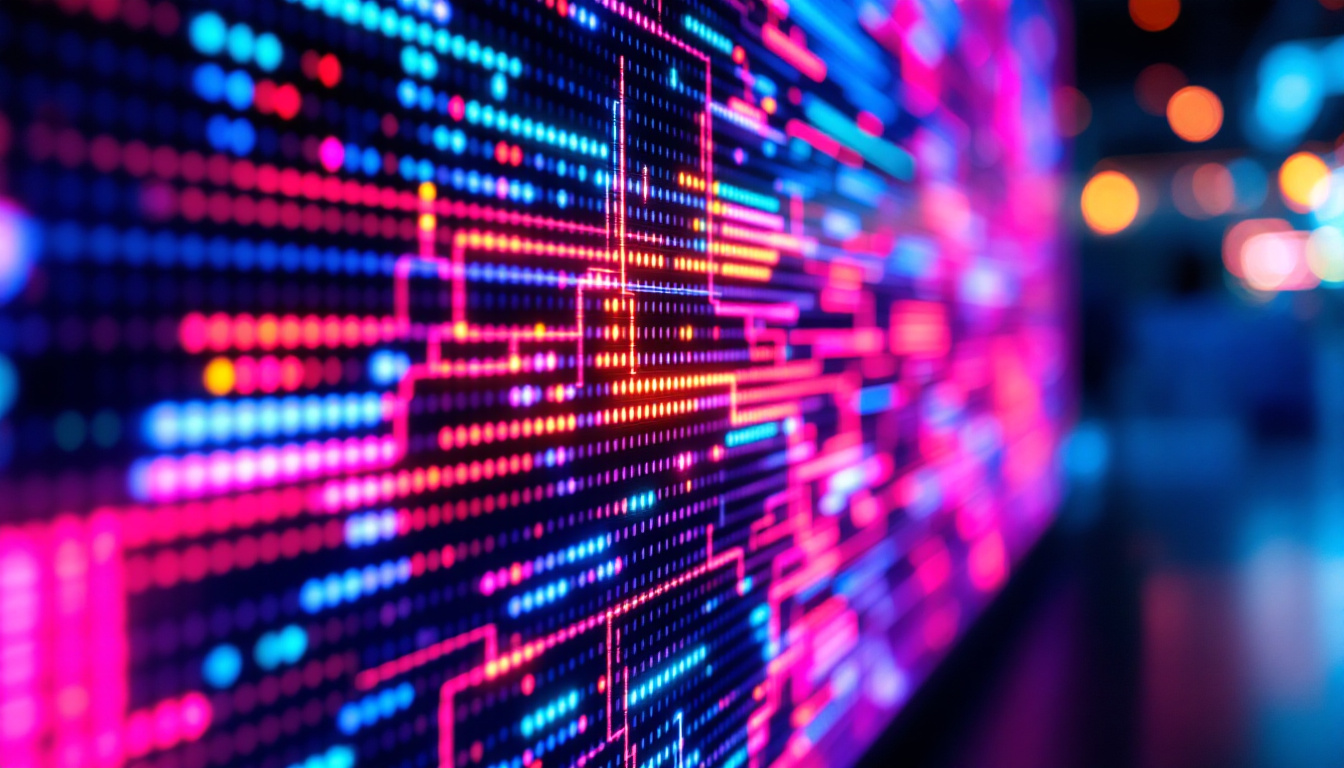
An LED display is essentially a matrix of thousands or even millions of these tiny LEDs arranged in a grid. Each LED or cluster of LEDs forms a pixel, and by controlling the brightness of each pixel, the display can create images, videos, or text. The control system behind the display processes input signals, whether from a computer, video player, or live feed, and converts them into electrical signals that determine the brightness and color of each LED. This intricate system allows for real-time adjustments, ensuring that the display maintains optimal performance under varying lighting conditions.
One of the key advantages of LEDs is their fast response time, which allows for smooth motion rendering and reduces motion blur. This makes LED displays particularly suitable for video playback and live broadcasts. Additionally, LED technology has evolved to include features such as high dynamic range (HDR) and wide color gamut (WCG), which enhance the viewing experience by providing deeper blacks, brighter whites, and a broader range of colors. These enhancements are especially beneficial in settings like cinemas and gaming, where visual fidelity is paramount. Furthermore, the durability of LEDs means they can withstand harsh environments, making them ideal for outdoor advertising and signage, where exposure to the elements is a constant challenge.
Types of LED Displays and Their Applications
LED displays come in various forms, each tailored to specific environments and use cases. Understanding these types helps in selecting the right display for a particular need.
1. Indoor LED Displays
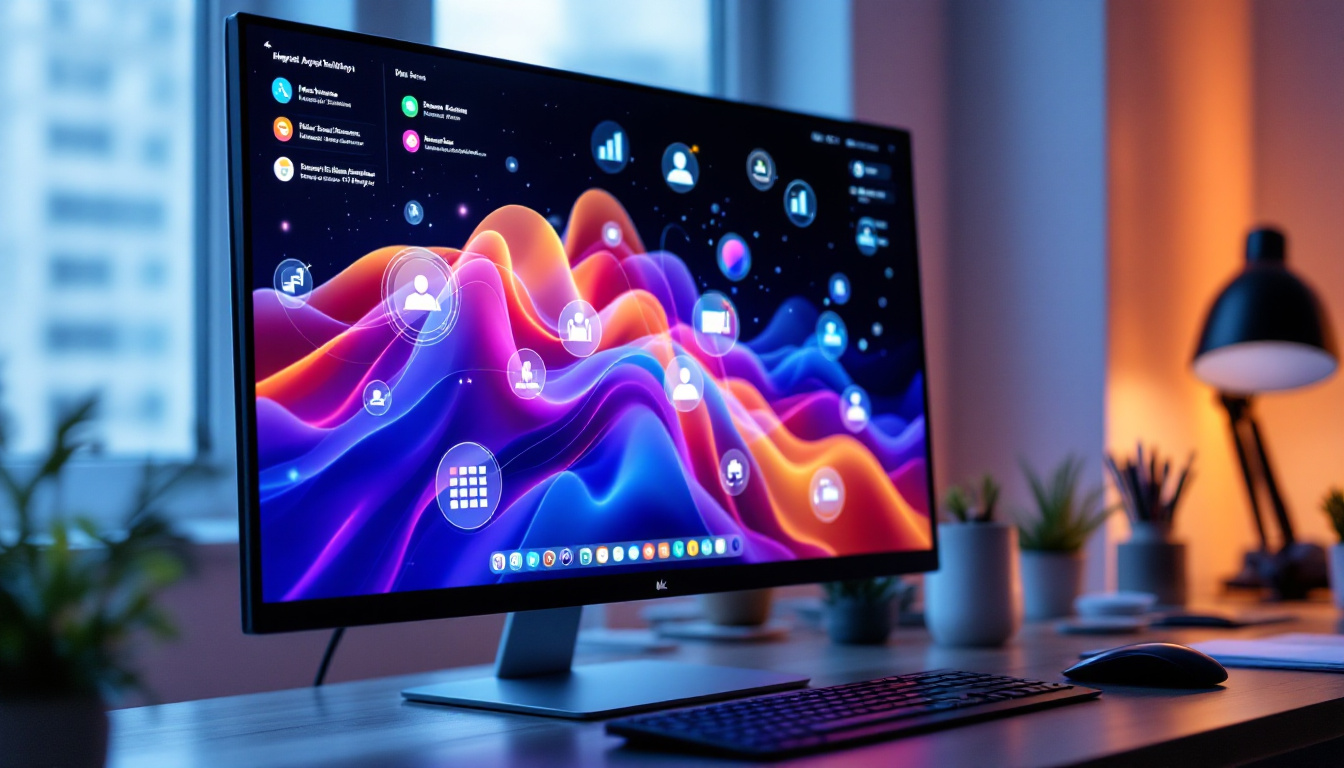
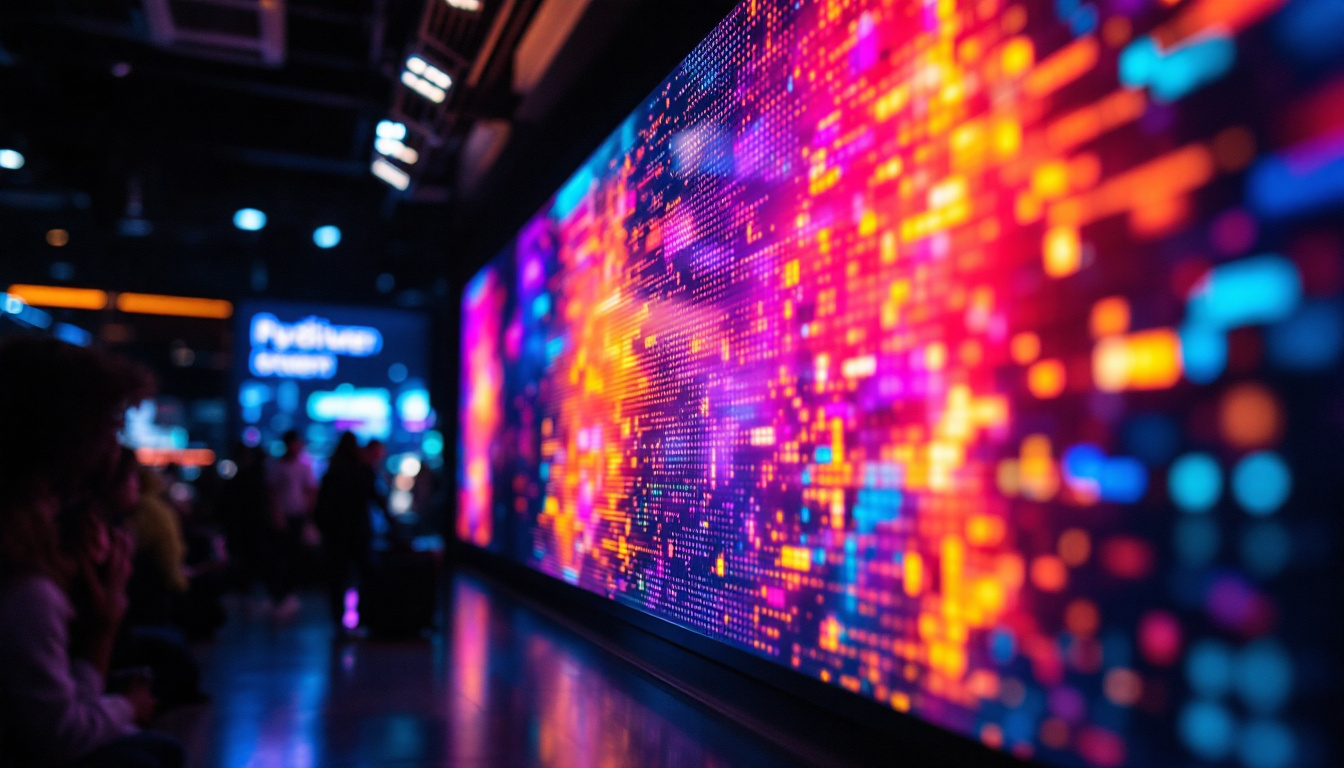
Indoor LED displays are designed for environments such as shopping malls, airports, conference rooms, and retail stores. They typically have a higher pixel density, meaning the LEDs are packed closely together, resulting in sharper images at close viewing distances. Pixel pitches (the distance between LED pixels) for indoor displays usually range from 1mm to 4mm.
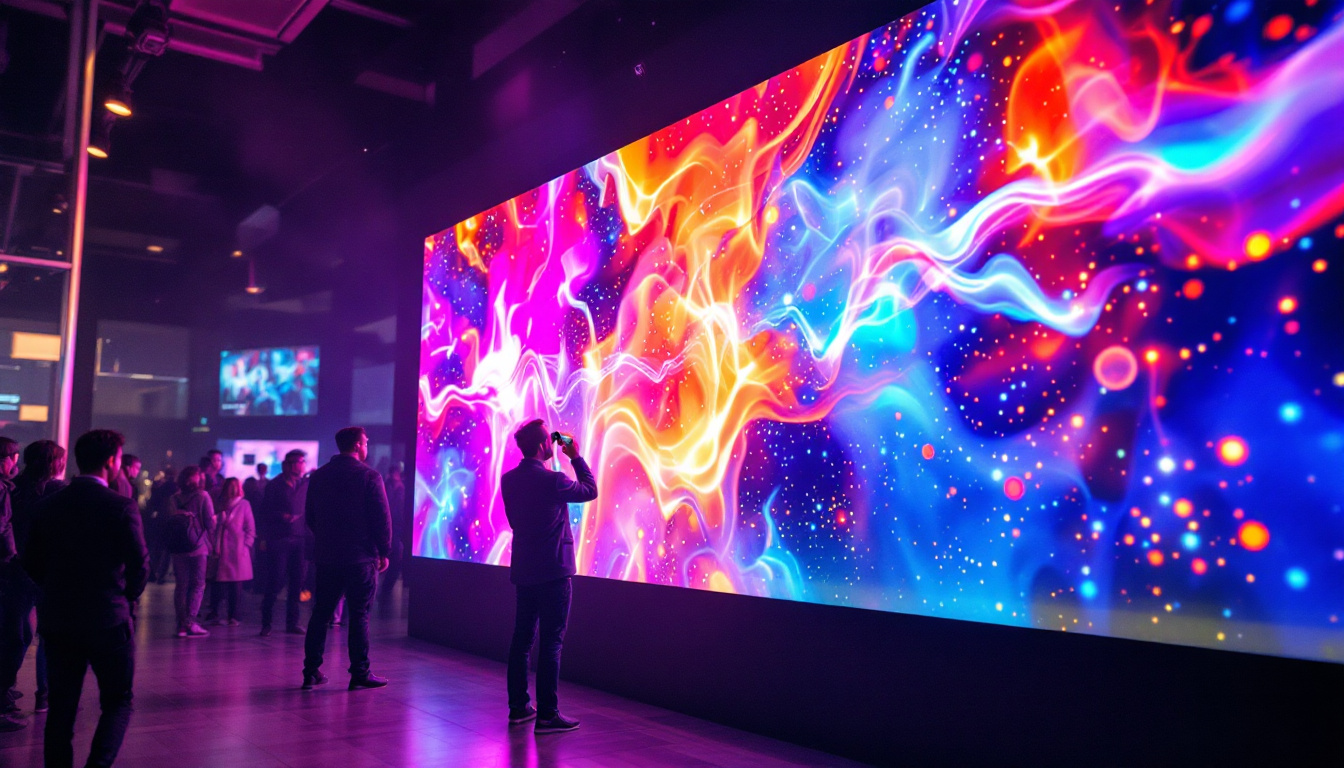
These displays are prized for their brightness, color accuracy, and ability to operate in controlled lighting conditions. For example, a corporate lobby might use an indoor LED video wall to showcase promotional content or company achievements, enhancing visitor engagement. Additionally, indoor LED displays can be integrated with interactive technology, allowing users to engage with the content through touch or motion sensors, creating an immersive experience that can be particularly effective in educational settings or trade shows.
2. Outdoor LED Displays
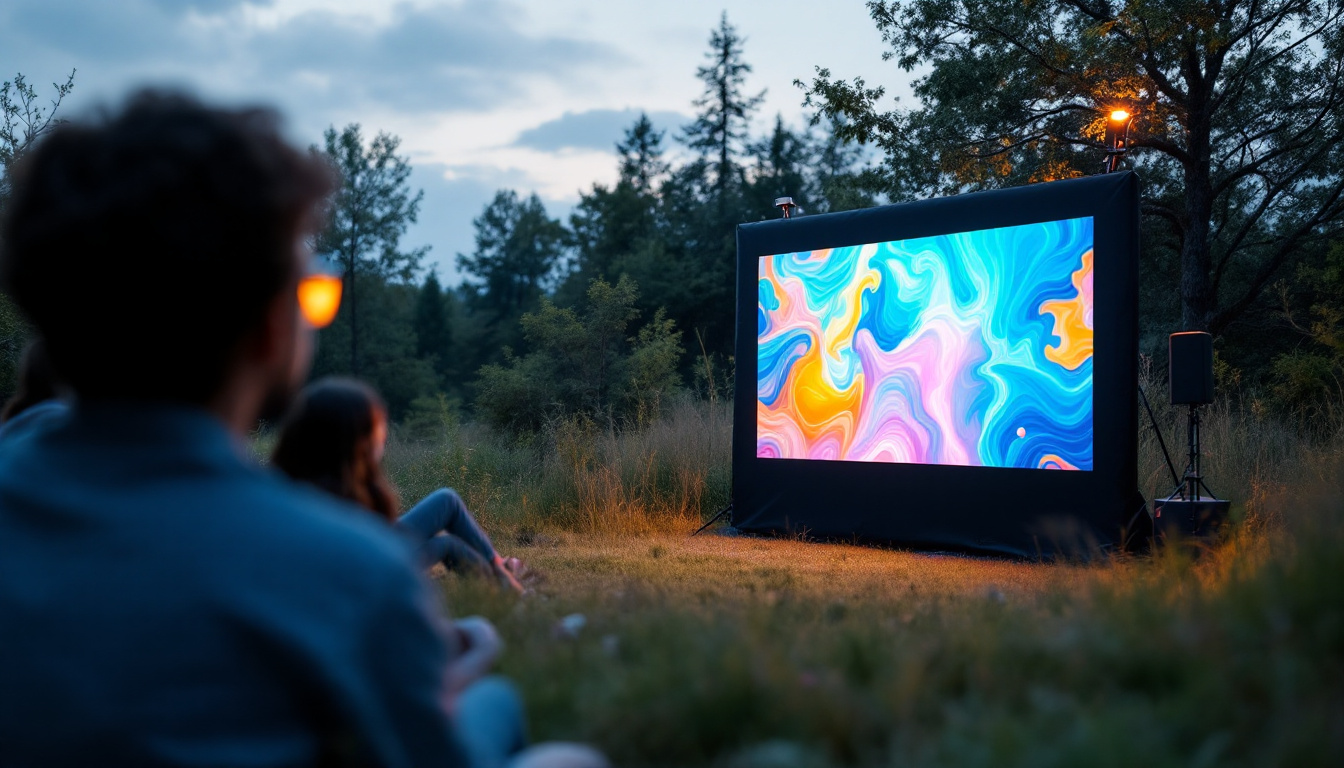
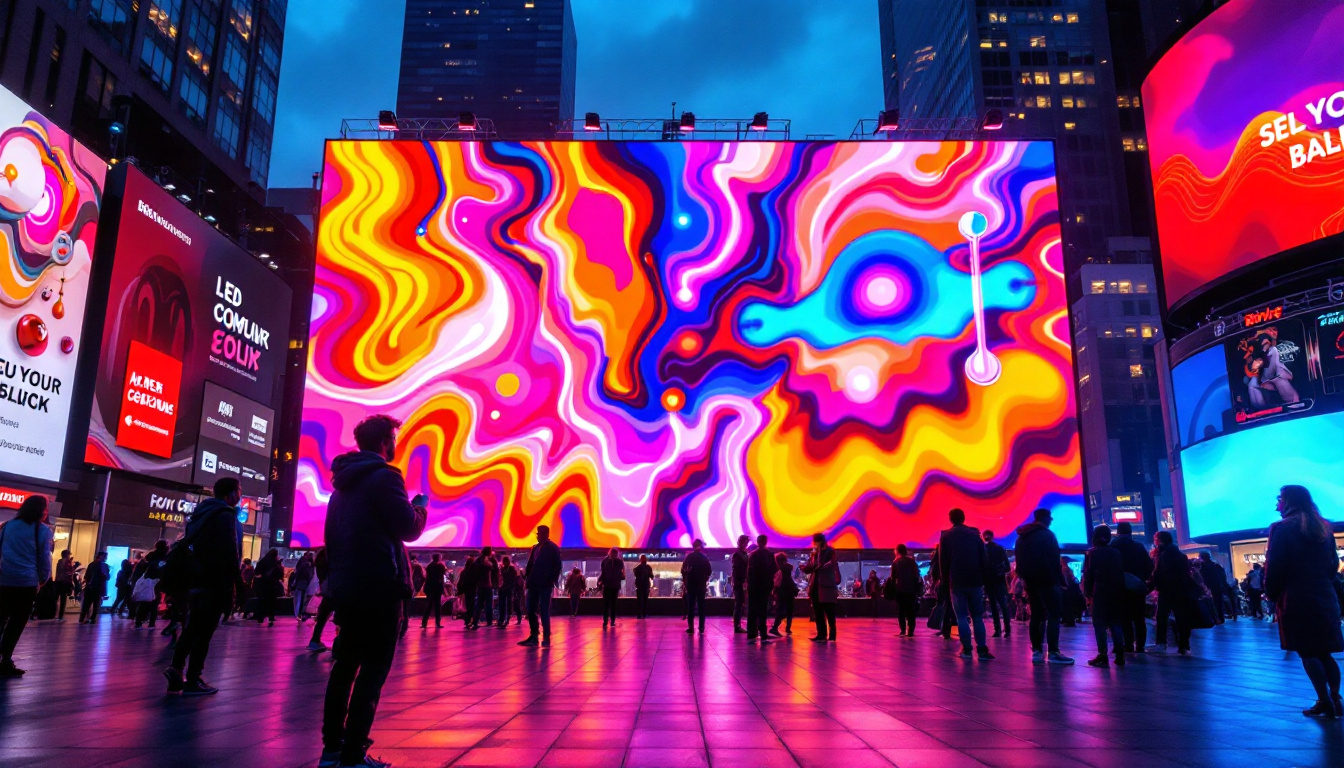
Outdoor LED displays are built to withstand harsh weather conditions, including rain, wind, and extreme temperatures. They have larger pixel pitches, often between 6mm and 20mm, as they are meant to be viewed from a distance. This makes them ideal for billboards, stadium screens, and public information boards.
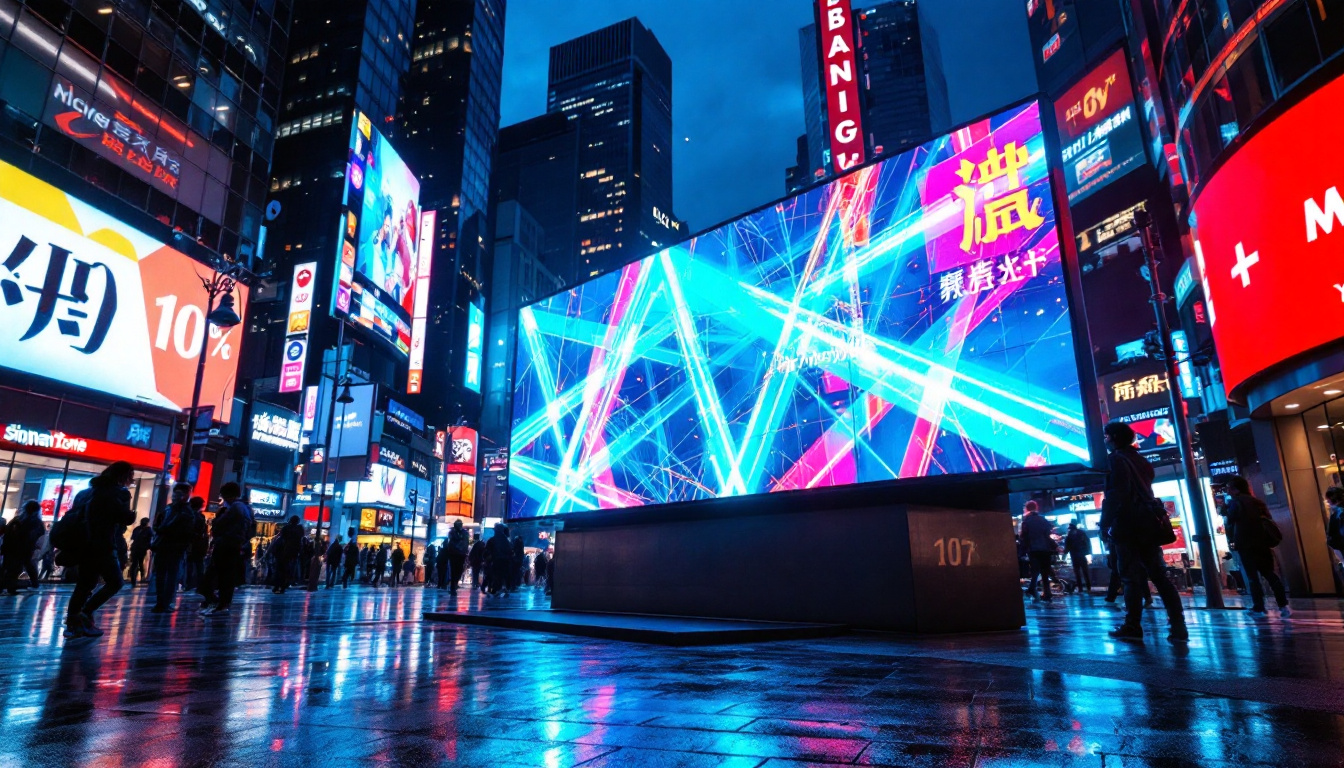
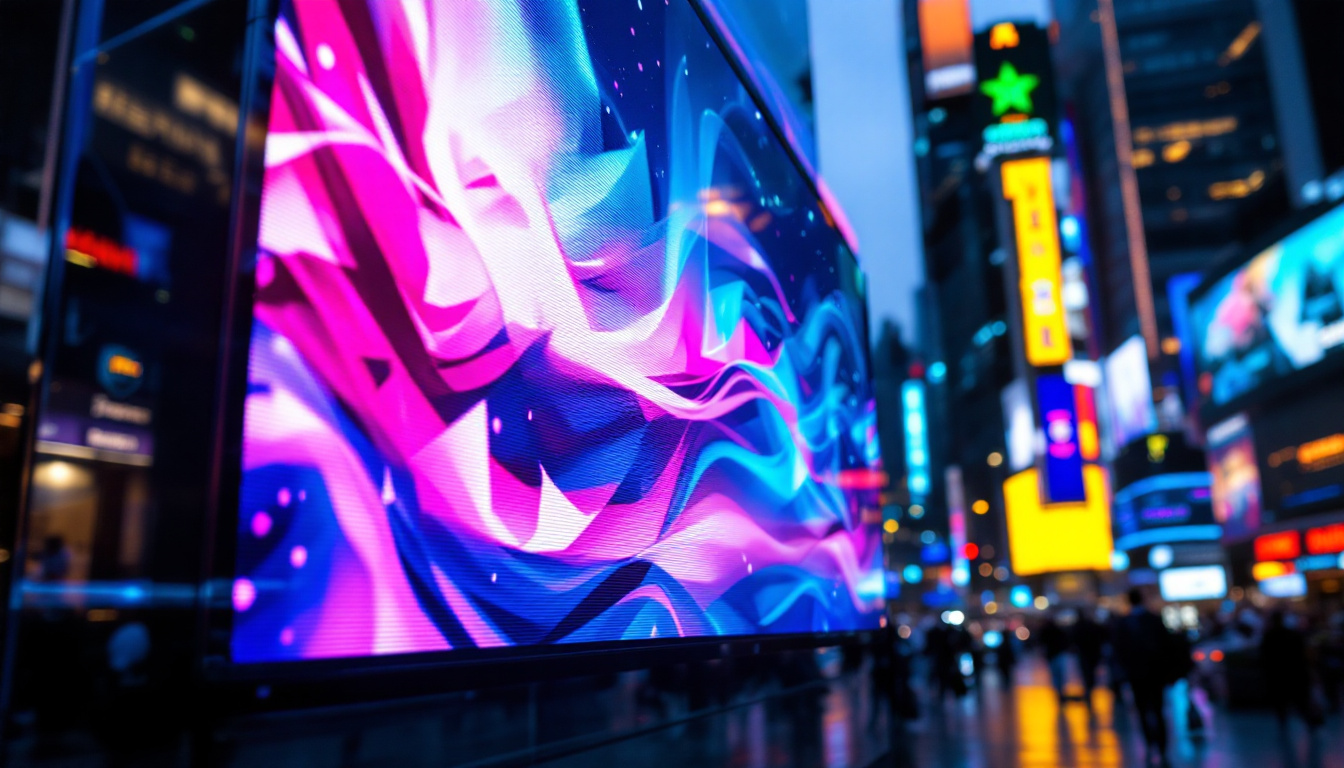
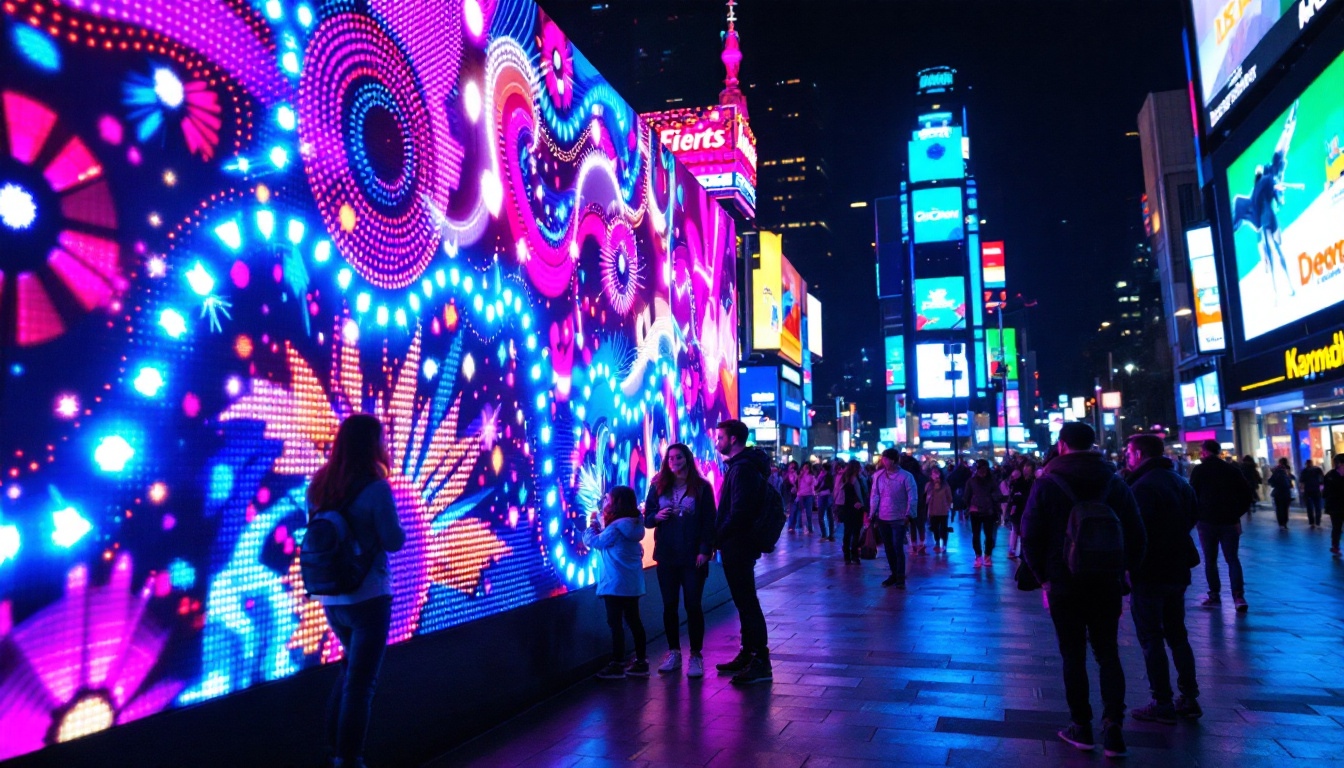
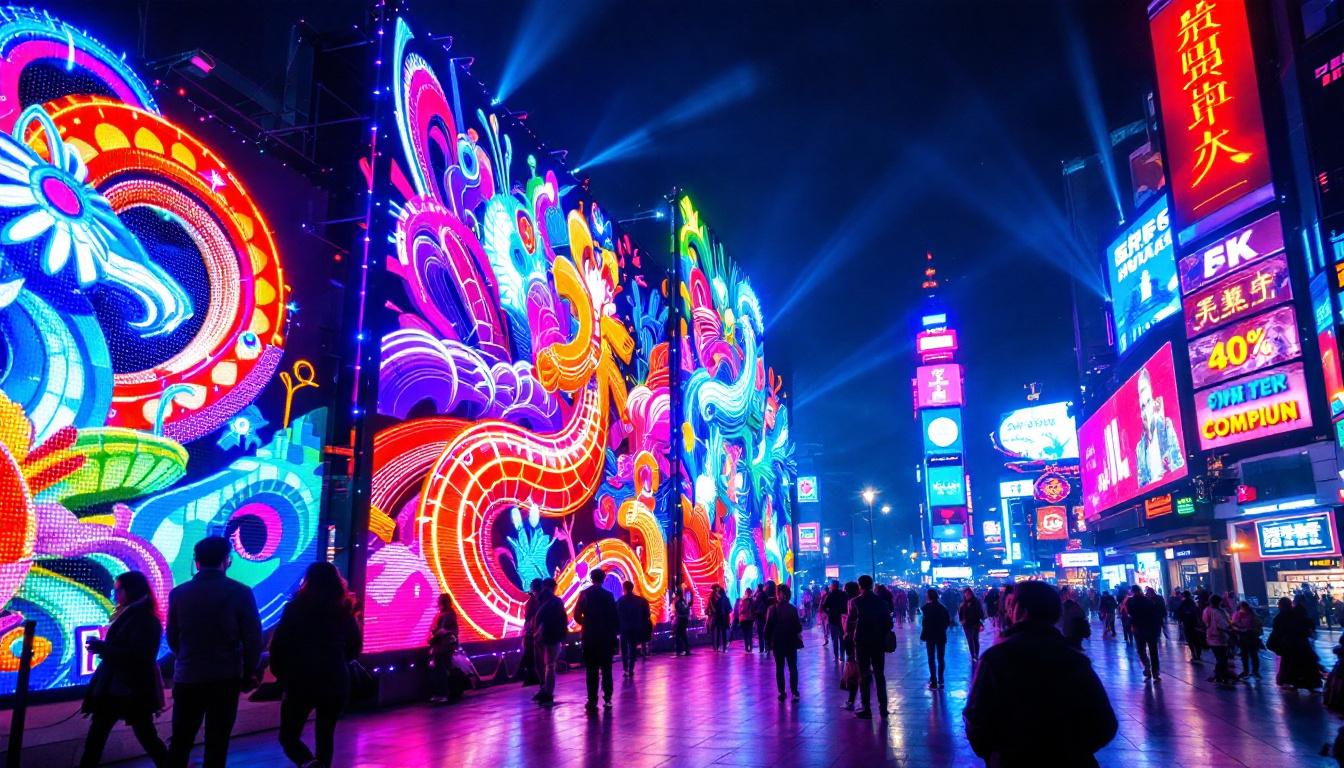
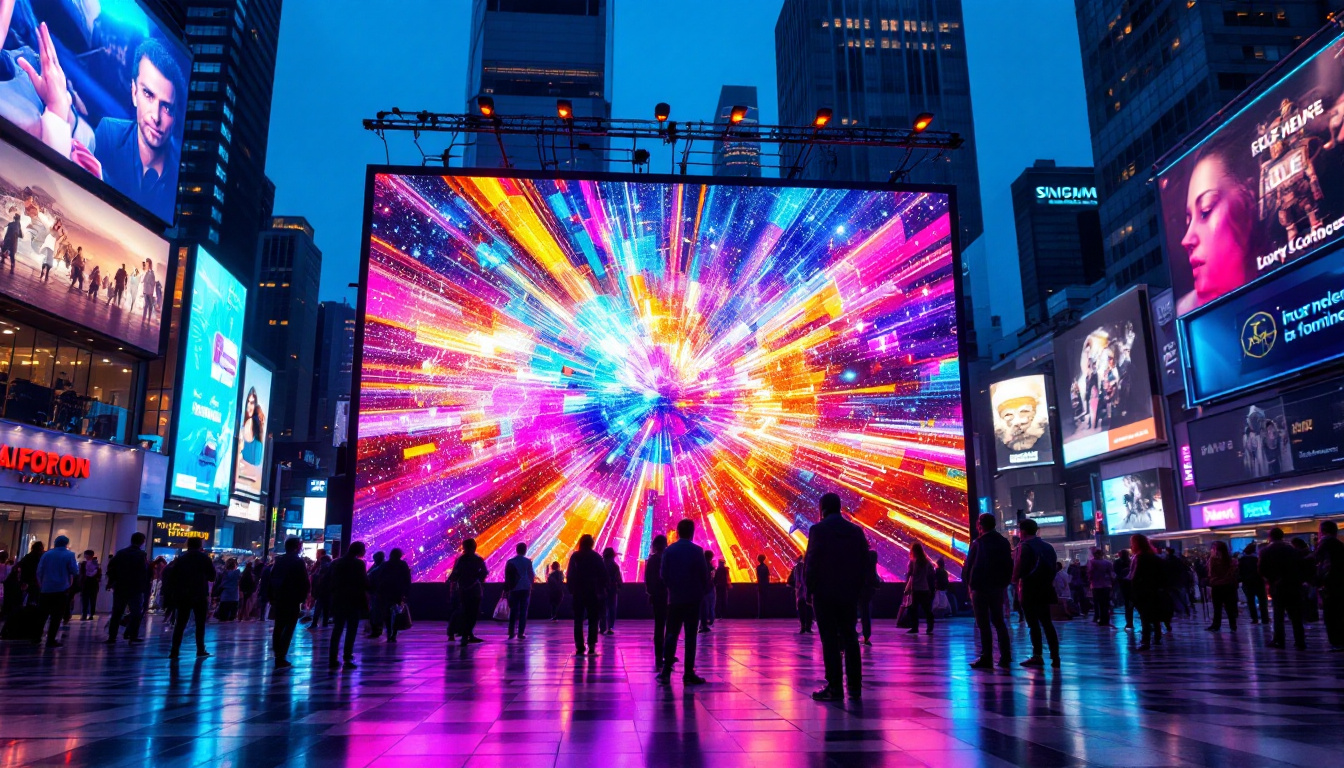
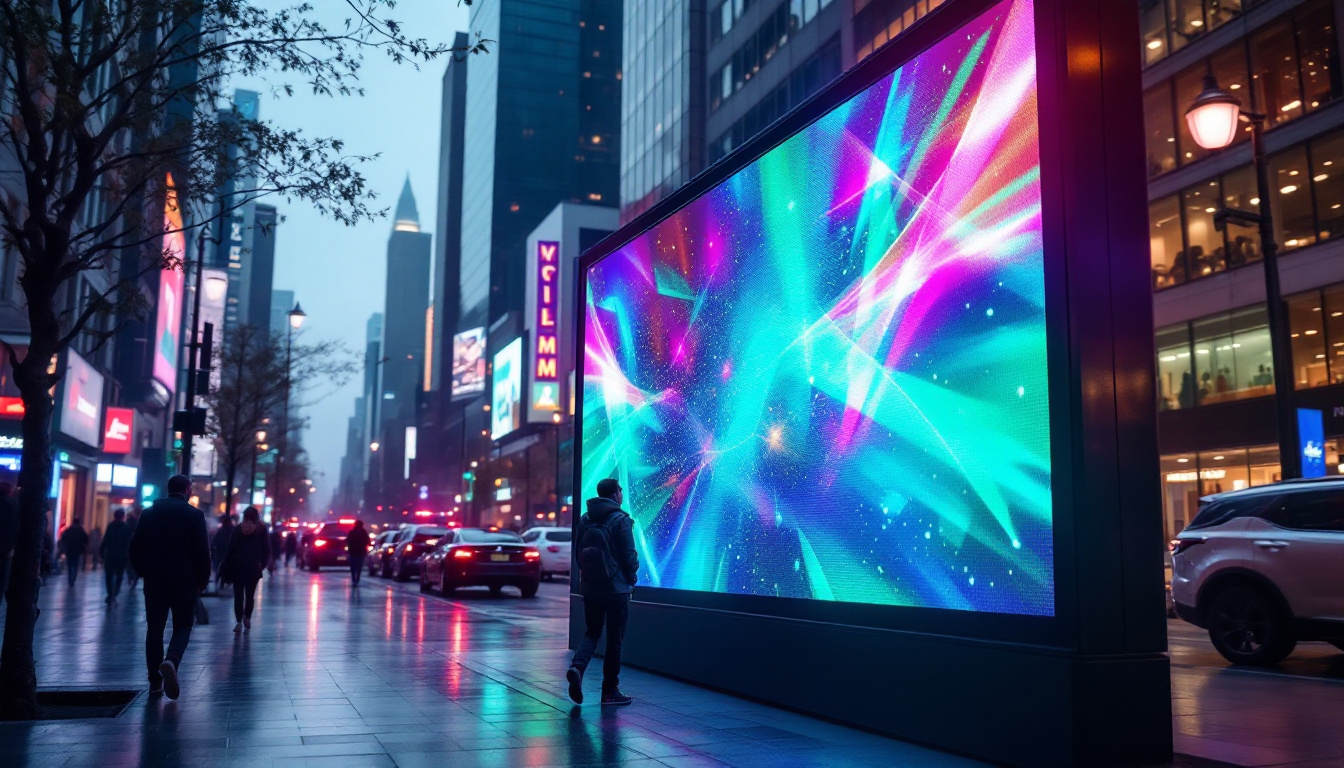
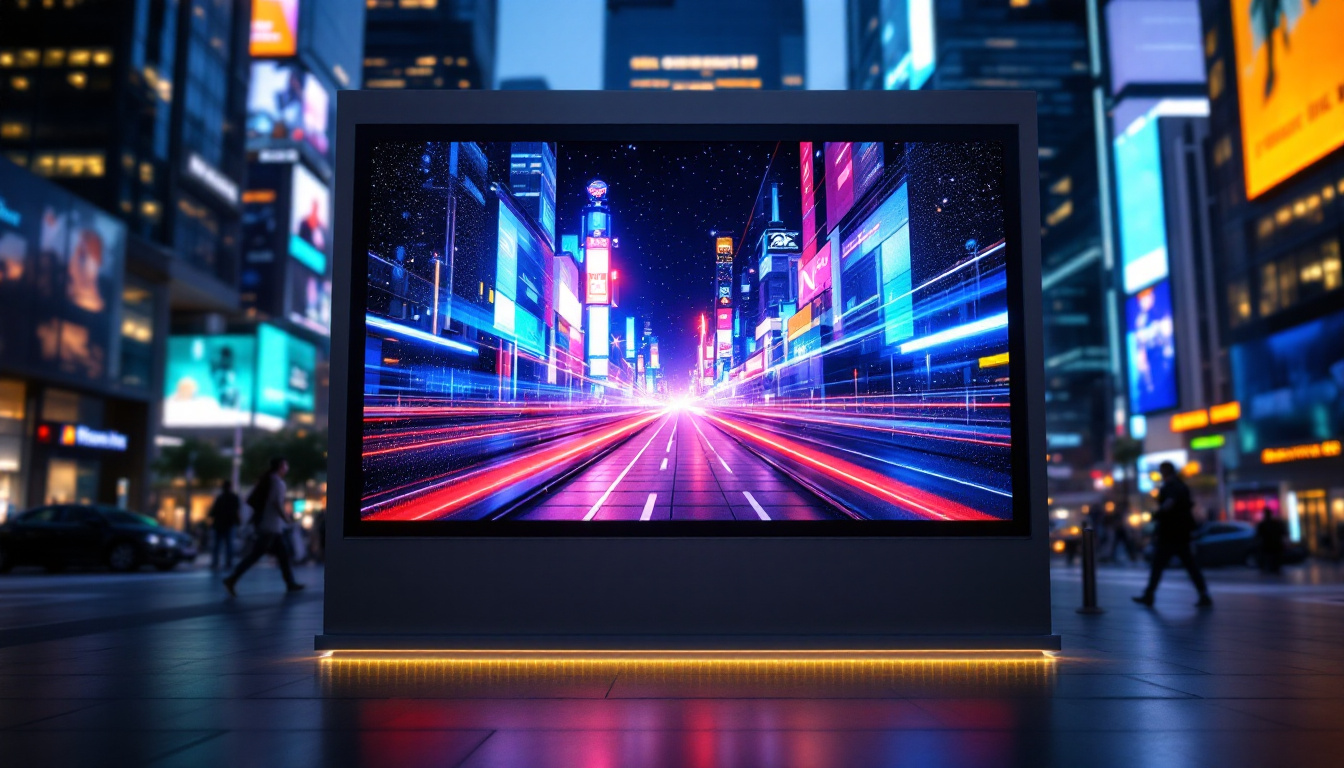
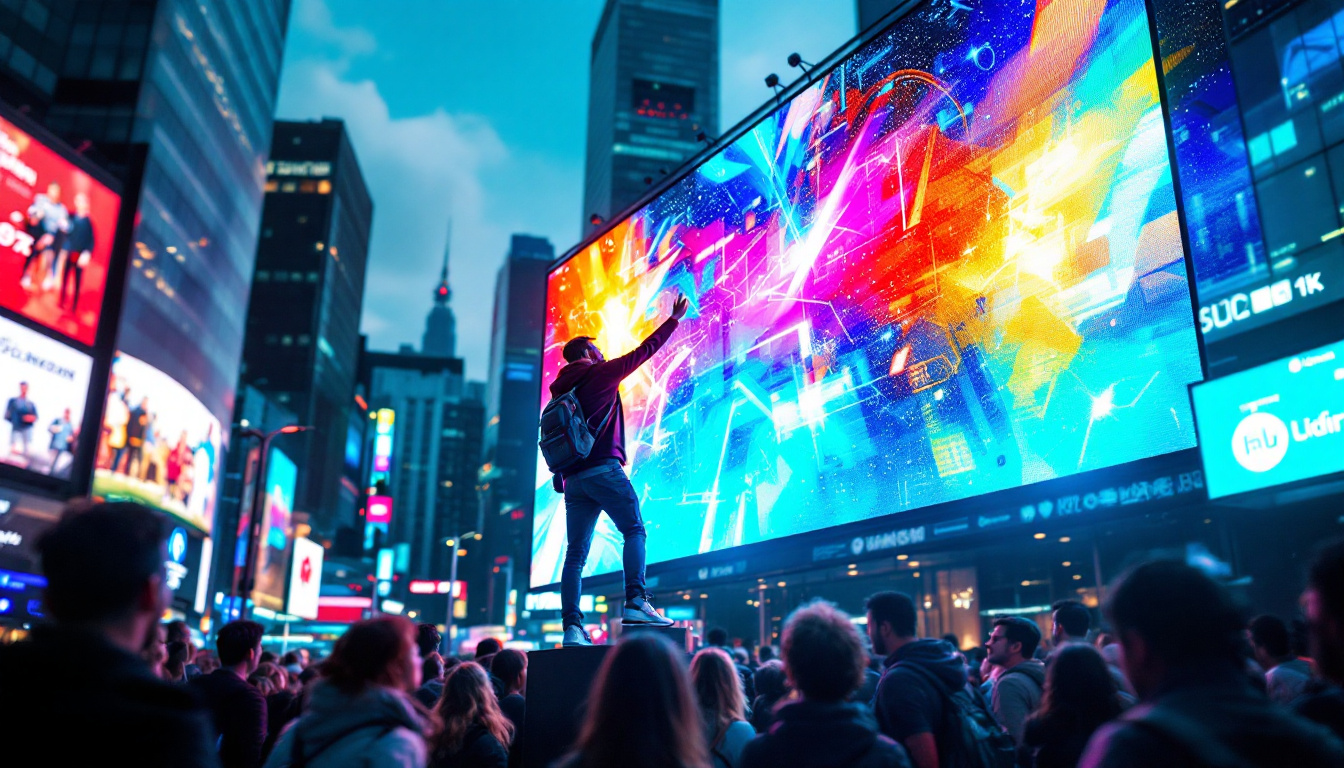
Outdoor LEDs are significantly brighter than indoor models, sometimes exceeding 5,000 nits, to combat sunlight glare and maintain visibility. For instance, Times Square in New York City is renowned for its massive outdoor LED billboards that captivate millions of viewers daily. Moreover, these displays often incorporate advanced technologies such as dynamic content management systems that allow advertisers to change messages in real-time, ensuring that the content remains relevant and engaging. This adaptability is particularly beneficial for events or promotions that may change frequently, maximizing the impact of advertising efforts.
3. Flexible and Transparent LED Displays
Recent innovations have introduced flexible LED panels that can bend and curve, enabling creative installations on curved surfaces or unconventional shapes. Transparent LED displays, on the other hand, allow light to pass through the screen, making them perfect for storefront windows or glass walls where visibility from both sides is desired.
These cutting-edge LED displays are increasingly popular in retail and architectural applications, where aesthetics and innovation are key. The ability to create eye-catching displays that blend seamlessly with their surroundings opens up new possibilities for branding and artistic expression. For instance, a retail store might use a transparent LED display to showcase products while still allowing customers to see the merchandise behind the screen, effectively merging advertising with product visibility. This not only enhances the shopping experience but also creates a modern and futuristic ambiance that attracts tech-savvy consumers.
Advantages of LED Displays Over Other Technologies
Several display technologies compete in the market, including LCD, OLED, and projection systems. LED displays, however, offer a unique combination of benefits that have driven their widespread adoption.
Energy Efficiency and Longevity
LED displays consume significantly less power compared to traditional lighting and display technologies. This efficiency translates into lower operational costs, especially important for large-scale installations that run 24/7. Furthermore, LEDs have an impressive lifespan, often exceeding 100,000 hours, which reduces the need for frequent replacements and maintenance.
Brightness and Visibility
One of the standout features of LED displays is their exceptional brightness, which can reach thousands of nits. This makes them highly visible even under direct sunlight, a challenge for many other display types. The high contrast ratio and vibrant colors ensure content is clear and eye-catching in diverse lighting conditions.
Durability and Weather Resistance
LED displays are built to endure physical impacts, moisture, and temperature fluctuations. Outdoor LED panels are often rated with IP65 or higher, indicating strong protection against dust and water. This robustness makes LEDs suitable for both indoor and outdoor environments without compromising performance.
Scalability and Customization
LED displays can be assembled in modular units, allowing for virtually limitless sizes and shapes. This scalability enables projects ranging from small digital signage to massive video walls spanning hundreds of square meters. Additionally, pixel pitch options provide flexibility in balancing resolution and viewing distance.
Key Considerations When Choosing an LED Display
Selecting the right LED display requires careful evaluation of several factors to ensure optimal performance and return on investment.
Viewing Distance and Pixel Pitch
The pixel pitch directly influences the resolution and clarity of the display. For close-up viewing, such as in retail stores or control rooms, a smaller pixel pitch (1-2mm) is preferable. For outdoor billboards or stadium screens viewed from afar, larger pixel pitches (10mm or more) are sufficient and more cost-effective.
Brightness Requirements
Consider the ambient lighting conditions where the display will be installed. Outdoor displays require much higher brightness levels than indoor ones. For example, a display exposed to direct sunlight should have a brightness of at least 5,000 nits to remain legible.
Installation Environment and Durability
Environmental factors such as temperature extremes, humidity, and exposure to dust or water must be taken into account. IP ratings provide guidance on the level of protection a display offers. For outdoor use, IP65 or higher is generally recommended.
Content Management and Connectivity
Modern LED displays often integrate with sophisticated content management systems (CMS) that allow remote control, scheduling, and real-time updates. Ensuring compatibility with existing infrastructure and ease of use is crucial for maximizing the display’s effectiveness.
Emerging Trends and the Future of LED Displays
The LED display industry continues to evolve rapidly, driven by technological advancements and changing market demands.
MicroLED and MiniLED Technologies
MicroLED and MiniLED represent the next generation of LED display technology. MicroLEDs are significantly smaller than traditional LEDs, enabling ultra-high resolution and improved color accuracy. These displays offer the benefits of OLEDs, such as deep blacks and wide viewing angles, but with better brightness and longevity.
MiniLEDs, while larger than MicroLEDs, offer enhanced contrast and local dimming capabilities, improving image quality in LCD-backlit displays. Both technologies are poised to revolutionize consumer electronics, including TVs, smartphones, and wearable devices.
Integration with Smart Technologies
LED displays are increasingly being integrated with IoT (Internet of Things) and AI-driven content management systems. This integration enables dynamic content that adapts to environmental conditions, audience demographics, or real-time data feeds. For example, digital signage in retail can display personalized advertisements based on customer profiles or current promotions.
Sustainability and Energy Efficiency
As sustainability becomes a priority, manufacturers are developing LED displays with even lower power consumption and recyclable materials. Innovations in heat dissipation and power management contribute to greener solutions without compromising performance.
Conclusion
LED displays have transformed the way information and entertainment are delivered across multiple sectors. Their superior brightness, energy efficiency, durability, and versatility make them a compelling choice for both indoor and outdoor applications. As technology advances, emerging innovations like MicroLED and AI integration promise to enhance the capabilities and impact of LED displays even further.
For businesses and organizations looking to invest in display technology, understanding the fundamentals of LED displays and their various options is essential. This knowledge ensures informed decisions that align with specific needs, environments, and budgets, ultimately maximizing the value and effectiveness of the display solution.
Discover Cutting-Edge LED Display Solutions with LumenMatrix
Ready to elevate your visual communication and captivate your audience with unparalleled clarity and impact? Explore LumenMatrix’s comprehensive range of LED display modules, from the vibrant Indoor LED Wall Display to the robust Outdoor LED Wall Display, and innovative solutions like the LED Transparent Display. Each product is crafted with precision to ensure your message stands out in any environment. Embrace the future of display technology and check out LumenMatrix LED Display Solutions today to transform your space into a dynamic visual experience.