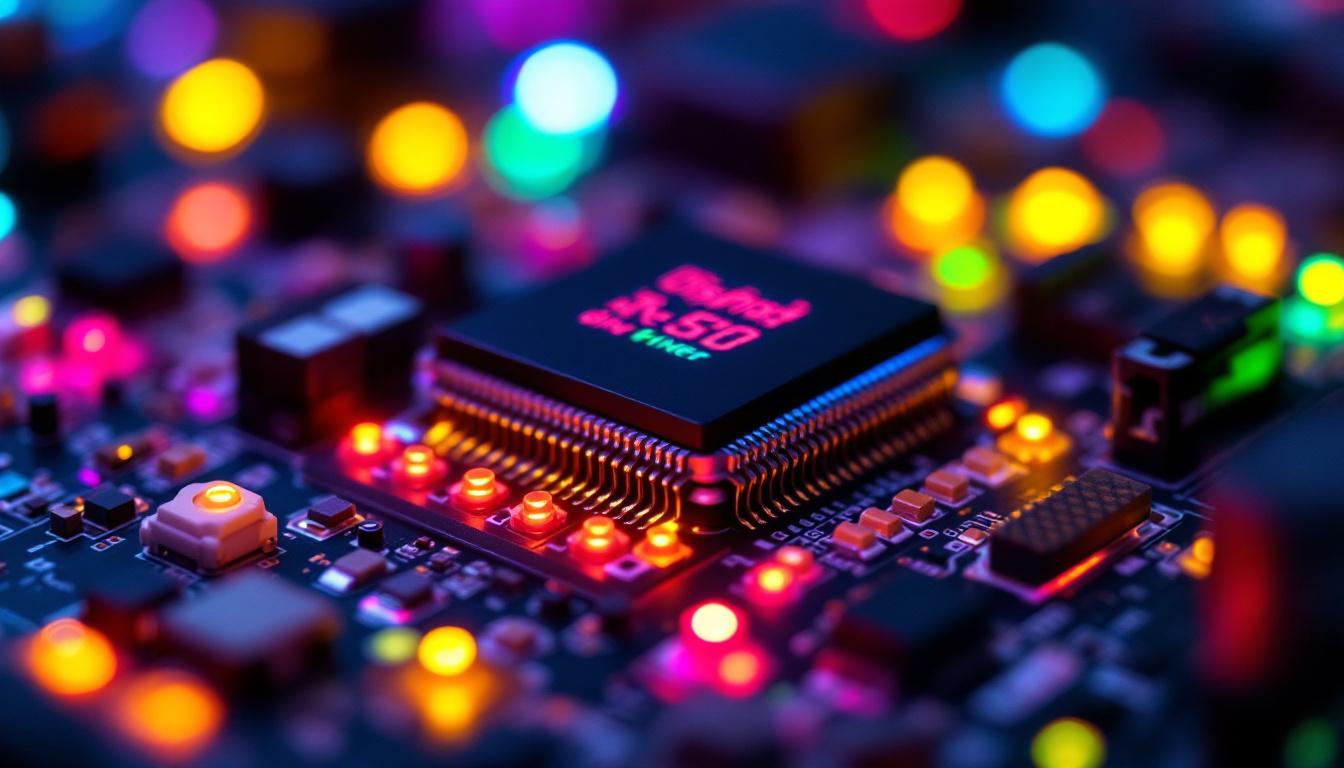
Display Driver IC: LED Display Explained
In the rapidly evolving world of electronics, LED displays have become ubiquitous—from smartphones and televisions to digital billboards and automotive dashboards. At the heart of these vibrant displays lies a critical component known as the Display Driver Integrated Circuit (IC). This article delves into the essential role of display driver ICs in LED technology, exploring their functions, types, and the innovations driving the future of visual display systems.
Understanding the Basics: What is a Display Driver IC?
A Display Driver IC is a specialized semiconductor device designed to control the operation of display panels, particularly LED (Light Emitting Diode) displays. It acts as the intermediary between the display’s control system (such as a microcontroller or graphics processor) and the LED pixels, managing the flow of electrical signals that illuminate the display elements.
In essence, the display driver IC translates digital data into visual output by controlling the brightness, color, and timing of each LED or pixel. Without this component, the intricate patterns and images seen on modern LED screens would be impossible to render accurately and efficiently.
The Role of Display Driver ICs in LED Displays
LED displays consist of numerous tiny light-emitting diodes arranged in a matrix. Each diode can be switched on or off or modulated to produce varying intensities and colors. The display driver IC’s primary responsibilities include:
- Signal Conversion: Converting digital input signals into analog voltages or currents suitable for driving LEDs.
- Multiplexing: Managing the scanning of rows and columns in large LED matrices to reduce wiring complexity.
- Brightness Control: Adjusting the intensity of LEDs through pulse-width modulation (PWM) or current regulation.
- Color Management: Coordinating red, green, and blue LEDs to produce accurate colors in full-color displays.
- Power Efficiency: Optimizing power consumption to extend device battery life and reduce heat generation.
Moreover, the versatility of display driver ICs allows them to be used in a wide array of applications beyond traditional screens. From smartphones and televisions to automotive displays and wearable technology, these ICs are crucial in ensuring that visual information is presented clearly and responsively. The integration of advanced features, such as dynamic range adjustment and adaptive brightness, further enhances the viewing experience by tailoring the display’s output to the surrounding environment.
As technology continues to evolve, so too does the complexity of display driver ICs. Modern designs often incorporate sophisticated algorithms that enable features like image enhancement, flicker reduction, and even touch sensitivity in interactive displays. This evolution not only improves the quality of the visuals but also contributes to the overall functionality of devices, making them more user-friendly and efficient. The ongoing research and development in this field promise to bring even more innovative solutions to the market, paving the way for the next generation of display technologies.
Types of Display Driver ICs for LED Displays
Display driver ICs vary widely depending on the type of LED display, its size, resolution, and application. Understanding the different types helps in selecting the right driver for specific needs.
1. Segment Drivers
Segment drivers are used in simple LED displays such as seven-segment numeric displays commonly found in digital clocks, calculators, and basic instrumentation. These ICs control individual segments to form numbers or limited characters.
They typically handle a small number of LEDs and are optimized for low power consumption and straightforward control schemes. Segment drivers are often integrated with microcontrollers to facilitate easy interfacing and programming, making them ideal for hobbyist projects and educational tools. Additionally, some advanced segment drivers can incorporate features like brightness adjustment and multiplexing capabilities, allowing for more dynamic and visually appealing displays.
2. Matrix Drivers
Matrix drivers are designed for multiplexed LED arrays arranged in rows and columns. By scanning through rows and columns rapidly, these drivers reduce the number of required control lines, enabling larger displays with fewer pins.
These ICs are prevalent in applications like LED message boards, scoreboards, and simple graphic displays. The multiplexing technique not only saves space on the circuit board but also allows for more complex animations and effects, enhancing the visual experience. Furthermore, many matrix drivers come with built-in memory functions, enabling them to store and recall patterns or images, which is particularly useful in advertising displays where content changes frequently.
3. RGB LED Drivers
For full-color LED displays, RGB drivers manage the three primary colors—red, green, and blue—within each pixel. These ICs provide precise current control and timing to achieve accurate color mixing and high-quality images.
Modern RGB drivers often support high refresh rates and advanced features such as gamma correction and color calibration, essential for vibrant and consistent displays. In addition to standard RGB configurations, some drivers are now capable of handling more complex color schemes, including RGBW (adding white for improved brightness) and RGBA (adding an amber channel for better color range). This flexibility allows designers to create stunning visuals for applications ranging from television screens to immersive gaming environments.
4. OLED and MicroLED Drivers
While technically distinct from traditional LEDs, OLED and MicroLED displays also rely on specialized driver ICs. These drivers handle the unique electrical characteristics of organic and microscopic LEDs, including voltage regulation and pixel-level control.
As these display technologies gain traction in premium devices, driver ICs are evolving to meet their stringent performance and efficiency requirements. For instance, OLED drivers must manage the inherent characteristics of organic materials, which can degrade over time, necessitating features like pixel compensation and lifetime management. Similarly, MicroLED technology, which promises superior brightness and contrast ratios, requires drivers that can handle high pixel densities while maintaining low power consumption, making them suitable for next-generation displays in smartphones and large-scale video walls.
Key Features and Technologies in Modern Display Driver ICs
Display driver ICs have advanced significantly, incorporating features that enhance display quality, simplify design, and improve energy efficiency.
Integrated Circuitry and Miniaturization
Modern driver ICs integrate multiple functions—such as signal processing, power management, and communication interfaces—into a single chip. This integration reduces the overall component count and simplifies PCB design.
Miniaturization also enables thinner and lighter devices, which is critical for mobile electronics and wearable technology.
High Refresh Rates and Resolution Support
High-definition LED displays require driver ICs capable of supporting high refresh rates (often 60 Hz or higher) and resolutions that can exceed millions of pixels. Advanced ICs employ sophisticated timing and buffering techniques to maintain smooth, flicker-free images.
Power Management and Efficiency
Power consumption is a major concern, especially in battery-powered devices. Display driver ICs incorporate features like dynamic brightness control, adaptive current regulation, and low-power sleep modes to optimize energy use.
These advancements contribute to longer battery life and reduced thermal output, enhancing device reliability and user experience.
Communication Interfaces
Display driver ICs support various communication protocols, including SPI, I2C, and parallel interfaces, to facilitate seamless integration with microcontrollers and processors. Some advanced drivers also support MIPI DSI or LVDS for high-speed data transfer in complex display systems.
Applications of Display Driver ICs in LED Technology
Display driver ICs are pivotal across a broad spectrum of industries and applications, reflecting the versatility of LED displays.
Consumer Electronics
Smartphones, tablets, laptops, and televisions rely heavily on display driver ICs to deliver crisp images and vibrant colors. The demand for higher resolutions and energy efficiency has driven continuous innovation in driver technology within this sector.
Automotive Displays
Modern vehicles incorporate LED displays in dashboards, infotainment systems, and heads-up displays. Driver ICs in automotive applications must meet stringent reliability and temperature tolerance standards while providing clear visibility under varying lighting conditions.
Industrial and Commercial Signage
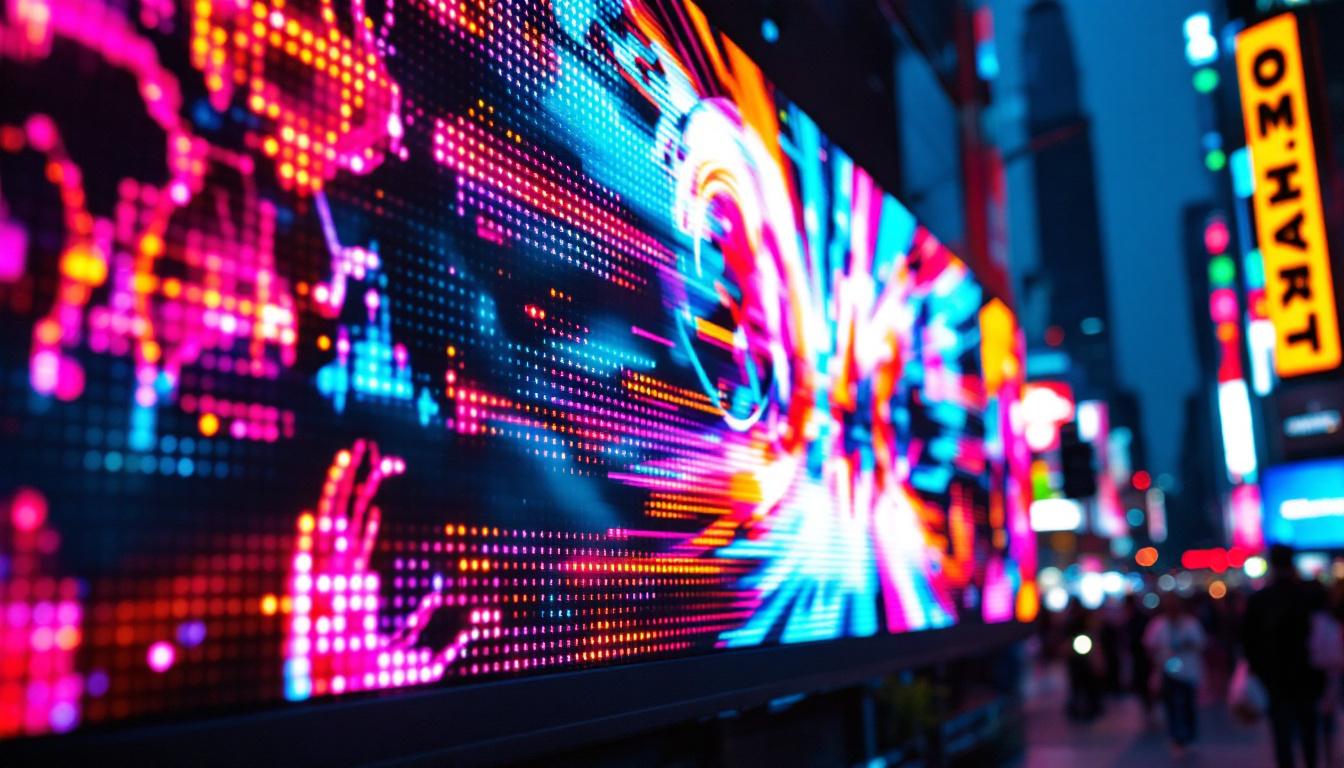
Large-scale LED billboards and signage use matrix and RGB driver ICs to manage thousands of LEDs, enabling dynamic advertising and information display. These systems often require robust drivers capable of handling outdoor environmental challenges.
Medical Devices
In medical instrumentation, LED displays provide critical data visualization. Driver ICs in this domain prioritize accuracy, stability, and low electromagnetic interference to ensure reliable operation.
Challenges and Future Trends in Display Driver IC Development
As LED display technology advances, display driver ICs face new challenges and opportunities that shape their evolution.
Scaling for Higher Resolution and Smaller Pixels
The trend toward ultra-high-definition displays with smaller pixel pitches demands driver ICs with greater channel density and precision. Achieving this without compromising power efficiency or increasing costs remains a significant engineering challenge.
Integration with Smart Technologies
Emerging applications such as augmented reality (AR) and virtual reality (VR) require driver ICs that can interface with sensors and processors for real-time display adjustments. This integration calls for intelligent driver ICs with embedded processing capabilities.
Advancements in MicroLED and Flexible Displays
MicroLED technology promises superior brightness and durability, but its adoption hinges on the development of compatible driver ICs capable of handling millions of microscopic LEDs. Similarly, flexible and foldable displays require drivers that maintain performance under mechanical stress.
Environmental and Sustainability Considerations
Manufacturers are increasingly focused on reducing the environmental impact of electronic components. Display driver ICs are being designed with lower power consumption, longer lifespans, and recyclable materials to support sustainable electronics.
Conclusion
Display driver ICs are fundamental to the function and performance of LED displays across countless applications. Their ability to convert digital signals into precise electrical outputs enables the vibrant, high-resolution visuals that define modern electronic devices. As display technologies evolve, driver ICs will continue to innovate, addressing challenges related to resolution, power efficiency, integration, and sustainability.
Understanding the role and capabilities of display driver ICs provides valuable insights for engineers, designers, and technology enthusiasts seeking to harness the full potential of LED displays in their projects and products.
Explore Cutting-Edge LED Display Solutions with LumenMatrix
As you’ve seen, the right display driver ICs are crucial for creating the high-quality, vibrant LED displays that captivate and engage audiences. If you’re looking to elevate your visual communication with the latest in LED display technology, look no further than LumenMatrix. With a wide range of innovative solutions, including Indoor and Outdoor LED Wall Displays, Vehicle LED Displays, and more, LumenMatrix is at the forefront of transforming spaces and experiences. Check out LumenMatrix LED Display Solutions today and discover how you can make a lasting impression with dynamic and impactful displays.