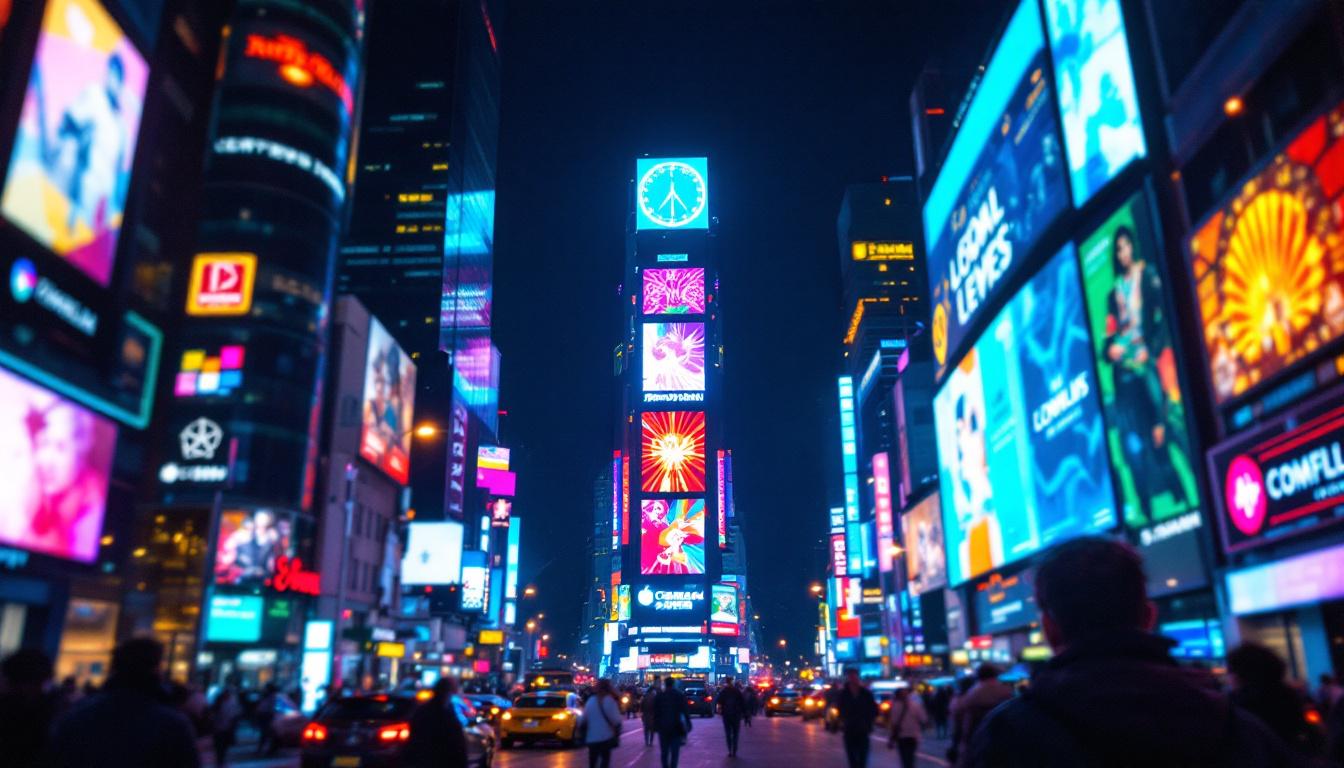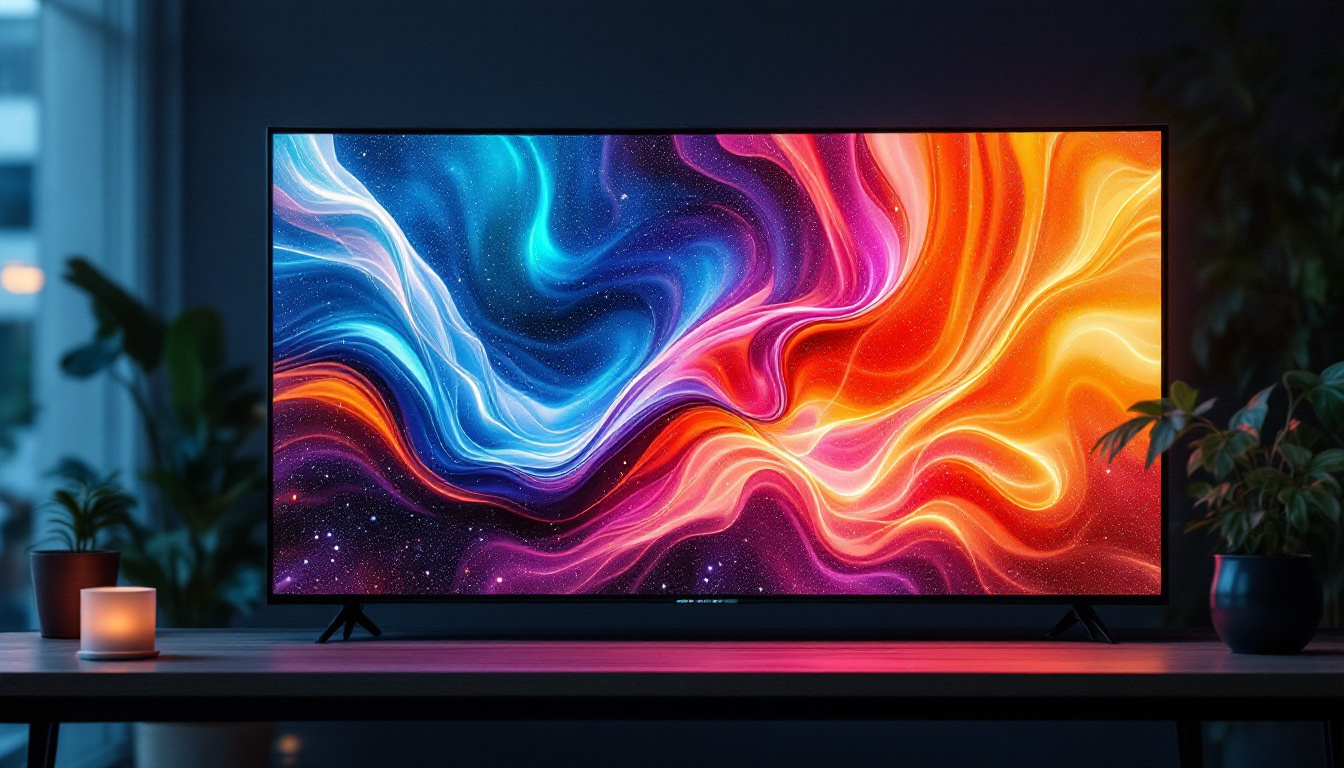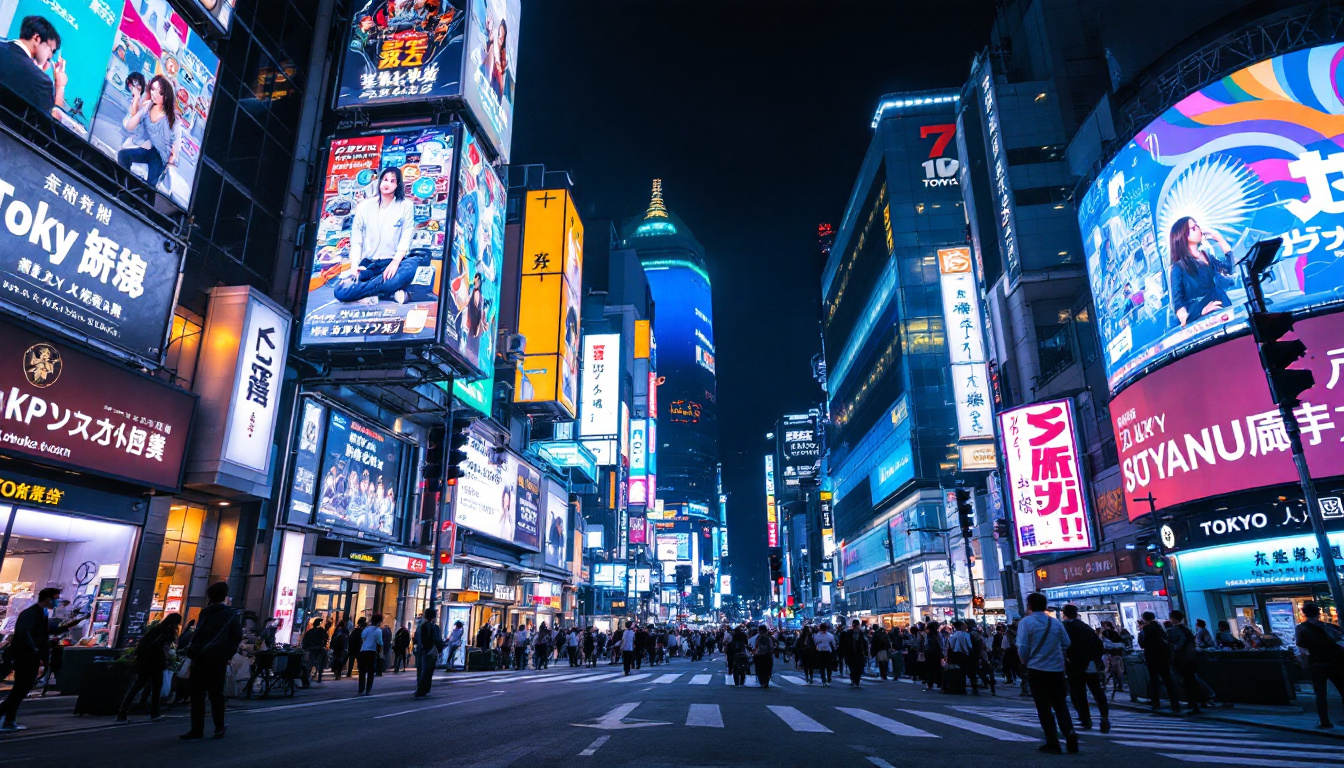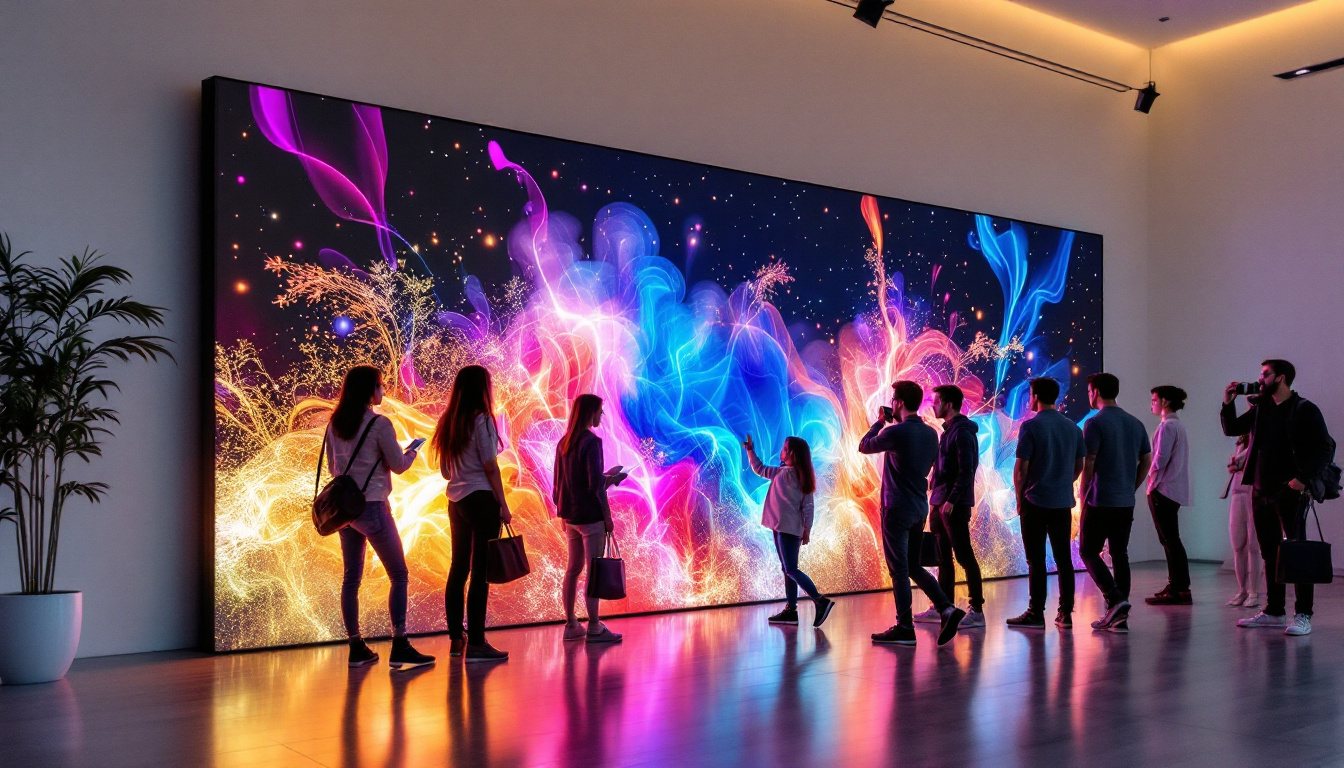
In today’s digital age, LED displays have become an integral part of how we communicate visually. From massive outdoor billboards to the screens on our smartphones and televisions, LED technology drives a wide array of display solutions. But what exactly is an LED display, how does it work, and why has it become the preferred choice for so many applications? This comprehensive guide will explore the fundamentals of LED displays, their types, advantages, and real-world applications, helping you understand why LED technology continues to revolutionize visual communication.
What is an LED Display?
LED stands for Light Emitting Diode, a semiconductor device that emits light when an electric current passes through it. An LED display is a flat panel display that uses an array of these tiny LEDs to produce images, videos, or text. Unlike traditional LCD or plasma screens, LED displays rely on these discrete light sources to create bright, vibrant visuals.
LED displays can vary widely in size and resolution, from small indicator lights on electronic devices to enormous outdoor advertising billboards covering hundreds of square meters. The core principle remains the same: each LED acts as a pixel or part of a pixel, and by controlling the intensity and color of each LED, the display creates a composite image.
How LED Displays Work
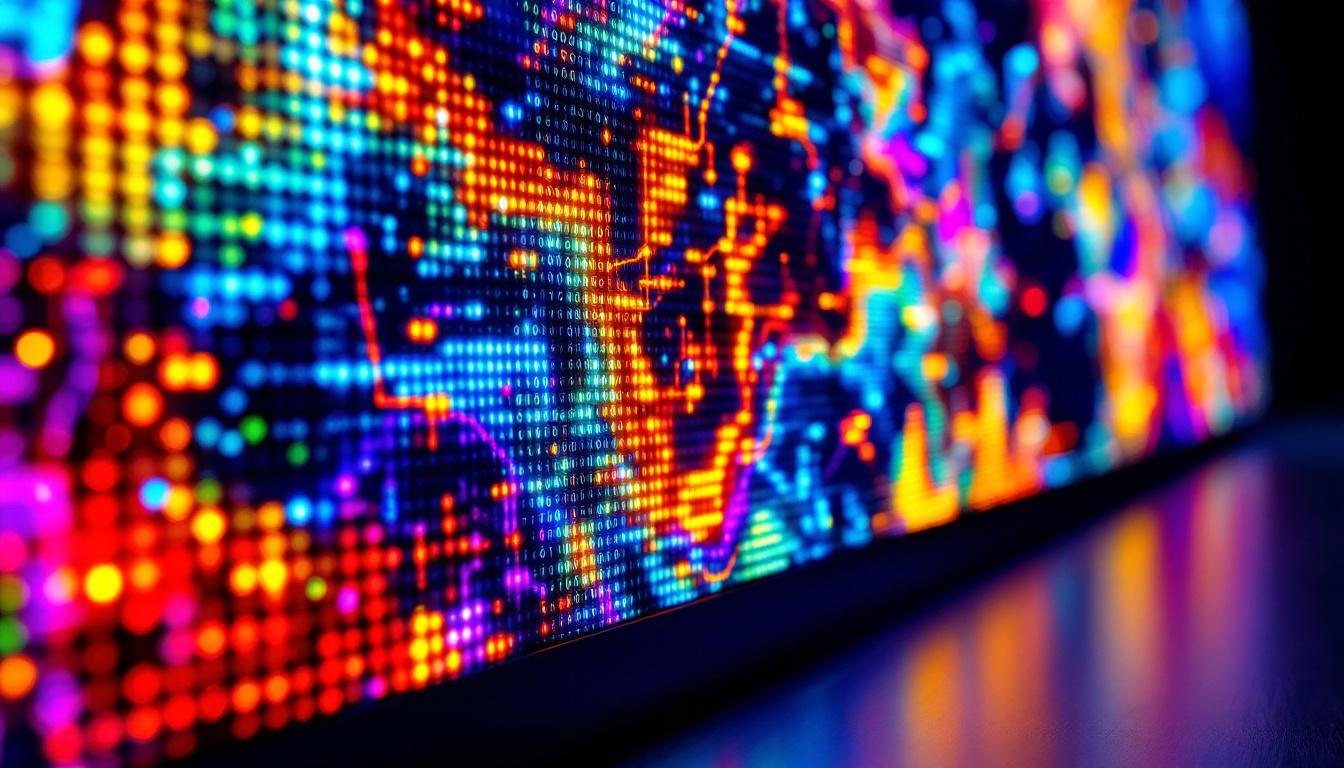
At the heart of an LED display is the pixel, which is typically composed of three sub-pixels: red, green, and blue LEDs. By adjusting the brightness of each sub-pixel, the display can produce a full spectrum of colors through additive color mixing. This RGB model is fundamental to all color displays, but LEDs offer distinct advantages in brightness and energy efficiency.
The LEDs are arranged in a grid, and a controller chip manages the timing and intensity of each LED to render images or videos. Modern LED displays use sophisticated driving electronics and software to ensure smooth motion, accurate color reproduction, and high refresh rates, which are essential for applications like sports broadcasting or dynamic advertising.
Types of LED Displays
LED display technology has evolved into several distinct types, each suited for different use cases. Understanding these types helps in selecting the right display for a particular application.
1. Direct View LED Displays
Direct view LED displays are composed of individual LEDs that are visible to the naked eye, forming the image directly on the screen. These are commonly used for large-scale outdoor and indoor signage, such as stadium screens, digital billboards, and concert backdrops.
The key advantage of direct view LEDs is their exceptional brightness, making them easily visible even under direct sunlight. They also offer wide viewing angles and excellent color saturation. However, the pixel pitch—the distance between individual LEDs—determines the resolution and viewing distance. Smaller pixel pitches provide higher resolution but are more expensive and complex to manufacture.
2. LED-Backlit LCD Displays
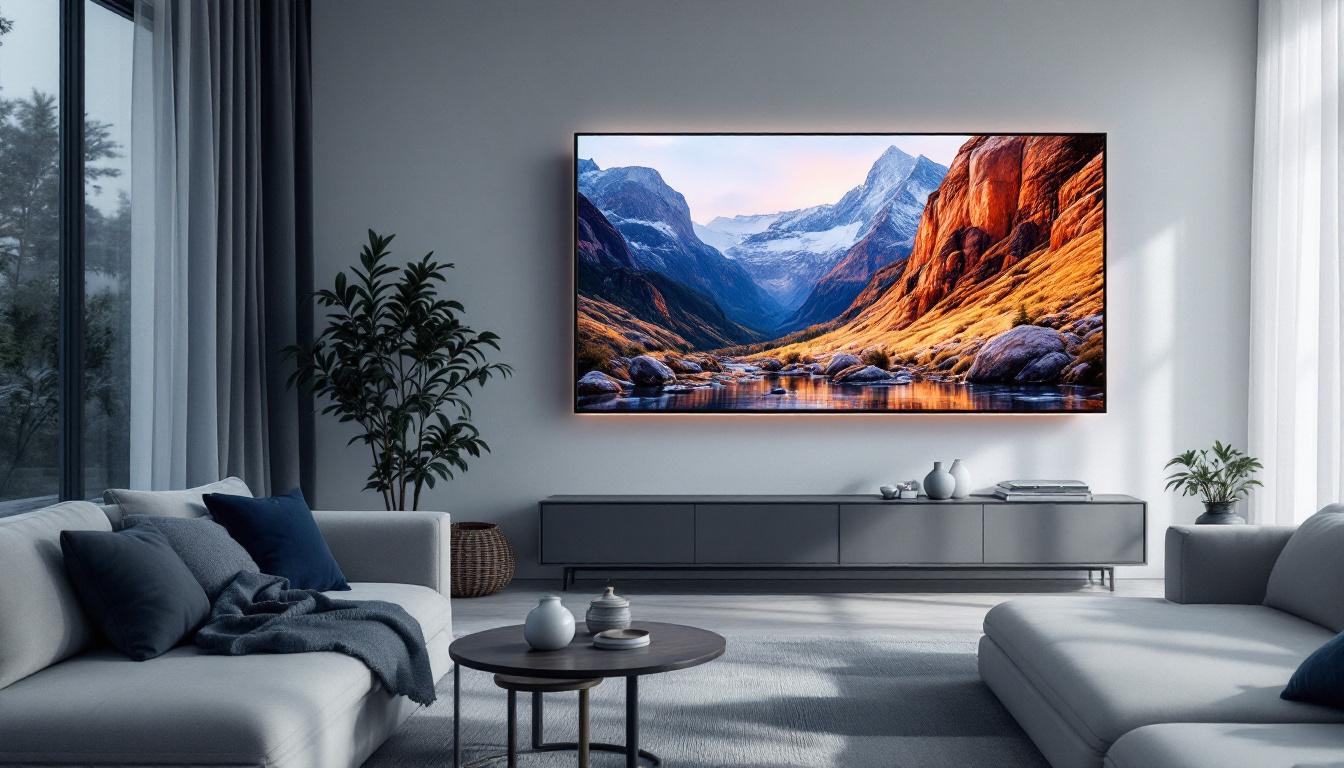
Many modern LCD screens, including those in laptops, smartphones, and televisions, use LED backlighting. In this configuration, LEDs are placed behind or along the edges of an LCD panel to illuminate the liquid crystals, which modulate light to create images.
This approach combines the color accuracy and resolution of LCD technology with the energy efficiency and brightness of LEDs. It also allows for thinner and lighter displays compared to traditional fluorescent backlighting. LED-backlit LCDs are ubiquitous in consumer electronics due to their balance of cost, performance, and image quality.
3. OLED Displays
Organic Light Emitting Diode (OLED) displays are a variation where each pixel is an organic LED that emits light individually, eliminating the need for a backlight. While technically a type of LED display, OLEDs differ significantly from traditional LED and LED-backlit LCDs in structure and performance.
OLEDs offer superior contrast ratios, deeper blacks, and faster response times, making them popular in high-end smartphones, televisions, and wearable devices. However, they tend to be more expensive and have shorter lifespans compared to inorganic LED displays.
Advantages of LED Displays
LED displays have surged in popularity due to their numerous benefits over other display technologies. These advantages make them ideal for a wide range of applications, from advertising to entertainment to information dissemination.
Brightness and Visibility
One of the most significant advantages of LED displays is their high brightness levels. Direct view LED displays can reach brightness levels exceeding 5,000 nits, far surpassing traditional LCD or plasma screens. This makes them highly visible in bright outdoor environments, including direct sunlight, which is crucial for outdoor advertising and public information displays.
Energy Efficiency
LEDs are inherently energy-efficient compared to other light sources. Their ability to emit light directionally reduces wasted energy, and advancements in LED technology have continuously improved their luminous efficacy. This translates into lower operating costs and a smaller environmental footprint, which is increasingly important for businesses and municipalities adopting sustainable practices.
Durability and Longevity
LED displays are known for their robustness and long operational lifespans, often exceeding 100,000 hours of use. Unlike traditional bulbs or fluorescent backlights, LEDs are solid-state devices with no fragile filaments or gases, making them resistant to shock and vibration. This durability reduces maintenance costs and downtime, especially in outdoor or industrial environments.
Color Accuracy and Flexibility
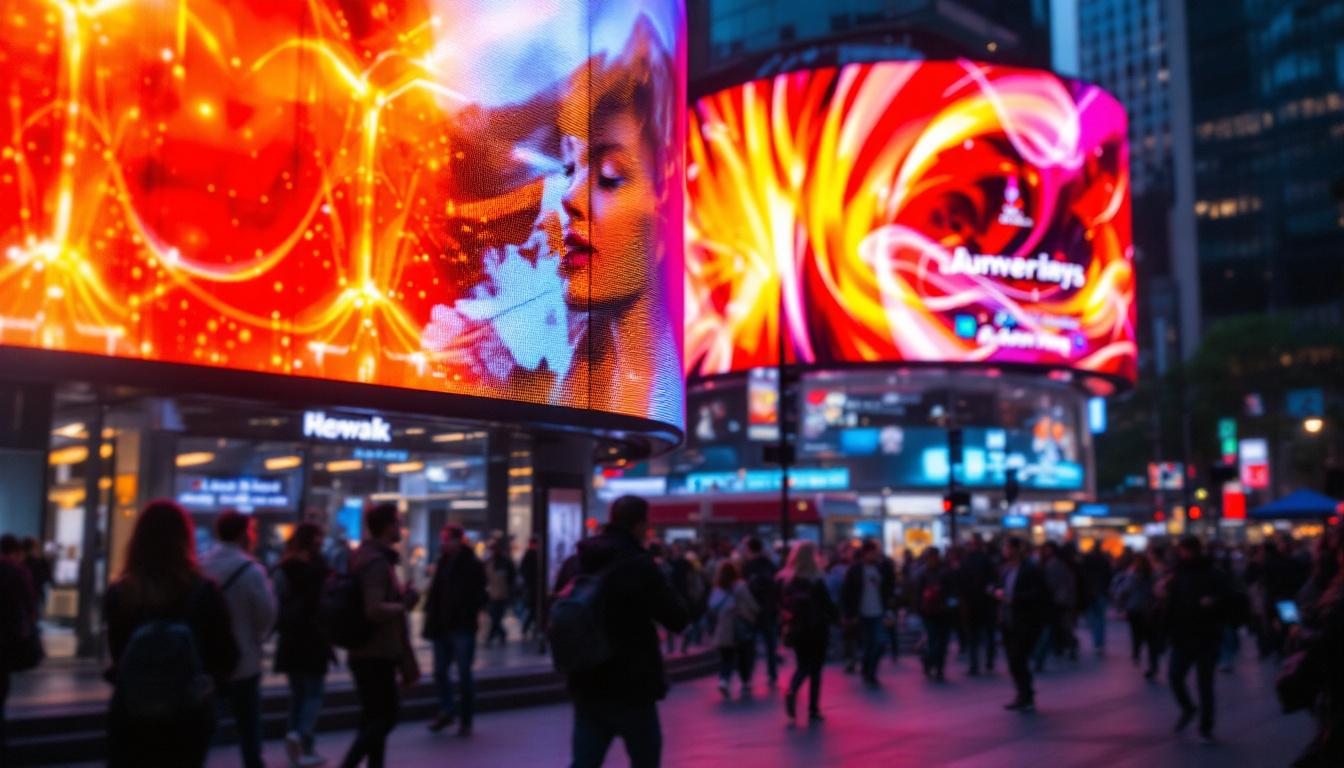
Modern LED displays offer excellent color reproduction with wide color gamuts and high contrast ratios. The ability to precisely control each LED’s brightness allows for dynamic content with vivid colors and sharp images. Additionally, LED displays can be manufactured in flexible or curved forms, enabling innovative design possibilities for architecture, retail, and entertainment venues.
Applications of LED Displays
The versatility of LED display technology has led to widespread adoption across various industries. Understanding these applications highlights the technology’s impact and potential future developments.
Outdoor Advertising and Digital Signage
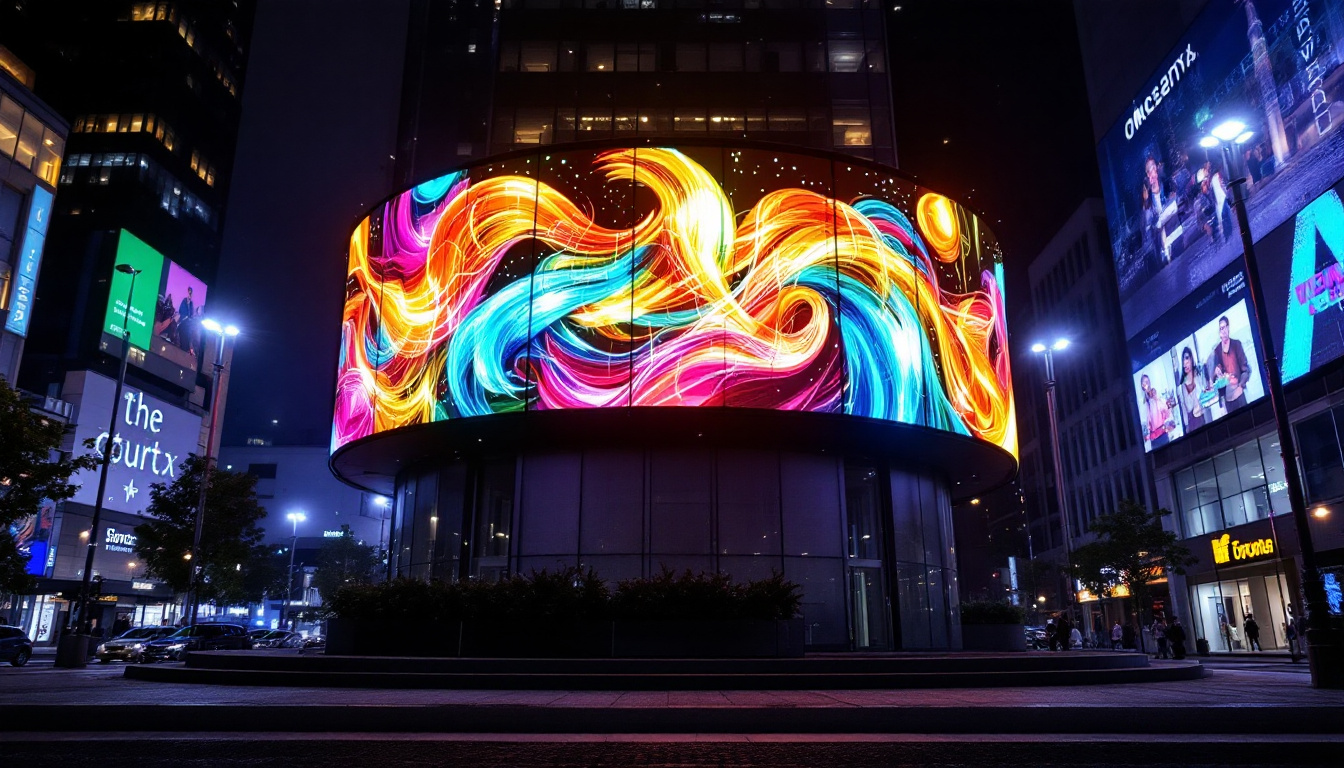
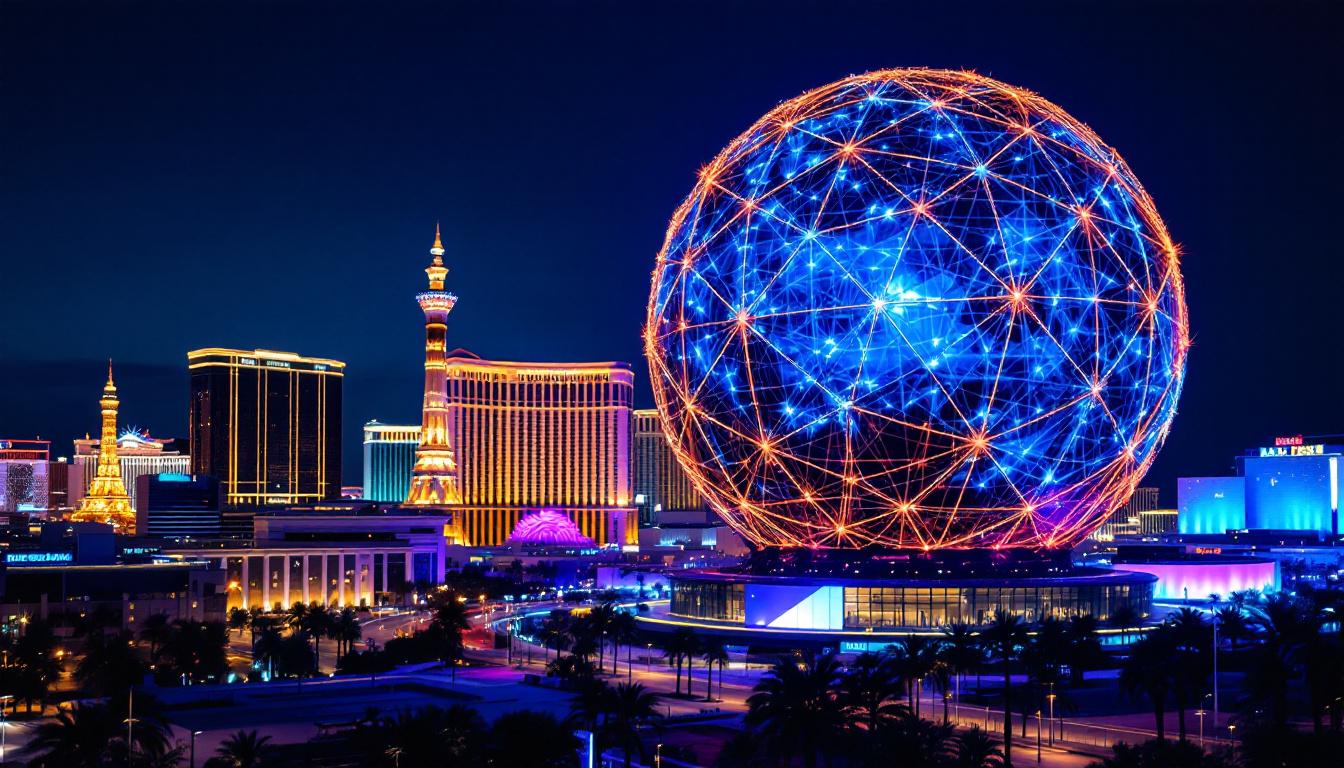
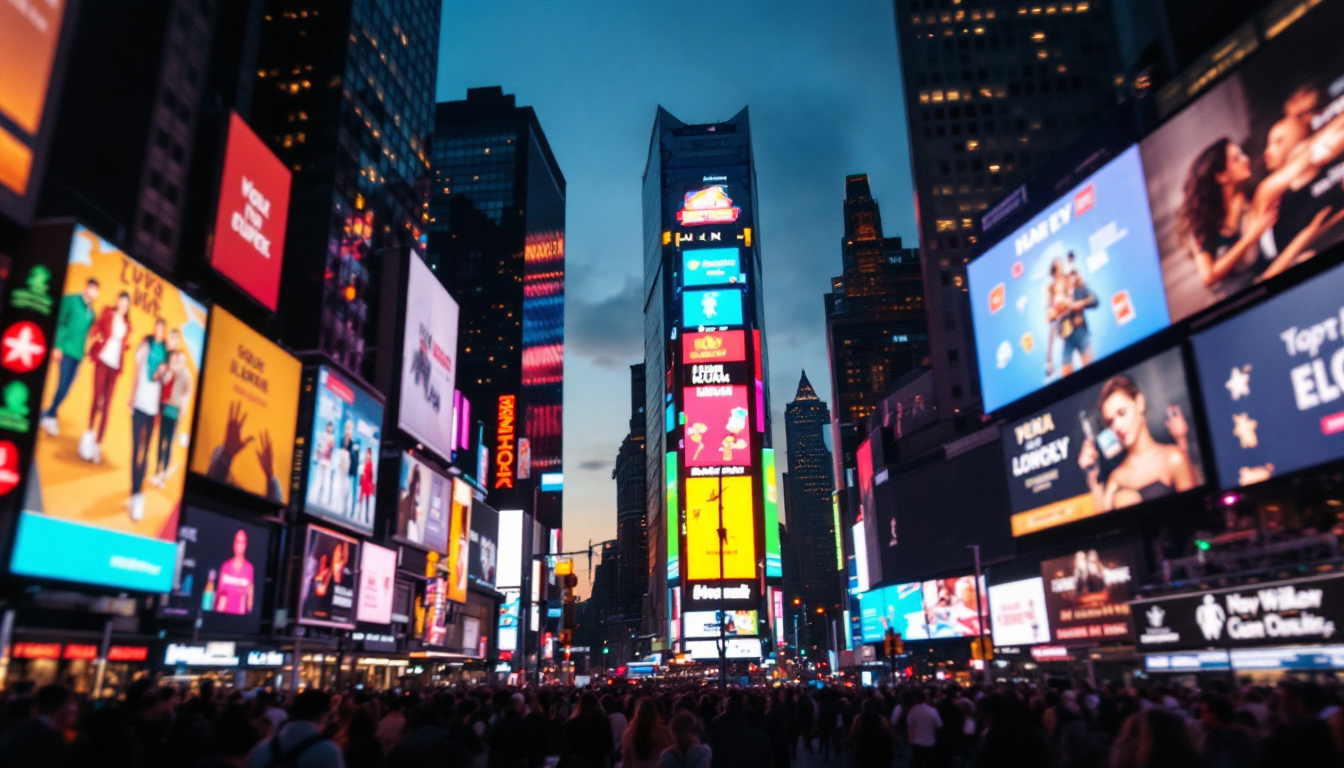
Outdoor LED billboards are among the most visible and effective advertising mediums worldwide. Their brightness, scalability, and dynamic content capabilities allow advertisers to capture attention in busy urban environments. According to recent market research, the global digital signage market is expected to grow at a compound annual growth rate (CAGR) of over 7% through 2028, driven largely by LED display adoption.
LED displays also serve public information roles, such as traffic signs, transit information boards, and emergency alerts, providing real-time updates in a clear and engaging manner.
Entertainment and Events
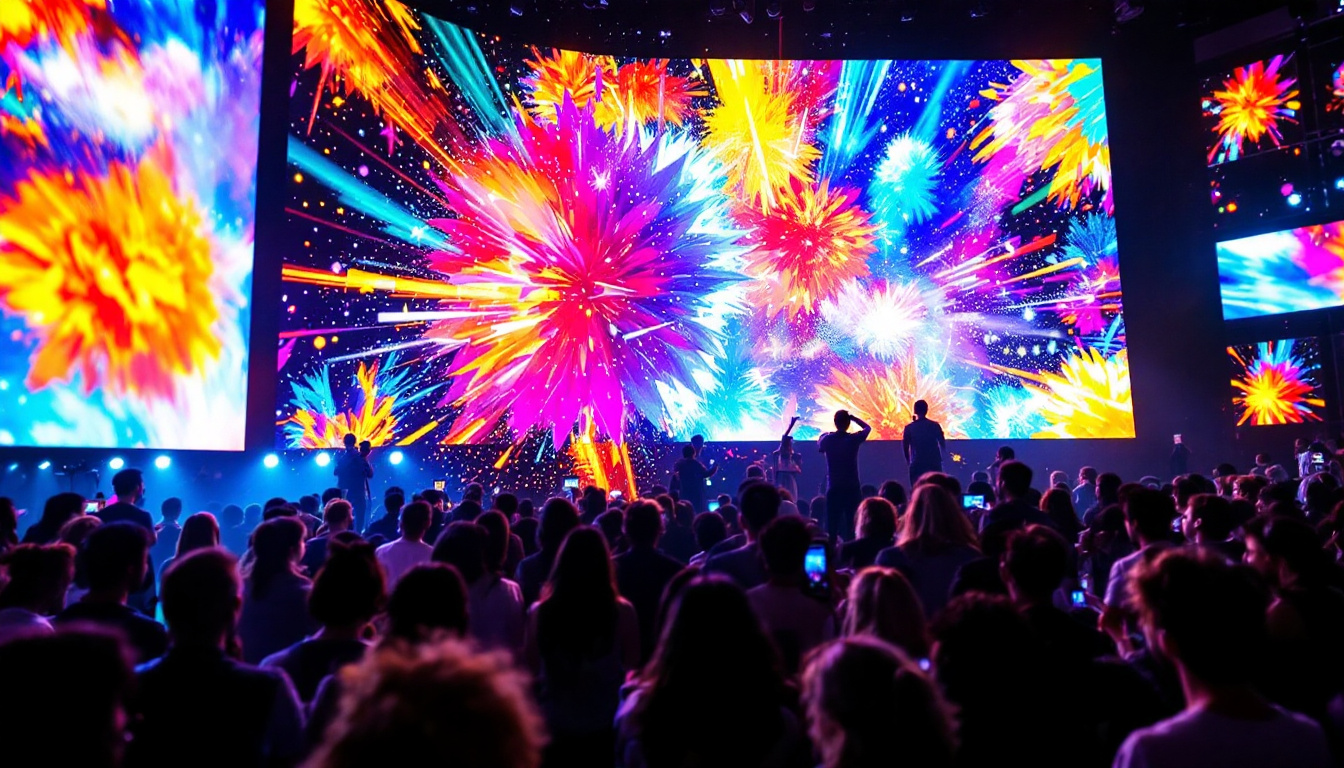
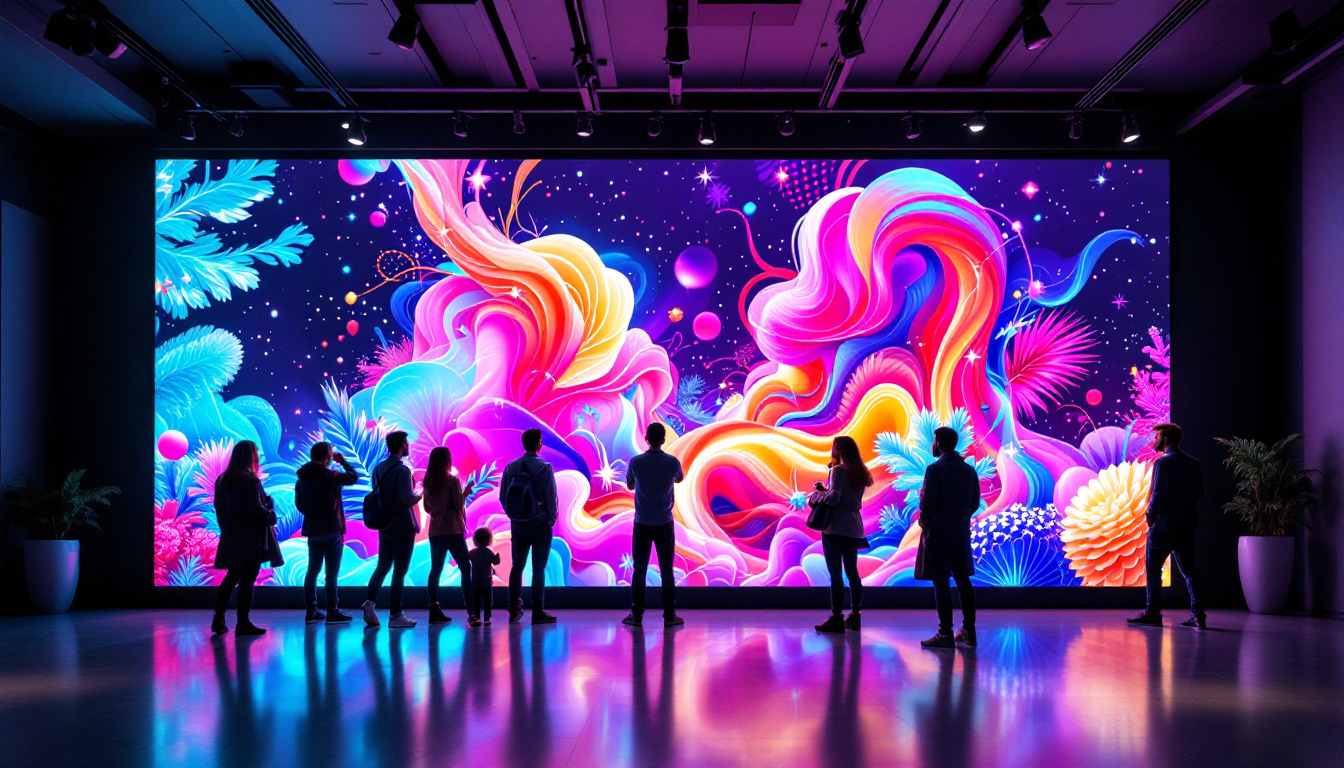
Concerts, sports arenas, and theaters utilize large LED screens to enhance the audience experience. These displays provide live video feeds, graphics, and interactive content that engage attendees and create immersive environments. The ability to produce seamless large-scale video walls with high resolution makes LED displays indispensable for modern event production.
Retail and Commercial Spaces
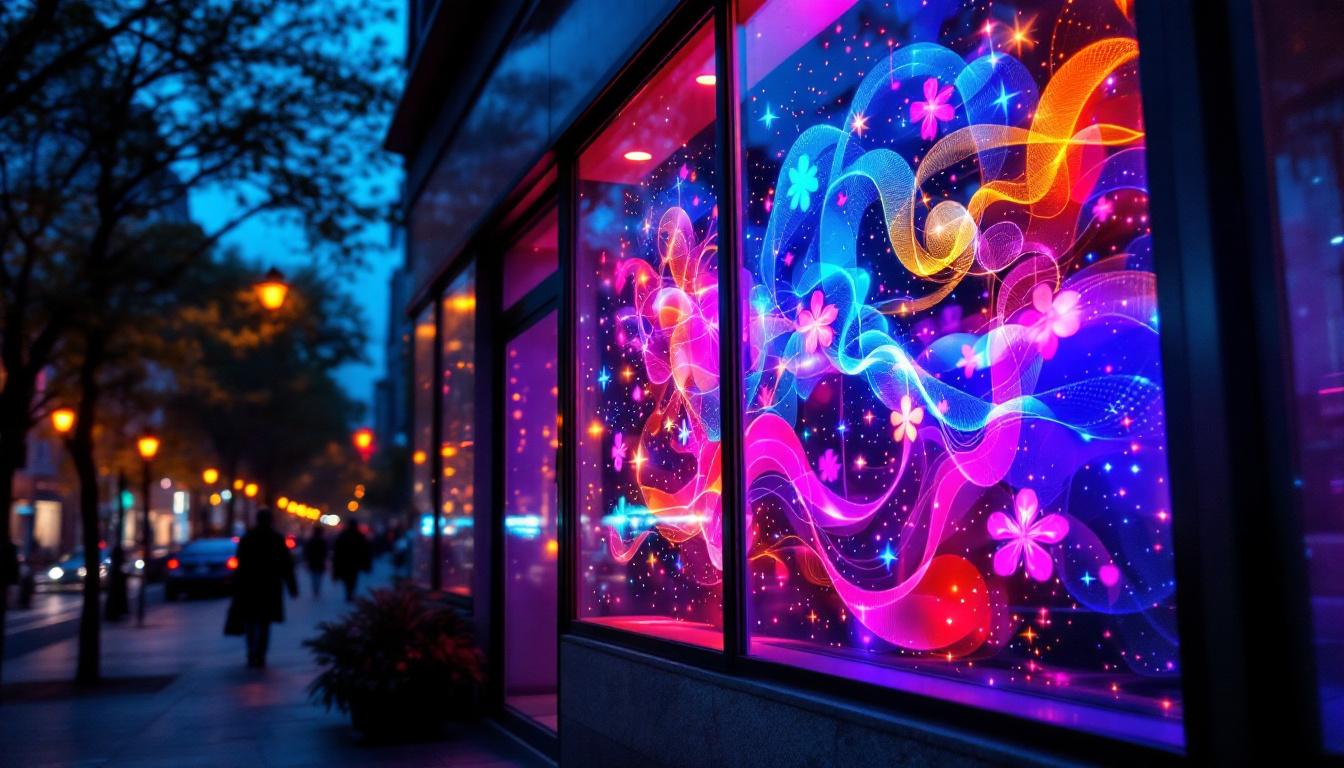
Retailers use LED displays for dynamic window displays, in-store promotions, and interactive kiosks. The vibrant colors and motion capabilities of LED screens attract customers and enable real-time content updates. Commercial buildings also incorporate LED facades and signage as part of their branding and architectural design.
Transportation and Public Infrastructure
LED displays are widely used in airports, train stations, and bus terminals for schedules, wayfinding, and advertising. Their readability and reliability make them ideal for environments where clear communication is critical. Additionally, automotive manufacturers are integrating LED displays into dashboards and heads-up displays to improve driver information systems.
Choosing the Right LED Display
Selecting an LED display involves considering several factors to ensure it meets the specific needs of the application. These factors include resolution, pixel pitch, brightness, size, and environmental conditions.
Resolution and Pixel Pitch
Resolution determines the clarity and detail of the displayed image. For close viewing distances, such as indoor retail displays or control rooms, a smaller pixel pitch (e.g., 1-2 mm) is necessary to avoid visible gaps between LEDs. For large outdoor billboards viewed from afar, larger pixel pitches (e.g., 10 mm or more) are acceptable and more cost-effective.
Brightness and Contrast
Consider the ambient lighting conditions where the display will be installed. Outdoor displays require higher brightness levels to remain visible in sunlight, while indoor displays benefit from higher contrast ratios for better image quality in controlled lighting.
Durability and Weather Resistance
Outdoor LED displays must withstand harsh weather conditions, including rain, wind, and temperature extremes. Look for displays with appropriate IP (Ingress Protection) ratings to ensure water and dust resistance. Additionally, UV-resistant coatings help prevent color degradation over time.
Installation and Maintenance
Modular LED panels simplify installation and allow for easier maintenance or upgrades. Consider the ease of access for repairs and the availability of technical support when choosing a vendor. Energy consumption and cooling requirements are also important for operational efficiency.
The Future of LED Display Technology
LED display technology continues to advance rapidly, driven by innovations in materials, manufacturing, and control systems. Emerging trends suggest exciting possibilities for the future.
MicroLED and MiniLED
MicroLED technology uses microscopic LEDs to create displays with even higher resolution, brightness, and energy efficiency than current models. MiniLEDs, which are slightly larger but still smaller than traditional LEDs, are already being used to enhance LCD backlighting, offering improved contrast and color performance.
Flexible and Transparent Displays
Advances in flexible LED substrates enable curved, foldable, or rollable displays, opening new design opportunities for wearable devices, automotive interiors, and architectural applications. Transparent LED displays allow images to be projected onto glass surfaces without obstructing visibility, ideal for retail windows and augmented reality applications.
Integration with Smart Technologies
LED displays are increasingly integrated with sensors, cameras, and AI-driven content management systems. This allows for personalized advertising, interactive experiences, and real-time data visualization, enhancing engagement and effectiveness.
Conclusion
LED displays have transformed the way information and entertainment are presented across the globe. Their superior brightness, energy efficiency, and versatility make them the technology of choice for countless applications, from massive outdoor billboards to the screens in everyday devices. As LED technology continues to evolve, it promises even more innovative and immersive visual experiences in the years ahead.
Understanding the different types of LED displays, their advantages, and how to select the right one for your needs is essential for businesses, advertisers, and technology enthusiasts alike. Whether you are planning a digital signage project, upgrading a display system, or simply curious about the technology behind the screens you see every day, LED displays represent a dynamic and exciting field at the forefront of modern visual communication.
Explore Cutting-Edge LED Displays with LumenMatrix
Ready to elevate your visual communication with the latest in LED display technology? LumenMatrix is at the forefront of innovation, offering a diverse range of LED display solutions tailored to your unique needs. From captivating Indoor and Outdoor LED Wall Displays to dynamic Vehicle and Sports LED Displays, and even Custom and All-in-One solutions, we have the technology to bring your vision to life. Experience the future of digital signage and create unforgettable visual experiences with LumenMatrix. Check out LumenMatrix LED Display Solutions today and transform the way you connect with your audience.