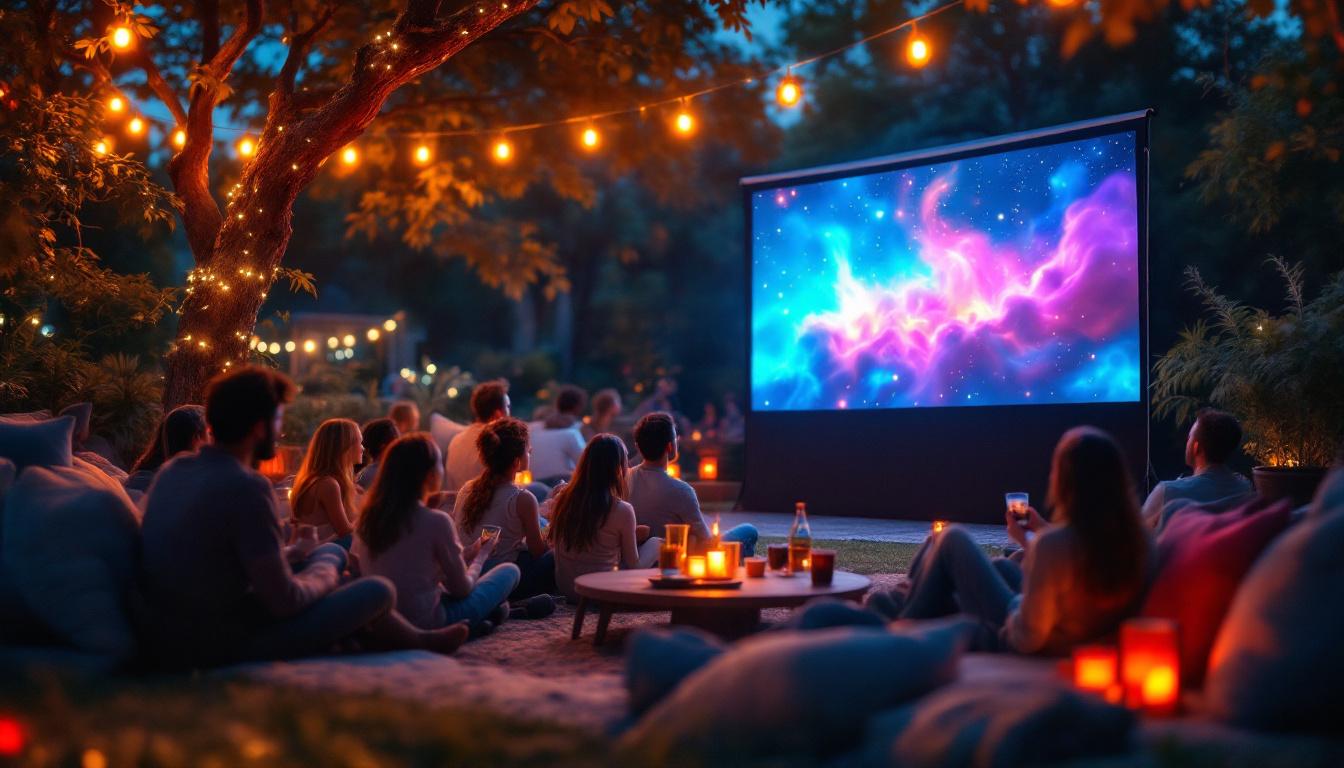
Watching movies, sports events, or presentations outdoors has become increasingly popular, especially with the rise of backyard cinemas and open-air events. However, one of the key challenges in creating an immersive outdoor viewing experience is choosing the right screen. Traditional projector screens often struggle with ambient light, weather conditions, and portability. This is where LED displays come into play as a compelling alternative.
This article delves into the world of outdoor screens for projectors, focusing on LED displays. It explains what makes LED screens an excellent option, compares them with traditional projector screens, and offers guidance on selecting the best LED display for your outdoor setup.
Understanding Outdoor Projection Challenges
Before exploring LED displays, it’s essential to understand the common challenges faced when projecting outdoors. Unlike indoor environments, outdoor settings introduce variables that can significantly impact image quality and viewing comfort.
Ambient Light Interference
Ambient light is one of the biggest obstacles for outdoor projection. Natural sunlight, street lamps, and even moonlight can wash out the projected image, reducing contrast and making it difficult to see details. Traditional projector screens rely on a dark environment to perform optimally, which limits viewing times mostly to after sunset.
Weather and Environmental Factors
Outdoor setups must contend with wind, rain, dust, and temperature fluctuations. These factors can damage screens or affect their stability. Many traditional projector screens are made from fabric or vinyl materials that can be susceptible to tearing, sagging, or fading when exposed to the elements.
Portability and Setup Complexity
Outdoor events often require quick setup and teardown. Bulky or heavy screens can be cumbersome to transport and install. Additionally, securing screens against wind or uneven terrain can be challenging, impacting the overall user experience.
What Is an LED Display?
LED (Light Emitting Diode) displays are digital screens composed of thousands of tiny LEDs that emit light individually. Unlike projector screens, which are passive surfaces reflecting light, LED displays generate their own light, offering several advantages for outdoor viewing.
How LED Displays Work
Each LED pixel in the display can produce a specific color and brightness, controlled electronically to create images and videos. The screen consists of modules that can be assembled to form large, seamless displays, making them highly scalable for different sizes and resolutions.
Types of LED Displays
There are two main types of LED displays used outdoors:
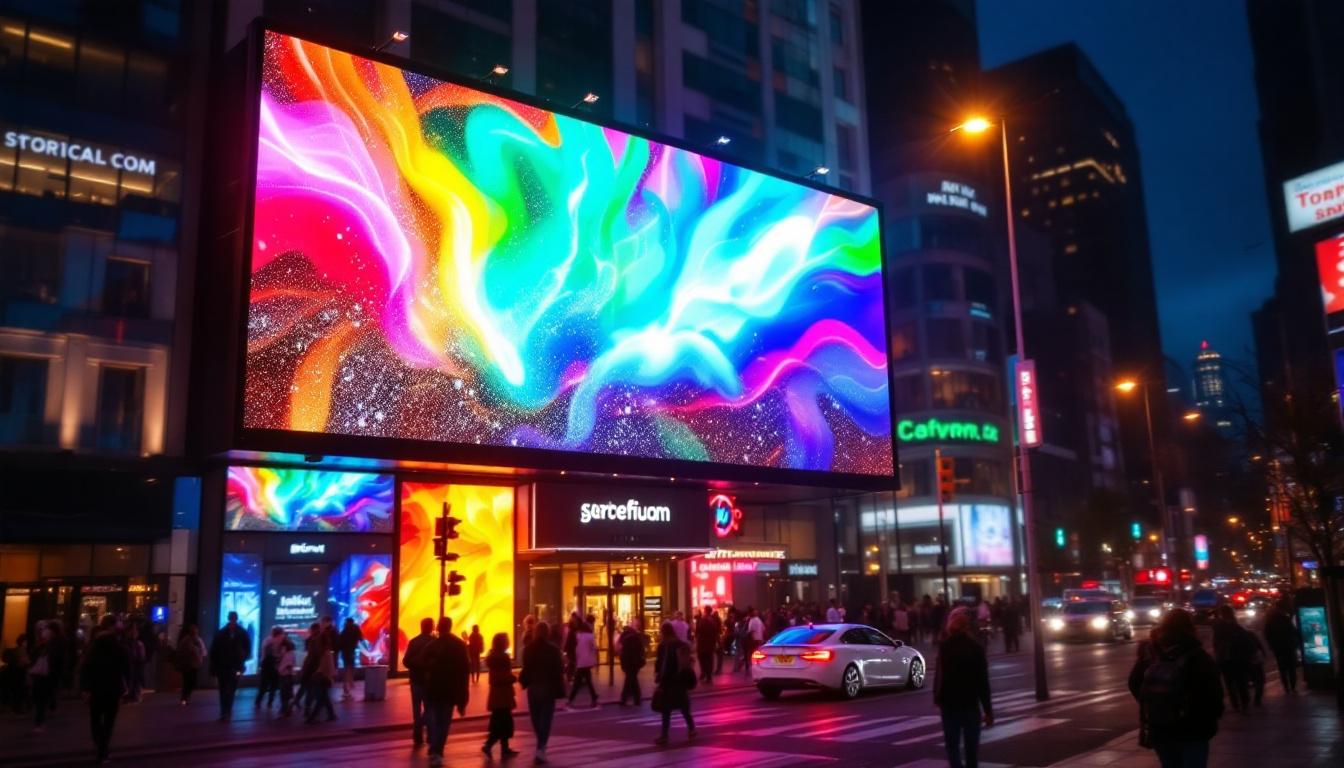
- Direct View LED (DVLED): This type is designed for large-scale outdoor screens, such as stadium displays or billboards. It offers high brightness and excellent visibility even in direct sunlight.
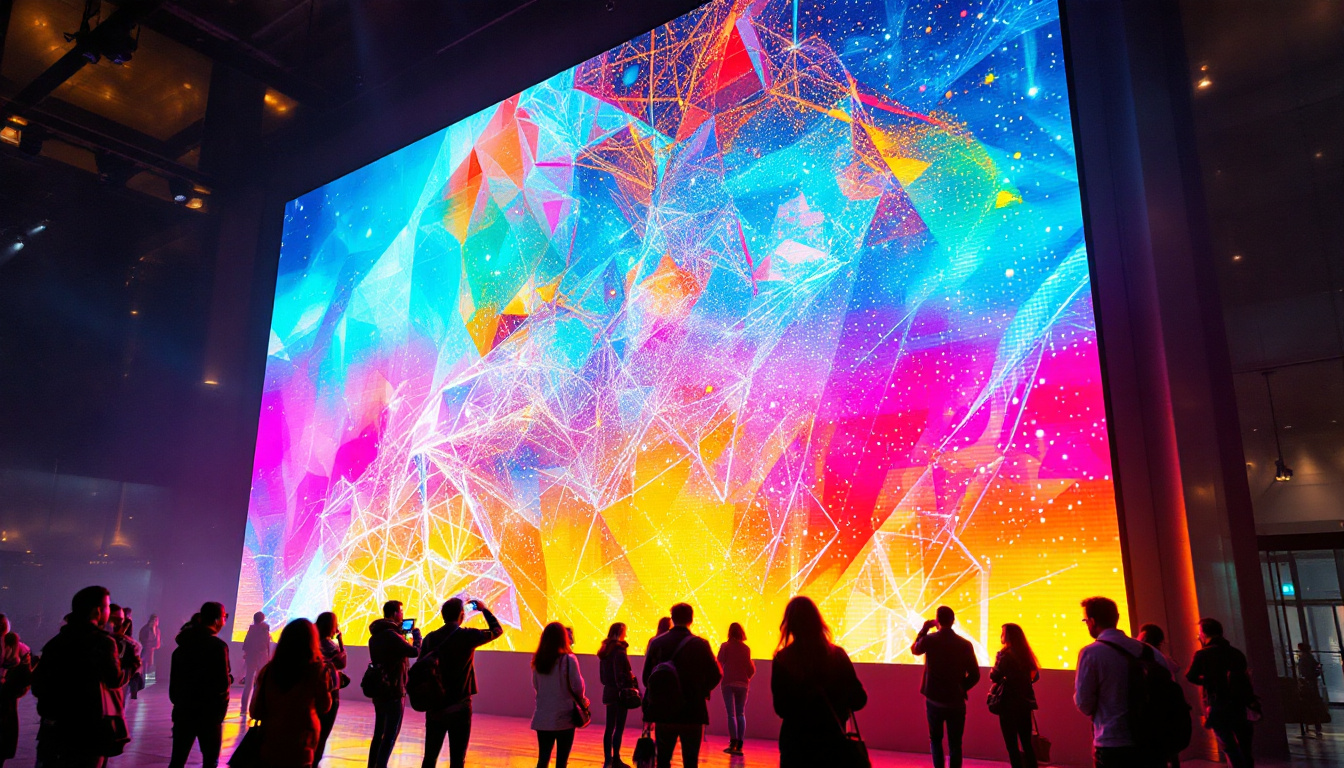
- LED Video Walls: These are modular panels that can be combined to create custom-sized screens, often used for events, concerts, and outdoor cinemas.
Advantages of LED Displays Over Traditional Projector Screens
LED displays have rapidly gained popularity for outdoor use due to their unique benefits that address many limitations of traditional projector screens.
Superior Brightness and Visibility
One of the standout advantages of LED displays is their brightness. Outdoor LED screens can achieve brightness levels exceeding 5,000 nits, compared to traditional projector screens that rely on the projector’s lumens and ambient light conditions. This means LED displays remain vibrant and clear even in daylight or well-lit environments.
High Contrast and Color Accuracy
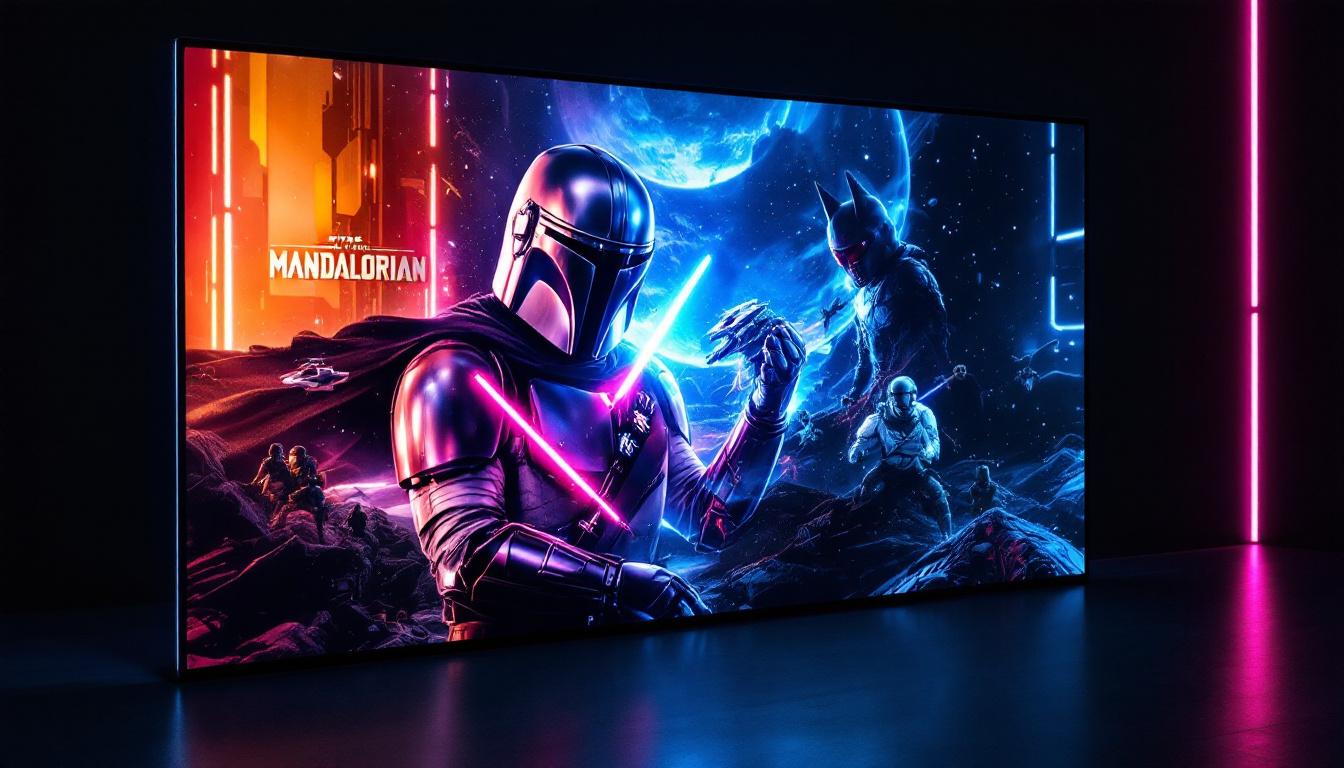
Because LEDs emit their own light, they can produce true blacks and vibrant colors, resulting in superior contrast ratios. This enhances image quality, making movies and presentations more engaging and visually appealing.
Durability and Weather Resistance
LED displays designed for outdoor use are built with weatherproof materials and sealed housings to protect against rain, dust, and temperature extremes. This durability ensures longevity and reduces maintenance costs compared to fabric or vinyl projector screens.
Flexible Size and Aspect Ratios
Modular LED panels allow for customizable screen sizes and aspect ratios, enabling event organizers and homeowners to tailor the display to their specific needs. Whether it’s a small backyard movie night or a large public event, LED displays can be scaled accordingly.
Ease of Setup and Portability
Modern LED screens often come with lightweight, interlocking modules that simplify assembly and disassembly. Many models include integrated stands or mounting systems designed for outdoor use, making them easier to transport and install than traditional projector screens.
Considerations When Choosing an Outdoor LED Display
While LED displays offer many advantages, selecting the right one requires careful consideration of several factors to ensure it fits your needs and budget.
Resolution and Pixel Pitch
Resolution refers to the number of pixels on the screen, while pixel pitch is the distance between each LED pixel, measured in millimeters. A smaller pixel pitch means higher resolution and sharper images, especially important for close viewing distances.
For outdoor use, pixel pitches typically range from 2mm to 10mm. Backyard cinemas or events with viewers close to the screen benefit from lower pixel pitches (2-4mm), while larger venues with distant viewers can use higher pixel pitches (6-10mm) without sacrificing image quality.
Brightness Levels
Brightness is measured in nits, and outdoor LED displays generally offer between 3,000 and 7,000 nits. The higher the brightness, the better the screen performs under direct sunlight. For most outdoor applications, a minimum of 4,000 nits is recommended to ensure visibility during the day.
Size and Viewing Distance
The ideal screen size depends on the number of viewers and their distance from the screen. A general rule of thumb is that the viewing distance should be about 1.5 to 3 times the screen height for comfortable viewing. Modular LED displays allow customization of size, but larger screens require more power and higher investment.
Weatherproofing and Durability
Ensure the LED display has an IP65 rating or higher, indicating protection against dust and water jets. This is crucial for outdoor setups exposed to rain or dust storms. Additionally, check for UV-resistant coatings to prevent sun damage over time.
Power Consumption and Connectivity
LED displays consume more power than traditional projector screens, so consider your power supply capabilities. Also, verify that the display supports the necessary input connections (HDMI, DisplayPort, wireless options) compatible with your projector or media source.
Popular Applications of Outdoor LED Displays
Outdoor LED screens have found widespread use across various sectors, demonstrating their versatility and effectiveness.
Backyard Cinemas and Home Entertainment
Many homeowners are upgrading their outdoor movie nights with LED displays for superior image quality and ease of use. These screens provide bright, crisp visuals without the hassle of projector alignment or ambient light issues.
Public Events and Festivals
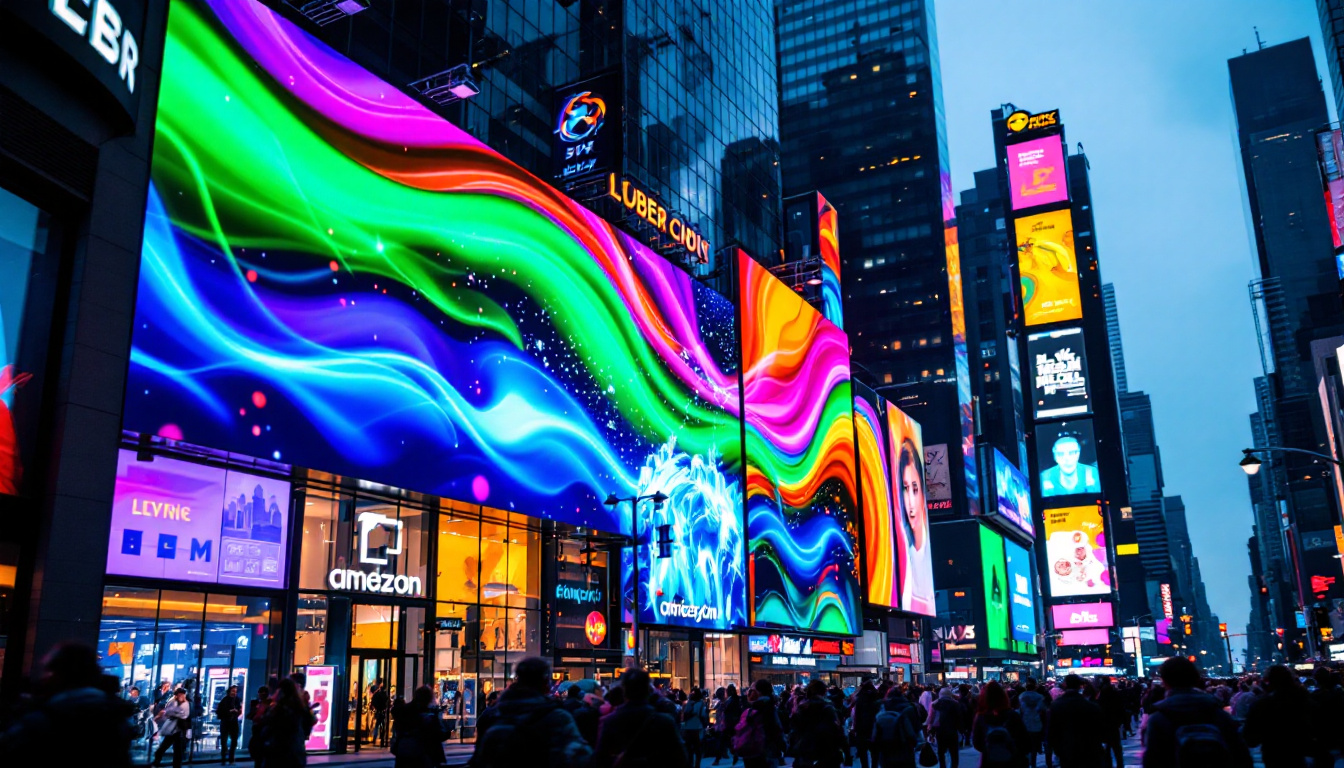
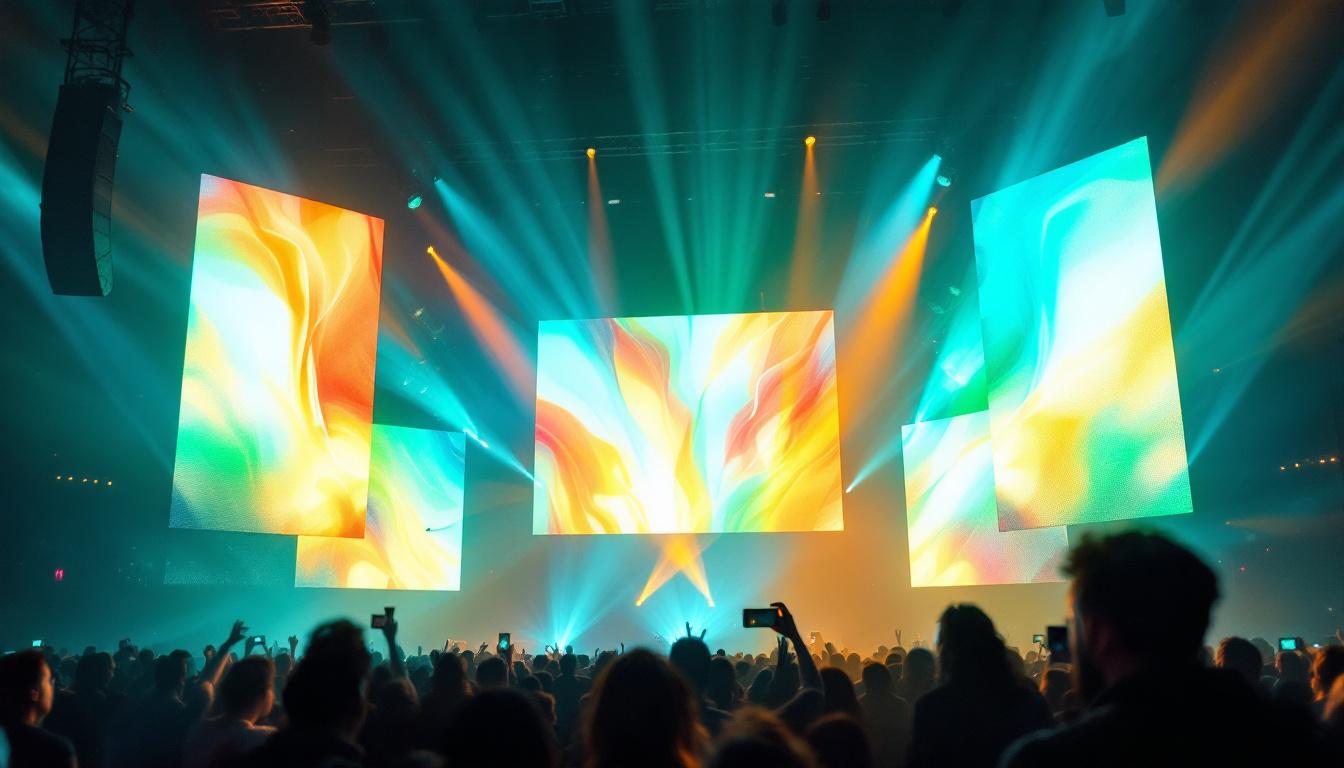
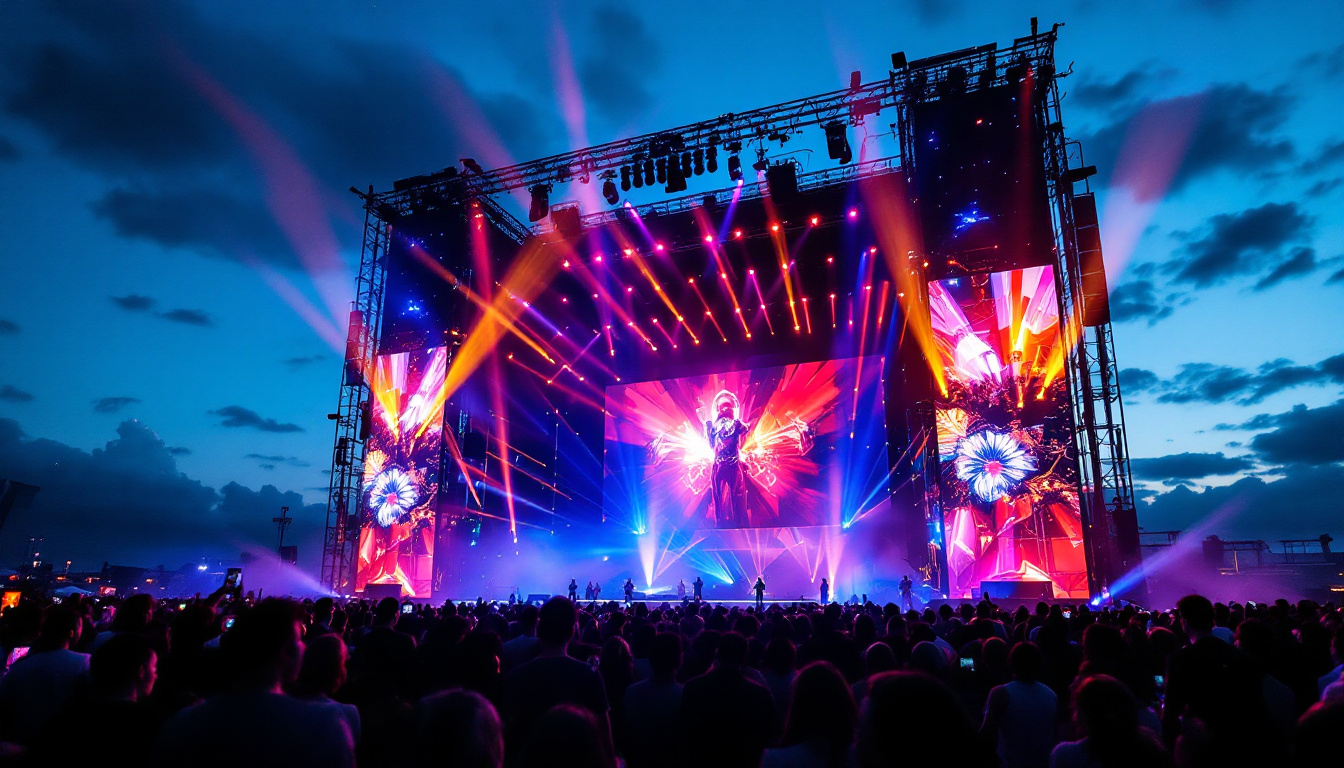
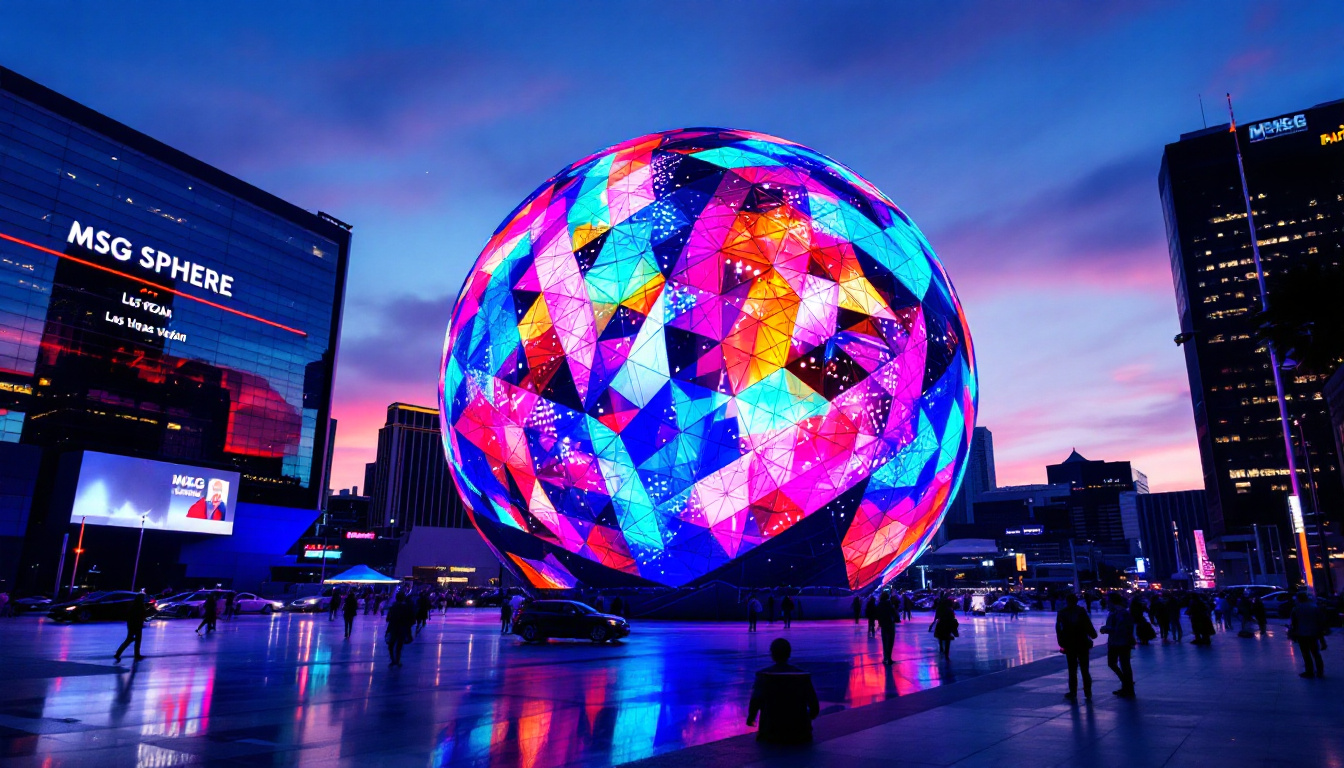
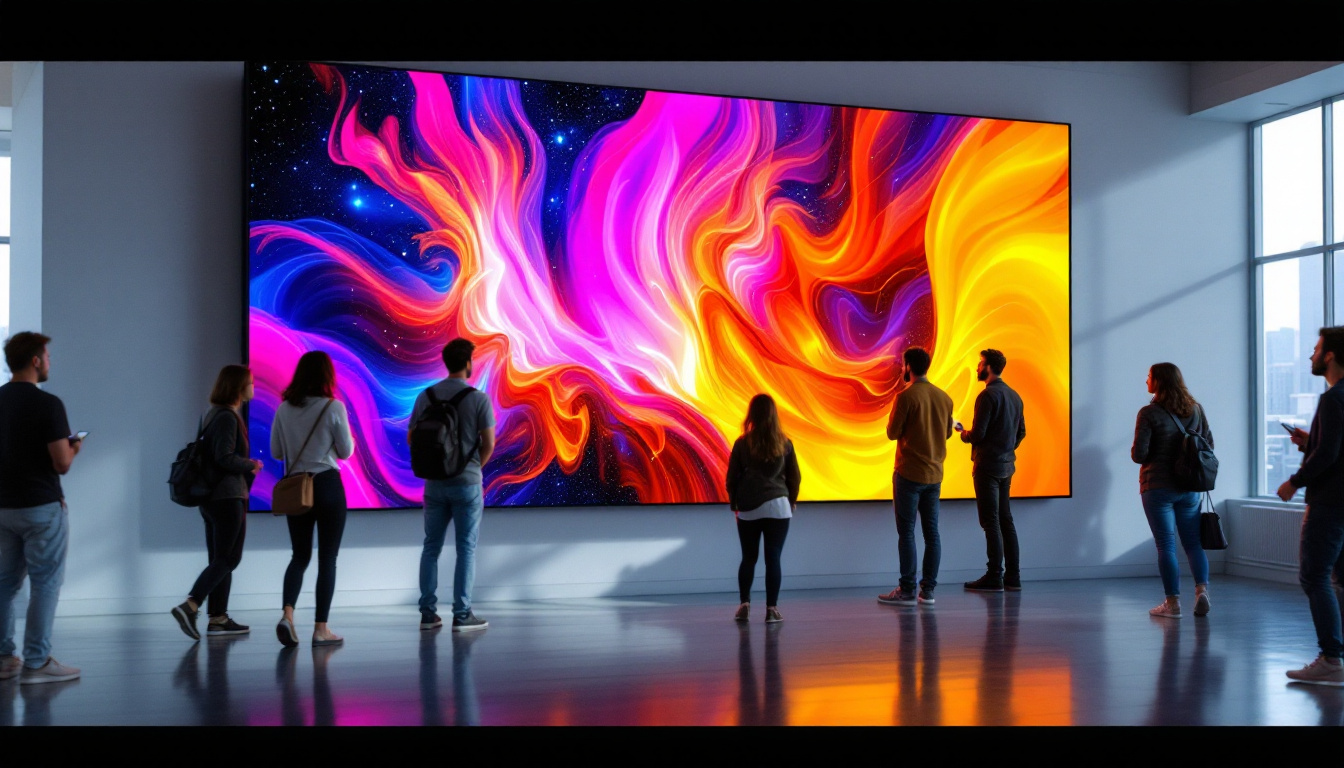
Concerts, sports events, and festivals often use large LED video walls to broadcast live feeds, advertisements, and interactive content. Their scalability and brightness make them ideal for engaging large audiences in outdoor settings.
Corporate and Educational Presentations
Businesses and educational institutions utilize outdoor LED displays for presentations, product launches, and training sessions. The clarity and visibility ensure that messages are communicated effectively, even in challenging lighting conditions.
Comparing LED Displays with Traditional Outdoor Projector Screens
While LED displays offer many advantages, it’s important to weigh them against traditional projector screens to determine the best fit for your specific needs.
| Feature | LED Display | Traditional Projector Screen |
|---|---|---|
| Brightness | High (3,000 – 7,000 nits), visible in daylight | Dependent on projector lumens, struggles in ambient light |
| Image Quality | Excellent contrast and color accuracy | Good in dark environments, less vibrant outdoors |
| Durability | Weatherproof, robust build | Susceptible to weather damage, less durable |
| Portability | Moderate, modular but heavier | Lightweight and easy to transport |
| Cost | Higher initial investment | Generally lower cost |
| Setup Complexity | Relatively simple with modular design | Requires projector alignment and screen setup |
Tips for Maximizing Your Outdoor Viewing Experience
Regardless of whether you choose an LED display or a traditional projector screen, certain practices can enhance your outdoor viewing experience.
Choose the Right Location
Select a spot with minimal ambient light interference and a flat surface for stable setup. Consider natural shade or use portable canopies to reduce glare during daytime screenings.
Optimize Audio Setup
Outdoor environments can disperse sound, so invest in quality speakers or soundbars designed for open spaces. Wireless options provide flexibility and reduce cable clutter.
Use Weather Protection Accessories
For projector setups, waterproof covers and wind-resistant frames help protect equipment. For LED displays, ensure proper housing and consider adding protective screens if necessary.
Plan Viewing Times
For projector screens, evening or night viewings offer the best image quality. LED displays provide more flexibility, allowing for daytime events without compromising visibility.
Conclusion: Is an LED Display the Best Outdoor Screen for Your Projector?
LED displays represent a significant advancement in outdoor viewing technology, offering unmatched brightness, durability, and image quality. For users seeking a high-impact, reliable outdoor screen that performs well in diverse lighting conditions, LED displays are an excellent choice.
However, the higher cost and power requirements may be a consideration for some. Traditional projector screens remain a viable option for budget-conscious users who primarily watch after dark and prefer a lightweight, portable solution.
Ultimately, the best outdoor screen depends on your specific use case, budget, and viewing environment. Understanding the benefits and limitations of LED displays will help you make an informed decision and create an unforgettable outdoor viewing experience.
Discover the Future of Outdoor Entertainment with LumenMatrix
Ready to elevate your outdoor viewing experience with the latest in LED display technology? LumenMatrix is at the forefront of innovation, offering a wide range of LED display solutions tailored to your needs. From breathtaking backyard cinemas to dynamic public events, our Outdoor LED Wall Displays are designed to captivate and engage. Embrace the revolution in visual communication and check out LumenMatrix LED Display Solutions today to transform your space into a vibrant hub of entertainment.