In today’s digital world, LED displays have become an integral part of our daily lives, from the smartphones in our pockets to the massive billboards illuminating cityscapes. Understanding LED display sizes and their implications is crucial for businesses, marketers, and tech enthusiasts alike. This article delves into the fundamentals of LED displays, explores the various sizes available, and explains how size impacts performance, application, and user experience.
Understanding LED Display Technology
LED, or Light Emitting Diode, technology has revolutionized the display industry by offering brighter, more energy-efficient, and longer-lasting screens compared to traditional LCD or plasma displays. At its core, an LED display is composed of numerous tiny diodes that emit light when an electric current passes through them. These diodes are arranged in a grid to form images, videos, or text.
One of the key advantages of LED technology is its ability to produce vibrant colors and high contrast ratios, making it ideal for both indoor and outdoor applications. Unlike LCDs, which rely on backlighting, LEDs emit their own light, allowing for deeper blacks and more vivid visuals.
LED displays come in two main types: direct view and backlit. Direct view LED displays use LEDs as pixels themselves, commonly found in large-scale outdoor screens. Backlit LED displays use LEDs to illuminate an LCD panel, typical in TVs and monitors. This article focuses primarily on direct view LED displays, especially as they relate to size and application.
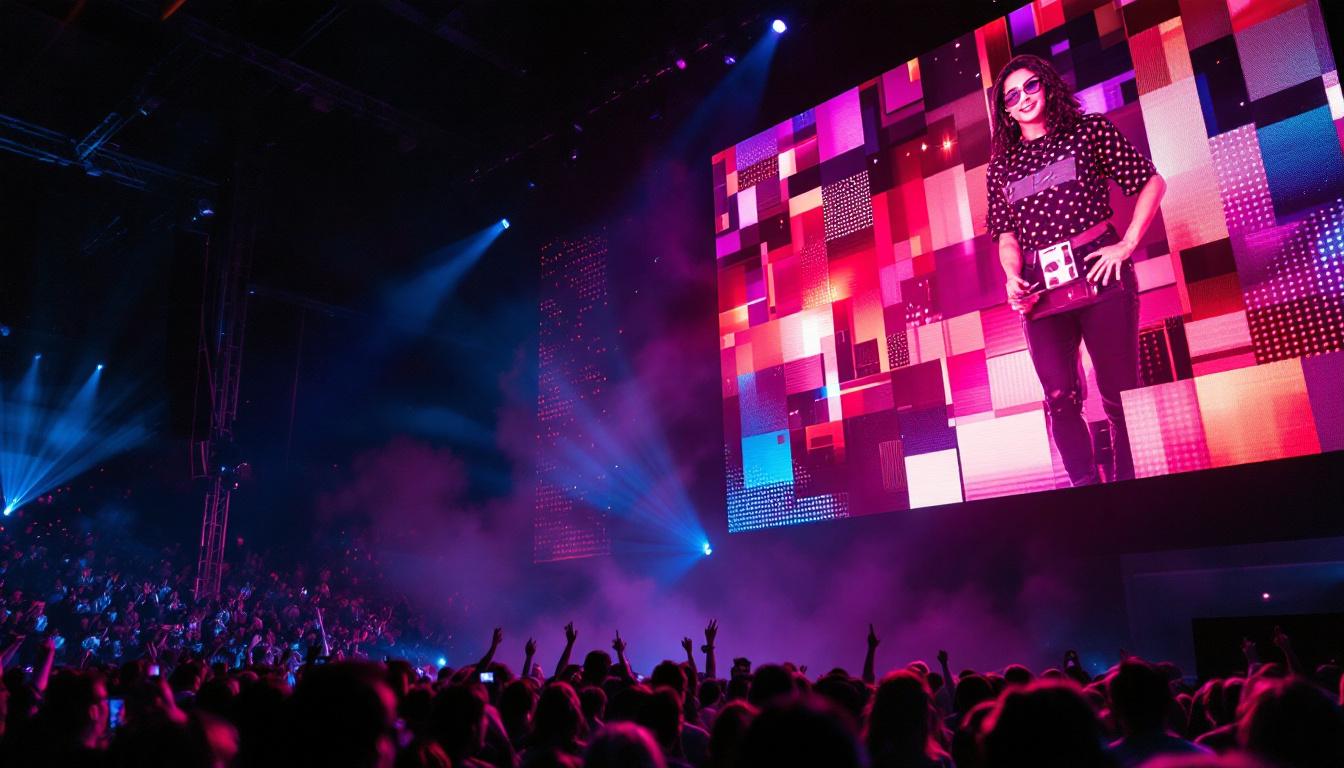
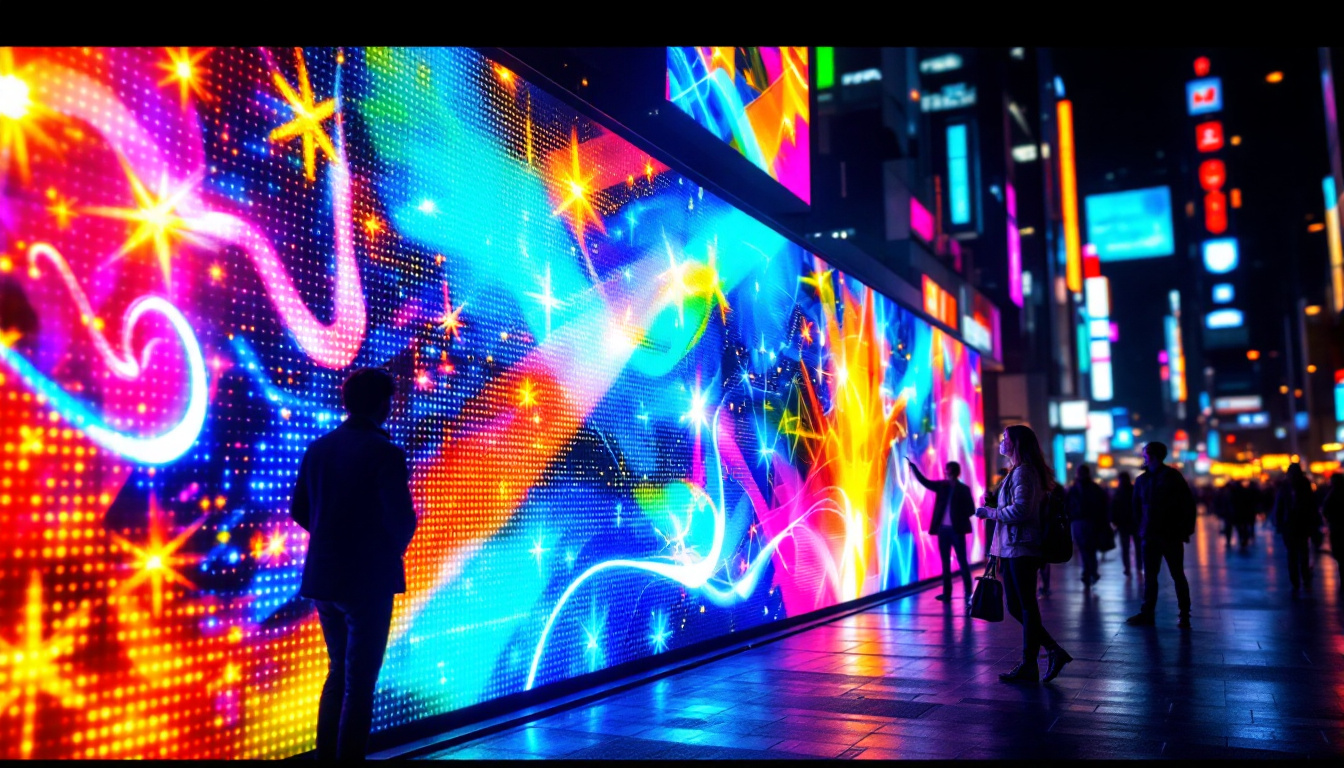
In recent years, the demand for LED displays has surged, particularly in advertising and entertainment sectors. Large-scale LED displays are now commonplace in stadiums, concert venues, and city squares, capturing the attention of passersby with their bright and dynamic visuals. These displays can be programmed to show a variety of content, from live feeds to promotional videos, making them a versatile tool for marketers and event organizers alike. Additionally, advancements in technology have led to the development of flexible LED displays, which can be shaped and curved to fit unique architectural designs, further expanding their application in creative installations.
Another significant aspect of LED technology is its environmental impact. Compared to traditional display technologies, LED displays consume less power and have a longer lifespan, which translates to reduced waste and lower energy costs over time. Many manufacturers are now focusing on sustainable practices, such as using recyclable materials in their products and implementing energy-efficient designs. As the world moves towards greener solutions, LED technology stands out as a frontrunner in promoting eco-friendly display options, appealing to both consumers and businesses that prioritize sustainability.
Common LED Display Sizes and Their Applications
LED displays vary widely in size, from small modules used in wearable devices to enormous video walls spanning entire building facades. The choice of size depends largely on the intended use, viewing distance, and environmental conditions.
Small and Medium-Sized LED Displays
Small LED displays typically range from a few inches to around 50 inches diagonally. These are commonly found in consumer electronics such as smartphones, tablets, and laptops. Medium-sized displays, ranging from 50 to 150 inches, are prevalent in retail environments, conference rooms, and digital signage indoors.
For example, a 55-inch LED display is a popular size for digital menu boards or interactive kiosks in retail stores. Its size balances visibility and space efficiency, allowing customers to easily read content without overwhelming the environment. Additionally, these displays often feature touch capabilities, enabling users to interact with the content, making them ideal for applications like wayfinding in malls or product showcases in showrooms.
Furthermore, small to medium-sized LED displays are increasingly utilized in educational settings. Schools and universities are adopting these technologies for interactive learning experiences, where teachers can display multimedia presentations and engage students through dynamic content. This shift not only enhances the learning environment but also prepares students for a tech-savvy future.
Large LED Displays and Video Walls
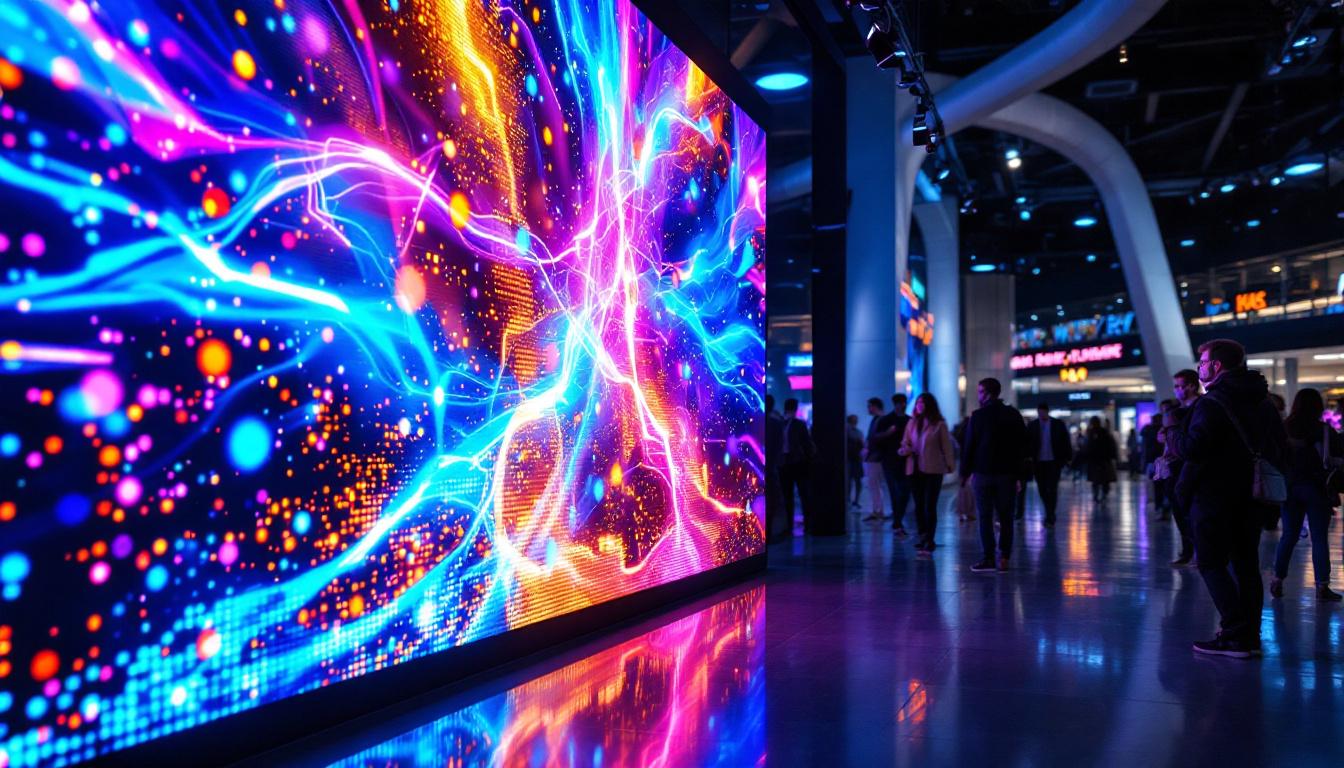
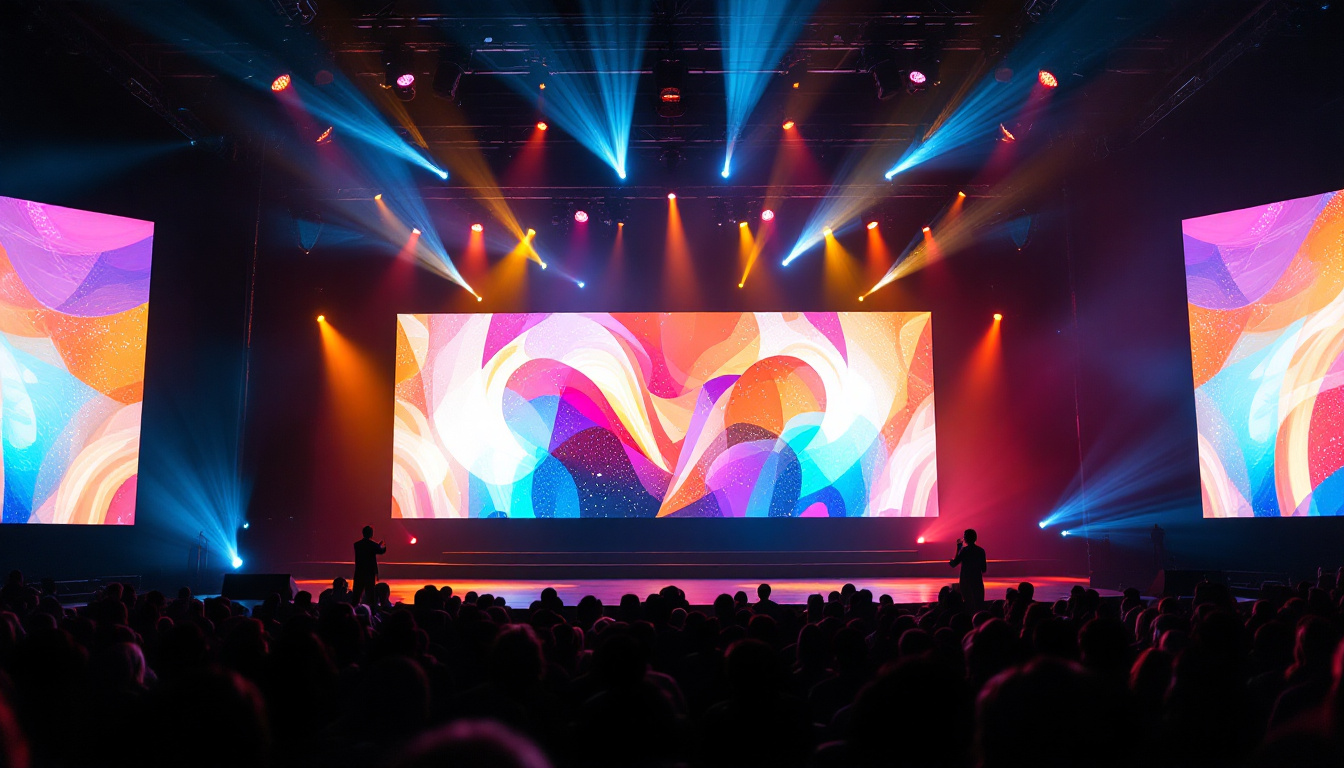
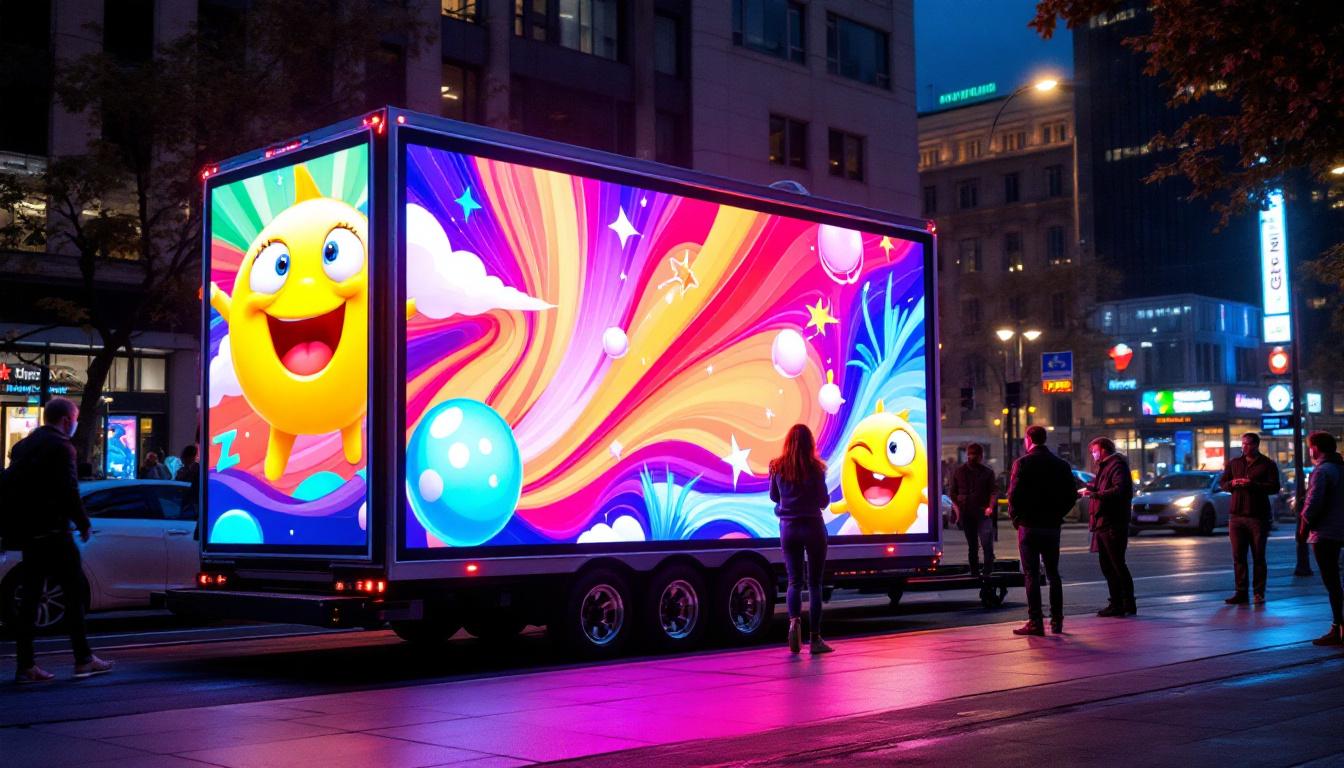
Large LED displays start at around 150 inches and can extend to hundreds of inches, often constructed by combining multiple LED panels into a seamless video wall. These are typical in stadiums, concert venues, airports, and outdoor advertising.
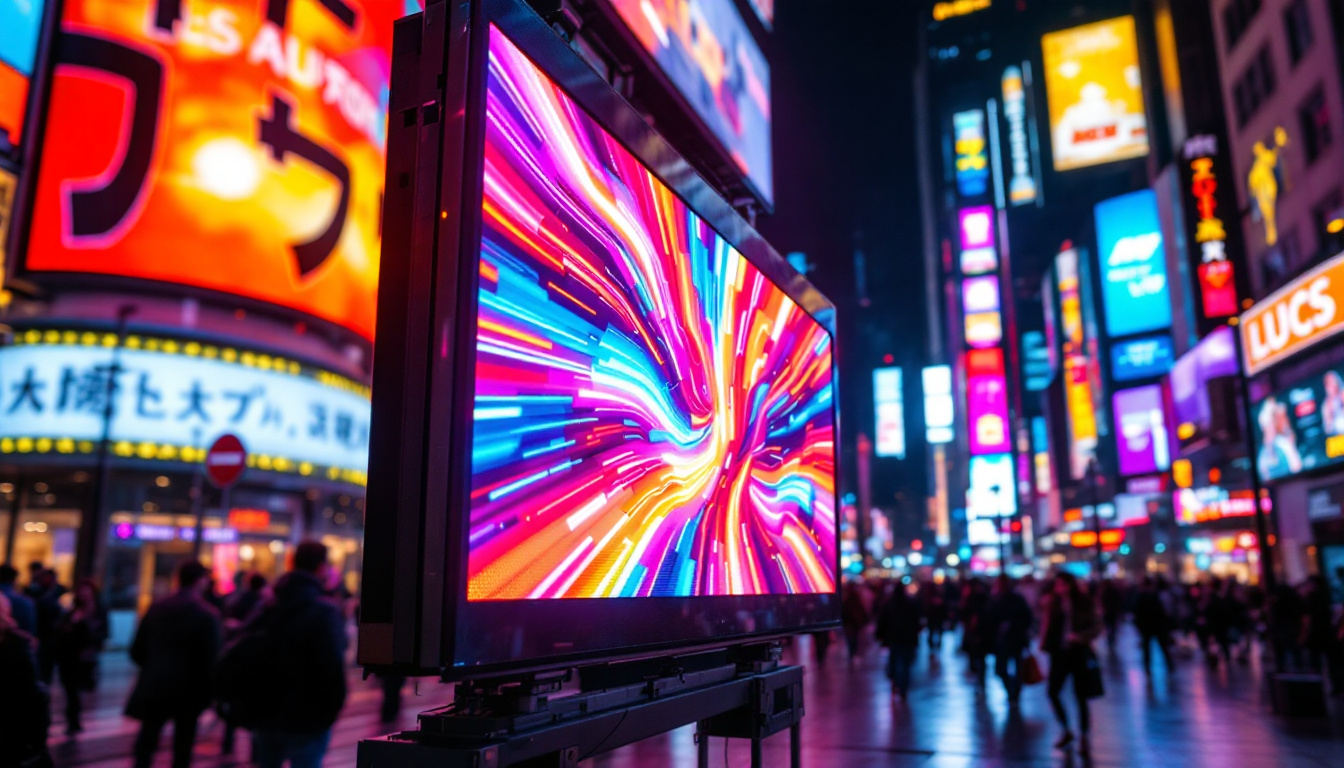
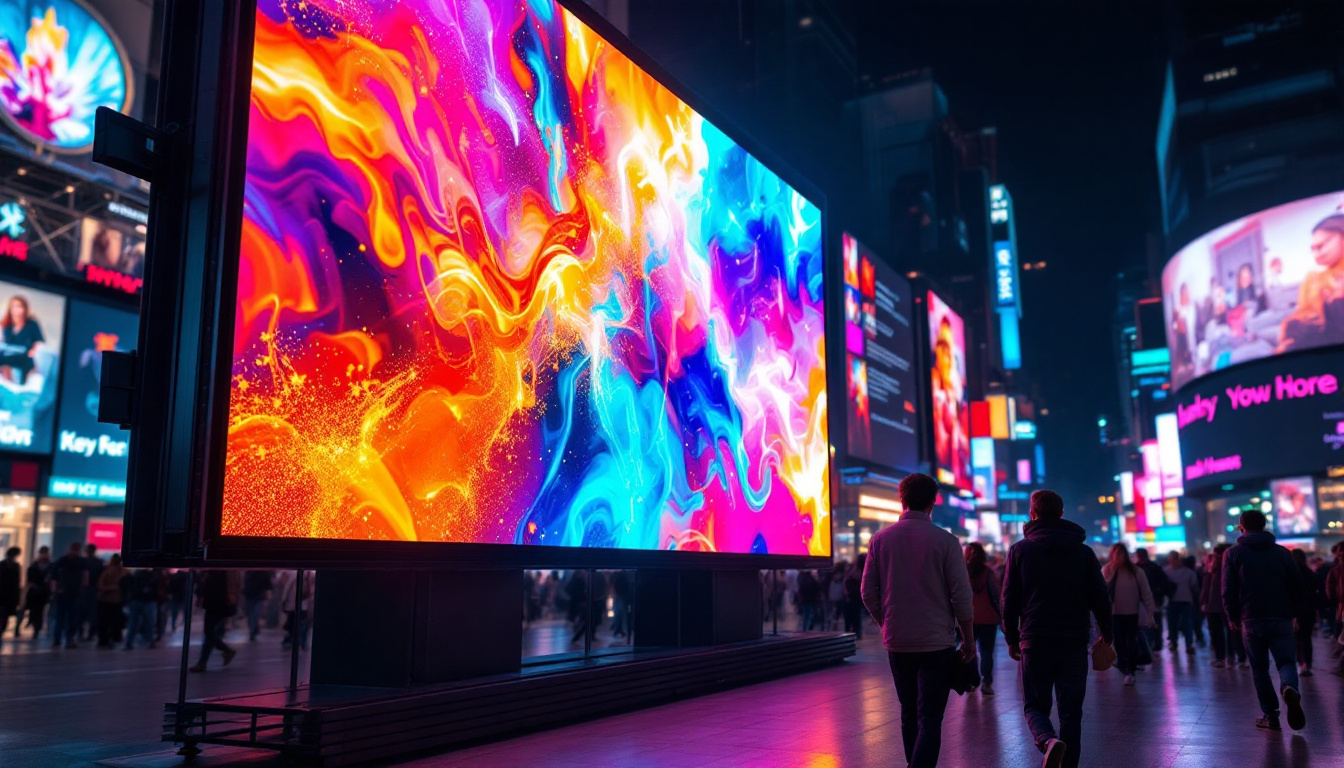
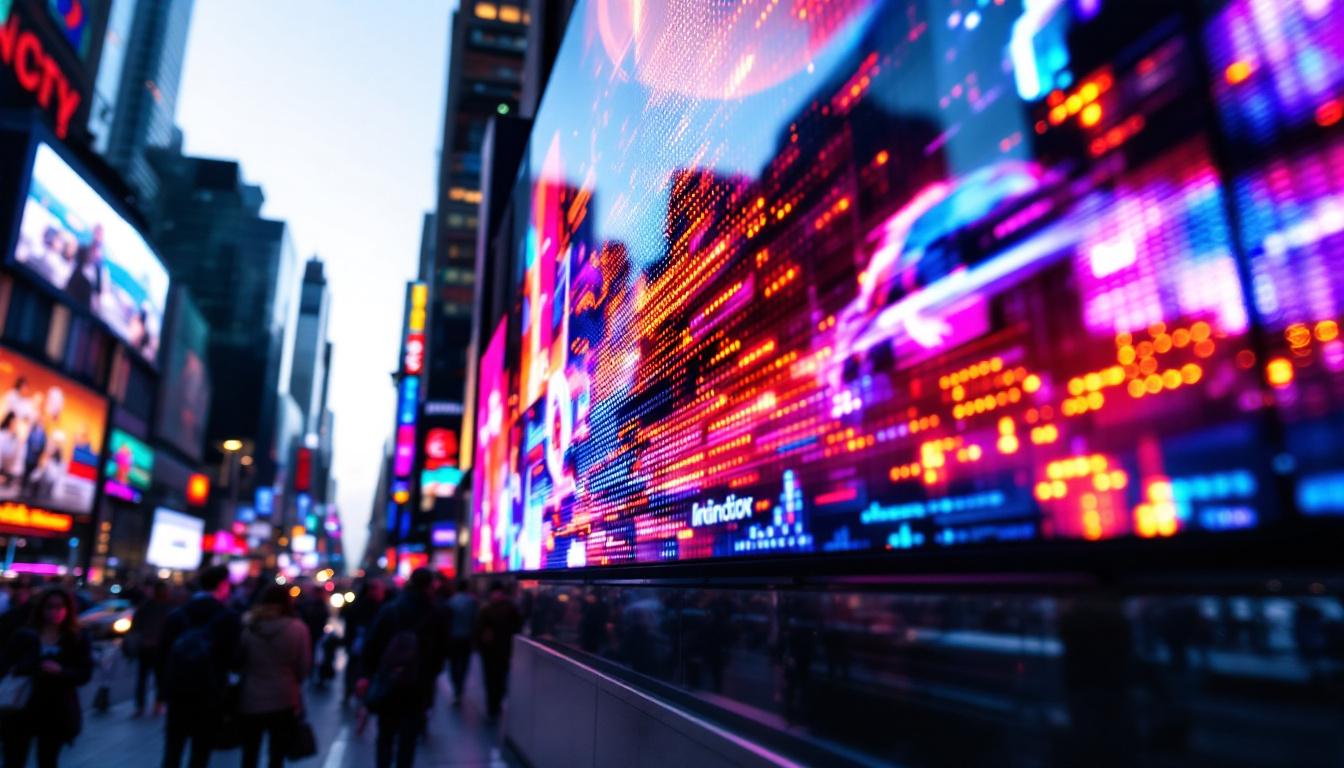
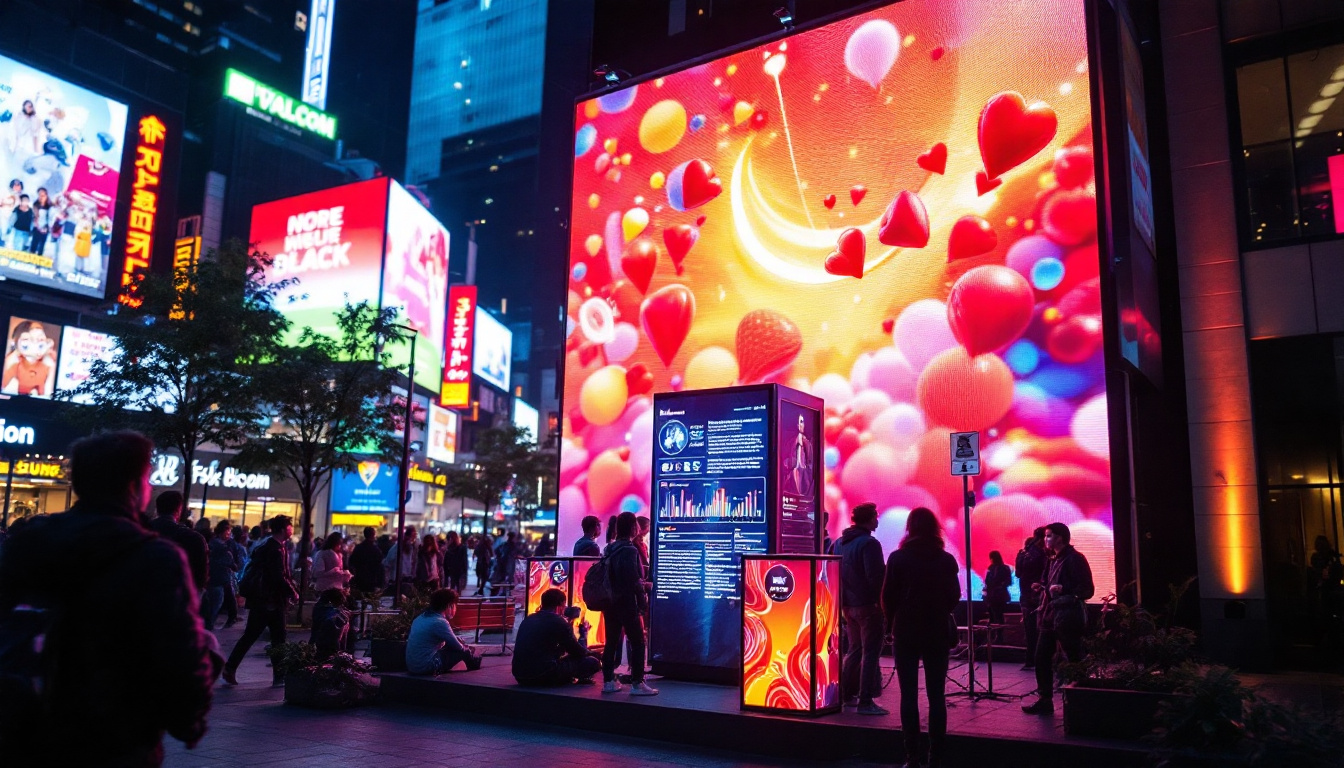
One notable example is the massive LED screen in Times Square, New York City, which measures approximately 25,000 square feet. Such displays are designed to capture attention from long distances, requiring high brightness levels and robust weather resistance. The vibrant colors and high resolution of these screens allow advertisers to showcase their brands in stunning detail, making them a focal point for tourists and locals alike.
Video walls allow for flexible configurations and scalability. Businesses can customize the total size by adding or removing panels, making it a versatile solution for exhibitions, control rooms, and public information displays. Beyond mere aesthetics, these large displays can serve functional purposes, such as real-time data visualization in corporate environments or live event broadcasting, where multiple feeds can be shown simultaneously. This adaptability ensures that organizations can meet varying demands, whether for a high-energy sports event or a corporate presentation, enhancing viewer engagement and experience.
How Display Size Affects Viewing Experience
Choosing the right LED display size is not just about physical dimensions; it directly impacts image quality, readability, and overall user engagement. Several factors come into play when considering size.
Viewing Distance and Pixel Pitch
Pixel pitch, the distance between individual LED pixels, is a critical metric that influences the optimal viewing distance. Smaller pixel pitches mean higher resolution and sharper images, suitable for close-up viewing, while larger pixel pitches are acceptable for distant viewing.
For instance, a display with a 1.5mm pixel pitch is ideal for indoor applications where viewers are within a few feet, such as retail counters or conference rooms. Conversely, outdoor billboards with pixel pitches of 10mm or more are designed to be seen clearly from hundreds of feet away.
When the viewing distance is too close for a large pixel pitch display, the image may appear pixelated or blurry. Conversely, a very fine pixel pitch display viewed from a great distance may not provide noticeable benefits and can unnecessarily increase costs.
Brightness and Environmental Considerations
Display size often correlates with brightness requirements. Larger outdoor LED displays need to be significantly brighter to overcome ambient light, especially in direct sunlight. Typical brightness levels for outdoor LED screens range from 5,000 to 10,000 nits, whereas indoor displays usually require 800 to 1,500 nits.
Size also influences heat dissipation and power consumption. Larger displays generate more heat and consume more energy, necessitating efficient cooling systems and power management strategies.
Choosing the Right LED Display Size for Your Needs
Selecting an LED display size involves balancing technical specifications, budget, and intended use. Here are key considerations to guide the decision-making process.
Purpose and Location
Identify the primary function of the display. Is it for advertising, information dissemination, entertainment, or interactive applications? Indoor displays generally require smaller sizes with finer pixel pitches, while outdoor displays prioritize size and brightness.
Location also matters. A display intended for a small conference room will differ significantly from one designed for a sports stadium. Assess the available space, mounting options, and environmental exposure.
Audience and Viewing Distance
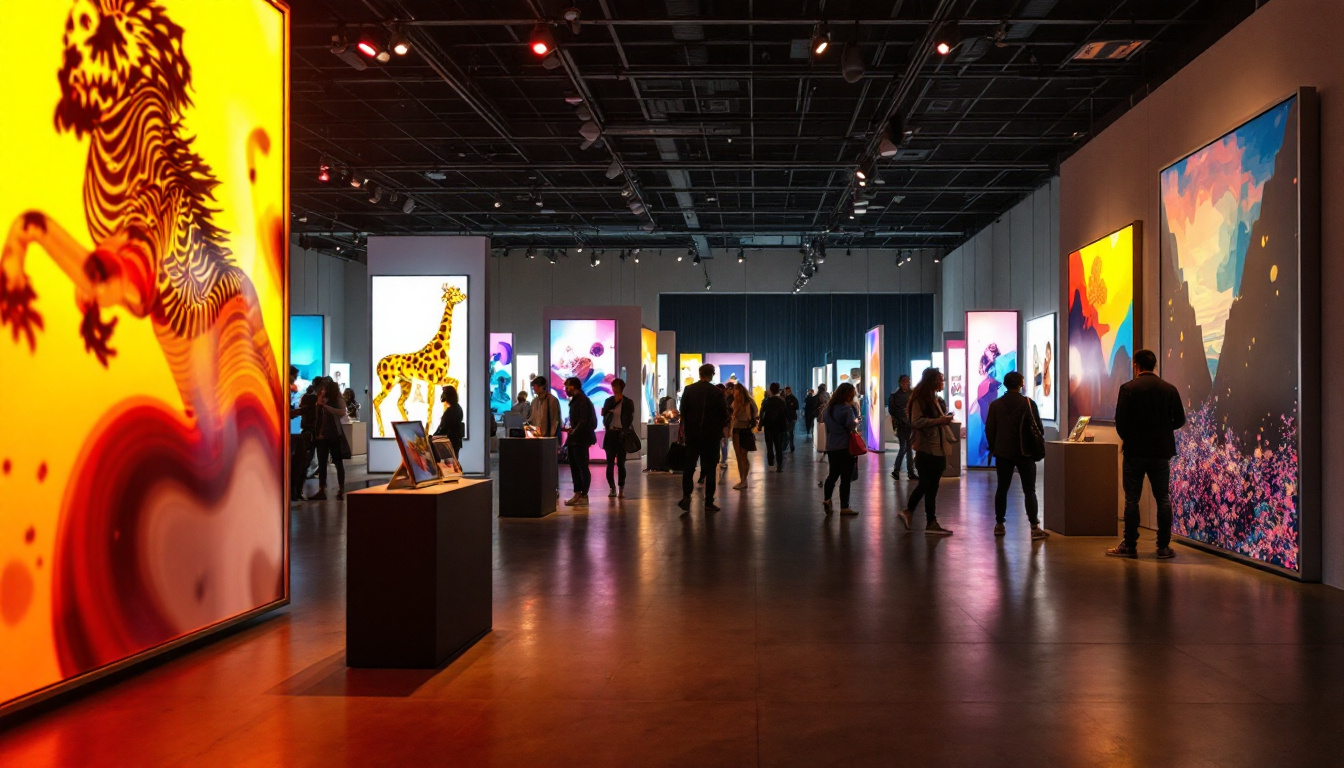
Understand your audience’s typical viewing distance and angle. For close-range interactions, such as in retail or museums, smaller pixel pitches with moderate sizes enhance clarity. For audiences viewing from afar, such as on highways or open plazas, larger displays with higher brightness and larger pixel pitches are more effective.
Budget and Maintenance
Costs increase with display size and resolution. Larger displays also entail higher installation, maintenance, and operational expenses. Consider long-term factors such as energy consumption, potential repairs, and software updates.
Investing in a slightly larger display than initially needed can future-proof your installation, but it’s essential to avoid overspending on unnecessary size or resolution.
Emerging Trends in LED Display Sizes
The LED display industry continues to evolve rapidly, with innovations influencing size, flexibility, and functionality.
Flexible and Curved LED Displays
Advancements in LED technology have enabled the creation of flexible and curved displays, expanding the possibilities for unique installations. These displays can wrap around columns, conform to architectural features, or create immersive environments.
Flexible LED displays often come in modular sizes that can be combined to achieve the desired overall dimensions without the constraints of traditional flat panels.
MicroLED and MiniLED Technologies
MicroLED and MiniLED represent the next generation of LED display technology, offering even smaller pixel pitches and higher brightness with improved energy efficiency. These technologies allow for ultra-high-resolution displays in smaller form factors, ideal for premium indoor applications.
While still emerging in the commercial market, MicroLED displays promise to redefine size and quality standards, potentially replacing OLED and LCD in many sectors.
Interactive and Transparent LED Displays
Interactive LED displays, which respond to touch or gestures, are becoming more common in retail and public spaces. Transparent LED displays, which allow viewers to see through the screen while displaying content, are also gaining traction for innovative advertising and architectural uses.
These technologies often come in customizable sizes to fit specific design and functional requirements.
Conclusion: Making Informed Decisions About LED Display Sizes
Understanding the nuances of LED display sizes is essential for selecting the right solution that meets both technical and business objectives. Size influences not only the physical presence of the display but also its resolution, brightness, viewing experience, and cost.
Whether deploying a small indoor digital sign or a colossal outdoor video wall, careful consideration of viewing distance, pixel pitch, environmental factors, and budget will ensure optimal performance and user engagement.
As LED technology continues to advance, the range of available sizes and configurations will only expand, offering greater flexibility and creative opportunities. Staying informed about these developments will empower businesses and individuals to leverage LED displays effectively in an increasingly visual world.
Explore Cutting-Edge LED Display Solutions with LumenMatrix
Ready to elevate your visual communication with the latest in LED display technology? LumenMatrix offers a comprehensive range of innovative solutions tailored to your needs. From vibrant Indoor and Outdoor LED Wall Displays to dynamic Vehicle and Sports LED Displays, our products are designed to captivate and engage your audience. Discover the possibilities with our LED Poster Displays, Floor Displays, Custom Solutions, All-in-One Systems, and Transparent Displays. Experience the future of digital signage with LumenMatrix and transform your space into a mesmerizing visual experience. Check out LumenMatrix LED Display Solutions today and bring your brand’s message to life with clarity and impact.