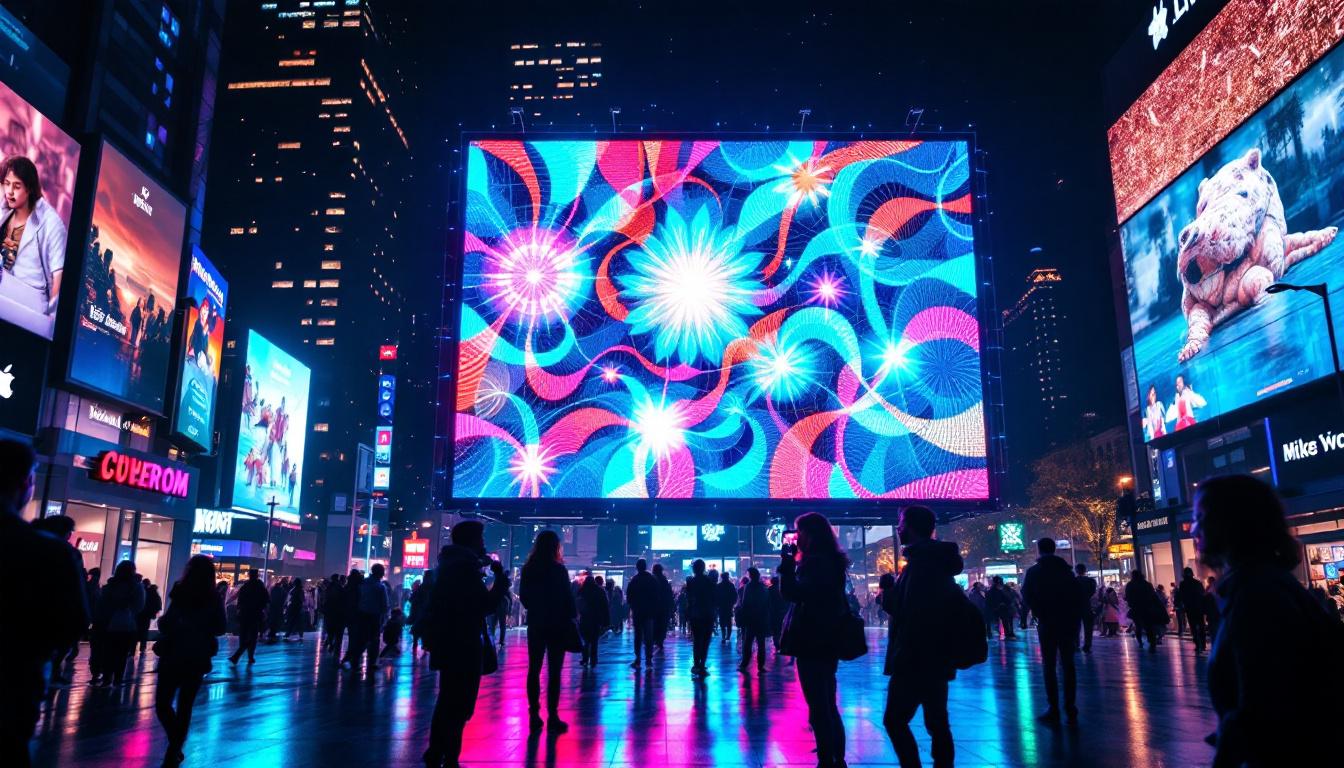
In the world of modern visual technology, LED displays have become a cornerstone for delivering vibrant, high-quality images across a variety of industries. From massive outdoor billboards to intimate indoor screens, LED displays offer unparalleled brightness, color accuracy, and energy efficiency. This article delves into the fundamentals of LED displays, exploring their technology, applications, advantages, and future trends, providing a comprehensive understanding for professionals and enthusiasts alike.
Understanding LED Display Technology
What is an LED Display?
LED stands for Light Emitting Diode, a semiconductor device that emits light when an electric current passes through it. An LED display is a flat panel display that uses an array of these tiny LEDs as pixels to produce images, videos, and text. Unlike traditional LCD or plasma screens, LED displays rely on direct light emission, which results in higher brightness and contrast levels.
LED displays are typically composed of thousands to millions of individual LEDs arranged in a matrix. Each LED acts as a single pixel or sub-pixel, and by controlling the intensity and color of each diode, the display can render complex and dynamic visual content with remarkable clarity.
Types of LED Displays
LED displays come in various forms, primarily categorized by their intended use and construction:
- Direct View LED Displays: These are large-scale displays where the LEDs themselves form the image visible to the viewer. Common in outdoor advertising, stadium screens, and large public installations.
- LED-Backlit LCD Displays: In these displays, LEDs serve as a backlight for an LCD panel, enhancing brightness and color gamut. This technology is prevalent in televisions, monitors, and smartphones.
- MicroLED Displays: An emerging technology where microscopic LEDs function as individual pixels, promising superior brightness, contrast, and energy efficiency compared to OLED and LCD.
Each type has unique characteristics that suit different applications, from large-scale digital signage to personal electronic devices.
How LED Displays Work
Pixel Composition and Color Generation
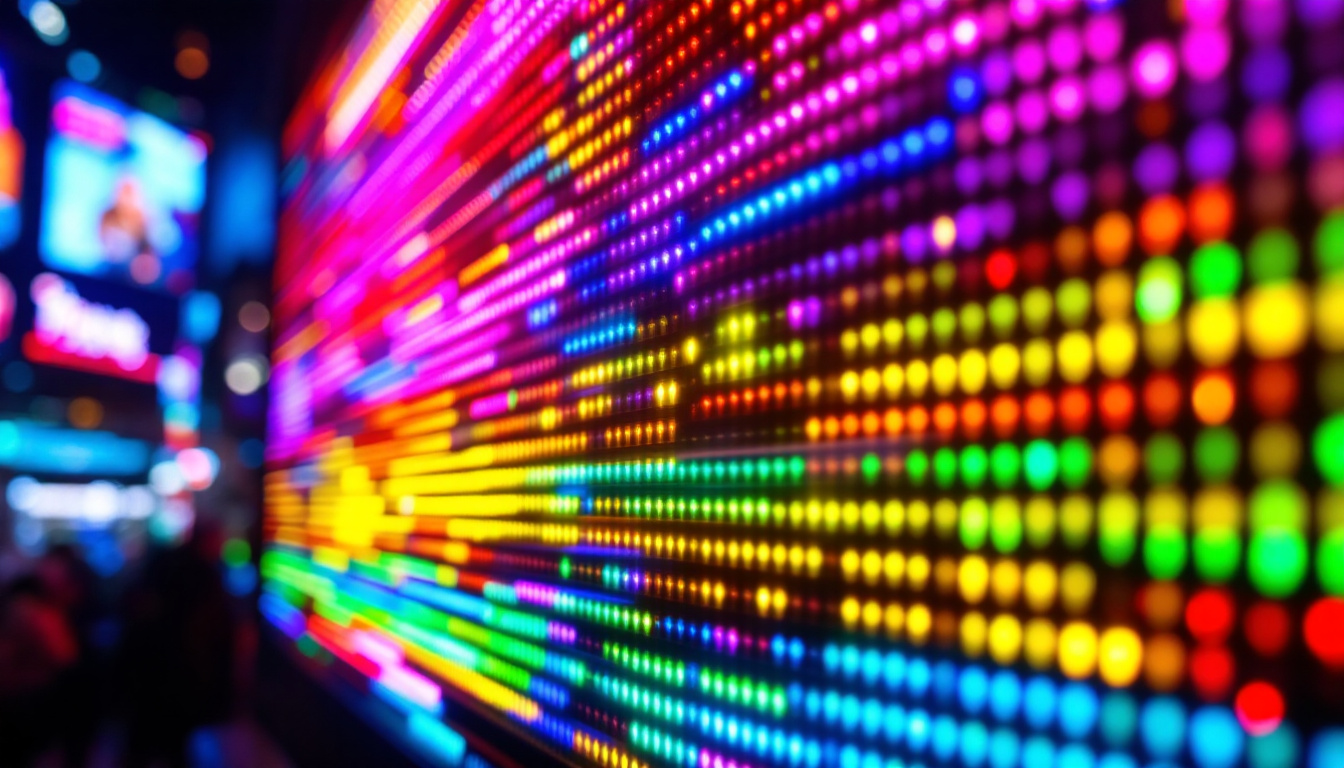
At the core of LED display technology is the pixel, which is the smallest controllable element of the image. In most LED displays, each pixel consists of three sub-pixels: red, green, and blue LEDs. By varying the intensity of these sub-pixels, the display can produce a wide spectrum of colors through additive color mixing.
This RGB system allows for precise color reproduction and vibrant images. For instance, combining full intensity red and green LEDs produces yellow, while all three at full intensity yield white. The ability to finely control each sub-pixel’s brightness enables LED displays to achieve millions of colors and smooth gradients.
Refreshing and Scanning Techniques
LED displays operate by rapidly refreshing the image to create the illusion of continuous motion and stable visuals. The refresh rate, measured in Hertz (Hz), indicates how many times per second the display updates its image. Higher refresh rates reduce flicker and improve the viewing experience, especially for fast-moving content.
Many LED displays use scanning techniques, where rows or columns of LEDs are activated sequentially at high speed. This approach reduces power consumption and heat generation while maintaining image quality. Advances in driver electronics and control systems have enabled refresh rates exceeding 1,000 Hz in some professional LED video walls, ensuring flicker-free performance even under slow-motion camera capture.
Applications of LED Displays
Outdoor Advertising and Digital Billboards
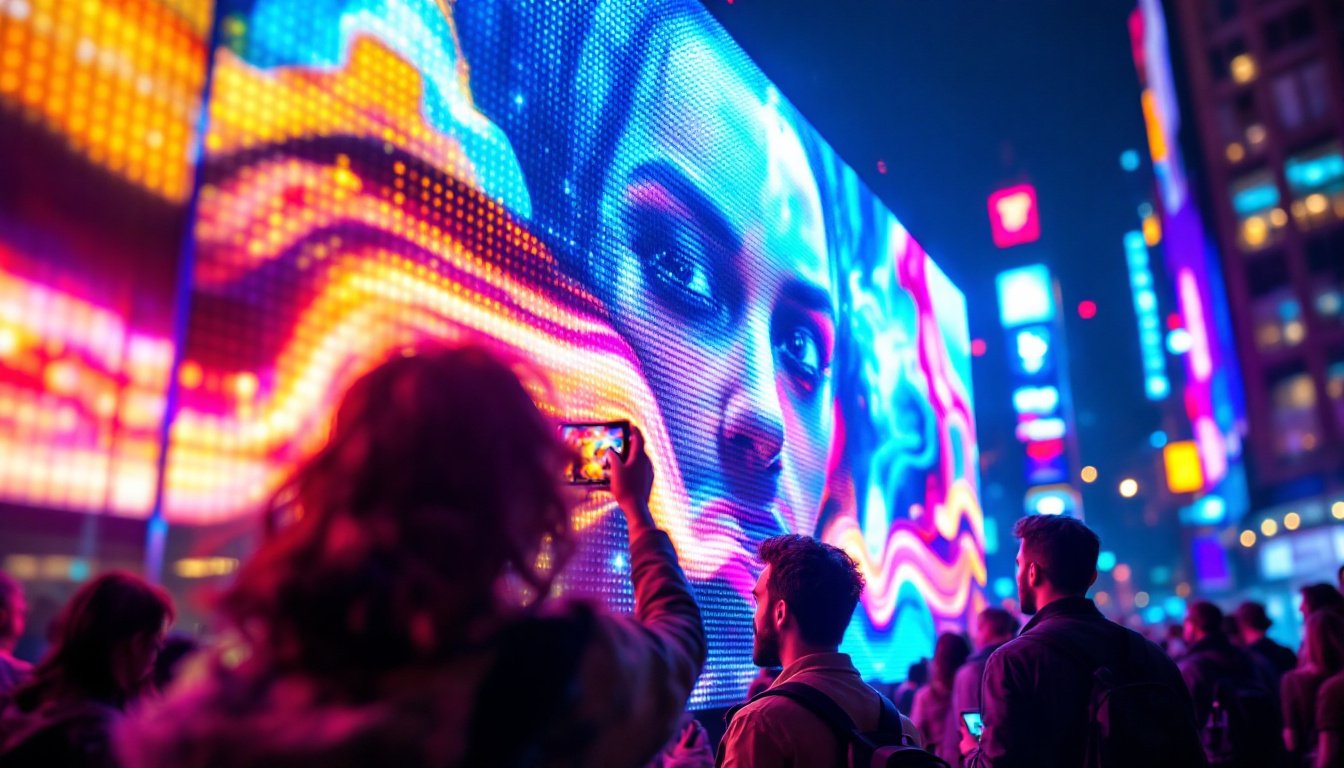
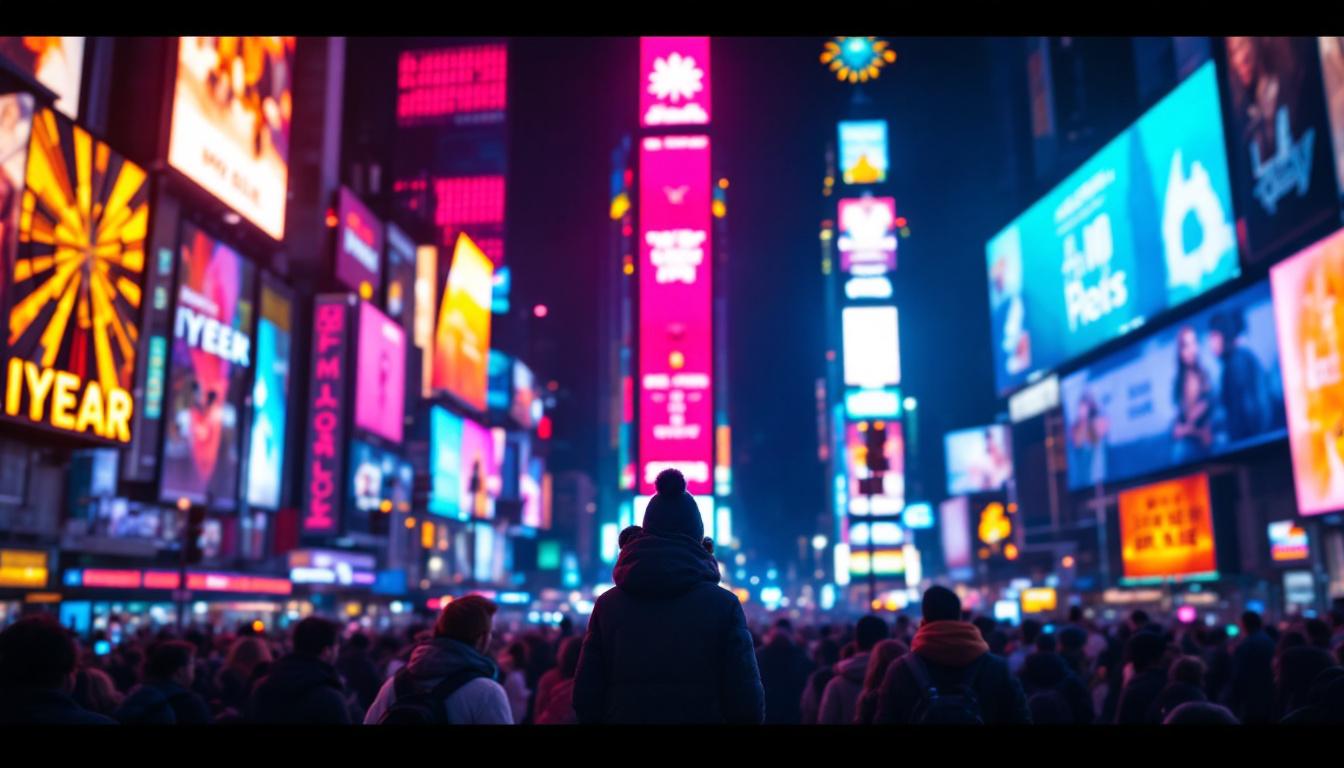
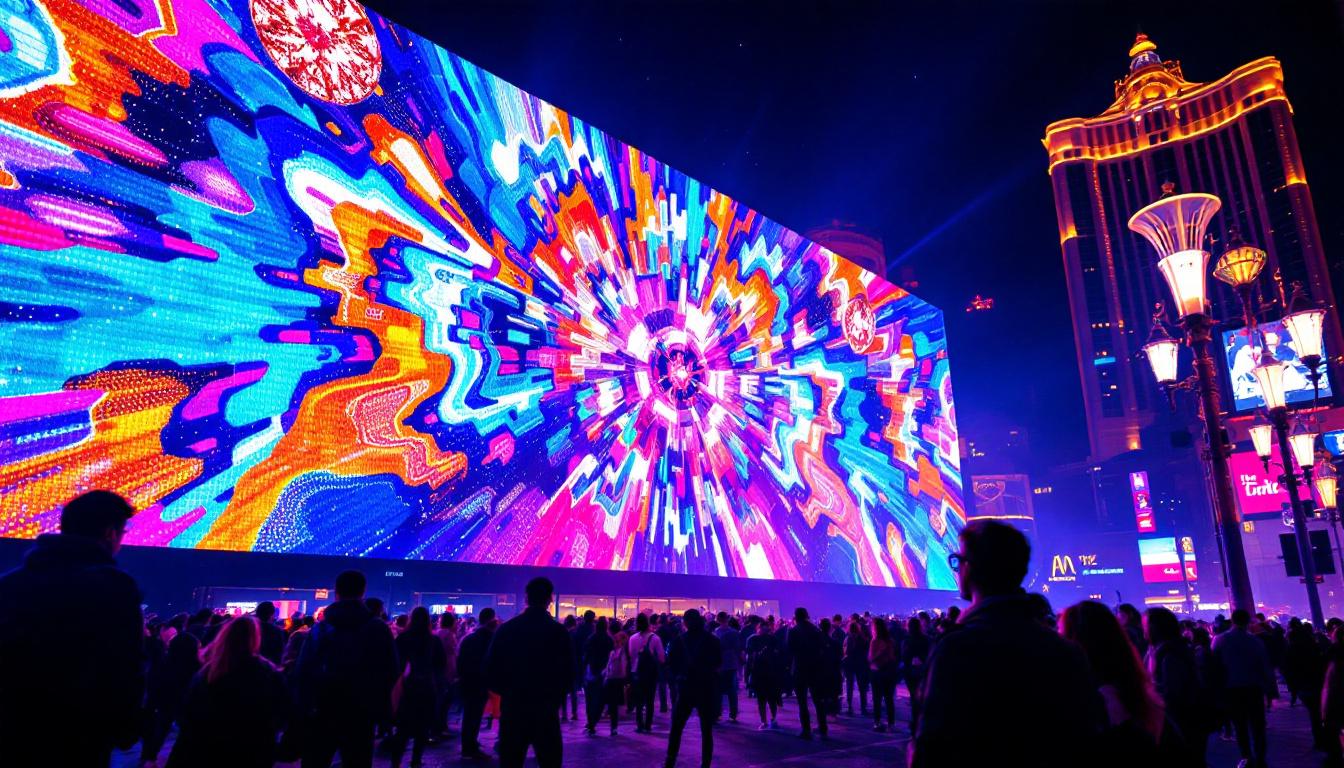
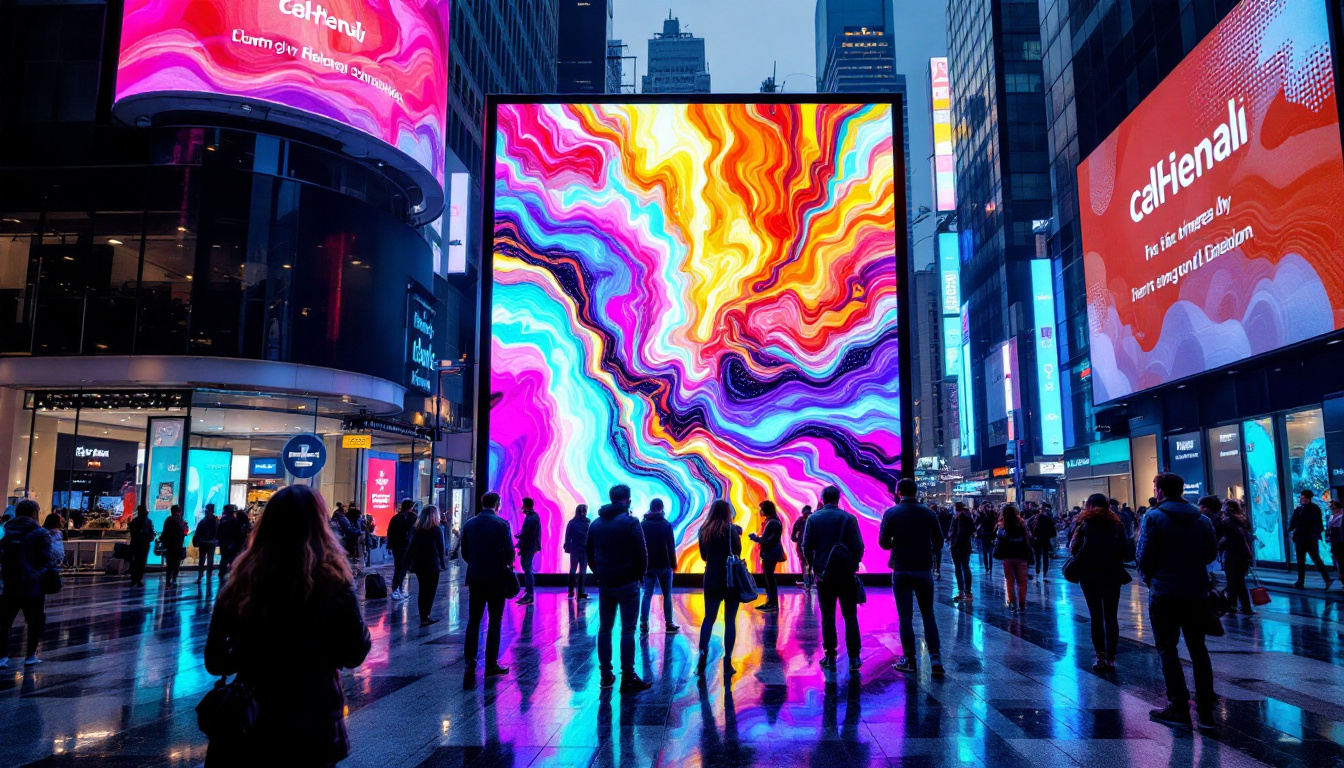
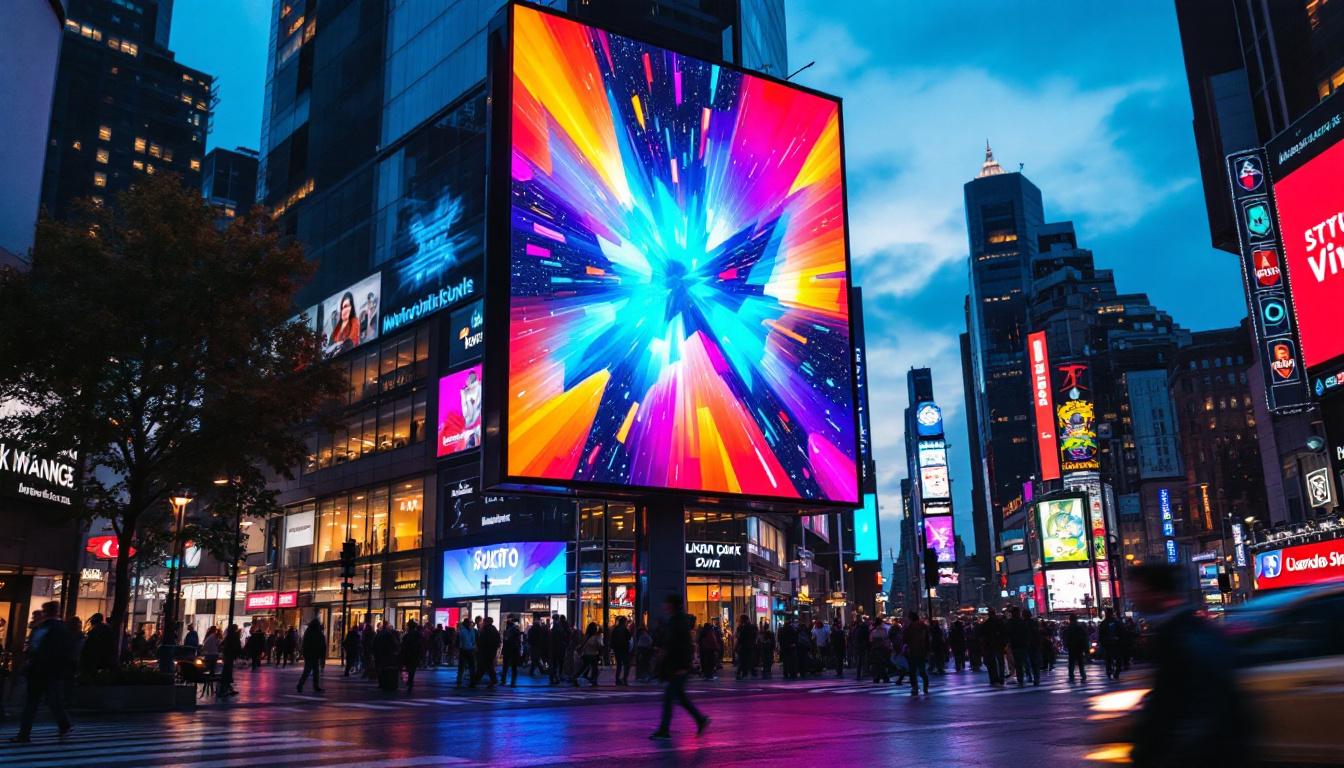
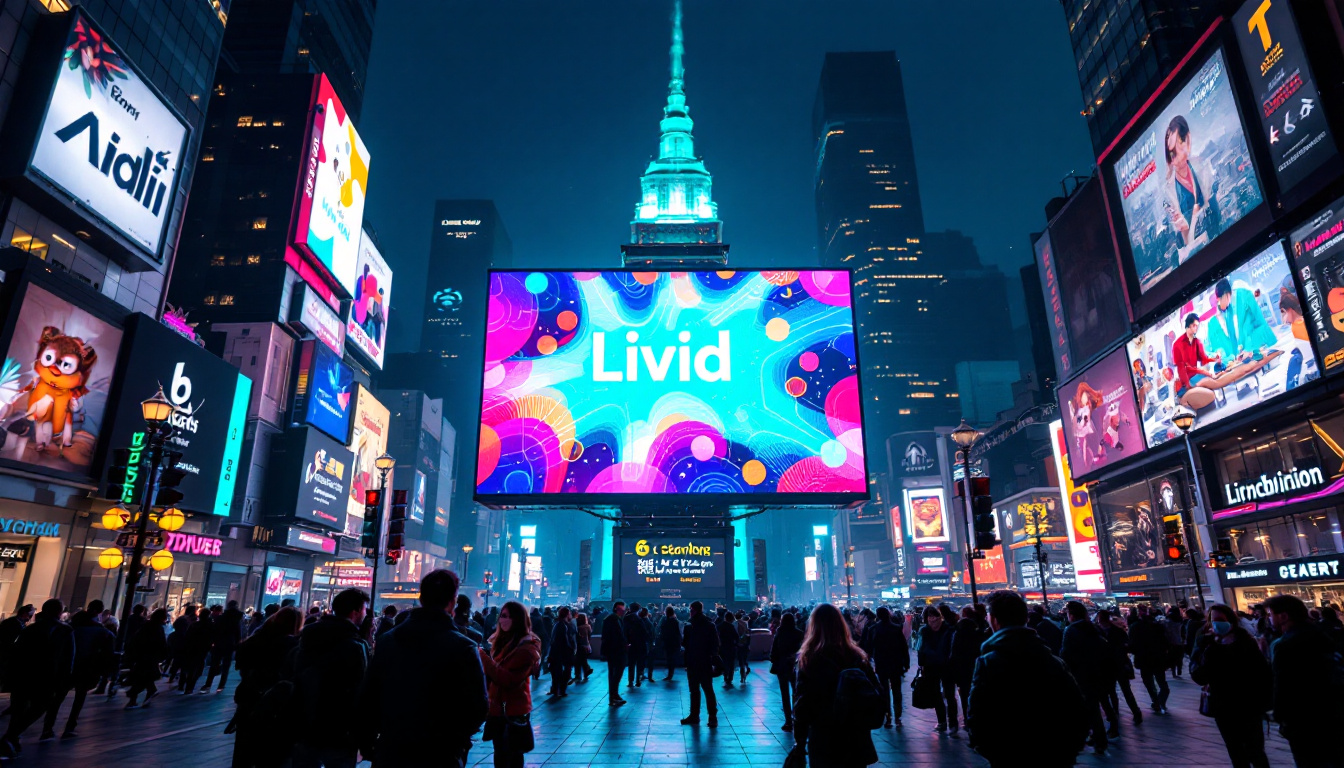
One of the most visible applications of LED displays is in outdoor advertising. Digital billboards powered by LED technology offer advertisers the ability to display dynamic content that can be updated remotely and in real-time. According to a 2023 report by the Digital Signage Federation, the global digital signage market is expected to reach $32 billion by 2027, with LED displays accounting for a significant share due to their durability and brightness.
LED billboards are designed to withstand harsh weather conditions and maintain visibility even under direct sunlight, often reaching brightness levels of 5,000 to 10,000 nits. This makes them ideal for highways, city centers, and sports arenas where visibility and impact are critical.
Indoor Displays and Corporate Environments
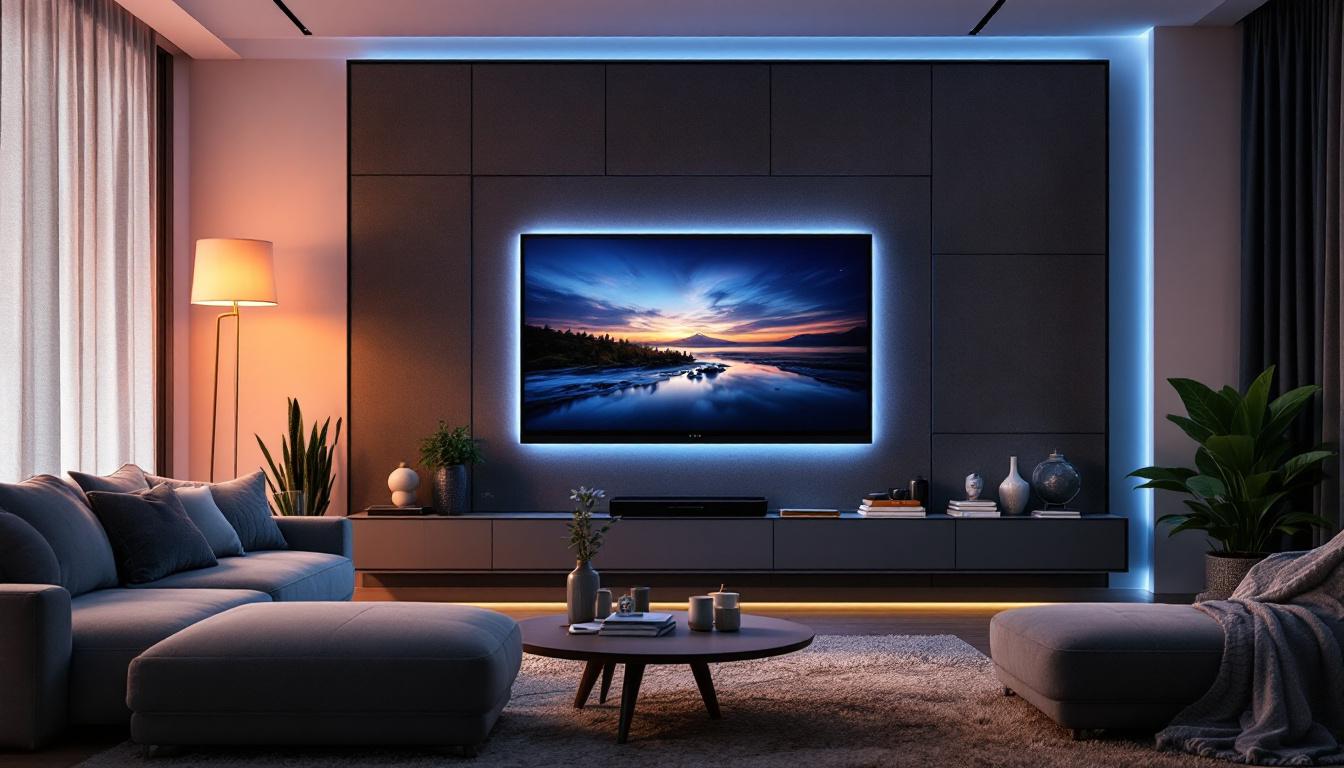
Indoor LED displays have become increasingly popular in corporate settings, retail stores, and event venues. Their slim profile and modular design allow for seamless integration into walls, ceilings, and custom installations. These displays offer high resolution and color fidelity, making them suitable for presentations, video conferencing, and interactive experiences.
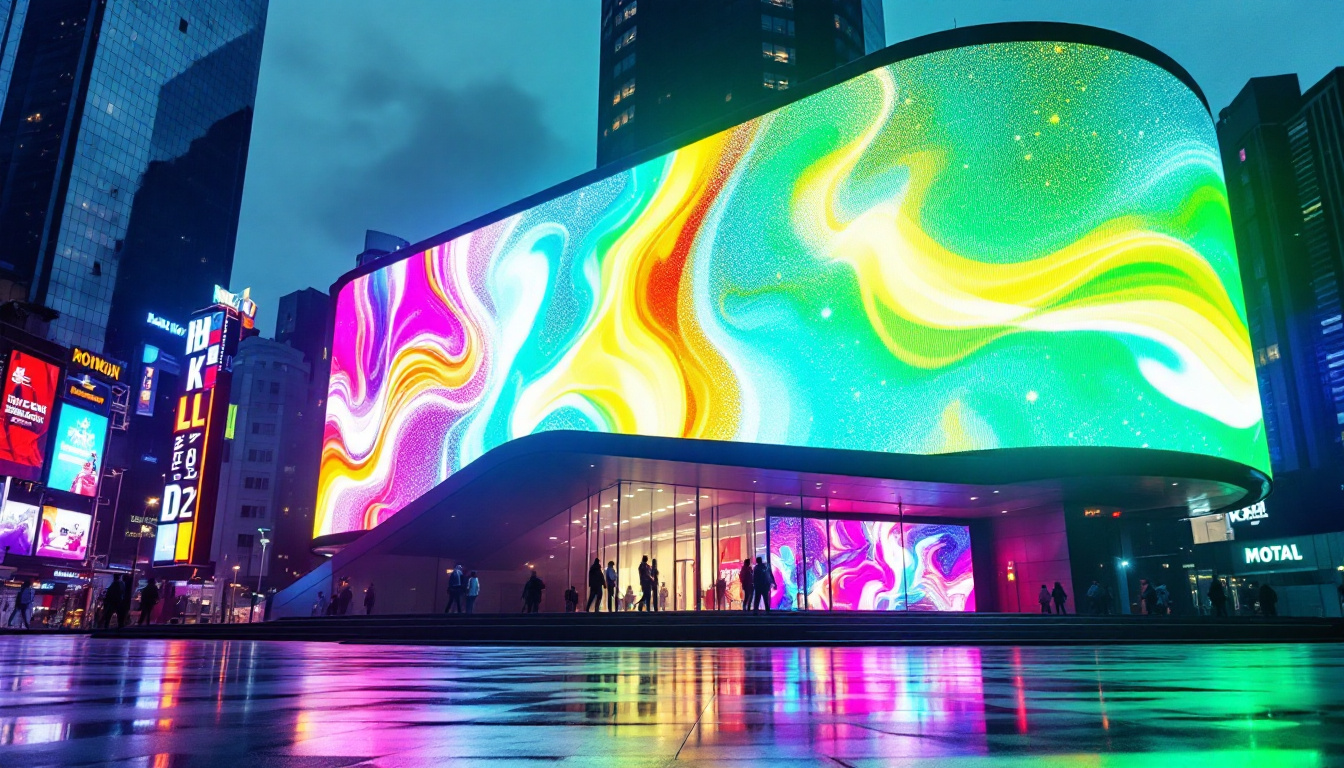
In retail, LED displays enhance customer engagement by showcasing promotions, product information, and immersive brand storytelling. The flexibility of LED panels enables creative configurations, such as curved or transparent screens, which add a futuristic touch to the environment.
Entertainment and Sports Venues
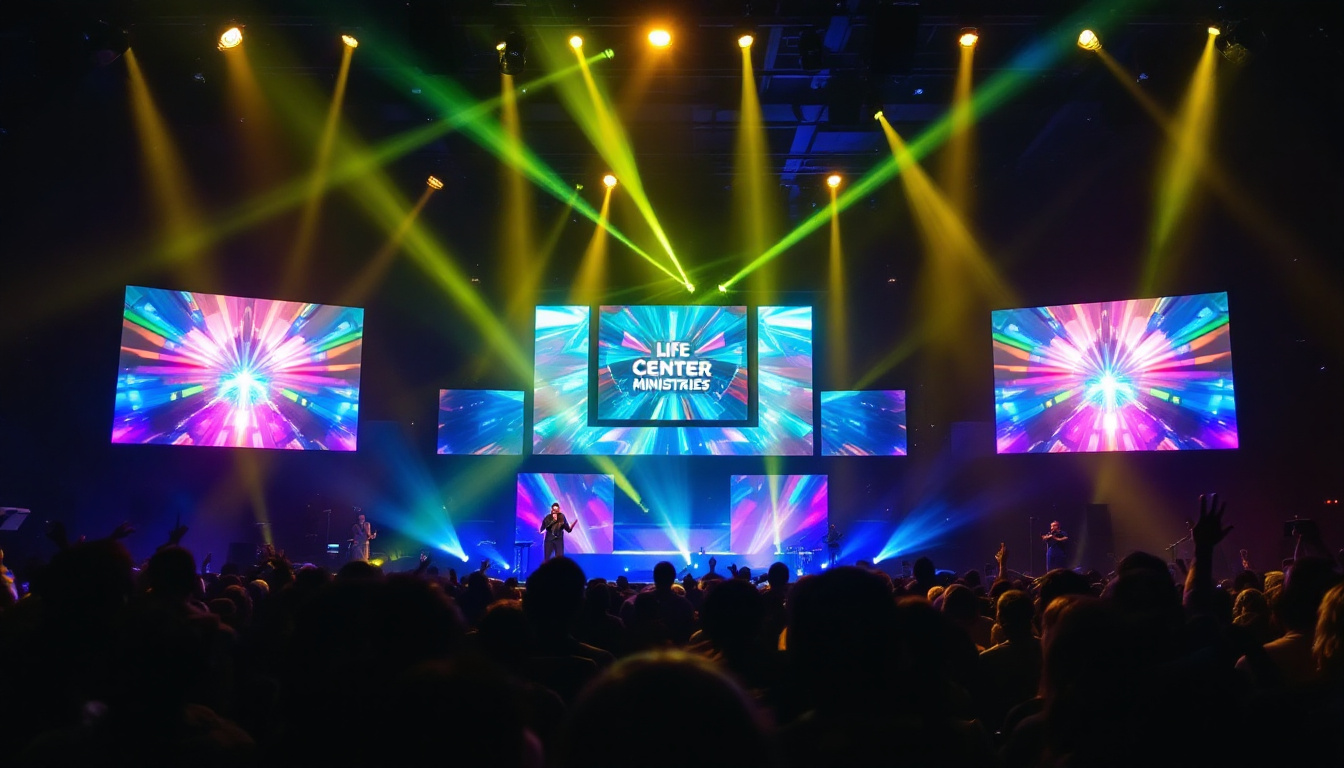
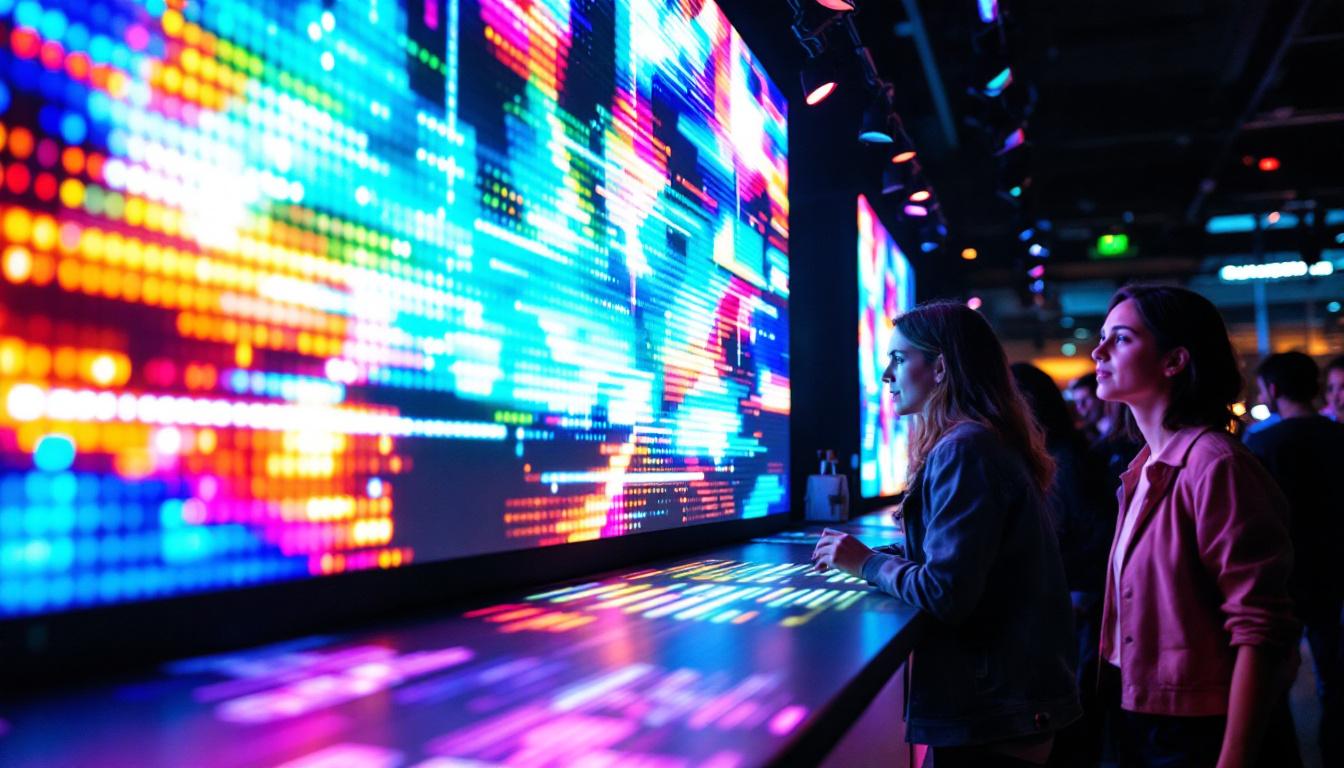
LED displays have revolutionized the spectator experience in entertainment and sports arenas. From giant scoreboards to immersive video walls, these displays provide real-time statistics, replays, and advertisements that captivate audiences. The ability to deliver bright, high-contrast images in large formats ensures visibility from any seat in the venue.
Major events like the Super Bowl and the Olympics utilize cutting-edge LED technology to create spectacular visual effects, enhancing both live and broadcast experiences. The modular nature of LED panels allows for quick assembly and customization tailored to specific event requirements.
Advantages of LED Displays Over Other Technologies
Brightness and Visibility
One of the defining advantages of LED displays is their exceptional brightness. Unlike LCD screens that rely on backlighting, LEDs emit light directly, enabling them to achieve brightness levels that can exceed 10,000 nits. This makes LED displays clearly visible even in direct sunlight, a critical factor for outdoor applications.
High brightness also contributes to better contrast ratios, enhancing image sharpness and color vibrancy. This is particularly beneficial in environments with challenging lighting conditions, such as airports, shopping malls, and outdoor public spaces.
Energy Efficiency and Longevity
LED technology is inherently energy efficient. LEDs consume significantly less power than traditional incandescent or fluorescent lighting and even outperform many LCD backlighting systems. This translates to lower operational costs and reduced environmental impact.
Moreover, LEDs have a long lifespan, often rated between 50,000 to 100,000 hours of operation. This durability reduces maintenance requirements and total cost of ownership, making LED displays a smart investment for businesses and municipalities.
Flexibility and Scalability
LED displays are highly modular, allowing for scalable solutions that can be tailored to specific size and resolution requirements. Panels can be joined seamlessly to create massive video walls or configured into unique shapes and sizes for architectural integration.
This flexibility extends to pixel pitch—the distance between individual LEDs—which can be adjusted to balance resolution and viewing distance. For example, a pixel pitch of 1.2 mm is suitable for close-up indoor viewing, while 10 mm or more is ideal for large outdoor screens viewed from afar.
Challenges and Considerations in LED Display Deployment
Cost and Initial Investment
While LED displays offer numerous benefits, the initial investment can be substantial, especially for high-resolution, large-format installations. The cost includes not only the display panels but also control systems, installation, and calibration.
However, the long-term savings in energy and maintenance often offset these upfront expenses. Careful planning and vendor selection are essential to ensure that the chosen LED solution aligns with budget and performance expectations.
Environmental and Operational Factors
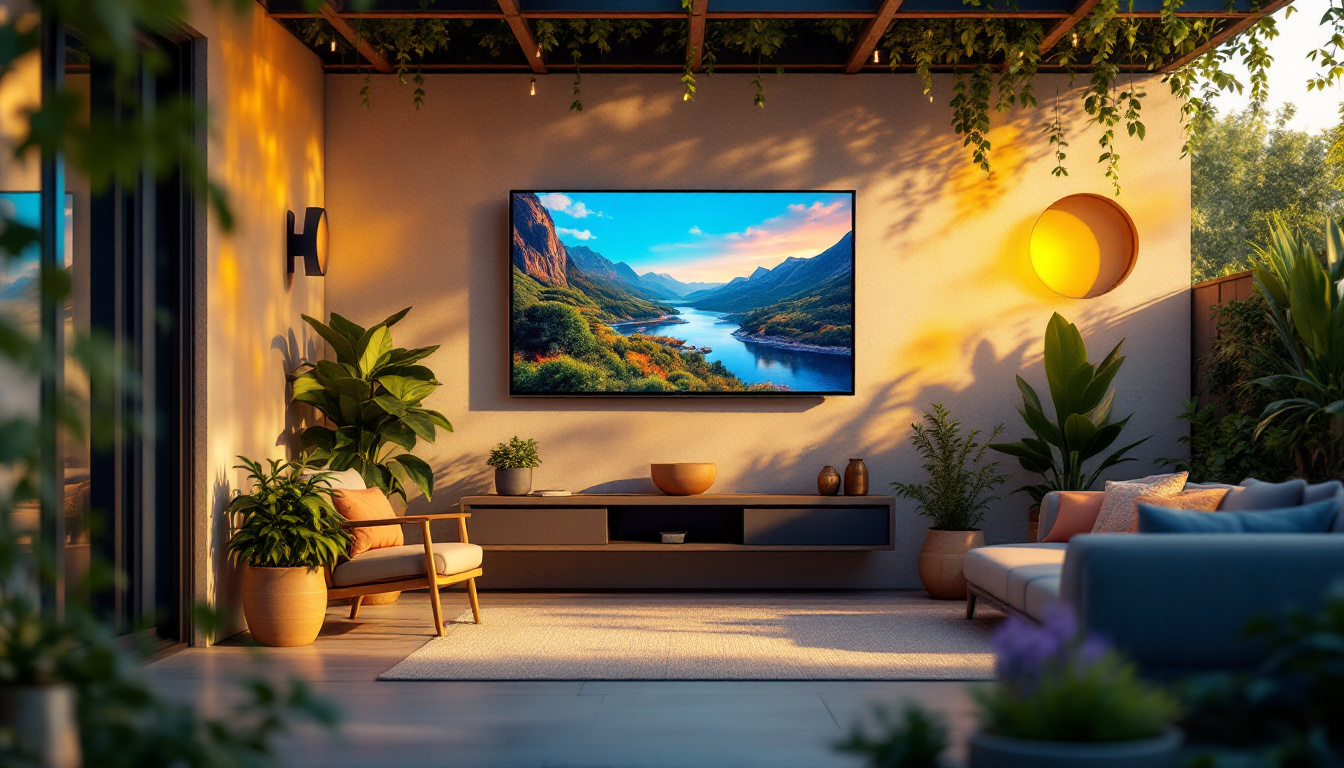
Outdoor LED displays must be designed to withstand environmental challenges such as rain, dust, temperature fluctuations, and UV exposure. Proper IP (Ingress Protection) ratings and robust housing are critical to ensure reliability and longevity.
Additionally, heat dissipation is a key consideration. LED modules generate heat during operation, and adequate cooling mechanisms are necessary to maintain optimal performance and prevent premature failure.
Content Management and Calibration
Effective content management systems (CMS) are vital for maximizing the impact of LED displays. These systems enable scheduling, remote updates, and dynamic content delivery, allowing operators to tailor messages to specific audiences and times.
Calibration is equally important to maintain color consistency and uniform brightness across the entire display surface. Professional calibration tools and software ensure that the visual output meets the highest standards, enhancing viewer experience.
The Future of LED Displays
Emerging Technologies: MicroLED and Beyond
MicroLED technology represents the next frontier in LED displays. By using microscopic LEDs as individual pixels, MicroLED screens promise unparalleled brightness, contrast, and energy efficiency without the burn-in issues associated with OLEDs. Although still in early commercial stages, MicroLED displays are expected to revolutionize smartphones, televisions, and augmented reality devices within the next decade.
Additionally, innovations in flexible and transparent LED panels are expanding the possibilities for integrating displays into everyday environments, from smart windows to wearable technology.
Integration with Smart and Interactive Systems
LED displays are increasingly being integrated with smart technologies, including sensors, AI-driven content adaptation, and interactive touch capabilities. These advancements enable personalized advertising, real-time data visualization, and immersive user experiences.
For example, retail stores use interactive LED walls to engage customers with tailored promotions based on demographic data, while public spaces employ LED displays to provide dynamic wayfinding and emergency alerts.
Sustainability and Environmental Impact
As sustainability becomes a priority, LED display manufacturers are focusing on eco-friendly materials, energy-saving designs, and recyclability. The shift towards greener production processes and longer-lasting products aligns with global efforts to reduce electronic waste and carbon footprints.
Future developments are likely to emphasize circular economy principles, ensuring that LED displays contribute positively to environmental goals without compromising performance.
Conclusion
LED displays have transformed the landscape of digital visual communication, offering unmatched brightness, color accuracy, and versatility across a multitude of applications. Understanding the underlying technology, advantages, and deployment considerations is essential for businesses and organizations looking to leverage LED displays effectively.
With ongoing innovations like MicroLED and smart integration, the future of LED displays promises even more exciting possibilities. As the technology continues to evolve, LED displays will remain at the forefront of visual engagement, shaping how information and entertainment are delivered worldwide.
Discover the Future of Visual Engagement with LumenMatrix
As you’ve seen, LED displays are pivotal in shaping the future of digital communication, offering unparalleled brightness and versatility. LumenMatrix stands at the forefront of this innovation, providing a wide array of LED display solutions tailored to meet your unique needs. Whether you’re looking to captivate your audience with an Indoor LED Wall Display, make a statement with an Outdoor LED Wall Display, or innovate with a Custom LED Display, LumenMatrix has the technology to bring your vision to life. Check out LumenMatrix LED Display Solutions today and join the revolution in visual communication.