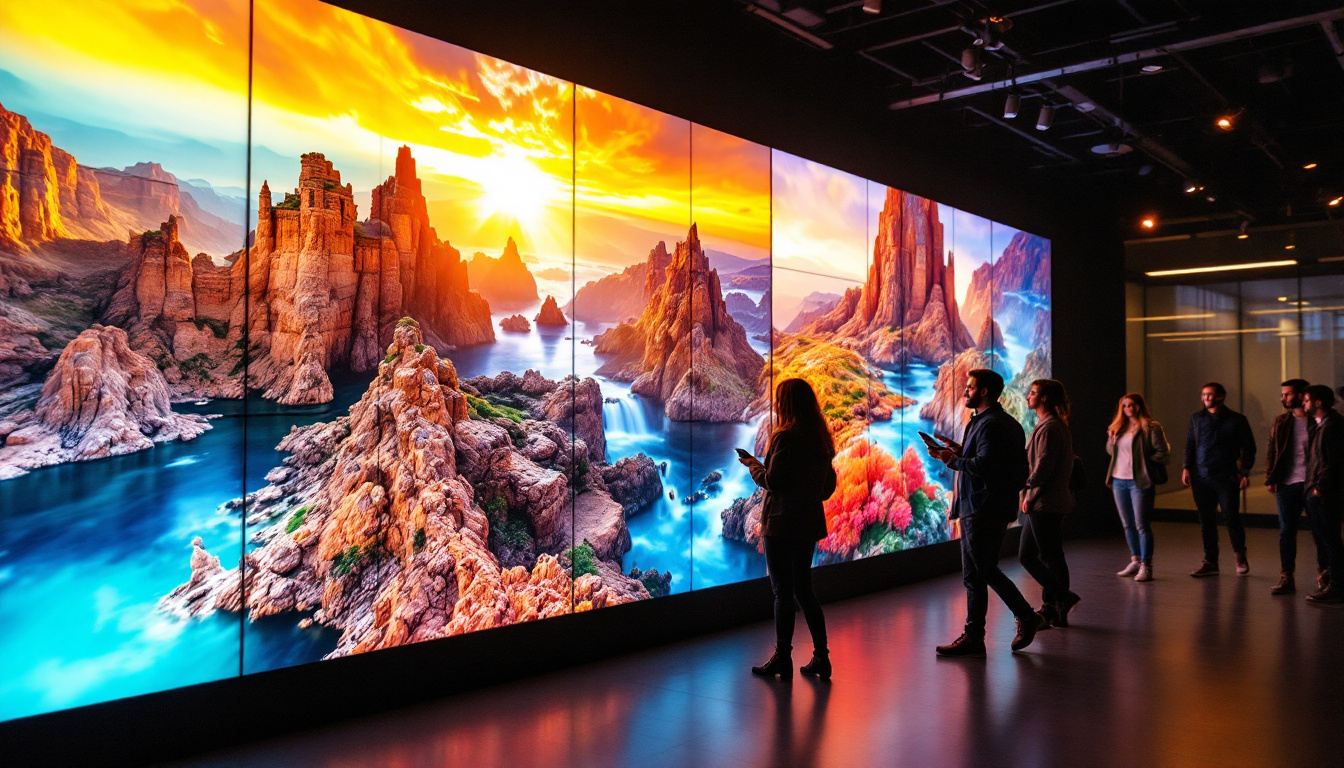
In today’s fast-evolving digital landscape, LED displays have become a cornerstone technology for communication, advertising, and information sharing. From massive outdoor billboards to indoor digital signage, LED panels offer vibrant visuals, energy efficiency, and versatility that traditional display technologies struggle to match. This article delves into the world of LED panels, explaining what they are, how they work, and why they have become indispensable in various industries.
Understanding LED Panels: What Are They?
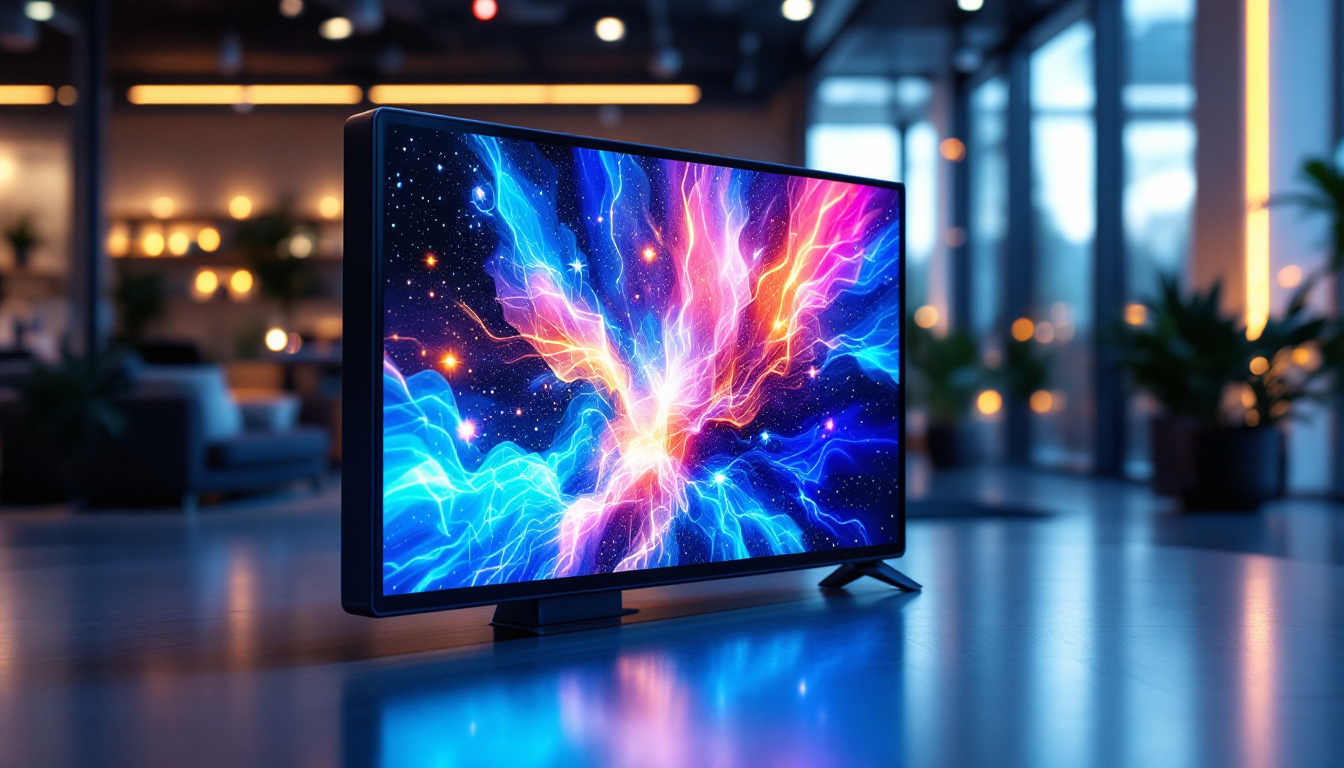
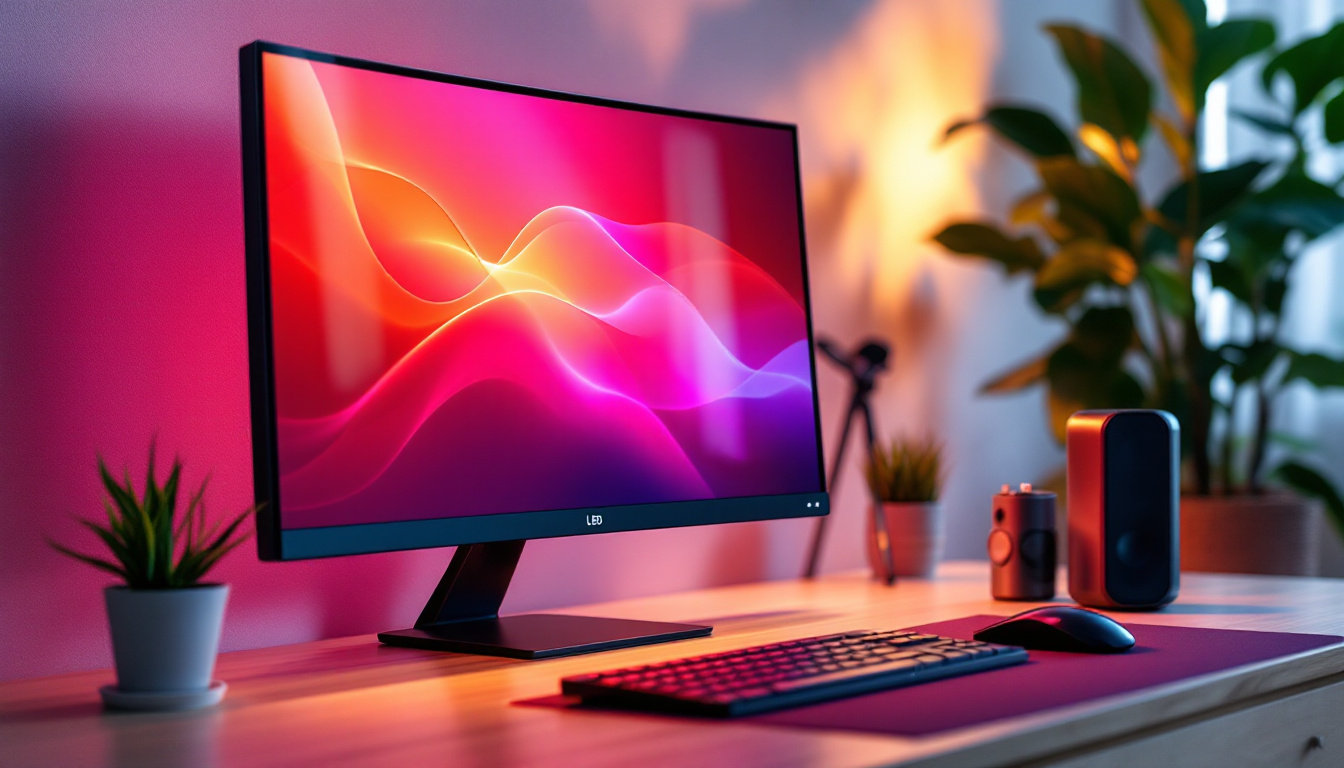
LED panels, often referred to as LED displays, are flat panels that use light-emitting diodes (LEDs) as pixels to display images, videos, and text. Unlike LCD or OLED screens, which rely on backlighting or organic materials, LED panels produce their own light, enabling brighter and more vivid displays.
Typically, an LED panel consists of a matrix of tiny LEDs arranged in a grid. Each LED acts as a pixel, and by controlling the intensity and color of each diode, the panel can render complex images with high brightness and contrast. LED panels come in various forms, including single-color, dual-color, and full-color displays, depending on the application requirements.
Types of LED Panels
The two primary categories of LED panels are indoor and outdoor panels. Indoor LED panels are designed for close viewing distances and typically have a higher pixel density, resulting in sharper images. Outdoor LED panels, on the other hand, are built to withstand environmental elements like rain, dust, and sunlight, often featuring higher brightness levels to maintain visibility in daylight.
Another important classification is based on the pixel pitch, which is the distance between the centers of two adjacent LEDs. Smaller pixel pitches (e.g., 1.2mm to 2.5mm) are used for indoor applications requiring high resolution, while larger pixel pitches (e.g., 5mm to 20mm) are common in outdoor displays where viewing distance is greater.
In addition to these classifications, LED panels can also be categorized based on their technology, such as SMD (Surface Mount Device) and DIP (Dual In-line Package). SMD panels are known for their compact size and flexibility, making them ideal for applications where space is limited, such as retail displays and exhibitions. DIP panels, while larger and bulkier, are often utilized in outdoor settings due to their robustness and ability to produce bright, vibrant colors even under direct sunlight.
Moreover, the versatility of LED panels extends beyond mere display capabilities. They can be integrated with advanced technologies such as video processing and content management systems, allowing for dynamic content updates and real-time information display. This feature is particularly beneficial for businesses and organizations that require timely communication, such as in transportation hubs, sports arenas, and corporate environments. As a result, LED panels are not just a tool for visual communication; they have become an essential component of modern advertising and information dissemination strategies.
How LED Panels Work: The Technology Behind the Glow
At the heart of every LED panel is the light-emitting diode, a semiconductor device that emits light when an electric current passes through it. The color of the light depends on the materials used in the diode’s construction. Modern LED panels typically use red, green, and blue (RGB) LEDs to produce a full spectrum of colors through additive color mixing.
Each pixel on an LED panel usually contains three sub-pixels—one red, one green, and one blue LED. By varying the brightness of these sub-pixels, the panel can create millions of colors, enabling rich and dynamic images. This capability is what makes LED panels ideal for displaying videos, animations, and vibrant graphics. The precision in color reproduction is particularly important in applications such as digital signage, where accurate brand colors can significantly impact consumer perception and engagement.
Driving and Controlling LED Panels
LED panels require sophisticated control systems to manage the color and brightness of each pixel. These systems include LED drivers, controllers, and software that translate digital signals into electrical impulses for the LEDs. The drivers play a crucial role in ensuring that each LED receives the correct voltage and current, preventing damage and ensuring optimal performance. This level of control allows for not just static images but also dynamic content that can change in real-time, making LED panels a favorite in environments like concerts and sporting events.
Modern LED displays often use scanning technology to reduce power consumption and heat generation. Instead of lighting all LEDs simultaneously, the controller rapidly cycles through rows or columns of LEDs, turning them on and off at high speeds to create the perception of a continuous image. This method also helps extend the lifespan of the LEDs. Additionally, advancements in technology have led to the development of intelligent algorithms that can adjust brightness and color based on ambient light conditions, further enhancing the viewing experience while conserving energy. This adaptive capability not only improves visibility in varying lighting environments but also contributes to the sustainability of LED technology, making it a more eco-friendly choice in the long run.
Applications of LED Panels: Where and Why They Matter
LED panels have transformed many sectors by offering flexible, high-impact visual communication solutions. Their applications span advertising, entertainment, corporate environments, public information systems, and more.
Advertising and Digital Signage
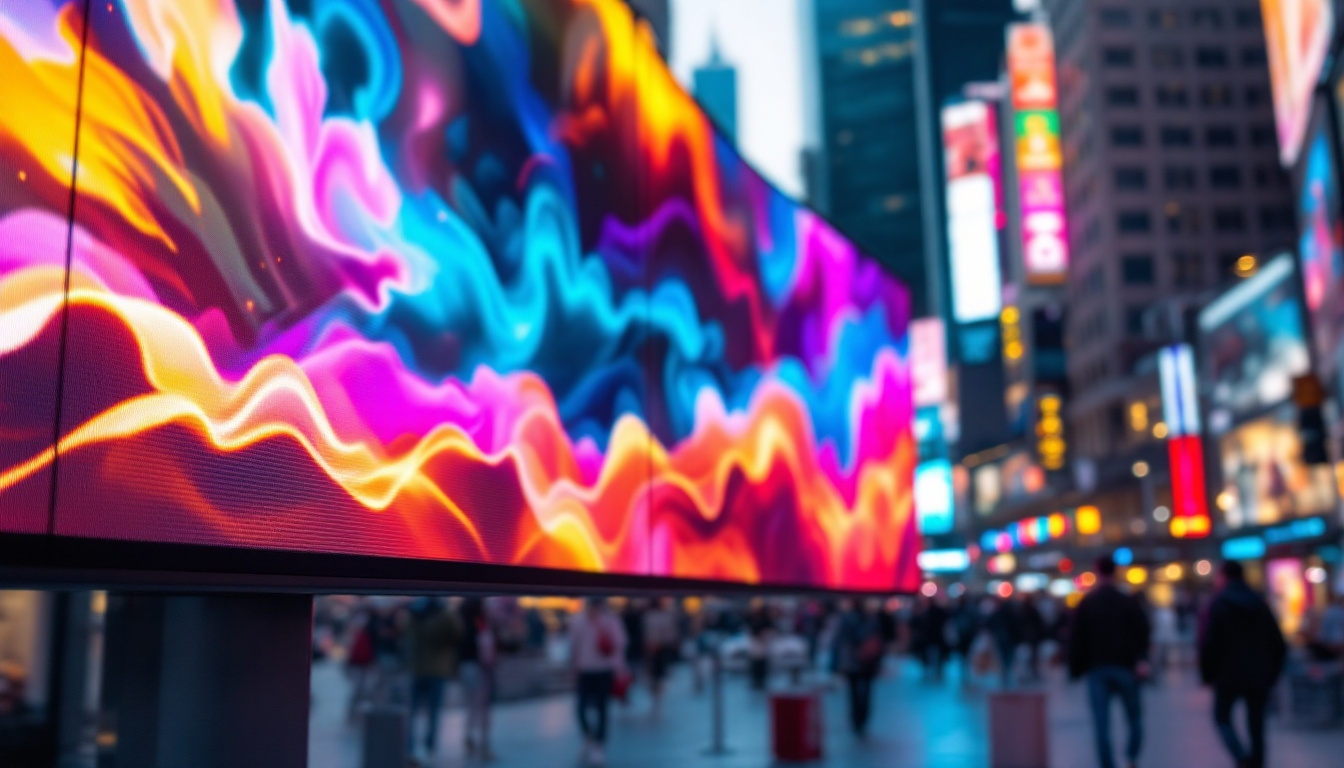
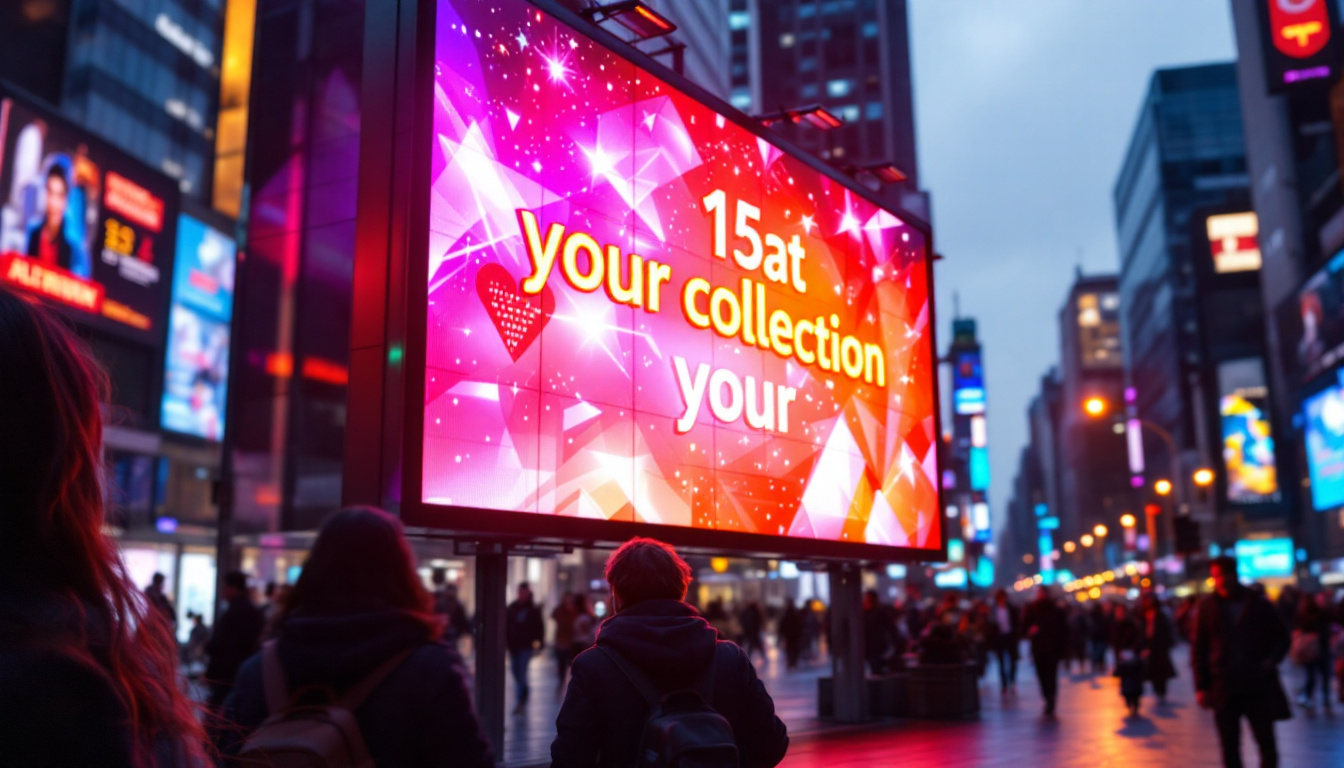
One of the most visible uses of LED panels is in advertising. Outdoor LED billboards have replaced traditional printed posters in many urban areas, offering dynamic content that can be updated in real-time. According to a 2023 market report by Grand View Research, the global digital signage market is expected to reach $32 billion by 2028, with LED technology playing a pivotal role in this growth.
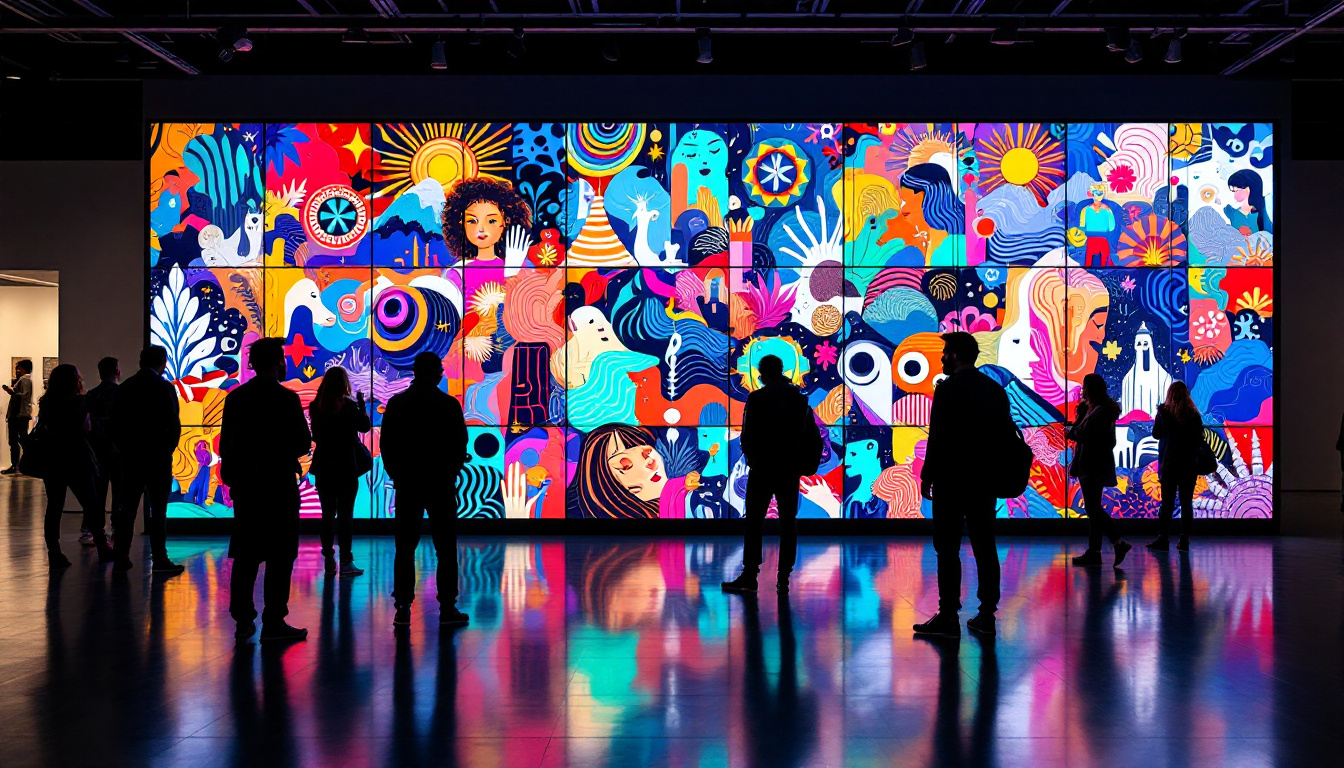
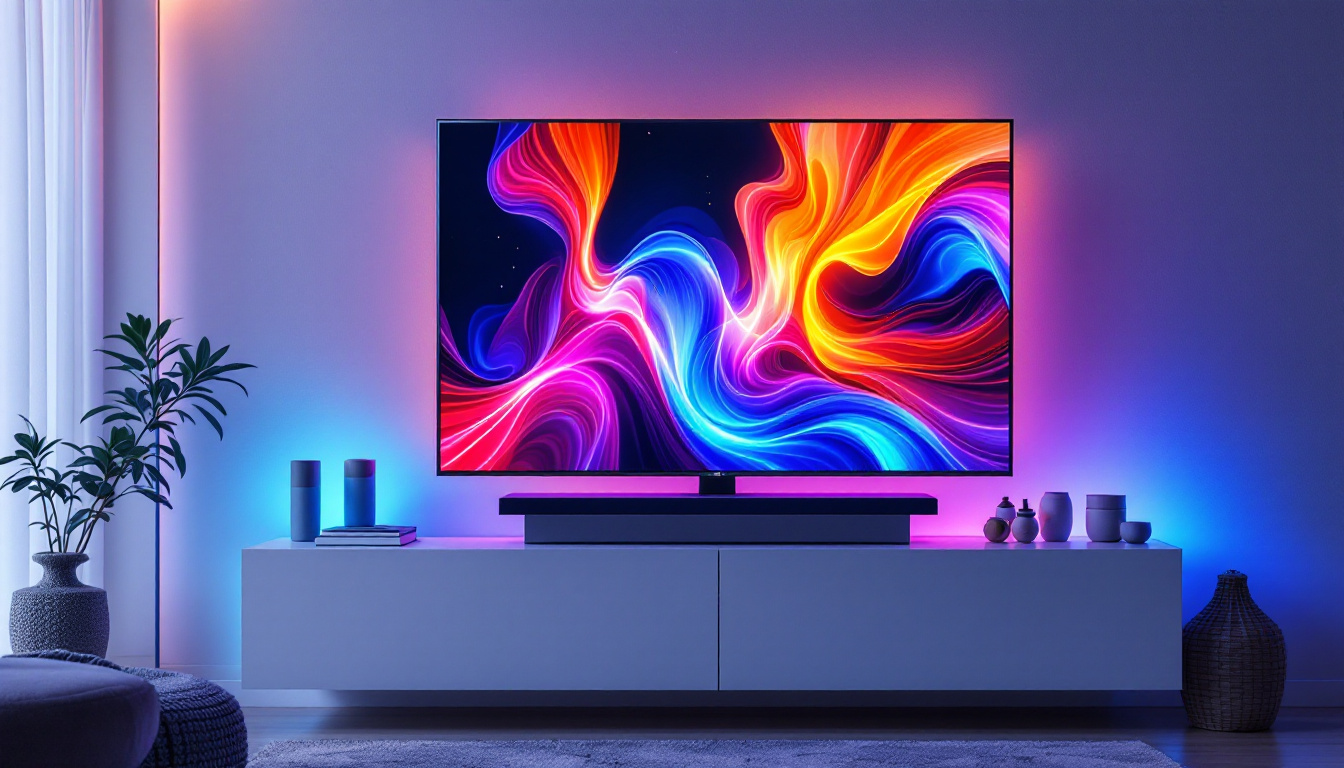
Indoor LED displays are also prevalent in retail stores, airports, and shopping malls, where they engage customers with promotional content, wayfinding information, and interactive experiences. Their high brightness and color accuracy make them effective even in brightly lit environments.
Entertainment and Events
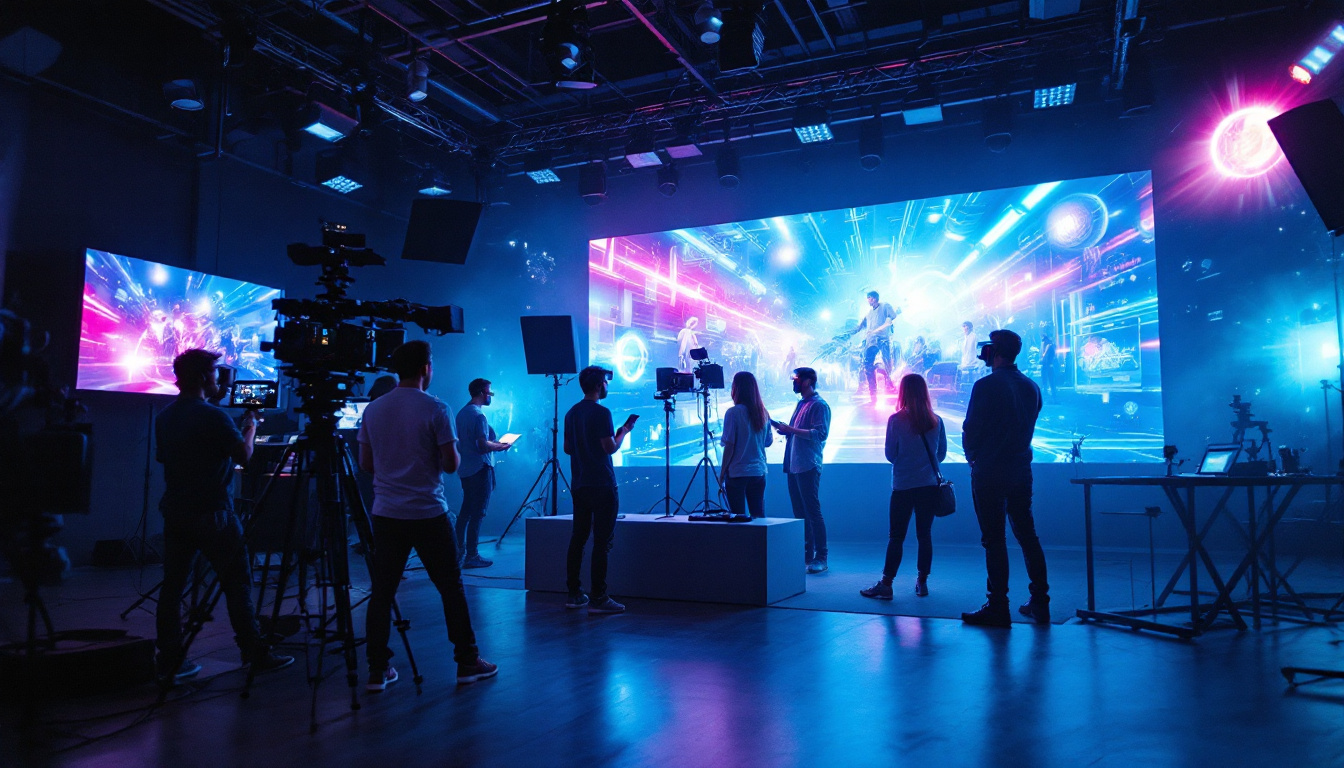
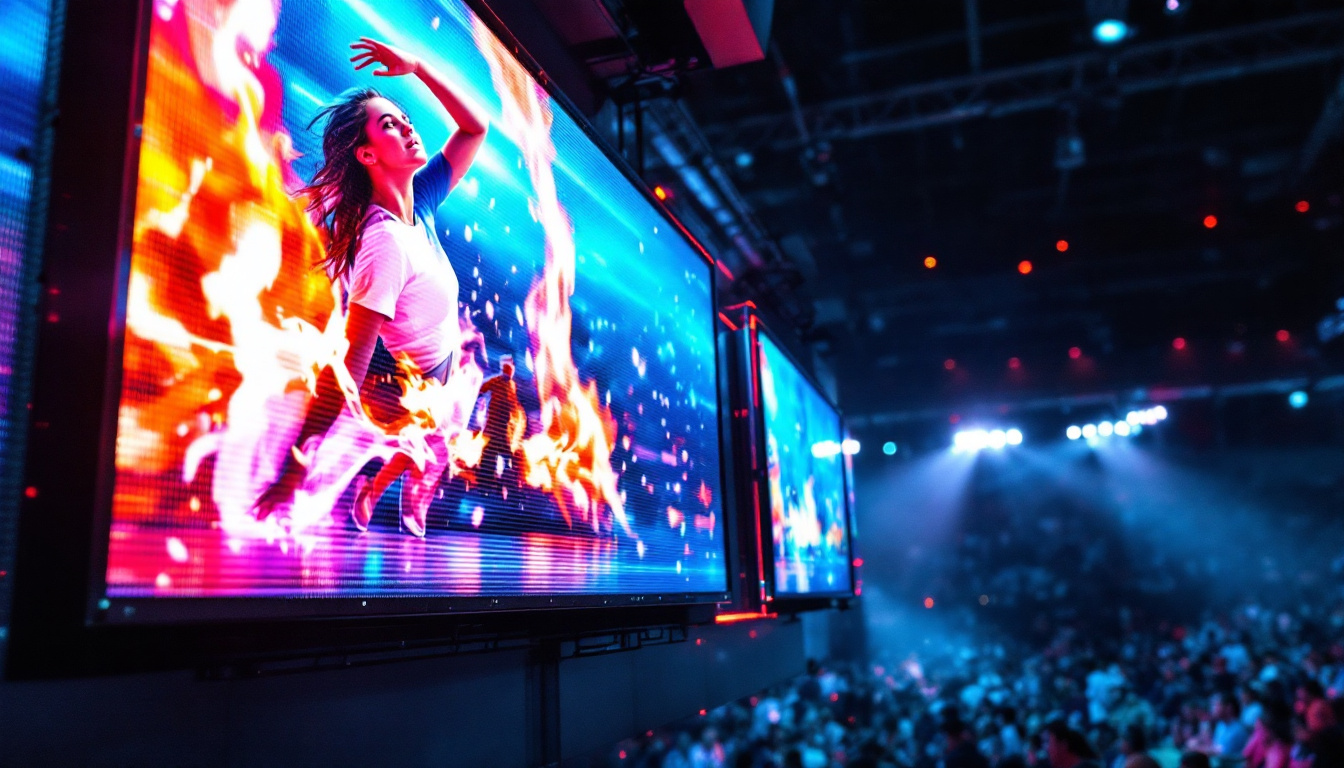
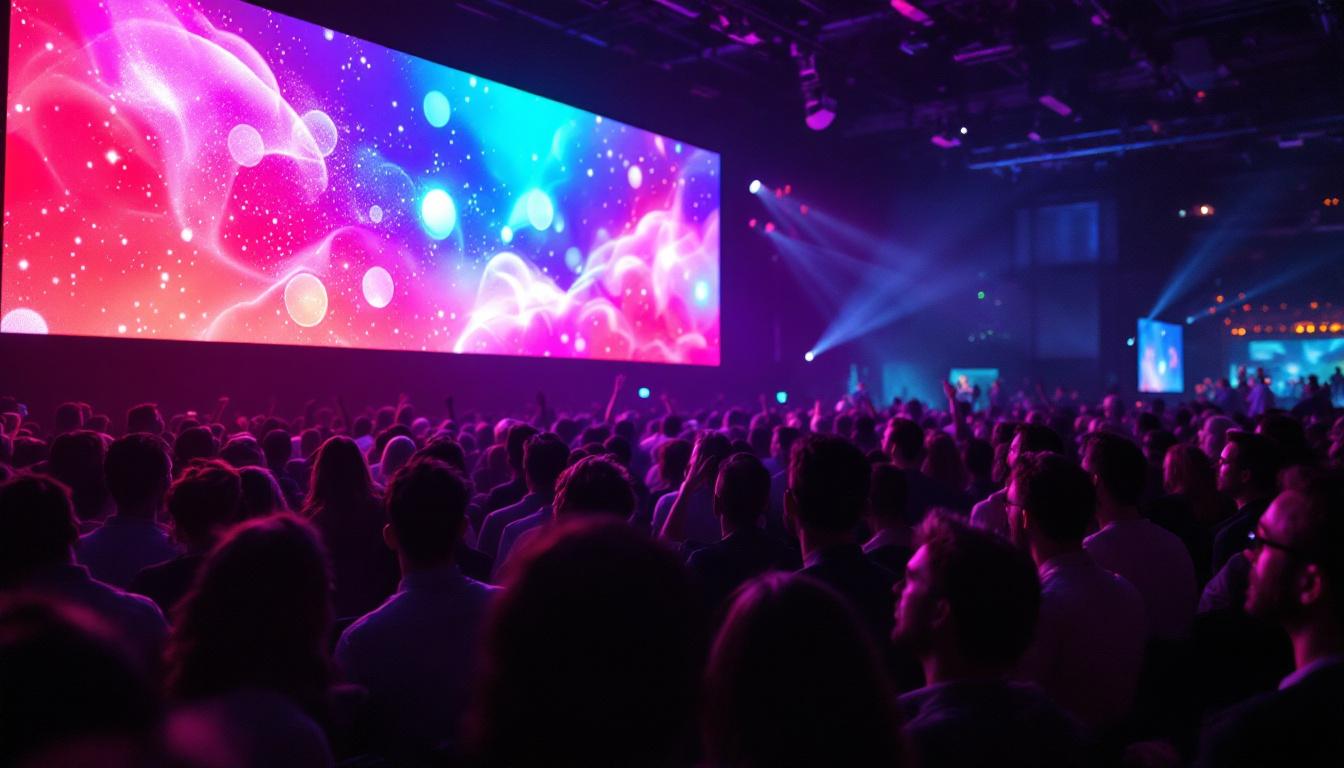
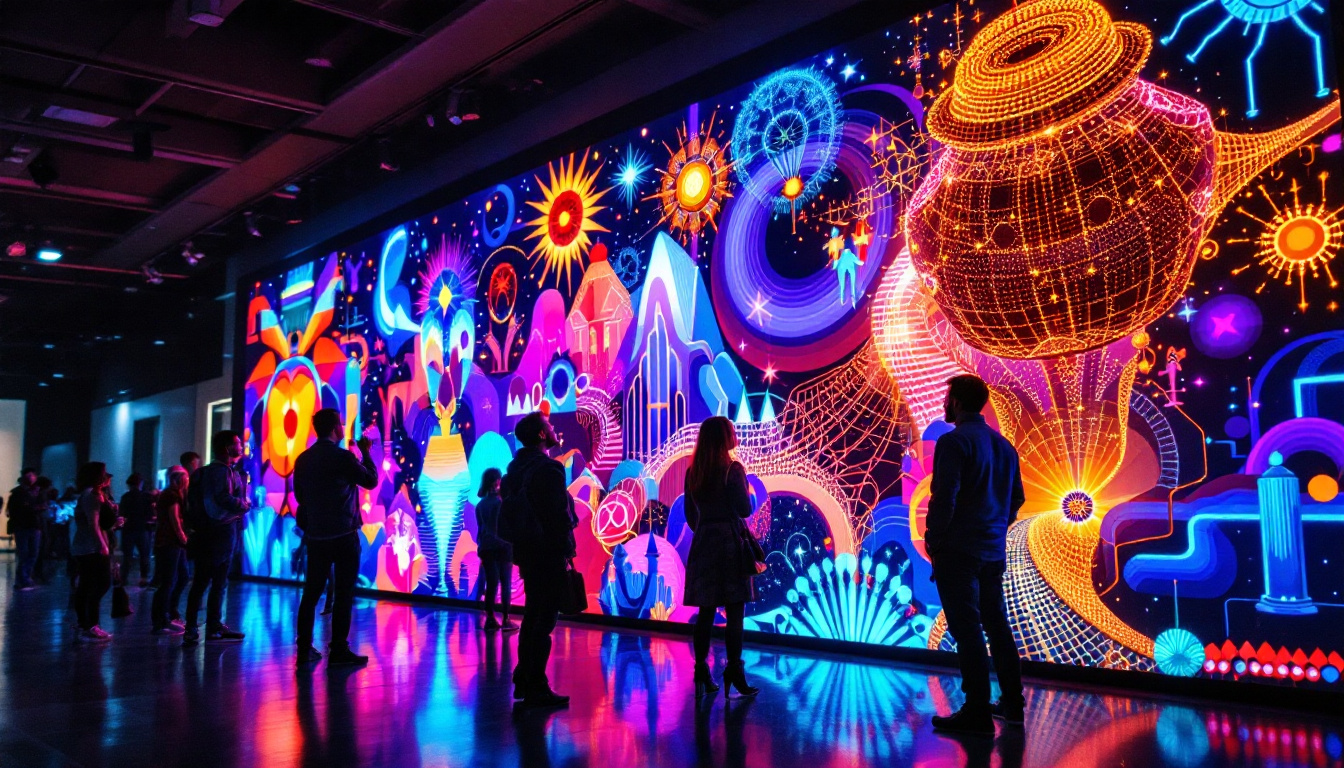
Concerts, sports arenas, and theaters utilize large LED panels to enhance the audience experience. These displays can show live footage, replays, and visual effects, contributing to immersive environments. The ability to create curved or flexible LED panels has further expanded creative possibilities in stage design and installations.
Corporate and Educational Use
In corporate settings, LED panels serve as digital whiteboards, video conferencing backdrops, and presentation screens. Their clarity and scalability make them suitable for boardrooms, auditoriums, and training centers. Educational institutions also use LED displays for interactive learning and campus communication.
Advantages of LED Panels Over Other Display Technologies
LED panels offer several benefits that have driven their widespread adoption across industries. Understanding these advantages helps explain why LED displays are often the preferred choice for digital signage and large-format displays.
Brightness and Visibility
LED panels can achieve brightness levels exceeding 5,000 nits, far surpassing most LCD screens. This high brightness ensures visibility even under direct sunlight, making LED panels ideal for outdoor applications. Additionally, their wide viewing angles maintain image quality from various perspectives.
Energy Efficiency and Longevity
Compared to traditional lighting and display technologies, LEDs consume less power and produce less heat. This efficiency reduces operational costs and environmental impact. Furthermore, LED panels typically have a lifespan of 50,000 to 100,000 hours, significantly longer than other display types, which translates into lower maintenance and replacement expenses.
Flexibility and Customization
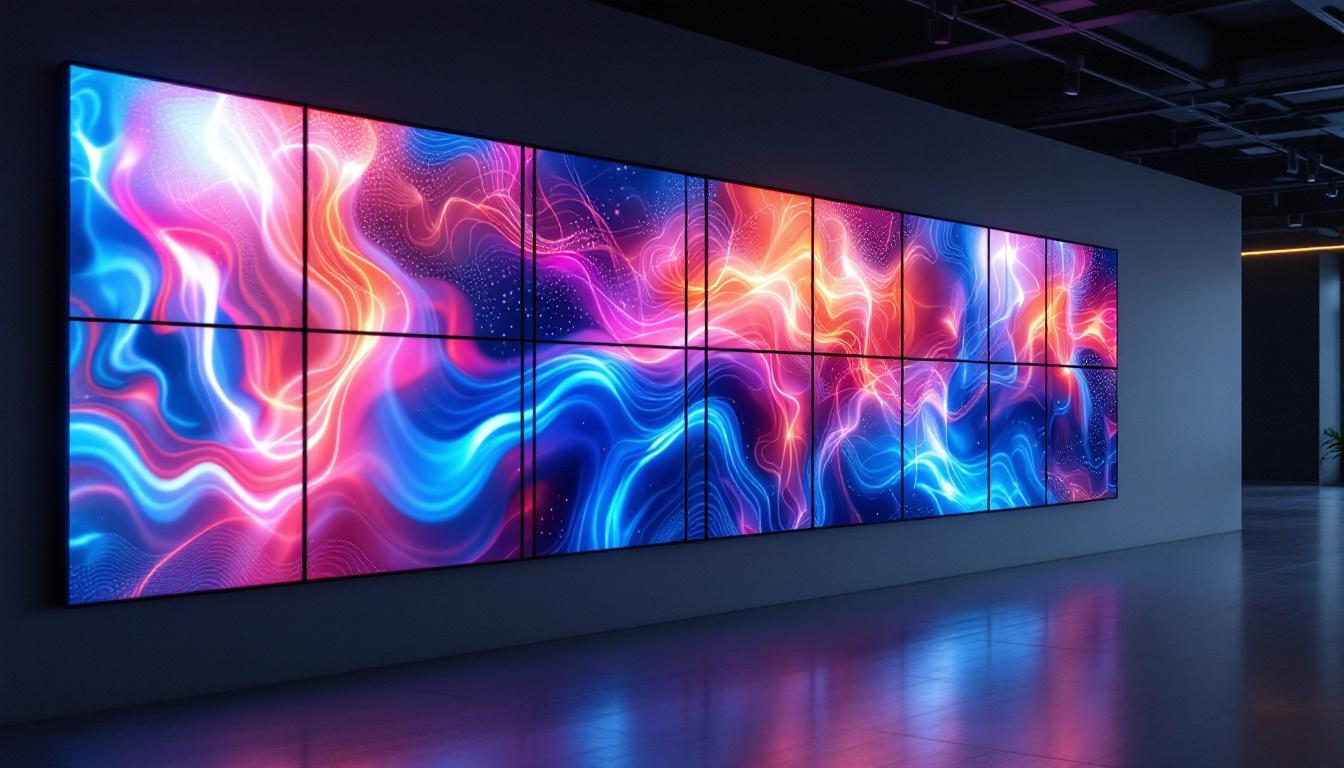
LED panels can be manufactured in various sizes and shapes, including curved and flexible configurations. This versatility allows designers to create unique installations tailored to specific spaces and creative visions. Modular LED panels also enable easy scaling and maintenance.
Challenges and Considerations When Choosing LED Panels
Despite their many benefits, LED panels come with certain challenges that buyers and users should consider to ensure optimal performance and return on investment.
Initial Cost and Installation
High-quality LED panels can be expensive upfront, especially for large-scale or high-resolution installations. Installation requires careful planning, skilled labor, and sometimes structural modifications. However, these costs are often offset by the panels’ durability and low operating expenses over time.
Pixel Pitch and Viewing Distance
Selecting the appropriate pixel pitch is crucial. A panel with too large a pixel pitch will appear pixelated when viewed up close, while a very fine pixel pitch may be unnecessarily costly for distant viewing scenarios. Understanding the typical viewing distance helps in choosing the right panel for the application.
Environmental Factors
Outdoor LED panels must be weatherproof and capable of operating in a wide temperature range. Dust, moisture, and UV exposure can affect performance and longevity if the panel is not adequately protected. Indoor panels, while less exposed, still require proper ventilation and maintenance.
The Future of LED Panels: Trends and Innovations
LED technology continues to advance rapidly, promising even more impressive capabilities and applications in the coming years.
MicroLED and MiniLED Technologies
Emerging microLED and miniLED technologies offer higher resolution, better contrast, and improved energy efficiency by using smaller LEDs. These advancements are expected to revolutionize displays for smartphones, televisions, and large-scale installations alike.
Integration with Smart Technologies
Integration of LED panels with IoT (Internet of Things) and AI-driven content management systems enables dynamic, context-aware displays. For example, digital signage can automatically adjust content based on audience demographics, weather conditions, or real-time events, enhancing engagement and effectiveness.
Sustainability and Eco-Friendly Designs
Manufacturers are increasingly focusing on sustainability by using recyclable materials, reducing energy consumption, and designing panels for easier disassembly and recycling. These efforts align with global initiatives to reduce electronic waste and carbon footprints.
Conclusion
LED panels have transformed the way information and advertising are presented in public and private spaces. Their superior brightness, energy efficiency, and versatility make them a preferred choice for a wide range of applications, from outdoor billboards to immersive entertainment environments. By understanding the technology, benefits, and considerations involved in LED panels, businesses and organizations can make informed decisions that maximize impact and value.
As LED technology continues to evolve, it will unlock new possibilities for creative expression and communication, making LED panels an essential component of the digital future.
Discover LumenMatrix’s Innovative LED Solutions
Ready to elevate your visual communication with the latest in LED technology? LumenMatrix is at the forefront of creating immersive and dynamic visual experiences. Whether you’re looking for Indoor LED Wall Displays, Outdoor LED Wall Displays, or specialized solutions like Vehicle LED Displays, LED Sports Displays, or Custom LED Displays, LumenMatrix has the expertise to bring your vision to life. Experience the future of digital signage and captivate your audience with unparalleled clarity and impact. Check out LumenMatrix LED Display Solutions today and transform your space with cutting-edge LED technology.