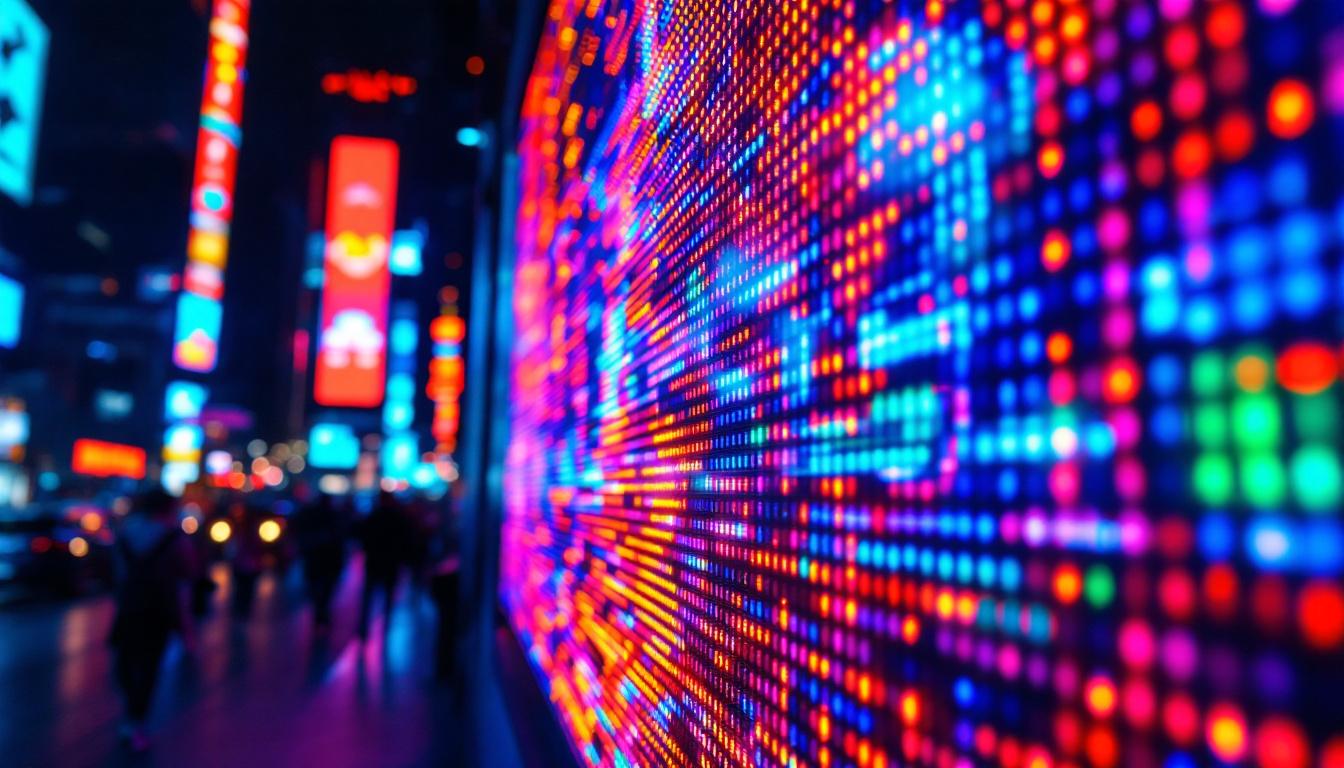
In the rapidly evolving world of digital screens, LED displays have emerged as a dominant technology, powering everything from smartphones and televisions to large-scale outdoor billboards. Understanding how LED displays work, their advantages, and their applications is essential for consumers, industry professionals, and tech enthusiasts alike. This article provides a comprehensive exploration of LED display technology, drawing on insights from DisplayMate Technologies, a leading authority in display testing and analysis.
What Is an LED Display?
LED stands for Light Emitting Diode, a semiconductor device that emits light when an electric current passes through it. An LED display is a flat panel display that uses an array of these tiny light sources to produce images and videos. Unlike traditional LCD (Liquid Crystal Display) screens that rely on backlighting, LED displays generate their own light, which leads to distinct advantages in brightness, contrast, and energy efficiency. This self-illuminating capability allows for thinner designs and more flexible configurations, making LED displays a popular choice in various applications, from mobile devices to large-scale advertising boards.
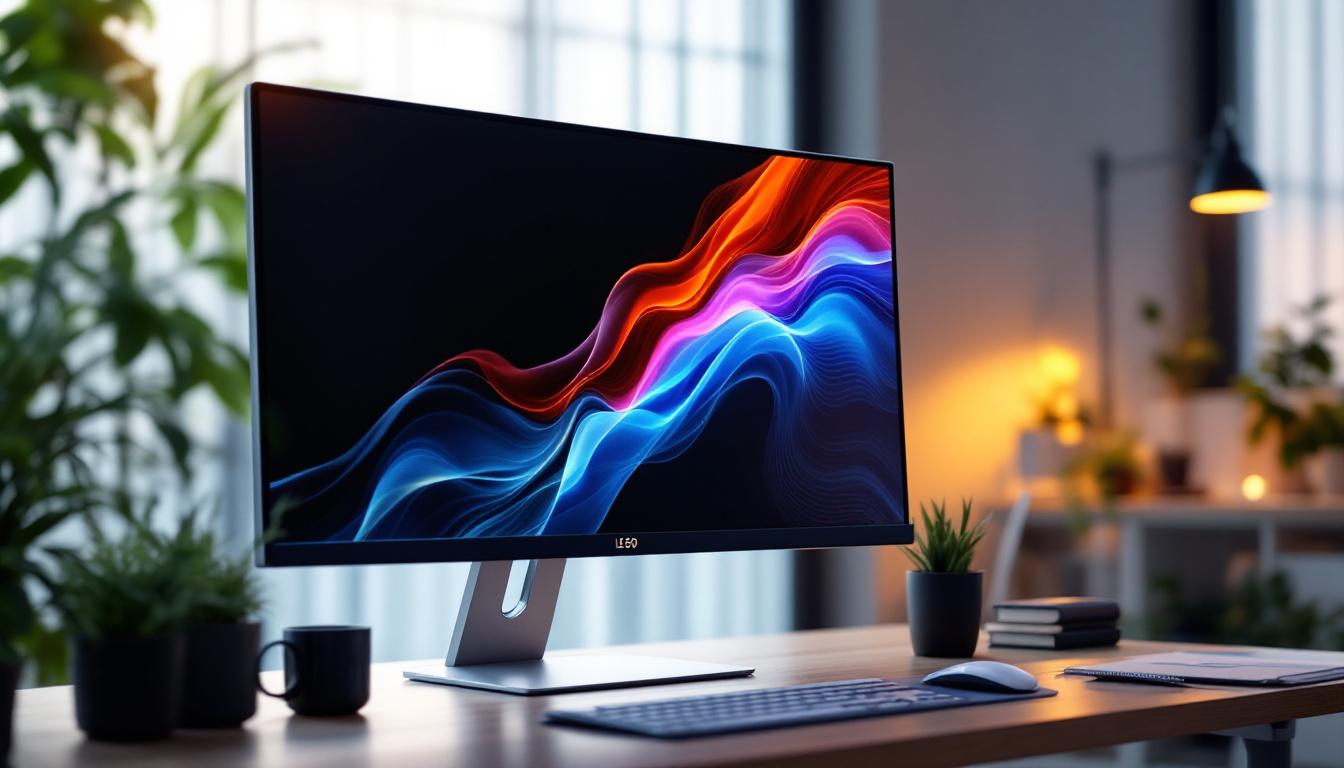
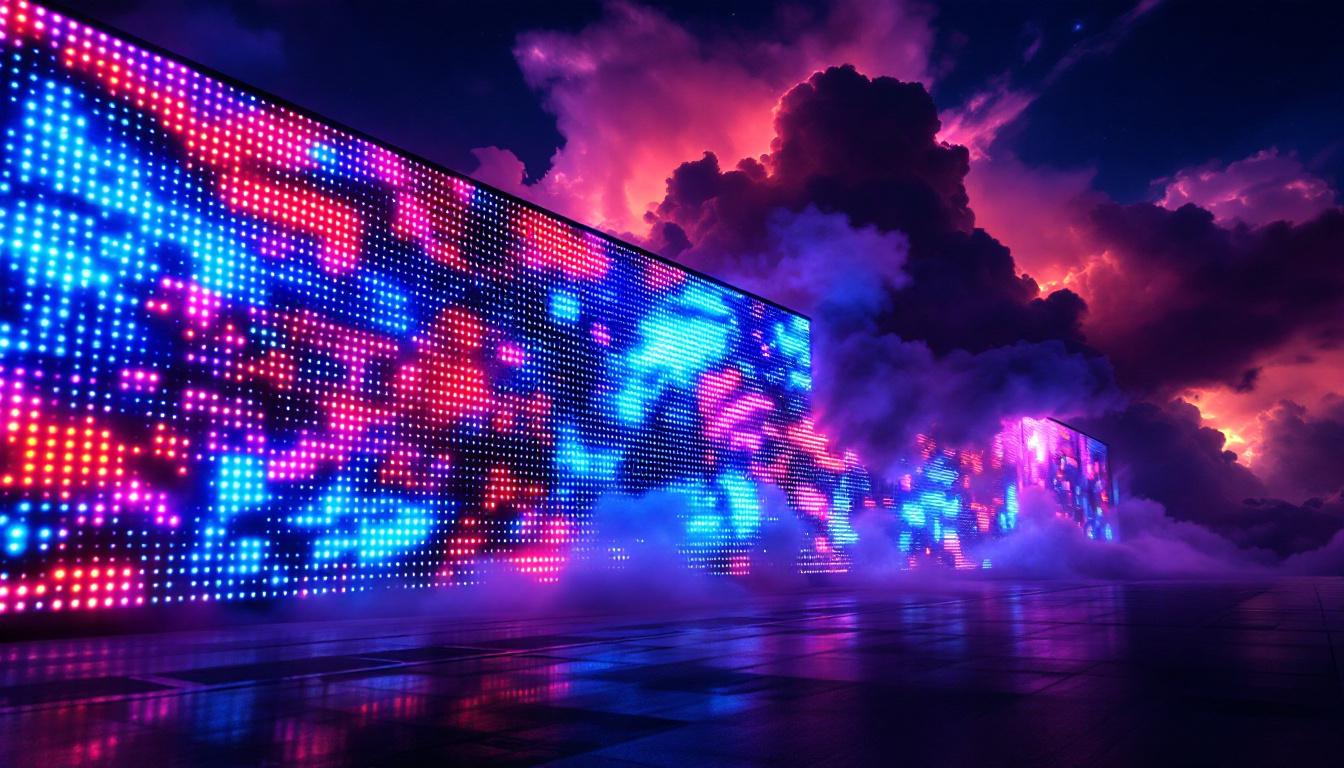
There are two primary types of LED displays: direct-view LED and LED-backlit LCD. Direct-view LED displays consist of thousands or millions of individual LEDs arranged in a grid, each acting as a single pixel. These are commonly used in large-format screens such as stadium displays and digital billboards. On the other hand, LED-backlit LCDs use LEDs as a backlight behind an LCD panel, enhancing the display’s brightness and color accuracy while maintaining the LCD’s pixel structure. This combination allows for a more cost-effective solution while still providing impressive image quality, which is why LED-backlit LCDs dominate the consumer electronics market.
Direct-View LED vs. LED-Backlit LCD
Direct-view LED displays are known for their exceptional brightness and ability to produce true blacks by turning off individual LEDs completely. This feature results in high contrast ratios and vibrant colors, making them ideal for outdoor and high-ambient-light environments. The durability and weather resistance of these displays also make them suitable for various outdoor applications, such as concerts, sporting events, and advertising in bustling urban settings. Conversely, LED-backlit LCDs are prevalent in consumer electronics like laptops, smartphones, and televisions, offering a balance between cost, performance, and image quality. They are particularly effective in environments where power consumption is a concern, as they can be designed to use less energy while still delivering impressive visuals.
Understanding the distinction between these two types is crucial when evaluating display technology for specific applications, whether it’s for professional use, entertainment, or advertising. Additionally, advancements in technology continue to blur the lines between these categories, with innovations such as mini-LED and micro-LED displays emerging on the market. Mini-LED technology enhances traditional LCDs by using smaller LEDs for backlighting, which improves local dimming and contrast ratios. Meanwhile, micro-LED displays, which utilize microscopic LEDs to create images without a backlight, promise even greater efficiency and picture quality, potentially revolutionizing the way we experience visual content in the near future.
The Science Behind LED Displays
At the heart of LED display technology is the light-emitting diode itself. LEDs are tiny chips made from semiconductor materials such as gallium arsenide or gallium nitride. When an electric current passes through the chip, electrons recombine with holes, releasing energy in the form of photons — the fundamental particles of light.
The color of the emitted light depends on the semiconductor material’s bandgap energy. Red, green, and blue LEDs combine to create the full spectrum of colors required for high-quality images. This RGB (Red, Green, Blue) color model is the foundation for all color displays, enabling millions of color variations through varying the intensity of each LED.
Pixel Structure and Resolution
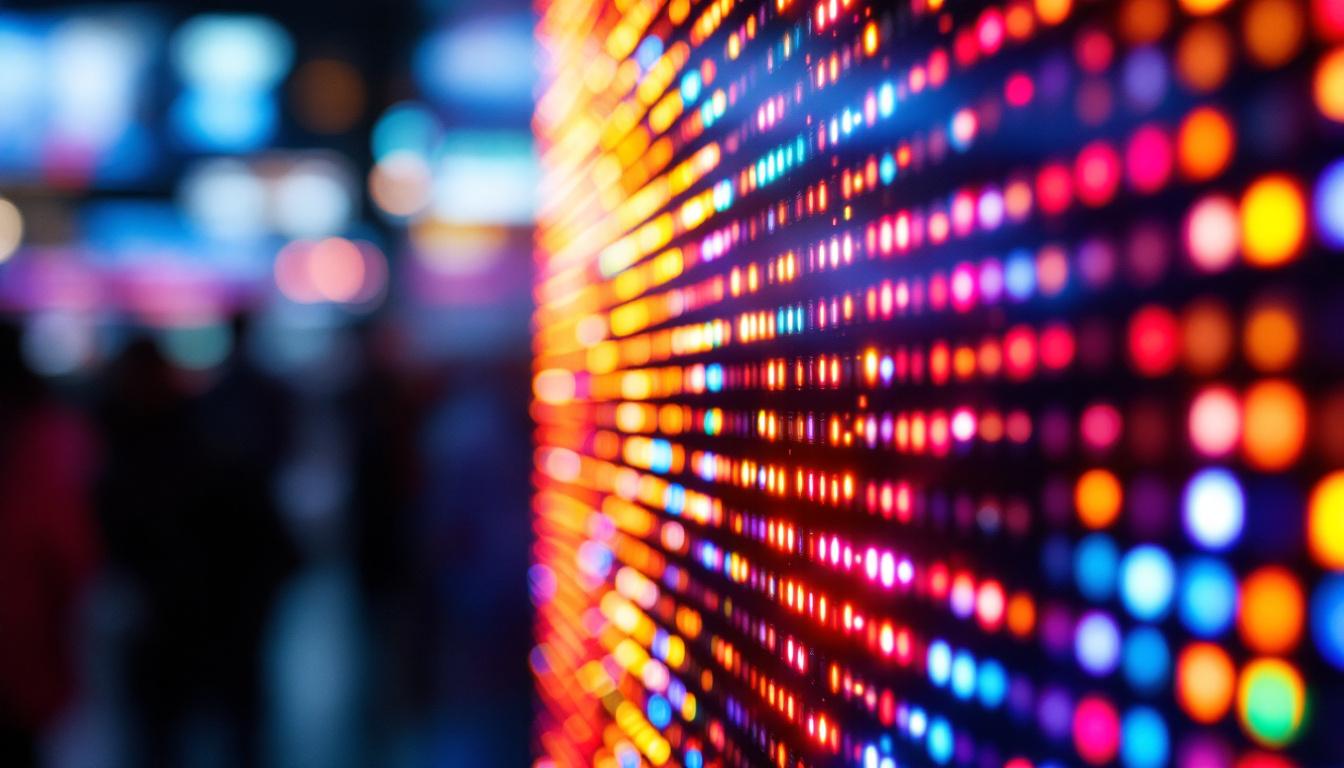
Each pixel in an LED display is typically made up of three sub-pixels: one red, one green, and one blue LED. By adjusting the brightness of each sub-pixel, the display can render a precise color. The resolution of the display depends on the number of pixels arranged horizontally and vertically. Higher resolution means more pixels per inch, resulting in sharper and more detailed images.
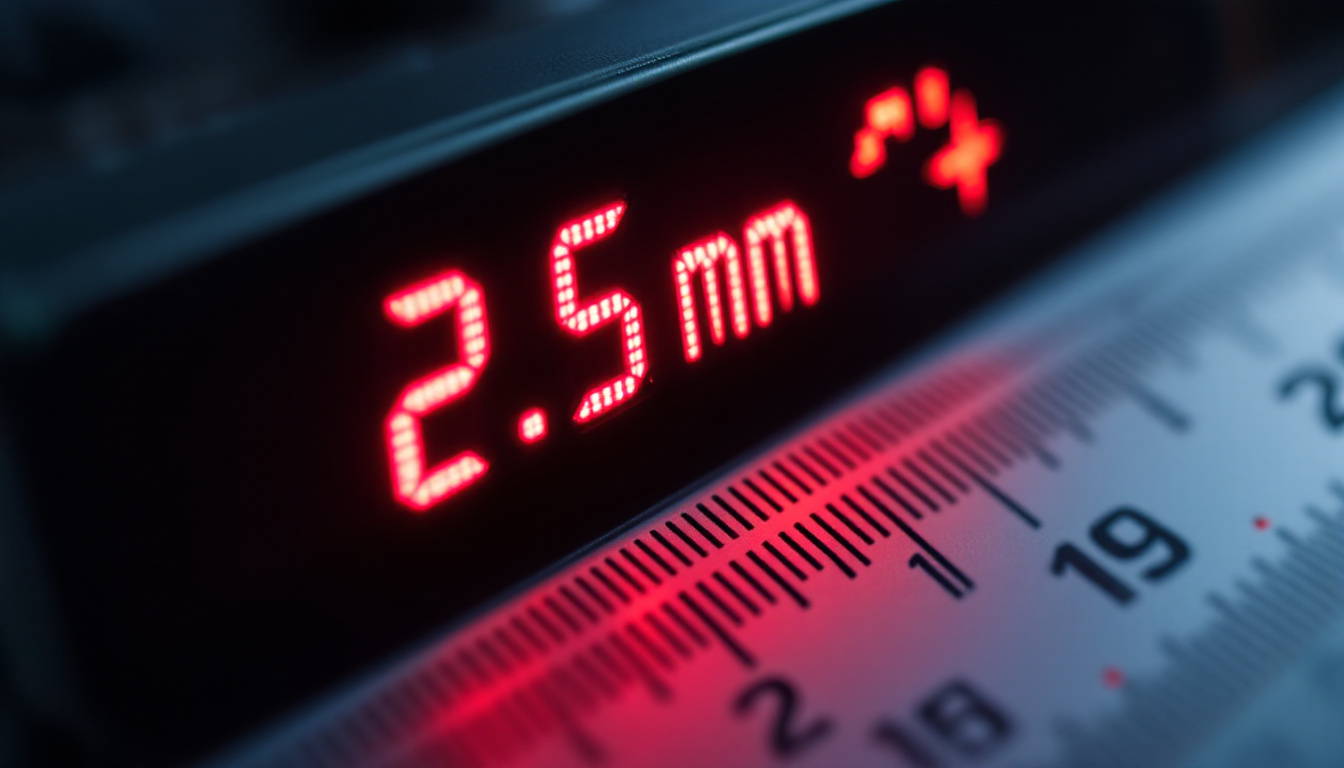
DisplayMate’s rigorous testing emphasizes the importance of pixel density and uniformity. In direct-view LED displays, pixel pitch — the distance between the centers of two adjacent pixels — is a critical factor. Smaller pixel pitch means higher resolution and better image clarity, especially important for close viewing distances.
Advantages of LED Displays
LED displays offer several advantages over other display technologies, making them a preferred choice across various industries. These benefits include superior brightness, energy efficiency, color accuracy, and durability.
Brightness and Visibility
One of the standout features of LED displays is their exceptional brightness. Direct-view LED screens can achieve brightness levels exceeding 5,000 nits, far surpassing typical LCD screens, which generally max out around 500 to 1,000 nits. This high brightness ensures excellent visibility even in direct sunlight, which is why LED displays are commonly used for outdoor advertising and public information systems.
DisplayMate’s tests have shown that LED displays maintain consistent brightness across the entire screen, reducing hotspots and uneven lighting that can detract from the viewing experience.
Energy Efficiency and Longevity
LED technology is inherently energy-efficient because LEDs convert most of the electrical energy into light rather than heat. This efficiency translates into lower power consumption compared to older technologies like plasma or CCFL-backlit LCDs. Additionally, LEDs have a longer operational lifespan, often exceeding 50,000 hours of use before significant degradation.
For businesses and consumers, this means reduced operational costs and less frequent replacement, contributing to sustainability goals and cost savings over time.
Color Accuracy and Contrast
LED displays excel in producing vibrant colors and deep blacks. Because each LED can be turned on or off independently, direct-view LED displays achieve true black levels by completely switching off the relevant LEDs. This capability results in infinite contrast ratios, which greatly enhance image depth and realism.
DisplayMate’s analysis highlights that LED displays can cover a wider color gamut, often exceeding the DCI-P3 standard used in digital cinema, ensuring that colors appear vivid and lifelike. This makes LED displays ideal for professional applications such as video editing, medical imaging, and high-end entertainment.
Applications of LED Display Technology
LED displays have found widespread use across many sectors due to their versatility and performance. From consumer electronics to industrial and commercial applications, LED technology continues to transform how information and media are presented.
Consumer Electronics
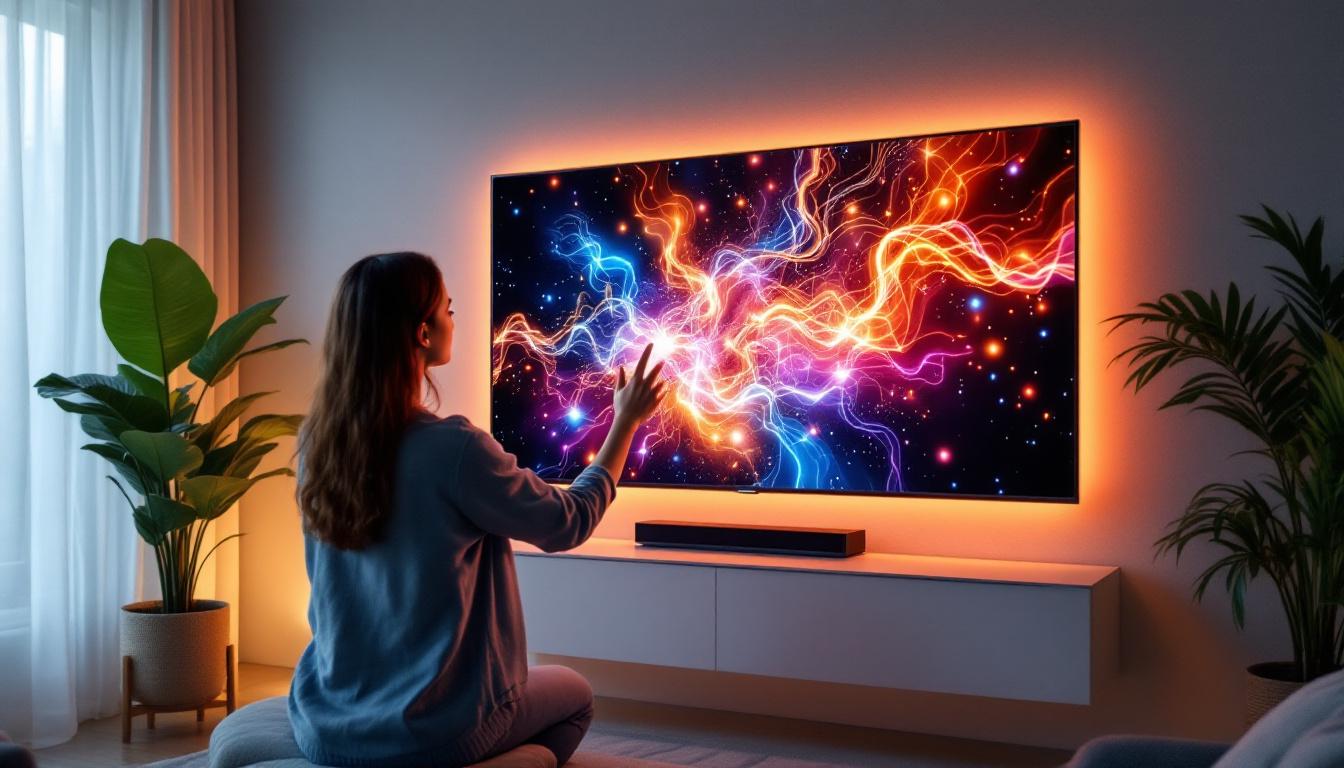
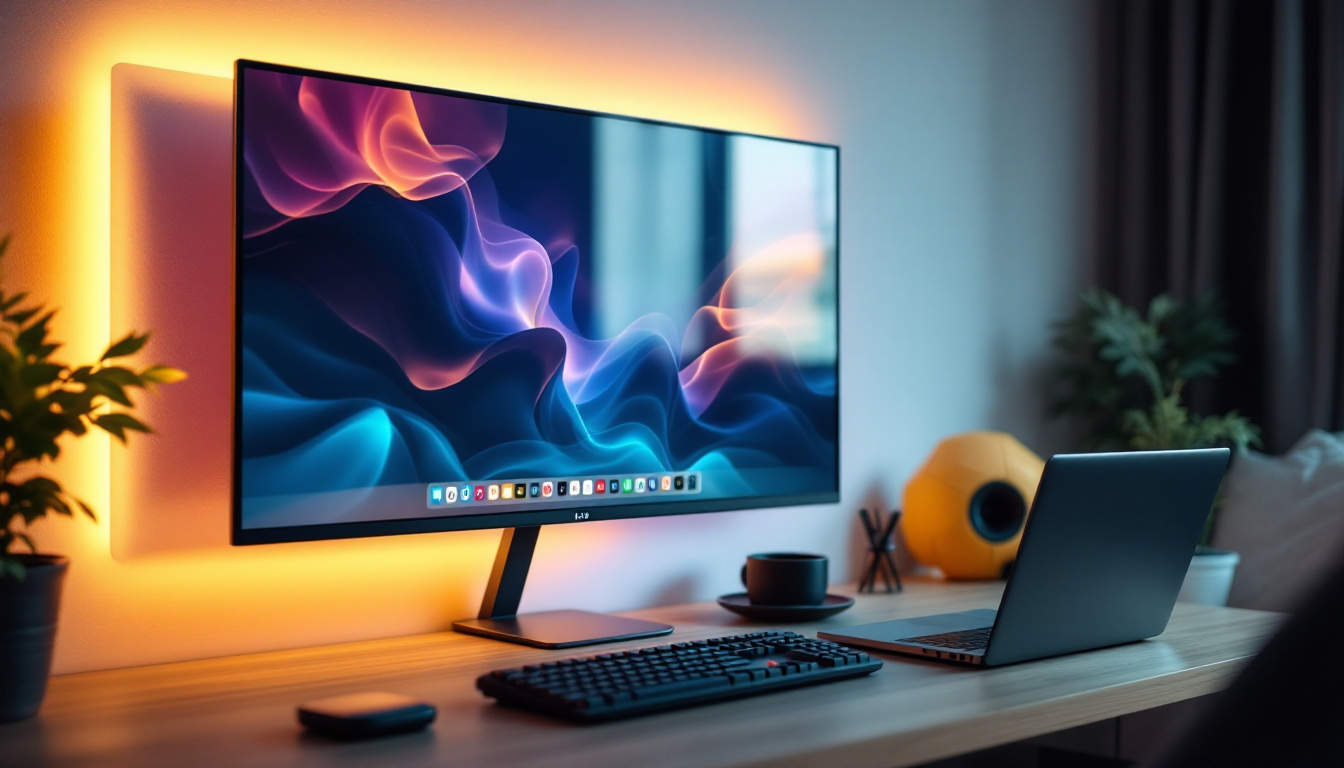
In smartphones, tablets, and televisions, LED-backlit LCDs dominate the market. The integration of LED backlighting has improved screen brightness, color accuracy, and energy efficiency compared to older LCD technologies. High-end smartphones often use OLED (Organic LED) displays, a variation of LED technology where organic compounds emit light, offering even better contrast and thinner form factors.
Television manufacturers increasingly use direct-view LED technology in the form of microLED displays, which promise superior brightness and lifespan compared to OLEDs, though they are still emerging in the consumer market.
Outdoor and Large-Scale Displays
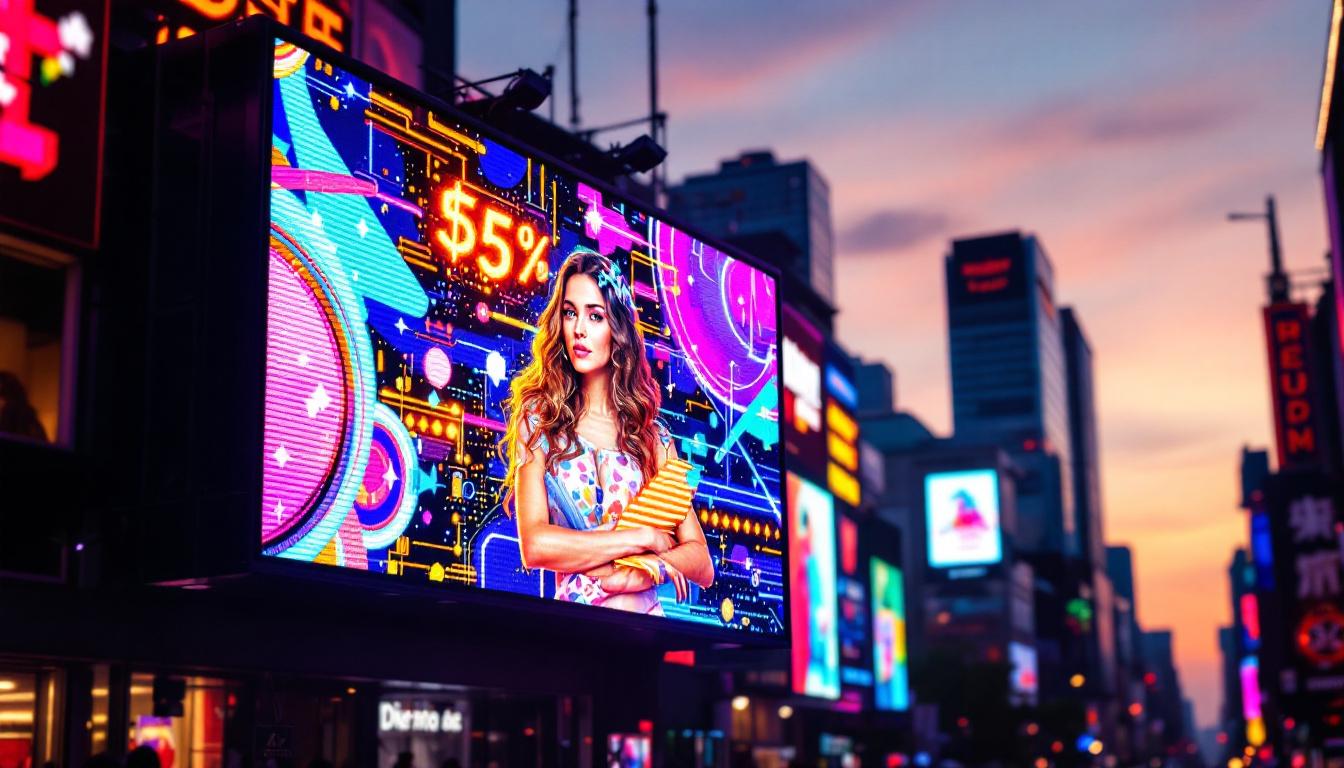
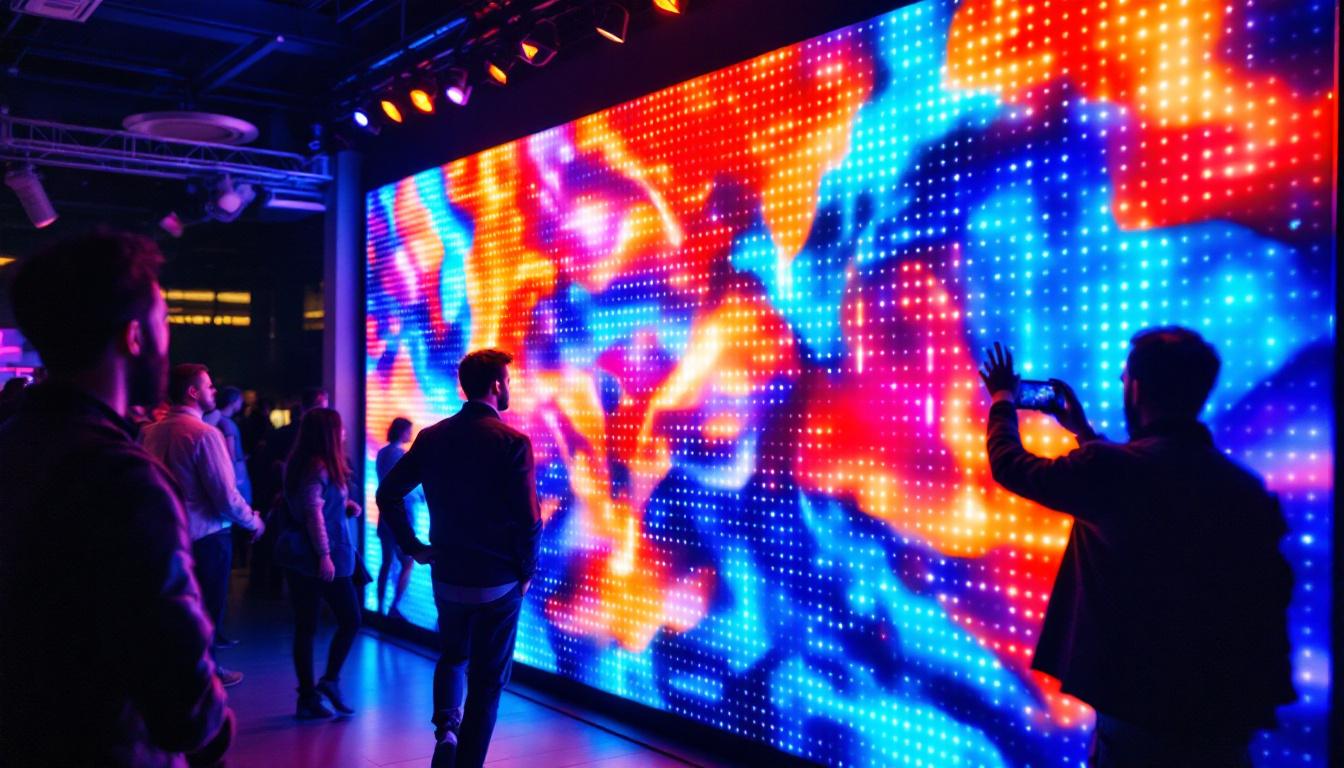
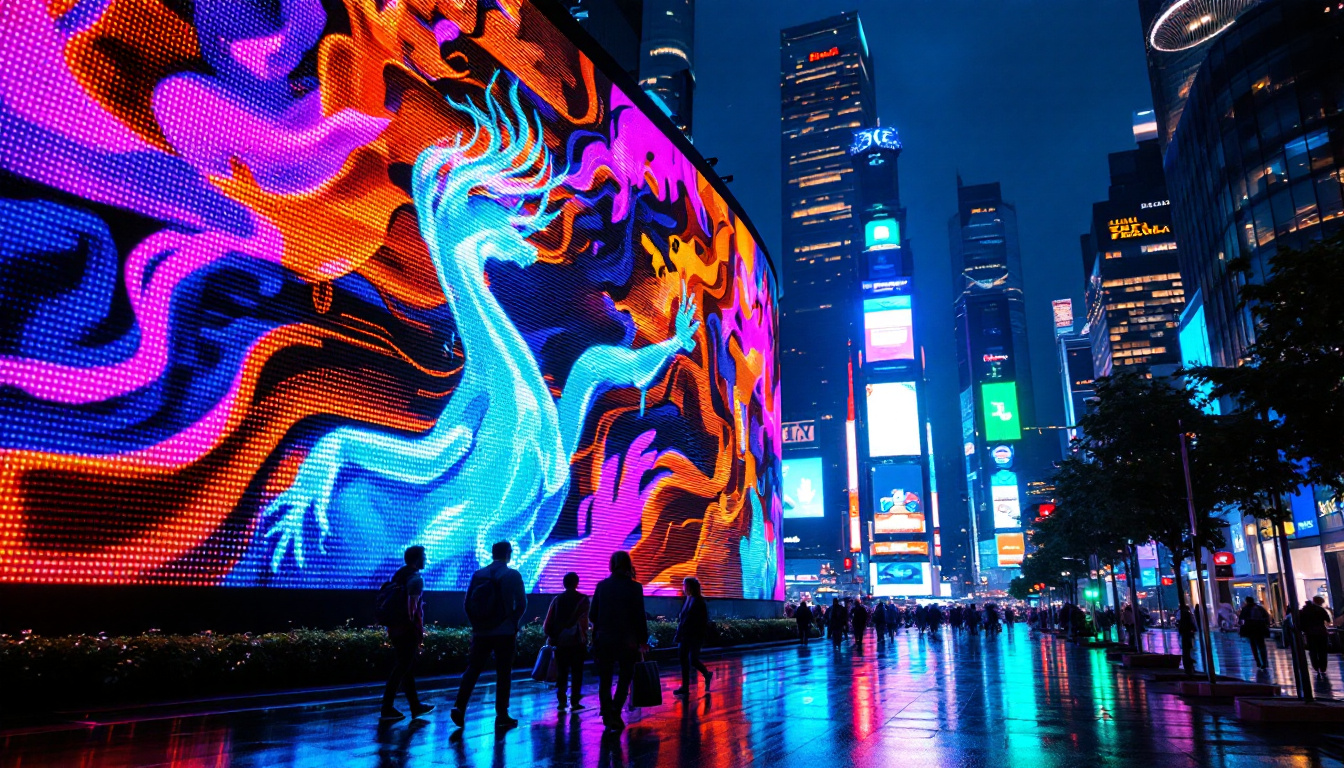
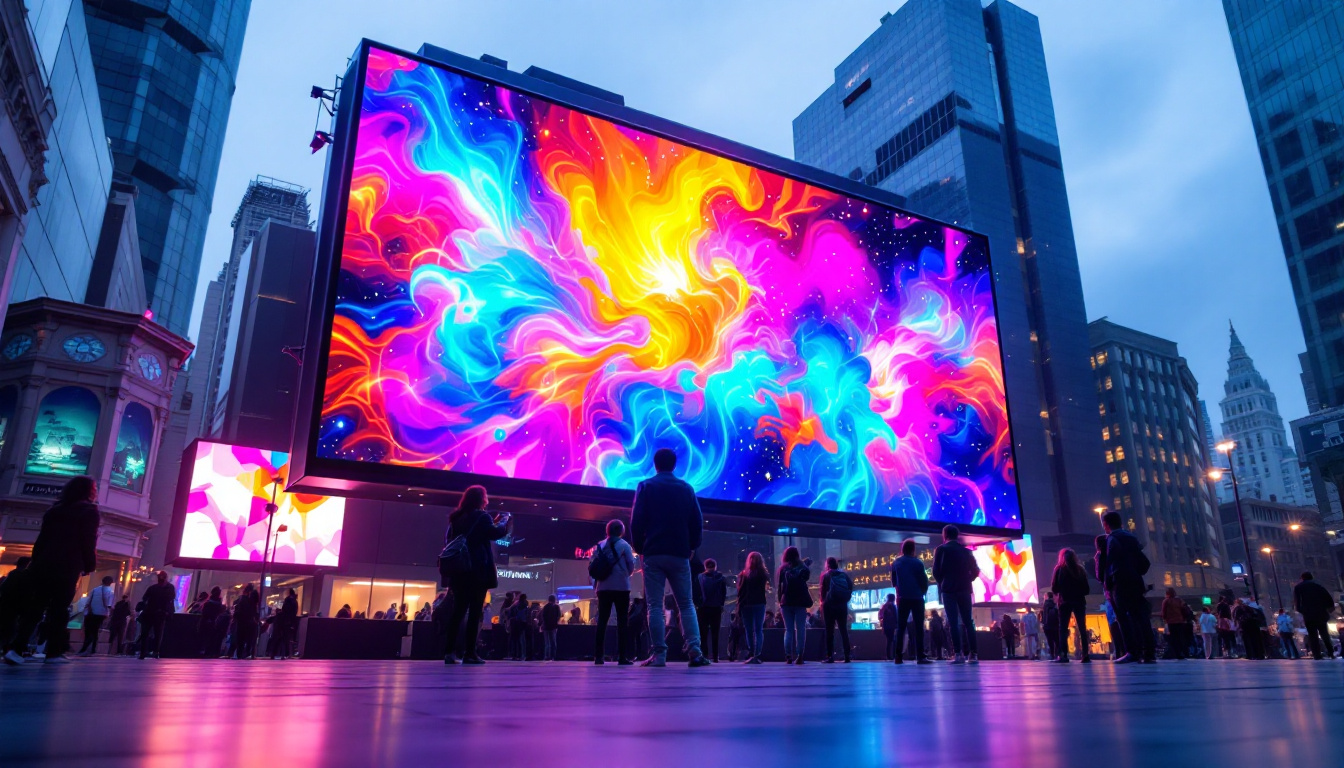
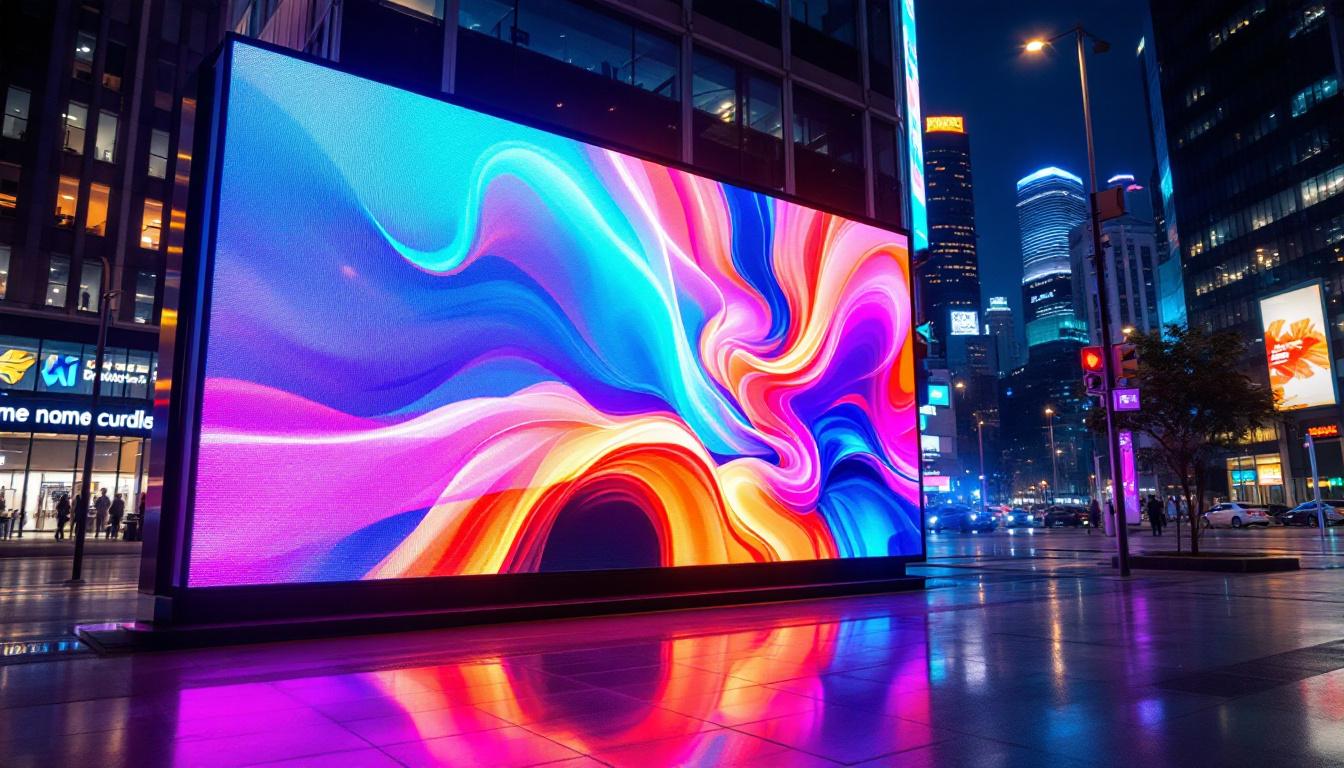
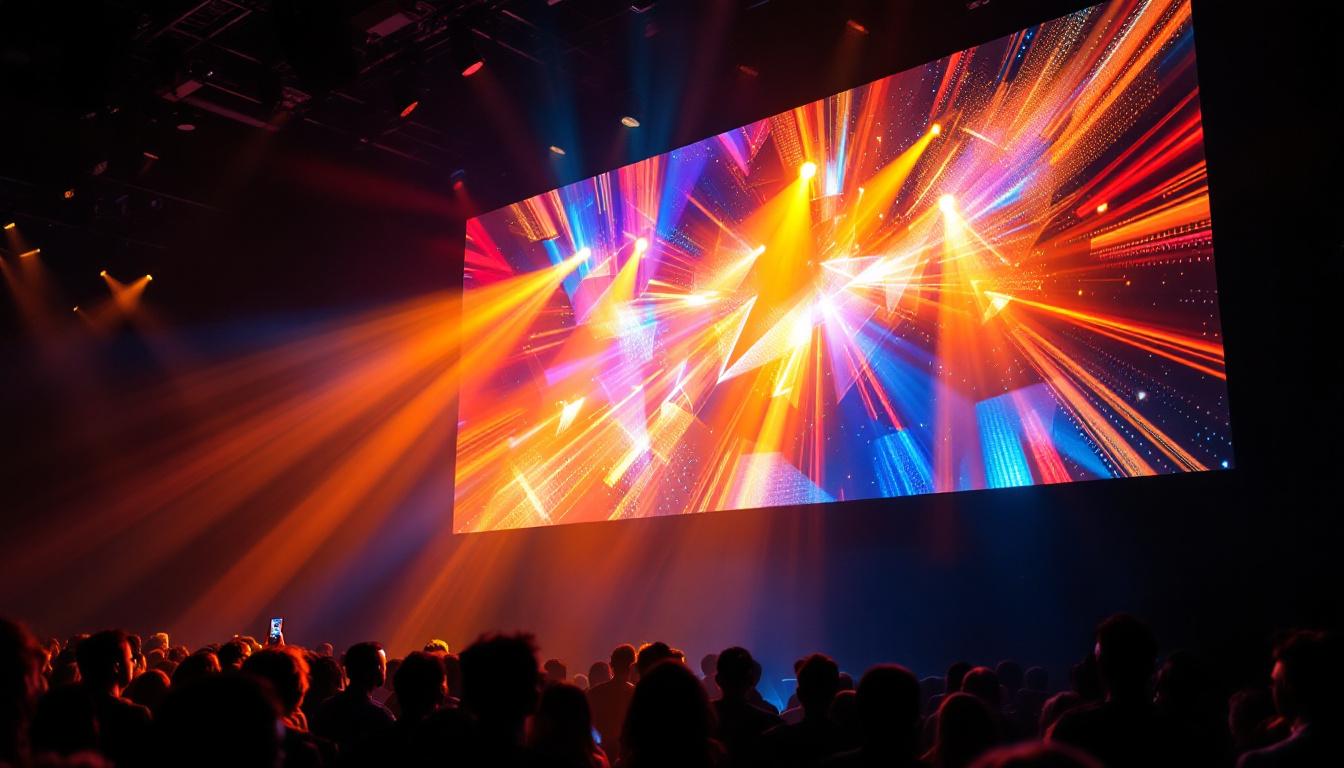
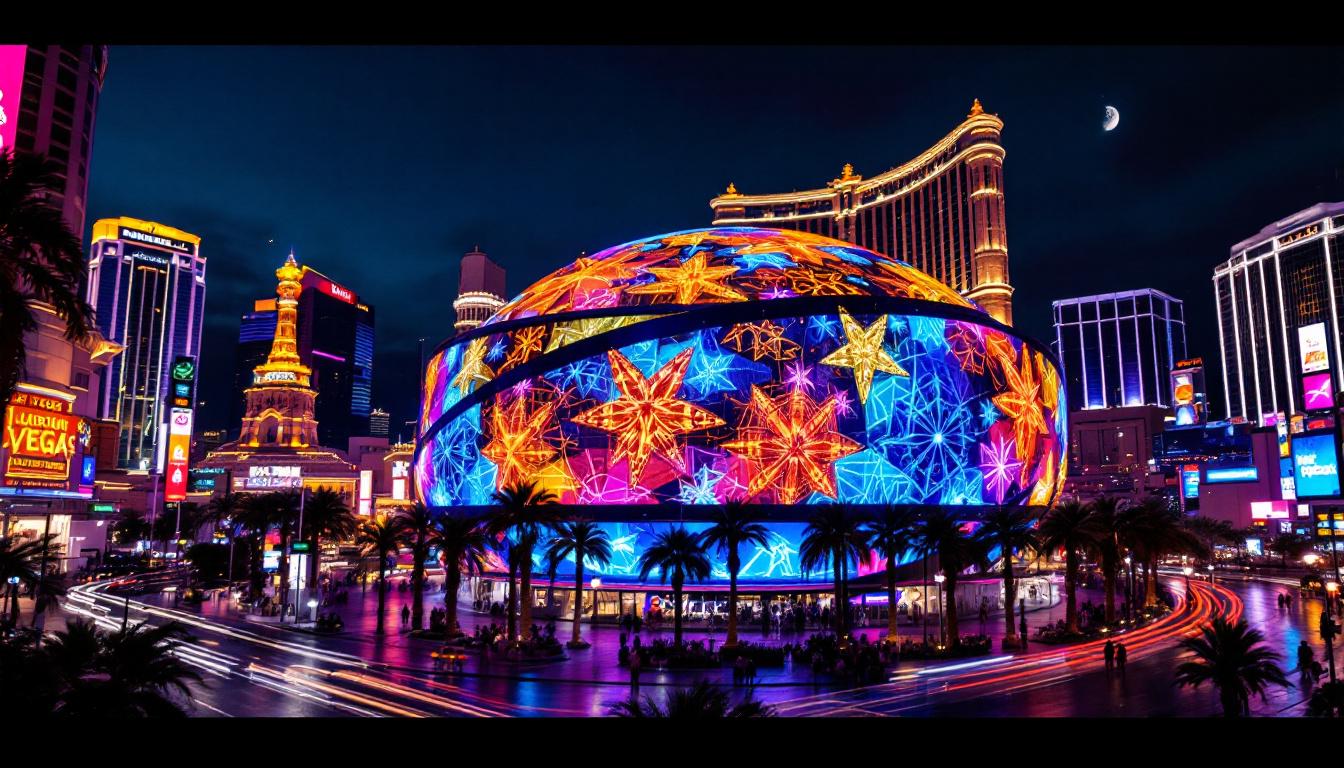
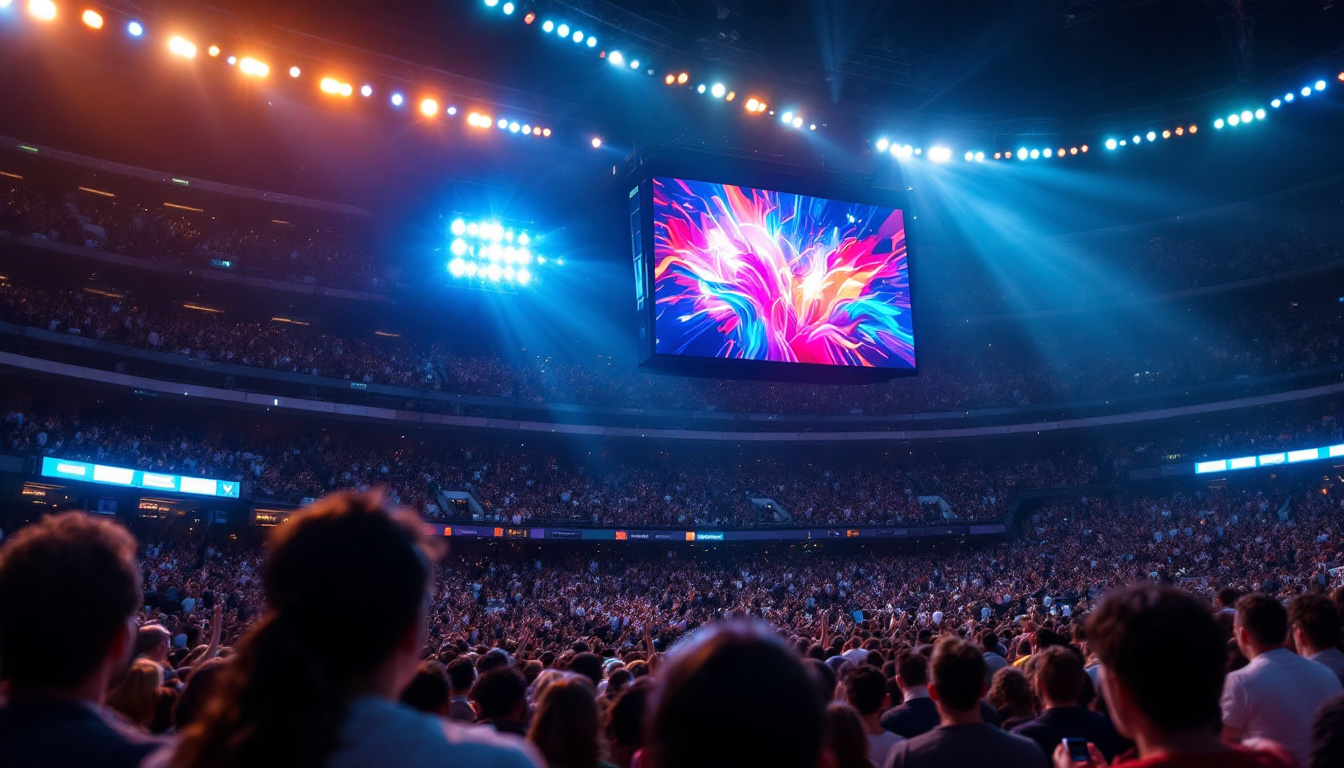
Direct-view LED displays are the backbone of large outdoor screens such as those found in sports stadiums, concert venues, and urban centers. Their ability to maintain visibility in bright daylight and withstand harsh weather conditions makes them indispensable for advertising and public messaging.
For example, Times Square in New York City features massive LED billboards that deliver vibrant, dynamic content to millions of viewers daily. Similarly, sports arenas use LED displays to provide real-time scores, replays, and interactive content, enhancing the spectator experience.
Industrial and Professional Uses
In industrial settings, LED displays are used for control rooms, digital signage, and information dashboards. Their reliability and clarity help operators monitor complex systems efficiently. Medical imaging also benefits from LED technology, where precise color reproduction and high contrast are critical for accurate diagnostics.
Challenges and Future Trends in LED Displays
While LED display technology has advanced significantly, it faces challenges related to cost, manufacturing complexity, and evolving consumer expectations. However, ongoing research and innovation continue to push the boundaries of what LED displays can achieve.
Cost and Manufacturing
Direct-view LED displays, especially those with very fine pixel pitches, can be expensive to produce due to the complexity of assembling millions of tiny LEDs with precise alignment. This cost factor limits their widespread adoption in smaller consumer devices, though prices have steadily decreased over the past decade.
Manufacturers are investing in automated assembly techniques and new materials to reduce costs and improve yield, making high-resolution LED displays more accessible.
Emerging Technologies: MicroLED and MiniLED
MicroLED and MiniLED are two emerging technologies that build upon traditional LED principles. MicroLED uses microscopic LEDs to create displays with exceptional brightness, contrast, and energy efficiency, rivaling OLEDs without the risk of burn-in. MiniLED, meanwhile, employs thousands of tiny LEDs as backlights for LCD panels, enhancing contrast and brightness while keeping costs lower than MicroLED.
DisplayMate’s evaluations have praised these technologies for their potential to revolutionize displays in smartphones, TVs, and augmented reality devices.
Environmental Considerations
As sustainability becomes a priority, LED displays offer advantages due to their energy efficiency and long lifespan. However, the production and disposal of LED components raise environmental concerns, including the use of rare earth materials and electronic waste management.
Industry leaders are exploring recycling programs and eco-friendly manufacturing processes to mitigate these impacts, ensuring that LED technology remains a sustainable choice for the future.
Conclusion
LED display technology represents a cornerstone of modern visual media, combining scientific innovation with practical benefits. From the dazzling billboards of urban landscapes to the high-definition screens in personal devices, LEDs have transformed how images and information are displayed.
Thanks to ongoing advancements and thorough analysis by experts like DisplayMate, consumers and professionals can make informed decisions about the displays they use daily. Understanding the strengths, limitations, and future potential of LED displays empowers users to appreciate the technology behind the screens that have become integral to everyday life.
Explore Cutting-Edge LED Displays with LumenMatrix
Ready to experience the future of visual communication? LumenMatrix is at the forefront of LED display innovation, offering a diverse range of solutions that bring your content to life. Whether you’re looking to captivate passersby with an Outdoor LED Wall Display, engage fans with a dynamic LED Sports Display, or make a statement with a Custom LED Display, LumenMatrix has the technology to elevate your brand’s visibility. Embrace the power of LED and create unforgettable visual experiences. Check out LumenMatrix LED Display Solutions today and see your message shine like never before.