Digital Out-of-Home (DOOH) advertising has transformed the way brands engage with consumers in public spaces. At the heart of this revolution lies the LED display, a technology that combines vivid visuals, dynamic content, and strategic placement to capture attention like never before. This article delves into the world of DOOH screens, focusing on LED displays—how they work, why they matter, and what the future holds for this powerful advertising medium.
Understanding DOOH Screens and LED Technology
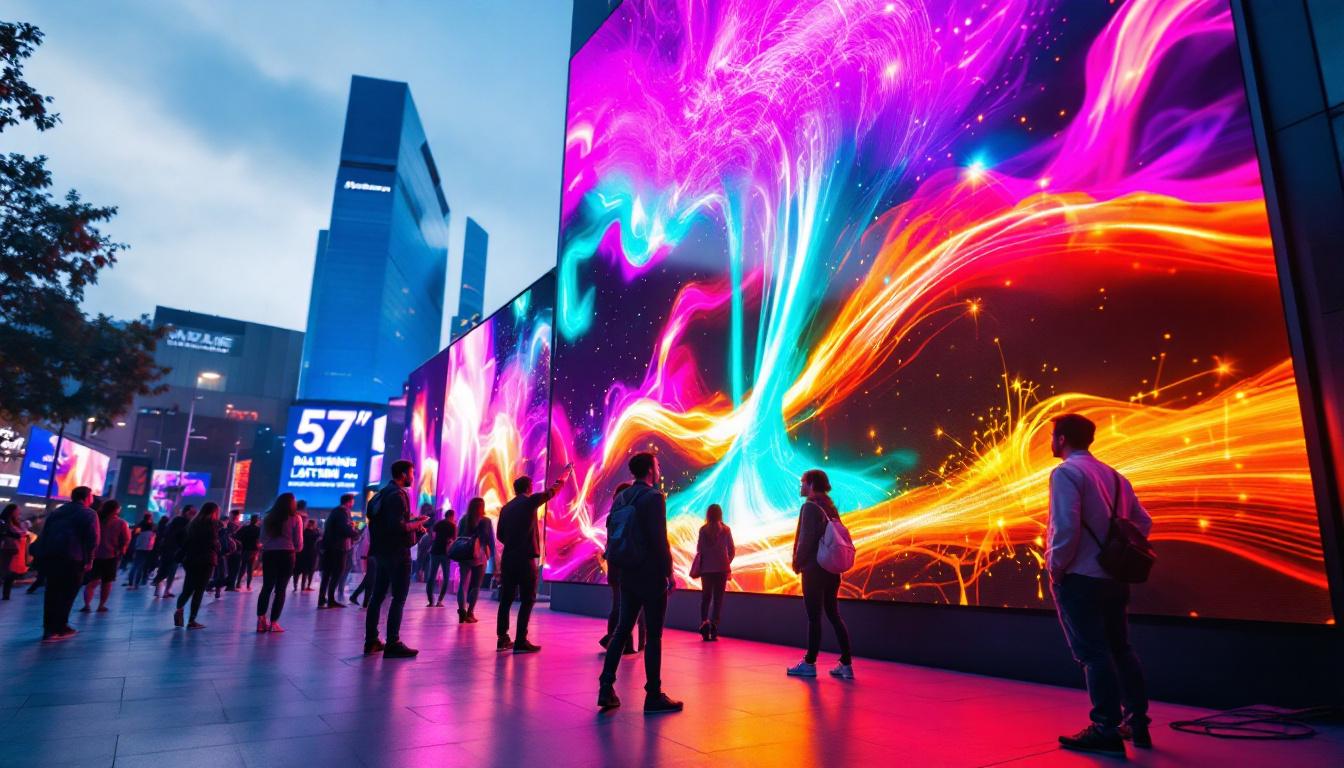
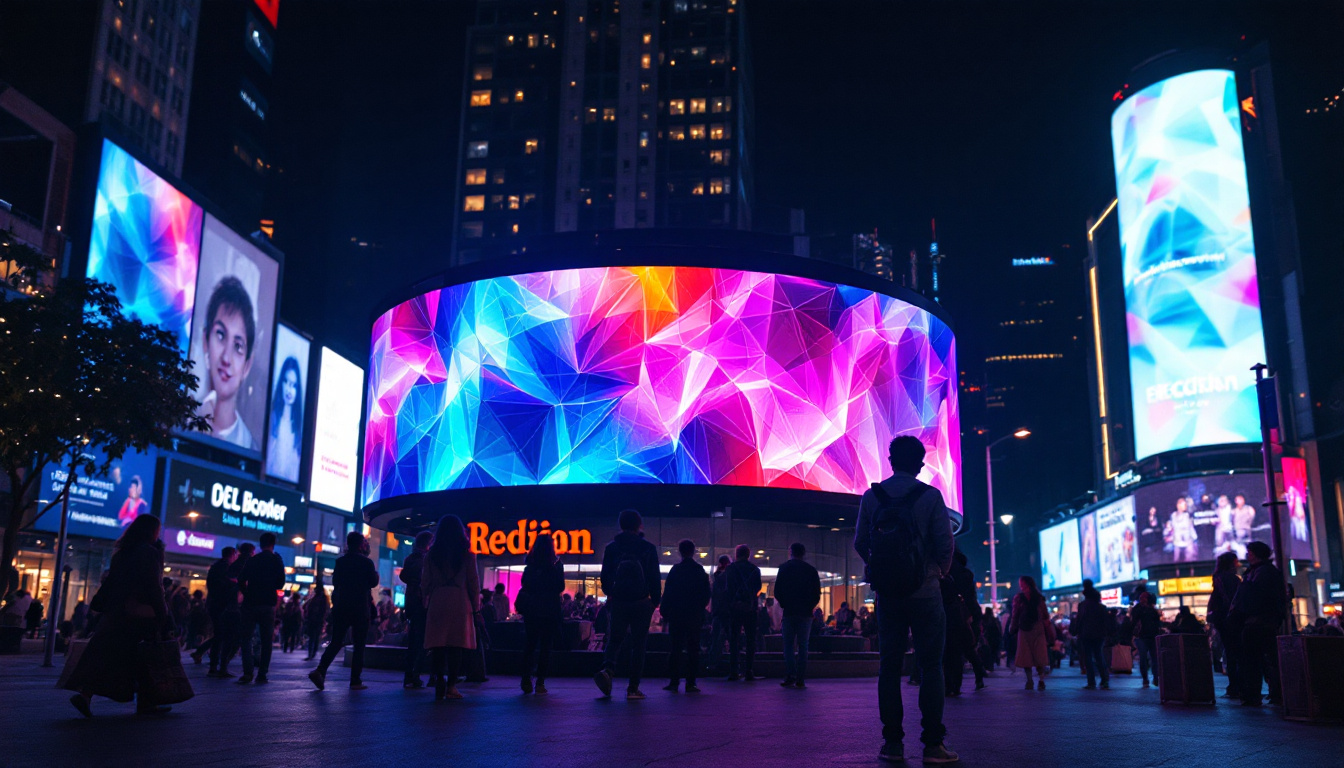
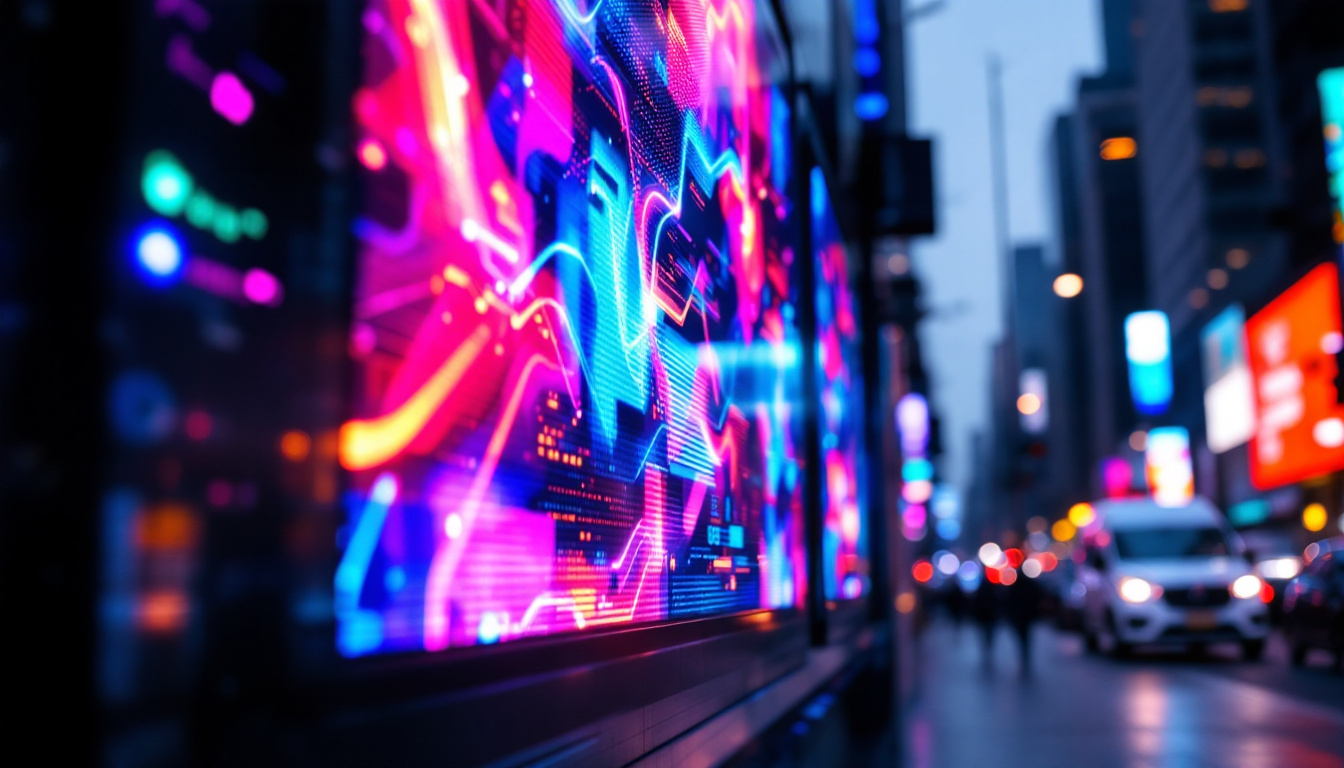
DOOH screens refer to digital displays placed in public environments such as shopping malls, transit stations, airports, and urban streets. Unlike traditional static billboards, DOOH screens offer dynamic content that can be updated in real-time, tailored to audience demographics, weather, or time of day. Among the various display technologies used, LED (Light Emitting Diode) screens stand out for their brightness, durability, and scalability.
What Are LED Displays?
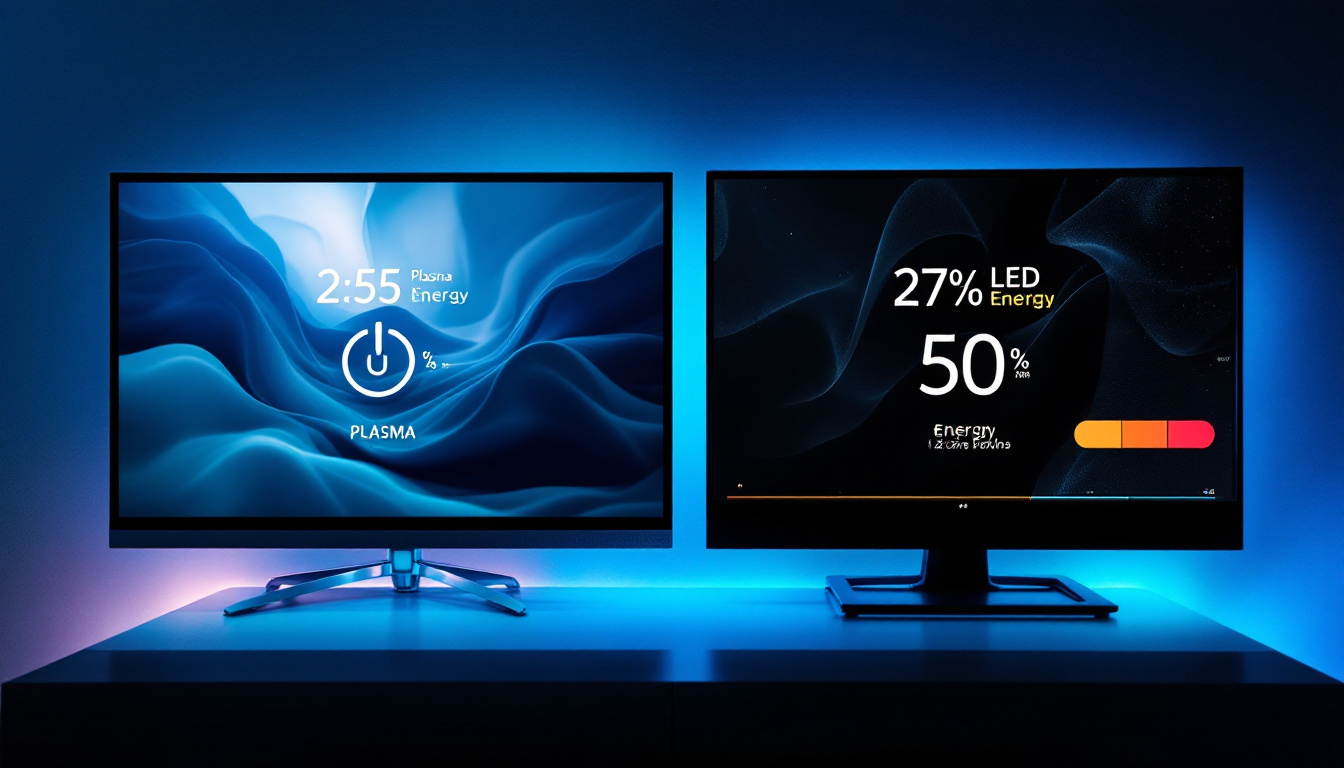
LED displays are composed of numerous tiny light-emitting diodes that collectively form images and videos. Each diode acts as a pixel, and by varying the intensity and color of these pixels, the screen produces vibrant, high-resolution content. LED technology is highly energy-efficient compared to older display types like LCD or plasma, making it ideal for continuous operation in outdoor environments.
One of the key advantages of LED screens is their exceptional brightness. Outdoor LED displays can reach brightness levels of 5,000 to 10,000 nits, ensuring visibility even under direct sunlight. This makes them perfect for urban settings where ambient light conditions can be challenging. Additionally, the longevity of LED technology means that these screens can operate for tens of thousands of hours, reducing the need for frequent replacements and maintenance, which is a significant cost-saving factor for businesses.
Types of LED Screens in DOOH
LED screens used in DOOH advertising come in various forms, each suited to different applications:
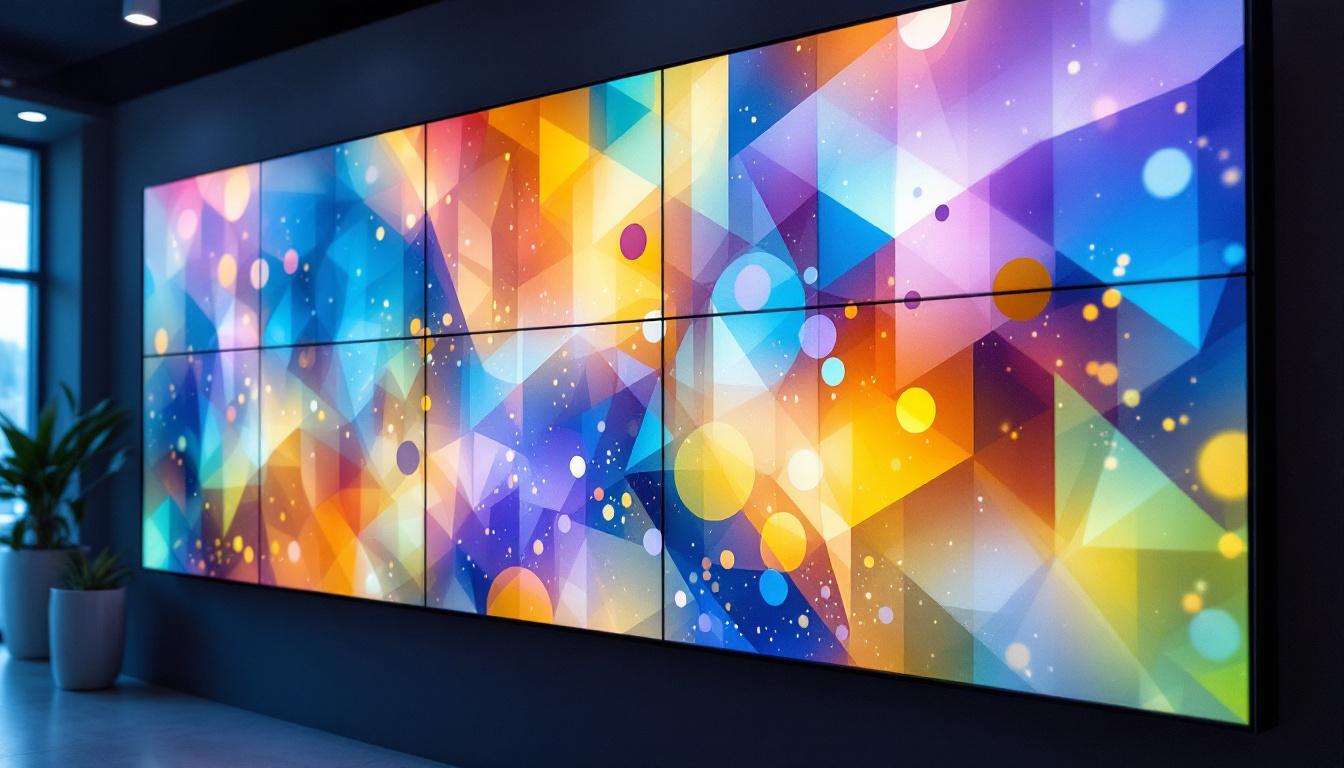
- Indoor LED Displays: Designed for controlled lighting environments such as malls or airports, these screens have higher pixel density for close-up viewing.
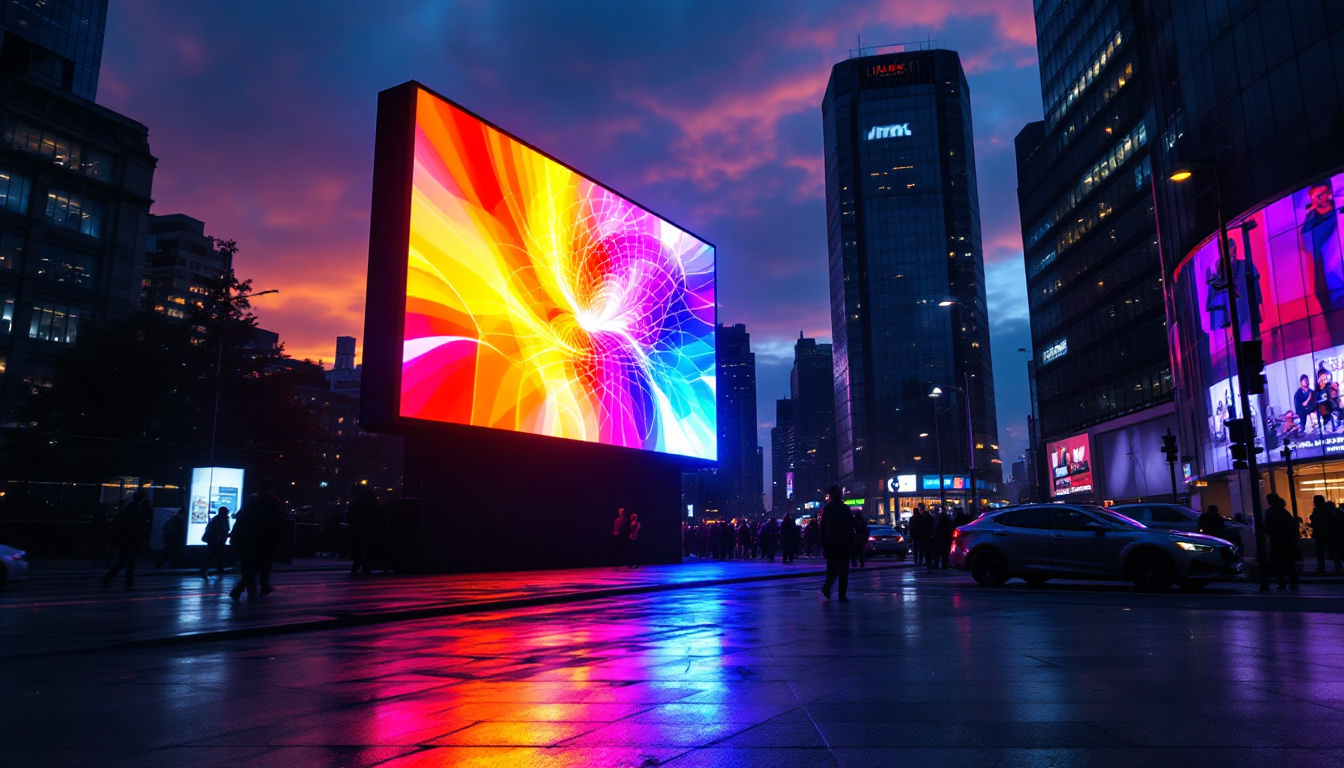
- Outdoor LED Displays: Built to withstand weather elements, these displays have robust enclosures and high brightness for visibility in daylight.
- Transparent LED Screens: These innovative displays allow light to pass through, making them ideal for storefront windows without obstructing the view.
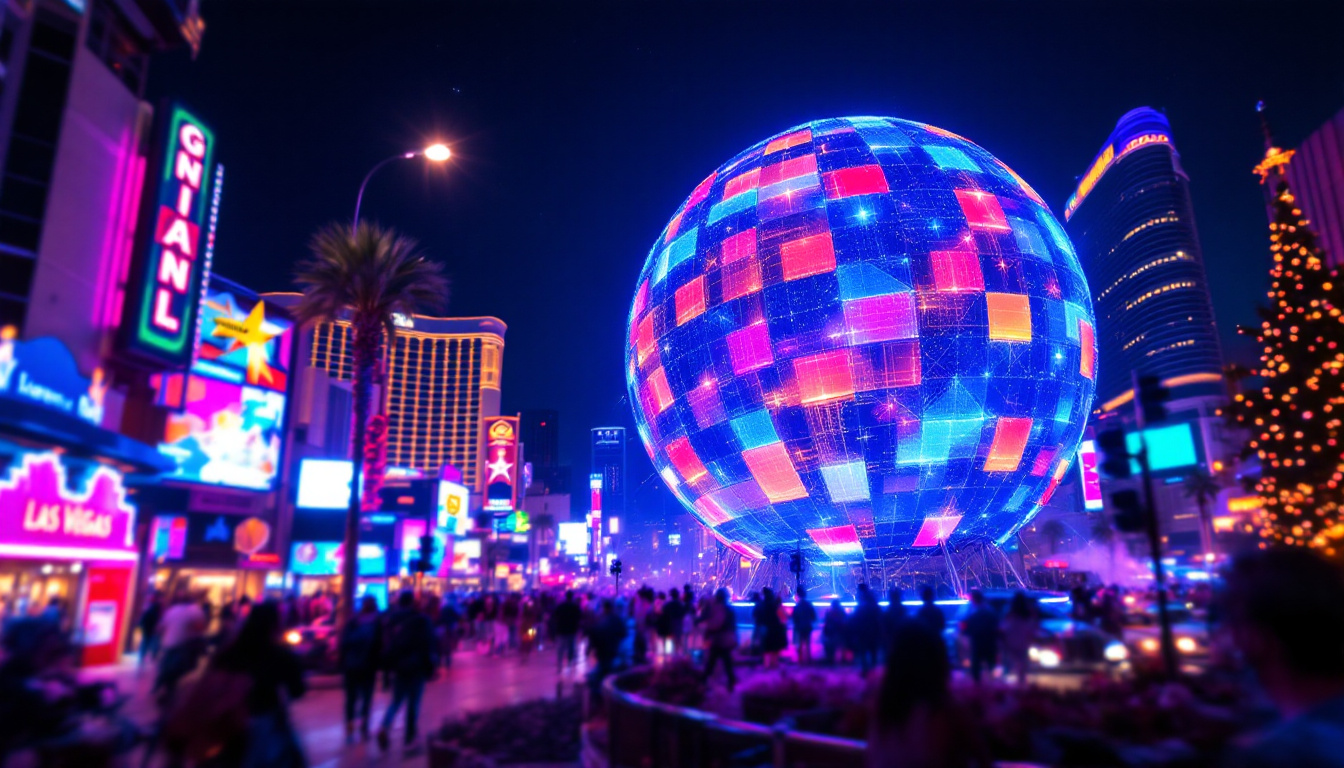
- Flexible LED Screens: Curved or irregular surfaces can be covered with flexible LED panels, enabling creative installations on architectural structures.
Moreover, the versatility of LED technology extends to its ability to support various content formats, from static images to full-motion video. This adaptability allows advertisers to engage audiences with captivating narratives and interactive experiences. For instance, some DOOH screens are integrated with sensors that detect audience engagement, enabling real-time content adjustments based on viewer reactions. This level of interactivity not only enhances the effectiveness of advertising campaigns but also fosters a deeper connection between brands and consumers.
As cities evolve and the demand for innovative advertising solutions increases, the role of DOOH screens is becoming more prominent. Urban planners and marketers are increasingly recognizing the potential of these digital displays to transform public spaces into vibrant, interactive environments. By incorporating augmented reality and artificial intelligence, future iterations of DOOH technology could revolutionize how we experience advertising, creating immersive experiences that blend seamlessly with our daily lives.
The Impact of LED DOOH Screens on Advertising Effectiveness
DOOH advertising has seen significant growth in recent years, with global spending expected to surpass $40 billion by 2025. LED screens play a critical role in this expansion by offering advertisers unparalleled opportunities to engage audiences.
Enhanced Visual Engagement
Research shows that dynamic digital content on LED screens can increase audience recall by up to 47% compared to static ads. The combination of motion, color, and brightness captures attention more effectively, especially in busy urban environments where consumers are bombarded with stimuli.
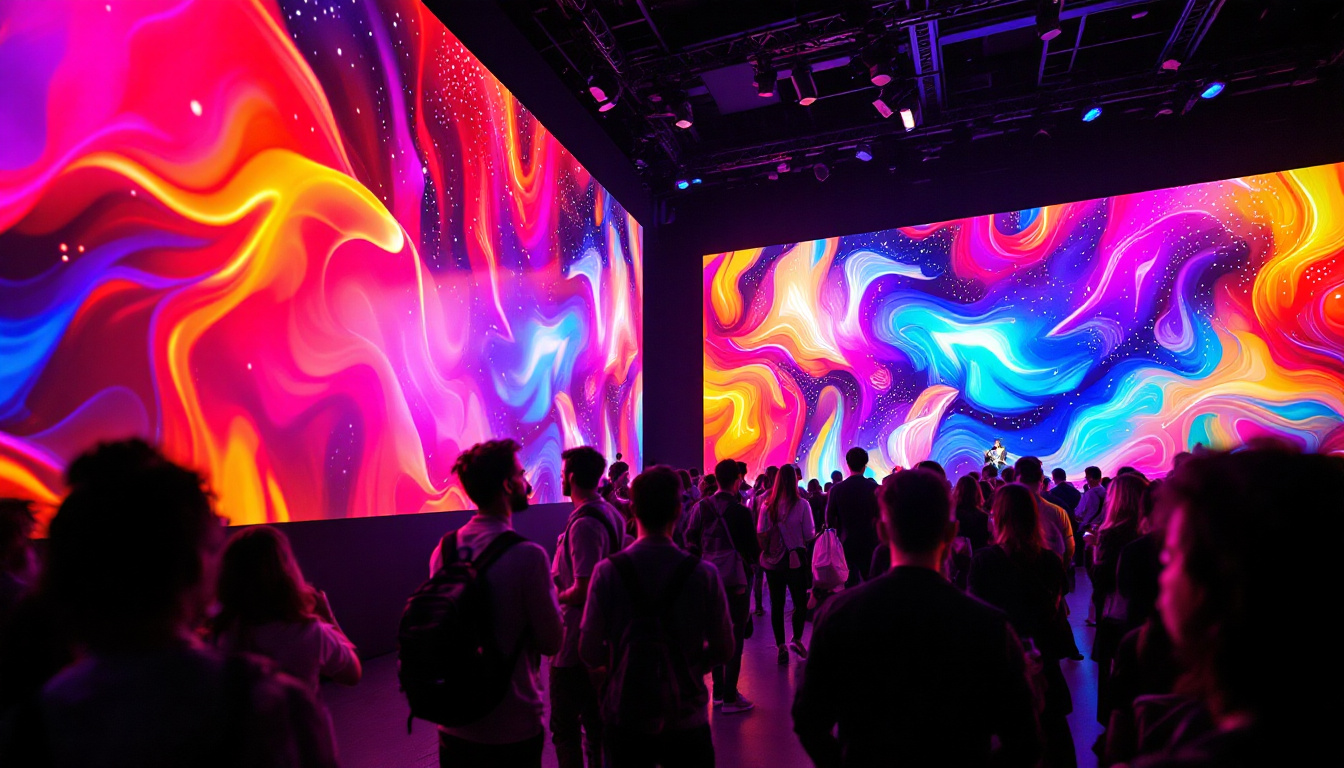
Moreover, LED screens support high-definition video and animations, enabling brands to tell richer stories and create emotional connections. For example, during major sporting events or festivals, LED DOOH screens have been used to broadcast live feeds and interactive content, significantly boosting viewer engagement. This immersive experience not only captivates passersby but also encourages them to share their experiences on social media, further amplifying the reach of the advertisement.
Additionally, the strategic placement of LED screens in high-traffic areas ensures that brands can reach a diverse audience, from daily commuters to tourists. The ability to showcase localized content tailored to specific demographics enhances the relevance of the advertisement, making it more likely to resonate with viewers and drive action.
Real-Time Content Flexibility
One of the most compelling advantages of LED DOOH screens is the ability to update content instantly. Advertisers can tailor messages based on real-time data such as weather, traffic, or social media trends. For instance, a coffee brand might promote hot beverages during a cold morning or highlight iced drinks on a sunny afternoon.
This agility allows campaigns to be more relevant and timely, increasing their impact. It also enables programmatic advertising, where ads are bought and displayed automatically based on audience metrics, maximizing return on investment. The ability to pivot quickly in response to current events or trending topics can create a sense of urgency and relevance that static ads simply cannot achieve.
Moreover, brands can experiment with A/B testing on LED screens, displaying different versions of an ad to gauge which resonates better with the audience. This data-driven approach not only enhances the effectiveness of individual campaigns but also contributes to a deeper understanding of consumer preferences over time.
Measurable Audience Insights
Modern LED DOOH installations often integrate sensors and cameras to gather anonymized demographic data, such as age range and gender, as well as engagement metrics like dwell time. This data helps advertisers optimize their campaigns and better understand consumer behavior in physical spaces.
By combining LED screen technology with analytics platforms, brands can track which ads perform best, at what times, and in which locations, enabling continuous improvement and more efficient media spend. The insights gained from this data can inform not only future advertising strategies but also broader marketing initiatives, allowing brands to align their messaging with consumer interests and behaviors.
Furthermore, the integration of mobile technology with LED DOOH screens opens up new avenues for interaction. For instance, QR codes displayed on screens can lead to exclusive promotions or content, driving traffic to websites or social media platforms. This seamless blend of digital and physical advertising creates a holistic consumer experience that encourages engagement and fosters brand loyalty.
Technical Considerations for LED DOOH Screens
Deploying LED screens for DOOH advertising requires careful planning and technical expertise. Several factors influence the effectiveness and longevity of these installations.
Resolution and Pixel Pitch
Pixel pitch refers to the distance between individual LEDs on a display, measured in millimeters. A smaller pixel pitch means higher resolution and sharper images, which is crucial for screens viewed up close. Conversely, larger pixel pitches are suitable for large-format outdoor screens viewed from a distance.
Choosing the right pixel pitch balances cost and visual quality. For example, an indoor LED screen in a retail store might have a pixel pitch of 1.5mm to 2.5mm, while a roadside billboard could use 10mm to 20mm.
Brightness and Contrast Ratio
Brightness is measured in nits, and higher values ensure visibility under bright ambient light. Outdoor LED screens typically require brightness levels above 5,000 nits, while indoor screens can operate at lower levels around 800 to 1,200 nits.
Contrast ratio—the difference between the darkest black and brightest white—also affects image clarity. LED displays generally offer excellent contrast ratios, enhancing the vibrancy of colors and making content more eye-catching.
Durability and Maintenance
Outdoor LED screens must endure harsh weather conditions, including rain, wind, dust, and temperature fluctuations. High-quality enclosures with IP65 or higher ratings protect the components from moisture and debris.
Regular maintenance is essential to ensure consistent performance. This includes cleaning the screen surface, checking for dead pixels, and updating firmware. Advances in modular LED panel design have made repairs faster and more cost-effective by allowing individual sections to be replaced without dismantling the entire display.
Power Consumption and Sustainability
Energy efficiency is a growing concern in the DOOH industry. LED technology is inherently more energy-efficient than older display types, but large-scale installations can still consume significant power.
Innovations such as adaptive brightness control—where screens automatically adjust brightness based on ambient light—and the use of renewable energy sources are helping operators reduce their environmental footprint. Sustainable DOOH practices not only lower operational costs but also align with corporate social responsibility goals.
Emerging Trends and the Future of LED DOOH Screens
The LED DOOH landscape continues to evolve rapidly, driven by technological advancements and changing consumer behaviors.
Integration with Artificial Intelligence and IoT
Artificial intelligence (AI) is enabling smarter content delivery on LED DOOH screens. AI algorithms analyze real-time data to optimize ad selection, timing, and placement, ensuring messages resonate with the current audience.
Internet of Things (IoT) connectivity allows LED screens to interact with other devices and sensors in the environment, creating immersive and interactive experiences. For example, a screen might respond to nearby smartphone signals or environmental cues to customize content dynamically.
Interactive and Immersive Experiences
Touch-enabled LED displays and gesture recognition technologies are making DOOH advertising more interactive. Consumers can engage directly with the content, participate in polls, or access additional information, deepening brand engagement.
Augmented reality (AR) and mixed reality (MR) integrations are also emerging, where LED screens serve as portals to virtual experiences, blending physical and digital worlds in public spaces.
Miniaturization and Flexible Displays
Advances in LED manufacturing are producing thinner, lighter, and more flexible panels. This opens up new possibilities for creative installations on curved surfaces, ceilings, and even wearable devices, expanding the reach and impact of DOOH advertising.
Conclusion
LED displays have become the cornerstone of DOOH advertising, offering unmatched brightness, flexibility, and engagement potential. As brands seek to connect with consumers in increasingly crowded and competitive environments, LED DOOH screens provide a dynamic platform to deliver compelling messages with precision and impact.
With ongoing innovations in AI, interactivity, and sustainable design, the future of LED DOOH screens promises even greater opportunities for advertisers to captivate audiences and drive meaningful results in the physical world.
Discover LumenMatrix’s Innovative LED Display Solutions
As you consider the transformative power of LED DOOH screens for your advertising needs, LumenMatrix stands at the forefront of this dynamic industry. Our commitment to innovation ensures that your brand benefits from the most advanced LED display modules available. From captivating Indoor LED Wall Displays to robust Outdoor LED Wall Displays, and from versatile Vehicle LED Displays to sleek LED Poster Displays, we offer a comprehensive range of solutions tailored to your unique requirements. Experience the future of visual communication with our LED Sports Displays, interactive Floor LED Displays, and the revolutionary All-in-One LED Display. Let LumenMatrix help you enhance engagement and share your message with unparalleled clarity. Check out LumenMatrix LED Display Solutions today and see how we can illuminate your brand’s potential.