As display technology continues to evolve rapidly, understanding the standards that govern how video signals are transmitted and rendered becomes essential. The DisplayPort 1.4 (DP 1.4) specification is a significant milestone in this evolution, especially when it comes to driving high-resolution LED displays. This article delves into the DP 1.4 specification, explaining its features, benefits, and how it impacts LED display technology in modern applications.
What is DisplayPort 1.4?
DisplayPort is a digital display interface developed by the Video Electronics Standards Association (VESA) to connect a video source to a display device, such as a monitor or television. The 1.4 version of DisplayPort, released in March 2016, introduced several enhancements over its predecessors, focusing on higher bandwidth, improved color depth, and support for advanced display technologies.
DP 1.4 supports a maximum data rate of 32.4 Gbps (gigabits per second), which translates to a raw bandwidth of 25.92 Gbps after accounting for encoding overhead. This bandwidth enables the transmission of ultra-high-definition video signals, including 4K at 120Hz, 5K at 60Hz, and even 8K at 60Hz with compression. The ability to handle such high resolutions and refresh rates makes DisplayPort 1.4 a preferred choice for gamers, content creators, and professionals who rely on high-quality visuals for their work or entertainment.
Key Features of DP 1.4
- High Bit Rate 3 (HBR3): DP 1.4 uses HBR3 signaling, which supports 8.1 Gbps per lane across four lanes, totaling 32.4 Gbps.
- Display Stream Compression 1.2 (DSC): This visually lossless compression technology allows for higher resolutions and refresh rates without increasing bandwidth requirements.
- HDR Support: DP 1.4 supports High Dynamic Range (HDR) metadata transport, enabling richer color and contrast on compatible displays.
- Forward Error Correction (FEC): Improves signal reliability by detecting and correcting errors during transmission.
- Support for Multi-Stream Transport (MST): Allows multiple independent displays to be driven from a single DP output.
In addition to these features, DisplayPort 1.4 also enhances audio capabilities by supporting up to 32 audio channels and a sample rate of 1536 kHz, providing a rich audio experience that complements its video performance. This makes it an excellent choice for home theater setups and professional audio workstations. Furthermore, the versatility of DisplayPort allows it to be used in a wide range of applications, from gaming and graphic design to virtual reality, where high frame rates and low latency are crucial for an immersive experience.
Another noteworthy aspect of DisplayPort 1.4 is its backward compatibility with earlier versions of DisplayPort, ensuring that users can connect their existing devices without any issues. This feature is particularly beneficial for those who may not yet have upgraded to the latest display technology but still want to take advantage of the improved capabilities offered by DP 1.4. As display technology continues to evolve, DisplayPort remains a key player in the industry, adapting to the needs of consumers and professionals alike with its robust feature set and ongoing support for new advancements.
Understanding LED Displays and Their Requirements
LED displays have become ubiquitous in various sectors, from consumer televisions and computer monitors to large-scale digital signage and video walls. The term “LED display” generally refers to screens that use light-emitting diodes as the primary source of illumination and pixel generation. These displays can be categorized broadly into two types: direct-view LED (DVLED) panels and LED-backlit LCDs.
Direct-view LED displays consist of arrays of LEDs that form the image directly, offering superior brightness, contrast, and viewing angles. These are commonly used in outdoor advertising, stadium screens, and high-end indoor video walls. On the other hand, LED-backlit LCDs use LEDs as a backlight source behind an LCD panel, enhancing brightness and energy efficiency compared to traditional CCFL backlighting.
Display Requirements for LED Panels
Driving LED displays effectively requires interfaces that can handle high resolutions, fast refresh rates, and accurate color representation. For example, a 4K LED video wall operating at 120Hz demands a data throughput exceeding what older standards like HDMI 1.4 or DP 1.2 can provide.
Additionally, modern LED displays often support HDR content, which requires the transmission of metadata and higher bit depths (10-bit or more) for color accuracy. Synchronization and low latency are also critical, especially in live event environments or gaming applications.
How DP 1.4 Enhances LED Display Performance
The DP 1.4 specification was designed to meet and exceed the demands of contemporary display technologies, making it particularly well-suited for LED displays. Below are some ways DP 1.4 improves LED display performance:
1. Increased Bandwidth for Higher Resolutions and Refresh Rates
DP 1.4’s HBR3 signaling supports data rates up to 32.4 Gbps, enabling uncompressed transmission of 4K resolution at 120Hz or 8K at 60Hz with DSC. This capability is crucial for LED displays that require ultra-high resolutions and smooth motion rendering, such as digital signage in airports or control rooms.
For instance, a 4K LED video wall used in a broadcast studio benefits from the ability to display high-frame-rate content without compression artifacts or latency issues, ensuring crisp and fluid visuals.
2. Display Stream Compression (DSC) for Efficient Data Transmission
One of the standout features of DP 1.4 is the support for VESA’s Display Stream Compression 1.2. DSC is a visually lossless compression technique that reduces the data rate required to transmit high-resolution video without perceptible quality loss.
This means LED displays can receive 8K HDR content or multi-display setups without needing prohibitively expensive or complex cabling and hardware. DSC effectively extends the capabilities of DP 1.4, making it future-proof for emerging display technologies.
3. Enhanced Color and HDR Support
DP 1.4 supports HDR10 metadata transport, allowing LED displays to render images with higher dynamic range and improved color accuracy. This is particularly important for professional applications like medical imaging, digital cinema, and design studios where color fidelity is paramount.
Moreover, DP 1.4 supports 10-bit and 12-bit color depths, enabling billions of colors to be displayed. This depth enhances the visual experience on LED displays by reducing banding and providing smoother gradients.
4. Forward Error Correction (FEC) for Signal Integrity
FEC is a mechanism that detects and corrects errors in the transmitted data stream, improving reliability and reducing artifacts caused by signal degradation. This is especially beneficial for long cable runs or electrically noisy environments common in large LED installations.
By incorporating FEC, DP 1.4 ensures that LED displays receive clean, error-free signals, maintaining image quality and reducing maintenance needs.
Practical Applications of DP 1.4 in LED Displays
The capabilities of DP 1.4 have led to its widespread adoption in various industries where LED displays are critical. Understanding these applications helps illustrate why DP 1.4 is a game-changer.
Digital Signage and Outdoor Advertising
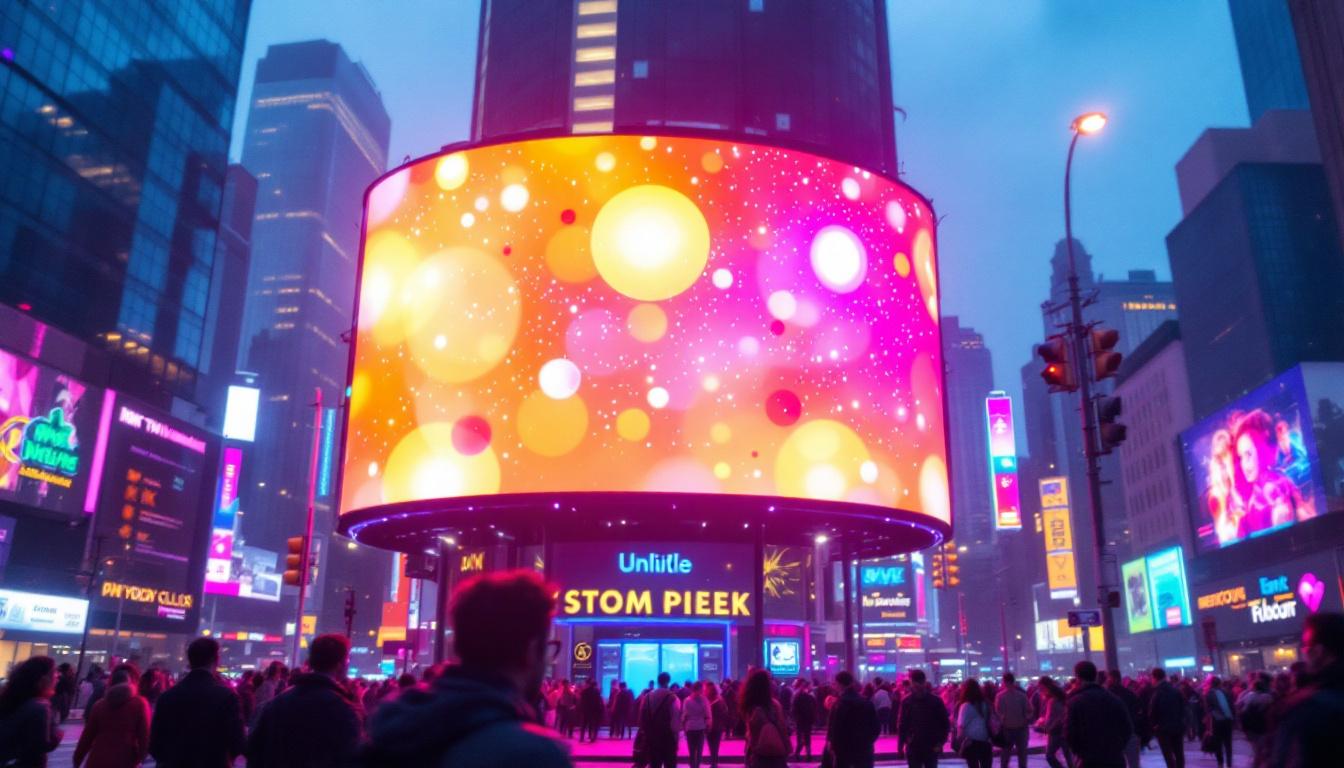
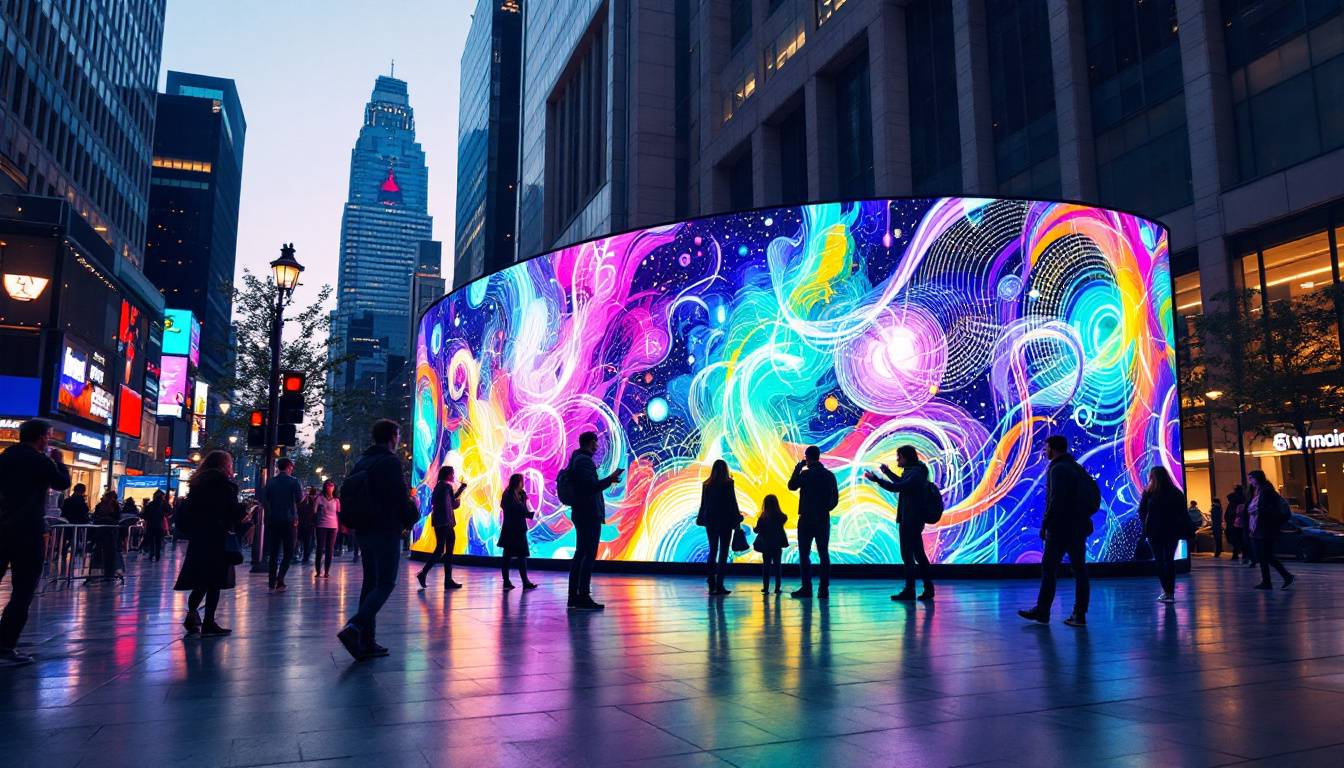
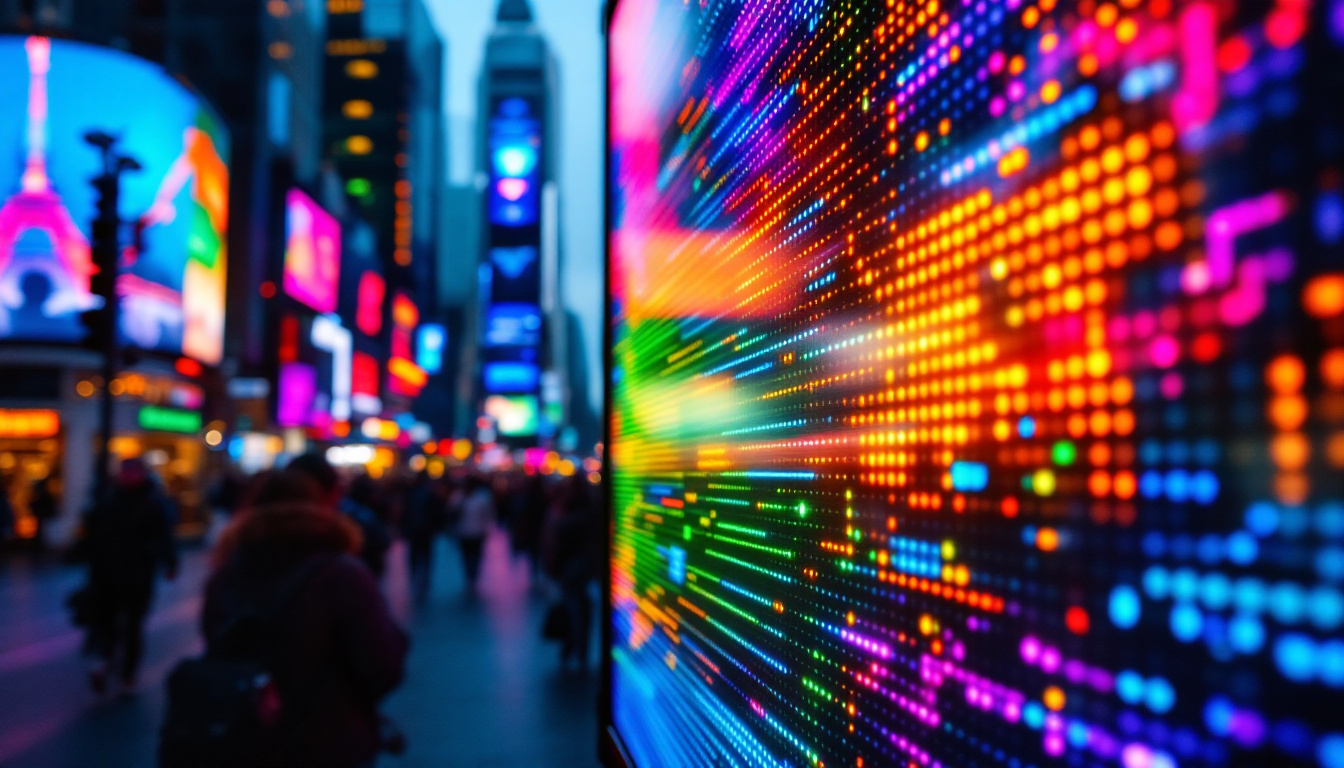
Large-scale LED billboards and digital signage require high brightness, vivid colors, and dynamic content delivery. DP 1.4’s high bandwidth and DSC enable these displays to showcase ultra-high-definition video content with smooth motion and accurate colors, even in challenging outdoor environments.
For example, Times Square in New York City features massive LED displays that benefit from advanced interfaces like DP 1.4 to deliver eye-catching advertisements and live event broadcasts.
Professional Video Walls and Control Rooms
Control rooms for utilities, transportation, and emergency services rely on LED video walls to display critical real-time data. DP 1.4’s MST feature allows multiple displays to be driven from a single source, simplifying cabling and configuration.
The high refresh rates and HDR support ensure that operators receive clear, detailed visuals necessary for making quick decisions.
Gaming and Entertainment
Gaming monitors and home theater setups increasingly use LED displays that support high refresh rates and HDR. DP 1.4 enables 4K gaming at 120Hz with HDR, delivering immersive experiences with reduced latency and stunning visuals.
Gamers benefit from smoother frame transitions and richer colors, while content creators enjoy accurate color reproduction for editing and rendering.
Comparing DP 1.4 with Other Display Interfaces
To fully appreciate DP 1.4’s strengths, it’s useful to compare it with other common display interfaces, such as HDMI 2.0 and USB-C with DisplayPort Alternate Mode.
DP 1.4 vs HDMI 2.0
While HDMI 2.0 supports 18 Gbps bandwidth, DP 1.4 offers nearly double that at 32.4 Gbps. This difference allows DP 1.4 to handle higher resolutions and refresh rates more comfortably. Additionally, DP 1.4’s support for DSC and MST provides flexibility not available in HDMI 2.0.
However, HDMI 2.1, the newer HDMI standard, closes the gap by supporting up to 48 Gbps and features like DSC and HDR. Despite this, DP 1.4 remains favored in professional and PC environments due to its versatility and multi-display capabilities.
DP 1.4 and USB-C DisplayPort Alternate Mode
USB-C ports often support DisplayPort Alternate Mode, allowing video signals to be transmitted over USB-C cables. DP 1.4’s integration with USB-C enables thin and versatile device designs, such as laptops and tablets, to connect to high-performance LED displays without bulky adapters.
This combination is increasingly common in modern computing devices, facilitating seamless connectivity for high-resolution external monitors and video walls.
Future Outlook: Beyond DP 1.4
While DP 1.4 remains a robust standard for LED displays, the industry is already moving toward newer specifications like DisplayPort 2.0, which promises even higher bandwidths exceeding 80 Gbps. This advancement will support 16K resolutions, higher refresh rates, and more complex multi-display setups without compression.
Nevertheless, DP 1.4 will continue to play a vital role in current and near-future LED display applications due to its widespread adoption and compatibility with existing hardware.
Emerging Trends in LED Display Technology
Alongside interface improvements, LED display technology is evolving with innovations like microLED, which offers better energy efficiency, brightness, and lifespan compared to traditional LEDs. These advancements will demand interfaces capable of handling even more data, reinforcing the importance of standards like DP 1.4 and beyond.
Moreover, the rise of virtual reality (VR), augmented reality (AR), and mixed reality (MR) applications is driving demand for ultra-high-resolution, low-latency displays, further underscoring the need for advanced display interfaces.
Conclusion
The DisplayPort 1.4 specification represents a critical advancement in the transmission of high-quality video signals to LED displays. By offering increased bandwidth, advanced compression, HDR support, and error correction, DP 1.4 enables LED displays to deliver stunning visuals across a range of applications—from digital signage and professional video walls to gaming and entertainment.
Understanding DP 1.4’s capabilities helps manufacturers, integrators, and end-users make informed decisions about display technology and connectivity solutions. As LED display technology continues to advance, standards like DP 1.4 will remain foundational in delivering the immersive, high-fidelity visual experiences that modern users expect.
Explore Cutting-Edge LED Displays with LumenMatrix
Ready to experience the future of visual communication? LumenMatrix is at the forefront of LED display technology, offering a wide array of innovative solutions that bring your content to life. From vibrant Indoor and Outdoor LED Wall Displays to dynamic Vehicle and Sports LED Displays, our products are designed to captivate and engage your audience. Discover the transformative power of our LED Poster Displays, Floor Displays, Custom Solutions, All-in-One, and Transparent Displays. Elevate your brand’s visibility and create unforgettable visual experiences with LumenMatrix. Check out LumenMatrix LED Display Solutions today and see the difference for yourself.