In the rapidly evolving world of digital signage and display technology, understanding the nuances of LED displays is essential for businesses, designers, and technology enthusiasts alike. The term “Dp 1.4A” may seem technical at first glance, but it represents a significant step forward in LED display standards and capabilities. This article delves deep into what Dp 1.4A entails, how LED displays function, and why this technology is shaping the future of visual communication.
Understanding LED Display Technology
What is an LED Display?
LED, or Light Emitting Diode, displays are screens that use tiny light-emitting diodes to create images. Unlike traditional LCD or plasma screens, LED displays rely on these diodes as individual pixels or groups of pixels to emit light directly. This direct emission results in brighter images, better contrast ratios, and more vibrant colors. The technology behind LED displays has evolved significantly over the years, leading to enhancements in efficiency and performance, making them suitable for a wide range of environments.
LED displays are widely used in various applications, including television screens, outdoor billboards, stadium scoreboards, and indoor digital signage. Their versatility and efficiency have made them a preferred choice for high-impact visual communication. In addition to their brightness and color capabilities, LED displays are also known for their longevity and durability. With a lifespan that can exceed 100,000 hours, these displays not only reduce the frequency of replacements but also lower maintenance costs, making them a smart investment for businesses and consumers alike.
Types of LED Displays
There are primarily two types of LED displays: direct view LED (DVLED) and LED-backlit LCD. Direct view LED displays consist entirely of LEDs that form the image, whereas LED-backlit LCDs use LEDs as a backlight behind an LCD panel. The distinction between these two types is crucial for understanding their respective applications and performance characteristics.
Direct view LED displays are known for their superior brightness and ability to be viewed clearly even under direct sunlight, making them ideal for outdoor advertising and large-scale events. They can be configured in various shapes and sizes, allowing for creative installations that capture attention in unique ways. On the other hand, LED-backlit LCDs are common in consumer electronics like laptops and televisions, offering good color accuracy and energy efficiency. This type of display is particularly favored for home entertainment systems, where the combination of vibrant visuals and energy savings enhances the viewing experience. As technology continues to advance, we can expect further innovations in LED display technology, leading to even more applications and improved performance across various industries.
What Does Dp 1.4A Mean?
Decoding the Term
The term “Dp 1.4A” refers to DisplayPort 1.4a, a version of the DisplayPort interface standard used to connect video sources to display devices such as monitors and LED screens. Developed by the Video Electronics Standards Association (VESA), DisplayPort 1.4a enhances the capabilities of previous versions by supporting higher resolutions, increased refresh rates, and improved color depth.
While DisplayPort itself is a connection standard rather than a display technology, its specifications directly impact the performance and quality of LED displays, especially in professional and high-end consumer applications. This makes it a vital component in various industries, from gaming and entertainment to graphic design and video production, where visual clarity and detail are paramount.
Key Features of DisplayPort 1.4a
DisplayPort 1.4a supports up to 8K resolution at 60Hz or 4K at 120Hz with HDR (High Dynamic Range). It also incorporates Display Stream Compression (DSC) 1.2, which allows for near-lossless compression to transmit ultra-high-definition video without requiring excessive bandwidth. This feature is particularly beneficial for users who want to maximize their display capabilities without compromising performance, as it allows for smoother playback and enhanced visual experiences.
Additionally, DisplayPort 1.4a supports HDR metadata transport, enabling richer color representation and better contrast on compatible LED displays. This is crucial for applications demanding high fidelity visuals, such as digital cinema, gaming, and professional content creation. The ability to convey HDR metadata means that users can enjoy a more immersive experience, with brighter highlights and deeper shadows that bring images to life. Furthermore, the standard also supports multiple display configurations, allowing users to connect multiple monitors through a single output, which is especially useful for multitasking and enhancing productivity in professional environments.
How Dp 1.4A Enhances LED Display Performance
Higher Resolution and Refresh Rates
One of the most significant advantages of DisplayPort 1.4a is its ability to handle ultra-high resolutions and refresh rates. For LED displays, this means crisper images and smoother motion, which are vital for both commercial and entertainment uses.
For example, an LED display used in a control room or broadcast studio can benefit from 4K resolution at 120Hz, providing operators with detailed visuals and fluid motion that reduce eye strain and improve situational awareness.
Moreover, the enhanced refresh rates are particularly beneficial in environments where real-time data visualization is critical, such as financial trading floors or security monitoring centers. In these scenarios, the ability to see rapid changes in data without motion blur can significantly impact decision-making processes, allowing operators to react swiftly and accurately to emerging situations.
Improved Color and Dynamic Range
HDR support in DisplayPort 1.4a allows LED displays to deliver a wider color gamut and enhanced contrast. This capability is essential for applications where color accuracy and vibrancy are paramount, such as digital advertising, art installations, and live event backdrops.
By transmitting HDR metadata, DisplayPort 1.4a ensures that LED displays can produce deep blacks and bright highlights simultaneously, creating a more immersive viewing experience. This is particularly important in the realm of digital cinema, where filmmakers strive to convey their artistic vision with precision. The ability to showcase a broader spectrum of colors and luminance levels means that audiences can experience films as intended, with every detail and nuance brought to life on screen.
Bandwidth Efficiency Through Compression
Display Stream Compression (DSC) 1.2 is a visually lossless compression technology integrated into DisplayPort 1.4a. It effectively doubles the data transmission capacity without compromising image quality.
This efficiency allows LED displays to achieve higher resolutions and refresh rates over existing cables and hardware, reducing the need for costly infrastructure upgrades. For large-scale LED video walls, this can translate into significant cost savings and simpler installation. Additionally, the ability to transmit high-quality video over longer distances without degradation opens up new possibilities for creative installations and presentations, where flexibility in display placement can enhance the overall impact of the visual experience.
Furthermore, DSC 1.2 supports a variety of resolutions and refresh rates, making it an adaptable solution for diverse applications. Whether for a high-end gaming setup, an immersive virtual reality experience, or a corporate presentation, the ability to maintain high fidelity while optimizing bandwidth usage ensures that users can enjoy cutting-edge technology without the limitations of traditional display interfaces.
Applications of Dp 1.4A-Compatible LED Displays
Professional and Commercial Use Cases
LED displays equipped with DisplayPort 1.4a connectivity are increasingly common in professional environments such as broadcast studios, control rooms, and corporate meeting spaces. The ability to display high-resolution, high-refresh-rate content with accurate colors makes these displays invaluable for critical decision-making and presentations.
In retail and advertising, LED video walls using Dp 1.4a can showcase dynamic, eye-catching content that attracts customers and enhances brand visibility. The technology supports seamless integration with modern content management systems, enabling real-time updates and interactive features.
Entertainment and Gaming
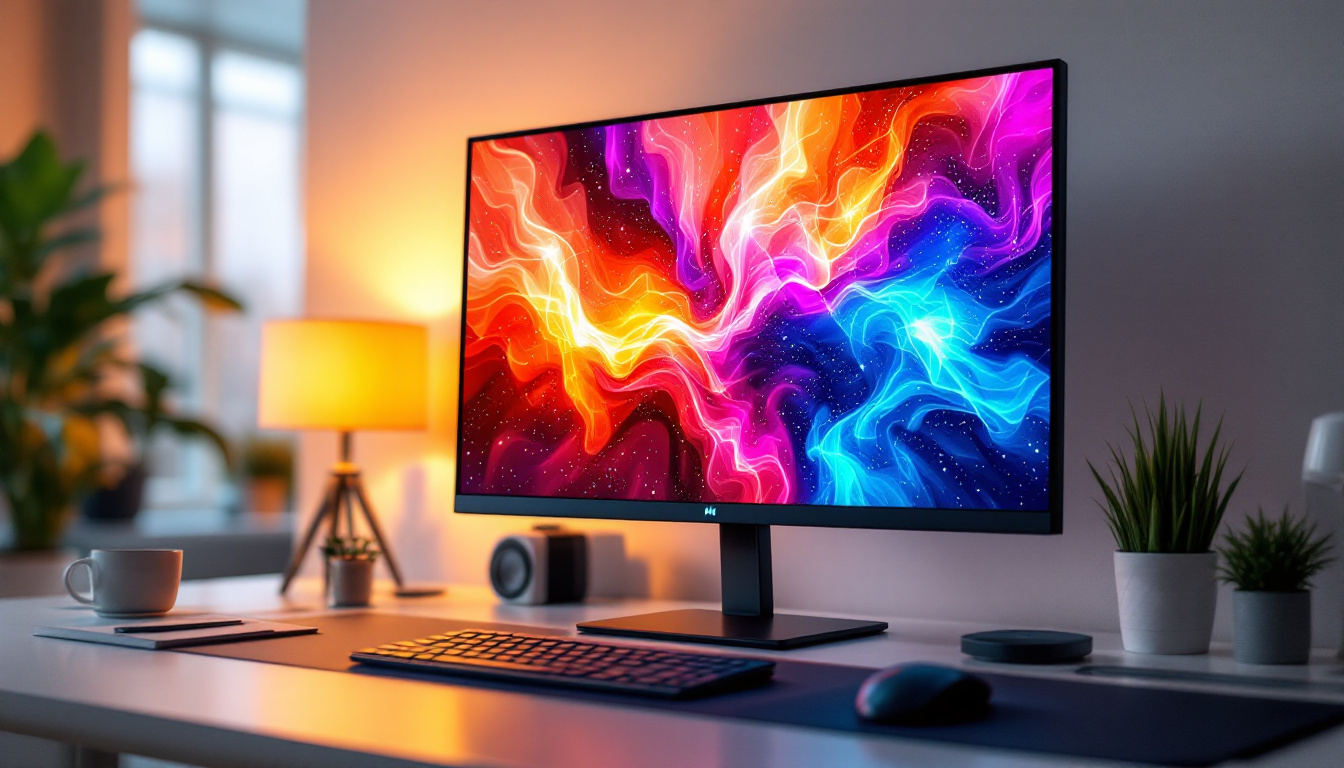
Gaming monitors and home theater setups benefit greatly from DisplayPort 1.4a’s high bandwidth and HDR support. Gamers experience smoother gameplay with reduced latency and stunning visuals, while home theaters can reproduce cinematic-quality images on large LED screens.
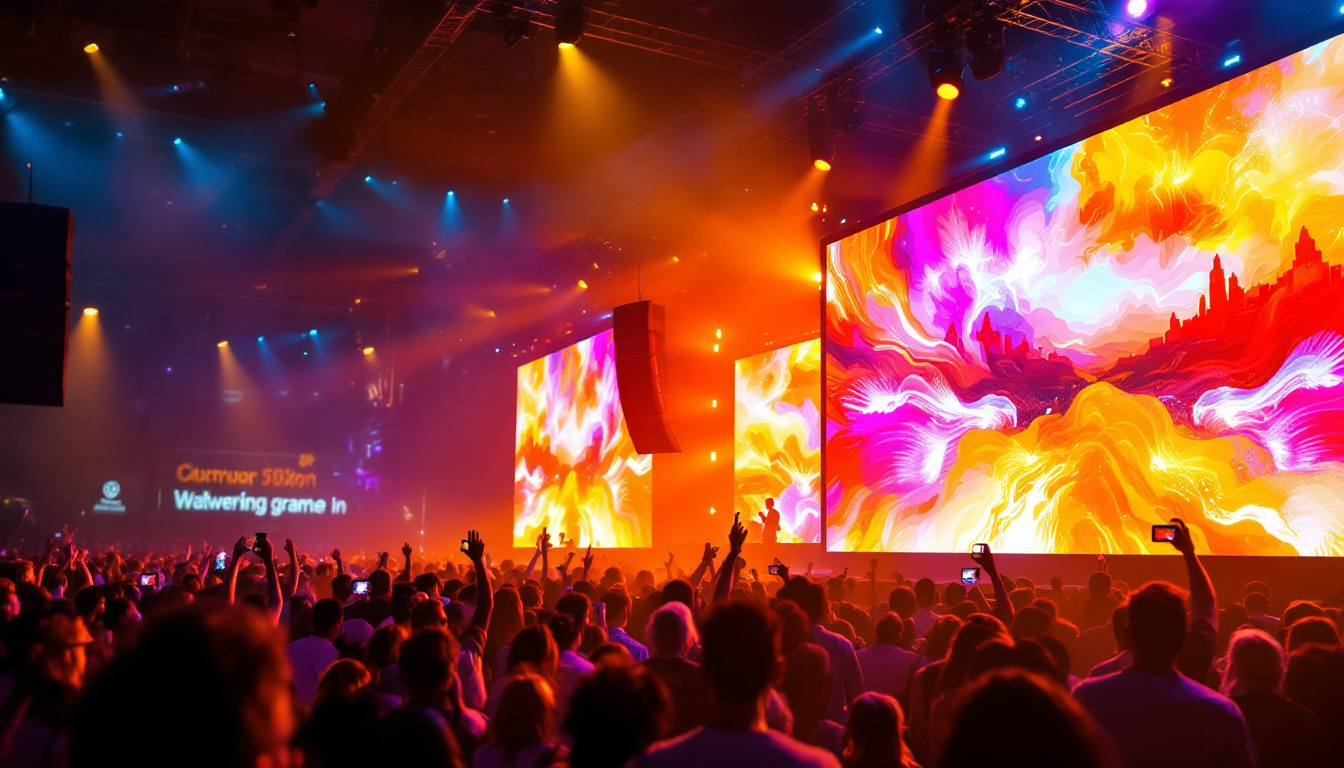
Furthermore, live event venues and concert stages utilize LED displays with DisplayPort 1.4a to deliver vibrant, high-resolution backdrops that synchronize with performances, enhancing audience engagement.
Choosing the Right LED Display with Dp 1.4A Support
Assessing Your Needs
When selecting an LED display with DisplayPort 1.4a compatibility, it is important to consider the intended application. For instance, outdoor advertising requires displays with high brightness and weather resistance, while indoor professional monitors prioritize color accuracy and refresh rates.
Understanding the content type—whether static images, video, or interactive media—also influences the choice of display specifications, including resolution, pixel pitch, and connectivity options.
Compatibility and Future-Proofing
Ensuring that your LED display supports DisplayPort 1.4a means investing in a technology that can handle emerging content standards and formats. This future-proofs your setup against rapid advancements in video quality and display capabilities.
Additionally, compatibility with other standards such as HDMI 2.1 and USB-C can offer greater flexibility in connecting diverse devices, making your LED display system more versatile.
Conclusion: The Impact of Dp 1.4A on LED Display Technology
DisplayPort 1.4a represents a pivotal advancement in the interface technology that powers modern LED displays. By enabling higher resolutions, faster refresh rates, and enhanced color fidelity through HDR and compression technologies, Dp 1.4A elevates the performance and versatility of LED screens across numerous industries.
For professionals seeking cutting-edge visual solutions, understanding the capabilities and benefits of Dp 1.4A-compatible LED displays is crucial. As digital signage, entertainment, and professional visualization continue to demand richer and more immersive content, this technology stands at the forefront of delivering exceptional viewing experiences.
In summary, the integration of DisplayPort 1.4a into LED display systems not only enhances current performance but also lays the groundwork for future innovations in digital display technology.
Explore the Future of LED Displays with LumenMatrix
Ready to experience the next level of visual communication? LumenMatrix is at the forefront of LED display innovation, offering a comprehensive range of solutions tailored to your unique needs. From captivating Indoor LED Wall Displays to dynamic Outdoor LED Wall Displays, and from versatile Vehicle LED Displays to sleek LED Poster Displays, our technology is designed to make your brand stand out. Discover how our LED Sports Displays, interactive Floor LED Displays, and Custom LED Display options can transform your space. Embrace the revolution with our All-in-One LED Displays and LED Transparent Displays, and see how LumenMatrix is redefining the art of engagement. Check out LumenMatrix LED Display Solutions today and join the visual revolution.