In the rapidly evolving world of display technology, understanding the differences between various screen types is essential for consumers, professionals, and enthusiasts alike. Two of the most prominent display technologies that have shaped the market over the past two decades are plasma screens and LED displays. While plasma displays once dominated large-screen televisions and commercial signage, LED technology has surged ahead, becoming the standard for most modern displays. This article delves into the intricacies of plasma and LED displays, explaining how each technology works, their advantages and disadvantages, and why LED displays have largely replaced plasma in today’s market.
Understanding Plasma Display Technology
How Plasma Screens Work
Plasma display panels (PDPs) operate by using small cells containing electrically charged ionized gases—plasma. Each cell acts as a tiny fluorescent lamp that emits ultraviolet light when excited by an electric current. This ultraviolet light then stimulates phosphor coatings inside the cell, producing visible light in red, green, or blue. By controlling the intensity of these colors in each cell, plasma screens create full-color images.
This technology was revolutionary when introduced in the late 1990s and early 2000s, especially for large-screen televisions. Plasma screens offered superior color accuracy, deeper blacks, and wider viewing angles compared to early LCD displays. The ability to produce images with such depth and vibrancy made them particularly appealing for home theaters, where the immersive experience is paramount. Additionally, the technology allowed for larger screen sizes without compromising on picture quality, which was a significant factor in their popularity during that era.
Advantages of Plasma Displays
One of the key strengths of plasma displays was their ability to produce rich, vibrant colors with excellent contrast ratios. Because each pixel emits its own light, plasma screens could achieve true black levels by simply turning off the plasma cells in dark areas of the image. This resulted in deep blacks and vibrant colors, making plasma TVs a favorite for movie enthusiasts and professionals who required accurate color reproduction. The color gamut offered by plasma technology was particularly beneficial for displaying high-definition content, as it could render subtle shades and gradients that other technologies struggled to replicate.
Additionally, plasma displays generally offered wider viewing angles without color distortion, an important feature for group viewing in living rooms or commercial environments. Their fast pixel response times also minimized motion blur, which was particularly beneficial for watching fast-paced sports or action movies. This responsiveness made plasma screens ideal for gaming as well, where quick reactions and fluid motion are crucial for an enjoyable experience. The combination of these features created a viewing experience that was often described as more lifelike and engaging than what was available from competing technologies at the time.
Limitations and Decline of Plasma Technology
Despite these advantages, plasma displays had several drawbacks. They were typically heavier and thicker than LCD or LED screens, making them less convenient for wall mounting or portability. Plasma screens also consumed more power, which became a significant concern as energy efficiency gained importance among consumers and regulators. The heat generated by plasma displays was another issue, as it could lead to increased cooling costs in warmer climates or during extended use, prompting some users to seek out more energy-efficient alternatives.
Another challenge was the risk of screen burn-in, where static images left on the screen for prolonged periods could cause permanent ghosting. Although manufacturers implemented various technologies to mitigate this issue, it remained a concern, especially for commercial applications like digital signage. Users were often advised to use screensavers or vary their content to avoid this problem. By the mid-2010s, plasma production declined sharply as LED and OLED technologies improved in quality and affordability. Major manufacturers ceased plasma TV production around 2014, marking the end of an era for plasma displays. The rapid advancements in LCD technology, particularly with the introduction of quantum dot and mini-LED backlighting, further accelerated the decline of plasma, as consumers began to prioritize thinner, lighter, and more energy-efficient options without sacrificing image quality. The legacy of plasma technology, however, continues to influence the design and performance of modern display technologies, as manufacturers strive to achieve the same level of color accuracy and contrast that plasma screens once offered.
LED Display Technology Explained
What is an LED Display?
LED stands for Light Emitting Diode, a semiconductor device that emits light when an electric current passes through it. In the context of displays, LED technology can refer to two primary implementations: LED-backlit LCD screens and direct LED displays such as large-format LED video walls.
Most consumer televisions marketed as “LED TVs” are actually LCD panels illuminated by LED backlights. This hybrid technology combines the liquid crystal display’s ability to control light passage with the energy efficiency and brightness of LEDs. On the other hand, direct LED displays use arrays of LEDs as individual pixels, commonly found in outdoor signage, stadium screens, and large indoor video walls.
How LED-Backlit LCDs Work
In LED-backlit LCDs, a matrix of liquid crystals modulates light passing through color filters to create images. The LEDs serve as the light source behind or along the edges of the LCD panel. Compared to older CCFL (cold cathode fluorescent lamp) backlights, LEDs offer better energy efficiency, longer lifespan, and improved brightness control.
Local dimming technology, where LEDs can be dimmed or turned off in specific zones, enhances contrast by darkening black areas without affecting bright parts of the image. This has helped LED-backlit LCDs close the gap with plasma displays in terms of contrast and black levels.
Direct LED Displays and Their Applications
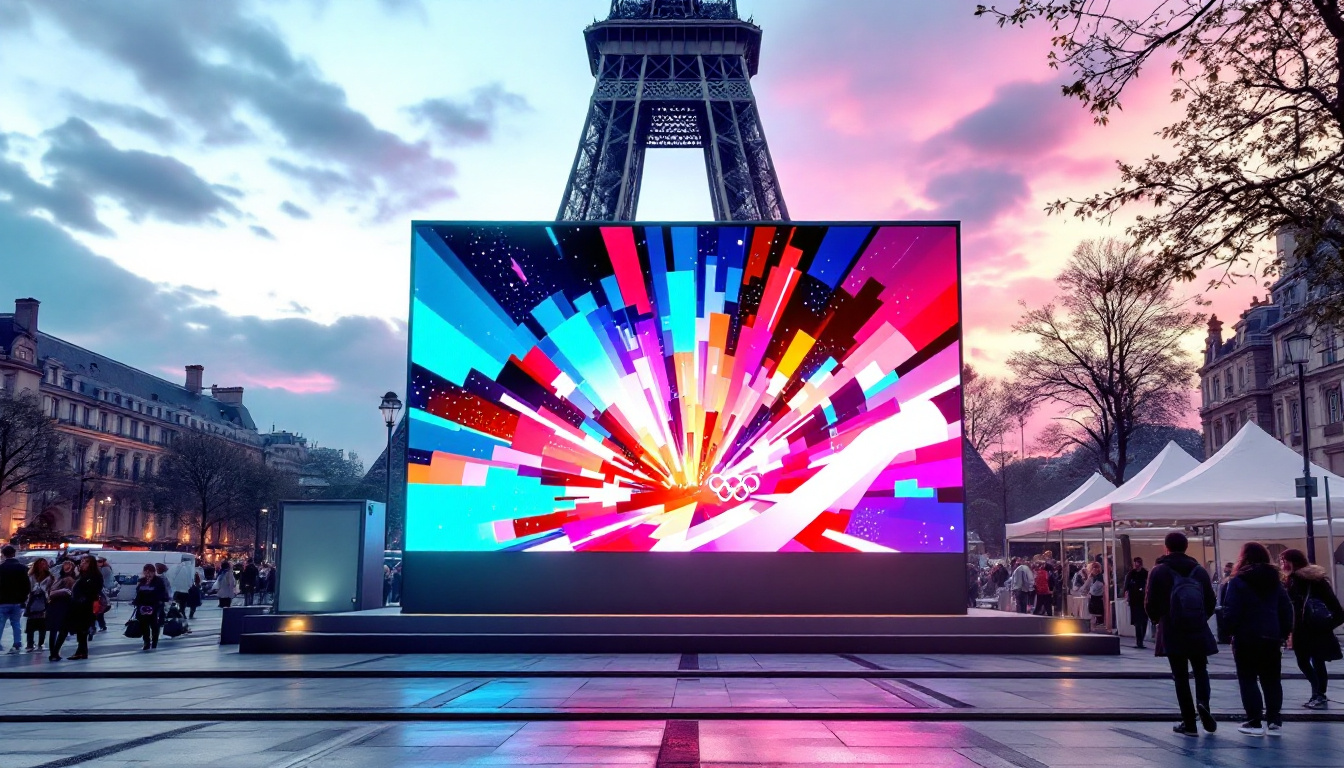
Direct LED displays use individual LEDs as pixels, enabling extremely bright, durable, and scalable screens. These are ideal for environments requiring high visibility under bright ambient light, such as outdoor advertising billboards, sports arenas, and concert venues. Advances in mini-LED and micro-LED technology are pushing the boundaries further, promising even better picture quality and energy efficiency.
Comparing Plasma and LED Displays
Picture Quality and Color Accuracy
Plasma displays were historically praised for their superior color accuracy and deep black levels. However, modern LED-backlit LCDs with local dimming and quantum dot enhancements have significantly improved in these areas. Quantum dot technology, for example, boosts color volume and brightness, enabling LED TVs to display a wider color gamut that rivals or surpasses plasma screens.
While plasma screens had an edge in motion handling due to faster pixel response times, newer LED TVs with high refresh rates and advanced motion interpolation have narrowed this gap substantially.
Energy Efficiency and Environmental Impact
Energy consumption is a critical factor for both consumers and businesses today. Plasma displays generally consumed more power than LED-backlit LCDs, which became a disadvantage as energy efficiency standards tightened globally. LED displays, especially those using mini-LED or micro-LED technologies, are far more energy-efficient, reducing electricity costs and environmental impact.
Additionally, the manufacturing and disposal processes for plasma displays involved materials that raised environmental concerns, whereas LED technology tends to be more eco-friendly, with ongoing improvements in recyclability and reduced hazardous substances.
Durability and Lifespan
LED displays typically outlast plasma screens in terms of operational lifespan. Plasma TVs were prone to screen burn-in and image retention, which could degrade the viewing experience over time. LEDs, particularly in direct LED applications, offer robust performance with minimal risk of burn-in, making them suitable for continuous use in commercial settings.
Furthermore, LED displays are less susceptible to screen degradation and can maintain consistent brightness and color accuracy over many years.
Cost and Market Availability
When plasma displays were at their peak, they were often more expensive than early LCD or LED TVs, partly due to their complex manufacturing process. Over time, mass production and technological advances have made LED displays more affordable and accessible to a broader audience.
Today, plasma TVs are no longer manufactured, and the market is dominated by LED-based displays, including LCD, mini-LED, micro-LED, and OLED technologies. Consumers benefit from a wide range of options at various price points, with LED displays offering excellent value for money.
The Future of Display Technology: Beyond Plasma and LED
Emergence of OLED and Micro-LED
While LED technology currently dominates the market, newer technologies like OLED (Organic Light Emitting Diode) and micro-LED are rapidly gaining traction. OLED displays emit light from organic compounds and offer perfect black levels, excellent contrast, and wide viewing angles, addressing many limitations of traditional LED-backlit LCDs.
Micro-LED technology, which uses microscopic LEDs as individual pixels, promises the best of both worlds: the brightness and durability of LEDs combined with the perfect blacks and color accuracy of OLEDs. This technology is still emerging but is expected to become mainstream in the coming years.
Impact on Consumer and Commercial Markets
For consumers, the transition to OLED and micro-LED means access to displays with unparalleled picture quality, thinner form factors, and improved energy efficiency. For commercial applications, especially outdoor and large-format displays, micro-LED’s scalability and brightness will revolutionize digital signage and event production.
As these technologies mature, they will likely render plasma and traditional LED-backlit LCDs obsolete, ushering in a new era of immersive visual experiences.
Conclusion
Plasma and LED display technologies have each played pivotal roles in the evolution of visual displays. Plasma screens, with their superior color accuracy and contrast, set a high standard for image quality in the early 2000s but were ultimately surpassed by the energy efficiency, versatility, and affordability of LED displays.
Today, LED technology—whether in the form of LED-backlit LCDs or direct LED video walls—dominates the market, supported by continuous innovations like quantum dots, mini-LED, and micro-LED. Understanding these technologies helps consumers and professionals make informed decisions about the best display options for their needs.
As the display landscape continues to evolve, keeping abreast of emerging technologies will be essential to appreciating the future of digital visuals and the exciting possibilities it holds.
Discover Cutting-Edge LED Displays with LumenMatrix
As you consider the advancements in display technology and the shift from plasma to LED, it’s clear that the future lies in innovative LED solutions. LumenMatrix stands at the forefront of this evolution, offering an array of LED display modules designed to meet the diverse needs of today’s visual communication. From Indoor and Outdoor LED Wall Displays to specialized solutions like Vehicle LED Displays and LED Sports Displays, LumenMatrix is committed to enhancing your brand’s presence and creating immersive experiences that captivate and engage. Embrace the future of digital signage with LumenMatrix’s Custom LED Displays, All-in-One LED Displays, and LED Transparent Displays. Check out LumenMatrix LED Display Solutions and see how they can transform your visual storytelling.