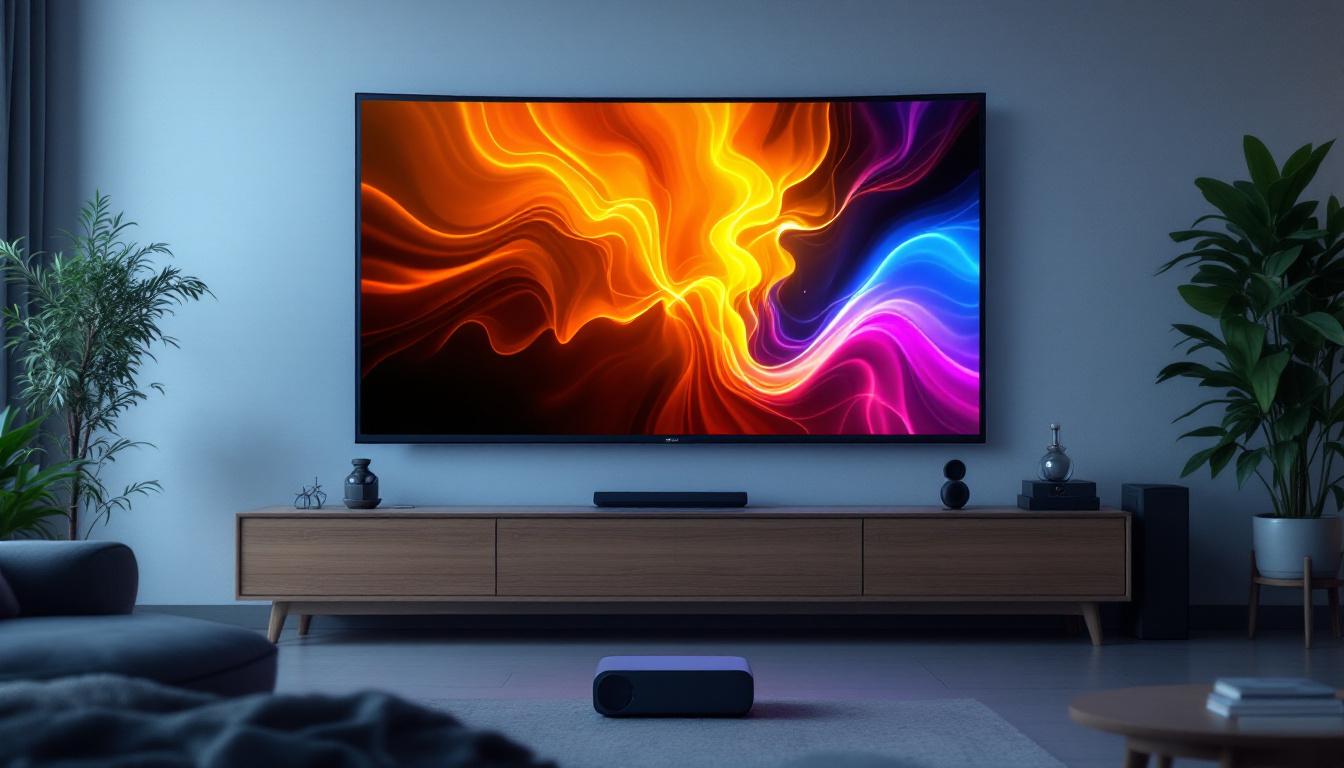
In the rapidly evolving world of visual technology, electronic projector screens and LED displays have become pivotal in delivering high-quality images across various applications. From corporate presentations and home theaters to large-scale advertising and public events, understanding the nuances of these display technologies is essential for making informed decisions.
This article delves into the core aspects of electronic projector screens and LED displays, exploring their technology, advantages, use cases, and future trends. By the end, readers will have a comprehensive understanding of how LED displays work and why they are increasingly favored over traditional projection methods.
Understanding Electronic Projector Screens
What is an Electronic Projector Screen?
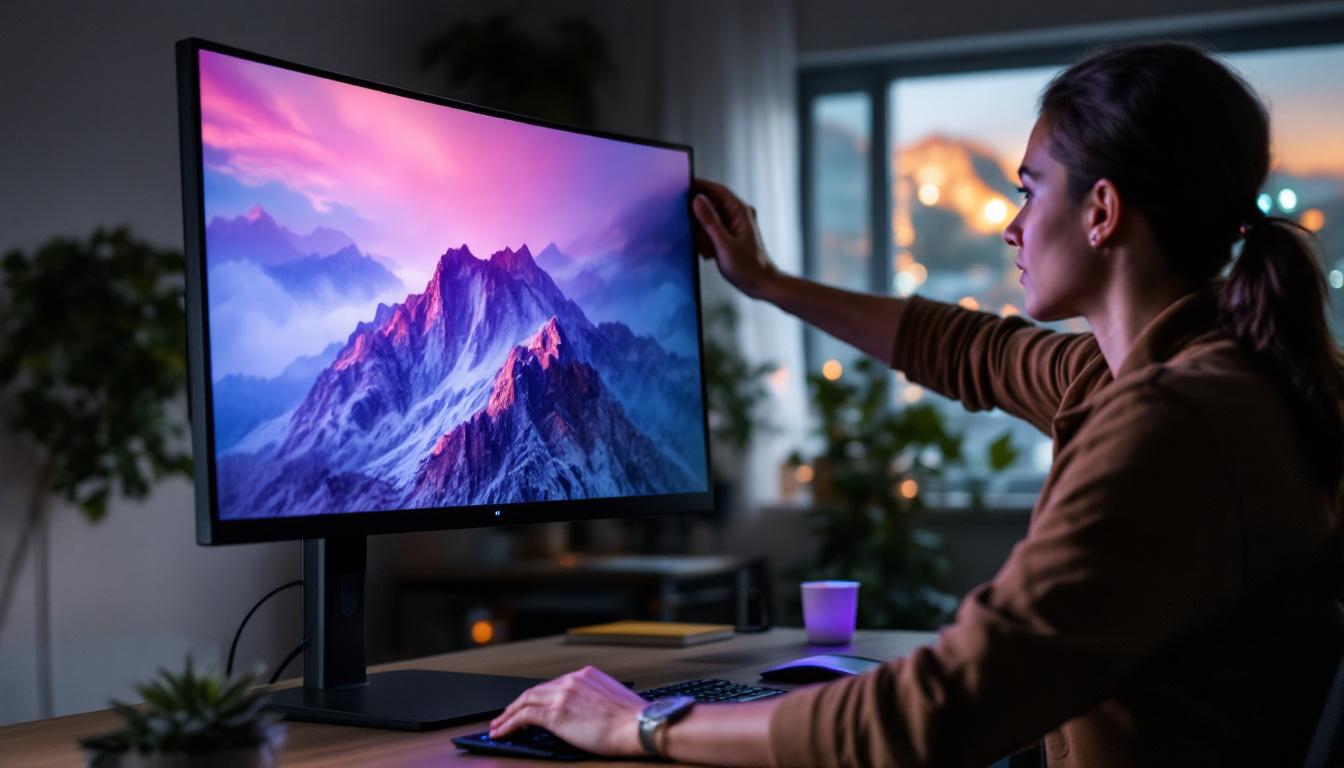
An electronic projector screen is a display surface designed to enhance the quality of projected images. Unlike traditional fixed screens, electronic screens often incorporate motorized mechanisms that allow them to retract or extend automatically. These screens provide a smooth, uniform surface optimized for light reflection, ensuring that images from projectors appear sharp and vibrant.
Typically, these screens are made from specialized materials that maximize gain—the measure of reflectivity—while minimizing ambient light interference. This combination is critical for achieving clear images in various lighting conditions. The choice of material can significantly affect the viewing experience, with options ranging from matte finishes that diffuse light evenly to high-gain surfaces that enhance brightness for larger audiences.
In addition to their material composition, electronic projector screens often feature advanced technologies such as tensioning systems that keep the screen taut, preventing wrinkles or sagging that could distort the image. Some models even come equipped with sensors that automatically adjust the screen’s position based on the ambient light in the room, ensuring optimal viewing conditions at all times.
Types of Projector Screens
Projector screens come in several types, each suited to different environments and needs:
- Fixed Frame Screens: These are permanently mounted and provide a taut, flat surface ideal for dedicated home theaters or conference rooms.
- Pull-Down Screens: Manually operated screens that can be retracted when not in use, saving space.
- Motorized Screens: Electronically controlled screens that can be raised or lowered with a remote or wall switch, offering convenience and a sleek appearance.
- Portable Screens: Lightweight and collapsible, these are designed for mobility and quick setup.
While traditional projector screens rely on reflected light, electronic projector screens sometimes integrate LED technology to enhance brightness and color accuracy, bridging the gap between projection and direct-view displays. This innovation allows for a more immersive viewing experience, particularly in environments where ambient light cannot be completely controlled. Furthermore, some advanced models now include features like 4K compatibility and ultra-short throw projection capabilities, making them suitable for modern high-definition content.
Moreover, the installation process for electronic projector screens has become increasingly user-friendly, with many manufacturers providing detailed guides and support for both DIY enthusiasts and professional installers. This accessibility has contributed to the growing popularity of electronic screens in both residential and commercial settings. As technology continues to evolve, we can expect even more enhancements in screen materials and functionalities, making electronic projector screens an essential component of any audio-visual setup.
LED Displays: The Next Generation of Visual Technology
What is an LED Display?
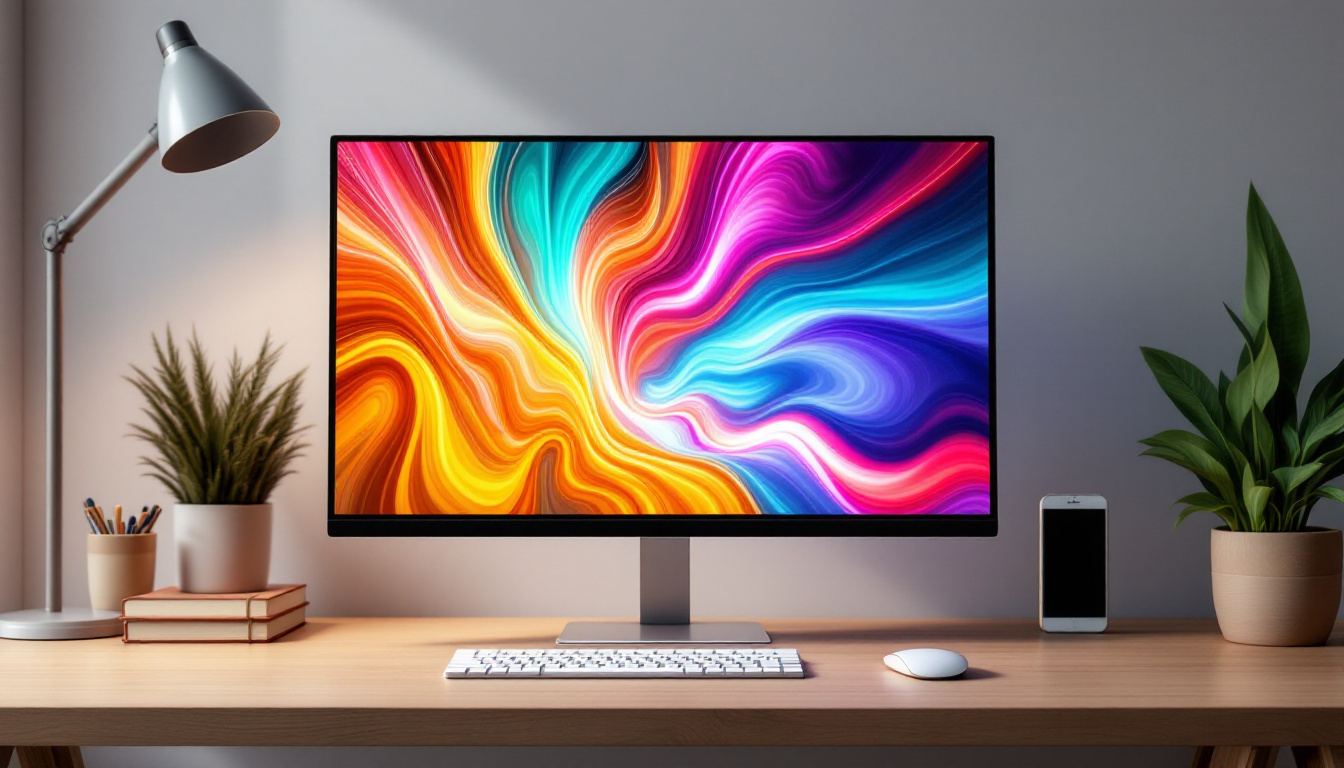
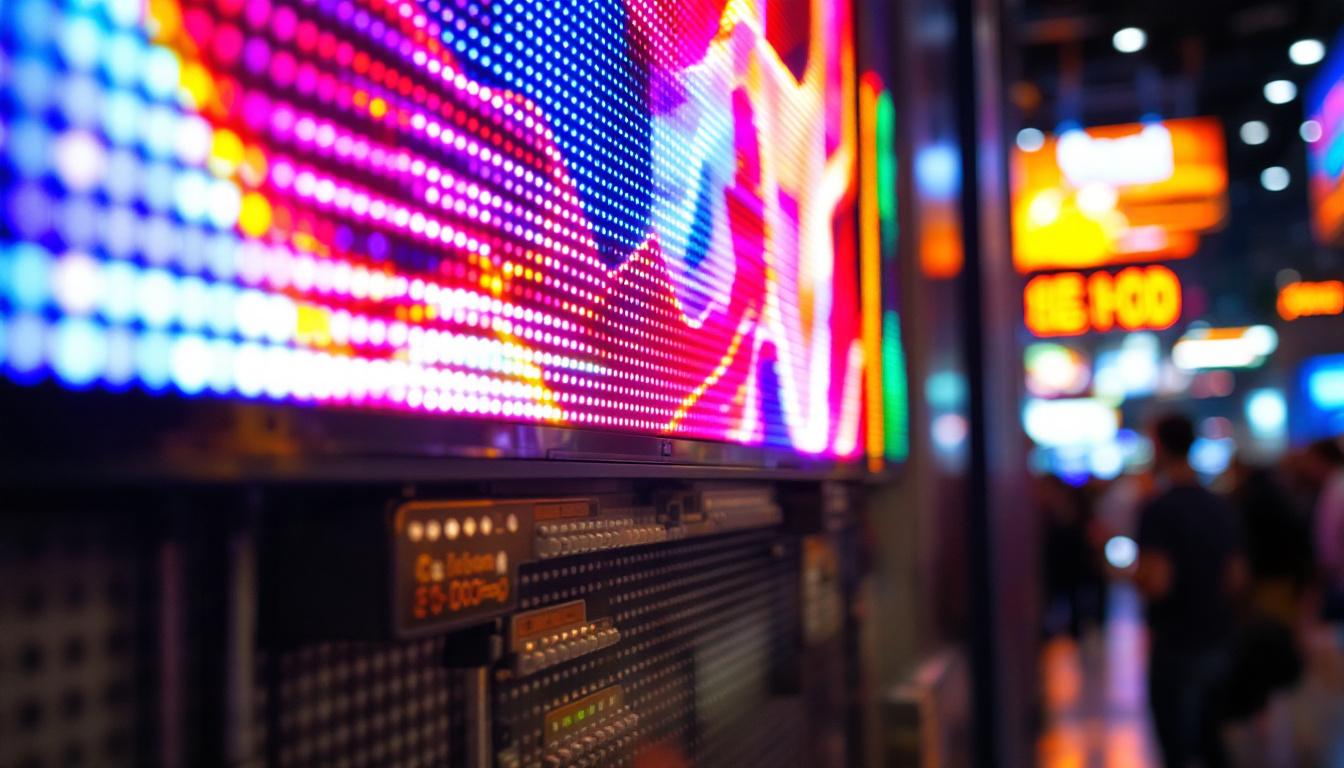
LED (Light Emitting Diode) displays are flat-panel display technologies that use an array of tiny light-emitting diodes to produce images. Each diode emits light of a specific color, and by combining red, green, and blue LEDs, the display can render a full spectrum of colors with exceptional brightness and contrast.
Unlike projector screens, which depend on an external light source, LED displays are self-illuminating. This characteristic allows for superior image quality, especially in brightly lit environments where projector images can wash out. The technology behind LED displays has evolved significantly, leading to advancements in energy efficiency and lifespan. Modern LED displays can last upwards of 100,000 hours, making them a long-lasting investment for both commercial and residential applications.
Types of LED Displays
LED displays come in several configurations, each optimized for different applications:
- Direct View LED (DVLED): These are composed of individual LEDs visible to the naked eye, often used in large outdoor billboards and stadium screens.
- MicroLED: An emerging technology that uses microscopic LEDs to create displays with even higher resolution and energy efficiency.
- LED-Backlit LCD: Common in consumer electronics, these displays use LEDs as a backlight to illuminate an LCD panel.
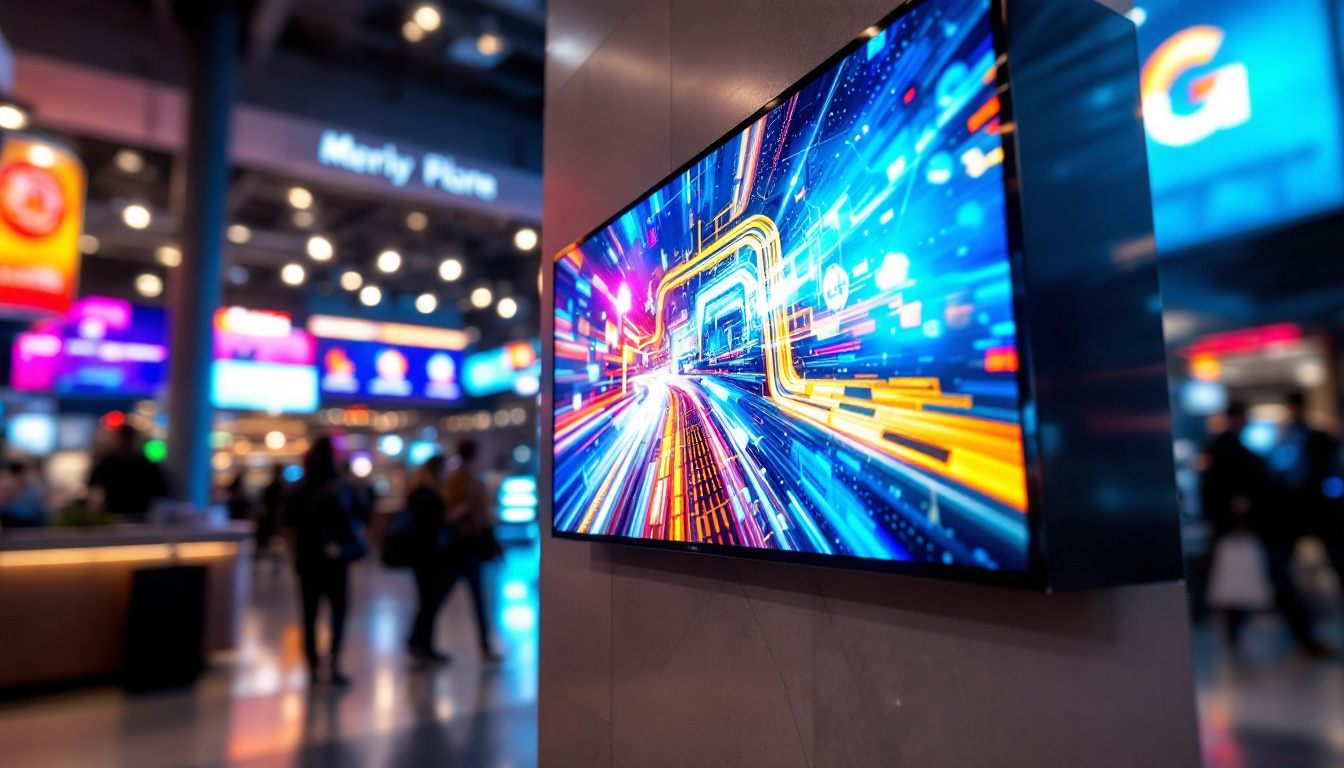
For electronic projector screens, the focus is primarily on direct view LED displays, which offer unparalleled brightness and color fidelity, making them ideal for environments where ambient light cannot be fully controlled. The versatility of LED technology also extends to various sectors, including retail, entertainment, and education, where dynamic visuals can significantly enhance the viewer’s experience. For instance, in retail spaces, vibrant LED displays can attract customers’ attention and convey promotional messages effectively, while in educational settings, they can facilitate interactive learning through engaging visuals.
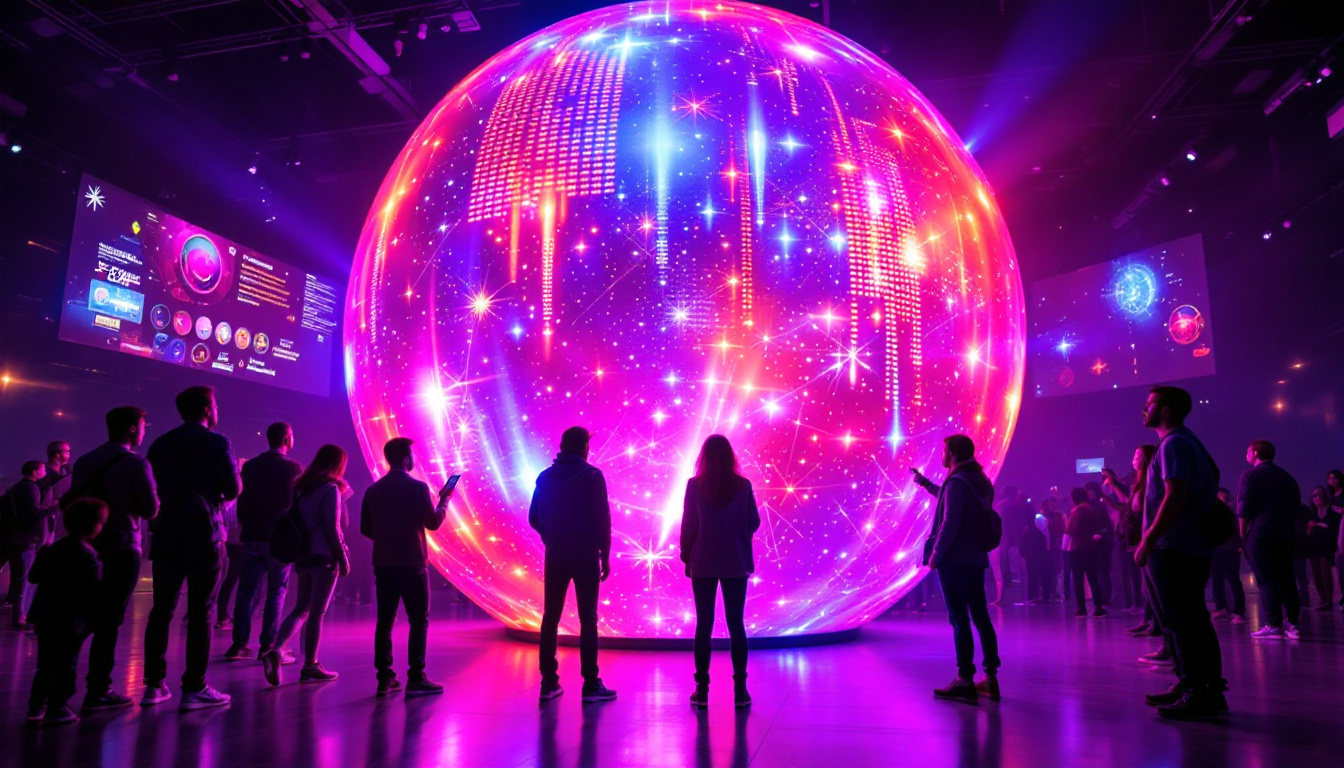
Moreover, the integration of smart technology into LED displays has opened up new possibilities. Many modern LED displays now come equipped with features such as touch interactivity, wireless connectivity, and the ability to sync with mobile devices. This transformation allows for more immersive experiences, whether it’s in a corporate boardroom, a museum exhibit, or a live concert. As the technology continues to advance, we can expect LED displays to become even more integral to our daily lives, pushing the boundaries of how we consume visual content.
Comparing Electronic Projector Screens and LED Displays
Brightness and Image Quality
One of the most significant differences between projector screens and LED displays lies in brightness. LED displays can achieve brightness levels exceeding 1,000 nits, with some outdoor models reaching over 5,000 nits. This level of brightness ensures images remain vivid even in direct sunlight or brightly lit rooms. The high brightness levels of LED displays make them ideal for various environments, from bustling retail spaces to outdoor events where visibility is paramount.
Projector screens, on the other hand, depend on the projector’s light output, which typically ranges between 1,500 and 4,000 lumens for commercial models. While sufficient for controlled lighting environments, projectors struggle in high ambient light settings, resulting in washed-out images. Additionally, the quality of the projector lens and the type of screen material can significantly impact the overall image quality. High-gain screens can enhance brightness and contrast, but they may introduce artifacts that can detract from the viewing experience.
Color Accuracy and Contrast
LED displays generally offer superior color accuracy and contrast ratios. Each LED emits precise colors, and the ability to control brightness at the pixel level results in deep blacks and vibrant colors. This capability is particularly valuable for applications requiring high-fidelity visuals, such as digital signage and professional video production. Furthermore, advancements in color calibration technology allow for fine-tuning of displays to meet specific industry standards, ensuring that the colors you see are true to life.
Projector screens rely on reflected light, which can dilute color saturation and reduce contrast, especially if the screen material or ambient lighting is suboptimal. The choice of screen type, whether it be matte, glossy, or specialized for 3D projection, can also influence the color performance. In environments where color accuracy is critical, such as in graphic design studios or film editing rooms, the limitations of projector screens can be a significant drawback.
Installation and Maintenance
Projector setups often require careful alignment, calibration, and periodic maintenance such as lamp replacement and cleaning. Screens must be installed securely, and room lighting controlled for optimal performance. The installation process can be labor-intensive, particularly in larger venues where the projector must be mounted at a specific distance to achieve the desired image size and clarity. Moreover, the need for additional equipment, such as screens with electric retractable mechanisms or specialized mounts, can add to the complexity and cost of projector systems.
LED displays, while initially more expensive and complex to install, offer lower maintenance costs over time. They do not require bulbs or filters, and their modular design allows for easy repairs without replacing the entire screen. This modularity is particularly advantageous in large installations, where a single faulty panel can be replaced without significant downtime. Additionally, many LED displays come with built-in smart technology that allows for remote monitoring and diagnostics, making it easier to maintain optimal performance and address issues proactively.
Applications of LED Displays in Electronic Projection
Corporate and Educational Environments
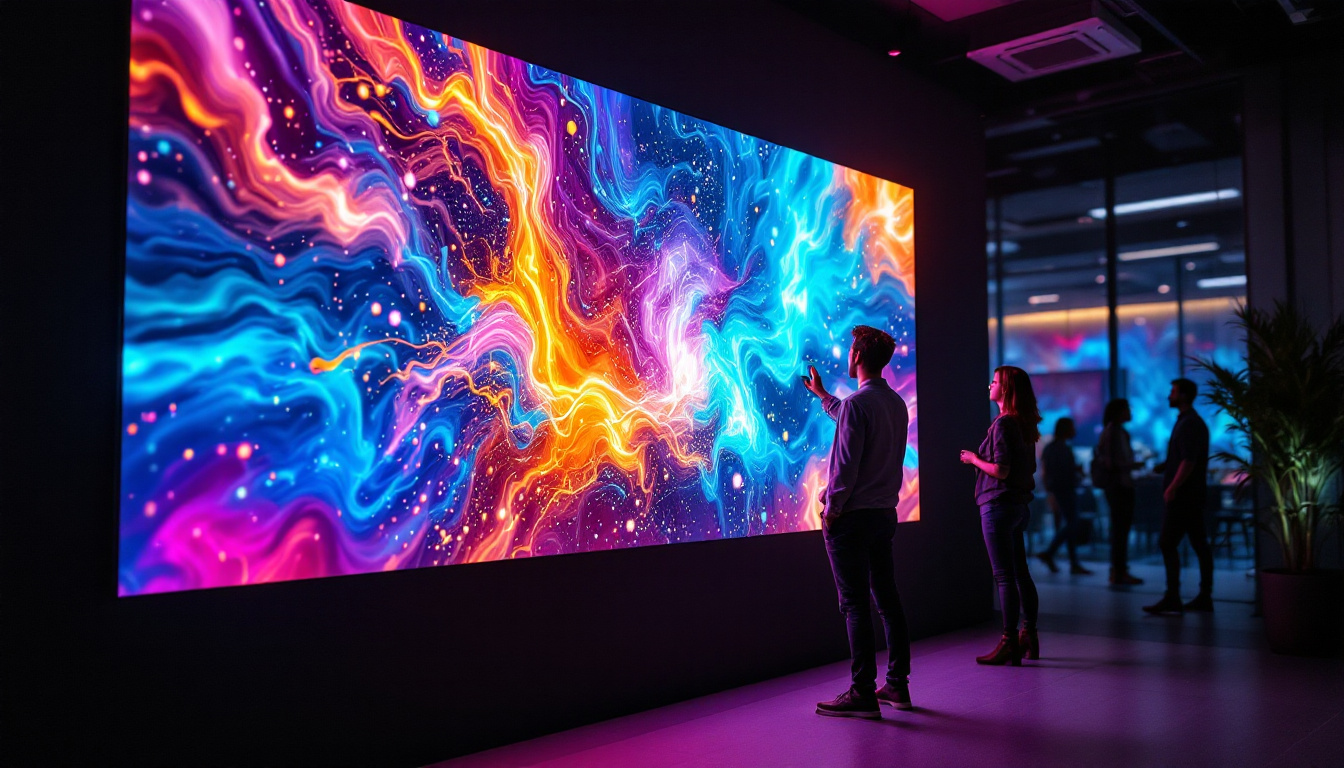
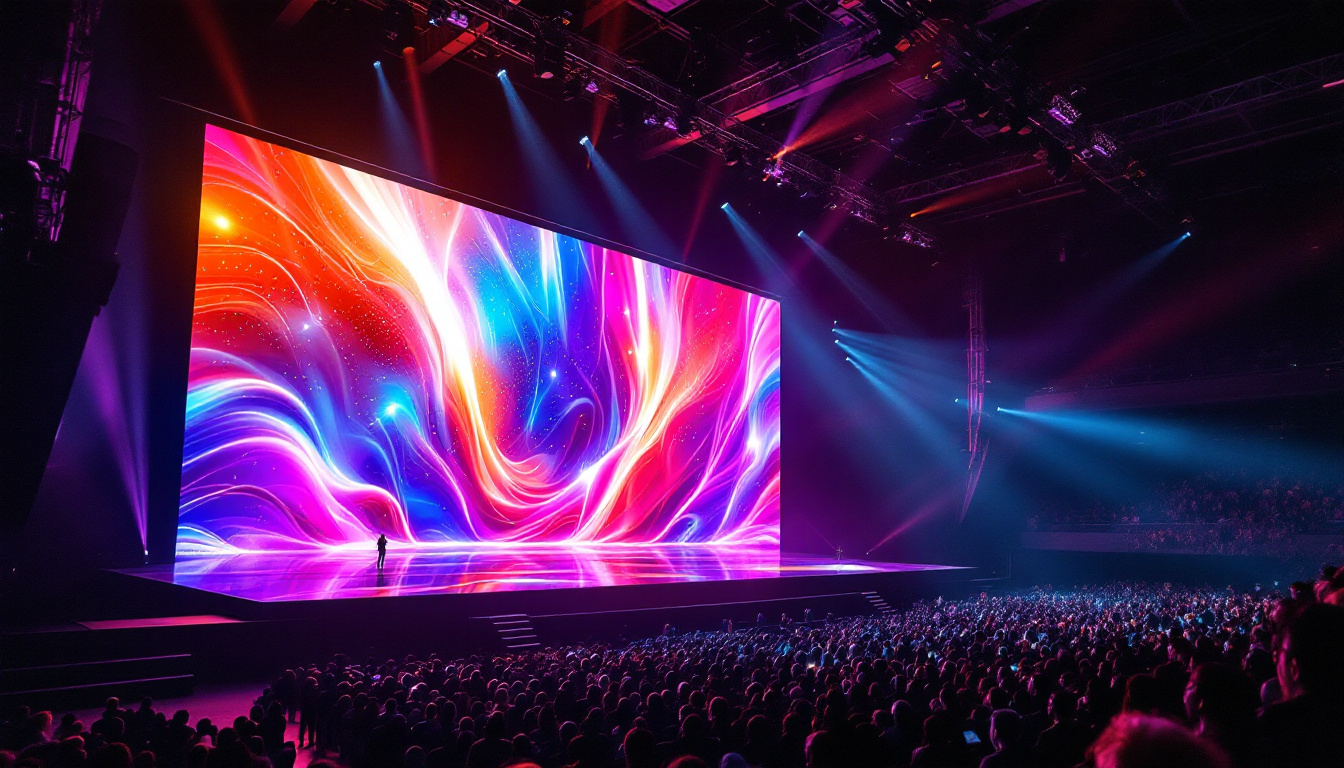
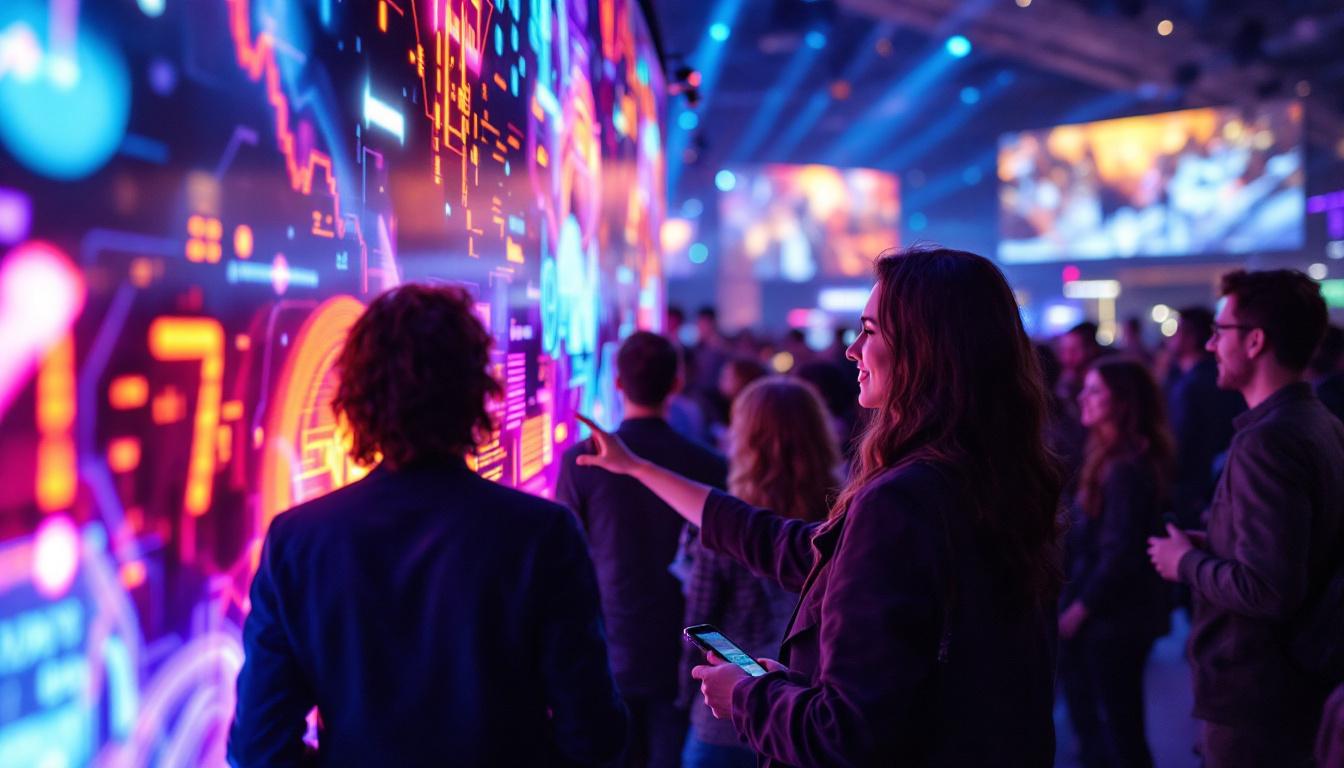
In conference rooms and classrooms, LED displays are increasingly replacing traditional projectors. Their ability to deliver bright, crisp images without the need for darkened rooms enhances engagement and productivity. Interactive LED walls also support collaboration by integrating touch capabilities and real-time content sharing.
Entertainment and Home Theater
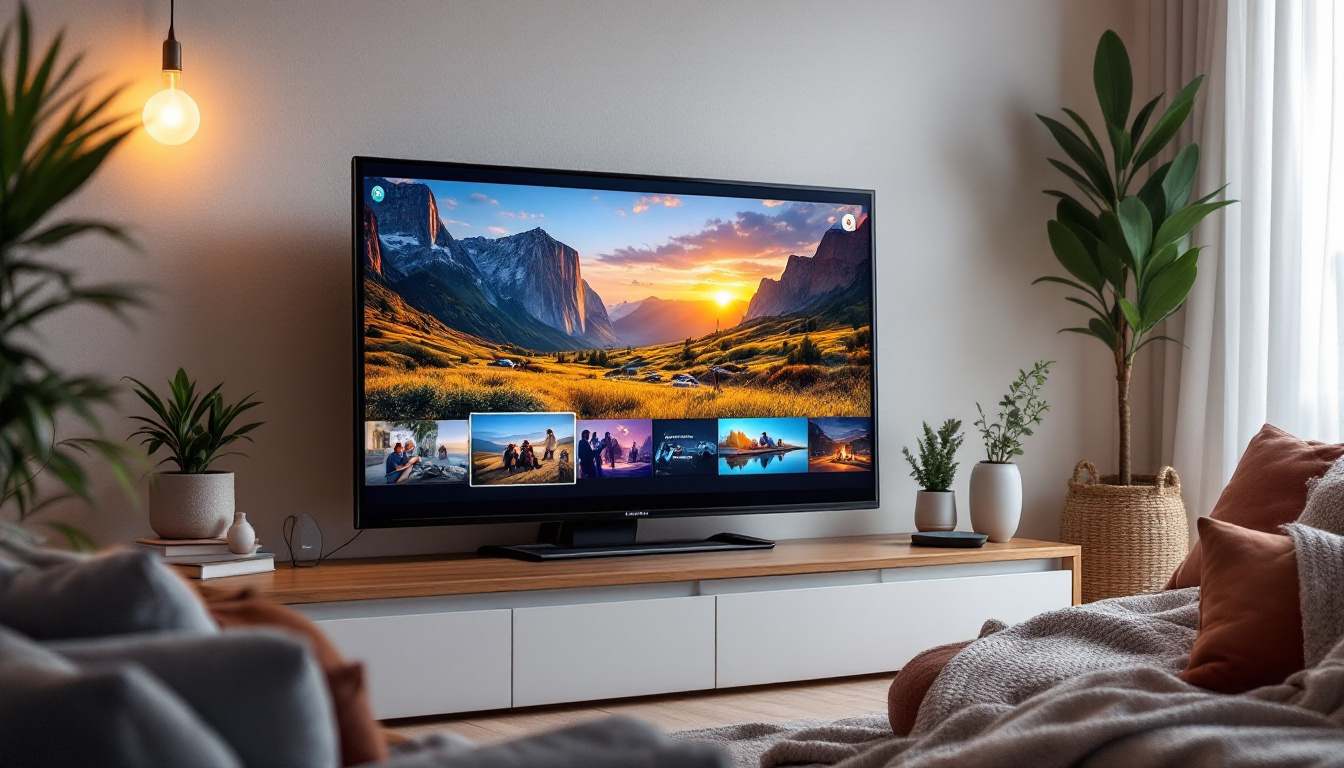
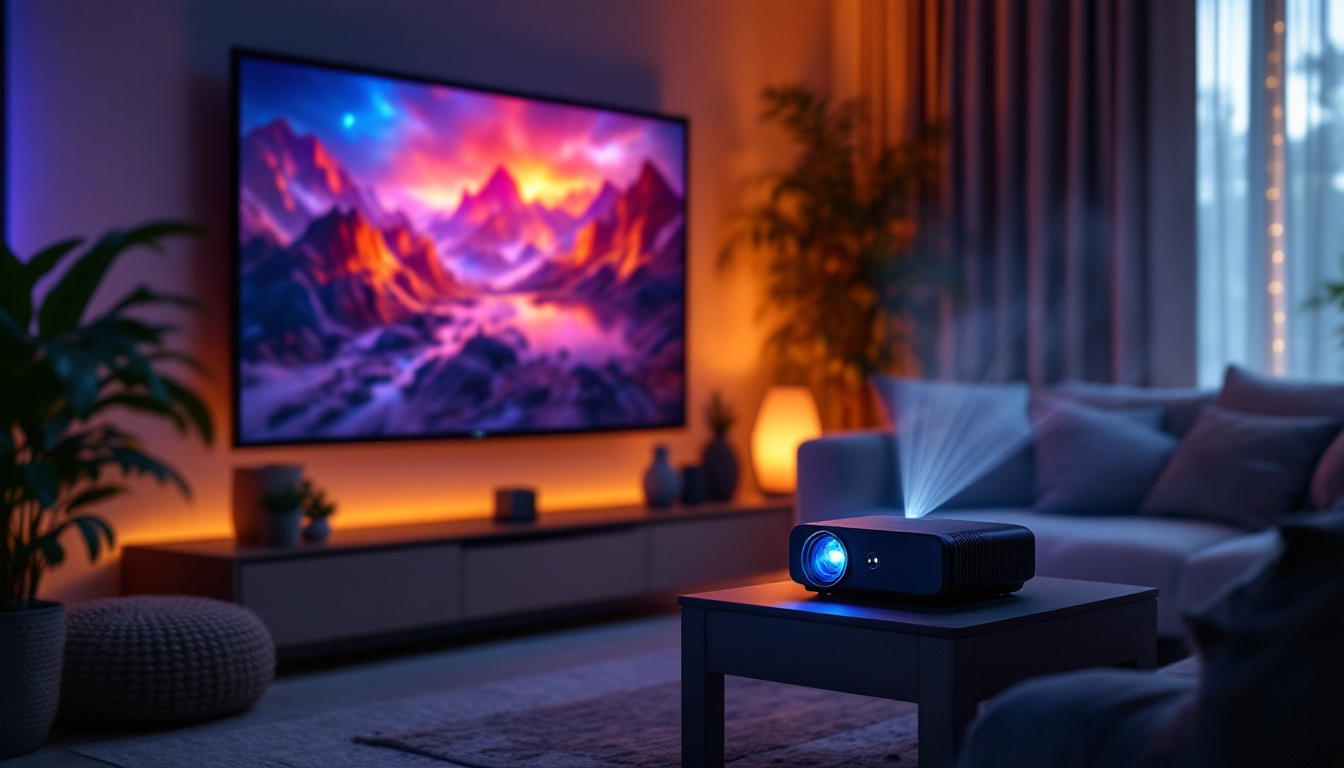
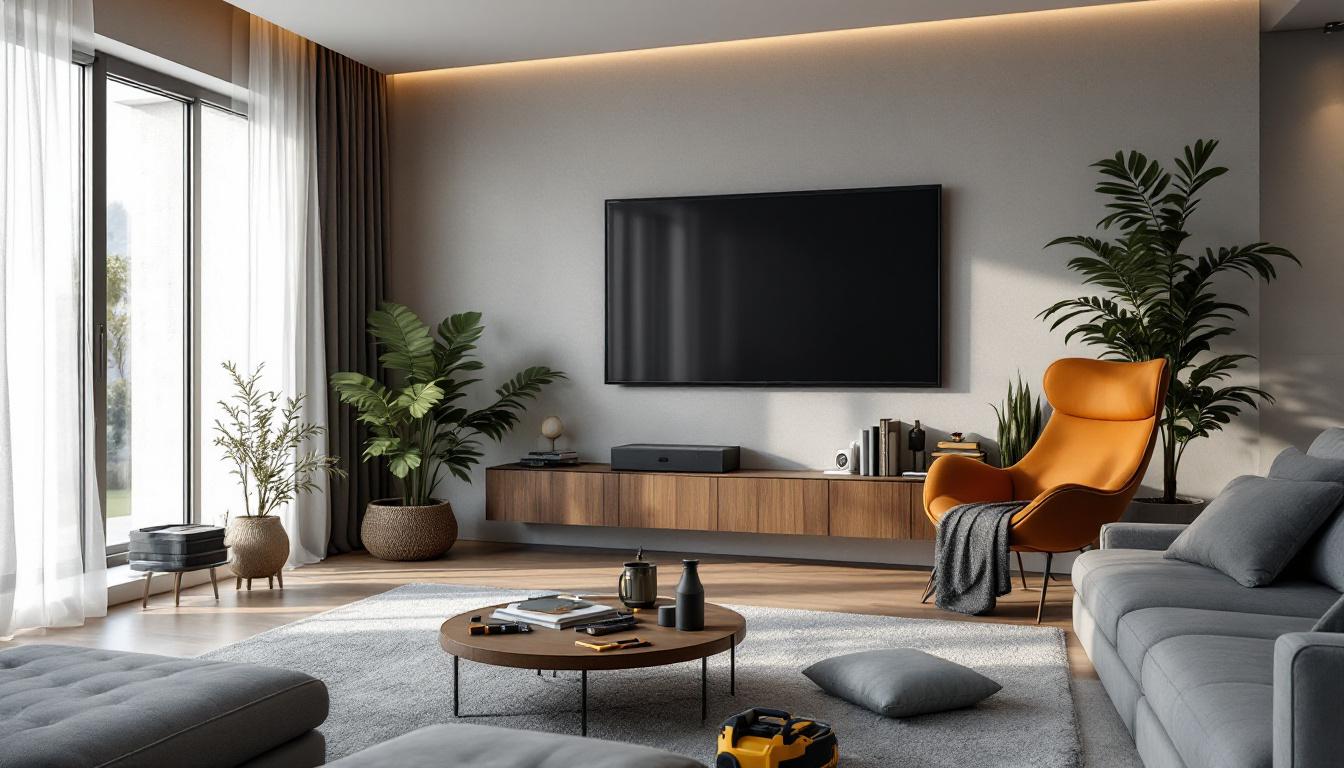
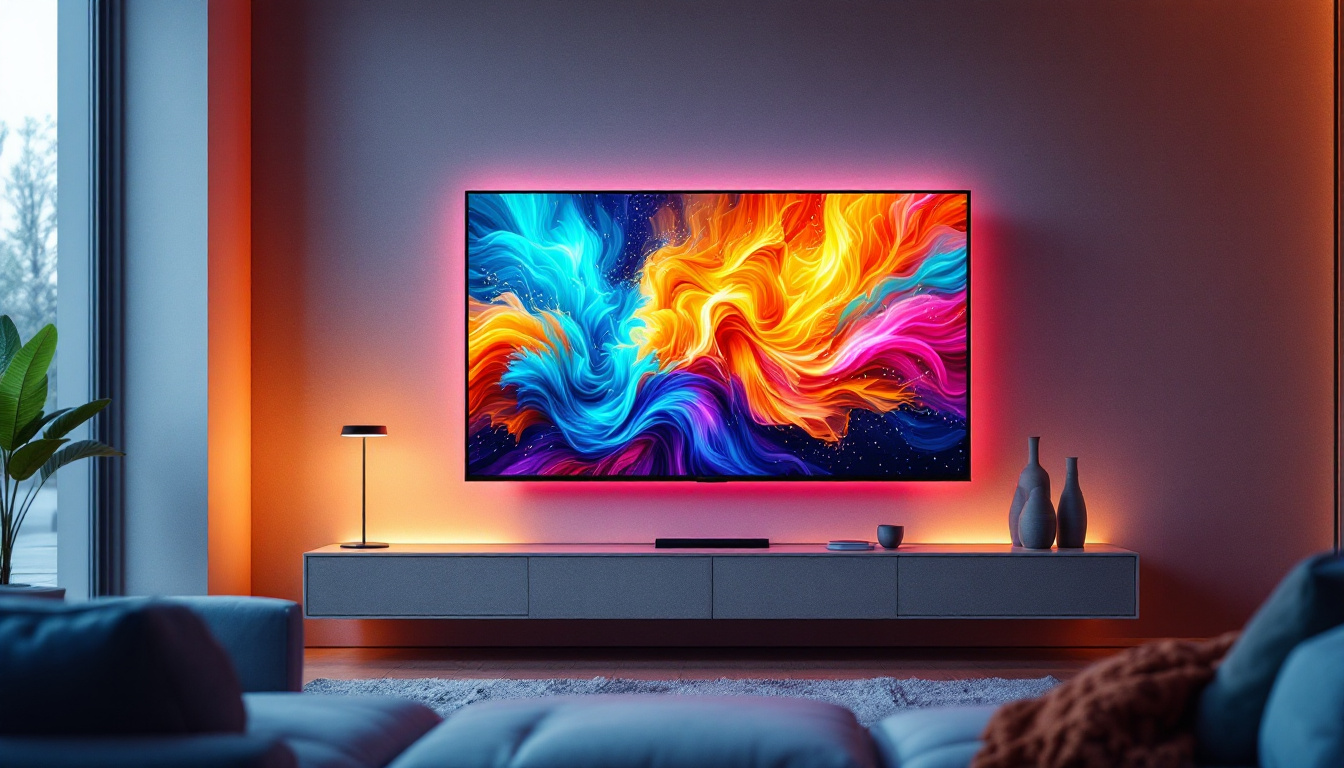
Home theater enthusiasts are turning to LED displays for their superior image quality and sleek form factor. While projectors remain popular for large-screen experiences, LED technology provides an alternative that eliminates shadows and ambient light issues, delivering a consistently immersive viewing experience.
Advertising and Public Displays
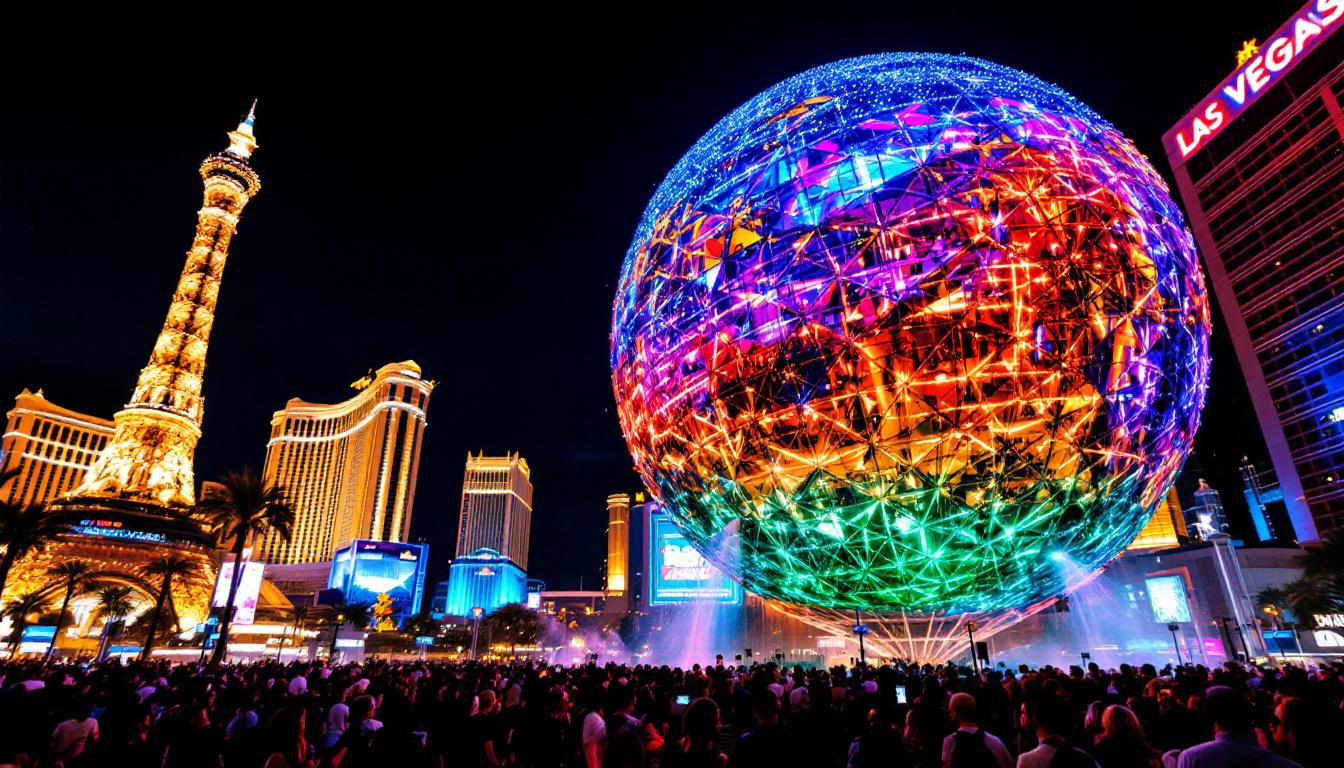
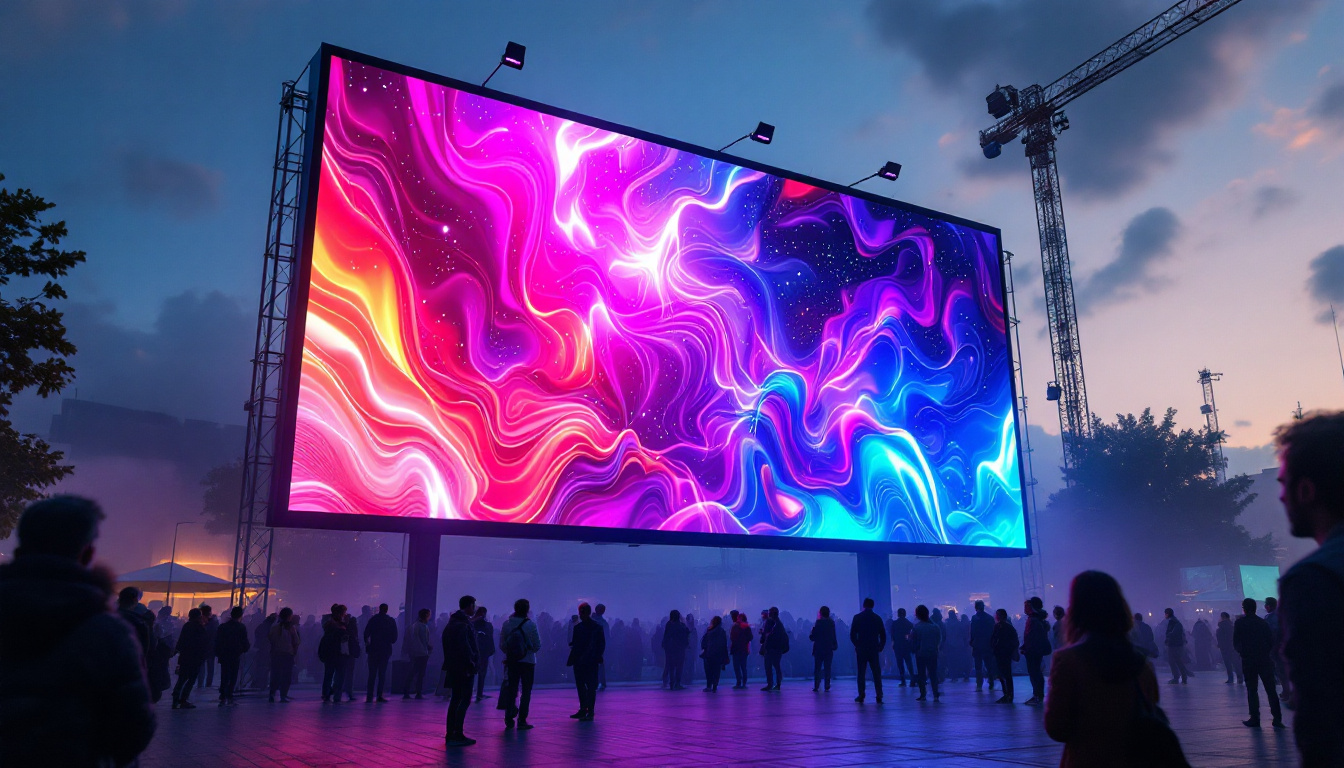
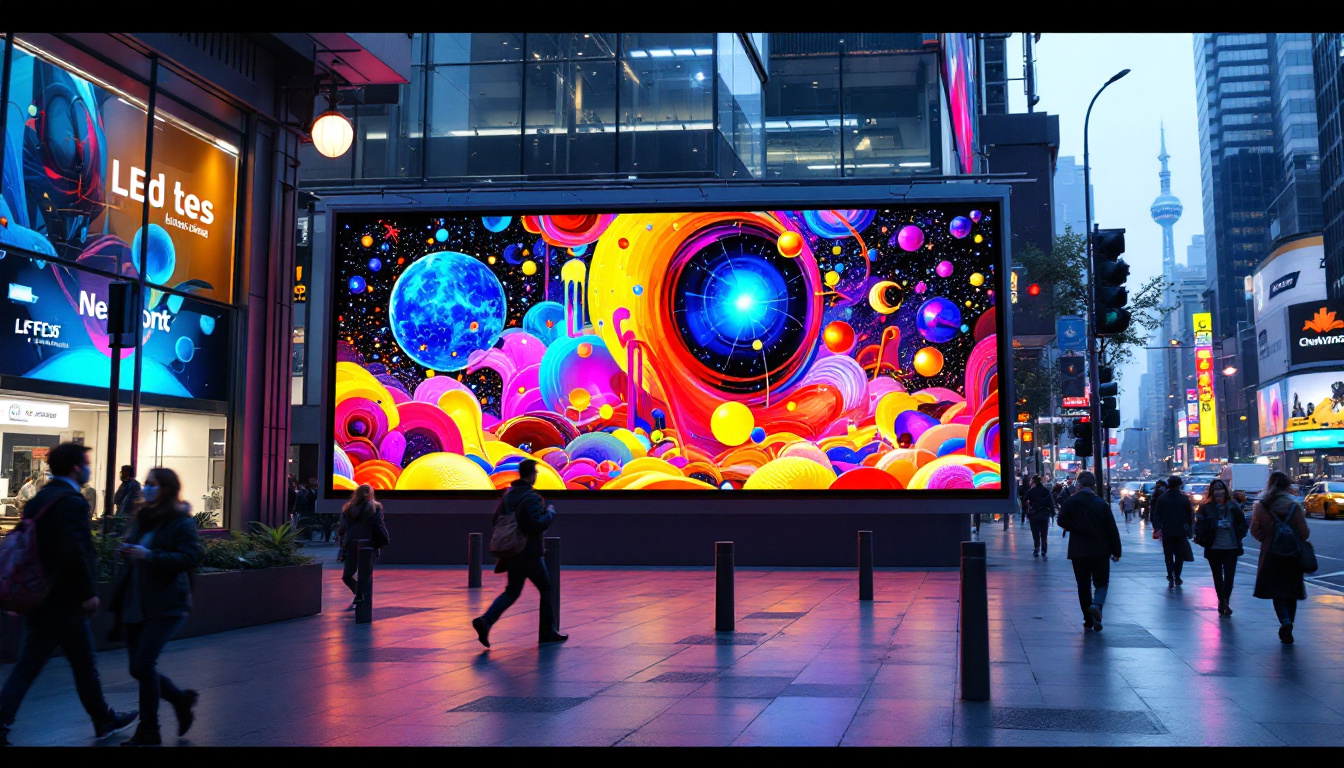
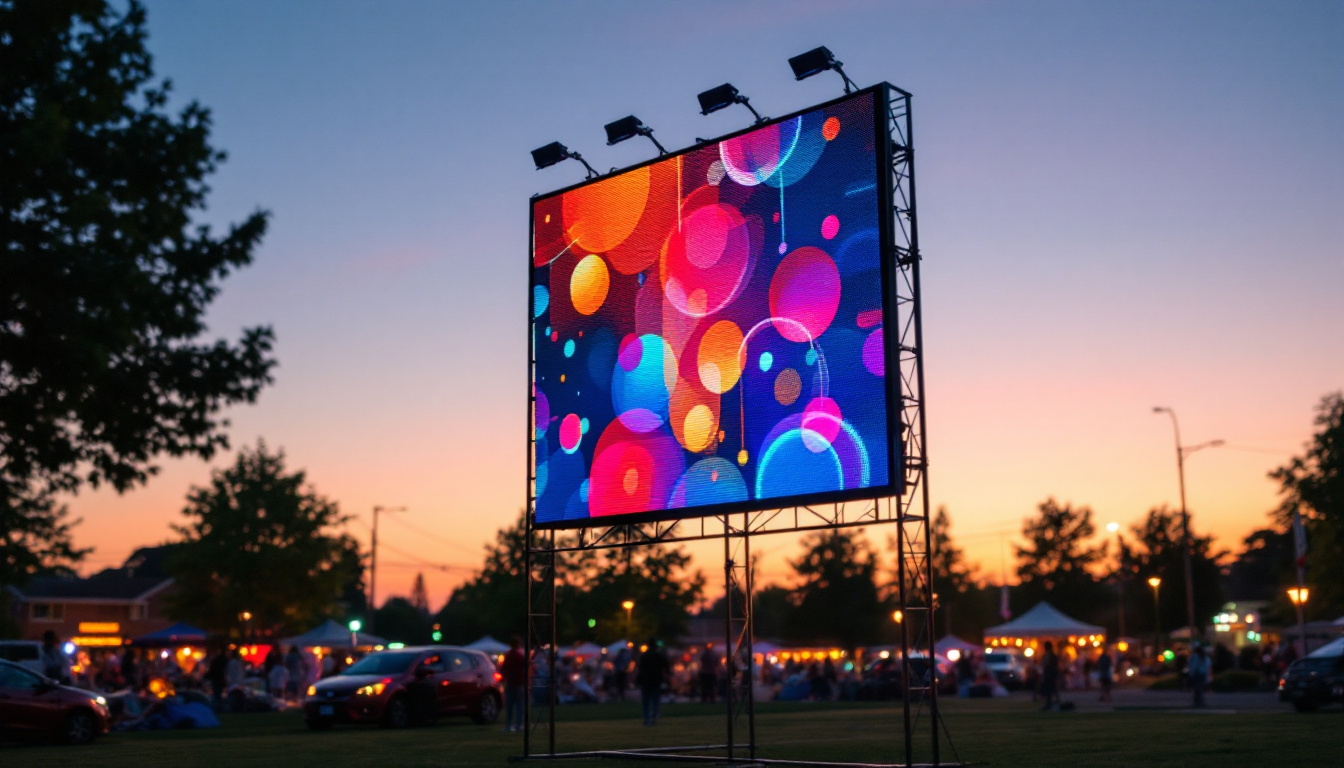
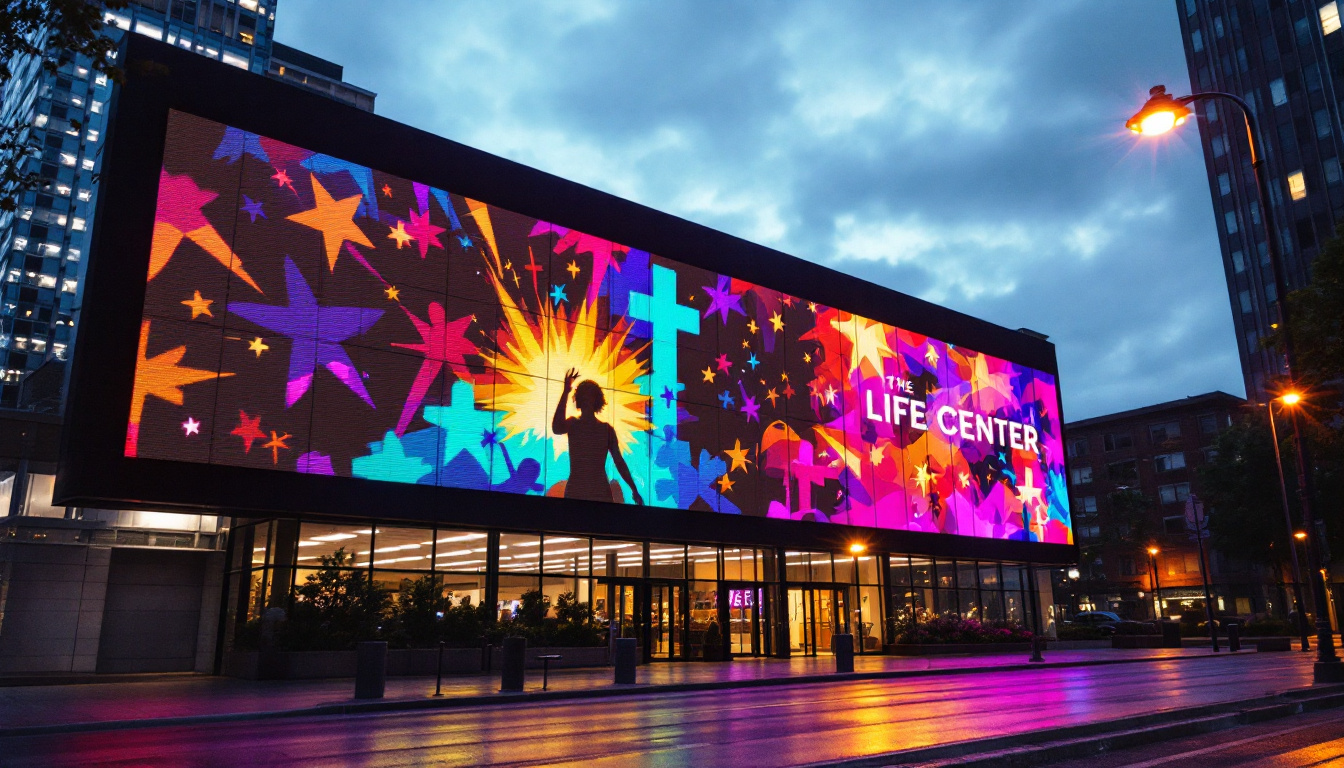
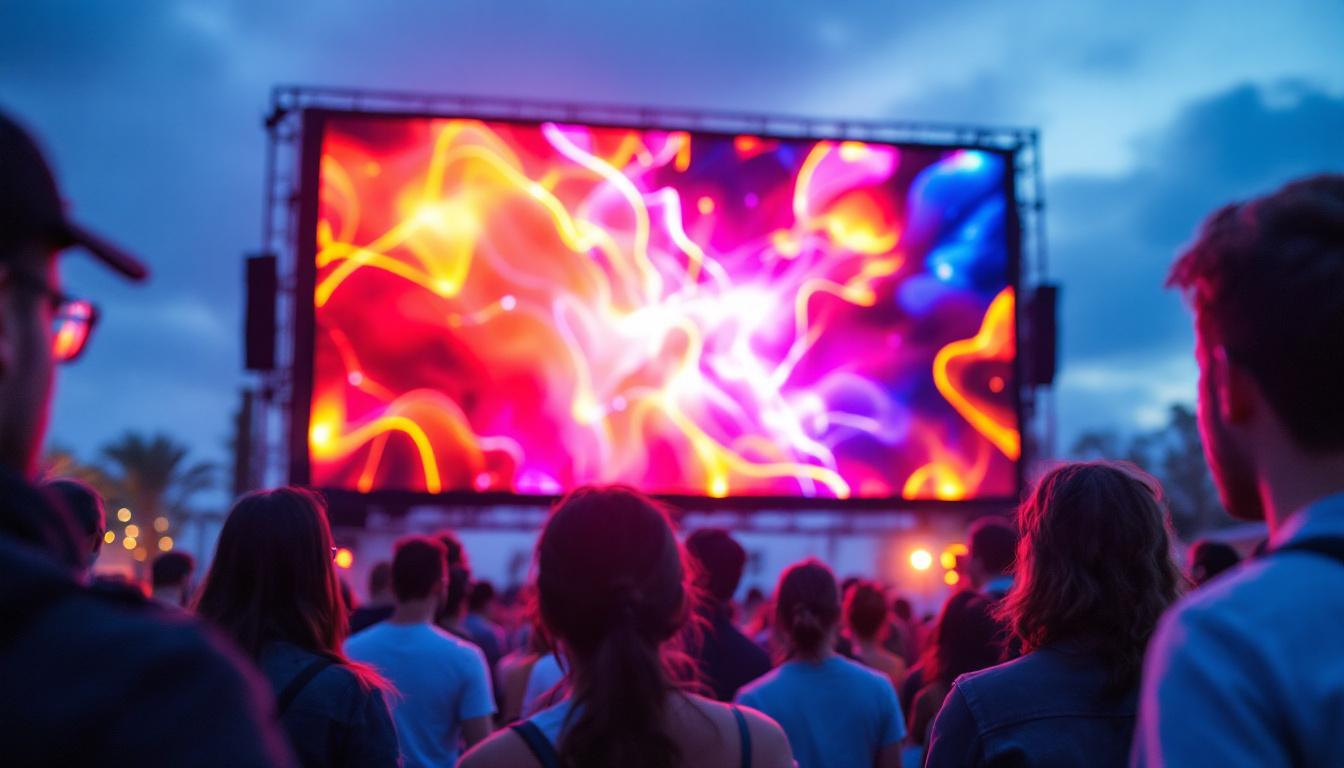
LED displays dominate outdoor advertising due to their brightness, durability, and visibility in all lighting conditions. Electronic projector screens are less practical in these settings, making LED technology the preferred choice for billboards, transit displays, and event backdrops.
Future Trends in Electronic Projection and LED Technology
Advancements in MicroLED and MiniLED
MicroLED technology promises to revolutionize display quality by offering higher resolution, better energy efficiency, and longer lifespans compared to traditional LEDs. MiniLED backlighting is also enhancing LCD displays, providing improved contrast and brightness that rival OLED and direct-view LED panels.
Integration with Smart Technologies
Smart electronic projector screens and LED displays are becoming more common, featuring integrated sensors, AI-driven calibration, and seamless connectivity with other devices. These advancements simplify setup and optimize image quality dynamically based on ambient conditions.
Environmental Considerations
Energy efficiency and sustainability are driving innovation in display technologies. LED displays consume significantly less power than traditional projection systems, and manufacturers are increasingly adopting eco-friendly materials and recycling programs.
Conclusion: Choosing Between Electronic Projector Screens and LED Displays
When deciding between an electronic projector screen and an LED display, the choice largely depends on the specific requirements of the environment and application. Projector screens remain a cost-effective solution for controlled lighting settings and large-format viewing, while LED displays excel in bright, dynamic environments demanding high brightness, color accuracy, and durability.
As LED technology continues to advance and prices become more accessible, it is poised to become the dominant display solution across many sectors. Understanding the strengths and limitations of each technology empowers consumers and professionals to select the best option for their visual communication needs.
Discover LumenMatrix’s Advanced LED Display Solutions
As you consider the future of visual technology for your business or personal use, LumenMatrix stands at the forefront of LED innovation. With a comprehensive range of products including Indoor and Outdoor LED Wall Displays, Vehicle LED Displays, LED Poster Displays, and specialized solutions like LED Sports and Floor Displays, LumenMatrix is committed to transforming environments with vibrant and dynamic visual experiences. Whether you’re looking to captivate an audience, enhance brand visibility, or communicate with clarity and impact, LumenMatrix has the cutting-edge technology to meet your needs. Check out LumenMatrix LED Display Solutions today and see how they can revolutionize your visual displays.