In the world of modern display technology, terms like “screen bezel” and “LED display” frequently come up, especially as consumers and businesses seek the best visual experience. But what exactly is a screen bezel, and why does it matter when it comes to LED displays? This article dives deep into the concept of screen bezels, their role in LED displays, and why understanding them is crucial whether you’re buying a new TV, setting up digital signage, or designing a multi-screen video wall.
Understanding the Screen Bezel: Definition and Purpose
What Is a Screen Bezel?
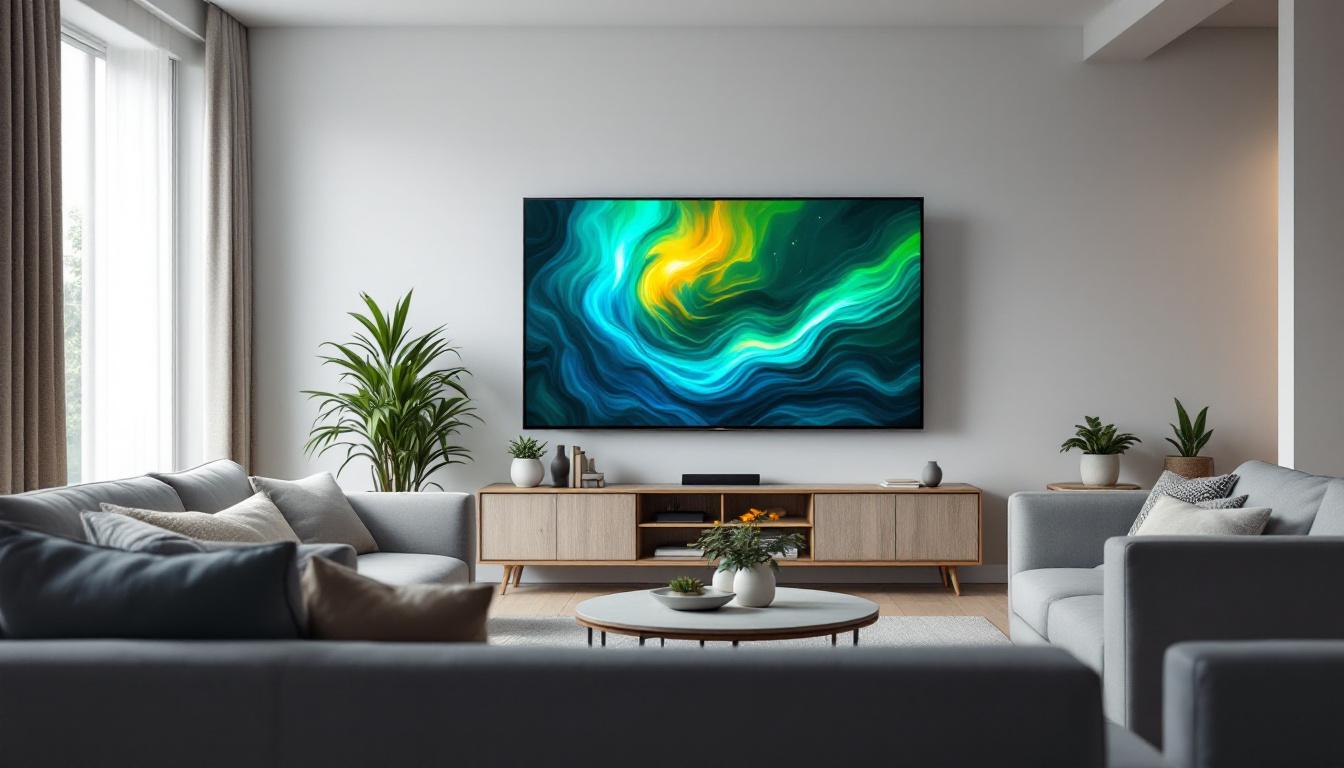
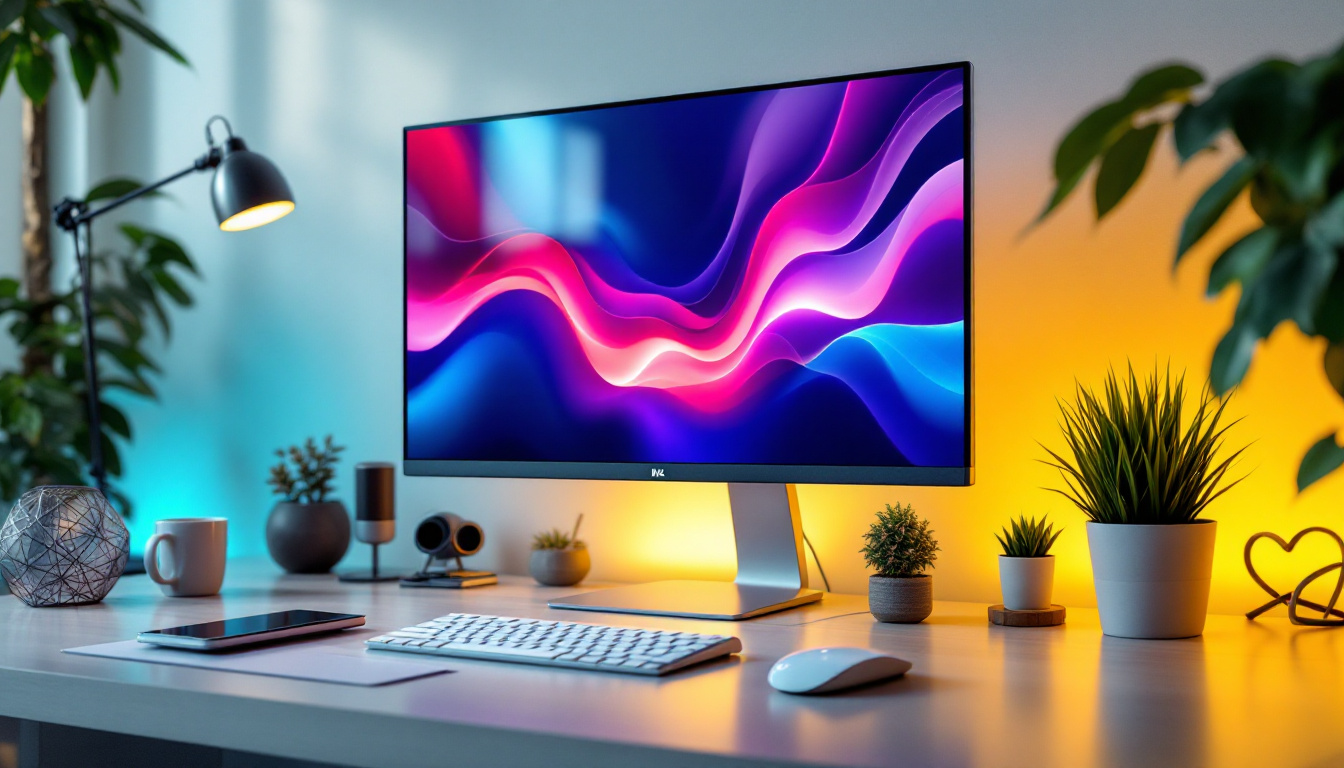
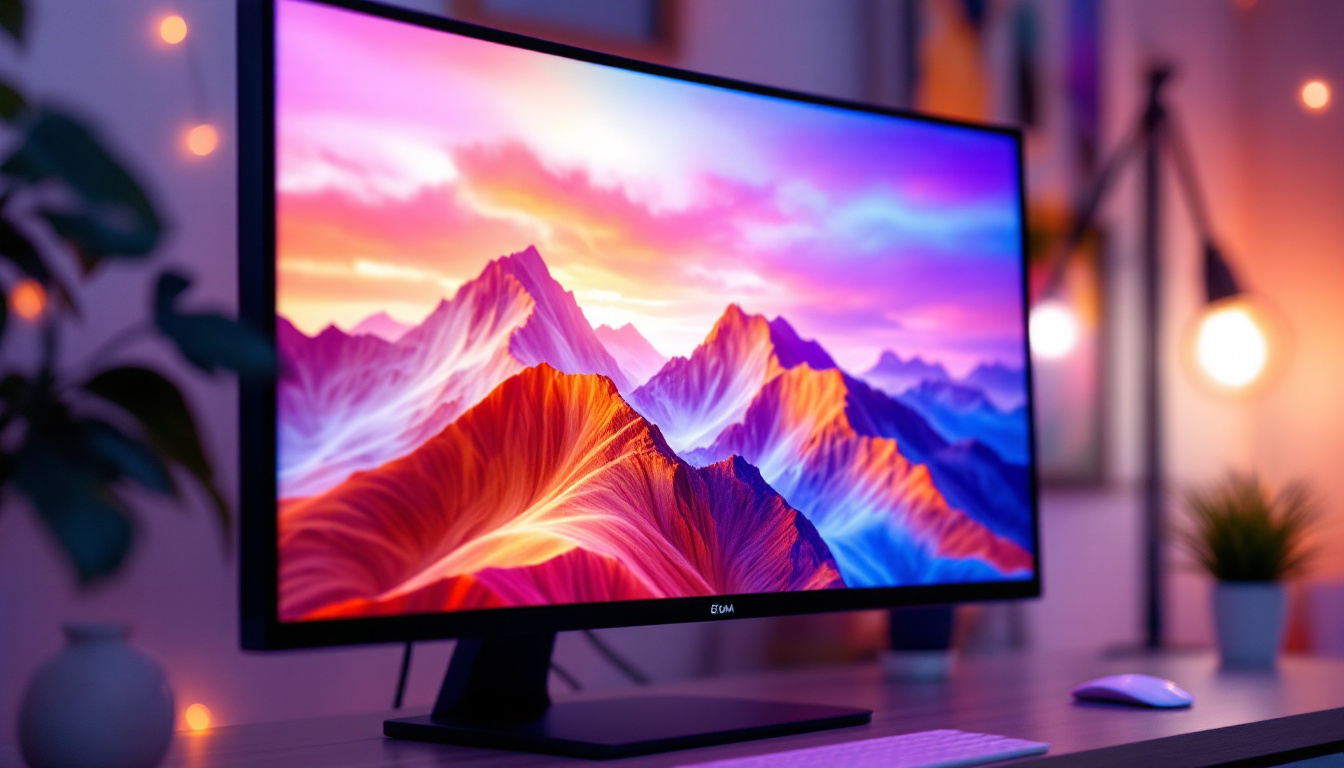
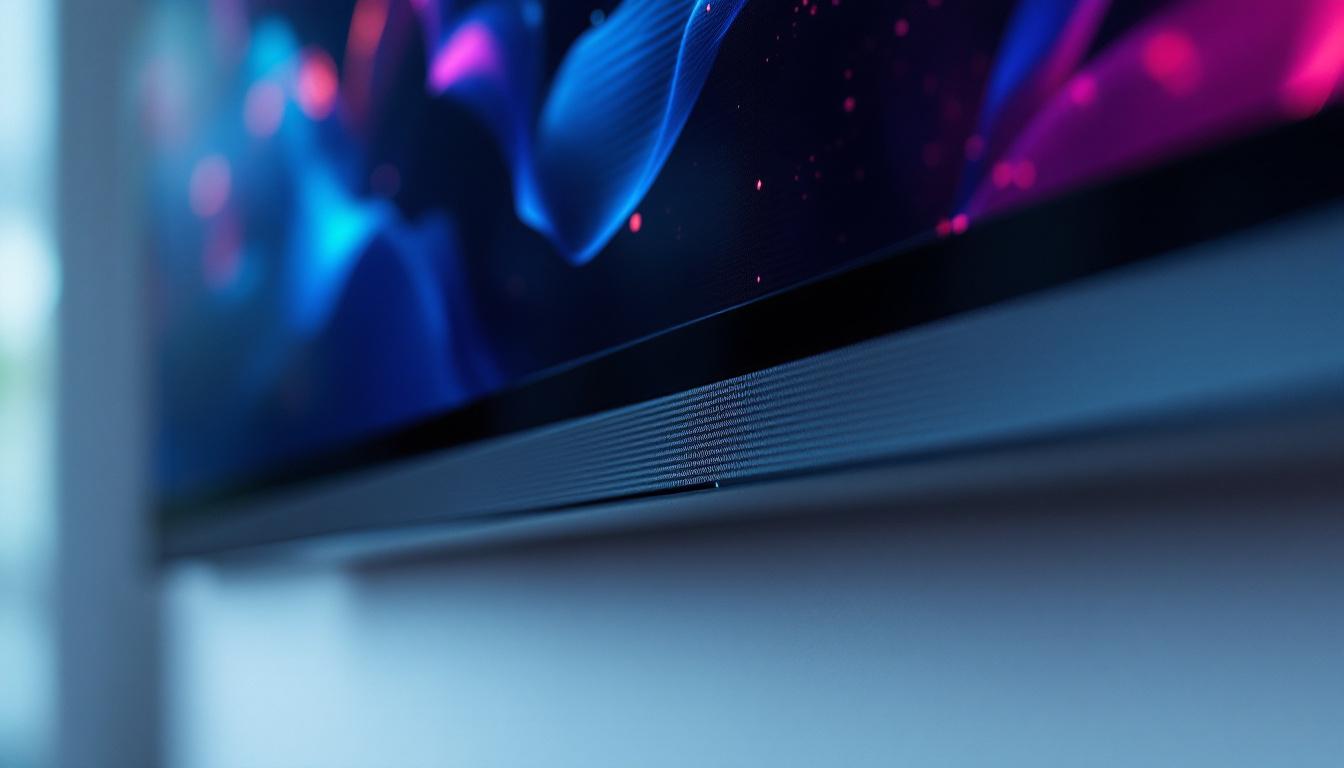
A screen bezel is the frame or border that surrounds the display panel of a screen. It is the physical edge that separates the active display area from the rest of the device’s body. On TVs, monitors, smartphones, and other digital displays, the bezel is the visible border around the screen’s glass or plastic surface.
While it might seem like a minor design element, the bezel serves several important functions. It provides structural support to the display panel, protects the edges of the screen from damage, and houses essential components such as sensors, cameras, and sometimes speakers. Bezels can be made from various materials, including plastic, metal, or glass, depending on the device’s design and price point. The choice of material not only affects durability but also influences the aesthetic appeal of the device, with premium devices often opting for sleek, metallic bezels that convey a sense of luxury and quality.
Moreover, the bezel can also play a role in the device’s thermal management. In some designs, the bezel is engineered to allow for better airflow, helping to dissipate heat generated by internal components, which is particularly crucial in high-performance devices like gaming laptops and professional monitors.
Why Does the Bezel Matter?
The bezel’s size and design have a direct impact on the user experience. A thick bezel can make a device look bulky and reduce the overall screen-to-body ratio, which is the percentage of the front surface occupied by the display. Conversely, a thin bezel maximizes the visible screen area, offering a more immersive viewing experience. This is particularly important in applications such as gaming and multimedia consumption, where a larger screen real estate can enhance the overall enjoyment and engagement of the user.
In multi-screen setups, such as video walls or gaming rigs with multiple monitors, bezel size becomes even more critical. Large bezels create visible gaps between screens, interrupting the continuity of the image. This is why manufacturers have been pushing for ultra-thin bezels, especially in professional LED display panels used for digital signage and large-scale displays. The trend towards bezel-less designs not only improves aesthetics but also minimizes distractions, allowing for a seamless visual experience that is crucial in professional environments where clarity and focus are paramount.
Additionally, the evolution of bezel design has been influenced by consumer preferences and technological advancements. As devices become more compact and portable, the demand for sleeker designs has led to innovations such as edge-to-edge displays, where the screen extends right to the edge of the device, effectively eliminating the bezel altogether. This shift not only enhances the visual appeal of devices but also aligns with modern design philosophies that prioritize minimalism and functionality.
LED Displays and Their Relationship with Bezels
What Is an LED Display?
LED stands for Light Emitting Diode, a semiconductor light source that emits light when an electric current passes through it. LED displays use these tiny diodes to create images by controlling the light output at each pixel. They are widely used in televisions, computer monitors, smartphones, and large-scale digital signage due to their brightness, energy efficiency, and color accuracy.
LED displays come in various forms, including:
- Direct LED: LEDs are placed directly behind the screen to illuminate it.
- Edge-lit LED: LEDs are positioned along the edges of the screen, with light spread evenly across the display.
- MicroLED: A newer technology where microscopic LEDs form individual pixels, offering superior brightness and contrast.
How Bezels Affect LED Displays
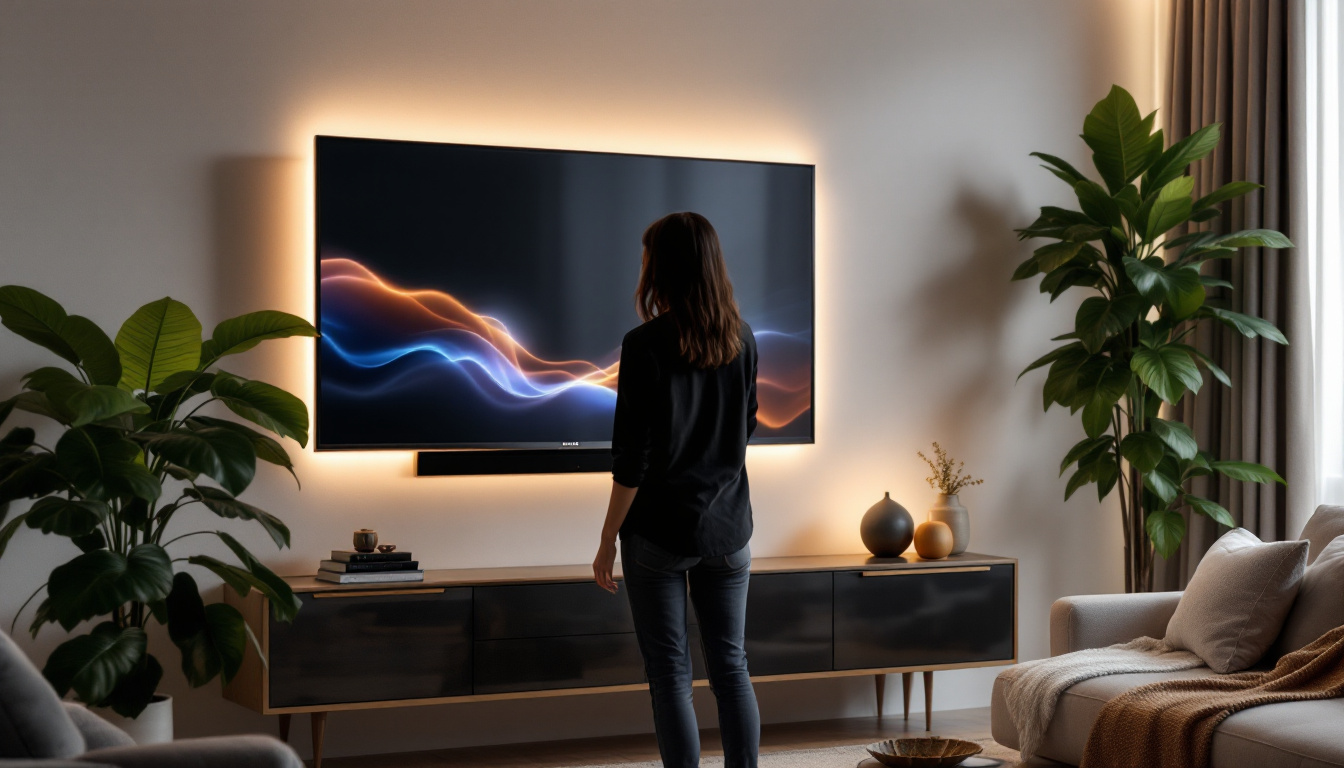
In LED displays, the bezel plays a significant role in both aesthetics and functionality. For consumer devices like TVs and monitors, manufacturers strive to minimize bezel thickness to enhance the visual appeal and maximize screen real estate. This trend has led to “bezel-less” or “borderless” designs where the bezel is almost invisible.
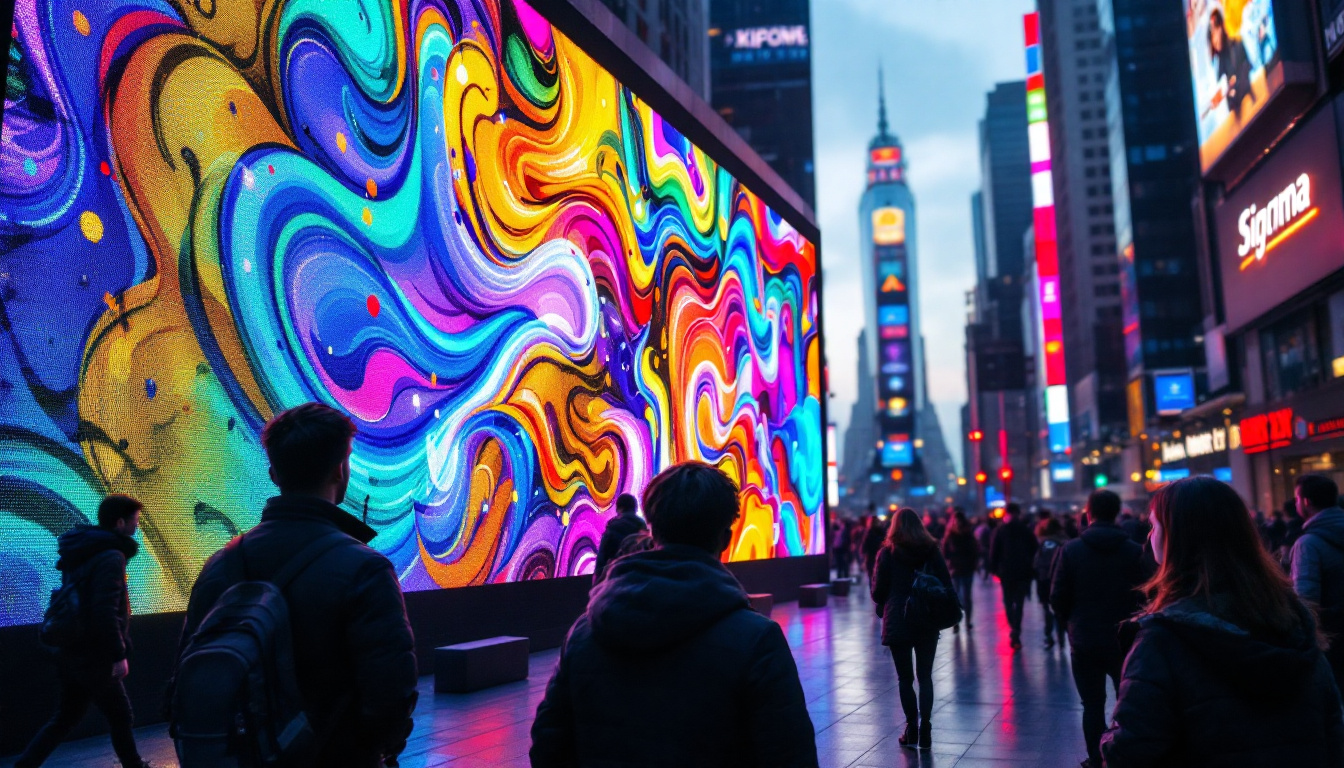
For commercial LED displays, particularly modular LED panels used in video walls, the bezel is a critical design consideration. Each panel has its own bezel, and when multiple panels are tiled together, the bezels create physical gaps. These gaps can disrupt the seamlessness of the image, which is why ultra-narrow bezel designs are preferred in professional applications.
The Evolution of Screen Bezels in LED Displays
From Thick Frames to Ultra-Thin Borders
Historically, screen bezels were quite thick, sometimes several centimeters wide. This was partly due to technological limitations and the need to house bulky components. For example, early CRT monitors and TVs had large bezels to accommodate the tube and circuitry.
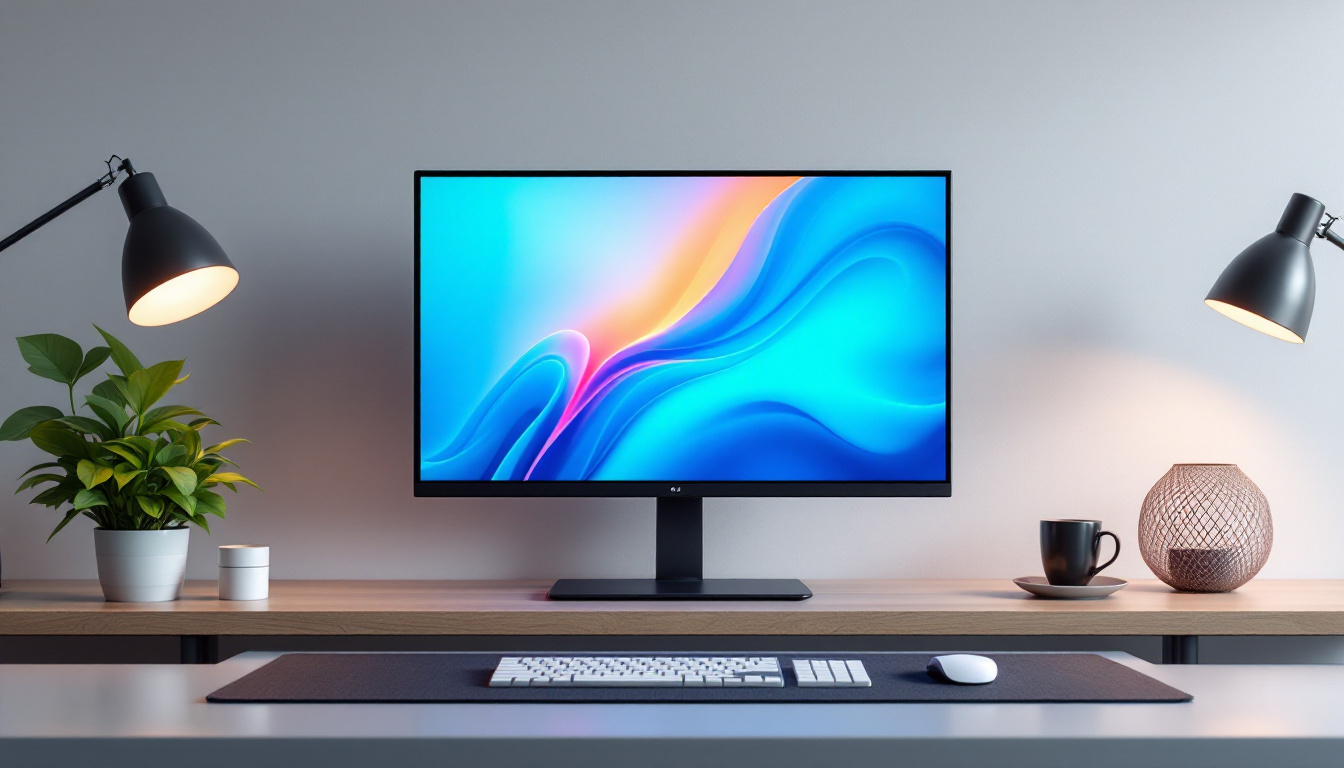
With the advent of flat-panel displays like LCD and LED, bezels began to shrink. Advances in manufacturing and materials allowed for slimmer designs without sacrificing durability or functionality. Today, many high-end LED TVs boast bezels less than 5 millimeters thick, and some smartphones have bezels so thin they are nearly imperceptible.
Innovations Driving Bezel Reduction
Several technological innovations have contributed to bezel reduction:
- Integrated Components: Embedding cameras, sensors, and speakers within the bezel or under the display reduces the need for extra space.
- Flexible and Transparent Materials: New materials allow for curved or edge-to-edge displays with minimal framing.
- MicroLED and OLED Technologies: These allow for thinner panels and more precise pixel control, enabling smaller bezels.
Challenges in Bezel Minimization
Despite these advancements, reducing bezel size presents challenges. Ultra-thin bezels can be more fragile, and manufacturing tolerances become tighter, increasing production costs. Additionally, in video walls, even a 1-2 millimeter bezel can create noticeable gaps when multiple panels are combined.
Manufacturers must balance the desire for thin bezels with durability, cost, and ease of installation. In some cases, slightly thicker bezels are preferred to ensure robustness and simplify maintenance.
Bezel Types and Their Applications in LED Displays
Standard Bezel
This is the traditional bezel, usually ranging from 10 to 20 millimeters in width. Standard bezels are common in consumer-grade LED TVs and monitors. They provide good protection and house components but can be visually distracting, especially in multi-screen setups.
Narrow Bezel
Narrow bezels typically measure between 5 and 10 millimeters. They are popular in higher-end consumer devices and many commercial displays. Narrow bezels strike a balance between aesthetics and functionality, offering a more immersive experience without compromising durability.
Ultra-Narrow Bezel
Ultra-narrow bezels are less than 5 millimeters thick and are often used in professional LED video walls and premium consumer devices. These bezels minimize the visible gap between screens, creating a near-seamless viewing experience. For example, some LED video wall panels feature bezels as thin as 1.8 millimeters.
Bezel-less and Borderless Designs
Bezel-less or borderless designs push the limits by integrating the display right to the edge of the device. These designs are common in smartphones and some high-end TVs. While technically there is a bezel, it is so thin or cleverly integrated that it appears invisible to the user.
Practical Considerations When Choosing LED Displays Based on Bezel Size
Use Case: Single Display vs. Multi-Panel Video Walls
If purchasing a single LED display for home or office use, bezel size may be more about aesthetics and personal preference. A thin bezel enhances the sleekness of the device and maximizes screen space.
However, for multi-panel video walls, bezel size is a critical factor. Video walls are created by joining multiple LED panels to form a large, continuous screen. The bezel creates a physical break between panels, which can disrupt the image. Ultra-narrow bezels are essential for creating a visually cohesive display that appears as one large screen.
Installation and Maintenance
Thinner bezels can complicate installation and maintenance. Panels with ultra-thin bezels may require precise alignment and careful handling to avoid damage. Additionally, servicing components behind the bezel can be more challenging if space is limited.
Cost Implications
Displays with ultra-narrow or bezel-less designs often come at a premium price. The manufacturing process is more complex, and the materials used are typically higher quality. Buyers should weigh the benefits of a sleek, immersive display against the budget and intended use.
Future Trends: What’s Next for Screen Bezels in LED Displays?
MicroLED and Beyond
MicroLED technology promises to revolutionize display design by enabling even thinner panels with superior brightness and color accuracy. Because each pixel is an individual LED, MicroLED displays can be made modular and scalable with minimal bezel interference.
Flexible and Foldable Displays
Flexible OLED and MicroLED displays are paving the way for foldable and rollable screens. These innovations will challenge traditional bezel concepts, as screens may no longer require rigid frames. Instead, protective materials and innovative housing designs will redefine the bezel’s role.
Invisible Bezels and Under-Display Components
Manufacturers are developing under-display cameras and sensors, eliminating the need for notches or thick bezels to house these components. This will further enhance the bezel-less experience, especially in smartphones and tablets.
Conclusion
The screen bezel, often overlooked, is a fundamental aspect of LED display design that affects aesthetics, functionality, and user experience. From thick frames of the past to today’s ultra-thin and bezel-less designs, bezels have evolved alongside display technology to meet the demands of consumers and professionals alike.
Understanding the role of bezels is especially important when selecting LED displays for specific applications, such as single-screen devices or multi-panel video walls. While thinner bezels offer a more immersive and modern look, they come with trade-offs in cost, durability, and installation complexity.
As display technology continues to advance, the bezel will likely become less visible and more integrated, driven by innovations like MicroLED, flexible screens, and under-display components. For now, knowing what a screen bezel is and how it impacts LED displays helps consumers and professionals make informed choices that balance design, performance, and practicality.
Discover Cutting-Edge Bezel Technology with LumenMatrix
Ready to experience the future of immersive display technology? LumenMatrix is at the forefront of innovation, offering a wide range of LED display solutions that push the boundaries of bezel minimization. Whether you’re looking for Indoor LED Wall Displays, Outdoor LED Wall Displays, or any of our specialized solutions like Vehicle LED Displays and LED Sports Displays, we have the expertise to enhance your brand’s visibility and captivate your audience. Embrace the sleek, modern look of ultra-thin bezels and state-of-the-art LED modules with LumenMatrix. Check out LumenMatrix LED Display Solutions today and transform your visual communication.