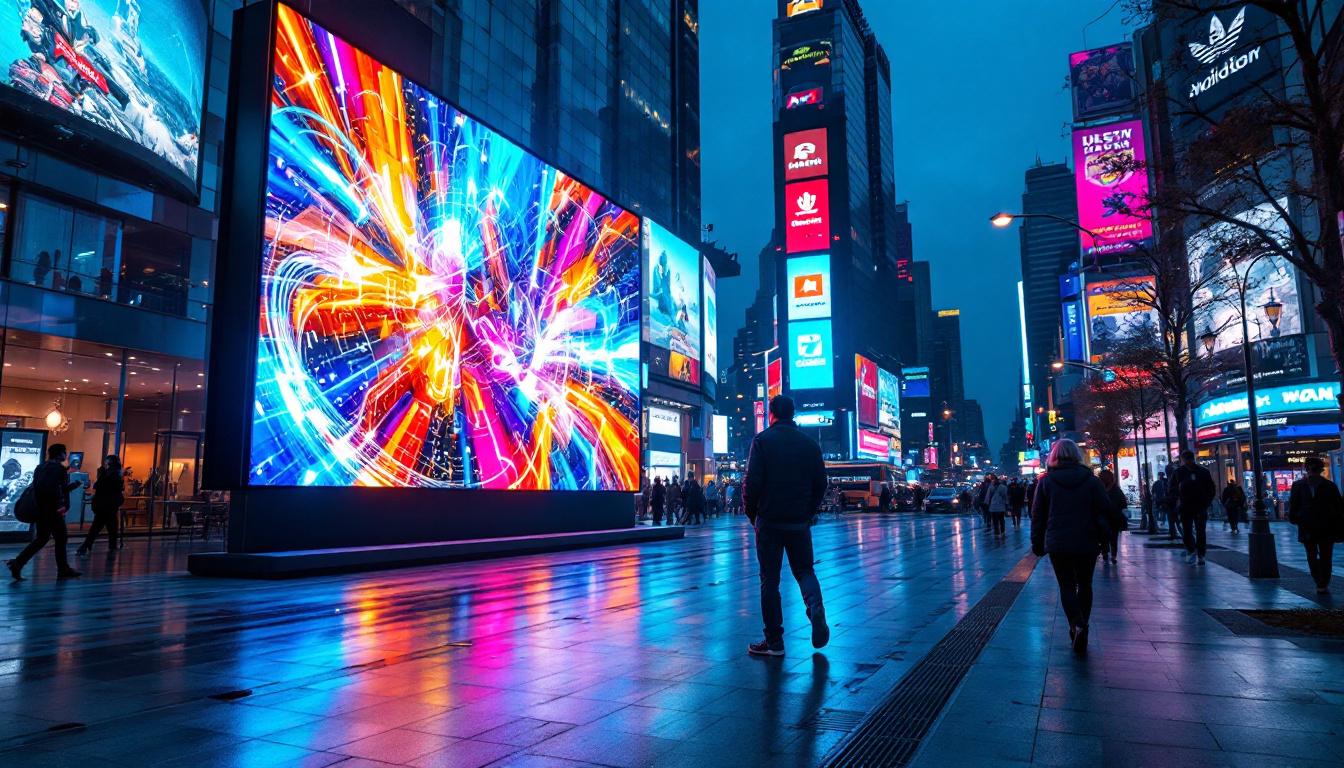
In today’s fast-paced world, grabbing attention quickly and effectively is crucial for businesses, public institutions, and event organizers. Outdoor electronic signs, particularly LED displays, have become a cornerstone of modern advertising and communication strategies. Their vibrant colors, dynamic content capabilities, and durability make them an indispensable tool for conveying messages in public spaces.
This article delves into the world of outdoor LED displays, explaining what they are, how they work, their benefits, and considerations for choosing the right display for your needs. Whether you are a business owner looking to upgrade your signage or a city planner interested in digital billboards, understanding the technology behind LED displays is essential.
What Are Outdoor LED Displays?
Outdoor LED displays are large-format electronic signs that use light-emitting diodes (LEDs) to produce bright, colorful images and text. Unlike traditional static signs, these displays can show dynamic content such as videos, animations, and real-time information, making them highly versatile.
LED technology has evolved significantly over the past decade, allowing for higher resolution, improved brightness, and energy efficiency. These displays are designed to withstand harsh weather conditions, including rain, snow, and extreme temperatures, which is why they are ideal for outdoor use. The durability of outdoor LED displays means they can operate continuously, providing consistent visibility and engagement without the need for frequent maintenance or replacement.
Moreover, the energy efficiency of LED technology not only reduces operational costs but also contributes to environmental sustainability. Many modern outdoor LED displays are equipped with sensors that adjust brightness based on ambient light conditions, ensuring optimal visibility while minimizing energy consumption. This adaptability makes them an eco-friendly choice for businesses looking to enhance their advertising strategies while being mindful of their carbon footprint.
Components of an Outdoor LED Display
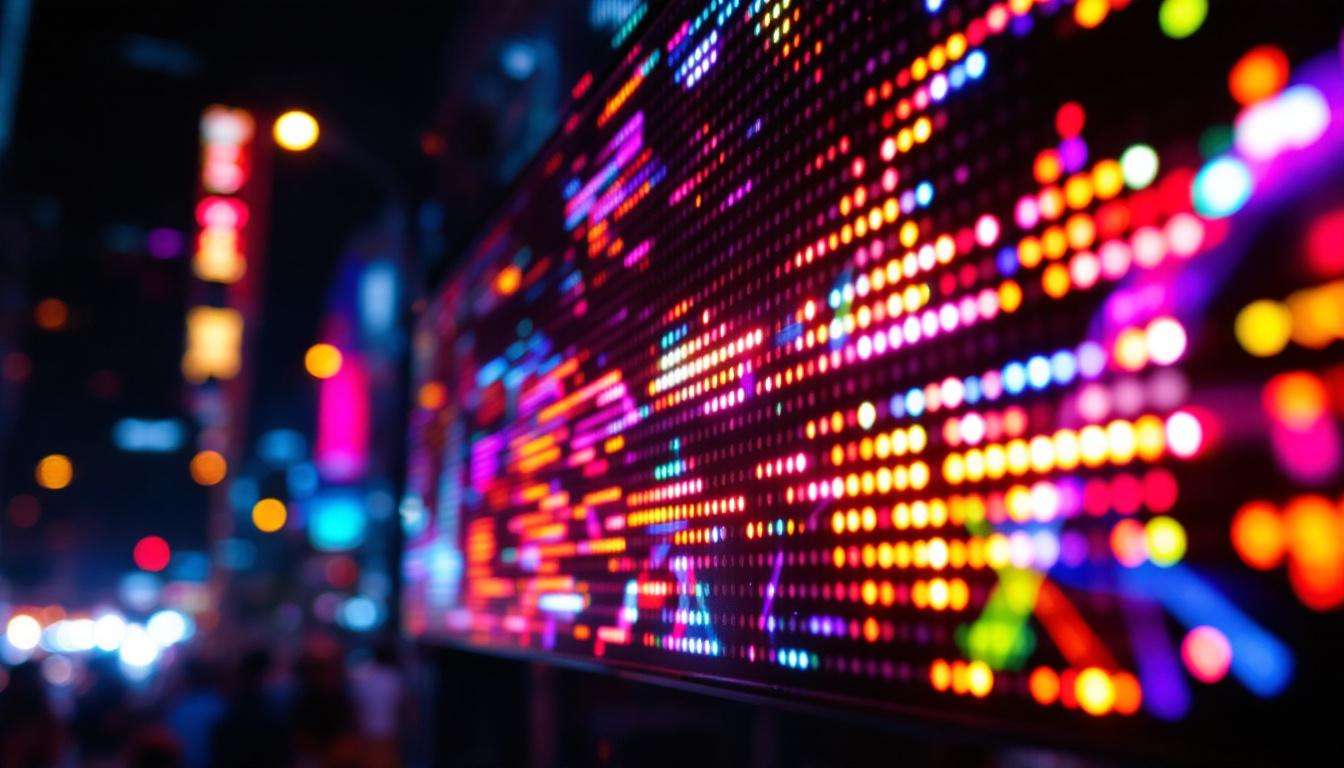
At the core of an outdoor LED display are thousands of tiny LEDs arranged in a grid, known as pixels. Each pixel typically consists of three LEDs: red, green, and blue. By adjusting the intensity of each LED, the display can produce a full spectrum of colors.
Other critical components include:
- Control System: This manages the content displayed, often via software that allows remote updates and scheduling. Advanced control systems can integrate with social media feeds, weather updates, and other live data sources, enhancing the relevance of the displayed content.
- Power Supply: Ensures consistent energy delivery to the LEDs and control systems. Some displays even utilize solar power solutions, further promoting sustainability.
- Protective Housing: A weatherproof casing that shields the electronics from environmental damage. This housing is often designed to resist vandalism and theft, ensuring the longevity of the display.
Types of Outdoor LED Displays
Outdoor LED displays come in various forms, each suited for different applications:
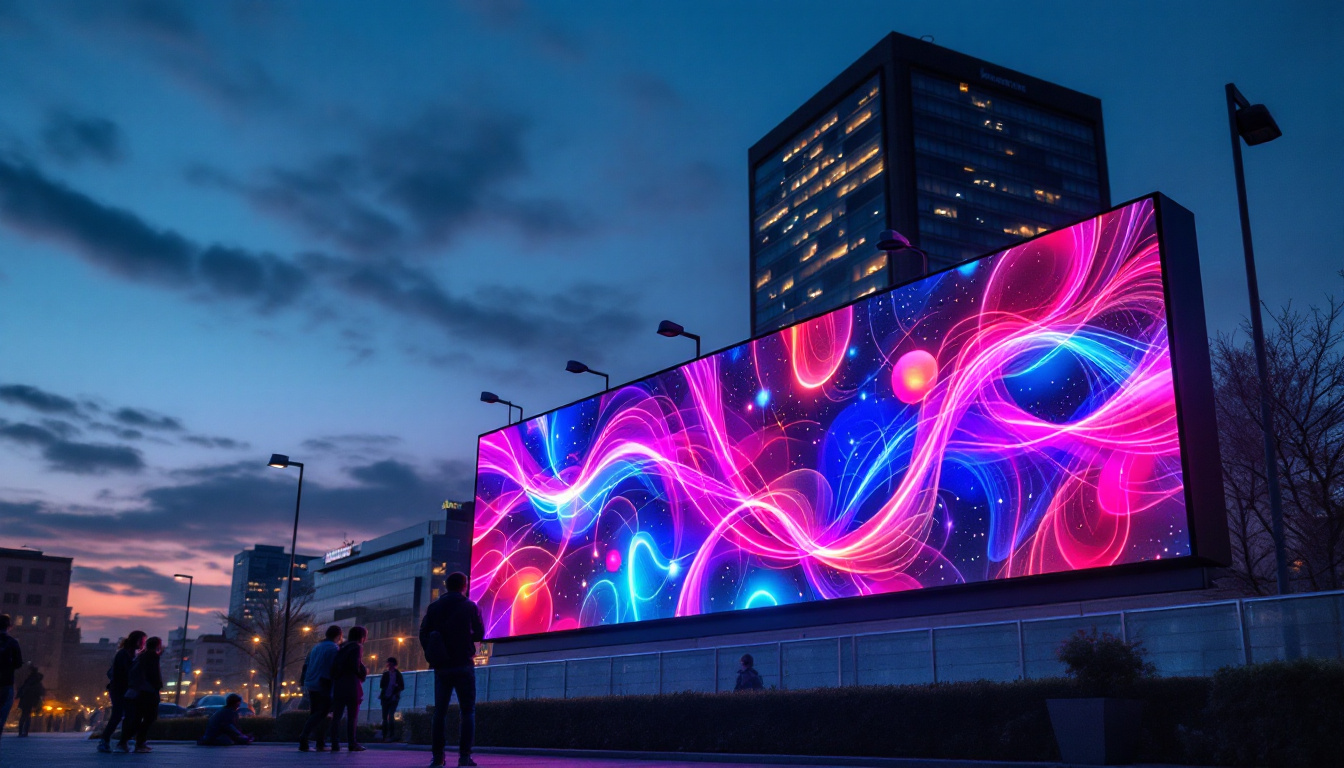
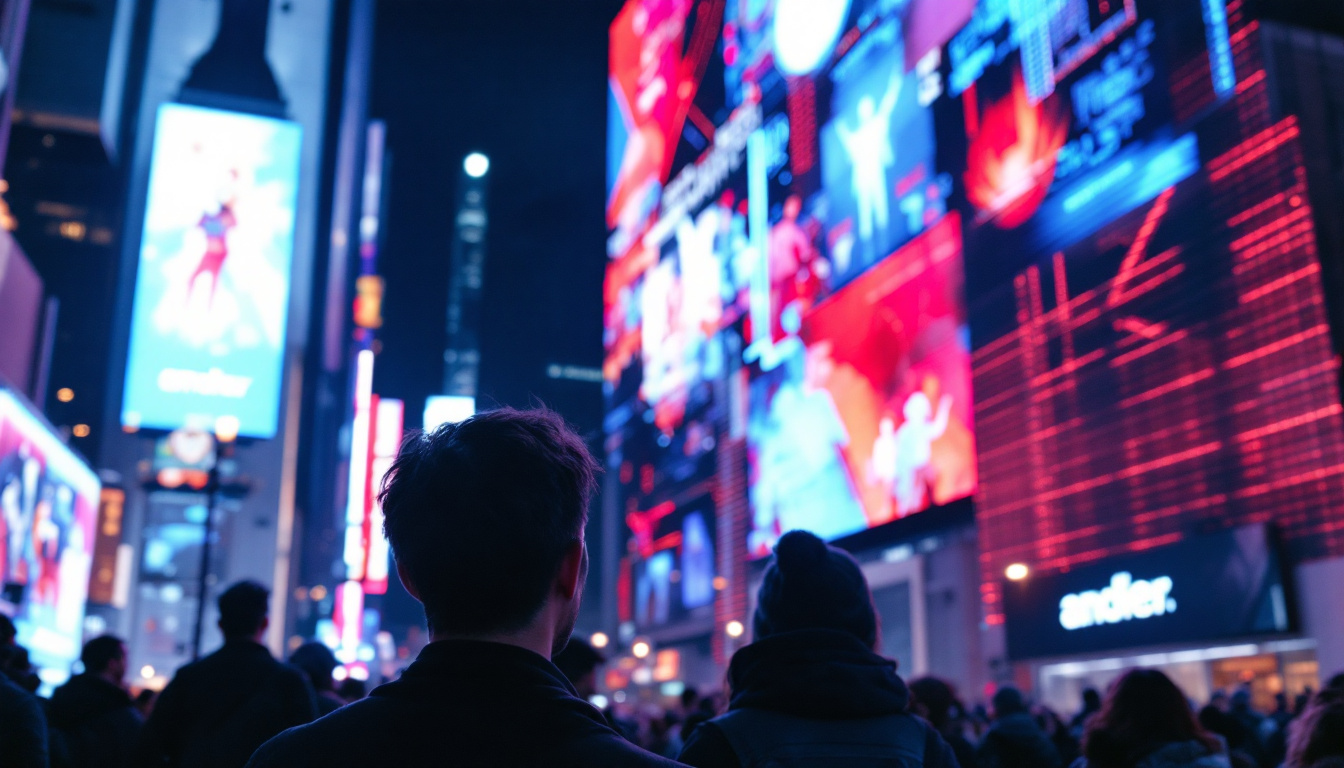
- Billboards: Large-scale displays used primarily for advertising along highways or in urban areas. These billboards can capture the attention of passing motorists and pedestrians alike, often featuring high-definition video content that can be updated instantly.
- Digital Signage: Medium-sized displays often found outside retail stores, restaurants, or entertainment venues. They are particularly effective for promoting sales, events, or new products, offering businesses a dynamic way to communicate with customers.
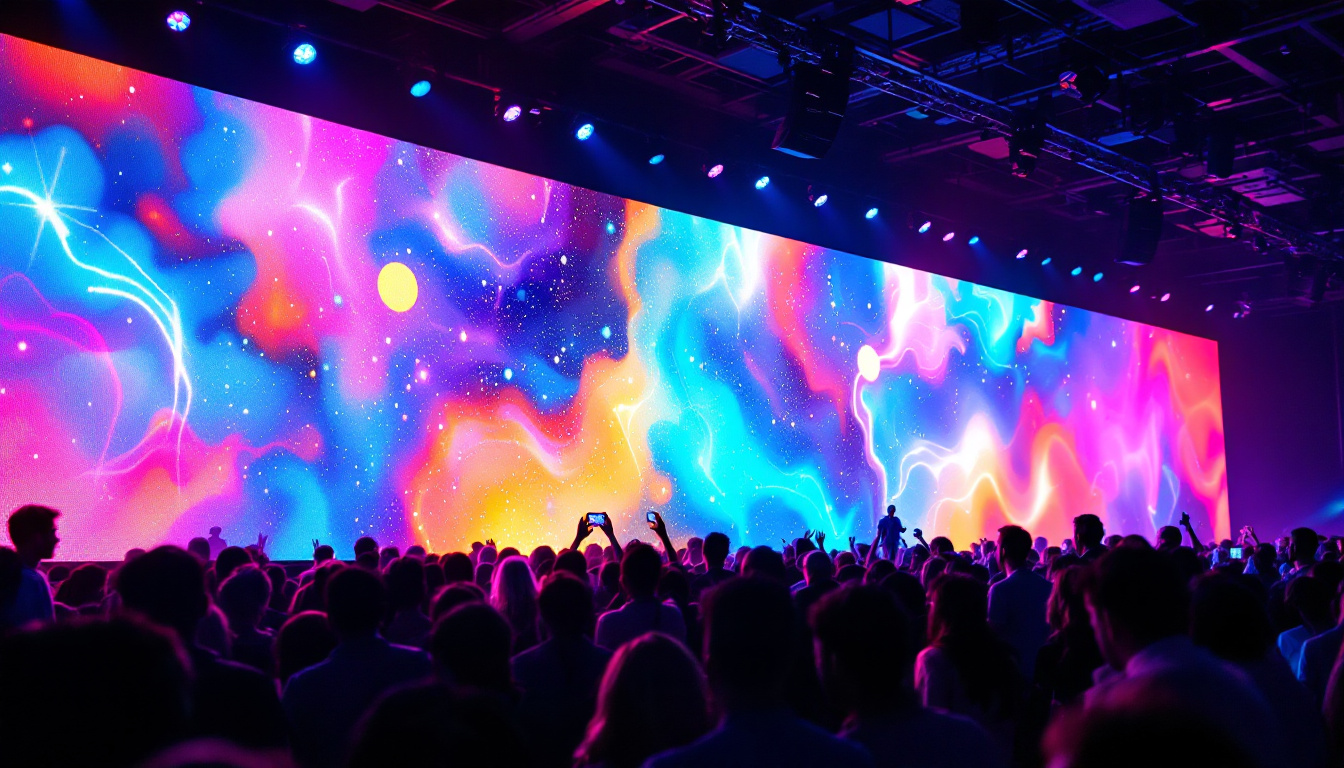
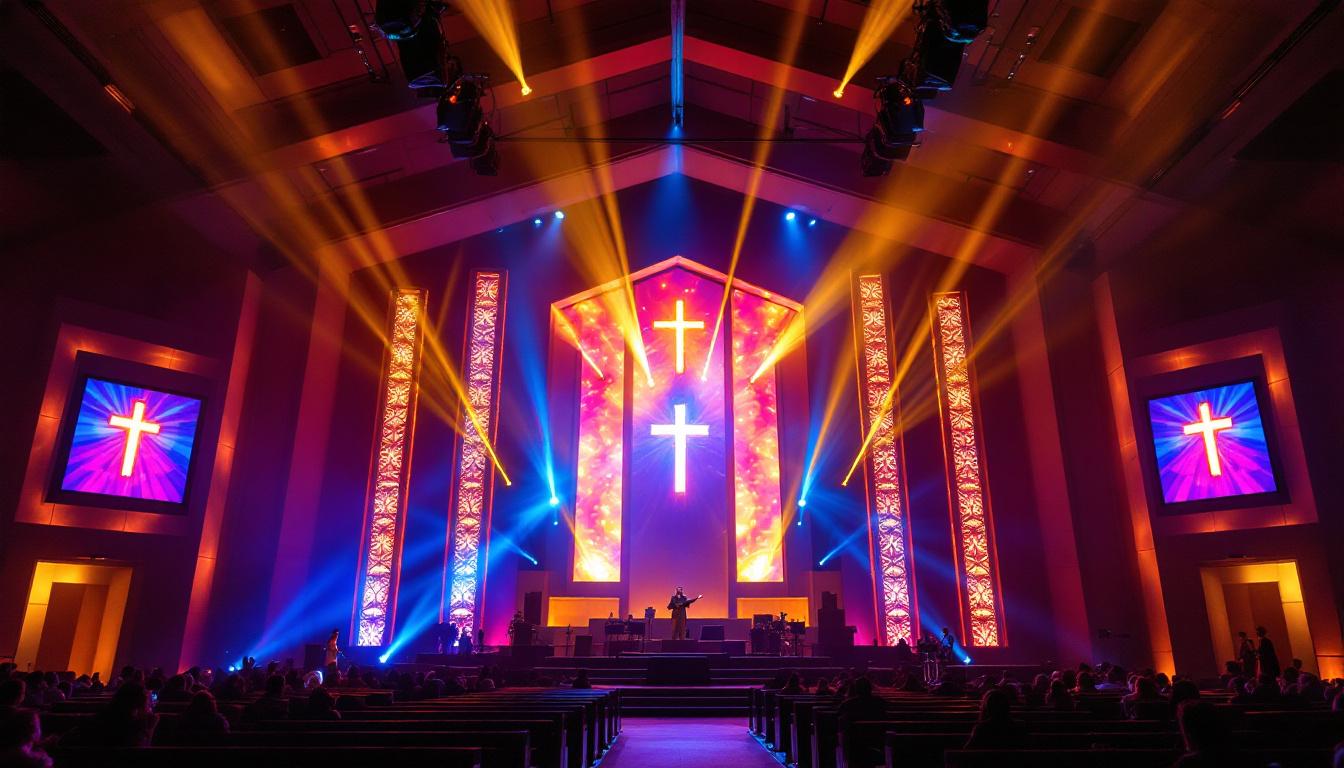
- Scoreboards and Event Displays: Used in sports arenas and concert venues to provide real-time information and enhance audience engagement. These displays can show scores, player statistics, and even instant replays, enriching the spectator experience.
- Information Boards: Installed at transit stations, airports, or public spaces to deliver schedules, alerts, and announcements. They play a crucial role in keeping the public informed and can be integrated with mobile apps for real-time updates.
How Outdoor LED Displays Work
The operation of an outdoor LED display involves several technical processes that work together to create vivid and clear imagery visible even in direct sunlight.
Pixel Pitch and Resolution
One of the most important factors in LED display quality is the pixel pitch — the distance between the centers of two adjacent pixels. A smaller pixel pitch results in higher resolution and sharper images, which is especially important for displays viewed at close range.
For outdoor displays, pixel pitches typically range from 4mm to 20mm or more. Larger pixel pitches are common for billboard-sized displays that are viewed from a distance, while smaller pitches are used for displays that viewers see up close. This distinction is crucial for advertisers and businesses, as the right pixel pitch can significantly impact viewer engagement and message clarity. For instance, a concert venue might opt for a smaller pixel pitch to ensure that even attendees in the back rows can enjoy a crisp view of the performance, while a highway billboard may prioritize visibility from afar with a larger pitch.
Brightness and Visibility
Outdoor LED displays must be bright enough to be visible in direct sunlight. Modern LED signs can reach brightness levels of 5,000 to 7,000 nits or more, compared to indoor displays that usually operate around 300 to 500 nits.
Brightness is controlled automatically through sensors that adjust the display intensity based on ambient light conditions, ensuring optimal visibility while conserving energy during nighttime or cloudy days. This adaptability not only enhances user experience but also extends the lifespan of the display by preventing overheating and excessive wear. Furthermore, the technology behind outdoor LED displays often incorporates advanced thermal management systems, which help dissipate heat generated during operation, ensuring that the displays function efficiently under varying environmental conditions.
Color Rendering and Refresh Rate
Accurate color reproduction is achieved by combining red, green, and blue LEDs in varying intensities. High-quality displays use advanced calibration techniques to maintain consistent color balance over time.
The refresh rate, measured in hertz (Hz), indicates how many times per second the display updates its image. Higher refresh rates reduce flicker and improve the quality of video playback, which is essential for engaging content. In addition to refresh rates, the bit depth of the display plays a significant role in color accuracy. A higher bit depth allows for more shades of color to be displayed, resulting in smoother gradients and more lifelike images. This is particularly important for video content, where transitions between colors need to be seamless to maintain viewer interest and convey the intended message effectively. As technology advances, many outdoor LED displays are now capable of supporting 4K and even 8K resolutions, pushing the boundaries of visual quality and creating immersive experiences for audiences.
Benefits of Outdoor LED Displays
Outdoor LED displays offer numerous advantages over traditional signage, making them a preferred choice for many applications.
Dynamic Content and Real-Time Updates
Unlike static signs, LED displays can show changing content, allowing businesses to promote multiple products, announce events, or display timely information such as weather updates or emergency alerts. Content can be updated remotely and scheduled in advance, providing flexibility and responsiveness.
High Visibility and Impact
The brightness and color vibrancy of LED displays make them stand out in crowded urban environments. Studies have shown that digital signage can increase customer engagement by up to 400% compared to static signs, making them highly effective for advertising and communication.
Energy Efficiency and Longevity
LED technology is inherently energy-efficient, consuming significantly less power than traditional neon or incandescent lighting. Additionally, LED displays have long lifespans, often exceeding 100,000 hours of operation, which reduces maintenance and replacement costs.
Environmental Durability
Outdoor LED signs are built to endure harsh weather conditions, including UV exposure, rain, dust, and temperature fluctuations. This durability ensures consistent performance and reduces downtime.
Considerations When Choosing an Outdoor LED Display
Selecting the right outdoor LED display requires careful consideration of several factors to ensure it meets your specific needs and budget.
Viewing Distance and Location
Understanding where your audience will view the display is critical. For long-distance viewing, such as highway billboards, a larger pixel pitch and higher brightness are appropriate. For pedestrian areas, a smaller pixel pitch and higher resolution will provide a better experience.
Content Type and Frequency of Updates
Consider the types of content you plan to display. If you require frequent updates or dynamic video content, ensure the display supports high refresh rates and has a reliable control system. For simpler messages, basic models may suffice.
Budget and Total Cost of Ownership
While initial costs for LED displays can be higher than traditional signs, the benefits in terms of flexibility, impact, and lower maintenance often justify the investment. Factor in installation, software, power consumption, and potential maintenance when budgeting.
Compliance and Regulations
Many municipalities have regulations governing the use of outdoor digital signage, including brightness limits, operating hours, and content restrictions. It is essential to consult local authorities to ensure compliance and avoid fines or forced removal.
Emerging Trends in Outdoor LED Display Technology
The LED display industry continues to innovate, bringing new features and capabilities that enhance performance and user experience.
Higher Resolution and MicroLED Technology
Advancements in microLED technology are enabling even smaller pixel pitches and higher resolutions, making outdoor displays sharper and more detailed. This technology also promises improved energy efficiency and longer lifespans.
Integration with IoT and Smart City Infrastructure
Outdoor LED displays are increasingly integrated with Internet of Things (IoT) systems, allowing for real-time data sharing and interaction. For example, displays can show live traffic updates, environmental data, or emergency alerts, contributing to smarter urban environments.
Interactive and Touch-Enabled Displays
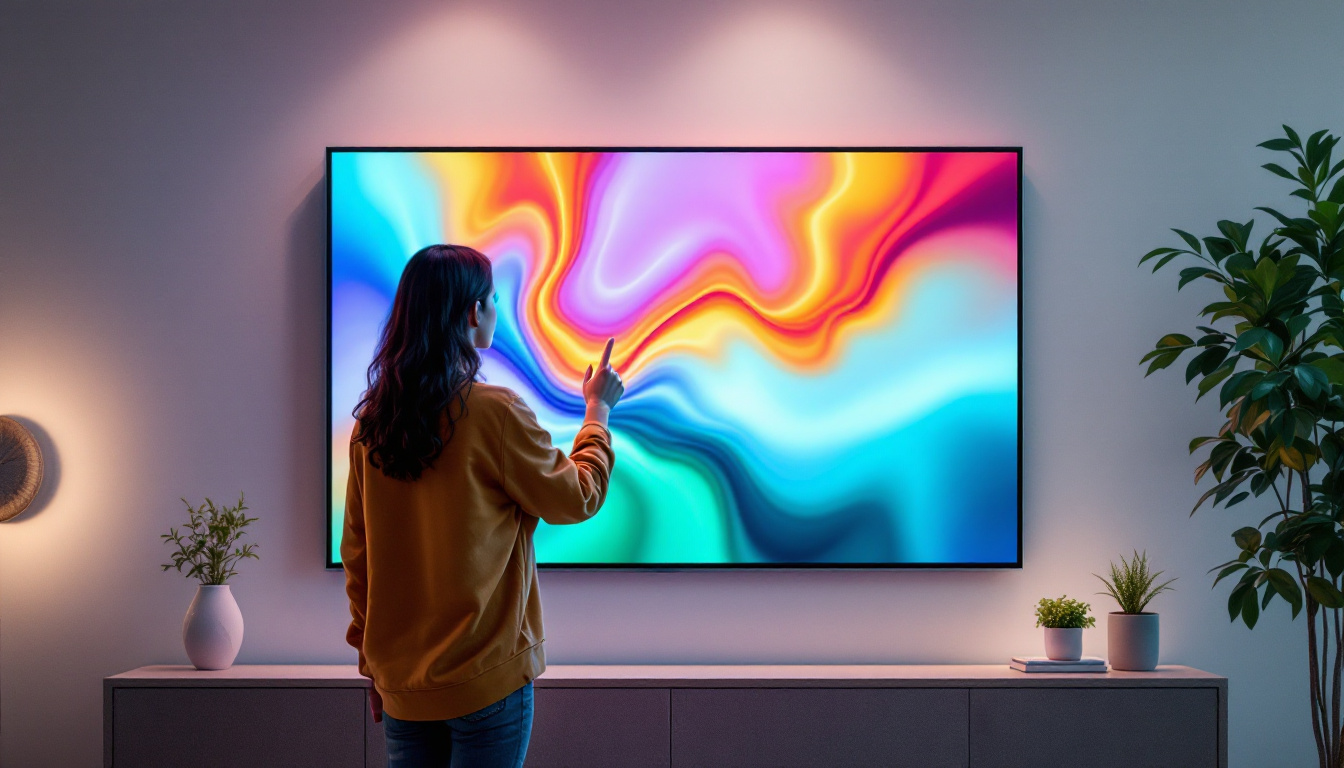
Some outdoor LED signs now feature touch capabilities or integrate with mobile devices, enabling interactive advertising and enhanced customer engagement. These innovations open new possibilities for retail and public information systems.
Conclusion
Outdoor LED displays represent a powerful communication tool that combines visibility, flexibility, and durability. Understanding the technology behind these displays helps businesses and organizations make informed decisions that maximize their impact and return on investment.
Whether used for advertising, public information, or entertainment, LED displays continue to shape the way messages are delivered in outdoor environments. As technology advances, these signs will only become more sophisticated, offering new opportunities for engagement and innovation.
Illuminate Your Message with LumenMatrix
Ready to elevate your outdoor advertising and communication to new heights? Discover LumenMatrix’s innovative LED display solutions that promise to transform your visual storytelling. From vibrant outdoor LED walls to interactive sports displays, our technology is designed to captivate and engage your audience like never before. Check out LumenMatrix LED Display Solutions today and step into the future of dynamic and impactful digital signage.