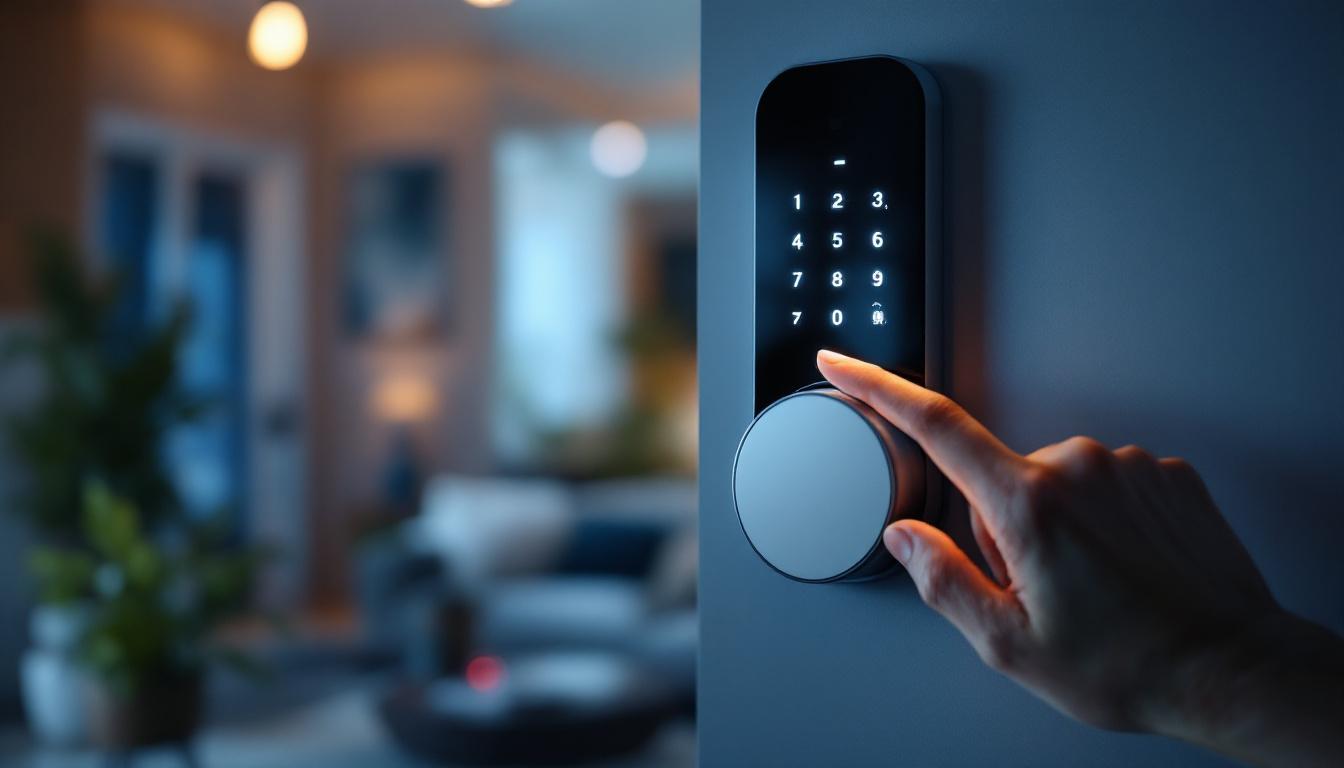
In an era where smart home technology is rapidly evolving, energy efficiency has become a critical factor in the design and functionality of everyday devices. Among these, touchscreen locks with LED displays stand out as a perfect blend of convenience, security, and sustainability. This article delves into the intricacies of energy-efficient touchscreen locks, focusing on how LED displays contribute to their performance and eco-friendliness.
Understanding Touchscreen Locks and Their Energy Needs
Touchscreen locks have revolutionized home and office security by replacing traditional mechanical keys with digital interfaces. These locks offer features such as keyless entry, remote access, and integration with smart home systems. However, the convenience of these features often comes with increased energy consumption, primarily due to the electronic components involved.
The core energy consumers in touchscreen locks include the microcontroller, wireless communication modules (like Wi-Fi or Bluetooth), and the display system. Among these, the display—often an LED or OLED screen—is a significant contributor to power usage. Therefore, optimizing the display for energy efficiency is essential for prolonging battery life and reducing the environmental footprint of these devices. Manufacturers are increasingly focusing on developing low-power displays that can maintain high visibility while consuming minimal energy, thus enhancing the overall efficiency of the lock.
Why Energy Efficiency Matters in Smart Locks
Energy efficiency in smart locks is not just about saving battery life; it also impacts user experience and device reliability. Frequent battery replacements can be inconvenient and costly, especially in commercial settings with numerous locks. Moreover, energy-efficient devices contribute to sustainability goals by minimizing electronic waste and reducing the demand for disposable batteries.
According to a 2023 report by the Consumer Technology Association, the average smart lock consumes between 0.5 to 1 watt of power during active use, with standby power consumption as low as 0.05 watts. Devices that incorporate energy-efficient LED displays can reduce overall power consumption by up to 30%, significantly extending battery life. Additionally, many modern touchscreen locks now feature energy-saving modes that activate during periods of inactivity, allowing the device to enter a low-power state until it is needed again. This not only conserves energy but also enhances the longevity of the lock’s components, ensuring that users can rely on their security systems for years to come.
Furthermore, the integration of solar charging capabilities in some advanced models is paving the way for even greater energy efficiency. These locks can harness solar energy to recharge their batteries, making them particularly appealing for outdoor applications where access to traditional power sources is limited. By utilizing renewable energy, these innovative locks not only reduce their reliance on disposable batteries but also align with broader environmental initiatives aimed at reducing carbon footprints. As technology continues to evolve, we can expect to see even more advancements in energy-efficient designs that prioritize both functionality and sustainability.
The Role of LED Displays in Touchscreen Locks
LED (Light Emitting Diode) displays are widely used in touchscreen locks due to their brightness, responsiveness, and durability. Unlike traditional LCDs, LED displays emit light directly, which allows for better visibility in various lighting conditions without the need for a backlight. This direct emission characteristic translates into lower power consumption and improved energy efficiency.
Types of LED Displays Used in Touchscreen Locks
There are several types of LED displays commonly integrated into touchscreen locks, each with distinct advantages:
- Monochrome LED Displays: These displays use a single color, usually red or green, and are highly energy-efficient. They are often used in basic lock models where minimal information is displayed.
- RGB LED Displays: Capable of displaying multiple colors, these displays enhance user experience by providing visual feedback and notifications through color changes. Although slightly more power-hungry than monochrome LEDs, advances in technology have minimized this gap.
- OLED Displays: Organic LEDs offer superior contrast and color richness. Each pixel emits its own light, allowing for deeper blacks and lower power consumption when displaying darker interfaces. OLEDs are becoming increasingly popular in high-end touchscreen locks.
Choosing the right type of LED display depends on the lock’s intended use, desired features, and energy efficiency goals.
How LED Displays Contribute to Energy Savings
LED displays contribute to energy efficiency in several ways:
- Low Power Consumption: LEDs require less power to produce bright, clear images compared to traditional display technologies.
- Adaptive Brightness: Many touchscreen locks feature sensors that adjust the LED display brightness based on ambient light, reducing unnecessary energy use in darker environments.
- Selective Activation: The display is often programmed to activate only when needed, such as when a user approaches or interacts with the lock, minimizing idle power draw.
These features collectively extend battery life, which is crucial for wireless locks that rely on AA or rechargeable batteries.
Technological Innovations Enhancing Energy Efficiency
Recent advancements in both hardware and software have significantly improved the energy efficiency of touchscreen locks with LED displays.
Low-Power Microcontrollers and Efficient Circuit Design
Modern smart locks utilize low-power microcontrollers designed to operate efficiently in standby and active modes. These microcontrollers manage the LED display and other components, ensuring that power is distributed intelligently. Efficient circuit design reduces energy loss, allowing the lock to maintain functionality while conserving battery life.
Power Management Software
Software algorithms play a vital role in managing the energy consumption of LED displays. Features such as sleep modes, timed display activation, and dynamic brightness adjustment are controlled through firmware. For example, if a lock detects no user interaction for a set period, the display dims or turns off entirely, conserving energy without compromising security.
Integration with Smart Home Ecosystems
Integration with smart home systems allows touchscreen locks to leverage external sensors and automation to optimize energy use. For instance, a lock connected to a home’s motion sensors can activate its display only when someone approaches the door. This contextual awareness reduces unnecessary energy expenditure.
Practical Benefits for Consumers and Businesses
Energy-efficient touchscreen locks with LED displays offer tangible benefits beyond environmental impact, affecting both consumers and businesses.
Extended Battery Life and Reduced Maintenance
One of the most immediate advantages is extended battery life. Many energy-efficient models can operate for 12 to 24 months on a single set of batteries, depending on usage patterns. This reduces the frequency of battery replacements, saving time and money, and minimizing the risk of lockouts due to dead batteries.
Enhanced User Experience
LED displays provide clear, intuitive interfaces that improve usability. Energy-efficient designs ensure that these displays remain bright and responsive without draining the battery quickly. Features like backlit keypads and visual feedback help users operate the lock confidently in various lighting conditions.
Cost Savings and Environmental Impact
For businesses managing multiple access points, such as hotels or office buildings, energy-efficient locks translate into significant cost savings on battery replacements and maintenance labor. Additionally, reducing battery waste aligns with corporate sustainability initiatives, enhancing brand reputation and compliance with environmental regulations.
Choosing the Right Energy-Efficient Touchscreen Lock
When selecting a touchscreen lock with an LED display, several factors should be considered to balance security, usability, and energy efficiency.
Evaluate Display Technology and Features
Consider whether a monochrome, RGB, or OLED display best suits your needs. For simple access control, a monochrome display may suffice, while more advanced features like notifications and multi-user management may benefit from RGB or OLED screens.
Check Battery Life and Power Management Capabilities
Review manufacturer specifications for battery life under typical usage conditions. Look for locks that incorporate adaptive brightness, sleep modes, and other power-saving features.
Assess Integration and Automation Options
Locks that integrate with smart home or building management systems can optimize energy use through automation. Compatibility with platforms like Apple HomeKit, Google Home, or Amazon Alexa can enhance both security and efficiency.
Consider Environmental Certifications
Some manufacturers provide certifications or ratings indicating the energy efficiency and environmental impact of their products. Certifications such as ENERGY STAR or eco-labels can guide consumers toward more sustainable choices.
Future Trends in Energy-Efficient Touchscreen Locks
The landscape of smart lock technology continues to evolve, with promising trends aimed at further reducing energy consumption while enhancing security and user convenience.
Advancements in Display Technology
Emerging display technologies like microLEDs and flexible OLEDs promise even lower power consumption and improved durability. These innovations could lead to more responsive and visually appealing interfaces without compromising battery life.
Energy Harvesting and Self-Powered Locks
Research into energy harvesting techniques, such as capturing kinetic energy from door movements or solar power, may enable locks to recharge their batteries autonomously. This would dramatically reduce maintenance needs and environmental impact.
Artificial Intelligence for Power Optimization
AI-driven power management systems could learn user behavior patterns to predict when the lock will be used and adjust display and system activity accordingly. Such intelligent systems would maximize energy savings without sacrificing responsiveness.
Conclusion
Energy-efficient touchscreen locks with LED displays represent a significant advancement in smart security technology. By combining innovative display technologies, intelligent power management, and seamless integration with smart ecosystems, these devices offer enhanced security, convenience, and sustainability.
For consumers and businesses alike, investing in energy-efficient locks means longer battery life, reduced maintenance costs, and a smaller environmental footprint. As technology continues to advance, the future holds exciting possibilities for even smarter, greener access control solutions.
Understanding the role of LED displays in these devices is crucial for making informed decisions that balance performance and energy efficiency. With the right choice, users can enjoy the benefits of modern security technology while contributing to a more sustainable future.
Discover LumenMatrix’s Advanced LED Solutions
Ready to elevate your security and visual experience with the latest in LED technology? LumenMatrix offers a comprehensive range of LED display modules designed to bring energy efficiency and vibrant visuals to any setting. From Indoor and Outdoor LED Wall Displays to innovative solutions like Vehicle and Floor LED Displays, our products are crafted to integrate seamlessly with your smart security needs. Embrace the future of visual communication and make a sustainable choice with LumenMatrix. Check out LumenMatrix LED Display Solutions today and see the difference for yourself.