In today’s fast-evolving digital landscape, LED displays have become an integral part of visual communication. From advertising billboards to office lighting, the technology behind LED panels continues to advance rapidly. Among these, flat LED panels stand out for their sleek design, energy efficiency, and versatile applications. This article delves deep into what flat LED panels are, how they work, their advantages, and the latest trends shaping their future.
Understanding Flat LED Panels
What Is a Flat LED Panel?
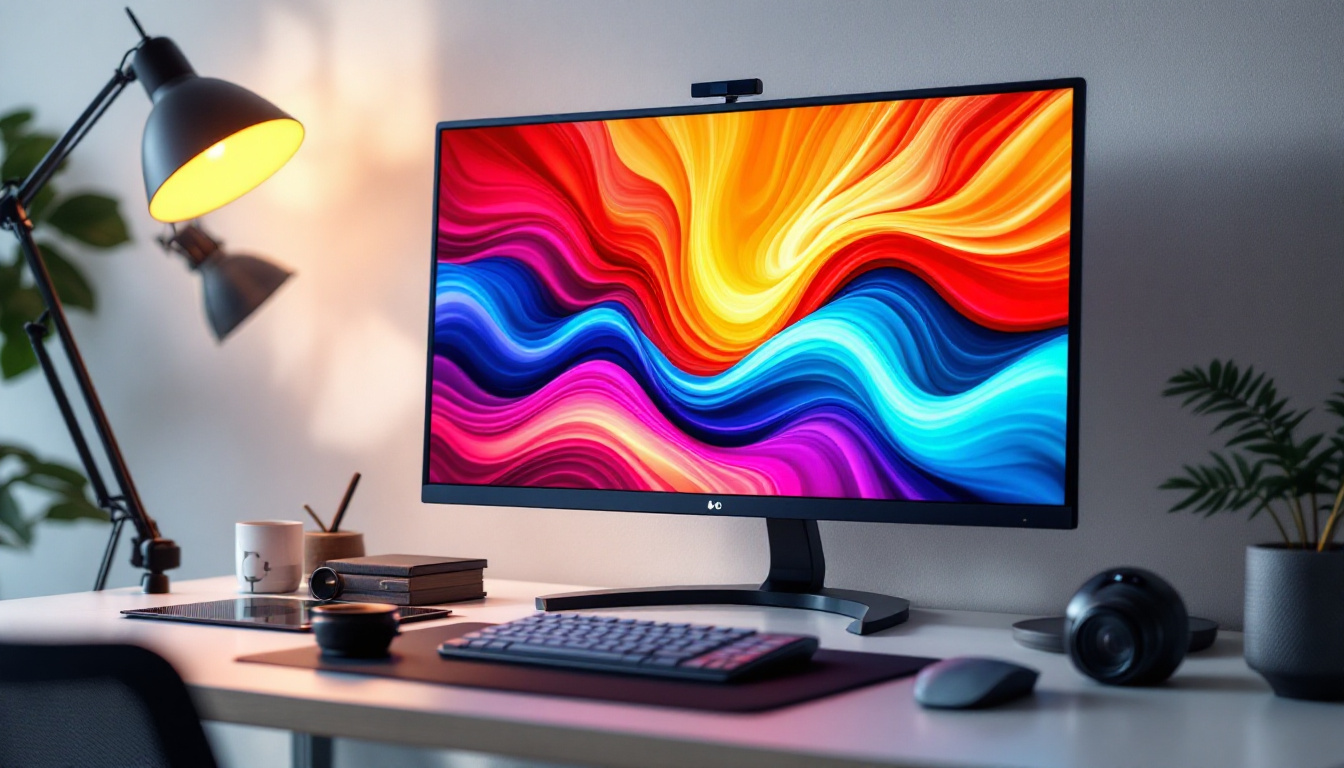
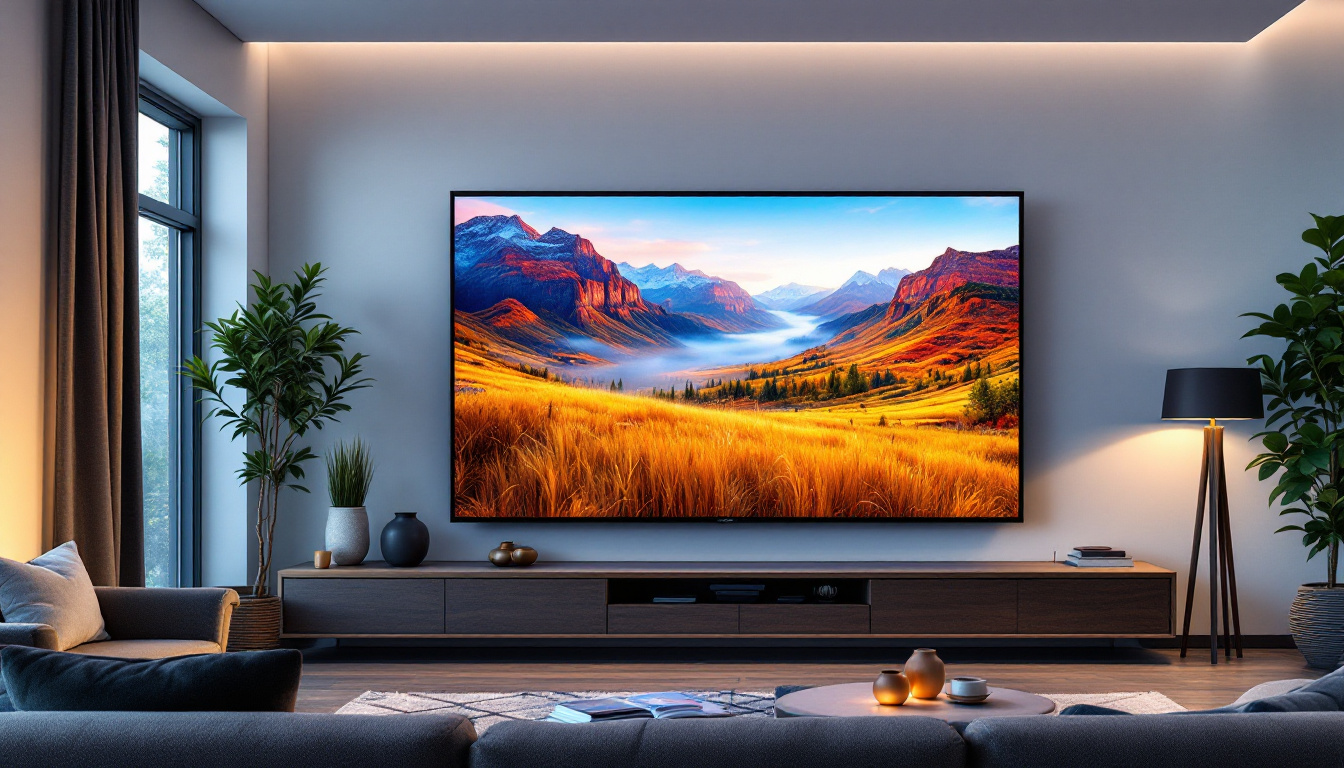
A flat LED panel is a type of light-emitting diode (LED) display that features a thin, flat design, typically used for both illumination and visual display purposes. Unlike traditional bulky lighting fixtures or displays, flat LED panels offer a streamlined profile that can be mounted on ceilings, walls, or integrated into various architectural elements.
These panels consist of an array of LEDs arranged evenly across a flat surface, providing uniform light distribution or pixelated images when used as displays. They are popular in commercial, residential, and industrial settings due to their aesthetic appeal and functional benefits. Their versatility extends beyond simple lighting; they can also be utilized in creative applications such as digital signage, art installations, and interactive displays, making them a favored choice among designers and architects looking to enhance the visual experience of a space.
How Do Flat LED Panels Work?
At the core of a flat LED panel are numerous tiny LEDs that emit light when an electric current passes through them. The panel’s design ensures that this light is diffused evenly across its surface, creating a consistent glow or image without hotspots or shadows.
For display purposes, flat LED panels function by controlling each LED or group of LEDs as individual pixels. This allows them to produce high-resolution images, videos, or text. The brightness and color of each LED can be finely tuned, enabling vibrant and dynamic visual content. Additionally, many modern flat LED panels incorporate advanced technologies such as backlighting and color calibration, which enhance their performance even further. These innovations not only improve energy efficiency but also extend the lifespan of the panels, making them a sustainable choice for long-term use in both commercial and residential applications. Furthermore, the integration of smart technology allows for remote control and automation, enabling users to adjust settings and content with ease, thus enhancing the overall user experience.
Key Components and Technology Behind Flat LED Panels
LED Chips and Modules
The fundamental building blocks of flat LED panels are the LED chips themselves. These semiconductor devices convert electrical energy into light efficiently. Modern LED chips come in various colors, including red, green, blue, and white, which can be combined to create a full spectrum of colors. The advancements in chip technology have led to the development of high-brightness LEDs that can produce more light output while consuming less energy, making them an eco-friendly choice for various applications.
LED modules are assemblies of these chips mounted on circuit boards, designed to fit seamlessly into the panel’s structure. The quality and arrangement of these modules directly impact the panel’s brightness, color accuracy, and lifespan. Furthermore, manufacturers are increasingly focusing on thermal management solutions within these modules to dissipate heat effectively, as excessive heat can lead to reduced efficiency and a shorter lifespan of the LEDs. This attention to thermal performance is crucial, especially in high-output applications like large outdoor displays or high-traffic areas.
Diffusers and Light Guides
To achieve the uniform illumination that flat LED panels are known for, diffusers and light guide plates are used. A diffuser scatters the light emitted by the LEDs, softening it and eliminating glare. Light guide plates help distribute the light evenly across the panel’s surface, ensuring consistent brightness from edge to edge. The materials used for these components are often engineered to optimize light transmission and minimize losses, enhancing the overall efficiency of the panel.
This combination is critical for applications such as office lighting, where harsh shadows or uneven lighting can cause discomfort or reduce productivity. Additionally, in environments like retail spaces or art galleries, the quality of light can significantly affect the presentation of products or artwork. Therefore, the design of diffusers and light guides is not only about functionality but also about enhancing the aesthetic appeal of the lighting, creating an inviting atmosphere that draws in customers and engages viewers.
Drivers and Control Systems
LED drivers regulate the power supplied to the LEDs, ensuring stable operation and protecting against voltage fluctuations. Advanced flat LED panels incorporate smart control systems that allow for dimming, color adjustments, and integration with building automation systems. These systems can be programmed to adjust lighting based on occupancy or natural light levels, contributing to energy savings and improved user comfort.
In display panels, control systems manage the content shown by turning individual LEDs on or off or adjusting their intensity. This capability enables dynamic advertising, interactive signage, and immersive visual experiences. Moreover, with the rise of IoT (Internet of Things) technology, many LED panels now feature connectivity options that allow them to communicate with other devices, enabling real-time updates and remote management. This not only enhances the functionality of the panels but also opens up new possibilities for innovative applications in smart cities and digital marketing strategies, where adaptability and responsiveness are key to success.
Applications of Flat LED Panels
Commercial and Retail Environments
Flat LED panels are widely used in commercial spaces for both lighting and advertising. Their slim profile and customizable brightness make them ideal for retail stores, where they can highlight products or create inviting atmospheres.
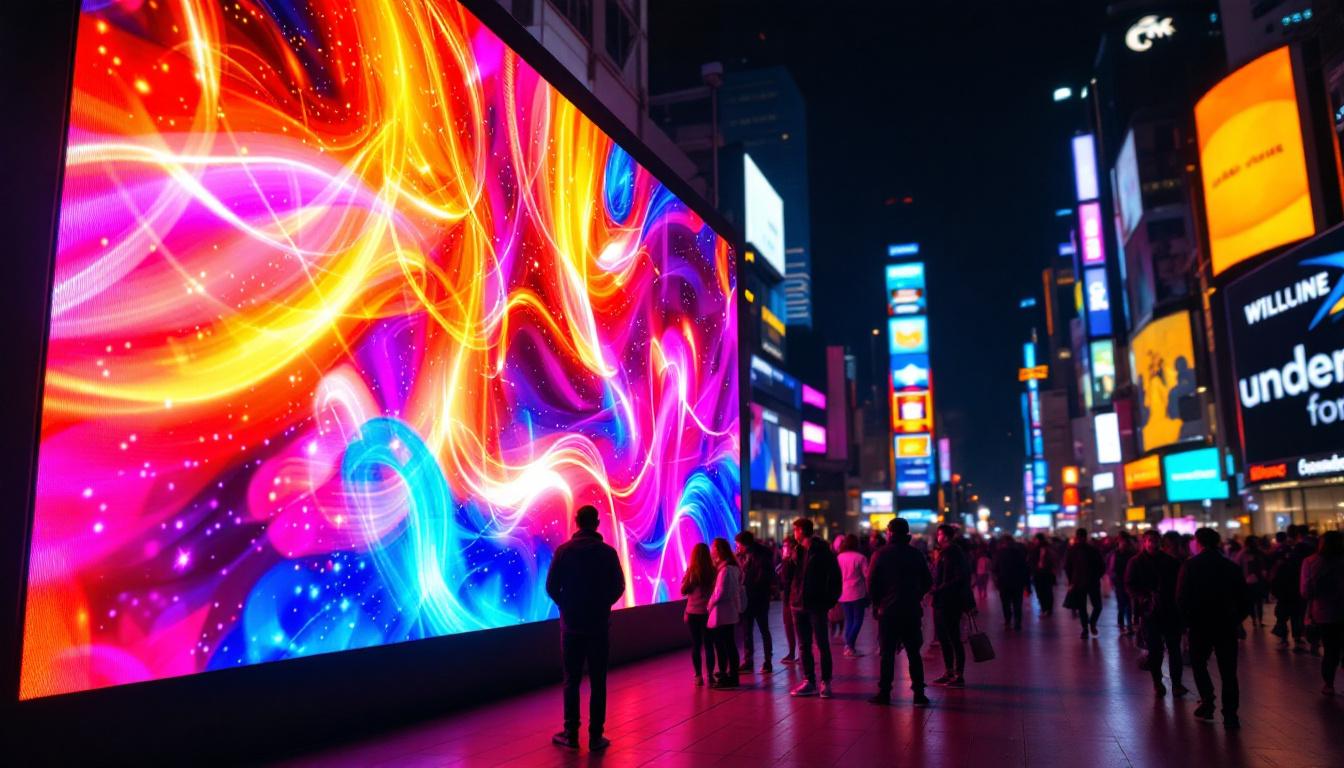
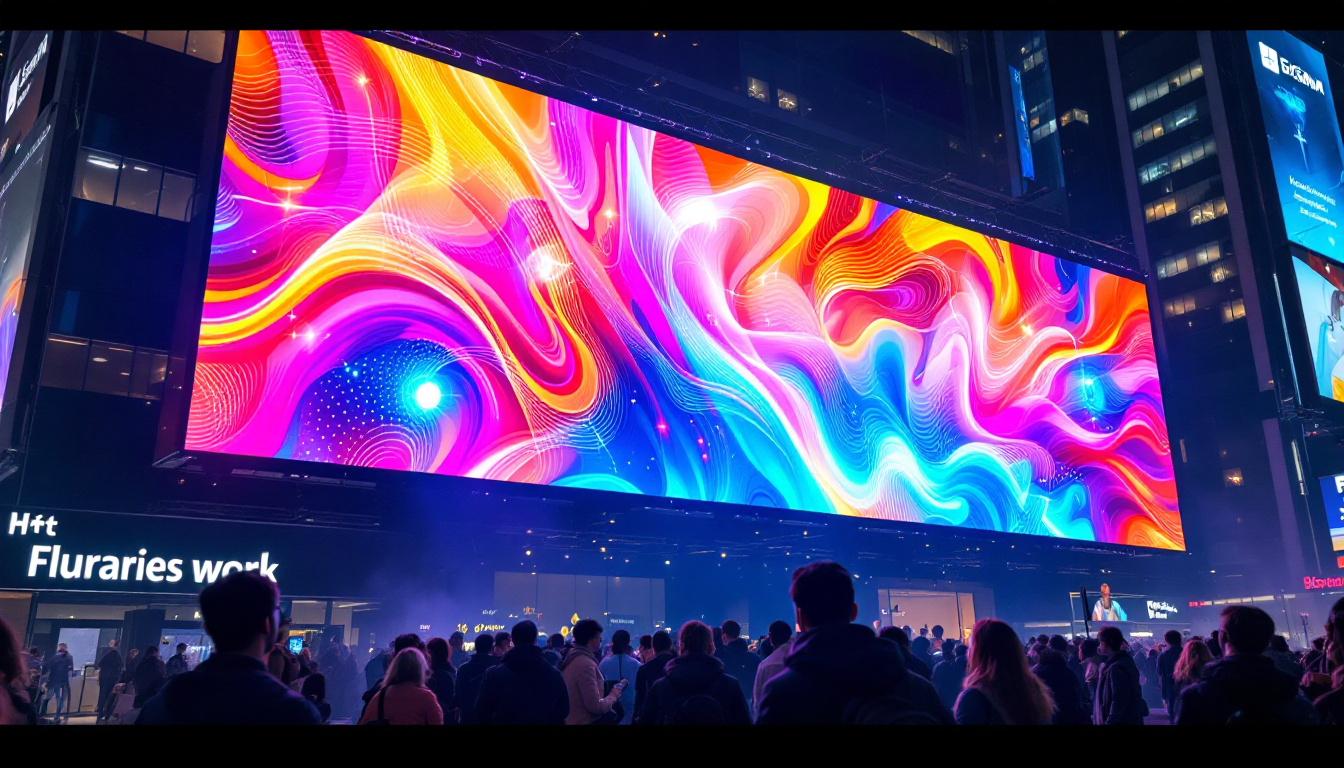
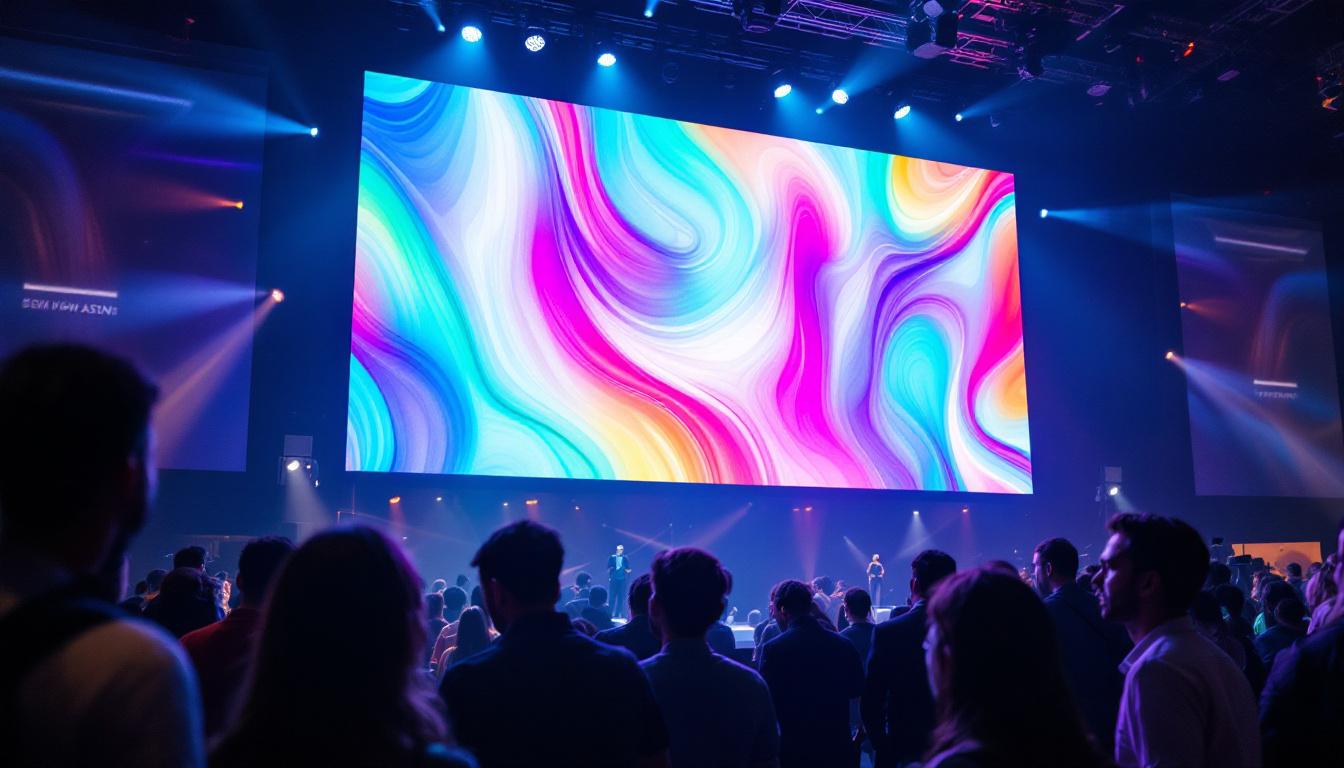
In advertising, flat LED display panels serve as digital billboards or in-store signage. Their ability to display vivid images and videos attracts customer attention and enhances brand visibility. According to a 2023 report by Grand View Research, the global digital signage market is expected to reach $32.84 billion by 2028, driven largely by advancements in LED display technologies.
Office and Educational Settings
In offices and schools, flat LED panels are increasingly replacing traditional fluorescent lighting. Their energy efficiency reduces electricity costs, while their flicker-free light supports eye comfort and reduces fatigue.
Moreover, LED display panels are used for presentations, information boards, and interactive learning tools. Their high resolution and brightness ensure clear visibility even in well-lit environments.
Healthcare and Hospitality
Hospitals and hotels benefit from flat LED panels due to their hygienic design and customizable lighting options. Panels with antimicrobial coatings and easy-to-clean surfaces help maintain sterile environments.
In hospitality, LED panels enhance ambiance and provide dynamic information displays, improving guest experiences. The ability to adjust color temperature also supports circadian lighting, promoting wellness.
Advantages of Flat LED Panels Over Traditional Displays
Energy Efficiency and Longevity
One of the most significant advantages of flat LED panels is their energy efficiency. Compared to incandescent or fluorescent lighting, LEDs consume up to 75% less energy. This translates into substantial cost savings over time, especially in large installations.
Additionally, flat LED panels have a longer lifespan, often exceeding 50,000 hours of operation. This durability reduces maintenance costs and downtime, making them a smart investment for businesses and institutions.
Design Flexibility and Aesthetic Appeal
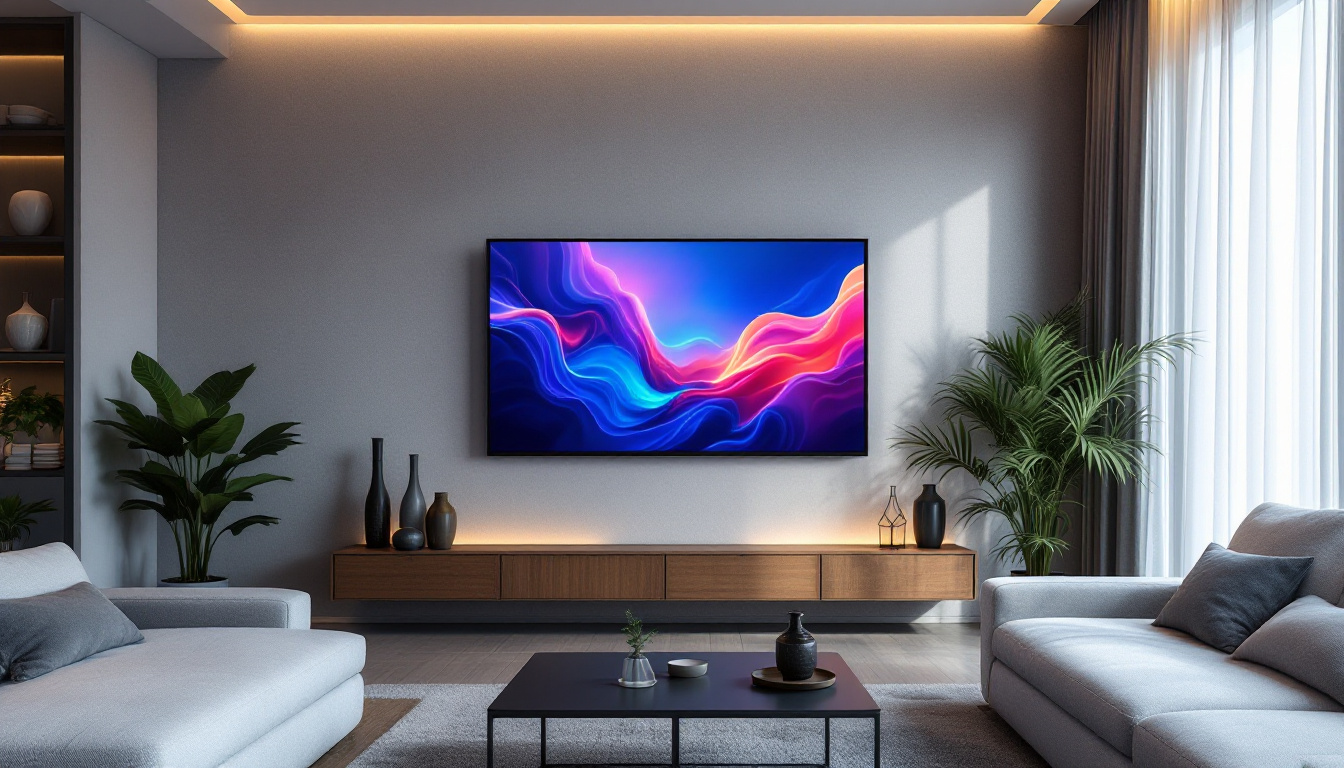
The slim, lightweight design of flat LED panels allows for versatile installation options. They can be integrated into ceilings, walls, or even furniture, blending seamlessly with interior design.
The ability to customize size, shape, and color temperature enables designers to create tailored lighting solutions that enhance architectural features and create desired moods.
Superior Visual Quality
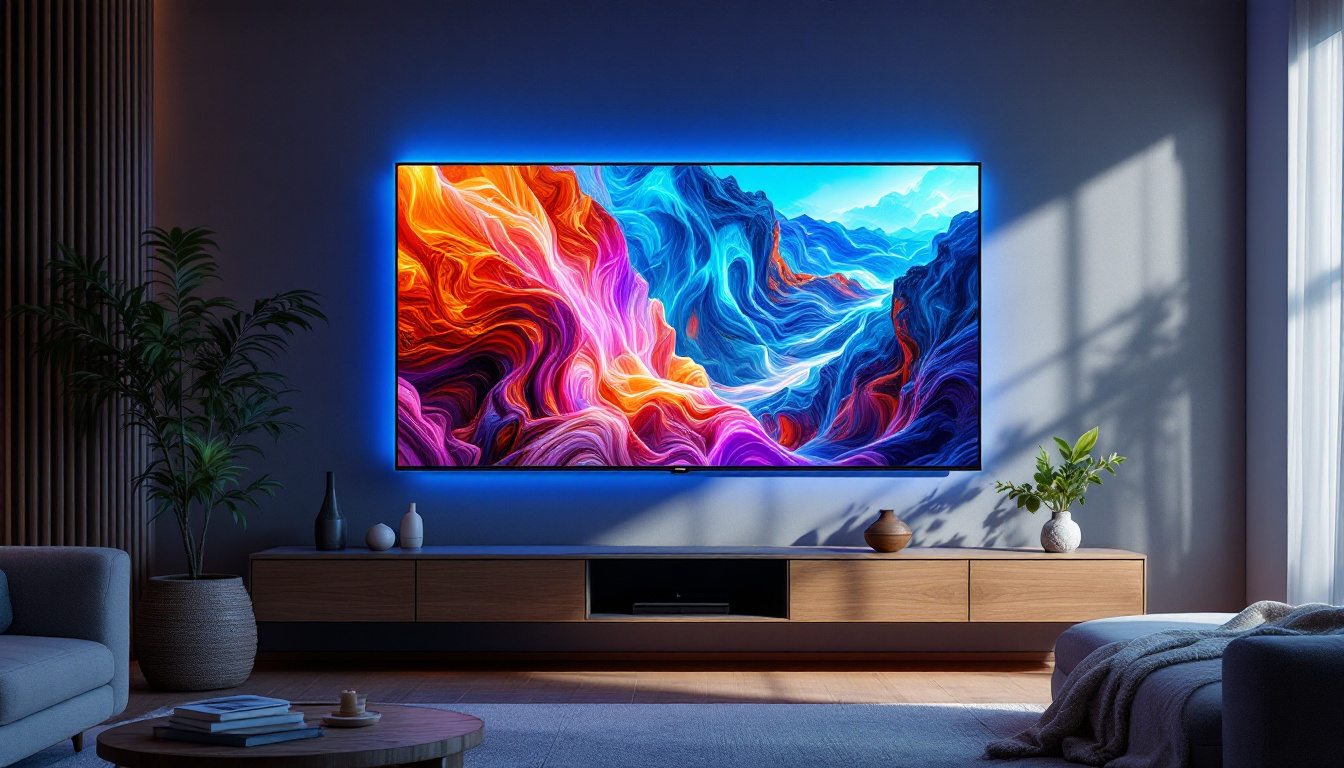
Flat LED display panels offer high brightness levels, excellent color accuracy, and wide viewing angles. These characteristics ensure that images and videos remain clear and vibrant from various perspectives, which is crucial for advertising and informational displays.
Moreover, the fast refresh rates of LED panels minimize motion blur, making them suitable for dynamic content such as video playback and interactive applications.
Latest Trends and Innovations in Flat LED Panels
Mini-LED and Micro-LED Technologies
Recent advancements in LED technology have led to the development of mini-LED and micro-LED panels. These use smaller LEDs packed more densely, allowing for higher resolution, improved contrast, and better color reproduction.
Micro-LED displays, in particular, are gaining attention for their potential to rival OLED screens in image quality while offering greater durability and brightness. This technology is expected to revolutionize digital signage and consumer electronics in the coming years.
Smart and Connected LED Panels
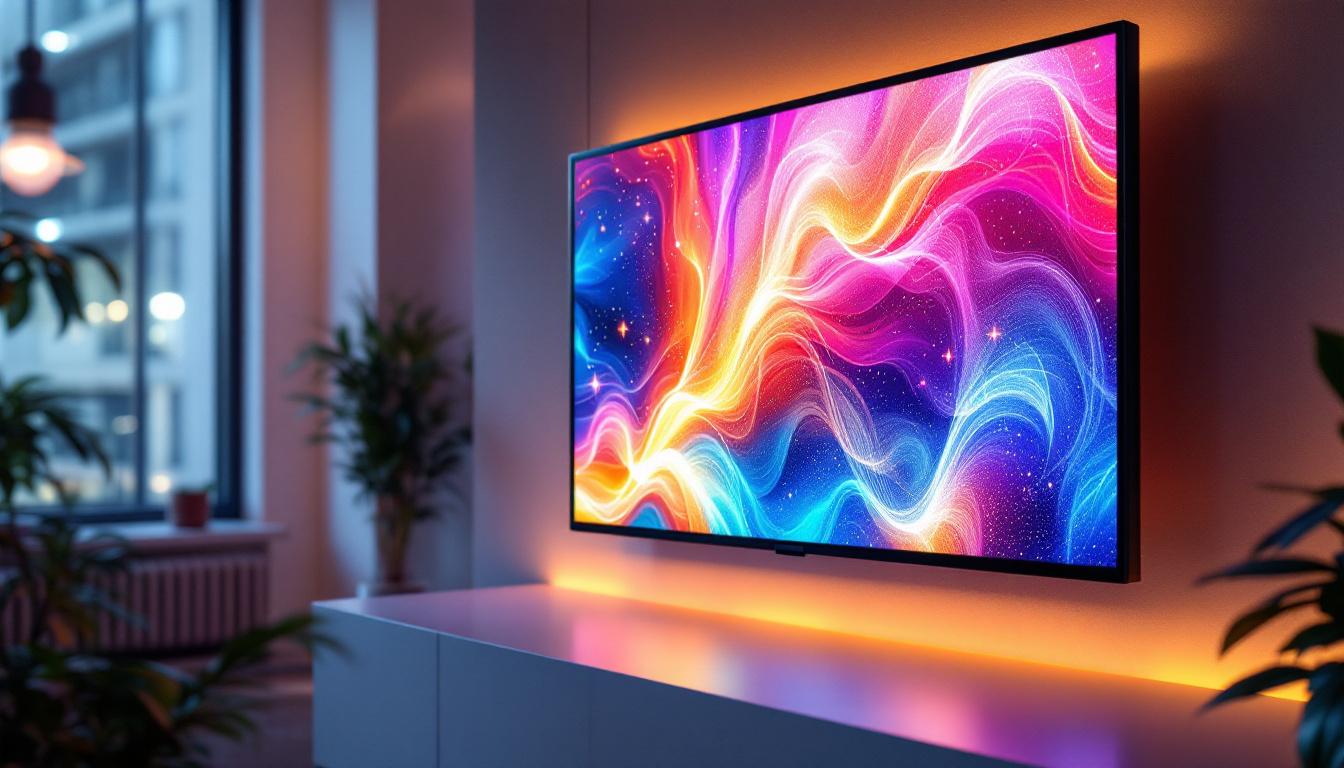
Integration with IoT (Internet of Things) is transforming flat LED panels into smart devices. These panels can now be controlled remotely via smartphones or building management systems, enabling features like adaptive brightness, color tuning based on ambient light, and energy usage monitoring.
Such connectivity enhances user convenience and supports sustainability goals by optimizing energy consumption.
Flexible and Transparent LED Panels
Innovations in materials have led to the creation of flexible and transparent LED panels. Flexible panels can be curved or bent to fit unique architectural designs, expanding creative possibilities.
Transparent LED panels allow light and images to pass through, making them ideal for glass facades, shop windows, and heads-up displays. These technologies open new frontiers for advertising and interactive experiences.
Choosing the Right Flat LED Panel for Your Needs
Considerations for Lighting vs. Display Applications
When selecting a flat LED panel, it is essential to distinguish between lighting and display purposes. Lighting panels prioritize uniform illumination, color temperature control, and energy efficiency. Display panels focus on resolution, brightness, pixel pitch, and refresh rates.
Understanding the primary function will guide the choice of specifications and features.
Evaluating Brightness and Color Quality
Brightness, measured in nits or lumens, determines visibility in different environments. For outdoor or brightly lit indoor areas, higher brightness levels are necessary. Color quality, including color gamut and accuracy, is critical for advertising and branding consistency.
Assessing Installation and Maintenance Requirements
Consider the installation environment, mounting options, and accessibility for maintenance. Panels with modular designs simplify repairs and upgrades. Additionally, check for certifications related to safety, energy efficiency, and environmental standards.
Conclusion
Flat LED panels represent a versatile and efficient solution for modern lighting and display needs. Their combination of sleek design, superior visual quality, and energy efficiency makes them suitable for a wide range of applications, from commercial advertising to office illumination and healthcare environments.
As technology continues to advance, innovations like mini-LED, micro-LED, and smart connectivity will further enhance the capabilities of flat LED panels, offering exciting opportunities for businesses and consumers alike. By understanding the technology and carefully considering application requirements, users can harness the full potential of flat LED panels to create impactful and sustainable visual experiences.
Discover LumenMatrix’s Innovative LED Solutions
Ready to elevate your space with the latest in LED technology? LumenMatrix is at the forefront of LED innovation, offering a wide array of display solutions tailored to your unique needs. From captivating Indoor LED Walls to dynamic Outdoor LED Displays, and from versatile Vehicle LED Displays to sleek LED Poster Displays, our products are designed to make your brand stand out. Embrace the future with our LED Sports Displays, interactive Floor LED Displays, and the stunning clarity of our Custom and All-in-One LED Displays, including the cutting-edge LED Transparent Display. Join the visual revolution and Check out LumenMatrix LED Display Solutions today to create an unforgettable visual impact.