In the rapidly evolving world of display technology, flat panel LED lights have become a cornerstone for everything from home televisions to massive outdoor advertising screens. Their efficiency, brightness, and versatility make them a preferred choice for various applications. Understanding how LED displays work, their types, and the technology behind flat panel LED lights is essential for consumers, industry professionals, and tech enthusiasts alike.
What Are Flat Panel LED Lights?
Flat panel LED lights refer to thin, flat display panels that use light-emitting diodes (LEDs) as their primary light source. Unlike traditional lighting or display technologies, LED panels offer superior energy efficiency, longer lifespan, and better color accuracy. These panels are widely used in televisions, computer monitors, digital signage, and architectural lighting.
The term “flat panel” highlights the slim profile of these displays, which contrasts with older bulkier technologies like cathode ray tubes (CRT). This slim design enables sleek, space-saving setups and flexible installation options. The LED technology embedded in these panels allows for precise control over brightness and color, making them ideal for both indoor and outdoor applications.
One of the standout features of flat panel LED lights is their ability to produce a wide range of color temperatures, from warm whites that create a cozy atmosphere to cool whites that enhance focus and productivity. This versatility makes them suitable for various environments, including homes, offices, retail spaces, and even art galleries. Additionally, many flat panel LED lights come equipped with dimming capabilities, allowing users to adjust the brightness to suit their needs and preferences, further enhancing their functionality.
Moreover, the environmental benefits of flat panel LED lights cannot be overlooked. They consume significantly less energy compared to traditional incandescent or fluorescent lights, which not only reduces electricity bills but also lowers carbon footprints. Many manufacturers are now focusing on sustainable production methods, ensuring that the materials used in these panels are recyclable and eco-friendly. As technology continues to advance, we can expect even more innovations in flat panel LED lighting, including smart features that integrate with home automation systems, allowing users to control their lighting through smartphones or voice commands.
How Do LED Displays Work?
The Basics of LED Technology
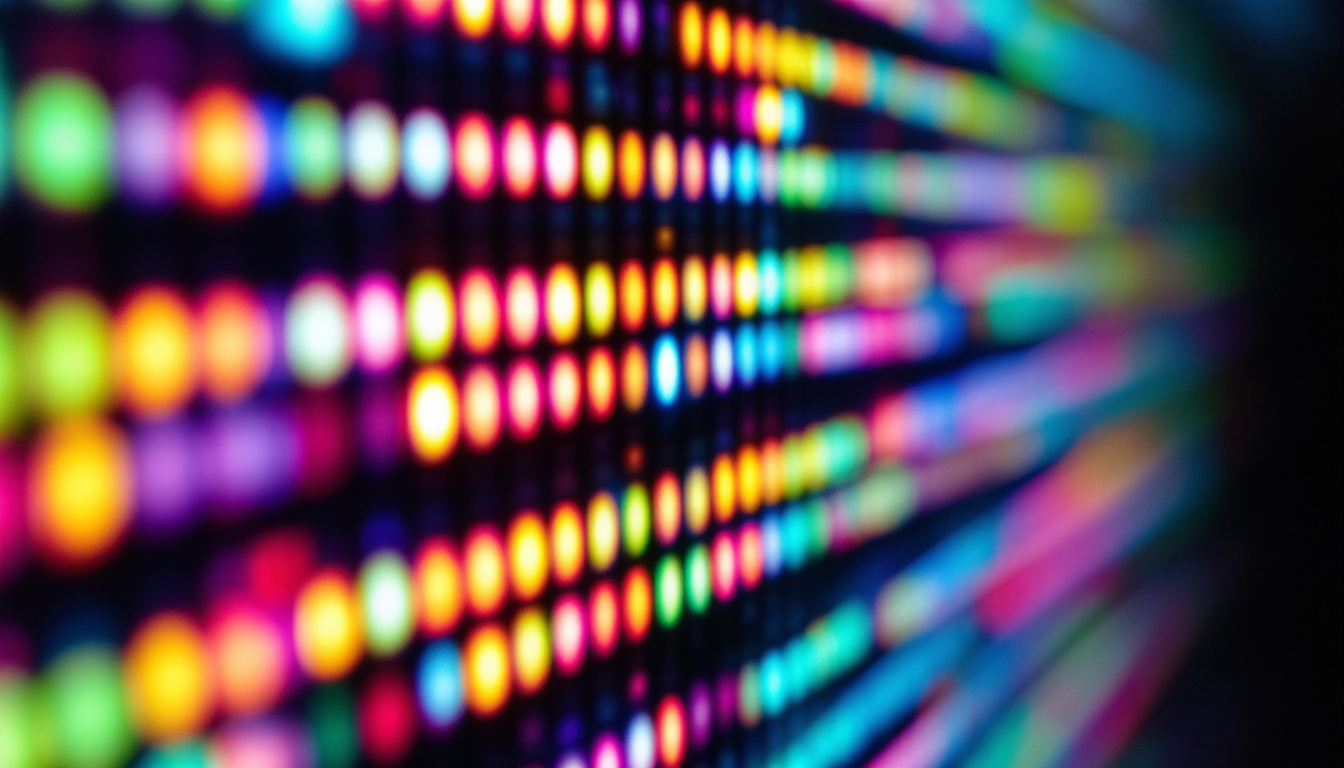
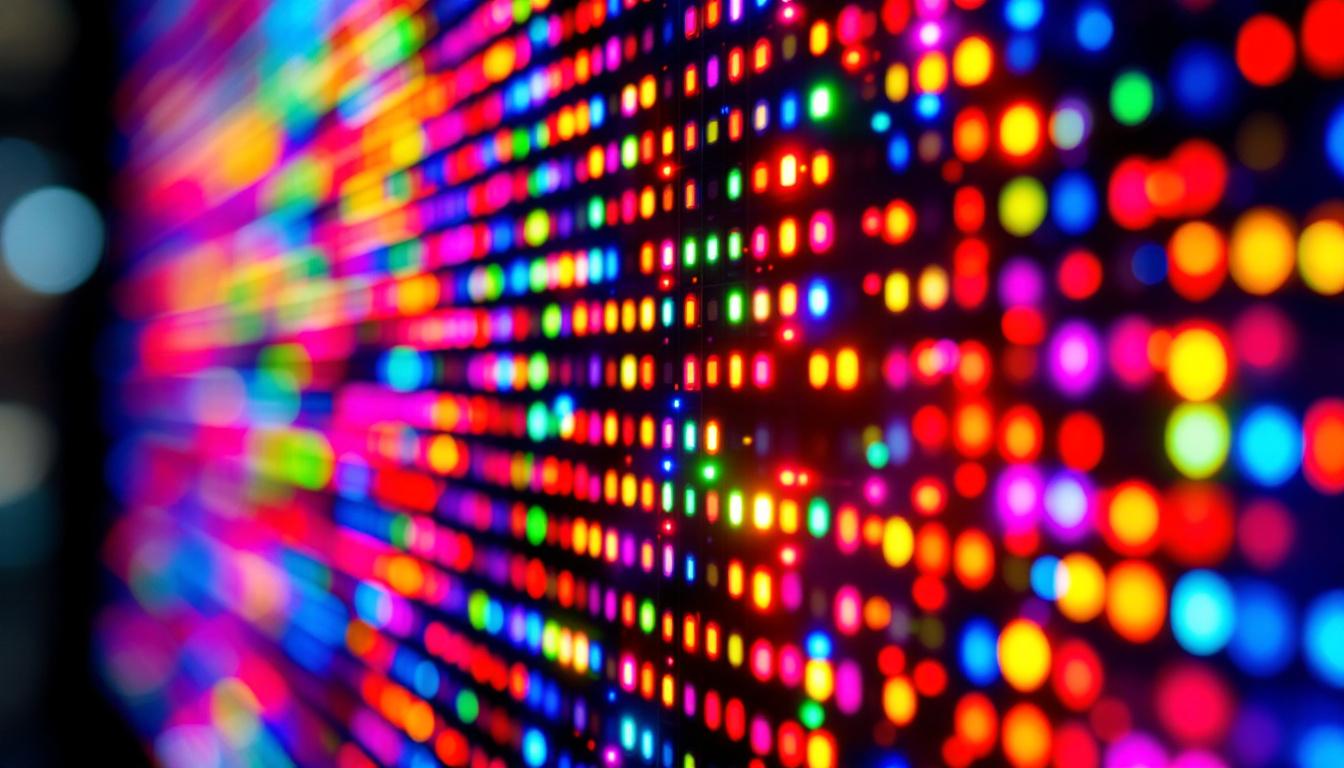
LED stands for light-emitting diode, a semiconductor device that emits light when an electric current passes through it. In LED displays, thousands or even millions of these tiny diodes are arranged in a grid to form pixels, which collectively create images and videos.
Each pixel typically consists of red, green, and blue (RGB) LEDs. By varying the intensity of each color, the display can produce a wide spectrum of colors. This RGB system is fundamental to all modern LED displays, enabling vivid, high-contrast images.
Types of LED Displays
There are two primary types of LED displays: direct view LED and LED-backlit LCD.
- Direct View LED Displays: In these displays, the LEDs themselves form the image. This type is common in large outdoor billboards, stadium screens, and some high-end televisions. Because the LEDs emit light directly, these displays offer exceptional brightness and contrast, making them visible even in bright sunlight.
- LED-Backlit LCD Displays: These are more common in consumer electronics like laptops and TVs. Here, an LCD panel controls the image, but the light source behind it is an array of LEDs. This combination allows for thinner panels and better energy efficiency compared to traditional cold cathode fluorescent lamps (CCFL) used in older LCDs.
Understanding the distinction between these types is crucial when selecting a display for a specific use case, as each offers unique advantages and limitations.
Advantages of Flat Panel LED Lights in Displays
Energy Efficiency and Longevity
One of the most significant benefits of flat panel LED lights is their energy efficiency. LEDs consume significantly less power than traditional lighting sources, such as incandescent or fluorescent bulbs. According to the U.S. Department of Energy, LED lighting uses at least 75% less energy and lasts 25 times longer than incandescent lighting.
This efficiency translates into lower operating costs and reduced environmental impact, especially important for large-scale installations like digital billboards or office lighting. Additionally, the longer lifespan of LEDs means fewer replacements and maintenance, which is a critical factor for commercial applications.
Superior Image Quality
Flat panel LED displays offer remarkable image quality, characterized by high brightness, excellent contrast ratios, and vibrant colors. Direct view LED displays, in particular, can achieve brightness levels exceeding 5,000 nits, making them visible even in direct sunlight. This capability is essential for outdoor signage and public displays.
Moreover, LED displays support high dynamic range (HDR) content, enhancing the viewing experience by delivering deeper blacks and brighter highlights. This feature is increasingly important as content creators and broadcasters adopt HDR standards.
Design Flexibility and Thin Profile
The slim design of flat panel LED lights allows for innovative display solutions. Panels can be curved, flexible, or even transparent, opening new possibilities in architectural design and advertising. For example, transparent LED displays can be integrated into glass windows, creating interactive storefronts without obstructing natural light.
Furthermore, the lightweight and thin profile of these panels make installation easier and less intrusive, whether mounted on walls, ceilings, or integrated into furniture.
Applications of Flat Panel LED Displays
Consumer Electronics
Flat panel LED technology dominates the consumer electronics market, particularly in televisions, computer monitors, and smartphones. LED-backlit LCDs have become the standard due to their balance of cost, performance, and energy efficiency.
High-end TVs now frequently use direct view OLED or microLED technology, which are advanced forms of LED displays offering even better contrast and color accuracy. However, traditional flat panel LED displays remain popular for their affordability and reliability.
Commercial and Outdoor Advertising
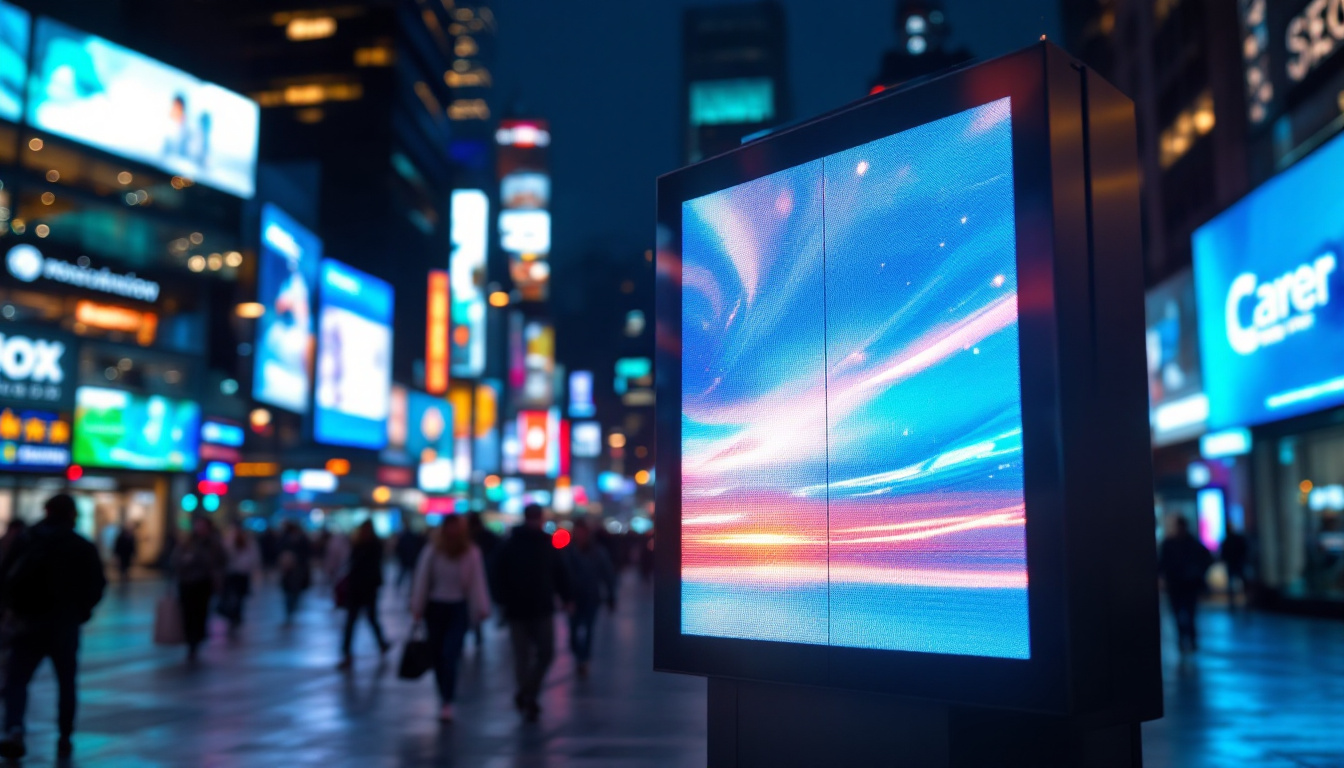
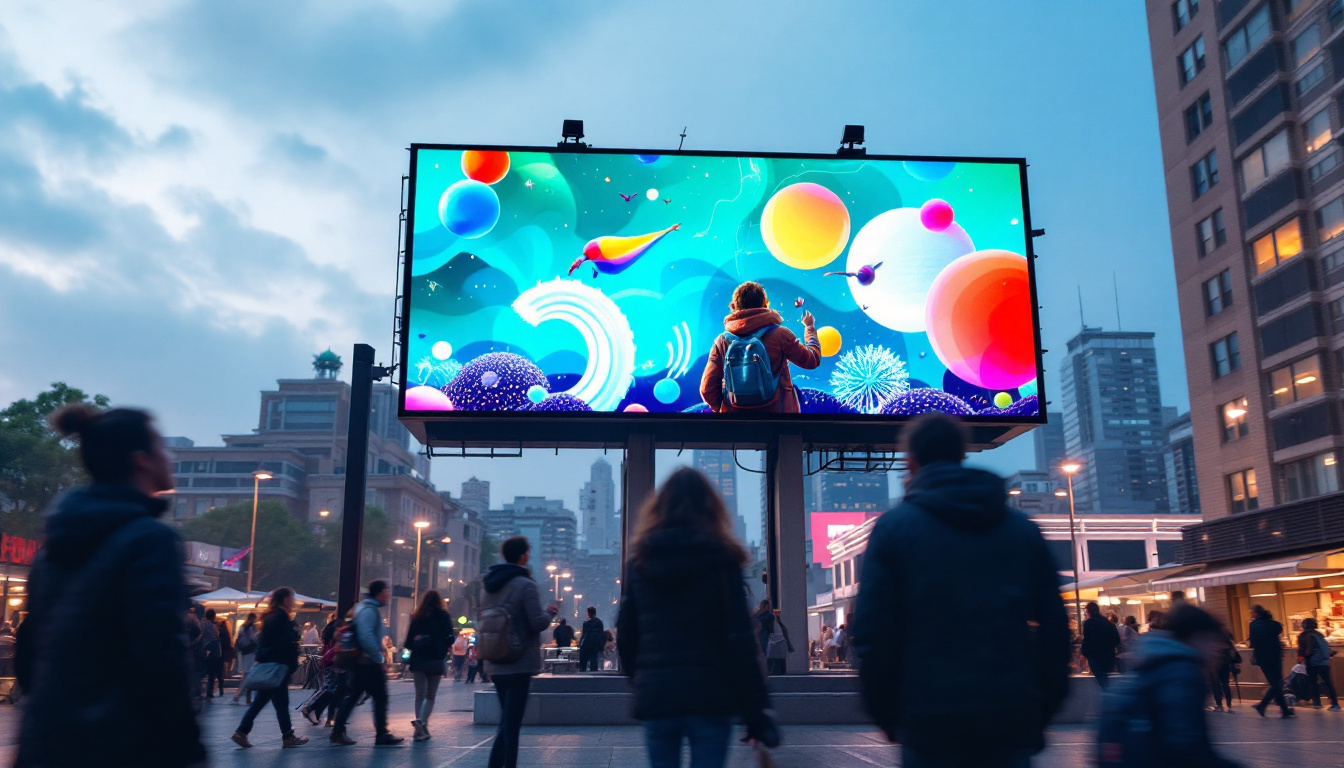
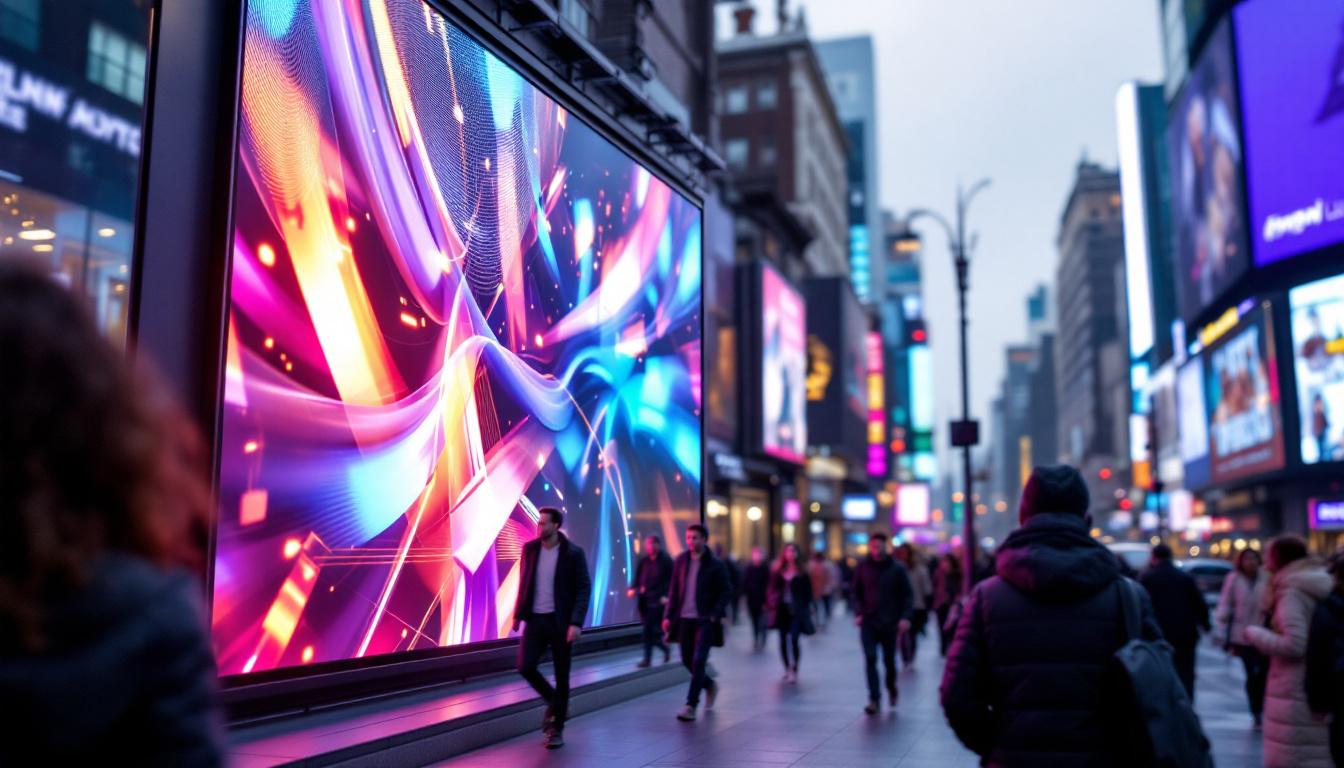
Direct view LED displays have revolutionized outdoor advertising. Their brightness, durability, and scalability make them ideal for billboards, stadium screens, and public information displays. For instance, Times Square in New York City features some of the most iconic direct view LED billboards globally, showcasing the technology’s impact on urban advertising.
These displays can be customized to various sizes and resolutions, allowing advertisers to create eye-catching, dynamic content that attracts attention and engages audiences effectively.
Architectural and Interior Lighting
Beyond traditional displays, flat panel LED lights are increasingly used in architectural lighting. Their ability to produce uniform, diffuse light makes them suitable for ambient lighting in offices, retail spaces, and homes. Additionally, the integration of LED panels into ceilings and walls can enhance aesthetic appeal while providing functional illumination.
Innovations such as tunable white LEDs allow users to adjust the color temperature of the light, improving comfort and productivity in work environments.
Challenges and Considerations in LED Display Technology
Cost and Initial Investment
While LED technology has become more affordable over time, the initial cost of high-quality flat panel LED displays can still be significant, especially for large direct view installations. Businesses and consumers must weigh the upfront investment against long-term savings in energy and maintenance.
For example, a large outdoor LED billboard can cost tens of thousands of dollars to install, but the extended lifespan and advertising impact often justify the expense.
Heat Management
LEDs generate heat during operation, which can affect performance and longevity if not properly managed. Effective heat dissipation mechanisms, such as heat sinks and cooling fans, are essential components of flat panel LED designs.
Poor heat management can lead to color shifts, reduced brightness, and premature failure of the display. Manufacturers continuously innovate to improve thermal management, ensuring durability and consistent performance.
Environmental Impact and Disposal
Although LEDs are more environmentally friendly than traditional lighting, they still contain materials that require proper disposal and recycling. The semiconductor components and electronic circuits can pose environmental hazards if not handled correctly.
Consumers and businesses should seek responsible recycling programs to minimize environmental impact and comply with regulations.
The Future of Flat Panel LED Displays
Emerging Technologies: MicroLED and MiniLED
The LED display industry is witnessing exciting advancements with microLED and miniLED technologies. MicroLED displays use microscopic LEDs to create pixels, offering superior brightness, contrast, and energy efficiency compared to traditional LEDs. These displays promise better performance for TVs, smartphones, and wearable devices.
MiniLEDs, on the other hand, are smaller LEDs used as backlighting in LCD panels. They provide improved contrast and local dimming capabilities, enhancing picture quality without the high cost of microLEDs.
Integration with Smart Technologies
Flat panel LED displays are becoming increasingly integrated with smart technologies, including IoT (Internet of Things) and AI (Artificial Intelligence). Smart displays can adjust brightness based on ambient light, optimize energy use, and even change content dynamically based on audience engagement.
For example, digital signage in retail environments can use sensors and AI to tailor advertisements in real time, maximizing marketing effectiveness.
Sustainability and Energy Innovations
As energy efficiency remains a priority, ongoing research focuses on developing LEDs with even lower power consumption and longer lifespans. Innovations in materials science, such as the use of gallium nitride (GaN) semiconductors, are driving these improvements.
Additionally, the push for sustainable manufacturing processes and recycling initiatives will shape the future landscape of LED display technology.
Conclusion
Flat panel LED lights have transformed the way images and information are displayed across a multitude of industries. Their combination of efficiency, brightness, and design flexibility makes them indispensable in modern technology. From consumer electronics to massive outdoor advertising screens, LED displays continue to evolve, offering better performance and new possibilities.
Understanding the technology behind flat panel LED lights helps consumers and professionals make informed decisions, whether selecting a new TV, designing a commercial display, or planning architectural lighting. As innovations like microLED and AI integration emerge, the future of LED displays promises even more exciting developments.
Investing in LED technology today not only enhances visual experiences but also contributes to energy savings and sustainability efforts worldwide.
Discover the Future of LED Displays with LumenMatrix
Ready to elevate your visual experience with the latest in LED display technology? LumenMatrix is at the forefront of innovation, offering a wide array of LED display solutions that cater to every need. From mesmerizing Indoor LED Wall Displays to dynamic Outdoor LED Wall Displays, and from versatile Vehicle LED Displays to sleek LED Poster Displays, our products are designed to captivate and engage. Whether you’re looking to make a statement with an LED Sports Display, add movement with a Floor LED Display, or customize your message with a Custom LED Display, LumenMatrix has the cutting-edge technology to bring your vision to life. Embrace the revolution in visual communication and make your brand stand out. Check out LumenMatrix LED Display Solutions today and join the myriad of industries benefiting from the unparalleled clarity and impact of our displays.