Flat TVs: LED Display Explained
In the rapidly evolving world of television technology, LED displays have become the dominant choice for flat-screen TVs. Understanding how LED displays work, their advantages, and the nuances that differentiate them from other display technologies can empower consumers to make informed decisions when purchasing a new television. This comprehensive guide delves into the intricacies of LED display technology, its benefits, and what to look for in a modern flat TV.
Understanding LED Display Technology
What is an LED TV?
LED TV stands for Light Emitting Diode Television. Despite the name, an LED TV is essentially an LCD (Liquid Crystal Display) television that uses LEDs as its backlighting source instead of the older cold cathode fluorescent lamps (CCFLs). This shift to LED backlighting has revolutionized the quality, energy efficiency, and design of flat-screen TVs. The transition to LED technology has not only improved the visual experience but has also contributed to a more sustainable approach to television manufacturing and usage, as LED lights consume significantly less power than their predecessors.
The core of an LED TV is still an LCD panel, which controls the image by manipulating liquid crystals to block or allow light through. The LEDs provide the light source behind or around this panel, illuminating the picture. This combination allows for thinner screens, better brightness, and improved color accuracy compared to traditional LCD TVs. Additionally, the advancements in LED technology have paved the way for features like HDR (High Dynamic Range), which enhances the range of color and contrast, providing viewers with a more immersive experience that closely resembles real-life visuals.
Types of LED Backlighting
There are two primary types of LED backlighting used in flat TVs: edge-lit and full-array. Each has unique characteristics that affect picture quality and design. Understanding these differences can help consumers make informed decisions based on their viewing preferences and budget.
- Edge-Lit LED TVs: In these models, LEDs are placed along the edges of the screen. Light is diffused across the panel using a light guide plate. This design allows for ultra-thin TVs and is generally more affordable. However, edge-lit displays may suffer from uneven brightness and less precise local dimming capabilities. They are often favored for their sleek design and lightweight construction, making them ideal for wall mounting or placement in smaller spaces.
- Full-Array LED TVs: These have LEDs distributed evenly behind the entire screen. Full-array backlighting supports local dimming zones, which can selectively dim parts of the screen to enhance contrast and black levels. This results in superior picture quality, especially in dark scenes, but often comes with a higher price tag and slightly thicker panels. Full-array models are particularly popular among cinephiles and gamers who seek the best possible visual fidelity, as they deliver deeper blacks and more vibrant colors, enhancing the overall viewing experience.
In addition to these two main types, there are also variations such as Mini-LED and Micro-LED technologies that are emerging in the market. Mini-LED utilizes smaller LED chips, allowing for more precise control over local dimming zones, which can significantly improve contrast and brightness levels. Micro-LED, on the other hand, represents a more radical departure from traditional backlighting methods, utilizing tiny self-emissive LEDs that can create stunningly vivid images without the need for a separate backlight. These innovations are pushing the boundaries of what’s possible in display technology, promising even more impressive viewing experiences in the near future.
Advantages of LED TVs Over Other Technologies
Energy Efficiency and Longevity
LED TVs are more energy-efficient than their CCFL-backlit LCD predecessors and plasma TVs. LEDs consume less power while providing brighter images, which is a significant advantage in reducing electricity costs and environmental impact. Additionally, LEDs have a longer lifespan, often exceeding 60,000 hours of use, meaning the TV can last many years without significant degradation in brightness.
Improved Picture Quality
LED backlighting enables higher brightness levels and better contrast ratios. Full-array local dimming, in particular, enhances black levels and reduces the halo effect around bright objects on dark backgrounds. This improvement is crucial for delivering vivid HDR (High Dynamic Range) content, which requires both bright highlights and deep shadows to create a lifelike image.
Moreover, LED TVs generally offer better color accuracy and wider color gamuts compared to older LCD models, making them well-suited for watching movies, gaming, and streaming high-definition content.
Design and Form Factor
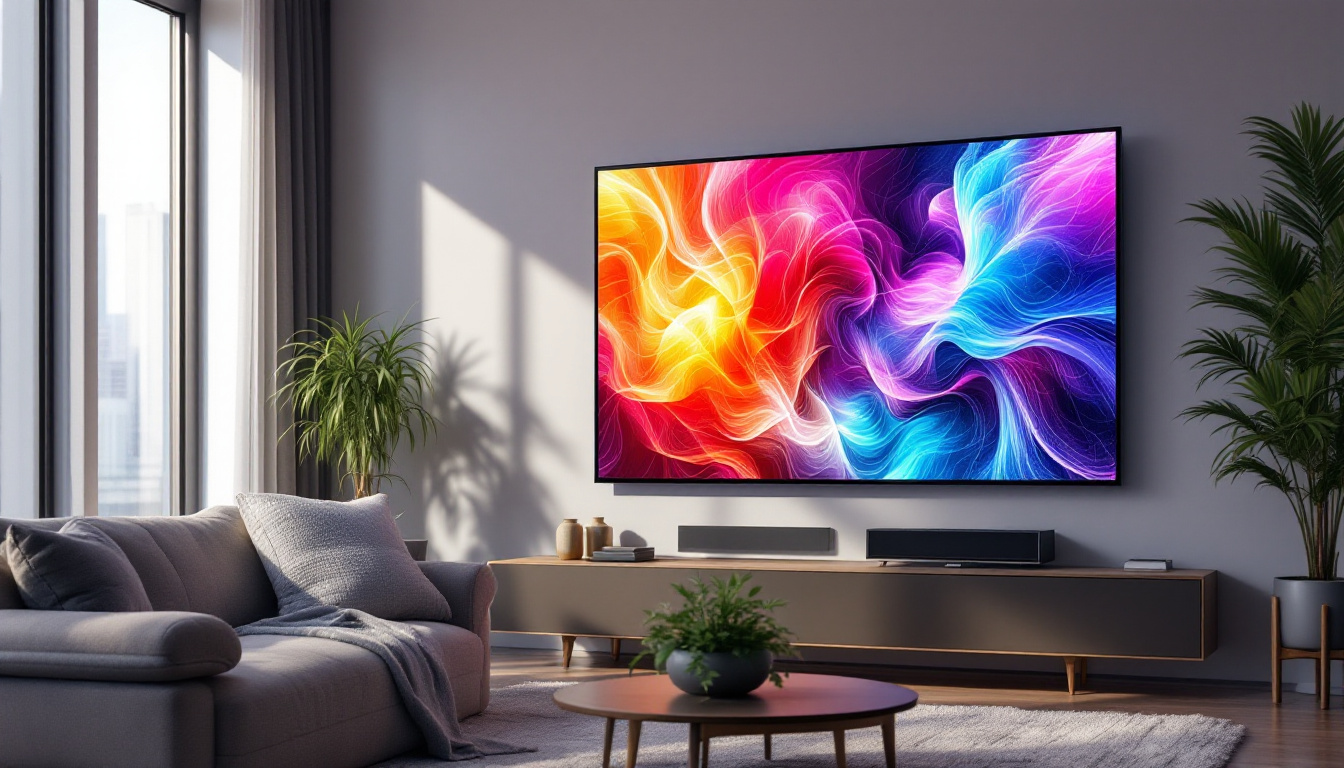
The use of LED backlighting has allowed manufacturers to produce incredibly thin and lightweight TVs. Edge-lit LED TVs can be as slim as a few millimeters, enabling sleek designs that blend seamlessly into modern living spaces. This thinness also facilitates wall mounting and portability.
Key Features to Consider in LED TVs
Resolution and Screen Size
Resolution remains a critical factor when choosing an LED TV. The market is dominated by Full HD (1080p) and 4K Ultra HD (2160p) models, with 8K TVs emerging but still niche due to limited content availability. For most consumers, 4K resolution offers a significant improvement in detail and sharpness, especially on screens 50 inches and larger.
Screen size should be selected based on viewing distance and room size. A general recommendation is that the viewing distance should be about 1.5 to 2.5 times the diagonal screen size for 4K TVs to optimize the immersive experience without visible pixelation.
HDR Support
High Dynamic Range (HDR) dramatically enhances picture quality by expanding the range of brightness and color. Popular HDR formats include HDR10, HDR10+, Dolby Vision, and HLG. When shopping for an LED TV, ensure it supports at least HDR10, the industry standard, to enjoy richer visuals with compatible content.
Refresh Rate and Motion Handling
Refresh rate, measured in Hertz (Hz), indicates how many times per second the image on the screen is updated. Higher refresh rates (120Hz or above) provide smoother motion, which is especially beneficial for fast-paced sports, action movies, and gaming. Many LED TVs use motion interpolation technology to simulate higher refresh rates, but native refresh rate remains the most reliable indicator of performance.
Smart TV Capabilities
Most modern LED TVs come equipped with smart features, allowing access to streaming services, apps, and internet browsing. The quality and responsiveness of the smart platform vary between brands and models. Popular operating systems include Roku TV, Google TV (Android TV), Amazon Fire TV, and proprietary systems from manufacturers.
Connectivity Options
Ensure the LED TV has sufficient HDMI ports (preferably HDMI 2.1 for future-proofing), USB ports, and support for Wi-Fi and Bluetooth. HDMI 2.1 is particularly important for gamers using next-generation consoles, as it supports higher frame rates, variable refresh rates, and enhanced audio return channel (eARC).
Comparing LED TVs with OLED and QLED Technologies
LED vs. OLED
While LED TVs use LCD panels with LED backlighting, OLED (Organic Light Emitting Diode) TVs feature pixels that emit their own light. This fundamental difference leads to several advantages for OLED TVs, including perfect black levels, infinite contrast ratios, and wider viewing angles. However, OLEDs tend to be more expensive and have a risk of burn-in with static images.
LED TVs, especially full-array models with local dimming, have narrowed the gap in picture quality and remain a more affordable and energy-efficient option for many consumers.
LED vs. QLED
QLED (Quantum Dot LED) TVs are a subset of LED TVs that incorporate quantum dot technology to enhance color accuracy and brightness. These displays use a quantum dot layer between the LED backlight and the LCD panel, resulting in a wider color gamut and improved HDR performance.
QLED TVs typically offer brighter screens than OLEDs and are less susceptible to burn-in, making them favorable for brightly lit rooms and extended use. However, they still rely on backlighting, so black levels and contrast ratios are generally not as perfect as those of OLEDs.
Maintaining and Optimizing Your LED TV
Proper Placement and Lighting
To get the best viewing experience, place the LED TV in a location that minimizes glare and reflections. Avoid direct sunlight on the screen, which can wash out colors and reduce contrast. Using curtains or blinds to control ambient light can significantly improve picture quality.
Calibration and Settings
Most LED TVs come with preset picture modes such as Standard, Cinema, Vivid, and Game. For the most accurate colors and contrast, the Cinema or Movie mode is often recommended. Advanced users may choose to calibrate their TV using professional tools or calibration discs to fine-tune brightness, contrast, color temperature, and gamma settings.
Firmware Updates
Manufacturers regularly release firmware updates to improve performance, add new features, and fix bugs. Keeping your LED TV’s software up to date ensures optimal functionality and access to the latest streaming apps and services.
Conclusion: Is an LED TV the Right Choice?
LED TVs represent a mature and versatile technology that balances excellent picture quality, energy efficiency, and affordability. With advancements like full-array local dimming and quantum dot enhancements, LED TVs continue to deliver impressive visuals suitable for a wide range of viewing environments and budgets.
When selecting a flat TV, understanding the nuances of LED display technology helps consumers identify models that meet their needs—whether prioritizing brightness, color accuracy, smart features, or gaming performance. While OLED and QLED offer compelling alternatives, LED TVs remain a reliable and accessible choice for most households.
Ultimately, the best TV is one that fits your viewing habits, room conditions, and budget, providing a satisfying and immersive entertainment experience for years to come.
Discover the Future of Visual Experience with LumenMatrix
As you consider the vast landscape of LED TV technology and its potential to transform your viewing experience, we invite you to explore the innovative solutions offered by LumenMatrix. With a commitment to revolutionizing visual communication, LumenMatrix provides an array of advanced LED display modules, from Indoor and Outdoor LED Walls to specialized formats like Vehicle Displays and Transparent LEDs. Each product is designed to maximize brand visibility and create truly immersive visual experiences. Embrace the future of digital signage and enhance your space with LumenMatrix’s cutting-edge LED display solutions. Check out LumenMatrix LED Display Solutions today and see how they can elevate your visual engagement to new heights.