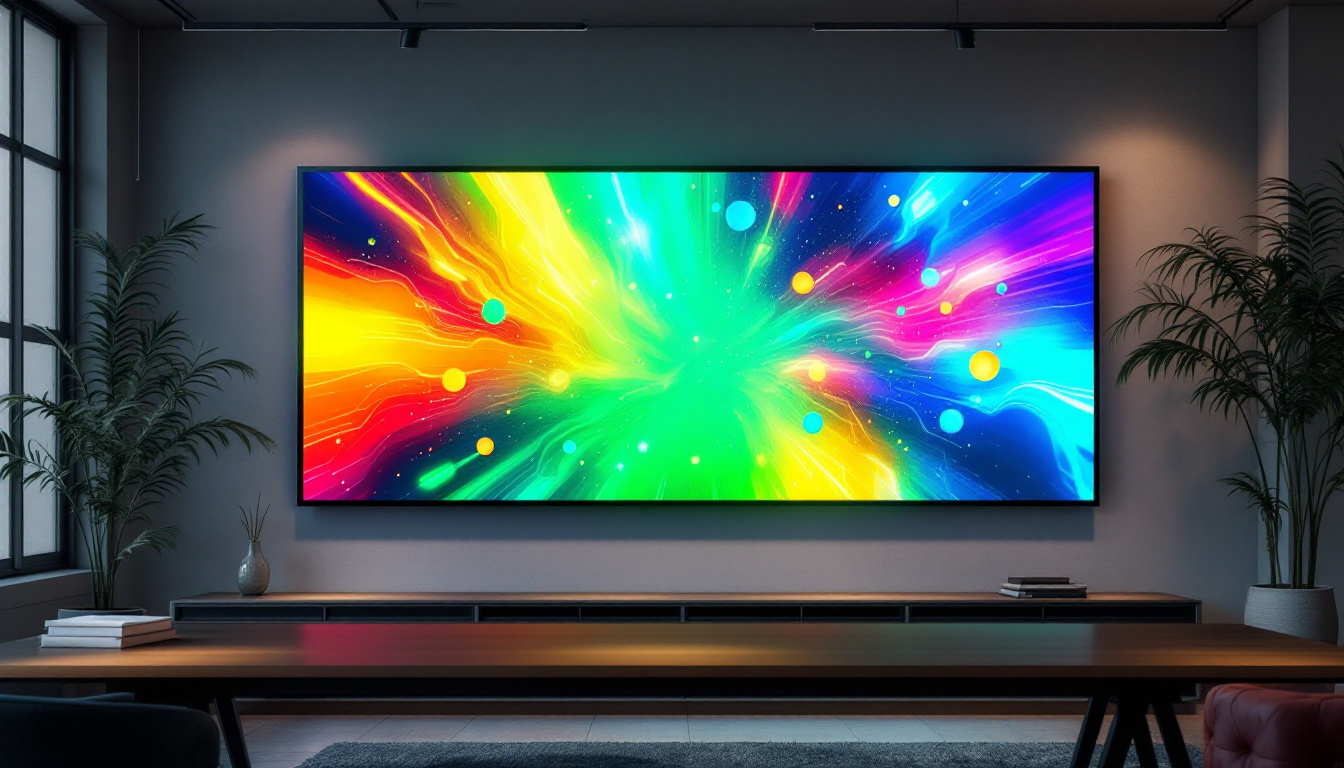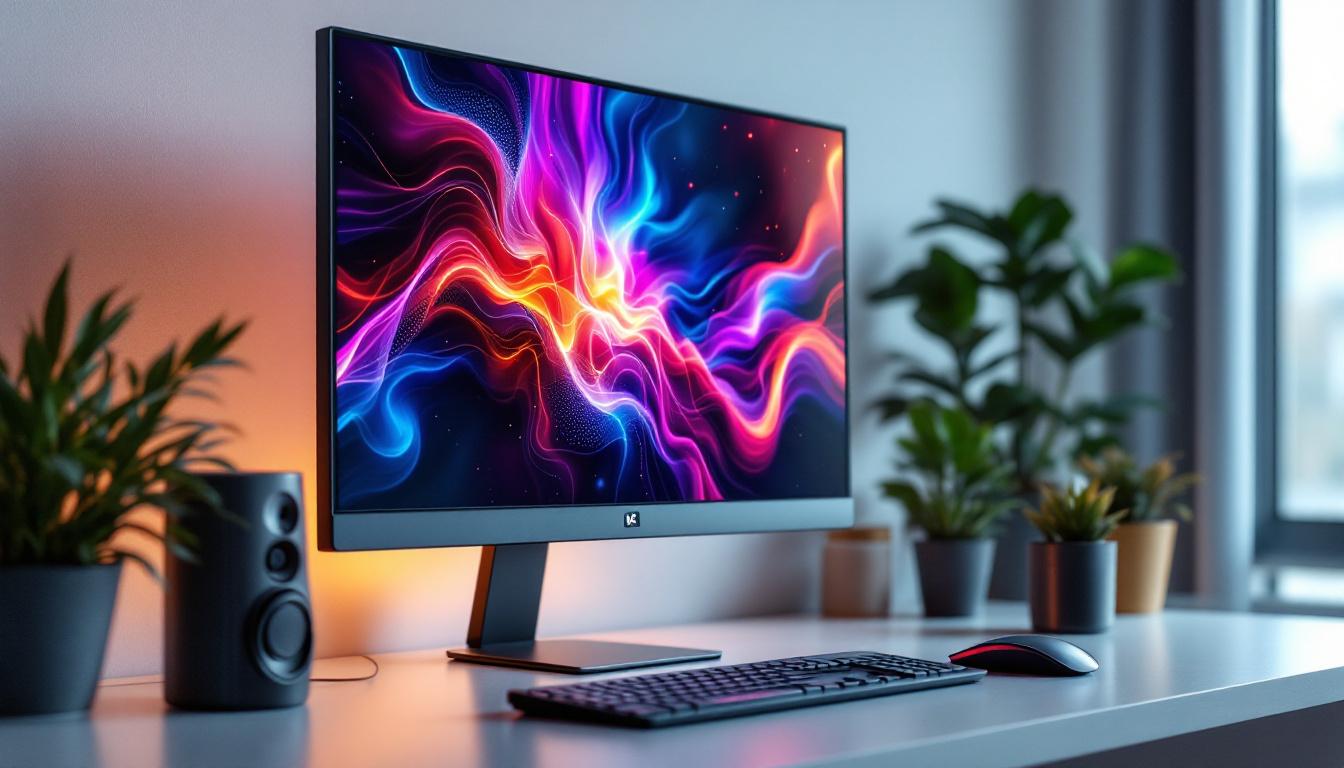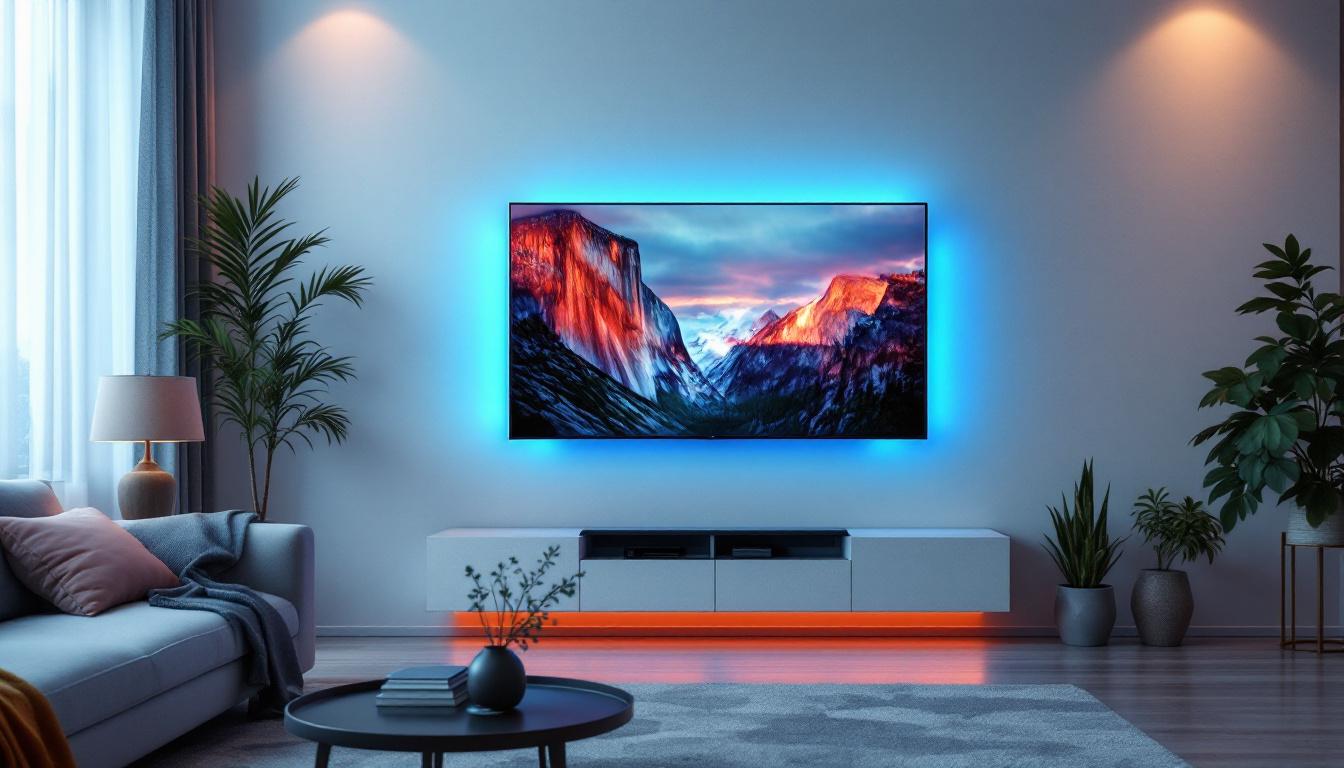
In today’s world of home entertainment, the flat wall mount TV has become a centerpiece in modern living rooms, bedrooms, and even offices. The sleek design, combined with advanced display technologies, allows for a viewing experience that is both immersive and space-efficient. Among the various display technologies available, LED displays stand out as one of the most popular choices due to their vibrant picture quality, energy efficiency, and durability.
This article delves deep into the world of flat wall mount TVs with LED displays. It will explain the technology behind LED screens, explore the benefits of mounting TVs on walls, and provide practical considerations for selecting and installing your next flat wall mount TV.
Understanding LED Display Technology
What is an LED Display?
LED stands for Light Emitting Diode. An LED display uses tiny diodes that emit light when an electric current passes through them. In the context of televisions, LED displays are a type of LCD (Liquid Crystal Display) that uses LEDs as the backlight source instead of traditional fluorescent bulbs.
This shift to LED backlighting has revolutionized TV displays, offering improved brightness, better contrast ratios, and more energy-efficient operation. The LEDs can be arranged in different configurations, such as edge-lit or full-array backlighting, which impact the overall picture quality and design of the TV. The ability to produce vibrant colors and deep blacks has made LED displays a popular choice among consumers, leading to a surge in the market for LED televisions over the past decade.
Moreover, the longevity of LED technology is another significant advantage. Unlike older display technologies, which often required frequent replacements, LEDs can last for tens of thousands of hours, making them a cost-effective solution in the long run. This durability, combined with their ability to maintain performance over time, has made LED displays a preferred option for both casual viewers and professional settings, such as in broadcasting and digital signage.
Types of LED Displays in Flat TVs
There are primarily two types of LED backlighting used in flat wall mount TVs:
- Edge-Lit LED: LEDs are positioned around the edges of the screen. Light is spread across the display using light guides. This design allows for ultra-thin TVs but sometimes sacrifices uniform brightness and contrast.
- Full-Array LED: LEDs are placed directly behind the entire screen in a grid pattern. This enables local dimming, where specific zones can be dimmed or brightened independently, producing better contrast and deeper blacks.
Additionally, some high-end LED TVs use quantum dot technology (QLED) to enhance color accuracy and brightness further, offering a richer viewing experience. Quantum dots are microscopic semiconductor particles that emit specific colors when illuminated by a light source. This technology allows for a wider color gamut and improved color volume, which means viewers can enjoy more vibrant and lifelike images. As a result, QLED TVs have become increasingly popular among enthusiasts who demand the best in picture quality.
Furthermore, the integration of smart technology into LED displays has transformed how viewers interact with their televisions. Many modern LED TVs come equipped with built-in streaming services, voice control capabilities, and user-friendly interfaces, allowing for seamless access to a vast array of content. This convergence of display technology and smart capabilities has not only enhanced the viewing experience but also made LED displays a central hub in the modern home entertainment ecosystem.
Advantages of Flat Wall Mount TVs with LED Displays
Space-Saving and Aesthetic Appeal
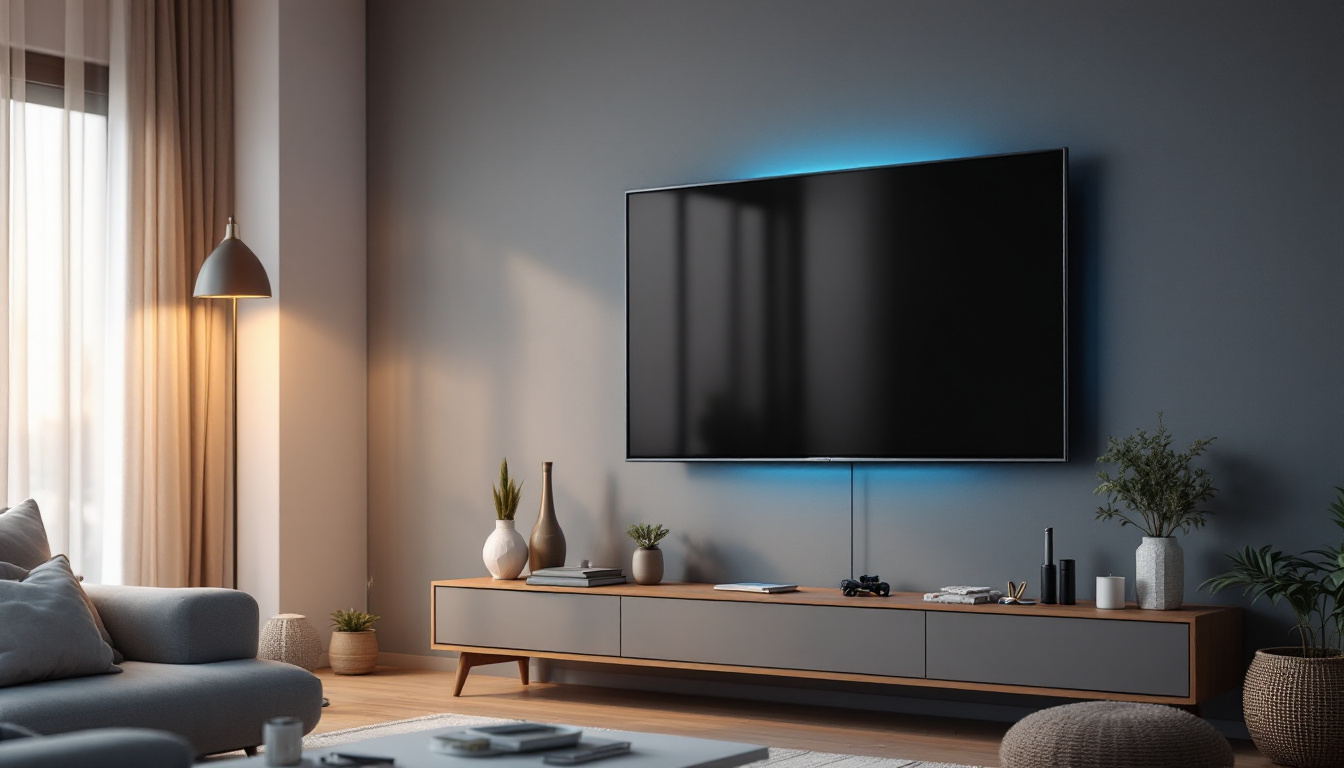
One of the most significant benefits of flat wall mount TVs is the space-saving factor. Mounting a TV on the wall frees up floor space that would otherwise be occupied by bulky TV stands or cabinets. This is especially valuable in smaller rooms or apartments where optimizing space is essential.
Beyond functionality, a wall-mounted TV creates a clean, modern look that complements contemporary interior design trends. It allows homeowners to create a minimalist entertainment area without clutter, enhancing the overall aesthetic appeal of the room.
Improved Viewing Angles and Comfort
Wall mounting enables users to position the TV at the optimal height and angle for comfortable viewing. This customization helps reduce neck strain and improves the overall viewing experience. Many wall mounts offer tilt and swivel features, allowing for adjustments based on seating arrangements or lighting conditions.
Moreover, LED displays typically offer wide viewing angles, meaning the picture quality remains consistent even when viewed from the sides. This is particularly beneficial for family rooms or home theaters where multiple people watch from different positions.
Energy Efficiency and Longevity
LED TVs consume significantly less power compared to older plasma or CCFL-backlit LCD TVs. According to the U.S. Department of Energy, LED TVs can use up to 40% less energy than traditional LCD models with fluorescent backlighting. This efficiency translates to lower electricity bills and a reduced environmental footprint.
In addition, LED displays tend to have longer lifespans, often exceeding 60,000 hours of use. This durability means fewer replacements and less electronic waste over time, making LED TVs a sustainable choice.
Key Features to Consider When Choosing a Flat Wall Mount LED TV
Screen Size and Resolution
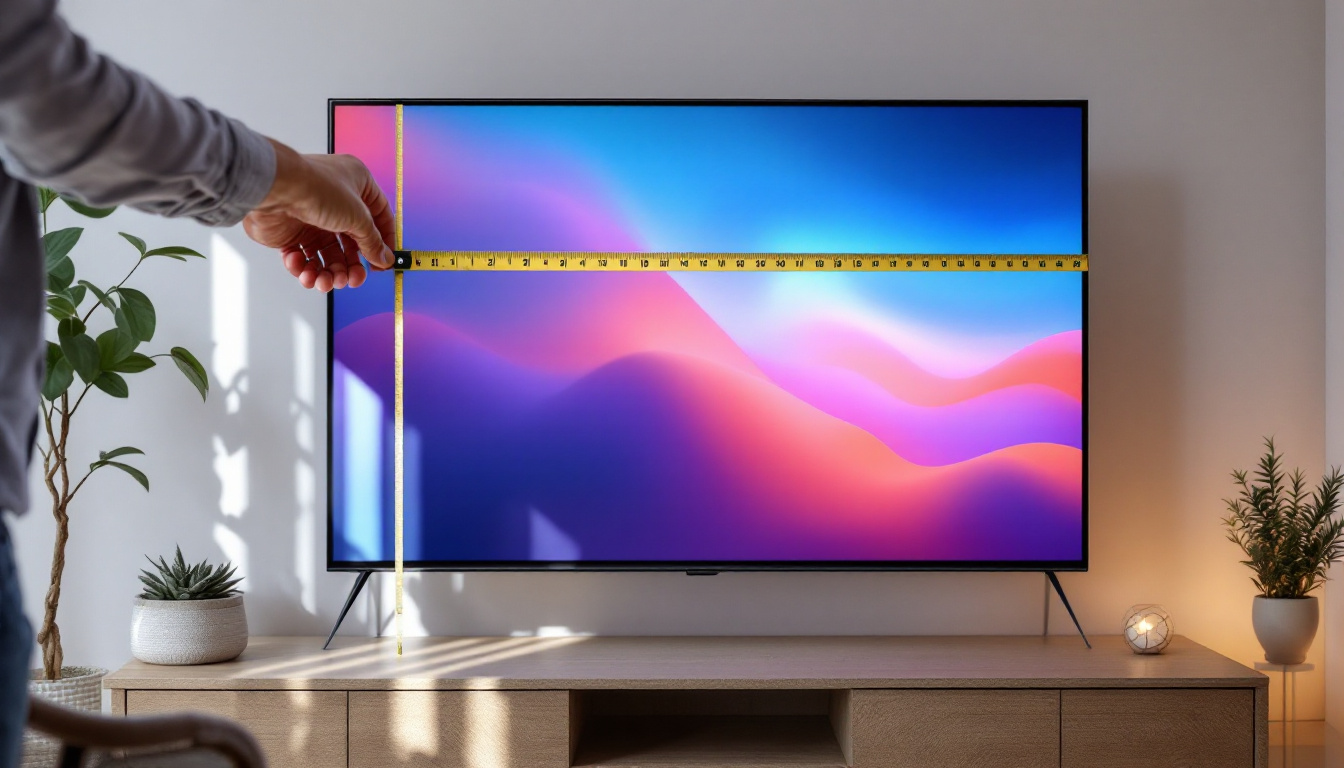
Choosing the right screen size depends on the room size and viewing distance. A general guideline is to multiply the viewing distance (in inches) by 0.84 to get the ideal screen size. For example, if you sit 8 feet (96 inches) from the TV, a screen size of about 80 inches would be optimal.
Resolution is another critical factor. Most modern LED TVs offer 4K Ultra HD resolution (3840 x 2160 pixels), which provides four times the detail of Full HD. For larger screens or close viewing distances, 4K ensures crisp and clear images. Some premium models even support 8K resolution, though content availability remains limited.
Refresh Rate and Response Time
The refresh rate, measured in Hertz (Hz), indicates how many times the image on the screen updates per second. A higher refresh rate (120Hz or above) results in smoother motion, which is particularly important for fast-paced content like sports or gaming.
Response time refers to how quickly a pixel can change from one color to another. Lower response times reduce motion blur and ghosting effects, enhancing the overall picture quality during dynamic scenes.
Smart TV Capabilities and Connectivity
Most flat wall mount LED TVs today come with smart features that allow access to streaming services, apps, and internet browsing. Popular platforms include Netflix, Amazon Prime Video, Hulu, and YouTube. Voice control integration with assistants like Alexa or Google Assistant is becoming increasingly common.
Connectivity options such as multiple HDMI ports, USB inputs, Bluetooth, and Wi-Fi are essential for connecting external devices like gaming consoles, soundbars, and media players. Ensuring your TV has the right ports for your setup will future-proof your investment.
Installation Tips for Flat Wall Mount LED TVs
Choosing the Right Wall Mount
Wall mounts come in several types: fixed, tilting, and full-motion (articulating). Fixed mounts hold the TV flat against the wall, ideal for a clean, flush look. Tilting mounts allow vertical angle adjustments, reducing glare and improving viewing comfort. Full-motion mounts offer the most flexibility, enabling the TV to swivel and extend away from the wall.
When selecting a mount, consider the TV’s size and weight, as well as the wall material. Most mounts specify the maximum weight they support and the compatible VESA (Video Electronics Standards Association) pattern, which corresponds to the mounting holes on the back of the TV.
Wall Type and Anchoring
Proper installation depends heavily on the type of wall. Drywall alone cannot support the weight of a TV and mount. It’s crucial to locate studs (wooden or metal framing behind the drywall) and anchor the mount securely into them using appropriate screws and brackets.
For concrete or brick walls, specialized anchors and drills are necessary. If unsure, consulting a professional installer can ensure safety and stability.
Cable Management
One challenge of wall mounting is managing cables to maintain a tidy appearance. Options include using cable raceways, in-wall cable management kits, or wireless HDMI transmitters. Concealing cables not only improves aesthetics but also reduces the risk of tripping hazards and damage to connectors.
Common Misconceptions About LED TVs and Wall Mounting
LED TVs Are the Same as OLED
While both LED and OLED (Organic Light Emitting Diode) TVs use diode technology, they are fundamentally different. OLEDs emit light from each pixel individually, allowing for perfect blacks and superior contrast. LED TVs rely on backlighting, which can lead to some light bleed and less contrast. OLEDs typically cost more but offer premium picture quality.
Wall Mounting Damages the TV
When done correctly, wall mounting does not harm the TV. Manufacturers design TVs with mounting points that can safely support the device’s weight. Damage usually occurs from improper mounting techniques or using incompatible mounts.
LED TVs Are Not Suitable for Bright Rooms
Modern LED TVs often come with high brightness levels and anti-reflective coatings that make them suitable for well-lit environments. Features like local dimming and HDR (High Dynamic Range) enhance visibility even in bright rooms.
Future Trends in Flat Wall Mount LED TVs
Mini-LED and Micro-LED Technologies
Emerging technologies like Mini-LED and Micro-LED promise to push LED display performance even further. Mini-LED uses thousands of tiny LEDs for backlighting, enabling more precise local dimming and better contrast. Micro-LED, still in early stages, involves self-emissive LEDs at the pixel level, combining OLED’s picture quality with LED’s brightness and longevity.
Integration with Smart Home Ecosystems
Flat wall mount TVs are becoming central hubs in smart homes. Future models will likely offer deeper integration with voice assistants, IoT devices, and home automation systems, allowing users to control lighting, temperature, and security from their TV interface.
Flexible and Transparent Displays
Research into flexible and transparent LED displays may soon lead to TVs that can curve, fold, or even become nearly invisible when not in use. These innovations could redefine the concept of wall-mounted entertainment.
Conclusion
Flat wall mount TVs with LED displays represent a perfect blend of technology, design, and functionality. Understanding the underlying LED technology, the benefits of wall mounting, and the key features to consider can help consumers make informed decisions that enhance their viewing experience and living space.
As LED technology continues to evolve, with innovations like Mini-LED and Micro-LED on the horizon, the future of flat wall mount TVs looks brighter than ever. Whether upgrading a home theater or creating a sleek media setup, choosing the right LED TV and mounting solution is a worthwhile investment in entertainment quality and home aesthetics.
Explore Cutting-Edge LED Displays with LumenMatrix
Ready to elevate your entertainment space with the latest in LED technology? LumenMatrix is at the forefront of LED display innovation, offering a wide range of solutions tailored to your needs. From immersive Indoor LED Wall Displays to dynamic Outdoor LED Wall Displays, and from versatile Vehicle LED Displays to engaging LED Sports Displays, our products are designed to transform your visual experience. Discover how LumenMatrix can enhance your brand visibility and captivate your audience. Check out LumenMatrix LED Display Solutions today and step into the future of visual communication.