Flexible LCD Monitor: LED Display Explained
In the rapidly evolving world of display technology, flexible LCD monitors equipped with LED backlighting represent a significant leap forward. These innovative displays combine the versatility of flexible screens with the vibrant, energy-efficient qualities of LED technology, opening new possibilities across consumer electronics, professional applications, and emerging industries. This article delves into the technology behind flexible LCD monitors, explains how LED displays function within them, and explores their practical applications and future potential.
Understanding Flexible LCD Technology
Flexible LCD monitors differ fundamentally from traditional rigid displays by incorporating bendable substrates and materials that allow the screen to curve or flex without damage. Unlike conventional glass-based LCDs, flexible LCDs utilize plastic or thin-film substrates, which offer mechanical flexibility while maintaining image quality.
The core of an LCD (Liquid Crystal Display) lies in its liquid crystal layer, which manipulates light to create images. In flexible LCDs, this liquid crystal layer is sandwiched between flexible layers that can bend or fold. This flexibility does not compromise the display’s resolution or color accuracy, making it ideal for applications where a rigid screen would be impractical. For instance, in the automotive industry, flexible LCDs can be seamlessly integrated into curved dashboard displays, enhancing both aesthetics and functionality. Similarly, in wearable technology, these displays can conform to the contours of the human body, providing a more comfortable user experience.
Key Components of Flexible LCDs
Flexible LCDs consist of several essential components:
- Flexible Substrate: Typically made from polyimide or other durable plastics, this layer replaces traditional glass, allowing the display to bend.
- Liquid Crystal Layer: The heart of the display, controlling light passage to form images.
- Electrodes: Transparent conductive layers that apply voltage to manipulate the liquid crystals.
- Polarizers: Filters that control light orientation, essential for LCD functionality.
- Backlighting Unit: Provides illumination behind the LCD panel, commonly using LEDs in modern displays.
Each component must be engineered to maintain flexibility without sacrificing durability or performance. Advances in materials science and manufacturing have made this possible, enabling displays that can bend, roll, or fold. The development of ultra-thin LED backlighting has also contributed significantly to the feasibility of flexible LCDs, allowing for a lightweight design that enhances portability. Furthermore, ongoing research into organic light-emitting diodes (OLEDs) and other emerging technologies may pave the way for even more innovative flexible display solutions, potentially leading to applications in fields like architecture, where entire walls could be transformed into interactive screens. This evolution in display technology not only opens new avenues for design but also challenges our conventional understanding of how we interact with visual media.
The Role of LED Backlighting in Flexible LCD Monitors
While the liquid crystal layer controls image formation, it does not emit light on its own. Therefore, LCDs require a backlight to illuminate the pixels. Light Emitting Diodes (LEDs) have become the preferred backlighting technology due to their efficiency, brightness, and compact size.
LED backlighting enhances flexible LCD monitors in several ways:
Energy Efficiency and Brightness
LEDs consume significantly less power compared to older fluorescent backlights, contributing to longer battery life in portable devices. They also provide brighter, more uniform illumination, which improves display visibility in various lighting conditions. This is particularly important for flexible monitors used in outdoor or mobile environments.
Thin and Lightweight Design
LEDs are small and can be arranged in thin layers, allowing the entire display assembly to be slimmer and lighter. This complements the flexible substrate, enabling designs that are not only bendable but also sleek and portable.
Color Accuracy and Contrast
Modern LED backlights, especially those using RGB LEDs or quantum dot enhancements, offer superior color reproduction and contrast ratios. This results in vibrant, true-to-life images that are essential for professional applications such as graphic design, medical imaging, and video production.
Furthermore, the ability of LEDs to produce a wide color gamut means that flexible LCD monitors can display a broader range of colors, making them ideal for applications where color fidelity is paramount. For instance, in the fashion industry, designers can utilize these monitors to accurately showcase their textiles and designs, ensuring that the colors presented are as close to reality as possible. This capability not only enhances the viewing experience but also facilitates more accurate decision-making in professional settings.
Another significant advantage of LED backlighting is its longevity. LEDs have a much longer lifespan compared to traditional backlighting technologies, which reduces the frequency of replacements and maintenance. This durability is particularly beneficial for flexible LCD monitors that are often used in dynamic environments, such as in digital signage or as part of interactive displays in museums and exhibitions. The resilience of LED technology ensures that these monitors can withstand the rigors of daily use while maintaining their performance and visual quality over time.
How Flexible LCD Monitors Work: A Technical Overview
To appreciate the innovation behind flexible LCD monitors, it helps to understand their operational principles. The process begins with the LED backlight emitting white light, which passes through several layers before reaching the viewer’s eyes.
Light Modulation by Liquid Crystals
The liquid crystal molecules align in response to electrical signals applied via the electrodes. This alignment changes the polarization of the light passing through, which is then filtered by the polarizers to control the amount of light reaching each pixel. By varying the voltage, the display can produce different shades and colors.
Maintaining Flexibility Without Compromising Quality
One of the biggest challenges in flexible LCD design is ensuring that bending does not disrupt the precise alignment of liquid crystals or damage the electrodes. Manufacturers use advanced flexible materials and encapsulation techniques to protect these delicate layers. Additionally, flexible printed circuit boards (FPCBs) replace traditional rigid circuits to maintain electrical connectivity during flexing.
Types of Flexible LCD Displays
Flexible LCDs can be categorized based on their bending radius and form factor:
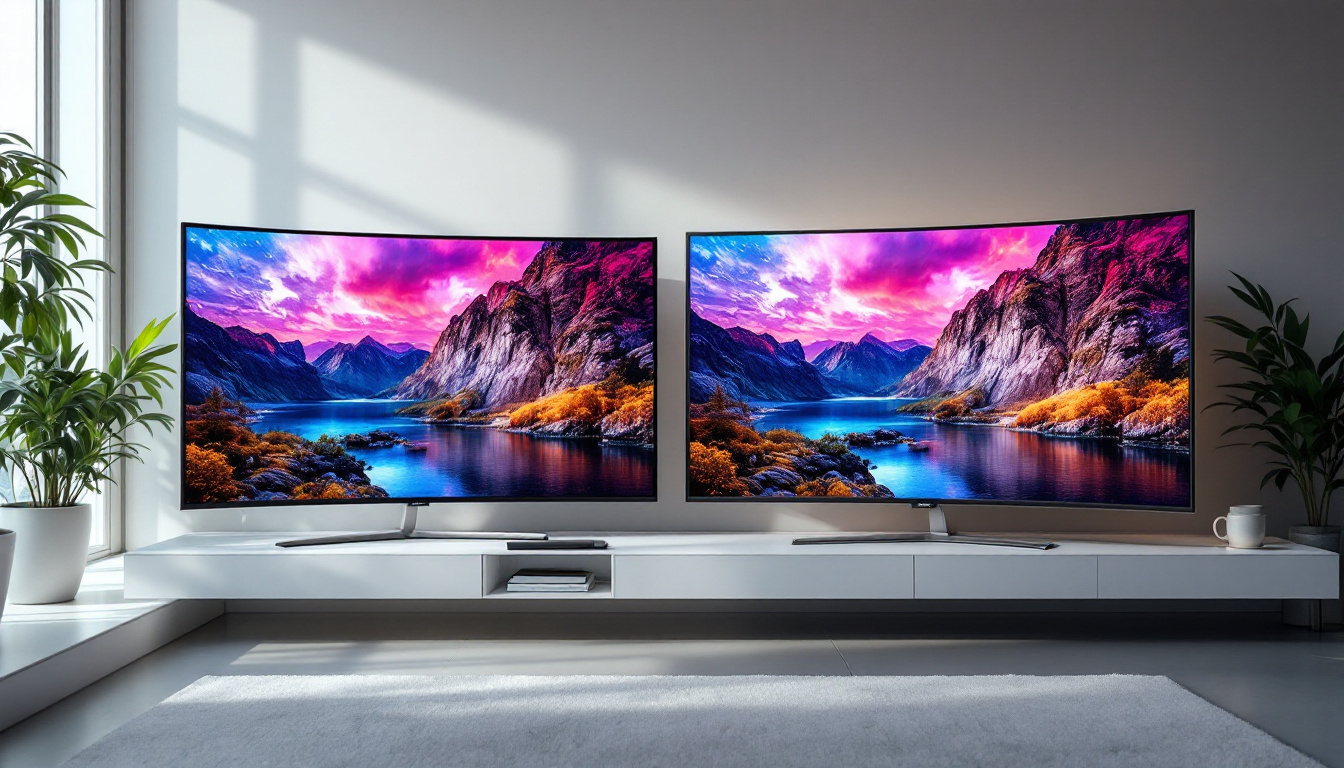
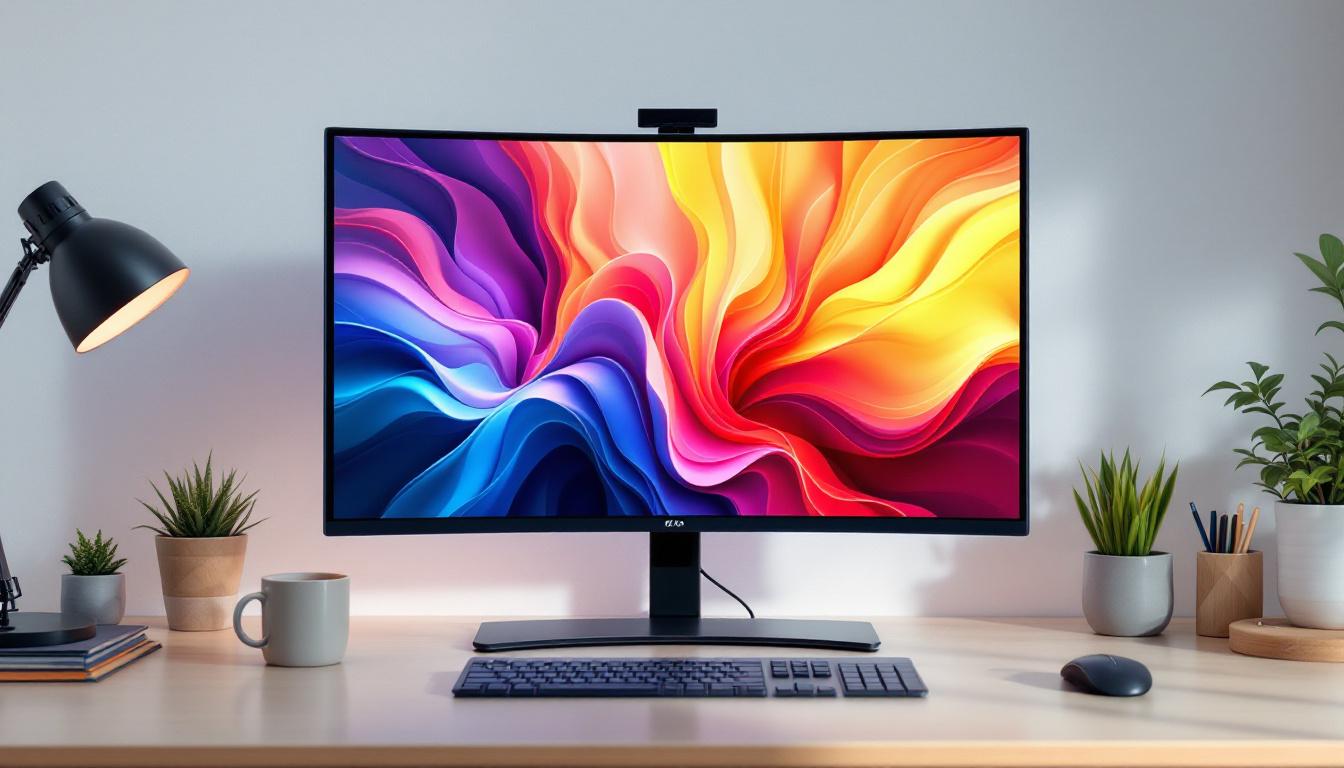
- Curved Displays: Slightly bent screens designed to enhance viewing angles and immersion.
- Foldable Displays: Screens that can be folded, often used in foldable smartphones and tablets.
- Rollable Displays: Screens that can be rolled up for compact storage, an emerging technology with significant potential.
Applications of Flexible LCD Monitors with LED Displays
The unique properties of flexible LCD monitors equipped with LED backlighting have unlocked new applications across various sectors. Their adaptability, combined with high image quality, makes them attractive for both consumer and industrial uses.
Consumer Electronics
Flexible LCDs are increasingly found in smartphones, tablets, and wearable devices. Foldable smartphones, for example, utilize flexible LCD technology to offer larger screen sizes without compromising portability. Smartwatches benefit from curved or flexible displays that conform better to the wrist, improving comfort and aesthetics.
Automotive Industry
In modern vehicles, flexible LCD monitors are used for dashboard displays, infotainment systems, and heads-up displays. Their ability to curve around instrument panels allows for more ergonomic and visually appealing interfaces. LED backlighting ensures visibility in diverse lighting conditions, enhancing driver safety.
Healthcare and Medical Devices
Medical imaging devices and portable diagnostic tools leverage flexible LCDs for their lightweight and durable characteristics. Flexible displays can conform to medical instruments or wearable health monitors, providing real-time data with high clarity and reliability.
Industrial and Military Applications
Rugged, flexible LCD monitors are ideal for field equipment that must withstand harsh environments. Their durability and energy efficiency make them suitable for military communication devices, portable control panels, and industrial machinery interfaces.
Emerging Technologies
Flexible LCDs are at the forefront of emerging innovations such as foldable laptops, rollable televisions, and augmented reality (AR) headsets. The combination of flexibility and LED backlighting allows designers to rethink form factors and user experiences, pushing the boundaries of what displays can do.
Advantages and Challenges of Flexible LCD Monitors
While flexible LCD monitors offer numerous benefits, they also present unique challenges that manufacturers and users must consider.
Advantages
- Design Versatility: Enables new form factors and ergonomic designs.
- Durability: Flexible substrates are less prone to shattering compared to glass.
- Energy Efficiency: LED backlighting reduces power consumption, extending device battery life.
- Enhanced Visual Quality: High brightness and color accuracy improve user experience.
Challenges
- Manufacturing Complexity: Producing flexible displays requires advanced materials and precision engineering, increasing costs.
- Longevity Concerns: Repeated bending can eventually degrade display performance, though ongoing research aims to improve durability.
- Limited Availability: Flexible LCDs are still emerging in the market, with fewer options compared to traditional displays.
- Integration Issues: Incorporating flexible displays into devices requires rethinking internal components and assembly processes.
The Future of Flexible LCD and LED Display Technology
As research and development continue, flexible LCD monitors with LED backlighting are poised to become more prevalent and sophisticated. Innovations in materials science, such as graphene-based electrodes and organic LEDs (OLEDs), may further enhance flexibility, brightness, and energy efficiency.
Moreover, hybrid technologies that combine flexible LCDs with other display types could offer even greater performance and versatility. For example, integrating touch sensitivity and haptic feedback into flexible screens could revolutionize user interaction.
Industry forecasts suggest that the flexible display market will grow substantially over the next decade. According to a report by MarketsandMarkets, the flexible display market is expected to reach over $40 billion by 2027, driven by demand in consumer electronics, automotive, and healthcare sectors.
Conclusion
Flexible LCD monitors equipped with LED backlighting represent a transformative advancement in display technology. By merging flexibility with high-quality illumination and energy efficiency, these displays enable innovative device designs and new user experiences. While challenges remain in manufacturing and durability, ongoing technological progress promises to overcome these hurdles.
For professionals, consumers, and industries alike, understanding the capabilities and potential of flexible LCD and LED displays is essential as these technologies become increasingly integrated into everyday devices and specialized equipment. As the market expands, flexible LCD monitors will likely play a pivotal role in shaping the future of visual communication and digital interaction.
Discover the Future of Display Technology with LumenMatrix
As you embrace the possibilities of flexible LCD and LED displays, take the next step with LumenMatrix. Our commitment to innovation positions us at the forefront of LED display technology, offering a diverse range of solutions that bring your visual communications to life. From Indoor and Outdoor LED Wall Displays to Custom and All-in-One LED solutions, LumenMatrix is dedicated to enhancing your brand’s visibility and creating immersive experiences. Check out LumenMatrix LED Display Solutions today and be a part of the visual revolution.