In today’s rapidly evolving technology landscape, LED displays have become a cornerstone of visual communication, impacting industries from advertising to entertainment and corporate environments. For professionals pursuing a career in management, particularly within companies like Standish Management that focus on technology-driven solutions, understanding LED display technology is crucial. This article delves into the fundamentals of LED displays, their applications, and what management careers in this field entail.
Understanding LED Display Technology
What is an LED Display?
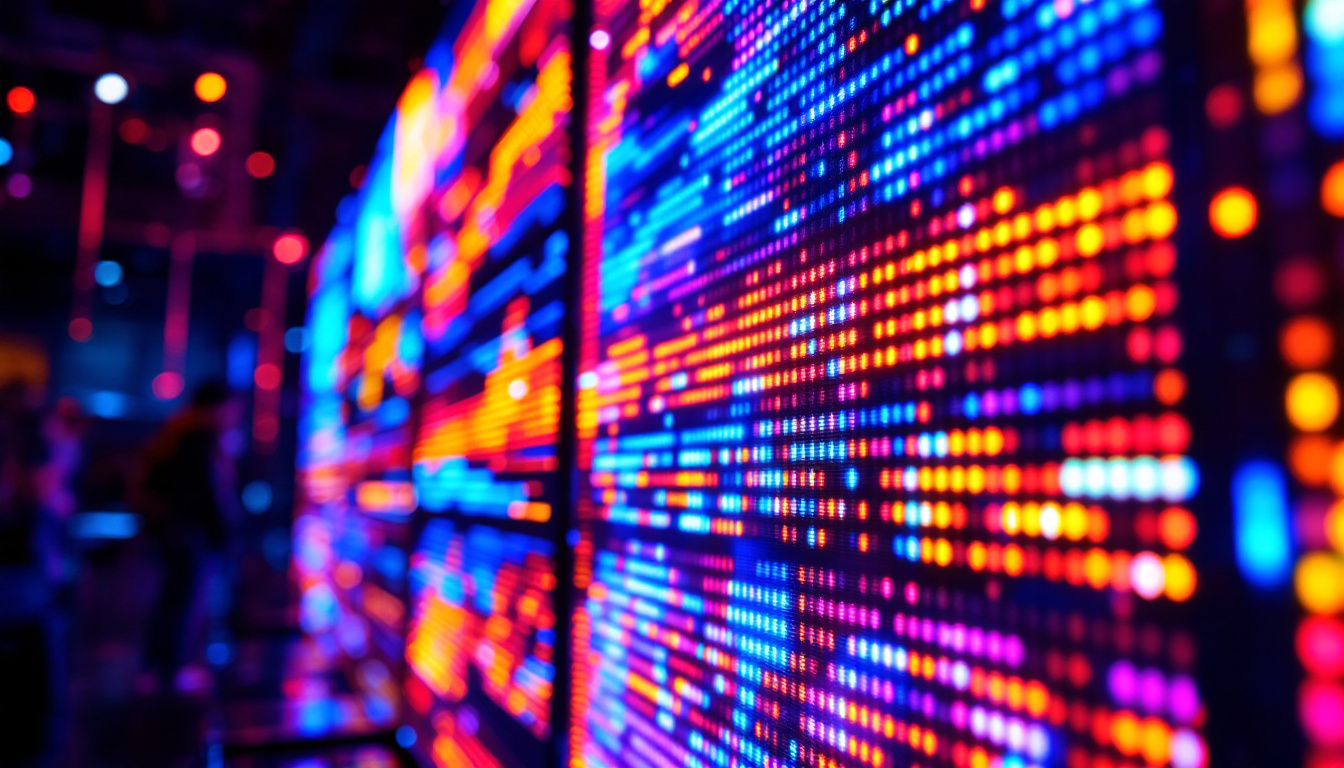
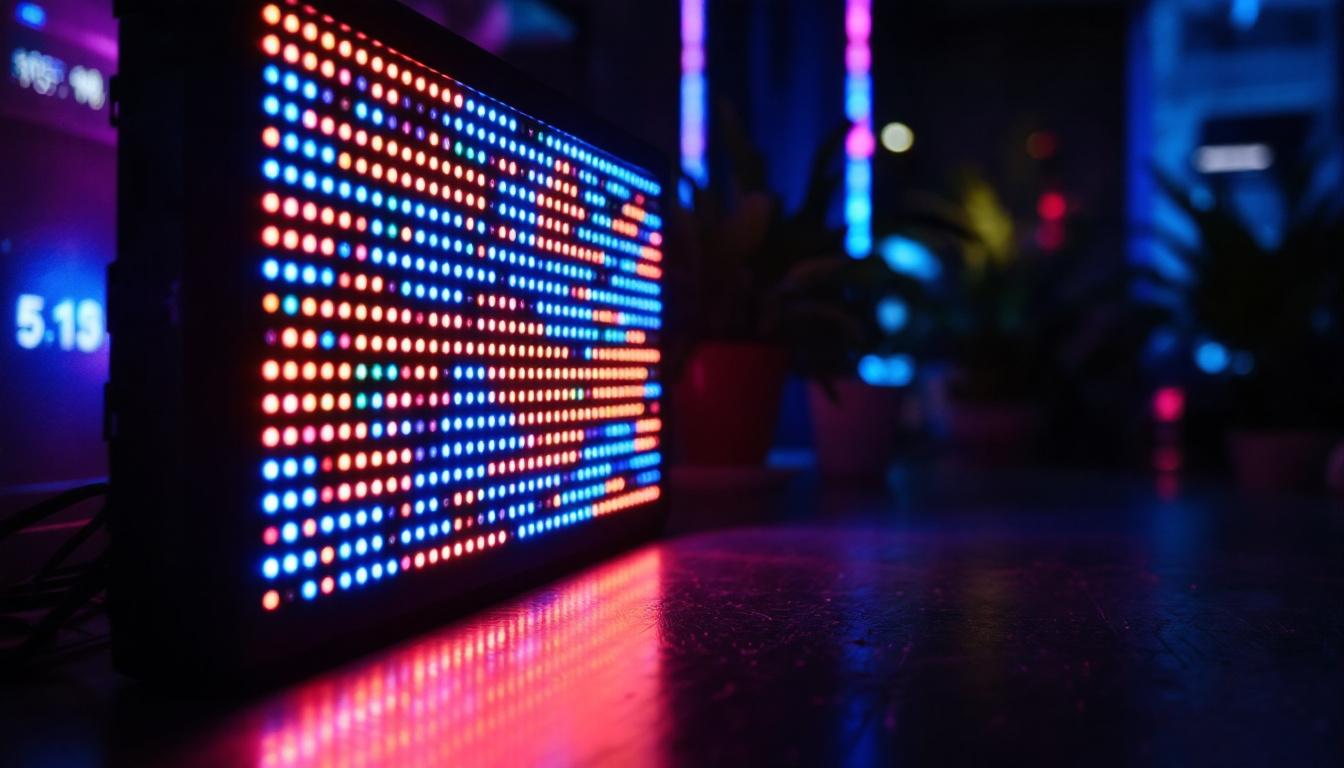
LED stands for Light Emitting Diode, a semiconductor device that emits light when an electric current passes through it. An LED display is a flat panel display that uses an array of LEDs as pixels to produce images, videos, and text. These displays are known for their brightness, energy efficiency, and long lifespan, which make them ideal for both indoor and outdoor use.
Unlike traditional LCD screens that rely on backlighting, LED displays generate their own light, allowing for better contrast ratios and vibrant colors. This self-illumination capability means LED displays can be viewed clearly even in direct sunlight, a significant advantage for outdoor advertising and public information systems. Furthermore, the rapid response time of LEDs contributes to smooth motion rendering, making them particularly suitable for dynamic content such as video feeds and live broadcasts. This technology has transformed how information is communicated visually, enhancing engagement and interaction in various settings.
Types of LED Displays
There are several types of LED displays, each designed to meet specific needs:
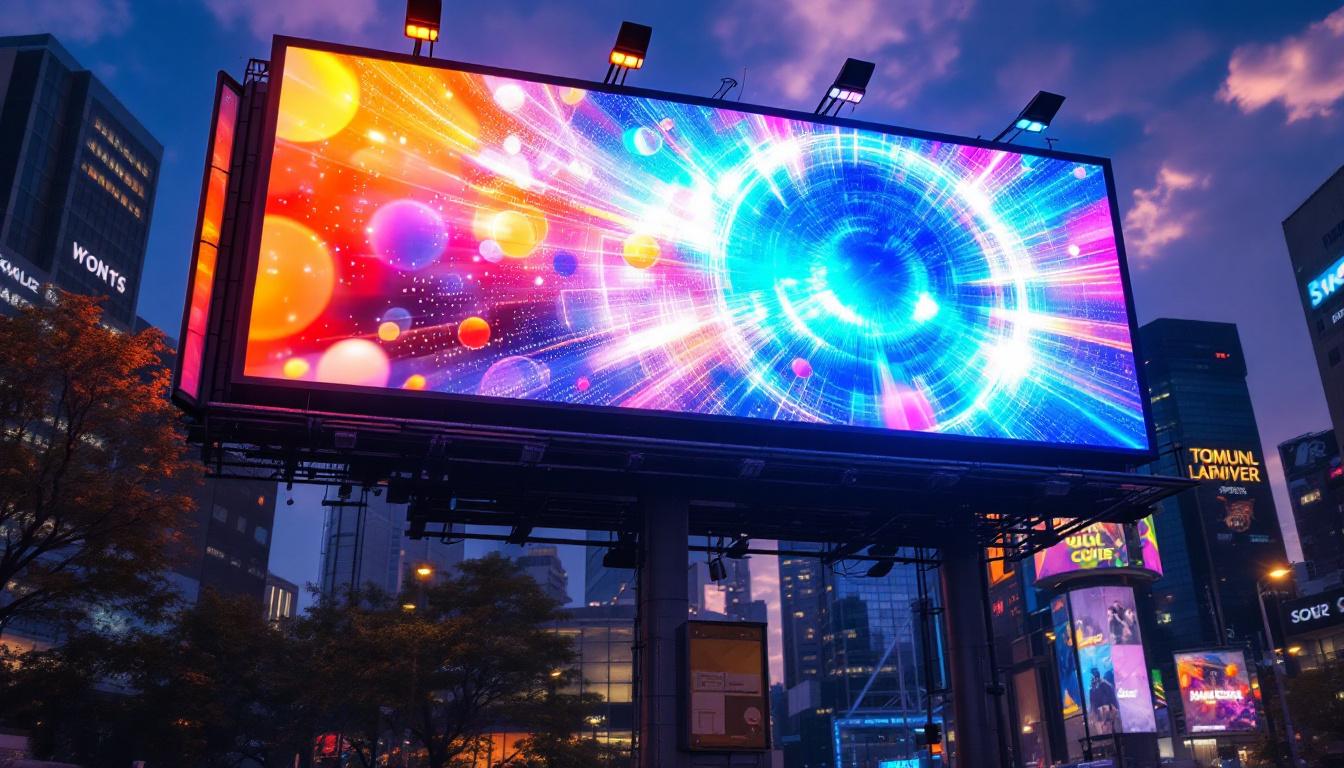
- Direct View LED Displays: These are composed of individual LEDs arranged in a matrix. They are commonly used for large outdoor billboards and stadium screens due to their high brightness and scalability.
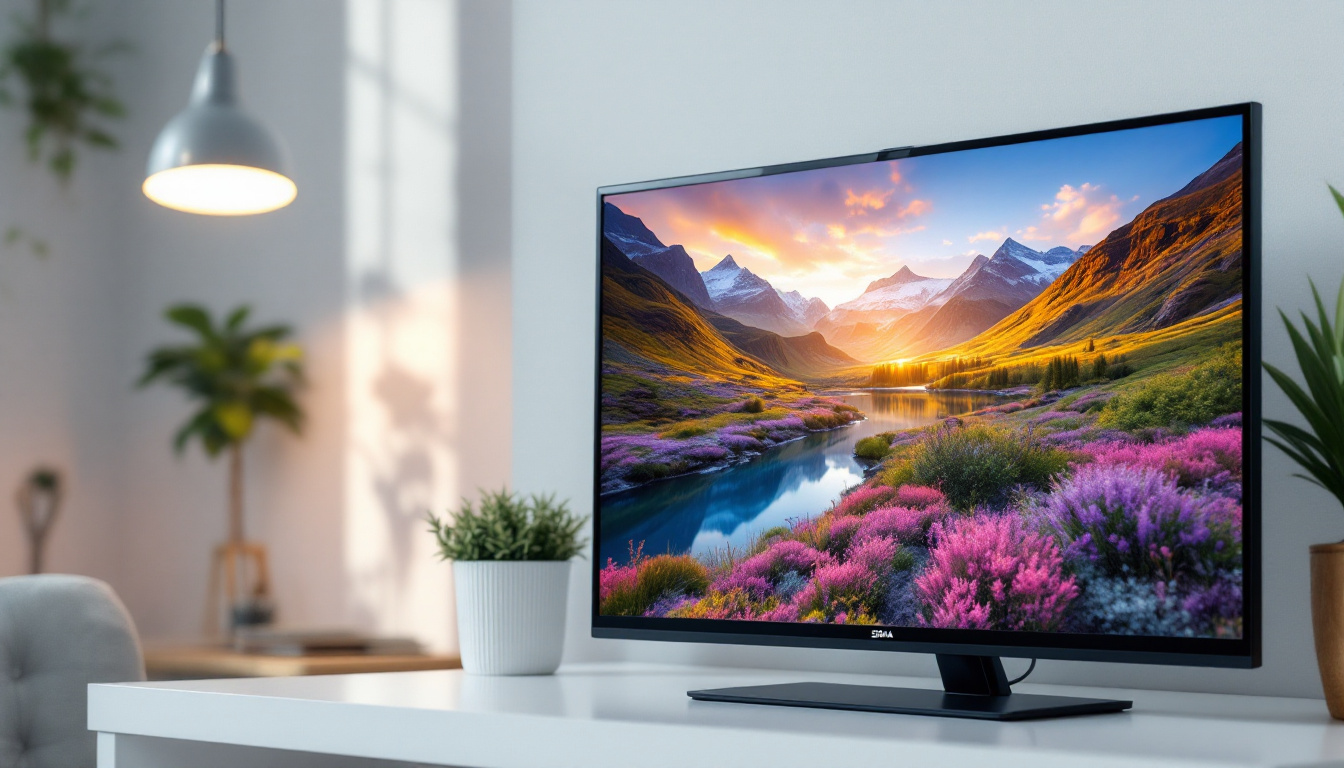
- LED-backlit LCD Displays: These use LEDs as a backlight source for LCD panels, enhancing color accuracy and energy efficiency compared to older CCFL backlights.
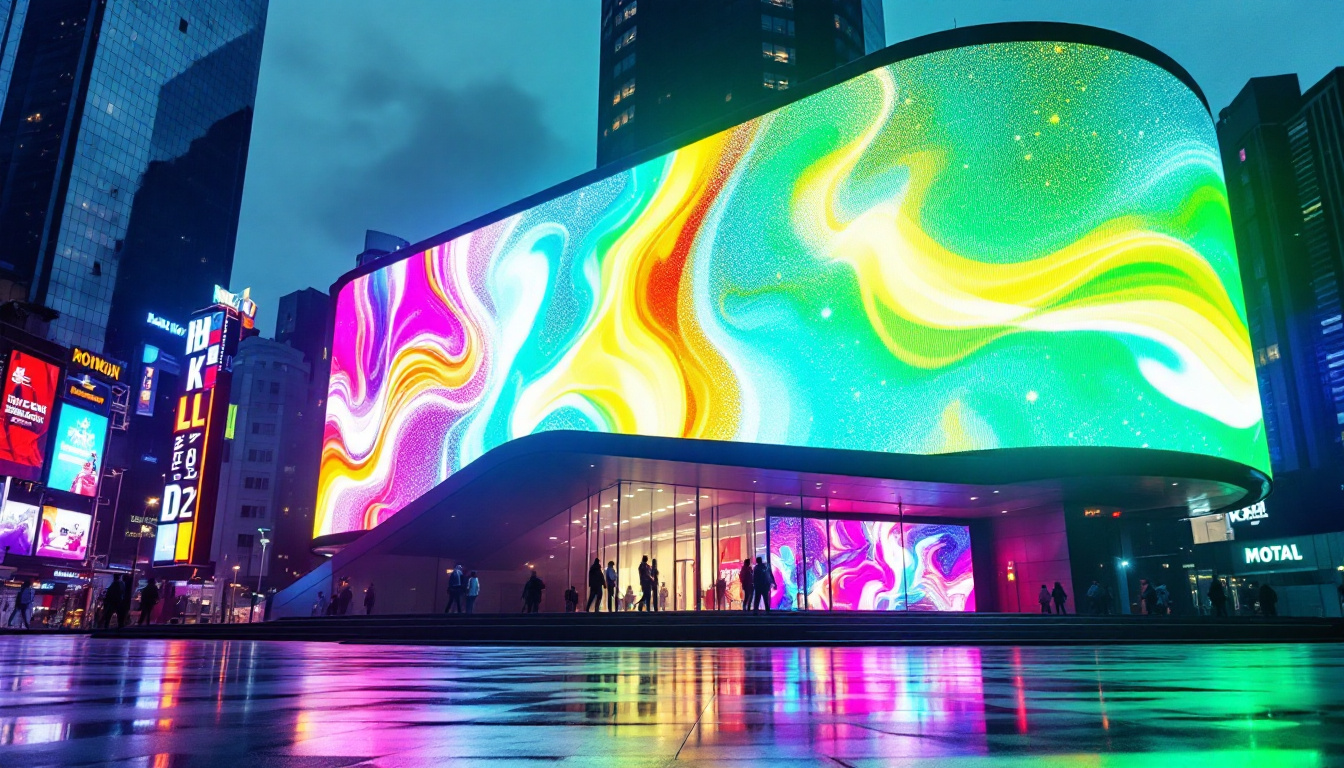
- Flexible LED Displays: These innovative displays use bendable substrates, allowing for curved or irregular shapes, which are increasingly popular in creative advertising and architectural installations.
In addition to these types, there are also MicroLED Displays, which consist of microscopic LEDs that can create stunningly high-resolution images. MicroLED technology is gaining traction in the consumer electronics market, particularly for high-end televisions and wearable devices, due to its potential for superior picture quality and energy savings. Moreover, Transparent LED Displays are emerging as a fascinating option, allowing light to pass through the display while still showing images, making them ideal for storefronts and exhibitions where visibility is key. This versatility in design and application continues to push the boundaries of how LED technology can be utilized in modern visual communication.
Applications of LED Displays in Business and Industry
Advertising and Marketing
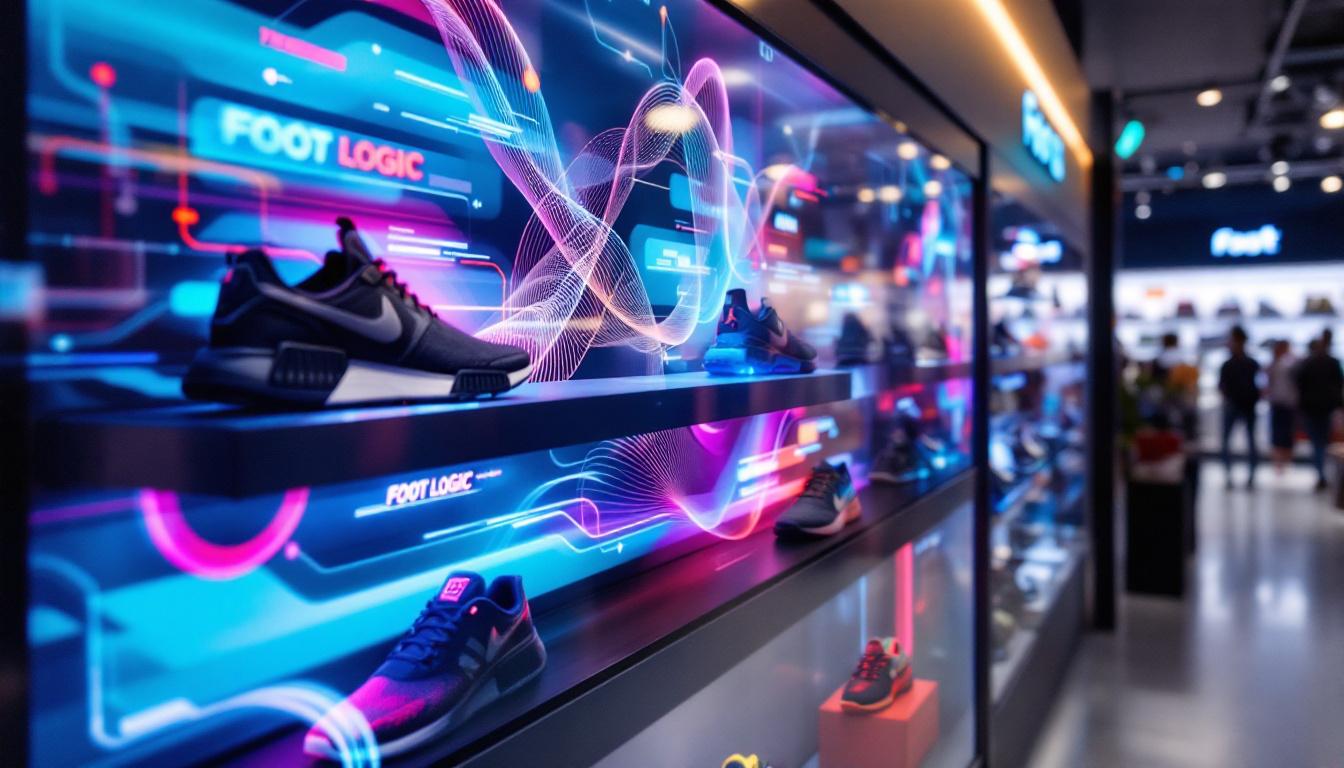
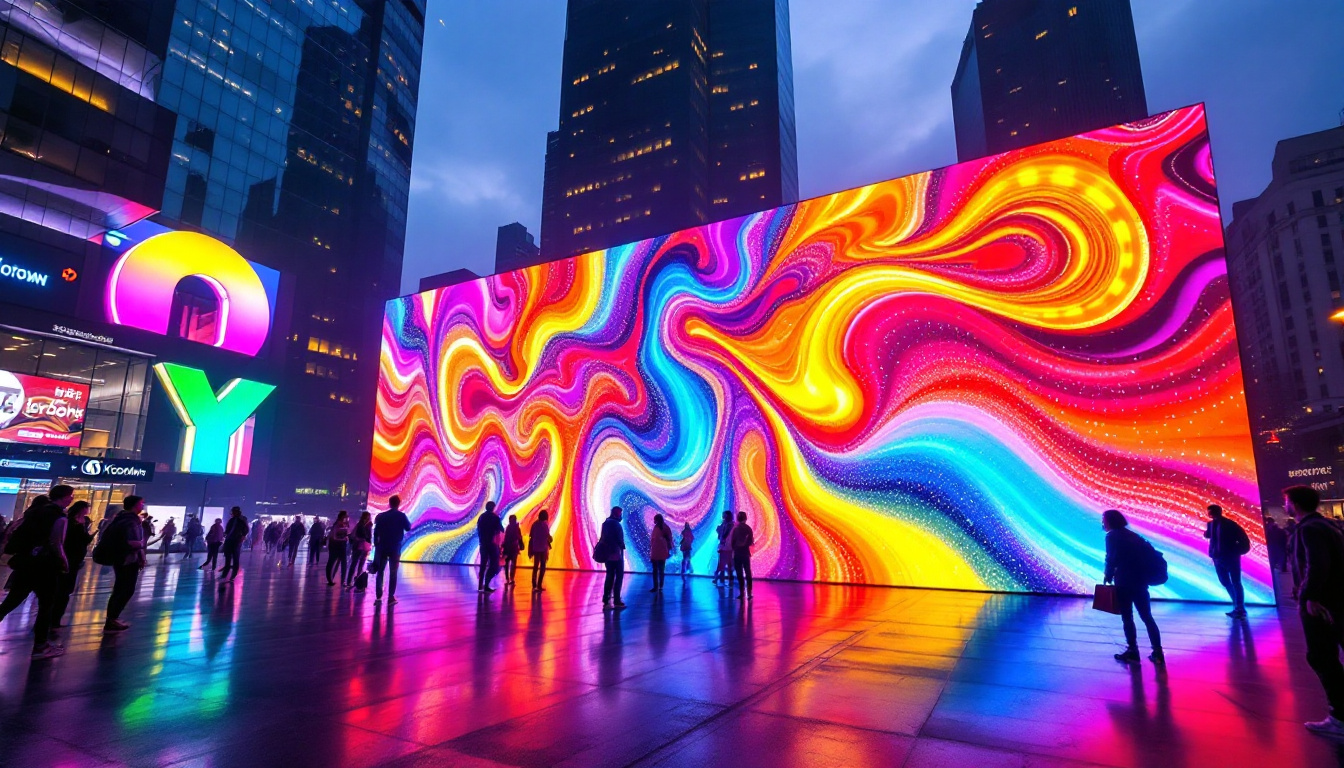
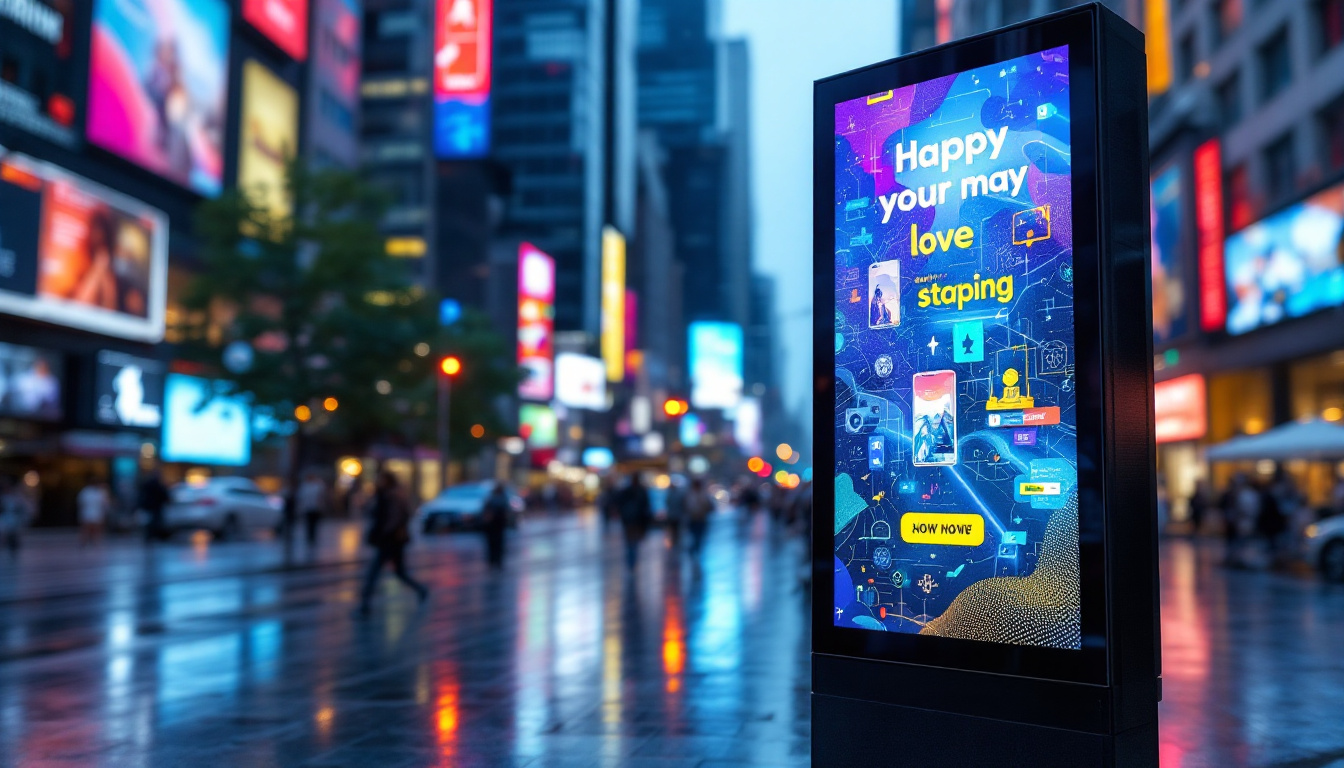
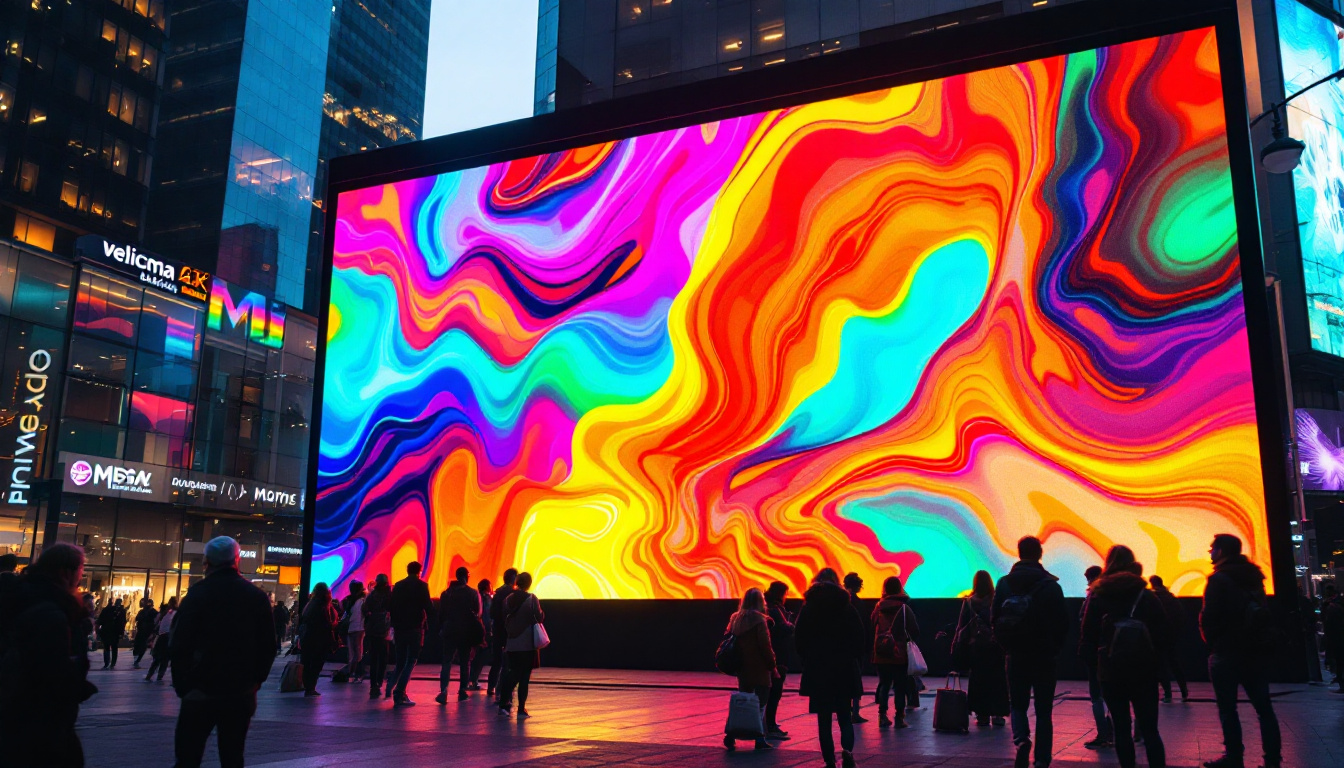
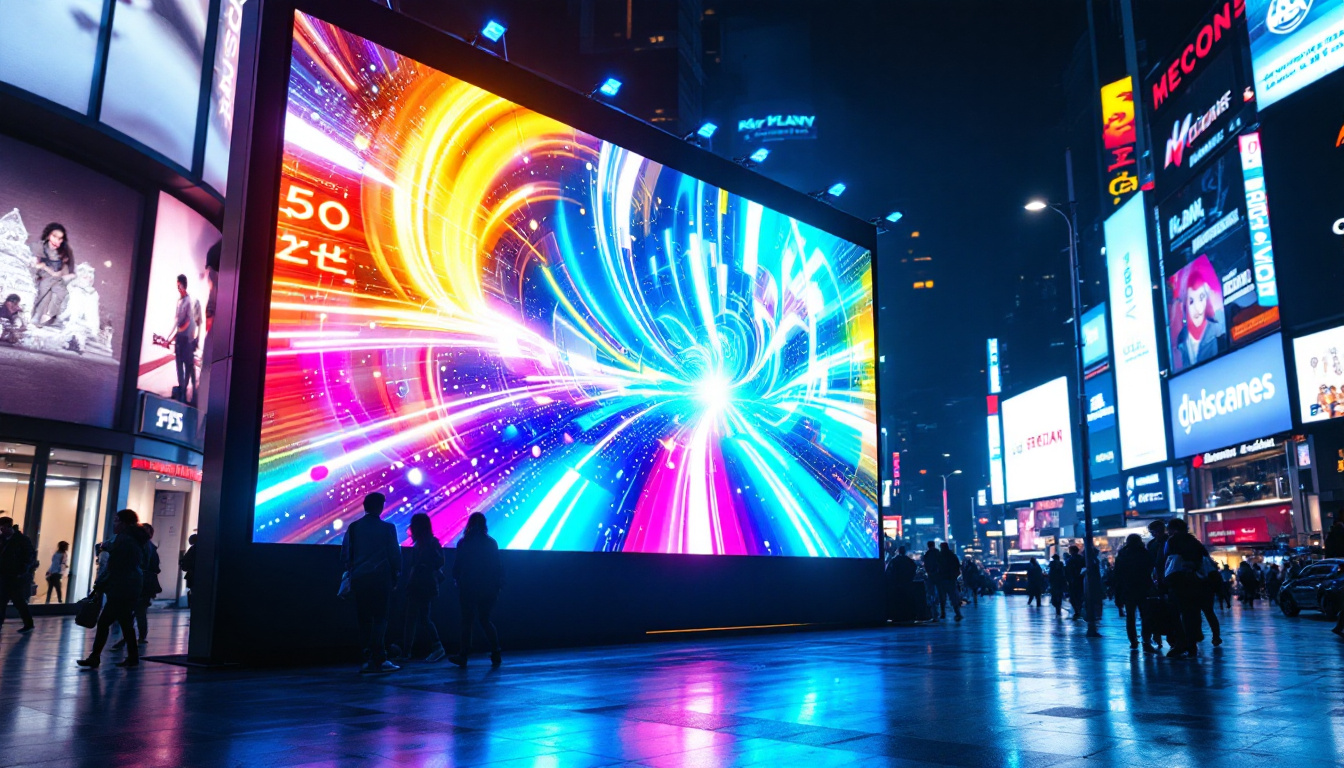
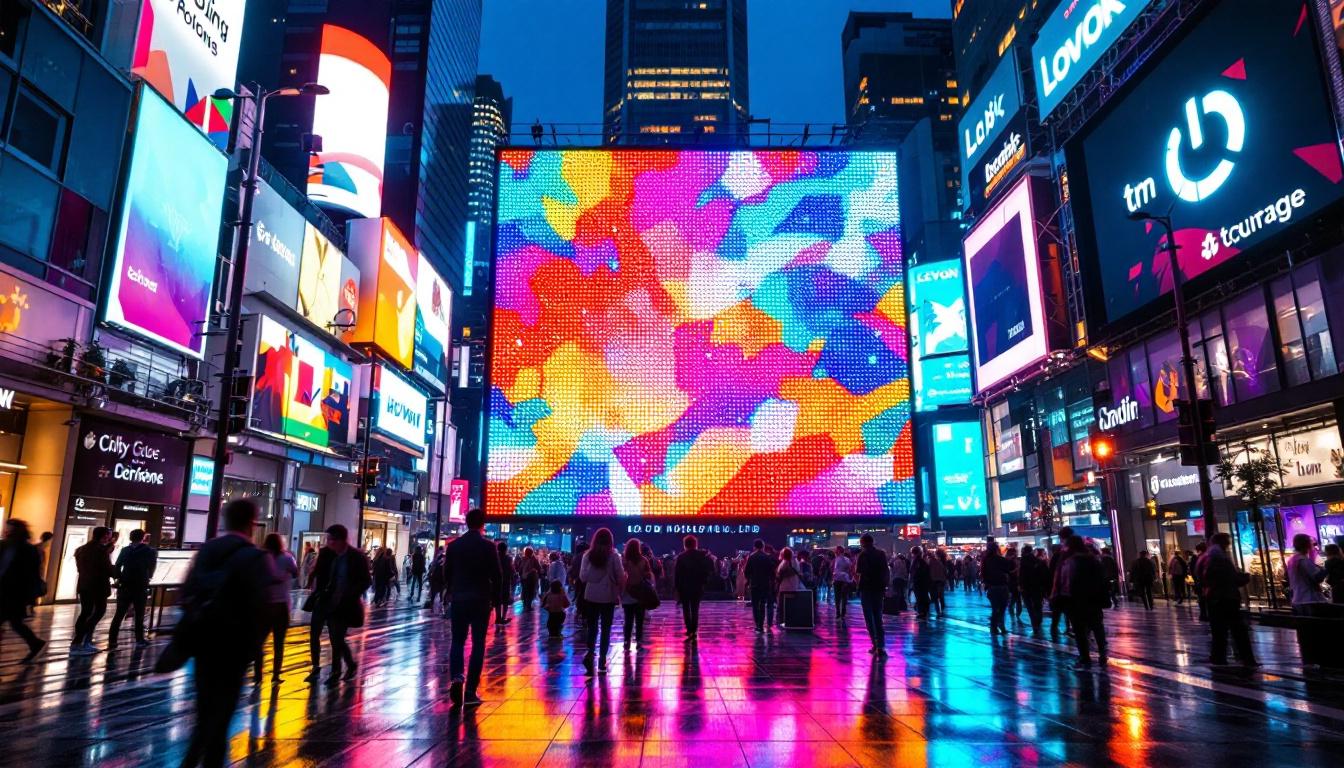
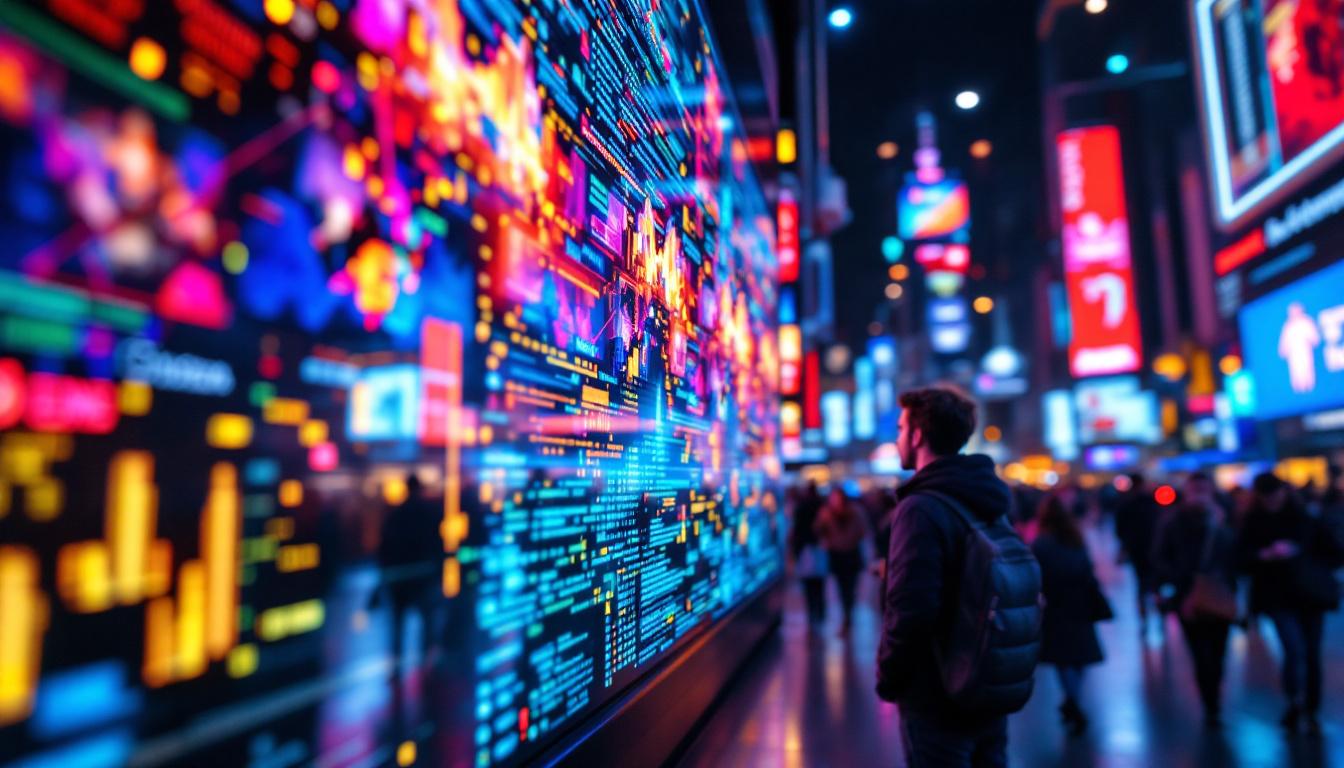
One of the most visible uses of LED displays is in advertising. Digital billboards and signage attract attention with dynamic content that can be updated in real-time. According to a 2023 report by Grand View Research, the global digital signage market is expected to reach $31.71 billion by 2028, growing at a CAGR of 7.5%. This growth is largely driven by advancements in LED technology, which offer superior image quality and lower maintenance costs.
For management professionals, understanding how LED displays integrate with marketing strategies is essential. This includes knowledge of content management systems (CMS) that control what is displayed, as well as the logistics of installation and maintenance in various environments. Moreover, the ability to leverage data analytics to tailor advertisements based on audience demographics and behavior is becoming increasingly crucial. By utilizing real-time data, businesses can optimize their advertising campaigns, ensuring that the right message reaches the right audience at the right time, thereby maximizing return on investment.
Corporate and Event Environments
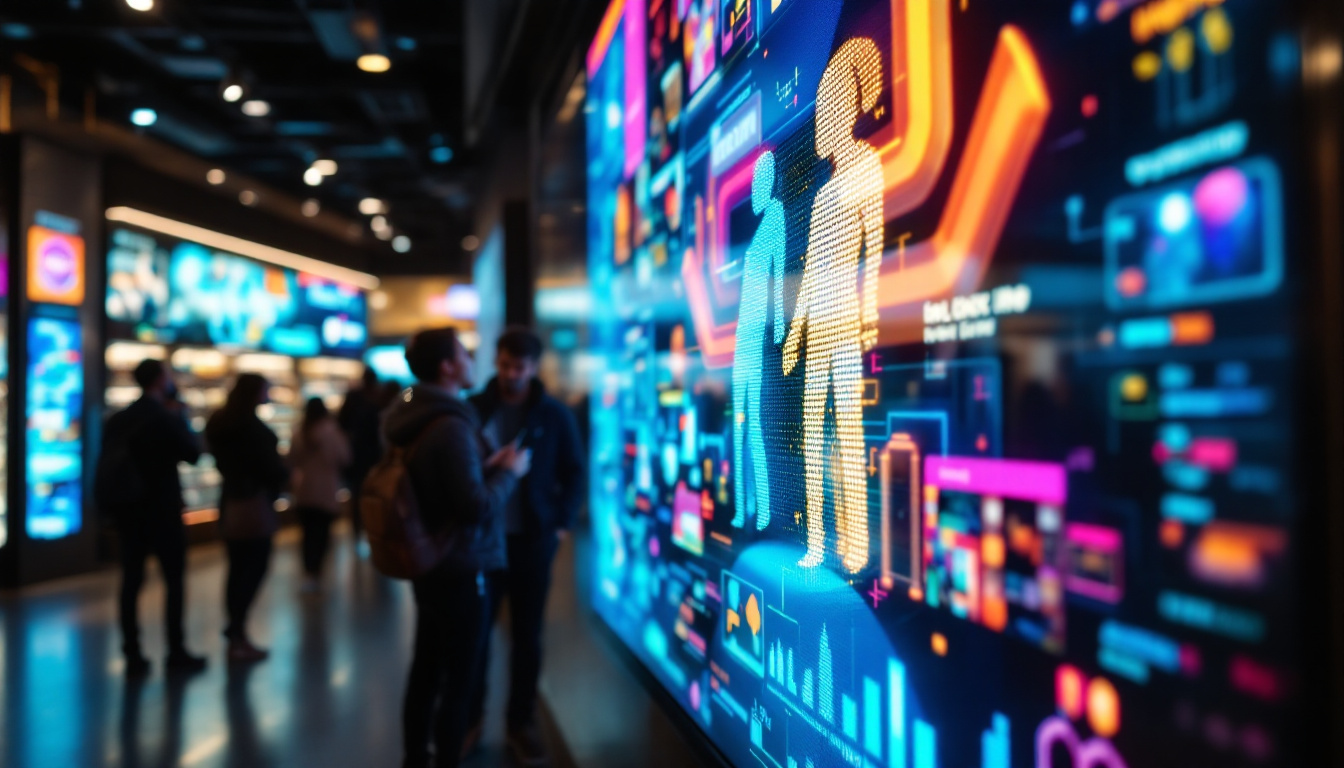
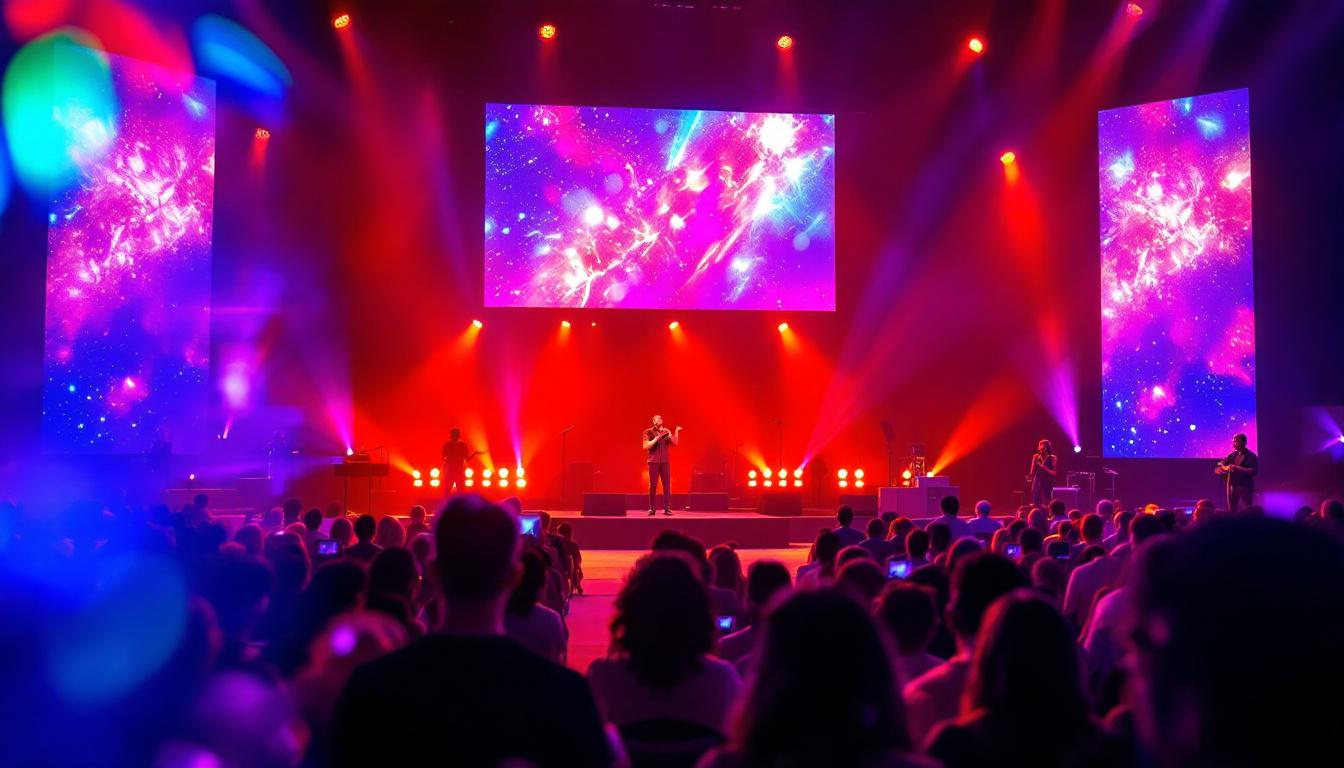
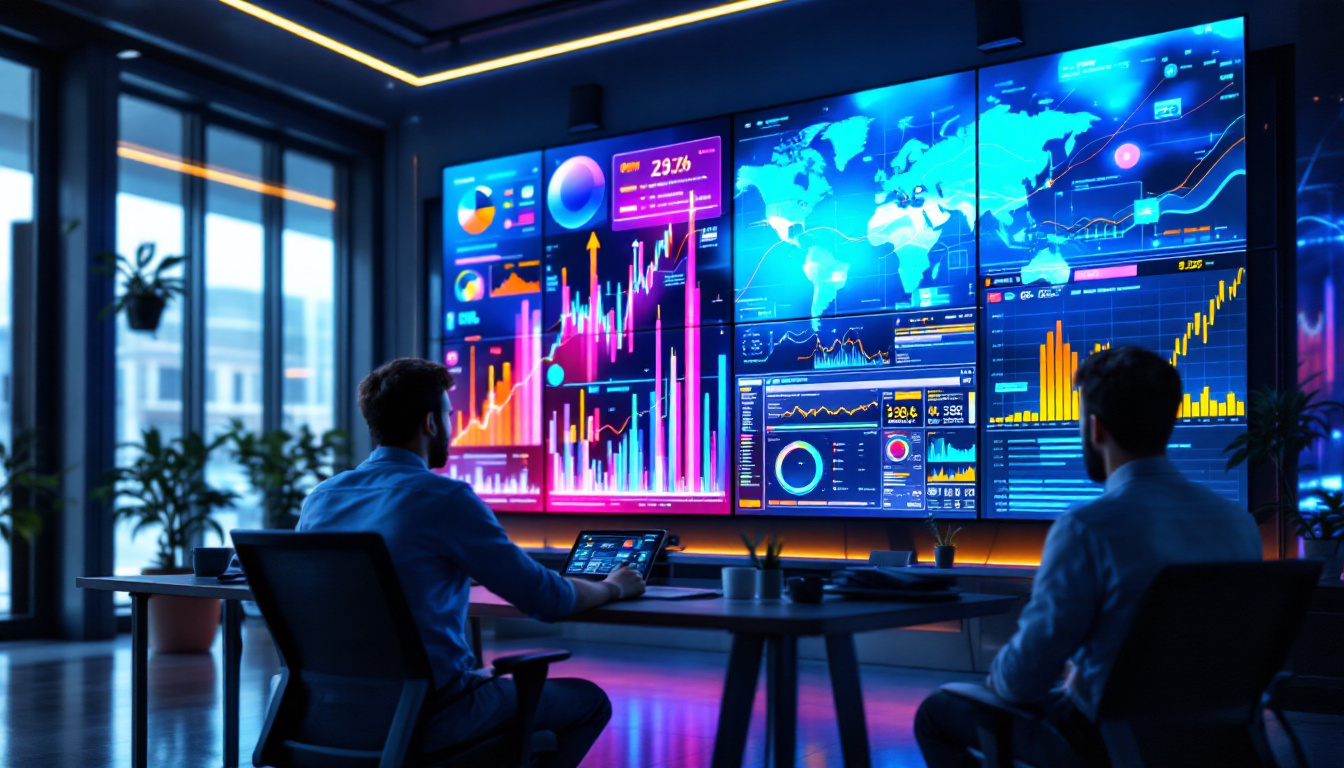
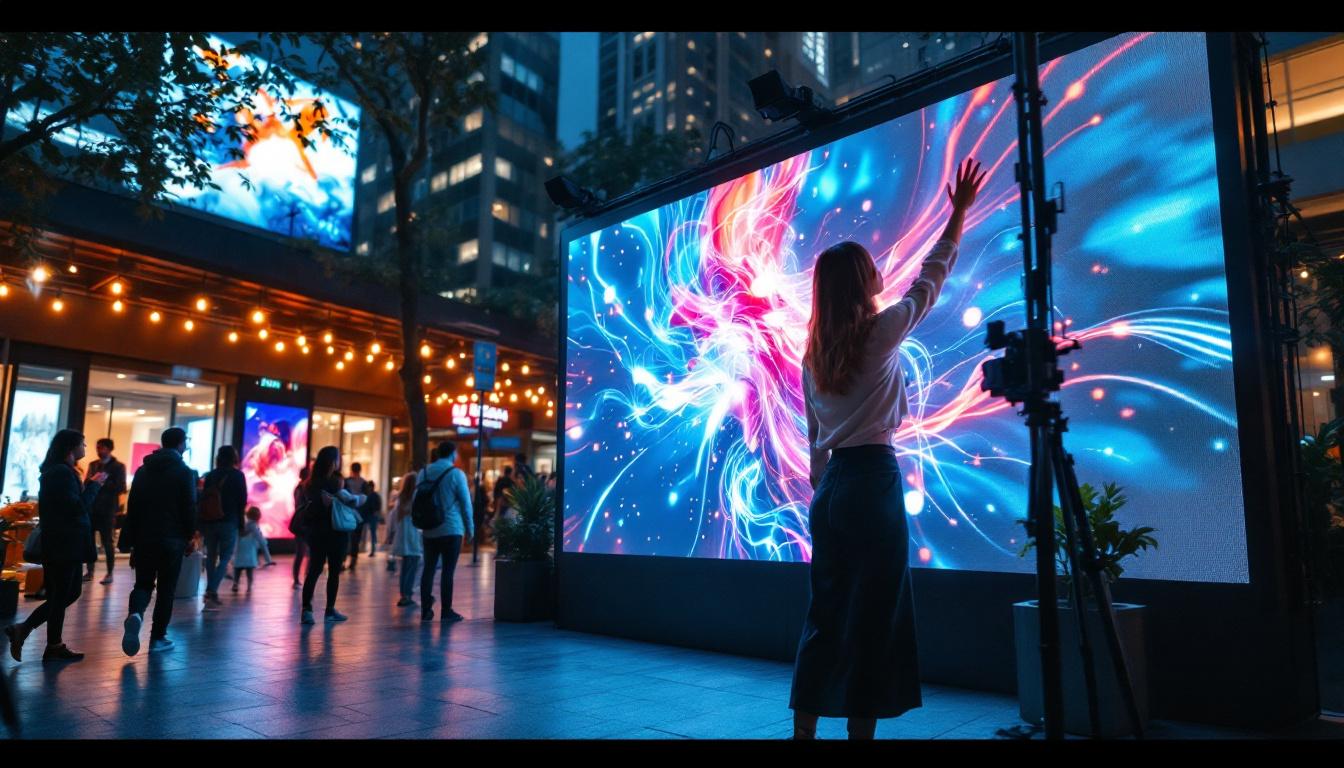
LED displays are increasingly used in corporate settings for presentations, video conferencing, and branding. Large LED walls provide immersive experiences during conferences and product launches, enhancing audience engagement. The ability to customize display size and resolution allows businesses to tailor solutions to their specific needs. Additionally, the integration of interactive features, such as touchscreens and augmented reality elements, is transforming how companies present information, making it more engaging and memorable for participants.
Event management professionals working with LED technology must coordinate technical teams, manage budgets, and ensure seamless integration with other audiovisual equipment. This requires a blend of technical knowledge and project management skills. Furthermore, understanding the latest trends in LED technology, such as energy-efficient models and environmentally sustainable practices, can give businesses a competitive edge. As corporate social responsibility becomes a priority for many organizations, utilizing eco-friendly LED solutions can enhance brand reputation while also reducing operational costs.
Transportation and Public Information
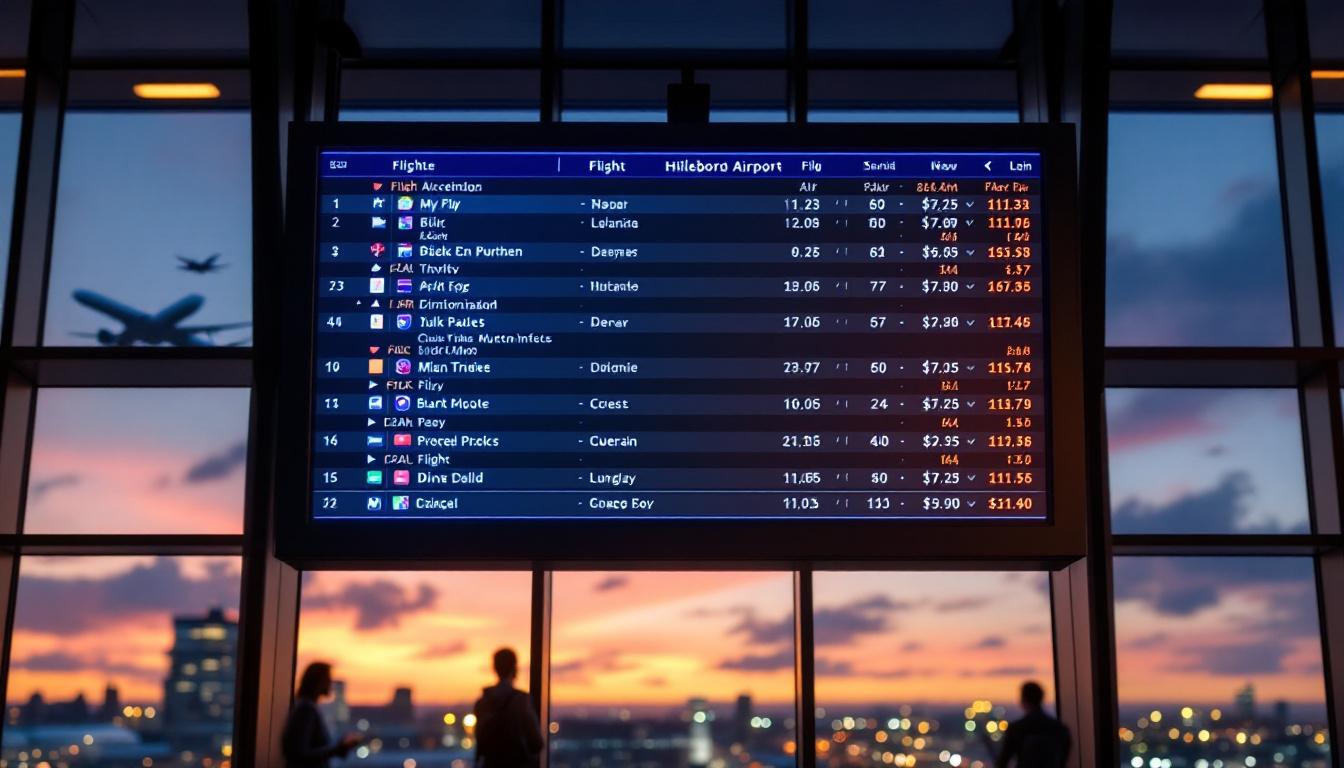
Transportation hubs such as airports, train stations, and bus terminals utilize LED displays to provide real-time information to travelers. These displays must be highly reliable and visible under various lighting conditions. Standish Management’s expertise in deploying durable LED solutions in these environments highlights the importance of robust project oversight and quality assurance. The implementation of LED technology not only improves communication but also enhances the overall passenger experience by reducing wait times and providing timely updates on schedules and delays.
Moreover, the use of LED displays in public information systems extends beyond transportation. Municipalities are increasingly adopting these technologies for public announcements, emergency alerts, and community event notifications. This shift towards digital communication fosters a more informed citizenry and can significantly improve public safety. As cities evolve into smart urban environments, the integration of LED displays with IoT (Internet of Things) systems will pave the way for even more innovative applications, such as interactive wayfinding and real-time environmental monitoring, further enhancing the functionality of public spaces.
Careers in LED Display Management at Standish Management
Role Overview
Standish Management offers diverse career opportunities for professionals interested in the LED display industry. Positions range from project managers and technical leads to sales and marketing specialists. A career in LED display management involves overseeing the entire lifecycle of display projects—from initial client consultation and design to installation, maintenance, and post-deployment support. Each project presents unique challenges, requiring managers to adapt their strategies and approaches to meet the specific needs of their clients, whether they are in retail, entertainment, or corporate environments.
Managers must balance technical understanding with business acumen, ensuring projects are delivered on time, within budget, and meet client expectations. This requires strong leadership, communication, and problem-solving skills. Additionally, an understanding of market trends and customer preferences is essential, as it allows managers to tailor solutions that not only fulfill immediate requirements but also align with long-term business goals. The ability to foster relationships with clients and stakeholders is crucial, as it can lead to repeat business and referrals, significantly impacting the company’s growth and reputation.
Key Skills and Qualifications
Successful candidates typically possess a background in electrical engineering, information technology, or business management, complemented by experience in audiovisual or digital signage industries. Familiarity with LED technology, display calibration, and software platforms used for content management is highly advantageous. Moreover, a keen eye for design and an understanding of user experience can set candidates apart, as these skills contribute to creating visually appealing and effective displays that engage audiences.
Additionally, project management certifications such as PMP (Project Management Professional) or Agile methodologies can enhance a candidate’s profile. Standish Management values continuous learning and often supports professional development to keep pace with technological advancements. This commitment to growth is reflected in the company’s investment in training programs and workshops, which not only enhance employees’ technical skills but also encourage innovative thinking and collaboration across teams. The dynamic nature of the LED industry means that employees are constantly learning, adapting, and evolving their skill sets to stay ahead of the curve.
Career Progression and Opportunities
Starting in entry-level roles such as project coordinators or technical support specialists, professionals can advance to senior management positions overseeing multiple projects or regional operations. Leadership roles may also involve strategic planning, business development, and client relationship management. As professionals climb the career ladder, they may also have opportunities to mentor junior staff, sharing their knowledge and fostering a culture of teamwork and excellence within the organization.
The LED display market is dynamic, with emerging technologies such as MicroLED and MiniLED promising even greater performance. Staying informed about these trends can open new avenues for career growth within Standish Management and the broader industry. Furthermore, as businesses increasingly recognize the value of high-quality visual communication, the demand for skilled professionals in LED display management is expected to rise, creating a wealth of opportunities for those ready to take on the challenge. Engaging with industry conferences, networking events, and online forums can also provide valuable insights and connections that may lead to exciting new career paths and collaborations.
Challenges and Future Trends in LED Display Management
Technical and Operational Challenges
Managing LED display projects involves navigating several challenges. These include ensuring compatibility between hardware and software components, managing supply chain constraints, and addressing environmental factors such as weather and lighting conditions for outdoor installations.
Maintenance is another critical area; LED displays require regular calibration and repair to maintain optimal performance. Managers must coordinate with technical teams to schedule downtime and minimize disruptions for clients.
Emerging Technologies and Innovations
The LED display industry is evolving rapidly. Innovations such as MicroLED technology offer higher resolution, better energy efficiency, and thinner panels compared to traditional LEDs. These advancements are set to revolutionize display applications in retail, healthcare, and entertainment.
Moreover, integration with Internet of Things (IoT) devices and Artificial Intelligence (AI) is enabling smarter, more interactive displays. For example, AI-driven content personalization can tailor advertisements based on audience demographics in real-time, enhancing marketing effectiveness.
Sustainability Considerations
As environmental concerns grow, sustainability is becoming a priority in LED display management. Energy-efficient designs, recyclable materials, and responsible disposal practices are increasingly important. Standish Management emphasizes eco-friendly solutions, aligning with global efforts to reduce carbon footprints and promote circular economy principles.
Conclusion: Why LED Display Knowledge Matters for Management Careers
LED displays are more than just screens; they are powerful communication tools that shape how businesses engage with audiences. For management professionals, especially those at Standish Management, a deep understanding of LED technology and its applications is essential to drive successful projects and foster innovation.
From technical expertise to strategic leadership, careers in LED display management offer exciting opportunities in a growing market. Keeping abreast of industry trends, embracing new technologies, and prioritizing sustainability will position professionals for long-term success in this dynamic field.
As the digital world continues to expand, LED displays will remain at the forefront of visual communication, making careers in this sector both relevant and rewarding.
Discover Cutting-Edge LED Display Solutions with LumenMatrix
Ready to take the next step in visual communication and management? LumenMatrix is at the forefront of LED display innovation, offering a wide range of products from Indoor and Outdoor LED Wall Displays to specialized solutions like Vehicle LED Displays and Custom LED Displays. Our mission is to transform your visual storytelling with displays that captivate and engage. Whether you’re looking to enhance brand visibility or create immersive experiences, LumenMatrix has the technology to make it happen. Check out LumenMatrix LED Display Solutions and see how we can empower your business to communicate with impact and precision.