In the rapidly evolving world of display technology, flexible transparent LED displays represent a significant leap forward. Combining flexibility, transparency, and vibrant LED illumination, these displays are reshaping how information and visuals are presented across industries. From retail storefronts to automotive applications, the potential uses of flexible transparent LED displays are vast and growing.
This article explores the fundamentals of flexible transparent LED displays, their technology, applications, advantages, challenges, and future prospects. Understanding these aspects is essential for businesses, designers, and technology enthusiasts looking to harness the power of next-generation display solutions.
What Is a Flexible Transparent LED Display?
Defining the Technology
A flexible transparent LED display is a type of screen that integrates light-emitting diodes (LEDs) arranged on a flexible, see-through substrate. Unlike traditional LED displays, which are rigid and opaque, these displays can bend, curve, and conform to various surfaces while maintaining transparency. This unique combination allows for innovative design possibilities where the display can blend seamlessly into its environment.
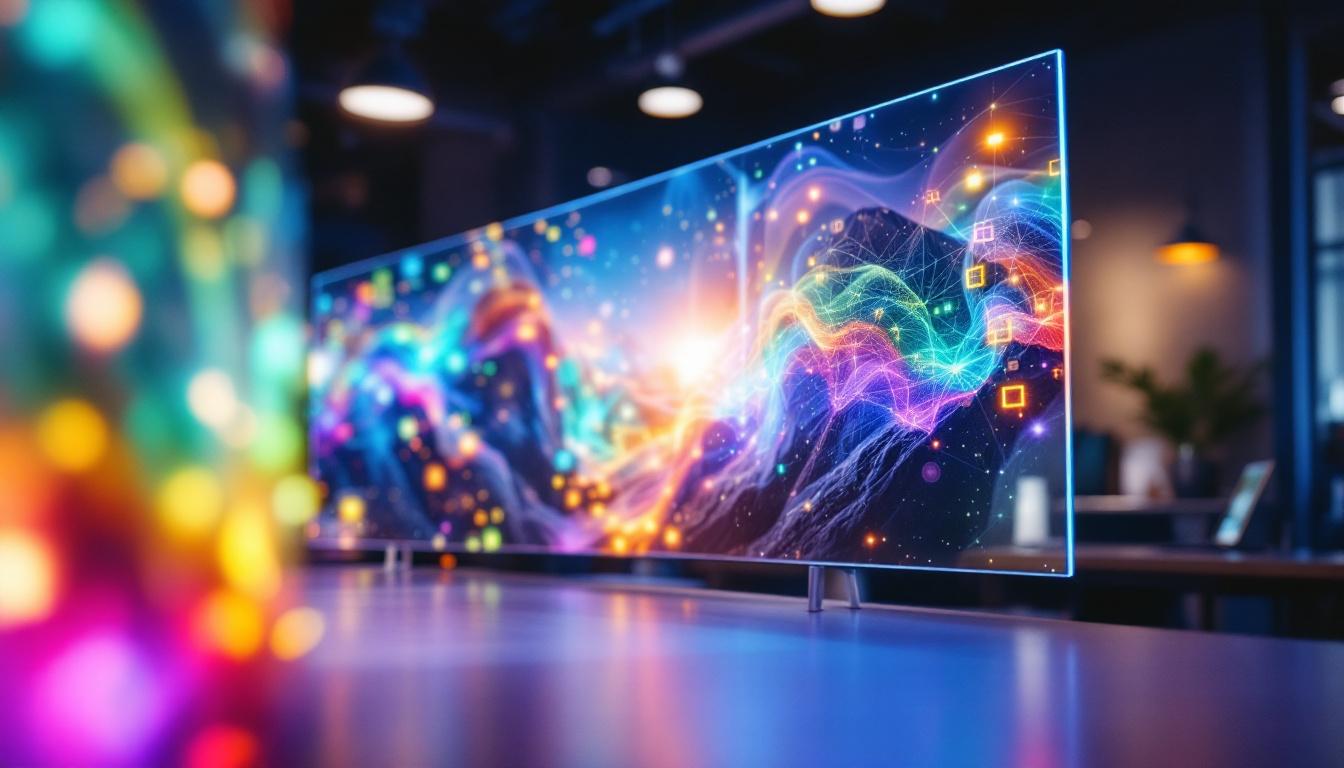
These displays typically use micro-LED or mini-LED technology embedded on a transparent film or mesh. The LEDs emit light to create images or video content, while the transparent substrate allows light to pass through, maintaining visibility behind the screen. This creates an effect where digital content appears to float in mid-air or overlay real-world objects. The advancements in this technology have opened up new avenues for creative applications in various industries, including retail, architecture, and entertainment, where visual storytelling can be enhanced by merging digital and physical spaces.
How It Differs from Conventional Displays
Traditional LED displays are usually rigid panels with a solid backing, designed for maximum brightness and durability but lacking flexibility or transparency. Flexible transparent LED displays, on the other hand, prioritize adaptability and visual integration with surroundings. This enables applications that were previously impossible or impractical, such as windows that double as dynamic advertising screens or curved surfaces that display interactive content. Furthermore, the lightweight nature of these displays makes them easier to install and transport, allowing for more versatile use in both temporary and permanent installations.
Moreover, the energy efficiency of flexible transparent LED displays is often superior to that of conventional displays. With advancements in LED technology, these displays can achieve high brightness levels while consuming less power, making them more sustainable options for businesses looking to reduce their carbon footprint. This efficiency, combined with their unique aesthetic appeal, positions flexible transparent LED displays as a compelling choice for modern design, where functionality meets eco-consciousness. As industries continue to explore the potential of this technology, we can expect to see even more innovative applications that challenge our perceptions of digital media and its role in our daily lives.
Core Components and Working Principle
LED Technology and Substrate Materials
The heart of any LED display is its light-emitting diodes. For flexible transparent displays, manufacturers often use micro-LEDs due to their small size, high brightness, and energy efficiency. These micro-LEDs are mounted on a transparent, flexible substrate made from materials like polyethylene terephthalate (PET) or flexible glass. The substrate’s transparency and flexibility are critical to the display’s performance and versatility.
In some designs, the LEDs are arranged on a fine mesh or grid structure that maintains transparency by spacing the diodes apart. This mesh-like arrangement allows viewers to see through the display when it is off or showing minimal content, preserving natural light and visibility.
Driving Electronics and Control Systems
Behind the scenes, flexible transparent LED displays rely on sophisticated driving electronics to control the individual LEDs’ brightness and color. These electronics must be flexible or integrated in a way that does not compromise the display’s bendability. Advances in flexible printed circuit boards (FPCBs) and thin-film transistor (TFT) technology have enabled the development of control systems that can flex alongside the display.
The control system processes input signals—such as video or images—and translates them into electrical currents that power specific LEDs. This precise control creates vivid, high-resolution images even on curved or irregular surfaces.
Applications of Flexible Transparent LED Displays
Retail and Advertising
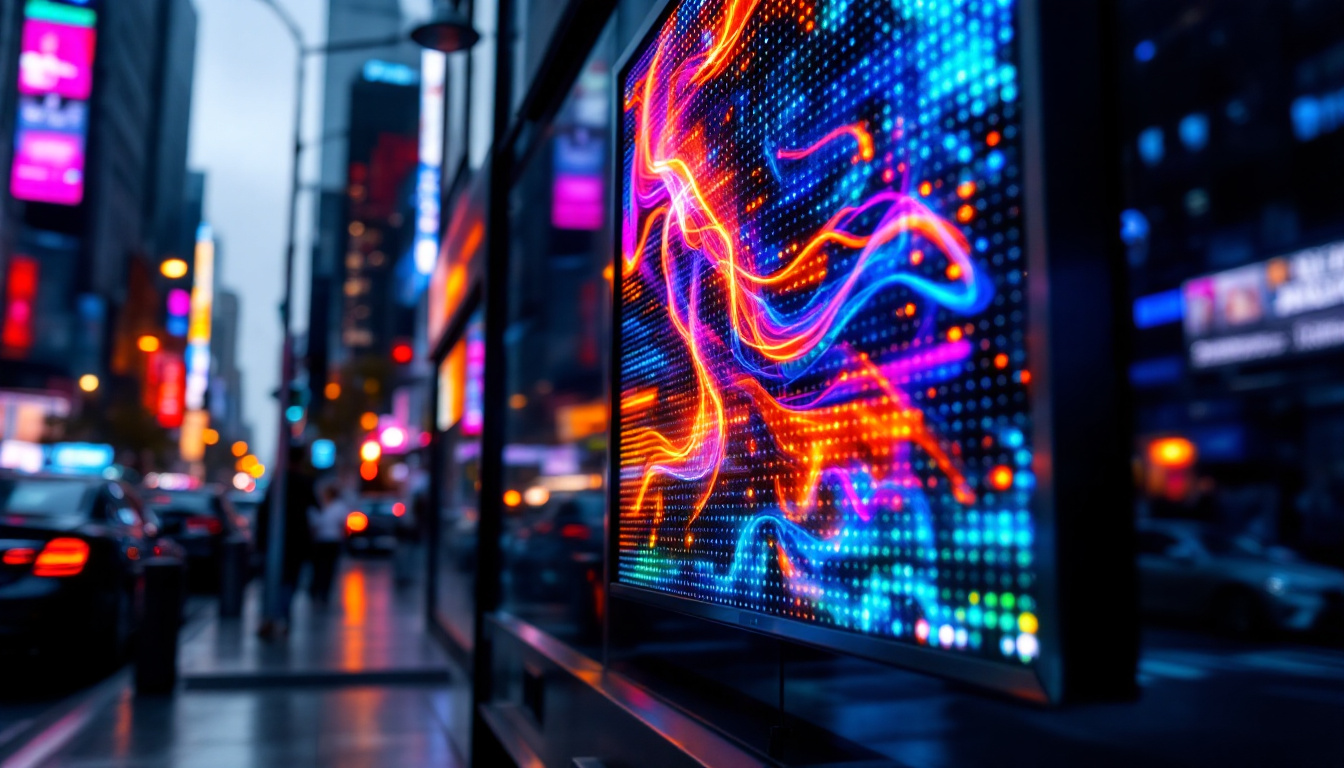
One of the most prominent applications of flexible transparent LED displays is in retail environments. Storefront windows equipped with these displays can showcase dynamic advertisements without obstructing the view inside the store. This dual functionality enhances customer engagement and maximizes the use of available space.
For example, luxury brands have started integrating transparent LED displays into their glass facades, allowing them to present seasonal promotions, product videos, or interactive content while maintaining an open, inviting storefront. This approach has been shown to increase foot traffic and brand recall significantly.
Automotive and Transportation
The automotive industry is exploring flexible transparent LED displays for heads-up displays (HUDs) and smart windows. These displays can project navigation information, safety alerts, or entertainment content directly onto the windshield or side windows without blocking the driver’s view.
Flexible displays conform to the curved surfaces of modern vehicles, enabling seamless integration into design elements. This innovation enhances driver awareness and passenger experience, contributing to the development of smart, connected vehicles.
Architecture and Interior Design
Architects and interior designers use flexible transparent LED displays to create futuristic environments. These displays can be embedded into glass walls, partitions, or ceilings, providing customizable lighting and informational displays that transform spaces dynamically.
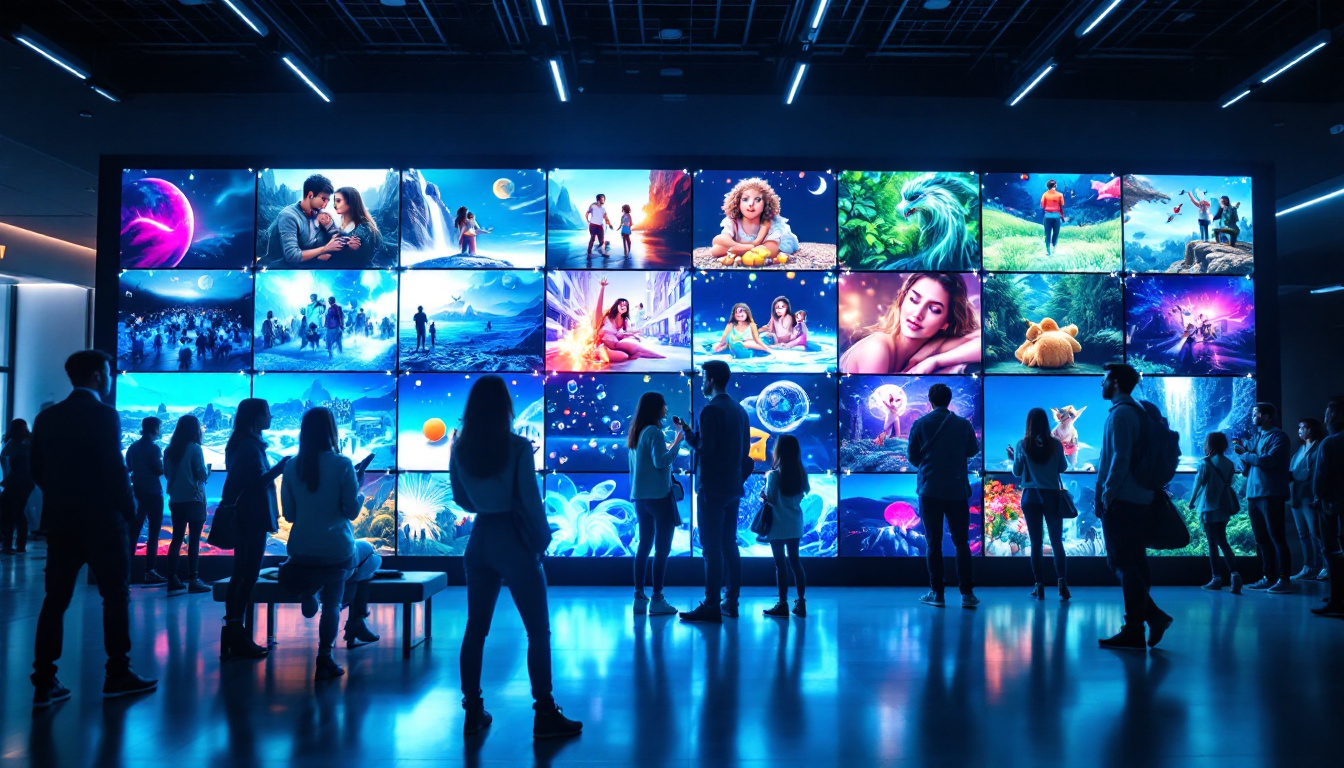
In offices, museums, and public buildings, these displays offer a blend of aesthetics and functionality, enabling spaces to adapt to different events or moods. The ability to maintain transparency ensures that natural light and openness are preserved.
Advantages of Flexible Transparent LED Displays
Design Versatility and Aesthetic Appeal
The flexibility and transparency of these displays open up unprecedented design opportunities. They can be curved, folded, or wrapped around objects, allowing designers to create immersive visual experiences that integrate seamlessly with physical environments.
This versatility is particularly valuable in sectors where space and visual impact are critical, such as retail, automotive, and entertainment. The displays’ ability to remain transparent when not in use also minimizes visual clutter.
Energy Efficiency and Brightness
Micro-LED technology is known for its high brightness and low power consumption compared to traditional display technologies like LCD or OLED. This efficiency makes flexible transparent LED displays suitable for environments with high ambient light, such as outdoor storefronts or vehicle windows.
The high brightness ensures that content remains visible and vibrant even in direct sunlight, which is a significant advantage over alternative transparent display technologies that often struggle with visibility in bright conditions.
Durability and Longevity
Flexible transparent LED displays are designed to withstand bending, twisting, and environmental stress. The use of robust materials and encapsulation techniques protects the LEDs and electronics from moisture, dust, and mechanical damage.
This durability translates into longer service life and reduced maintenance costs, making these displays a practical investment for commercial applications.
Challenges and Limitations
Manufacturing Complexity and Cost
Producing flexible transparent LED displays involves intricate manufacturing processes that combine advanced materials science, electronics, and precision assembly. This complexity contributes to higher production costs compared to conventional displays.
While prices have been decreasing steadily due to technological advancements and economies of scale, flexible transparent LED displays remain a premium product. This cost factor can limit adoption, especially in price-sensitive markets.
Resolution and Pixel Density Constraints
The transparent nature of these displays requires spacing between LEDs to maintain see-through capability. This spacing can reduce pixel density and resolution compared to opaque displays, potentially affecting image sharpness.
Manufacturers continue to innovate in LED miniaturization and arrangement to improve resolution without sacrificing transparency, but a balance must be struck depending on the application’s requirements.
Integration and Compatibility
Integrating flexible transparent LED displays into existing infrastructure or products can pose challenges. Compatibility with control systems, power supplies, and mounting structures requires careful planning and customization.
Additionally, ensuring consistent performance across curved or irregular surfaces demands precise engineering and quality control.
The Future of Flexible Transparent LED Displays
Technological Innovations on the Horizon
Research in materials science and semiconductor technology promises to enhance the capabilities of flexible transparent LED displays further. Developments in quantum dot LEDs (QLEDs), organic LEDs (OLEDs), and micro-LED arrays aim to improve color accuracy, brightness, and flexibility.
Emerging manufacturing techniques such as roll-to-roll printing and laser patterning could reduce costs and enable mass production, making these displays more accessible to a broader range of industries and consumers.
Expanding Market Opportunities
As the technology matures, new applications are expected to emerge. Smart cities may adopt flexible transparent LED displays for dynamic public information systems integrated into urban infrastructure. Healthcare could utilize these displays for transparent medical imaging or patient monitoring embedded in glass surfaces.
The entertainment industry is also exploring flexible transparent displays for augmented reality (AR) and mixed reality (MR) experiences, where digital content overlays the real world in a natural, immersive way.
Sustainability Considerations
Environmental sustainability is becoming a critical factor in display technology development. Flexible transparent LED displays offer potential energy savings due to their efficiency and ability to reduce the need for additional lighting or signage.
Future designs may incorporate recyclable materials and eco-friendly manufacturing processes, aligning with global efforts to reduce electronic waste and carbon footprints.
Conclusion
Flexible transparent LED displays represent a transformative advancement in display technology, blending flexibility, transparency, and vivid LED illumination. Their unique properties enable innovative applications across retail, automotive, architecture, and beyond.
While challenges such as manufacturing complexity and cost remain, ongoing technological progress is steadily overcoming these barriers. As a result, flexible transparent LED displays are poised to become a mainstream solution, offering dynamic and visually striking ways to communicate and interact with digital content in the physical world.
For businesses and designers seeking to stay at the forefront of visual technology, understanding and leveraging flexible transparent LED displays will be increasingly important in the years ahead.
Discover the Future of Visual Technology with LumenMatrix
Ready to elevate your space with the cutting-edge design and functionality of flexible transparent LED displays? LumenMatrix is at the forefront of this revolutionary technology, offering an array of LED display solutions tailored to your unique needs. From immersive Indoor LED Walls to dynamic Vehicle LED Displays, our products are designed to captivate and engage. Experience the future of visual communication today and check out LumenMatrix LED Display Solutions to transform your brand’s presence and leave a lasting impression.