In today’s rapidly evolving digital landscape, display technology is advancing at an unprecedented pace. Among the most exciting innovations is the flexible video screen, particularly those based on LED (Light Emitting Diode) technology. These displays are transforming how content is presented, offering unparalleled versatility, vibrant visuals, and durability. This article delves into the world of flexible LED video screens, explaining their technology, applications, benefits, and future potential.
Understanding Flexible LED Video Screens
What Is a Flexible LED Display?
Flexible LED displays are a type of digital screen that uses tiny light-emitting diodes arranged on a bendable substrate. Unlike traditional rigid LED panels, these screens can curve, fold, or wrap around surfaces, enabling creative and dynamic installations. This flexibility is achieved through innovative materials and manufacturing processes that allow the LEDs and circuitry to maintain functionality even when bent.
Typically, flexible LED displays are made using thin, lightweight materials such as plastic or flexible printed circuit boards (FPCBs). These components enable the screen to conform to irregular shapes, making them ideal for applications where conventional flat screens would be impractical or visually limiting. The versatility of flexible LED displays has led to their adoption in various sectors, including retail, entertainment, and architecture, where they can be integrated into building facades or used to create immersive environments that captivate audiences.
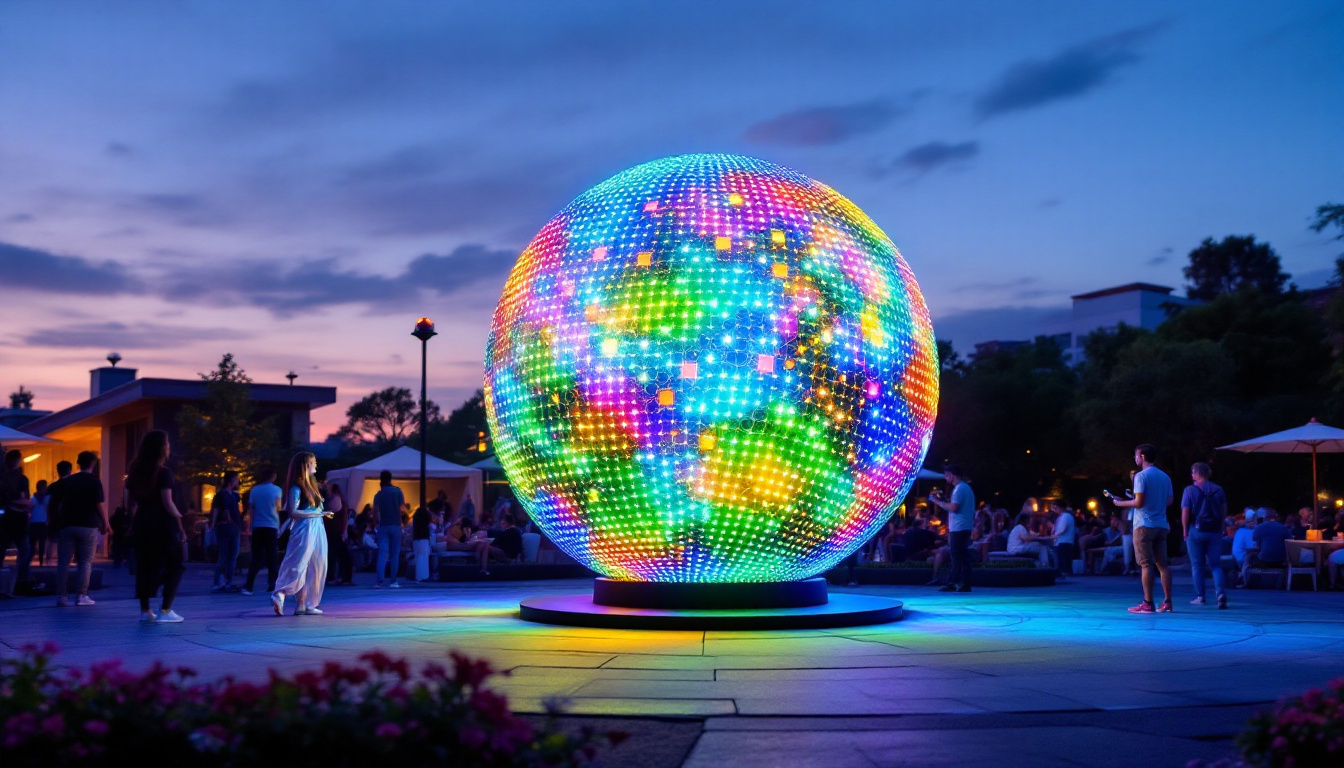
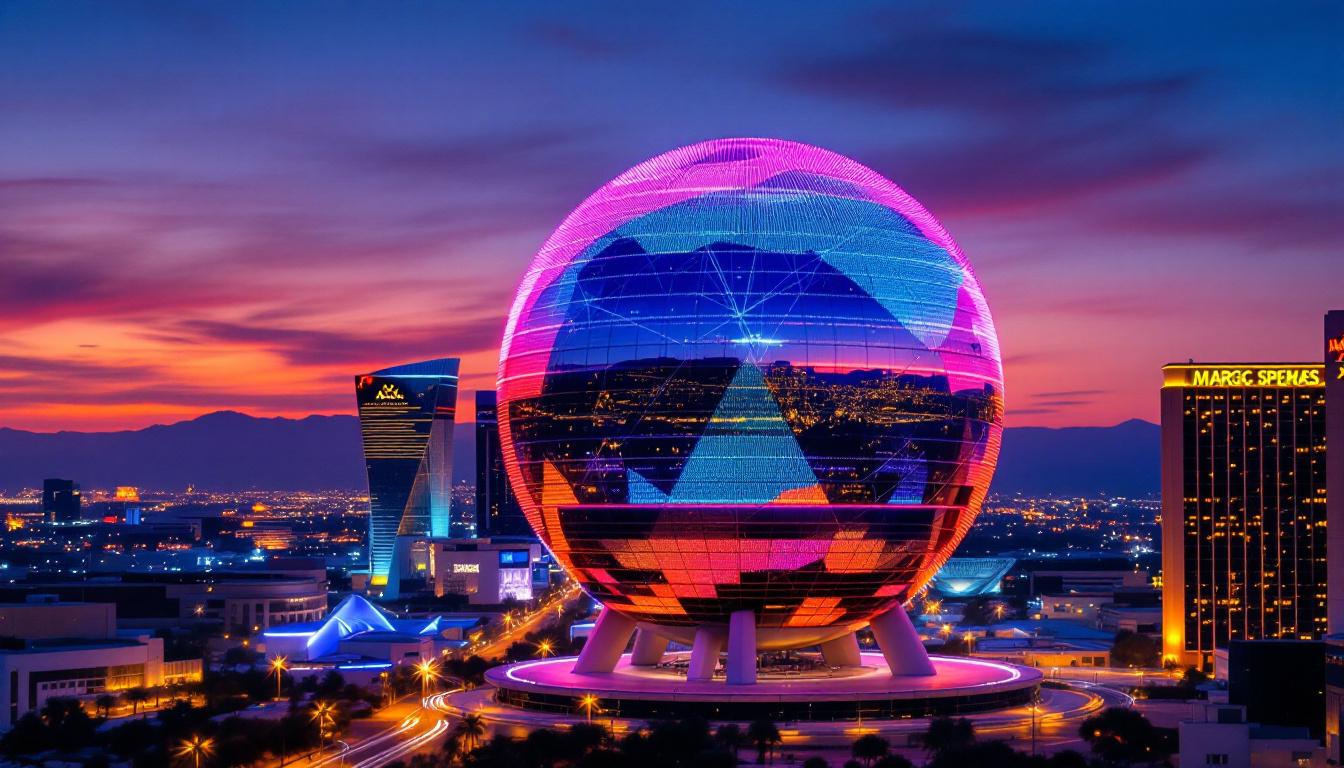
Moreover, the aesthetic appeal of flexible LED displays cannot be understated. They allow for seamless designs and can be used to create stunning visual effects that enhance the overall ambiance of a space. For instance, in retail environments, these displays can be used to create eye-catching product showcases that draw customers in, while in art installations, they can transform ordinary spaces into dynamic visual experiences that challenge traditional perceptions of art and technology.
How Does LED Technology Work in Flexible Screens?
LED technology relies on semiconductor diodes that emit light when an electric current passes through them. Each LED acts as a single pixel or a cluster of pixels, producing bright, vibrant colors. In flexible LED displays, these diodes are miniaturized and mounted on flexible substrates, which are engineered to withstand repeated bending without damaging the electrical connections.
The display is composed of several layers, including the LED matrix, driver ICs (integrated circuits), and protective encapsulation. Advanced manufacturing techniques ensure the LEDs maintain consistent brightness and color accuracy across the curved surface. Additionally, flexible LED displays often incorporate high refresh rates and wide viewing angles, crucial for maintaining image quality regardless of the screen’s shape or the viewer’s position. This technology allows for a more immersive viewing experience, as the content displayed can adapt to the contours of the installation, creating a sense of depth and engagement that flat screens simply cannot achieve.
Furthermore, the energy efficiency of LED technology plays a significant role in the appeal of flexible displays. Compared to traditional lighting technologies, LEDs consume significantly less power, making them an environmentally friendly choice. This efficiency not only reduces operational costs but also contributes to sustainability efforts, as many businesses and organizations are increasingly focused on reducing their carbon footprint. As a result, flexible LED displays are not just a technological advancement; they represent a shift towards more sustainable practices in visual communications and advertising, paving the way for innovative solutions that align with modern environmental standards.
Applications of Flexible LED Video Screens
Advertising and Marketing
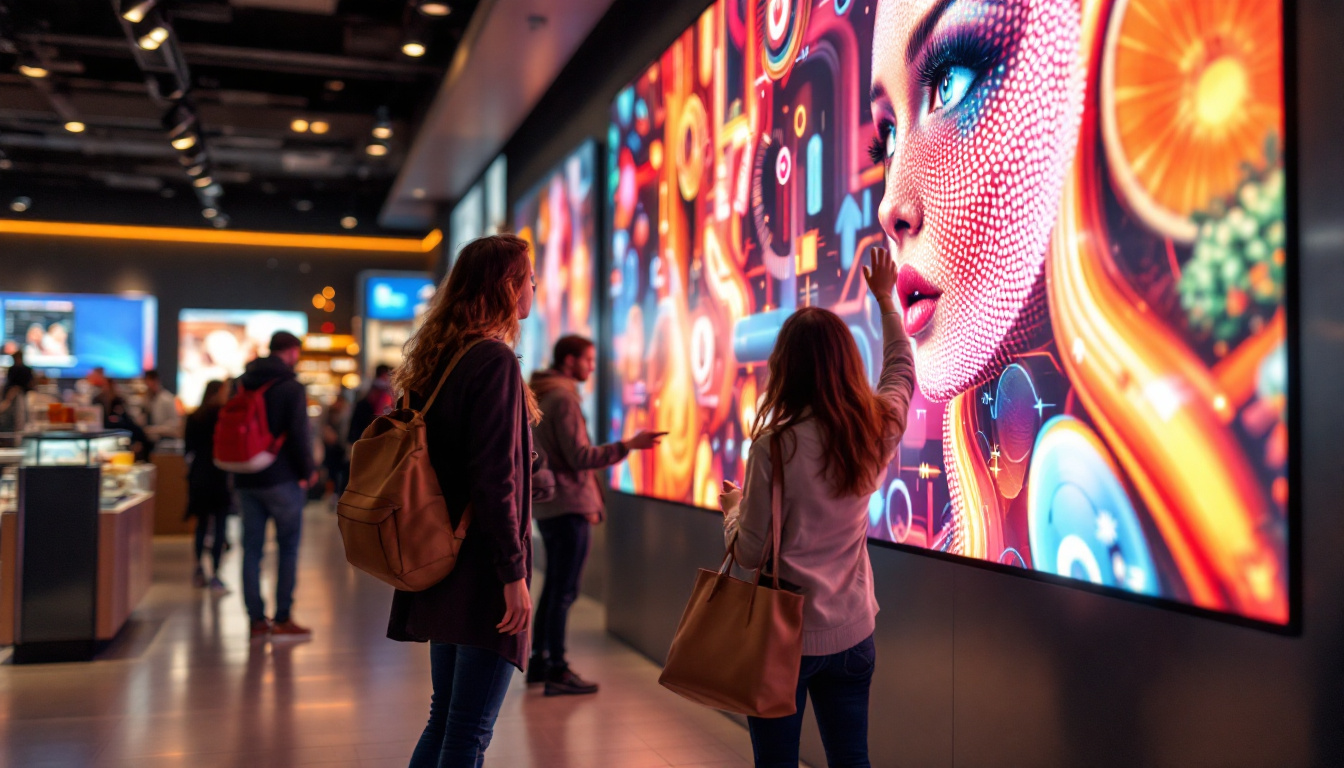
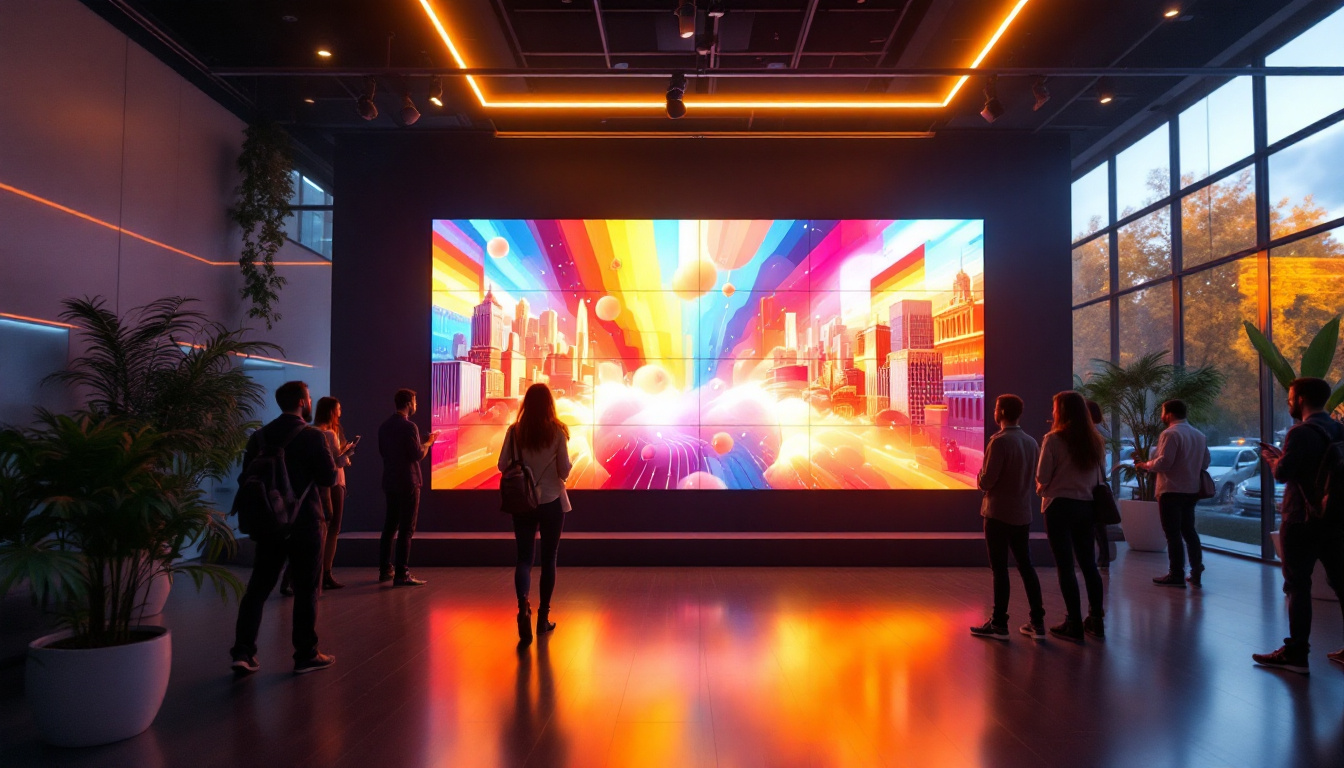
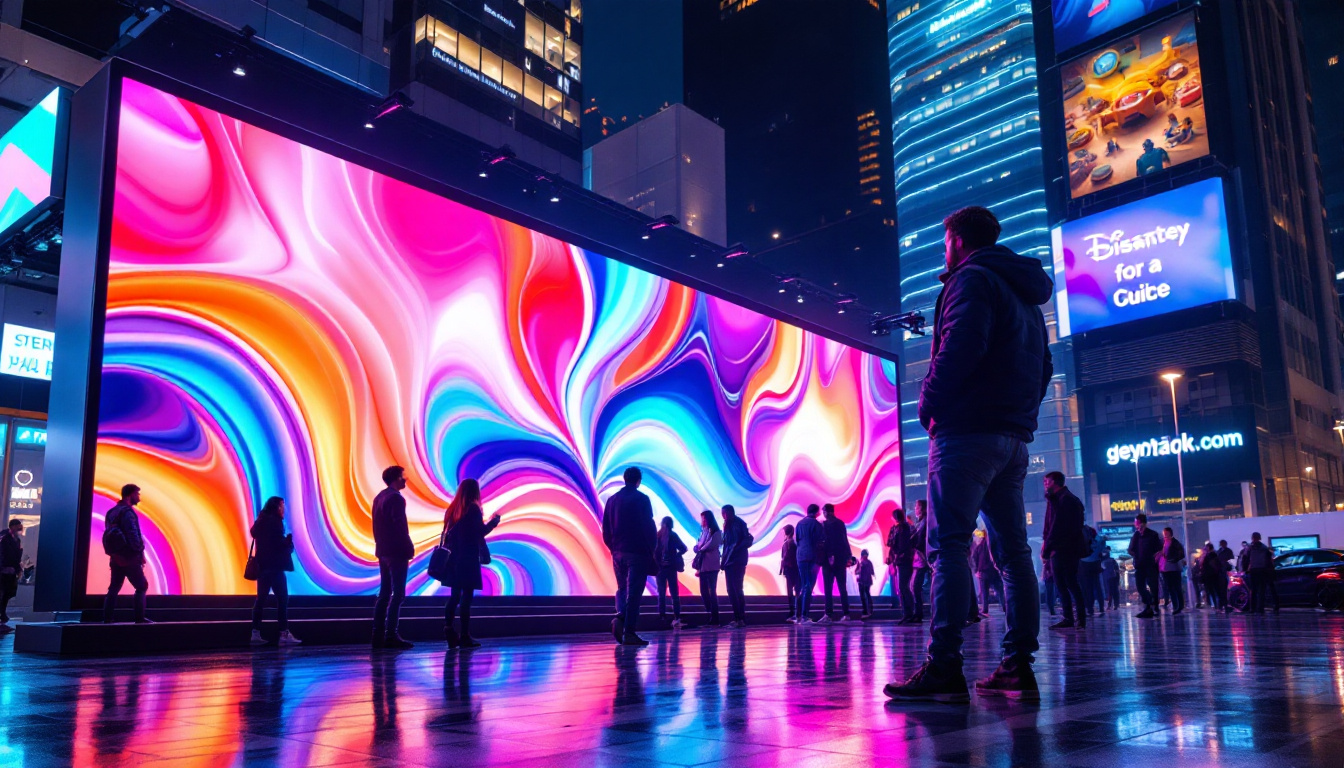
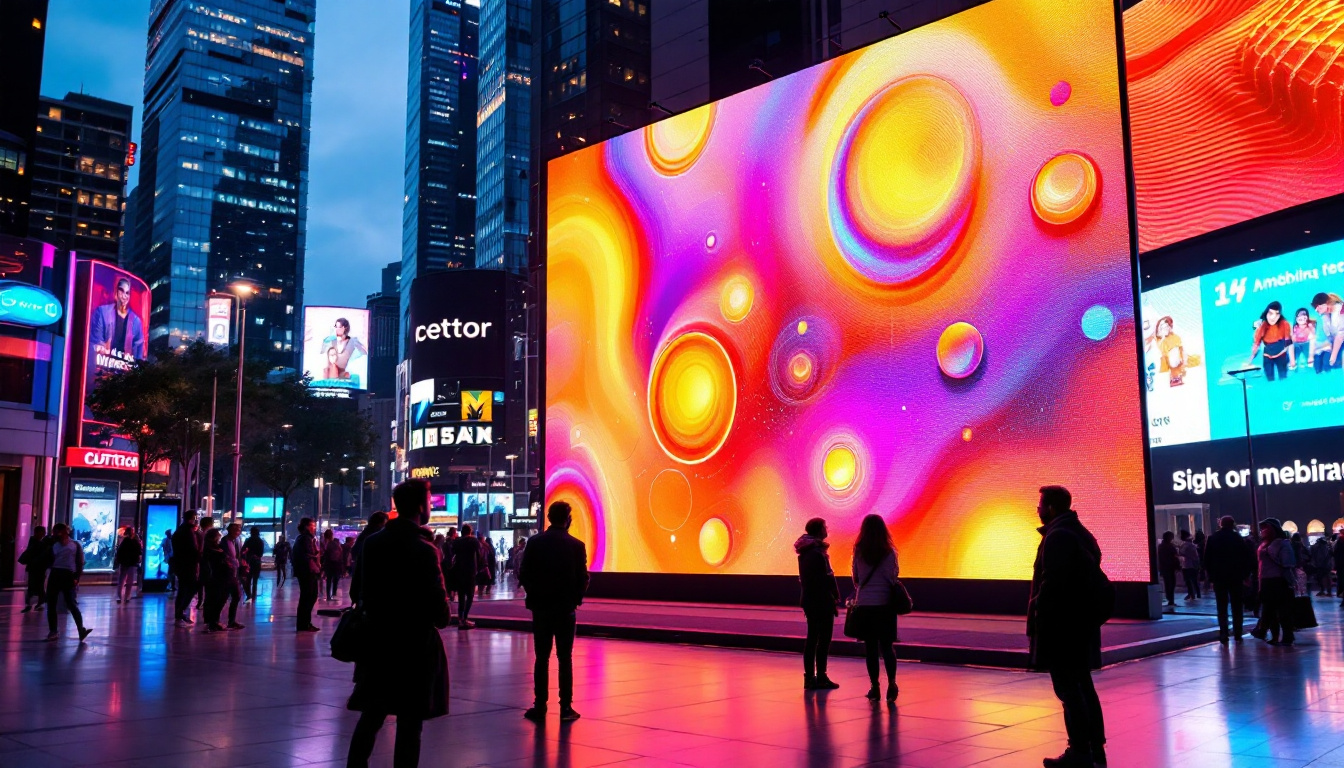
One of the most prominent uses of flexible LED displays is in advertising. Brands are increasingly adopting these screens to create eye-catching, immersive experiences in retail environments, shopping malls, and public spaces. The ability to wrap a screen around columns, curve it along walls, or even create 3D shapes allows marketers to capture audience attention in novel ways.
For example, flexible LED screens have been used in flagship stores to display dynamic content that changes shape and size throughout the day, enhancing customer engagement. According to a 2023 report by Grand View Research, the global digital signage market, which includes flexible LED displays, is expected to grow at a compound annual growth rate (CAGR) of 7.5% from 2023 to 2030, underscoring the rising demand for innovative visual communication tools.
Entertainment and Events
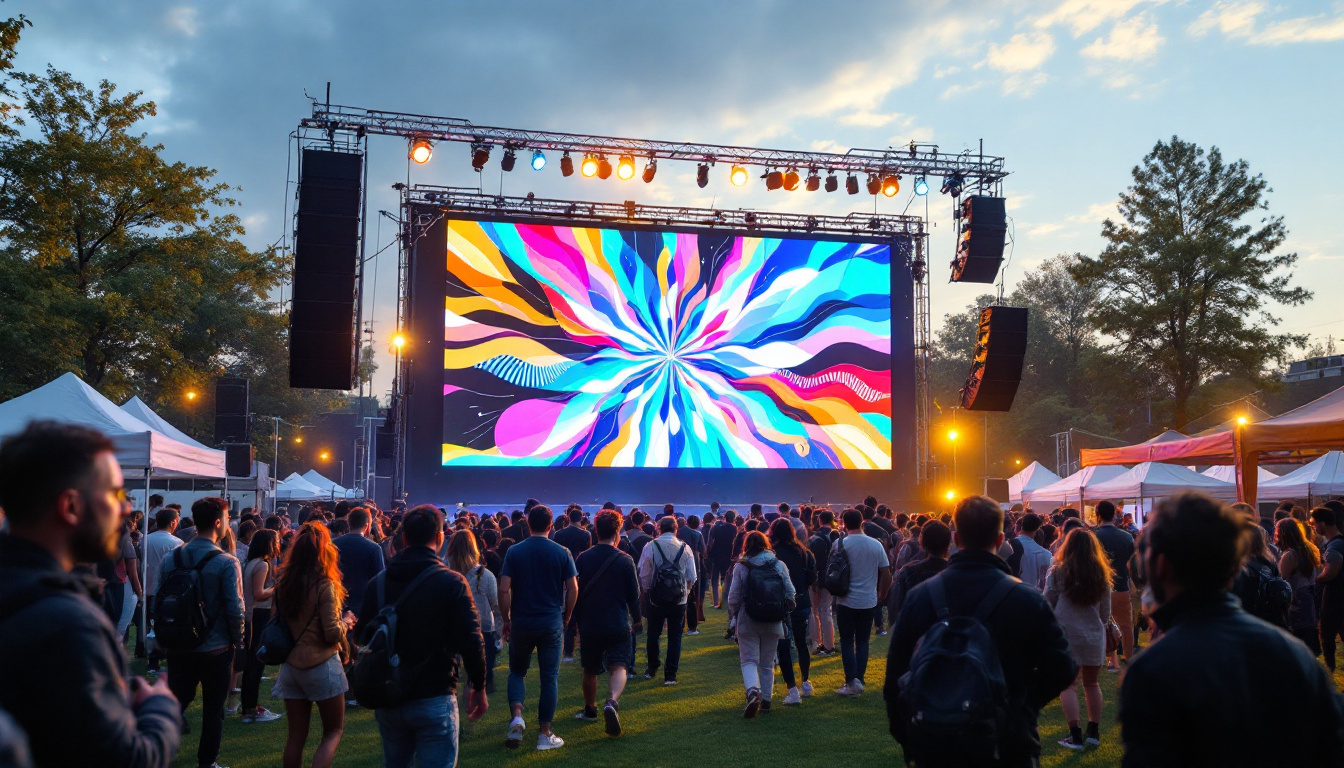
Flexible LED screens are revolutionizing the entertainment industry by enabling spectacular stage designs and immersive environments. Concerts, theater productions, and live events benefit from these displays’ adaptability, allowing designers to create curved backdrops, wrap-around visuals, and interactive installations that enhance the audience experience.
Major music festivals and touring artists have incorporated flexible LED video walls into their setups, leveraging their lightweight and modular nature for quick assembly and teardown. This flexibility also supports creative storytelling, where visuals can flow seamlessly over unconventional surfaces.
Architecture and Interior Design
Architects and interior designers are embracing flexible LED displays as a medium to integrate digital art and information into building structures. These screens can be embedded into walls, ceilings, or furniture, transforming static spaces into dynamic environments.
For instance, luxury hotels and corporate offices use flexible LED panels to display ambient visuals, branding, or real-time data. The curvature and thinness of these displays allow them to blend seamlessly with architectural elements, offering both aesthetic appeal and functional communication.
Technical Advantages of Flexible LED Screens
Durability and Longevity
Flexible LED displays are designed to withstand mechanical stress without compromising performance. The use of robust materials and protective coatings ensures resistance to impacts, vibrations, and environmental factors such as humidity and temperature fluctuations. This durability makes them suitable for both indoor and outdoor applications.
Moreover, LED technology inherently boasts a long lifespan, often exceeding 50,000 hours of operation. Flexible LED screens maintain this longevity while offering the added benefit of adaptability, which reduces the need for multiple different display types in complex installations.
Energy Efficiency
Compared to traditional display technologies such as LCD or plasma, LED screens are significantly more energy-efficient. Flexible LED displays consume less power while delivering higher brightness levels, which is essential for outdoor visibility and reducing operational costs.
Energy efficiency also aligns with growing sustainability goals across industries. Companies deploying flexible LED screens can reduce their carbon footprint while benefiting from lower electricity bills, making these displays an economically and environmentally sound choice.
High Resolution and Visual Quality
Modern flexible LED displays offer impressive pixel densities, enabling sharp, clear images even on curved surfaces. Advances in mini-LED and micro-LED technology have pushed the boundaries of resolution and color accuracy, rivaling or surpassing traditional flat panels.
Additionally, flexible LED screens provide excellent contrast ratios and wide color gamuts, which are critical for delivering vivid and lifelike visuals. These attributes make them suitable for applications requiring detailed graphics, such as digital art installations or high-impact advertising campaigns.
Challenges and Considerations
Cost and Investment
Despite their advantages, flexible LED displays can represent a significant upfront investment. The complexity of manufacturing and the use of specialized materials contribute to higher costs compared to standard LED panels. However, the long-term benefits in terms of versatility, durability, and reduced maintenance can offset these initial expenses.
Organizations considering flexible LED technology should evaluate their specific needs, installation environments, and expected return on investment. In many cases, the unique capabilities of flexible displays justify the premium price, especially for high-profile or innovative projects.
Technical Limitations
While flexible LED technology has advanced considerably, there are still some limitations to consider. For instance, extreme bending or folding beyond certain angles may risk damaging the circuitry. Manufacturers typically specify minimum bending radii to ensure safe operation.
Additionally, flexible LED screens may have limitations in size and resolution compared to rigid video walls, depending on the application. Careful planning and consultation with experts can help optimize the design to balance flexibility with performance requirements.
Installation and Maintenance
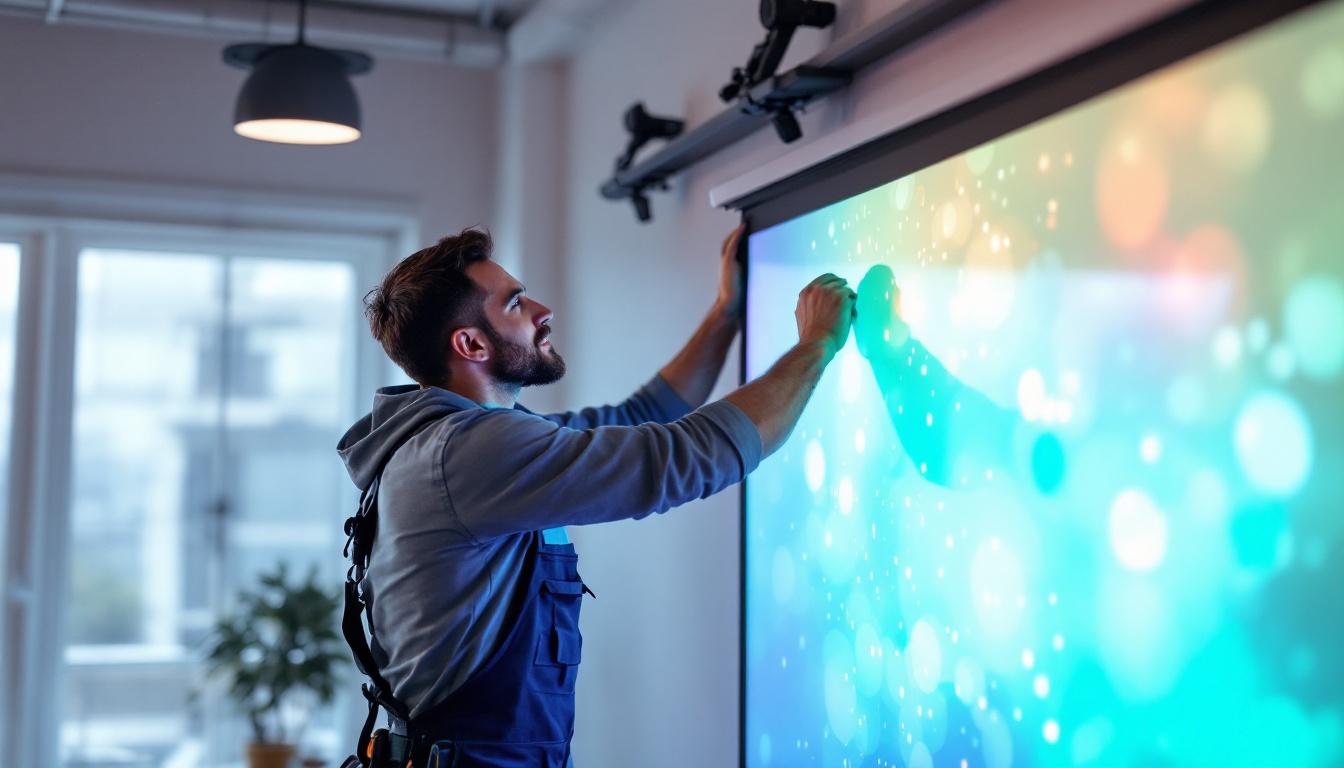
Installing flexible LED displays requires specialized knowledge and equipment. The screens must be handled carefully to avoid damage during mounting, and the supporting structures need to accommodate the display’s shape and weight. Maintenance protocols also differ from traditional displays, emphasizing regular inspection of flexible components.
Despite these challenges, many providers offer turnkey solutions, including design, installation, and after-sales support, simplifying the adoption process for businesses and event organizers.
The Future of Flexible LED Video Screens
Emerging Technologies and Innovations
The future of flexible LED displays looks promising, driven by ongoing research in materials science and semiconductor technology. Innovations such as micro-LEDs and quantum dot LEDs (QLEDs) are expected to enhance brightness, color accuracy, and energy efficiency further.
Additionally, developments in transparent and stretchable LED materials could open new possibilities for integrating displays into everyday objects, clothing, and even wearable devices. These advancements will expand the scope of flexible video screens beyond current applications.
Integration with Interactive and Smart Technologies
Flexible LED screens are increasingly being integrated with interactive technologies such as touch sensors, augmented reality (AR), and Internet of Things (IoT) connectivity. This convergence enables more engaging and personalized user experiences, particularly in retail, education, and entertainment sectors.
For example, a flexible LED wall in a retail store could respond to customer movements or gestures, displaying tailored content in real-time. Smart control systems also allow for dynamic content management, optimizing visual impact and operational efficiency.
Market Growth and Adoption Trends
Market analysts predict robust growth for flexible LED displays in the coming years. According to a 2024 report by MarketsandMarkets, the flexible display market is projected to reach over $40 billion by 2030, with flexible LEDs playing a significant role.
This growth is fueled by increasing demand for innovative digital signage, immersive entertainment experiences, and smart architectural solutions worldwide. As manufacturing costs decrease and technology matures, flexible LED video screens are poised to become mainstream in both commercial and consumer markets.
Conclusion
Flexible LED video screens represent a transformative leap in display technology, combining the vivid visual quality of LEDs with unprecedented physical adaptability. Their ability to conform to diverse shapes and environments unlocks creative possibilities across advertising, entertainment, architecture, and beyond.
While challenges such as cost and technical limitations remain, ongoing innovations and growing market demand are rapidly addressing these issues. For businesses and creatives seeking to captivate audiences with dynamic, high-impact visuals, flexible LED displays offer a compelling solution that is both future-ready and versatile.
As the technology continues to evolve, flexible LED video screens will undoubtedly play a central role in shaping the visual experiences of tomorrow.
Discover the Future of Visual Engagement with LumenMatrix
Ready to elevate your visual communication to new heights? LumenMatrix is at the forefront of LED display innovation, offering a wide array of solutions that bring your brand to life. From immersive Indoor and Outdoor LED Wall Displays to dynamic Vehicle and Sports LED Displays, our technology is designed to captivate and engage. Experience the difference with our LED Poster Displays, Floor LED Displays, Custom LED Displays, All-in-One LED Displays, and LED Transparent Displays. Embrace the future of digital signage with LumenMatrix and transform your space into a visually stunning experience. Check out LumenMatrix LED Display Solutions and join the revolution in visual storytelling.