In recent years, the evolution of display technology has transformed how businesses, event organizers, and creative professionals engage their audiences. Among these innovations, flexible wall panels featuring LED displays have emerged as a versatile and dynamic solution for delivering high-impact visual content. This article explores the technology behind flexible LED wall panels, their advantages, applications, and future potential.
Understanding Flexible LED Wall Panels
What Are Flexible LED Wall Panels?
Flexible LED wall panels are display modules that can bend, curve, and conform to various surfaces without compromising image quality or structural integrity. Unlike traditional rigid LED screens, these panels use flexible substrates and innovative circuit designs to enable seamless curvature and adaptability. This flexibility allows for creative installations on curved walls, columns, and irregular architectural features. Their versatility has made them increasingly popular in environments ranging from art galleries to corporate spaces, where unique visual presentations can enhance the overall aesthetic and functionality of the area.
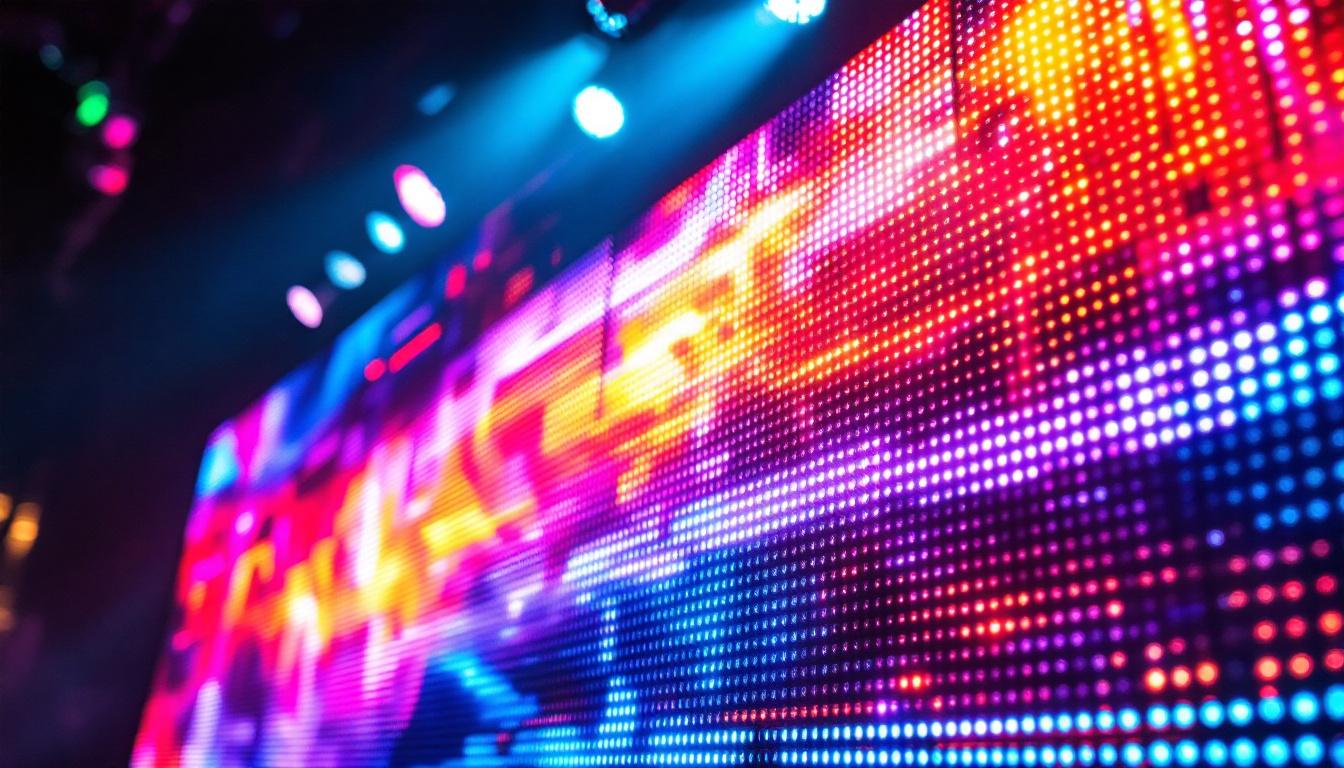
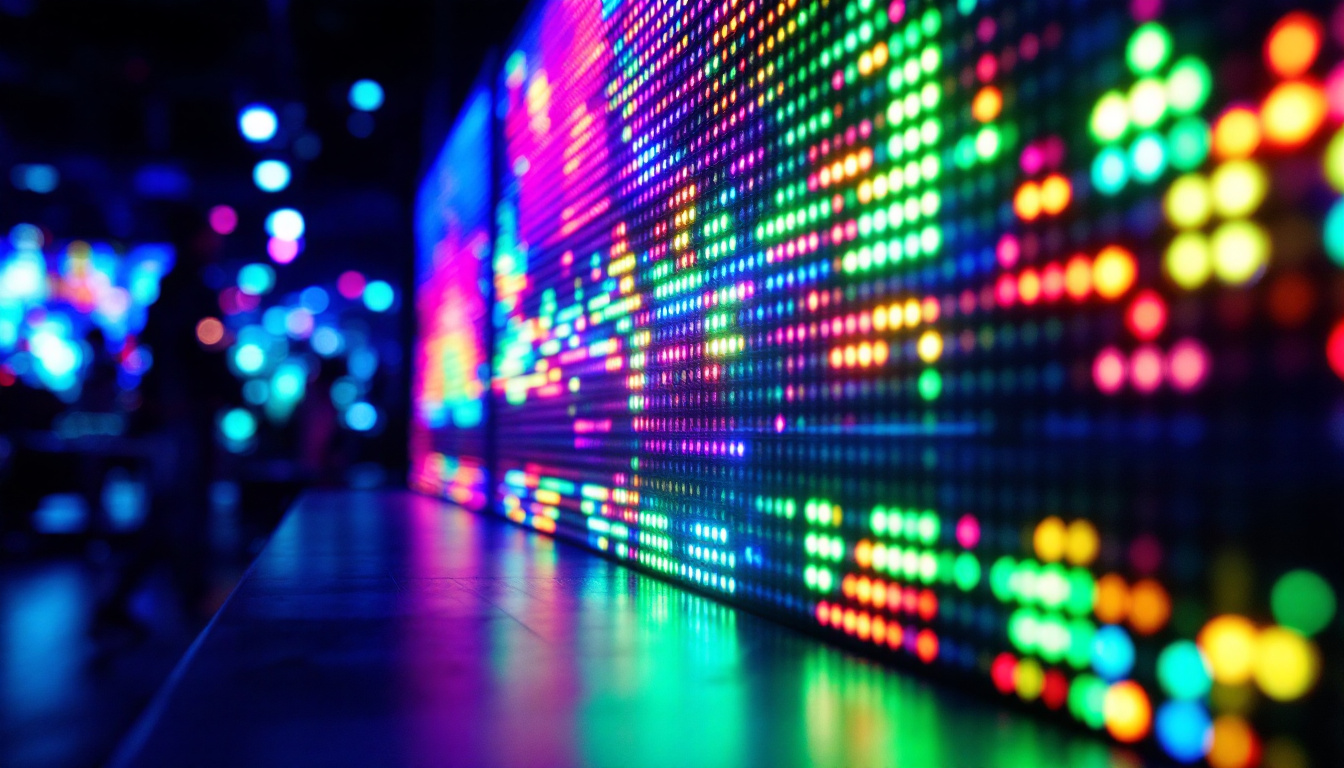
Typically, these panels consist of numerous tiny light-emitting diodes (LEDs) mounted on a pliable circuit board. The LEDs are arranged in a grid to form pixels that collectively display images and videos. The flexibility is achieved through materials such as thin printed circuit boards (PCBs), flexible connectors, and encapsulation techniques that protect the LEDs while allowing movement. This means that designers can create immersive environments that engage viewers from multiple angles, allowing for dynamic advertising displays or artistic installations that shift and change with the viewer’s perspective.
How Flexible LED Technology Works
At the core of flexible LED panels is the use of organic or inorganic LEDs mounted on bendable substrates. The most common type is the surface-mounted device (SMD) LED, which is compact and energy-efficient. The flexible PCB is designed to maintain electrical connections even when bent, using advanced materials such as polyimide or PET (polyethylene terephthalate). This innovative design not only contributes to the lightweight nature of the panels but also facilitates easy installation and maintenance, as they can be rolled or folded for transport without damage.
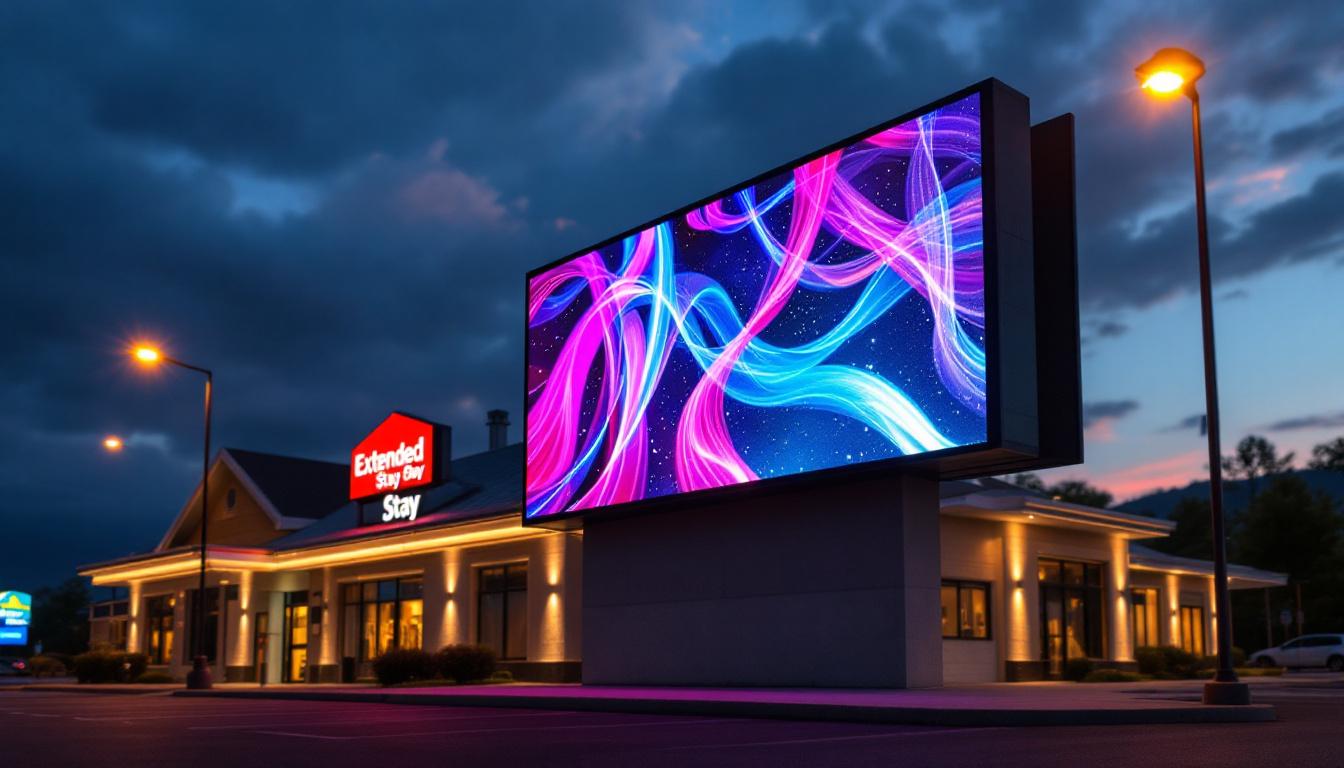
Driving electronics and control systems are integrated to ensure uniform brightness, color accuracy, and refresh rates. These systems synchronize the LEDs to produce smooth video playback and high-resolution images. Despite their flexibility, these panels maintain durability and weather resistance, making them suitable for both indoor and outdoor use. This adaptability opens up a myriad of possibilities, from creating stunning outdoor advertising displays that can withstand the elements to designing captivating indoor environments that transform spaces into interactive experiences. As technology continues to evolve, we can expect even more advancements in flexible LED panels, including improved energy efficiency and enhanced visual capabilities, further solidifying their place in modern display solutions.
Advantages of Flexible LED Wall Panels
Design Versatility and Aesthetic Appeal
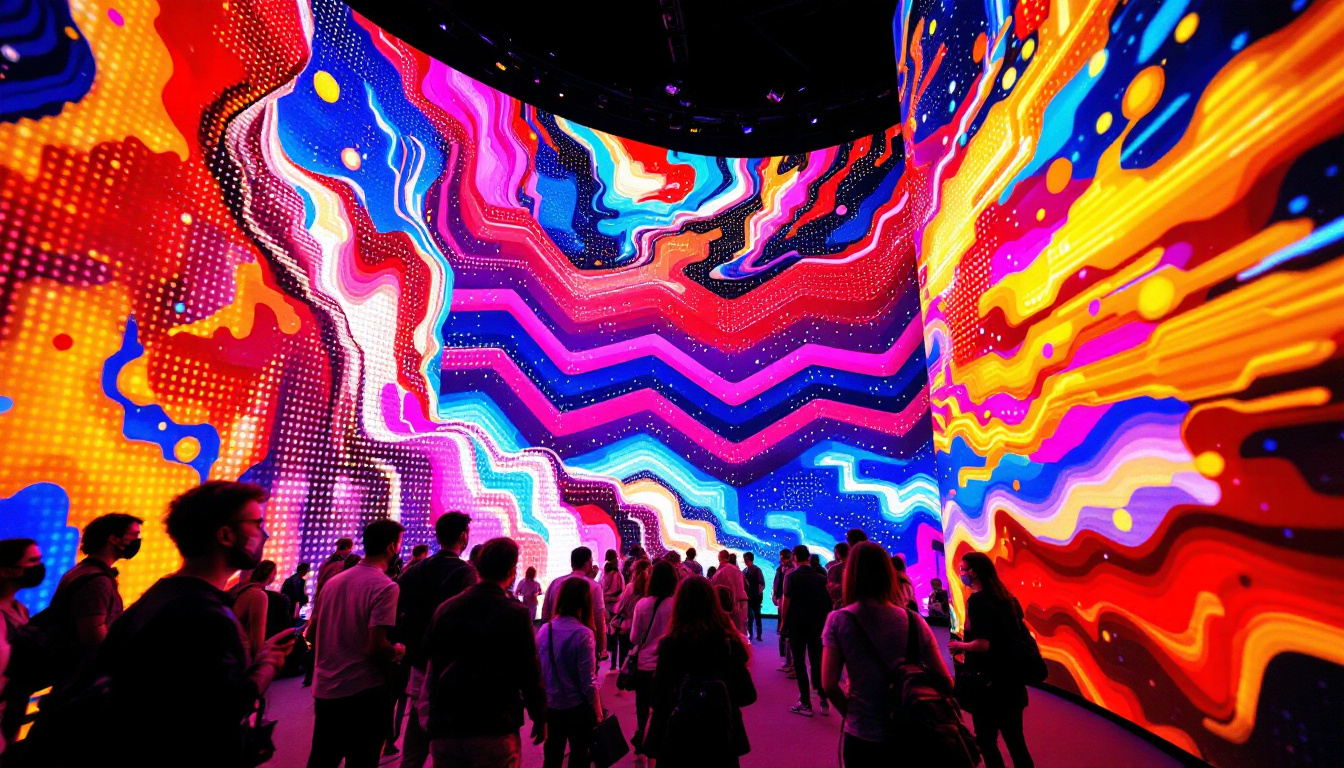
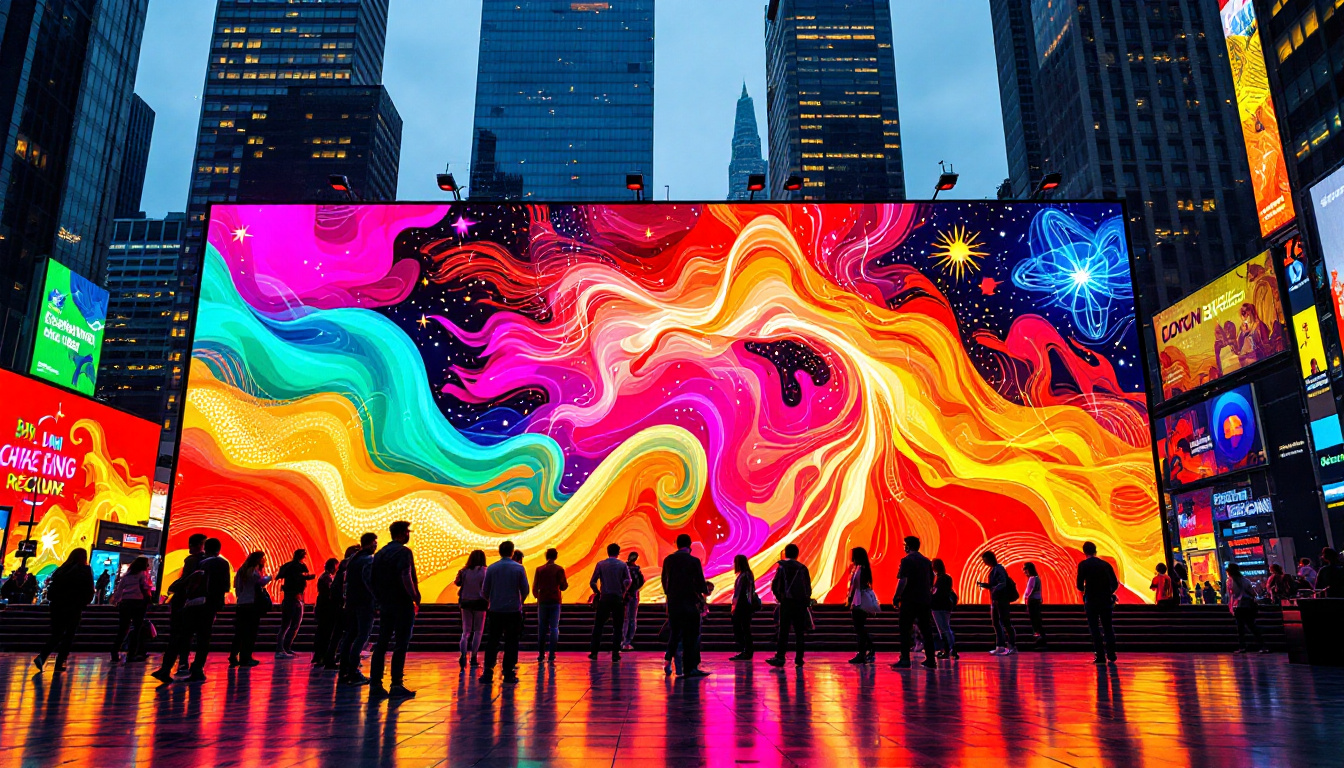
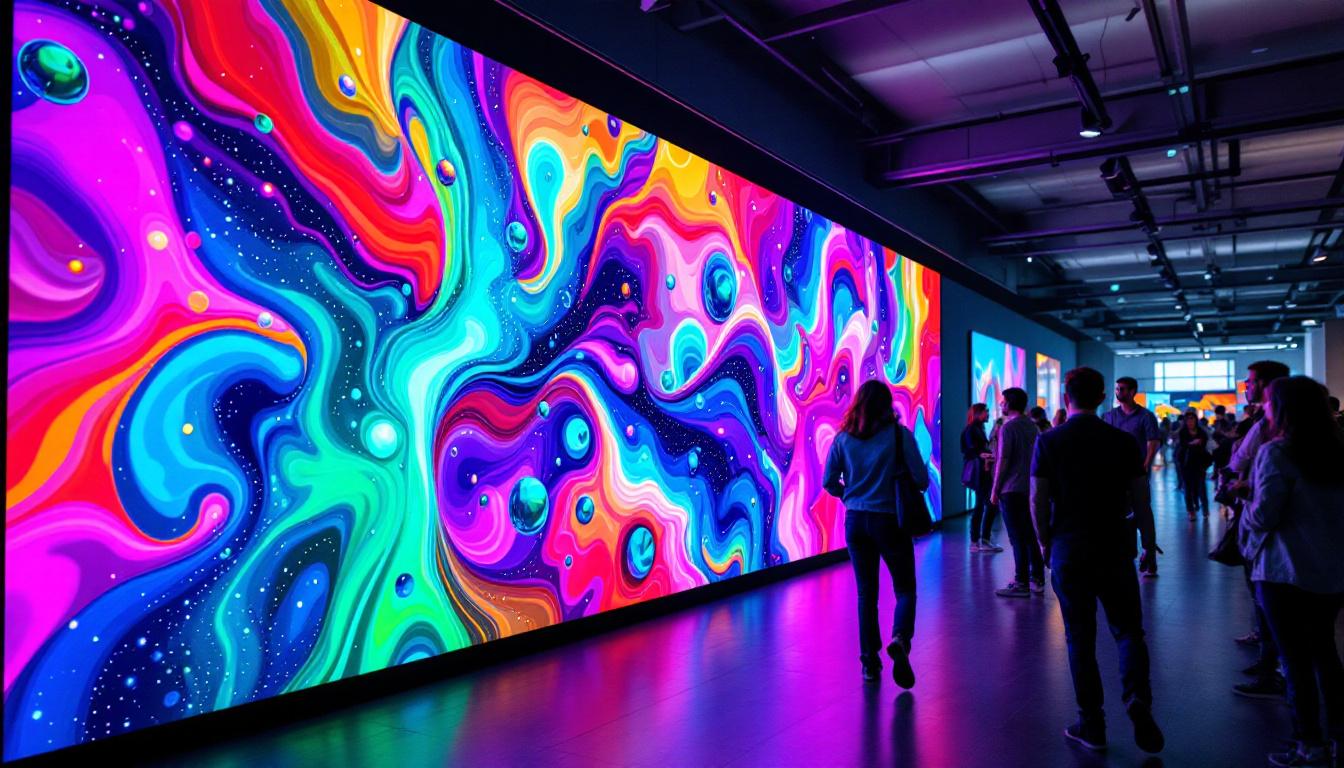
One of the most significant benefits of flexible LED panels is their ability to conform to unique shapes and surfaces. This capability opens up new possibilities for creative expression in advertising, architecture, and interior design. For example, curved LED walls can wrap around pillars, create wave-like installations, or form spherical displays that captivate viewers.
Designers and marketers can leverage this adaptability to create immersive environments that stand out from traditional flat screens. The seamless nature of flexible panels also eliminates visible bezels, providing a continuous and smooth visual experience that enhances brand messaging and audience engagement.
Lightweight and Easy Installation
Compared to conventional LED walls, flexible panels are generally lighter and thinner, reducing the structural load on mounting surfaces. This makes them easier to transport, handle, and install, especially in challenging locations or temporary setups. The modular design allows for rapid assembly and disassembly, which is ideal for events, exhibitions, and retail displays.
Furthermore, the flexibility reduces the need for custom framing or support structures, lowering installation costs and time. Maintenance is also simplified, as individual modules can be replaced without dismantling the entire display.
Energy Efficiency and Longevity
Flexible LED panels utilize energy-efficient LEDs that consume less power compared to traditional lighting and display technologies. This efficiency translates into lower operational costs and a reduced environmental footprint. Modern LED technology also offers longer lifespans, often exceeding 50,000 hours of continuous use, minimizing the frequency of replacements.
Additionally, many flexible LED panels come with advanced heat dissipation designs to prevent overheating, further extending their durability and performance consistency.
Applications of Flexible LED Wall Panels
Retail and Advertising
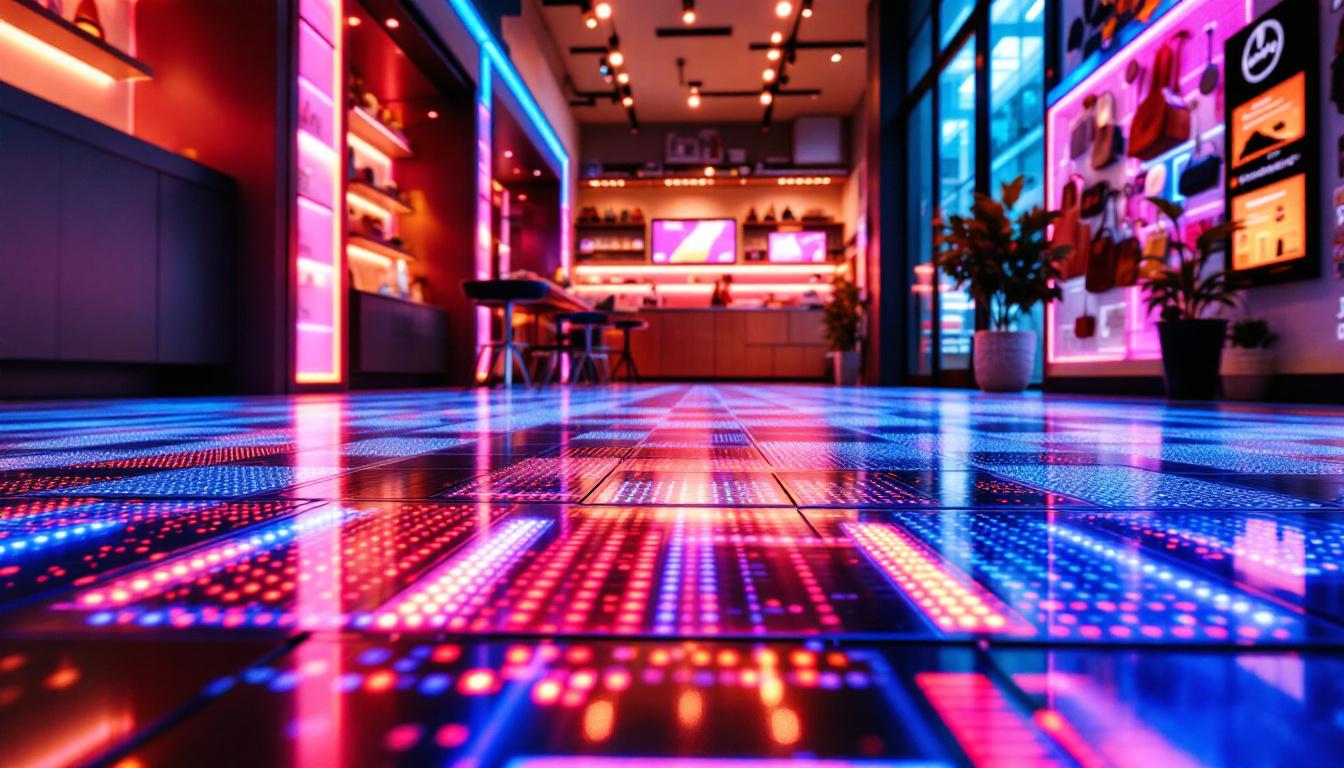
Retail environments benefit greatly from flexible LED displays due to their ability to attract attention with vibrant, dynamic content. Stores can install curved LED walls around entrances, fitting rooms, or product displays to create immersive shopping experiences. The flexibility allows for integration into architectural elements, enhancing brand visibility without compromising design aesthetics.
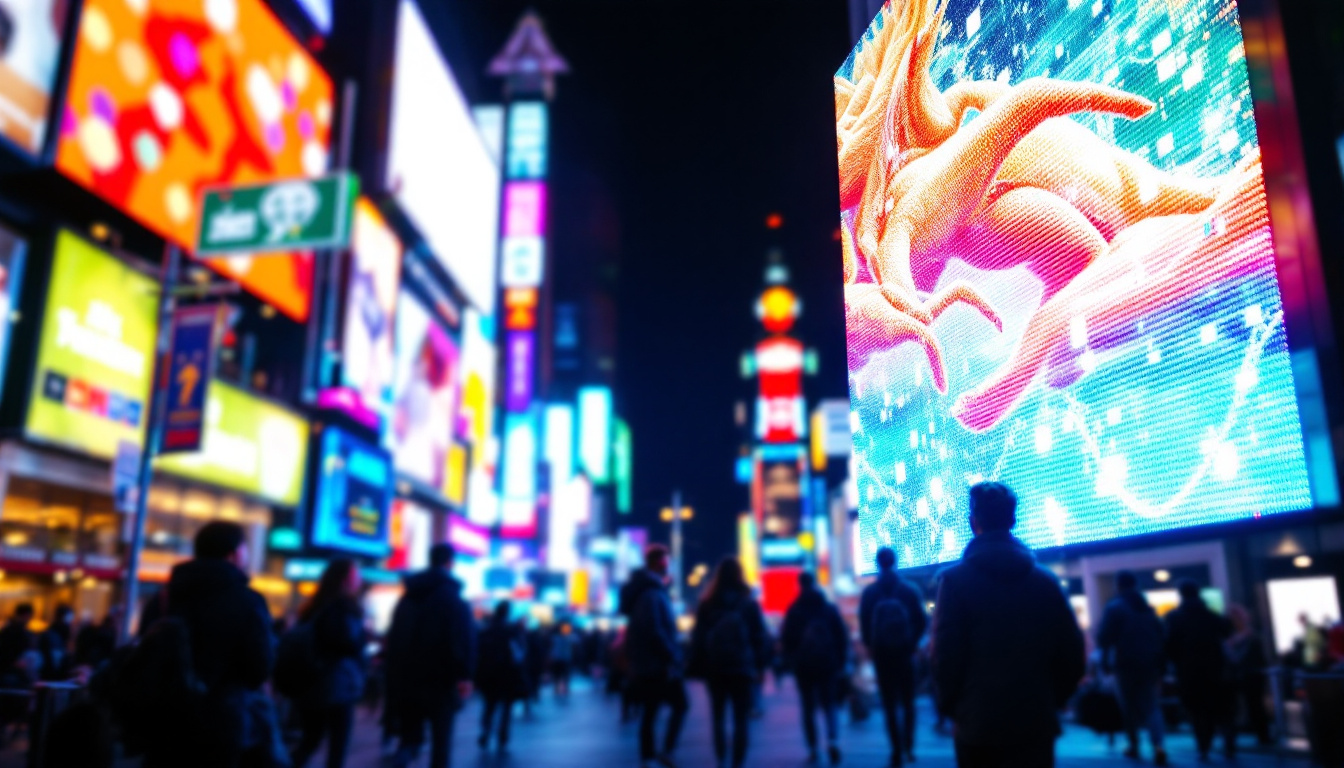
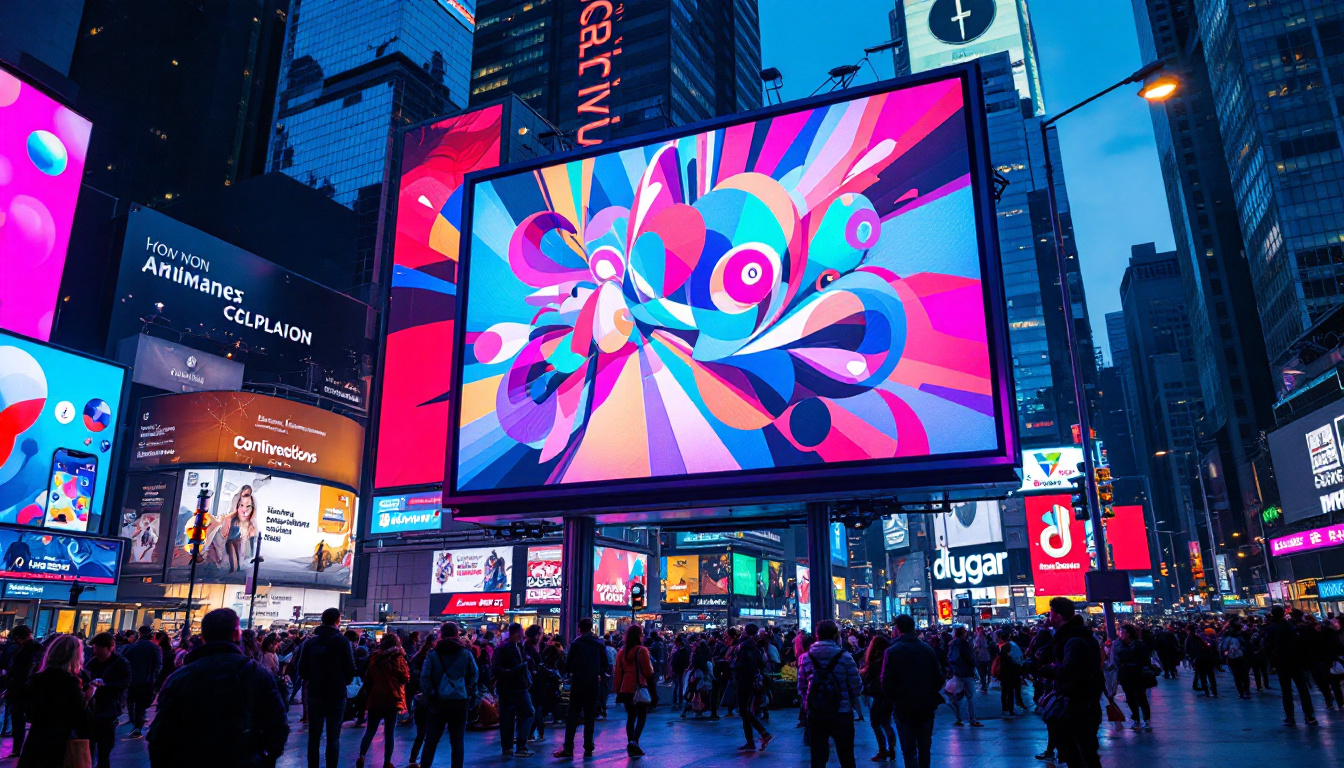
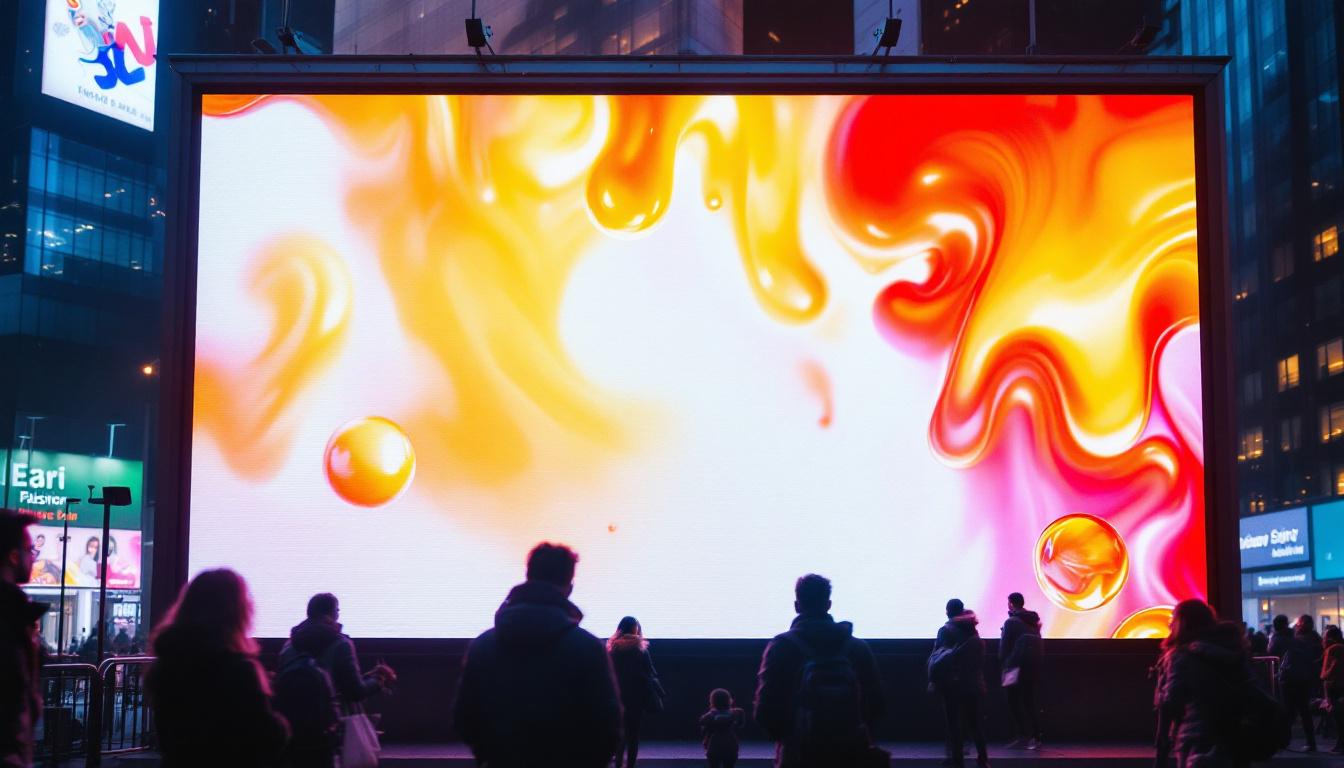
In advertising, flexible LED panels are used for eye-catching billboards, vehicle wraps, and pop-up event displays. Their adaptability enables advertisers to reach audiences in unconventional spaces, increasing engagement and memorability.
Entertainment and Events
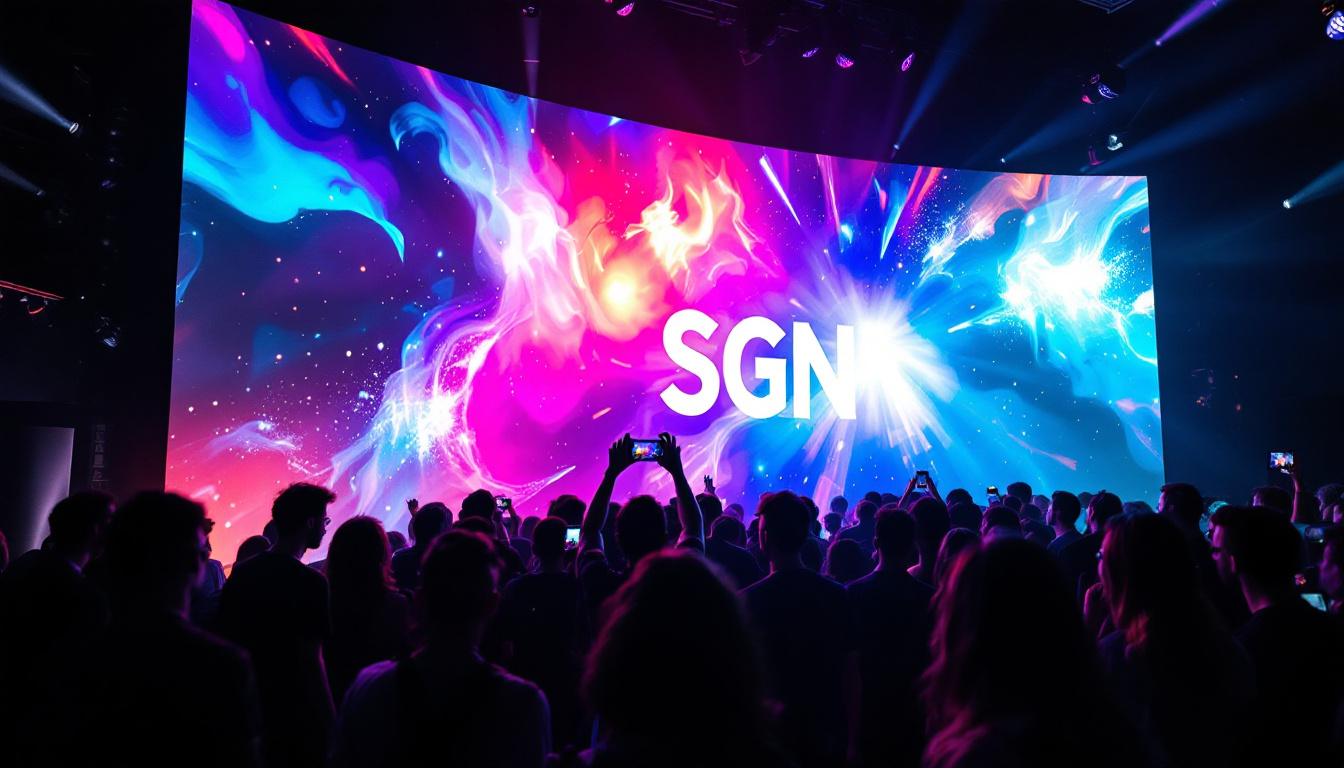
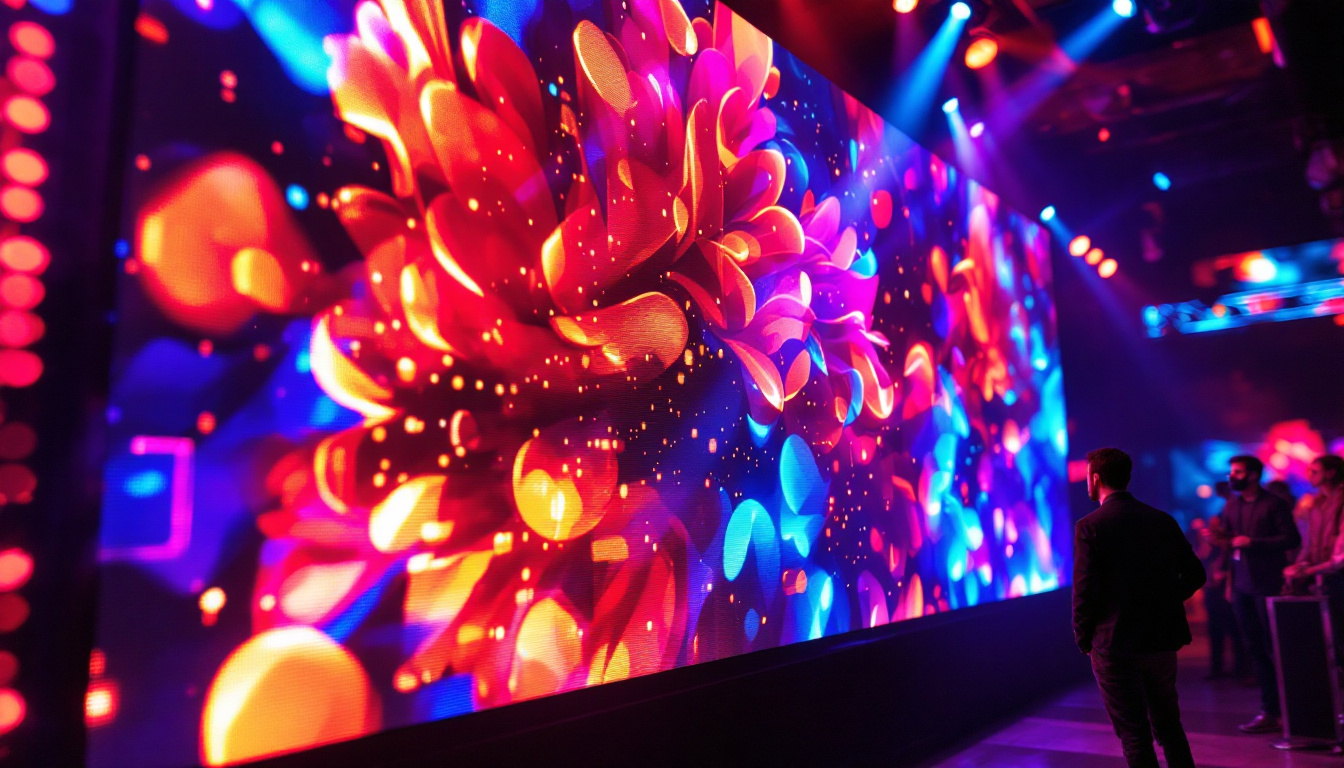
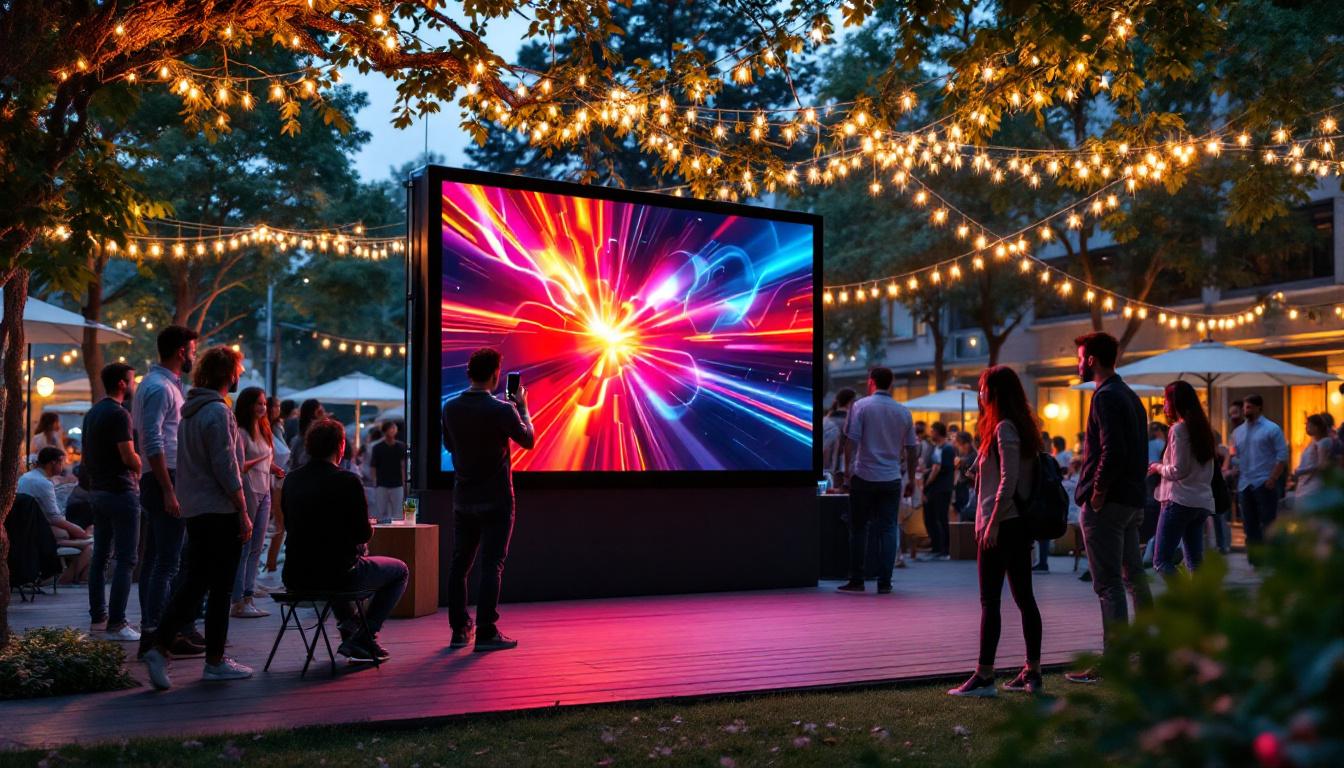
The entertainment industry has embraced flexible LED technology for stage design, concerts, and exhibitions. Curved LED screens can wrap around stages or form dynamic backdrops that synchronize with performances, enhancing the visual impact. The lightweight nature of flexible panels facilitates quick setup and teardown, essential for touring productions and festivals.
Sports arenas and arenas also use flexible LED panels to create immersive fan experiences, from curved ribbon boards to interactive installations that engage spectators.
Architectural Integration
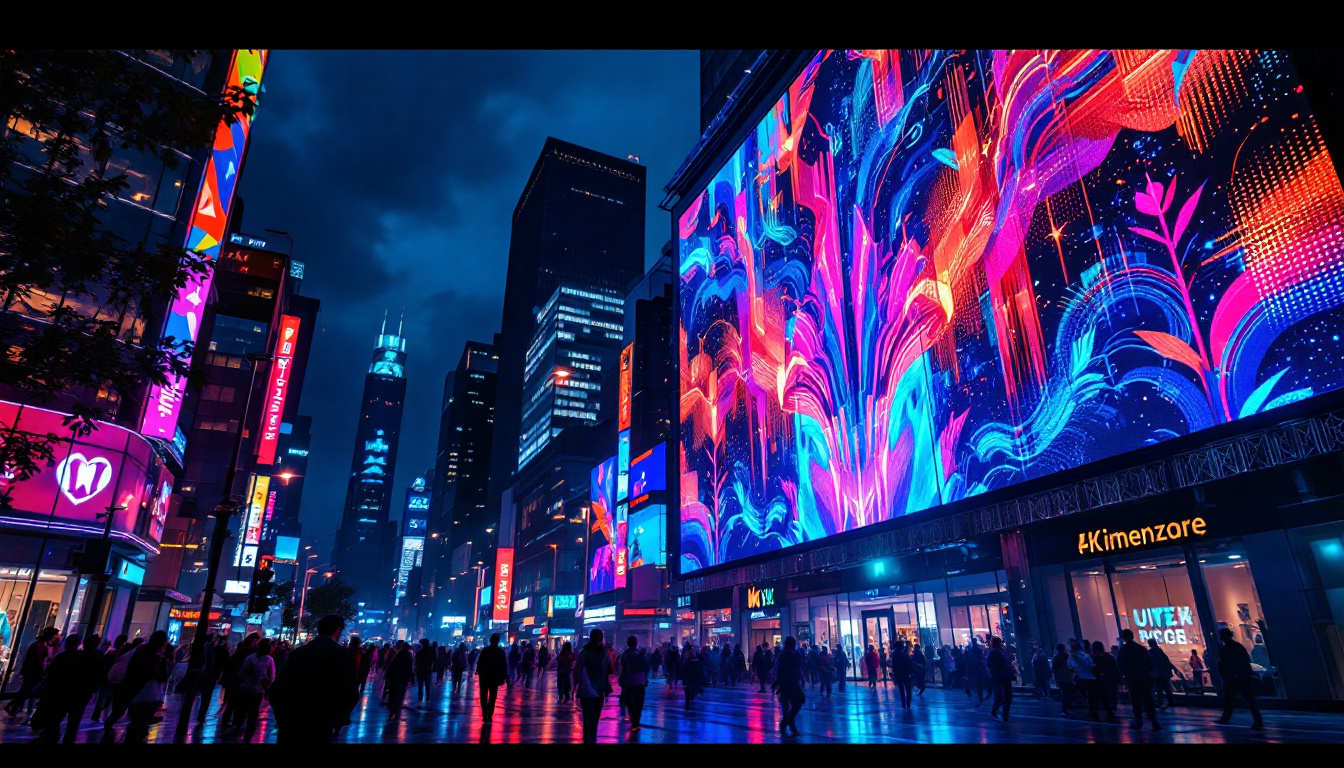
Architects and interior designers use flexible LED panels to integrate digital displays seamlessly into building structures. Facades, atriums, and interior walls can feature curved LED surfaces that display art, information, or branding. This integration transforms buildings into interactive landmarks and enhances urban environments.
For example, some modern skyscrapers incorporate flexible LED panels on their exteriors to create dynamic lighting effects that change with time or events, contributing to cityscapes’ visual identity.
Transportation and Public Spaces
Flexible LED panels are increasingly used in transportation hubs such as airports, train stations, and bus terminals. Their ability to conform to curved surfaces like columns or ceilings allows for efficient use of space while providing real-time information and advertising. Public spaces also use these panels for wayfinding, safety messages, and artistic installations.
Technical Considerations and Challenges
Resolution and Pixel Pitch
Resolution and pixel pitch are critical factors in flexible LED displays. Pixel pitch refers to the distance between individual LEDs, affecting image clarity and viewing distance. Flexible panels often have slightly larger pixel pitches than rigid displays due to manufacturing constraints, which can impact resolution.
However, ongoing advancements are reducing pixel pitch sizes, enabling flexible panels to achieve high-definition quality suitable for close viewing. Selecting the appropriate pixel pitch depends on the installation’s viewing distance and content type.
Durability and Weather Resistance
While flexible LED panels are designed to be robust, their flexible nature requires careful engineering to withstand environmental stressors. Outdoor installations must be waterproof, dustproof, and resistant to temperature fluctuations. Protective coatings and encapsulation materials are used to enhance durability without sacrificing flexibility.
Regular maintenance and inspection are essential to ensure longevity, especially in harsh environments. Manufacturers often provide IP ratings (Ingress Protection) to indicate the level of protection against solids and liquids.
Cost Factors
Flexible LED wall panels typically come at a premium compared to traditional rigid LED displays due to the complexity of materials and manufacturing processes. However, their design versatility, ease of installation, and unique visual impact can justify the investment, especially for high-profile applications.
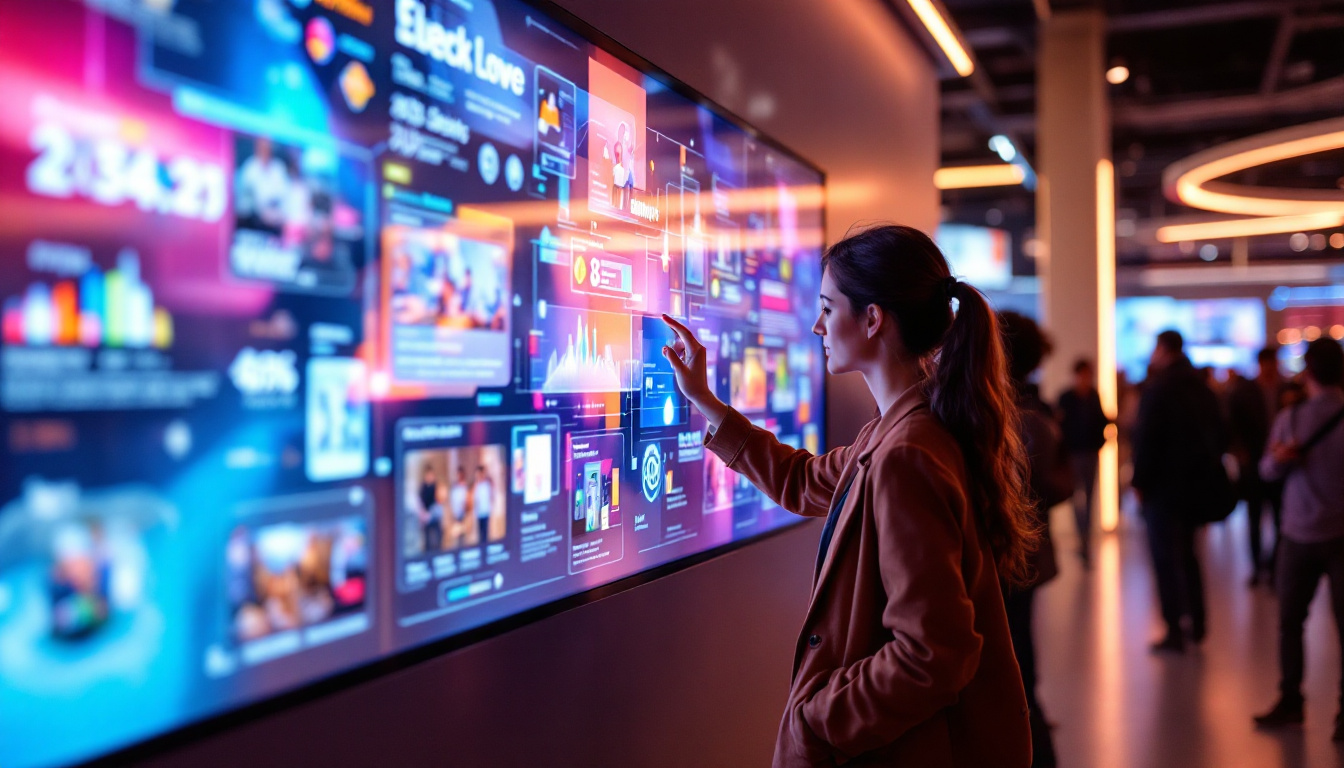
Costs vary based on resolution, size, brightness, and additional features like transparency or touch interactivity. As technology matures and production scales, prices are expected to become more competitive.
The Future of Flexible LED Wall Panels
Emerging Trends and Innovations
The flexible LED display market is poised for significant growth, driven by innovations in materials science and electronics. Developments such as microLED technology promise even thinner, more energy-efficient, and higher-resolution flexible displays. Transparent and foldable LED panels are also gaining traction, expanding potential applications.
Integration with smart technologies and IoT (Internet of Things) will enable interactive and adaptive displays that respond to environmental cues or user interactions, creating personalized experiences.
Sustainability and Environmental Impact
As sustainability becomes a priority, manufacturers are focusing on eco-friendly materials and energy-saving designs. Flexible LED panels offer advantages in this regard due to their low power consumption and long lifespan. Recycling programs and responsible disposal methods are also being developed to reduce electronic waste.
Expanding Market Opportunities
The versatility of flexible LED wall panels opens opportunities across diverse sectors, including healthcare, education, and transportation. Hospitals can use curved LED displays for wayfinding and patient engagement, while educational institutions can create immersive learning environments. Public transit systems can deploy flexible panels for dynamic scheduling and passenger information.
As awareness and accessibility improve, flexible LED technology is expected to become a standard feature in modern visual communication strategies.
Conclusion
Flexible LED wall panels represent a significant advancement in display technology, combining adaptability, visual impact, and energy efficiency. Their ability to conform to unconventional surfaces unlocks new creative possibilities for advertising, entertainment, architecture, and public information systems. While challenges related to cost and durability remain, ongoing innovations are steadily addressing these issues.
For businesses and designers seeking to captivate audiences with dynamic and immersive visuals, flexible LED displays offer a compelling solution that blends technology with creativity. As this technology continues to evolve, it will undoubtedly play a pivotal role in shaping the future of digital signage and interactive environments.
Discover the Future of LED Displays with LumenMatrix
Ready to elevate your visual communication with the latest in flexible LED display technology? LumenMatrix is at the forefront of innovation, offering an extensive range of LED display solutions tailored to your needs. From captivating Indoor and Outdoor LED Wall Displays to dynamic Vehicle and Sports LED Displays, our products are designed to make your brand shine. Experience the transformative power of LED Poster Displays, Floor LED Displays, Custom LED solutions, All-in-One LED Displays, and LED Transparent Displays. Embrace the future of digital signage with LumenMatrix and create unforgettable visual experiences. Check out LumenMatrix LED Display Solutions today and see how we can help you share your message with the world.