In the rapidly evolving world of visual technology, LED displays have become a cornerstone for communication, advertising, entertainment, and information dissemination. From the giant screens in Times Square to the compact digital billboards in shopping malls, LED displays are everywhere, captivating audiences with their brightness, clarity, and versatility. But what exactly is an LED display, how does it work, and why has it become the preferred choice over other display technologies? This comprehensive article explores the fundamentals of LED displays, their types, advantages, applications, and future trends, providing a clear understanding of this transformative technology.
What Is an LED Display?
LED stands for Light Emitting Diode, a semiconductor device that emits light when an electric current passes through it. An LED display is a flat panel or flexible display that uses an array of light-emitting diodes as pixels to present images, videos, and text. Unlike traditional LCD or plasma screens, LED displays rely on these tiny diodes as the primary source of light, which allows for superior brightness and energy efficiency.
LED displays can vary widely in size and resolution, from small indicator panels on electronic devices to massive outdoor billboards spanning thousands of square feet. The technology behind these displays enables them to produce vibrant colors and sharp images even under direct sunlight, making them ideal for both indoor and outdoor use. Their versatility has led to widespread adoption in various sectors, including advertising, sports venues, and public transportation systems, where clear visibility is paramount.
How LED Displays Work
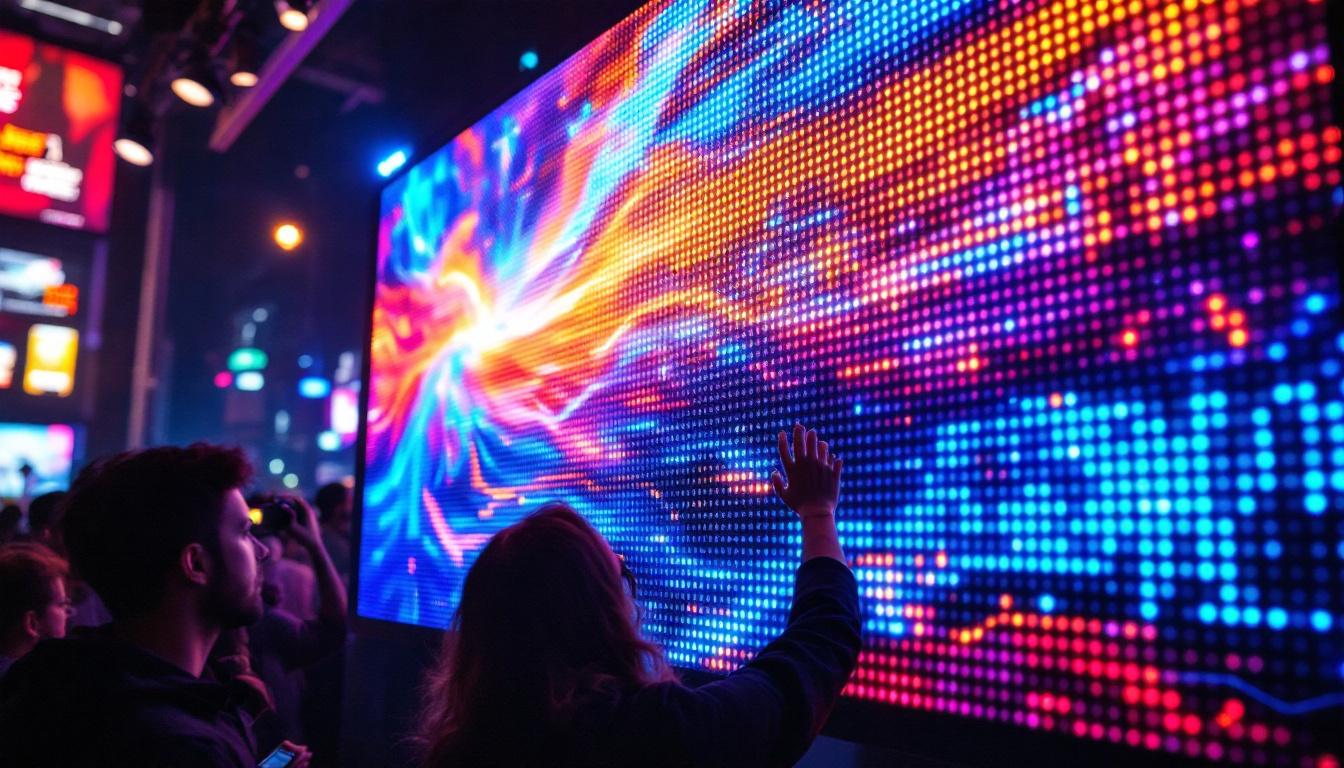
At the core of an LED display are thousands to millions of individual LEDs arranged in a grid. Each LED acts as a pixel or part of a pixel, emitting light of specific colors—typically red, green, and blue (RGB). By adjusting the intensity of these three colors, the display can produce a full spectrum of colors visible to the human eye. This RGB configuration allows for the creation of intricate images and animations, making LED displays a popular choice for dynamic content.
LED displays use a process called multiplexing to control the LEDs efficiently. This involves turning LEDs on and off rapidly in a sequence that creates the illusion of a continuous image. The refresh rate, or how often the image updates per second, is crucial for smooth video playback and reducing flicker. Additionally, advancements in LED technology, such as the development of organic LEDs (OLEDs), have further enhanced display quality by providing deeper blacks and a wider viewing angle, thereby enriching the overall user experience. As the technology continues to evolve, we can expect even more innovative applications, such as flexible displays that can bend and conform to various surfaces, opening new avenues for creativity in digital signage and consumer electronics.
Types of LED Displays
LED display technology has diversified into several types, each tailored for specific applications and environments. Understanding these types helps in selecting the right display for a particular use case.
1. Direct View LED Displays
Direct View LED (DVLED) displays consist of LEDs that are directly visible to the viewer without any intermediary layers. These displays are known for their exceptional brightness and color accuracy. They are commonly used in large-scale outdoor advertising, sports stadiums, and concert venues.
The pixel pitch—the distance between the centers of two adjacent LEDs—is a critical factor in DVLED displays. Smaller pixel pitches result in higher resolution and better image quality, especially important for close viewing distances. This technology has revolutionized the way we experience visual content, allowing for stunning visuals that can captivate audiences from afar. With advancements in technology, DVLED displays are becoming increasingly versatile, being utilized in creative installations and immersive environments, where the display itself becomes part of the artistic experience.
2. LED Backlit LCD Displays
Many modern LCD screens use LED backlighting instead of traditional fluorescent lamps. In this configuration, LEDs provide the light source behind the LCD panel, enhancing brightness, contrast, and energy efficiency. While the image is still formed by the LCD layer, LED backlighting improves overall display performance.
This type of LED display is common in televisions, computer monitors, and smartphones, offering a balance between cost and image quality. The integration of LED backlighting has also led to innovations such as local dimming, where specific areas of the screen can be dimmed or brightened independently, resulting in richer colors and deeper blacks. As a result, consumers are now able to enjoy a more engaging viewing experience, whether they are watching their favorite movies or playing video games. Moreover, the energy efficiency of LED backlit displays contributes to lower electricity bills and a reduced carbon footprint, making them a more sustainable choice for consumers.
3. OLED (Organic LED) Displays
OLED technology is a variation where each pixel is made of organic compounds that emit light when electrically stimulated. Unlike traditional LEDs, OLEDs do not require backlighting, allowing for thinner, more flexible displays with deeper blacks and higher contrast ratios.
Although OLEDs are distinct from standard LED displays, they share the fundamental principle of using light-emitting diodes. OLEDs are prevalent in high-end smartphones, premium televisions, and wearable devices. The ability of OLED screens to display true black is particularly noteworthy, as individual pixels can be turned off completely, resulting in an infinite contrast ratio. This feature not only enhances the visual quality but also improves power efficiency, especially when displaying darker images. Additionally, the flexibility of OLED technology opens up possibilities for innovative designs, such as curved screens and foldable devices, pushing the boundaries of what is possible in display technology. As research continues to evolve, we can expect even more exciting developments in OLED applications across various industries.
Advantages of LED Displays
LED displays offer numerous benefits that have driven their widespread adoption across industries. These advantages make them a superior choice compared to older technologies like LCD and plasma.
Brightness and Visibility
One of the most significant advantages of LED displays is their exceptional brightness. They can produce luminance levels exceeding 1,000 nits, making them easily visible even in direct sunlight. This quality is essential for outdoor advertising and public information displays, where ambient light conditions can be challenging.
Energy Efficiency
LEDs consume less power than traditional light sources used in displays. This energy efficiency translates to lower operational costs and a smaller environmental footprint. For large installations, such as digital billboards, this can result in substantial savings over time.
Durability and Longevity
LED displays are known for their long lifespan, often exceeding 100,000 hours of operation. They are also more resistant to shock, vibration, and temperature variations, making them suitable for outdoor and industrial environments.
Flexibility and Scalability
LED technology allows for flexible display designs, including curved, transparent, and even flexible panels. This versatility enables creative applications in architecture, retail, and entertainment. Additionally, LED displays can be scaled to virtually any size by combining multiple modules seamlessly.
Common Applications of LED Displays
The versatility and performance of LED displays have led to their integration into a wide range of applications across various sectors.
Advertising and Digital Signage
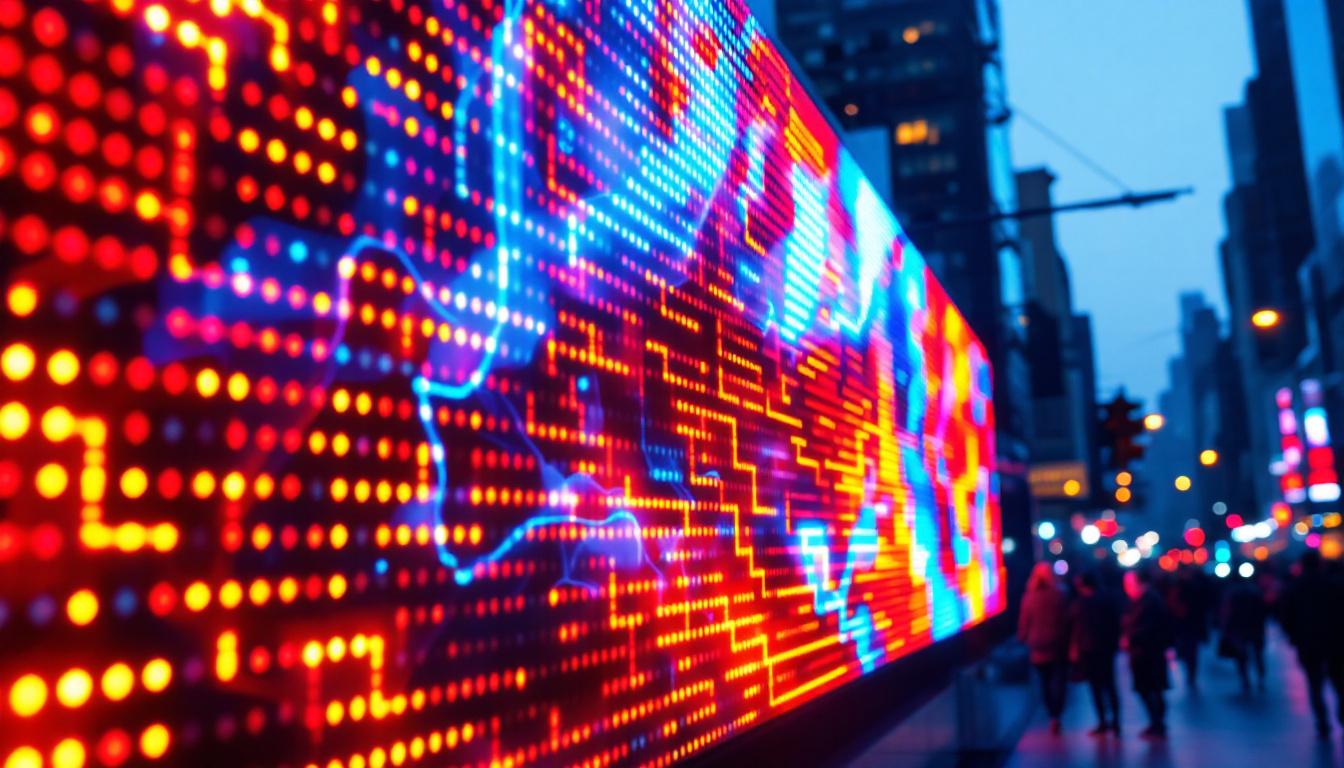
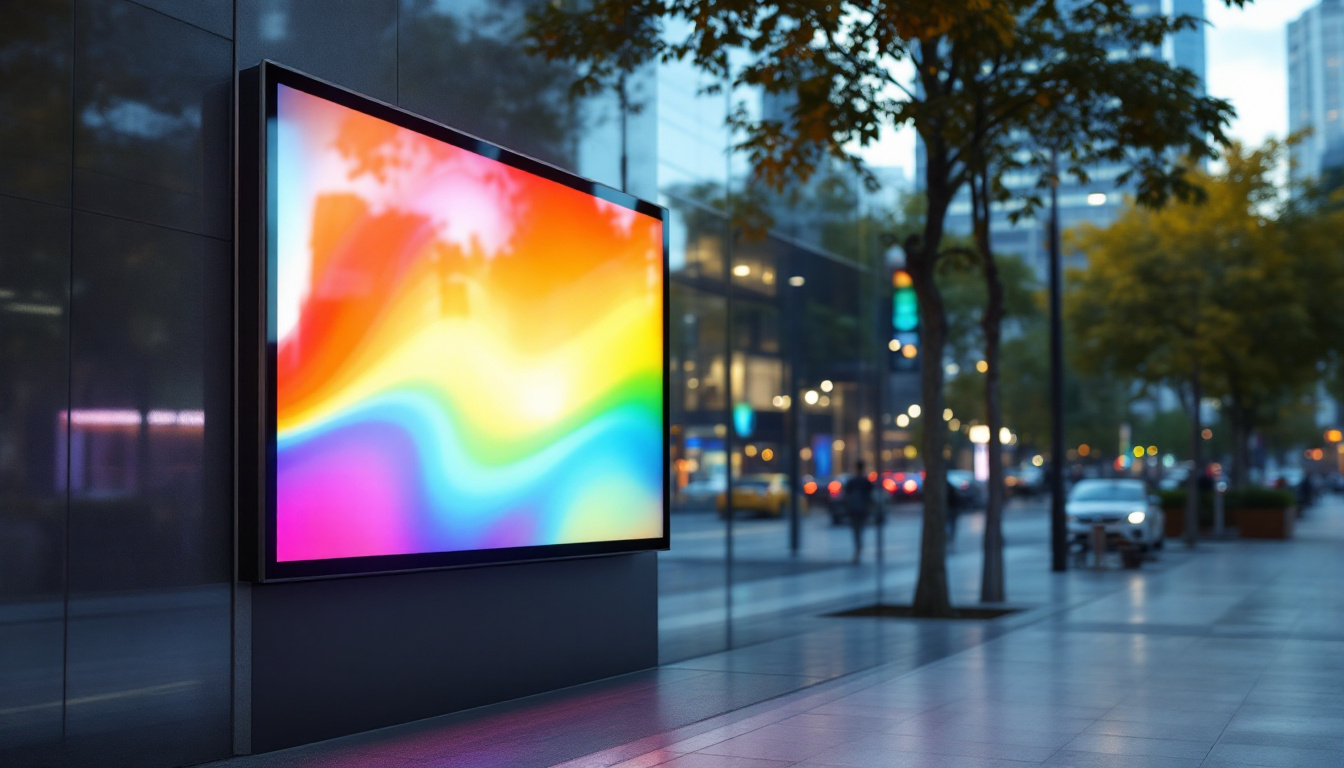
Perhaps the most visible use of LED displays is in advertising. Digital billboards equipped with LED panels allow advertisers to change content dynamically, target specific audiences, and display high-impact visuals. According to market research, the global digital signage market is expected to reach over $30 billion by 2027, with LED technology playing a pivotal role.
Sports and Entertainment Venues
Sports arenas and concert venues utilize massive LED screens to enhance the spectator experience. These displays provide real-time scores, replays, and immersive visuals that keep audiences engaged. The ability to produce bright, high-resolution images visible from great distances is critical in these settings.
Transportation and Public Information
LED displays are widely used in airports, train stations, and bus terminals to provide schedules, alerts, and wayfinding information. Their clarity and reliability ensure that travelers receive timely and accurate updates, improving overall transit efficiency.
Retail and Corporate Environments
In retail, LED displays serve as dynamic product showcases and promotional tools. Corporations use LED video walls in lobbies and conference rooms for branding and presentations. The adaptability of LED technology supports a range of business communication needs.
Future Trends in LED Display Technology
As LED technology continues to advance, several emerging trends are shaping the future of displays.
MicroLED Displays
MicroLED technology involves microscopic LEDs that offer even higher resolution, brightness, and energy efficiency than current LED displays. MicroLEDs promise to combine the best features of OLED and traditional LEDs without the drawbacks such as burn-in or limited lifespan.
Although still in the early stages of commercialization, MicroLED displays are expected to revolutionize consumer electronics, including TVs, smartphones, and augmented reality devices.
Flexible and Transparent Displays
Innovations in LED materials and manufacturing have enabled the creation of flexible and transparent LED displays. These displays can be integrated into windows, glass facades, and wearable devices, opening new possibilities for advertising, architecture, and fashion.
AI-Driven Content and Interactivity
The integration of artificial intelligence with LED displays allows for personalized and interactive content delivery. Smart displays can adapt to audience demographics, environmental conditions, and user interactions, enhancing engagement and effectiveness.
Conclusion
LED displays represent a remarkable fusion of innovation, functionality, and versatility. Their ability to deliver bright, vibrant images with energy efficiency and durability has made them indispensable in modern communication and entertainment. As technology progresses, LED displays will continue to evolve, offering new forms of interaction and immersive experiences. Understanding the fundamentals of LED displays equips businesses, designers, and consumers to harness their full potential and stay ahead in a visually driven world.
Discover LumenMatrix’s Innovative LED Display Solutions
Ready to elevate your visual experience with the latest in LED technology? LumenMatrix is at the forefront of LED innovation, offering a wide array of LED display modules designed to bring your brand to life. From Indoor and Outdoor LED Wall Displays to specialized solutions like Vehicle, Sports, and Floor LED Displays, LumenMatrix has the perfect fit for any application. Embrace the future of visual communication with our Custom, All-in-One, and Transparent LED Displays, and see how our commitment to excellence can transform your space. Check out LumenMatrix LED Display Solutions today and join the revolution in digital signage and display technology.