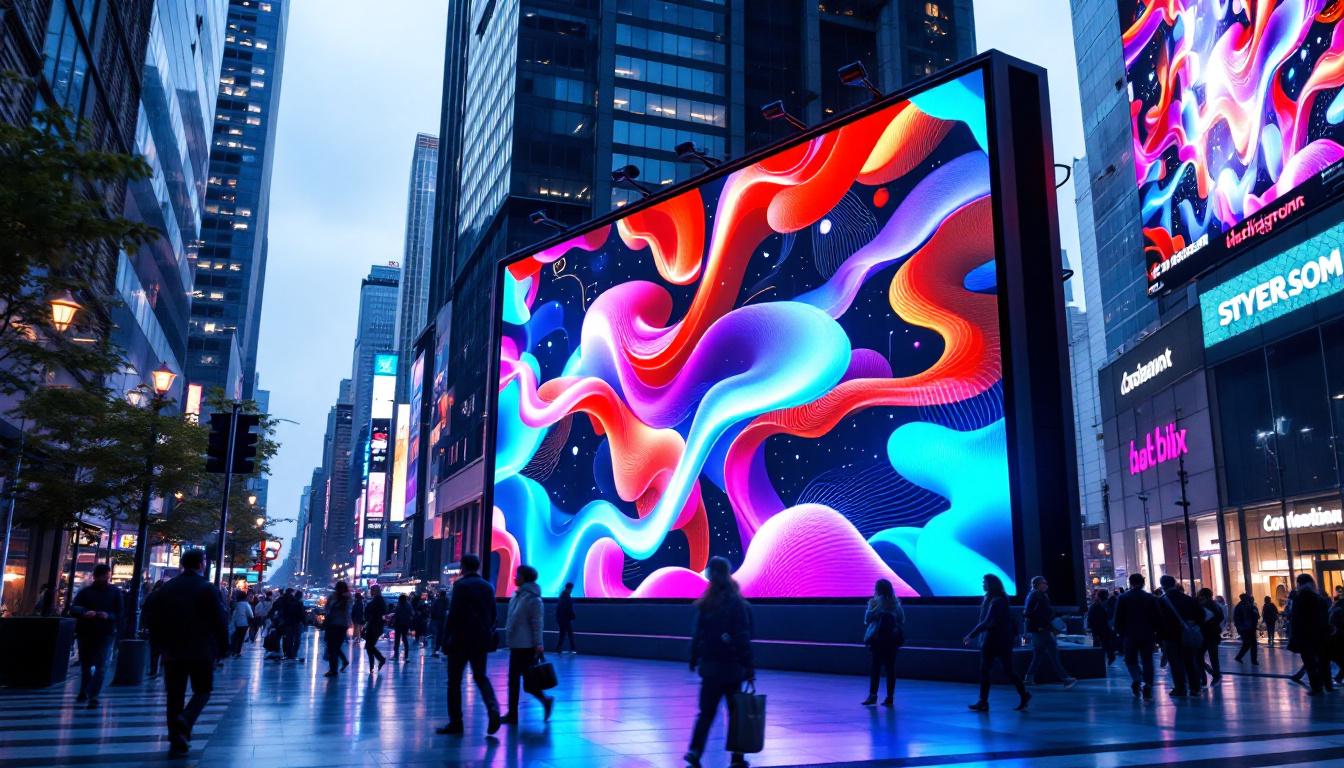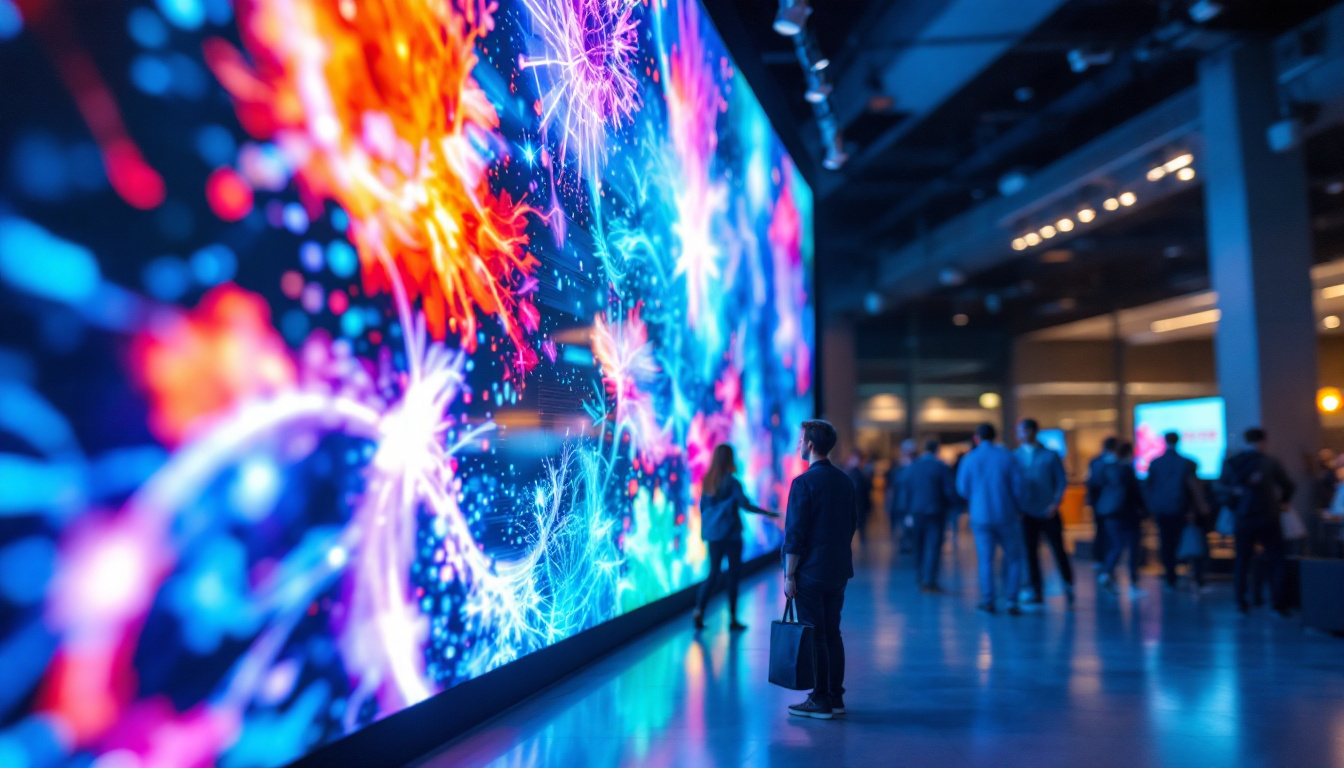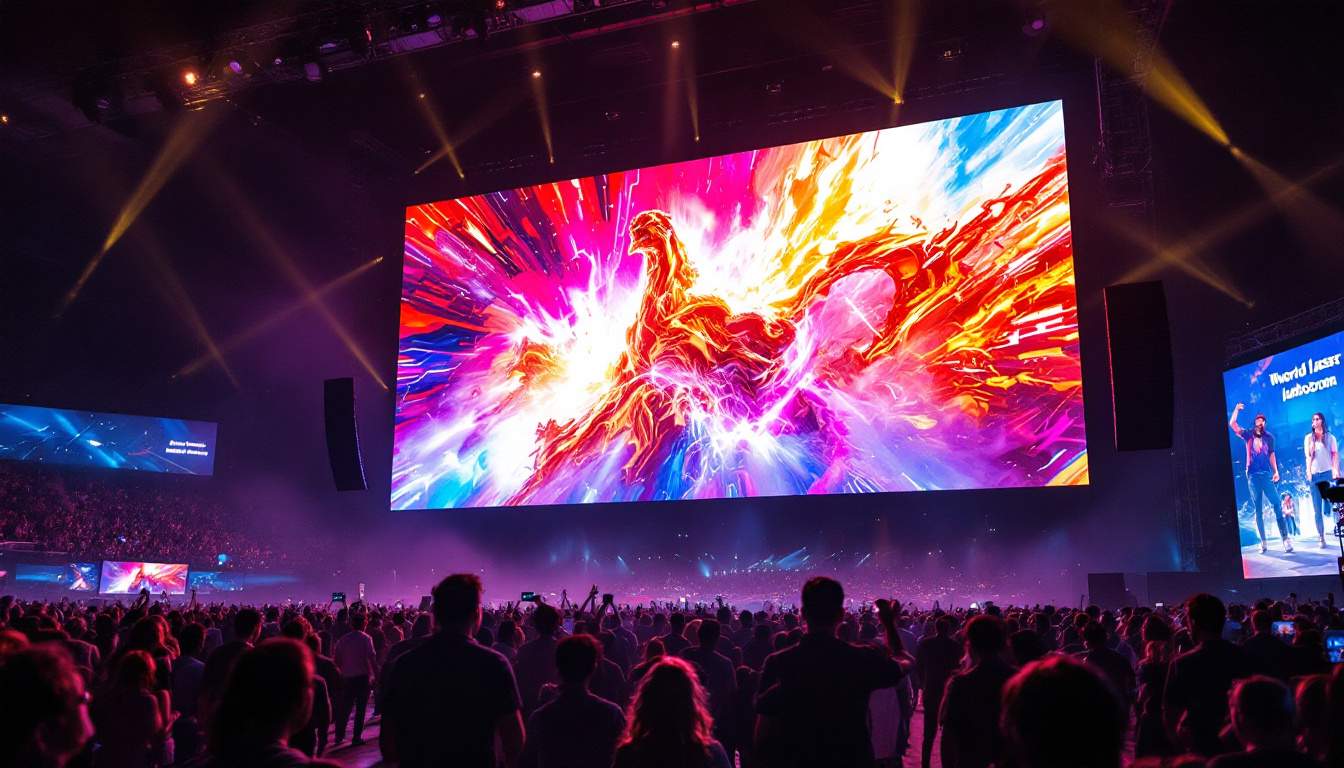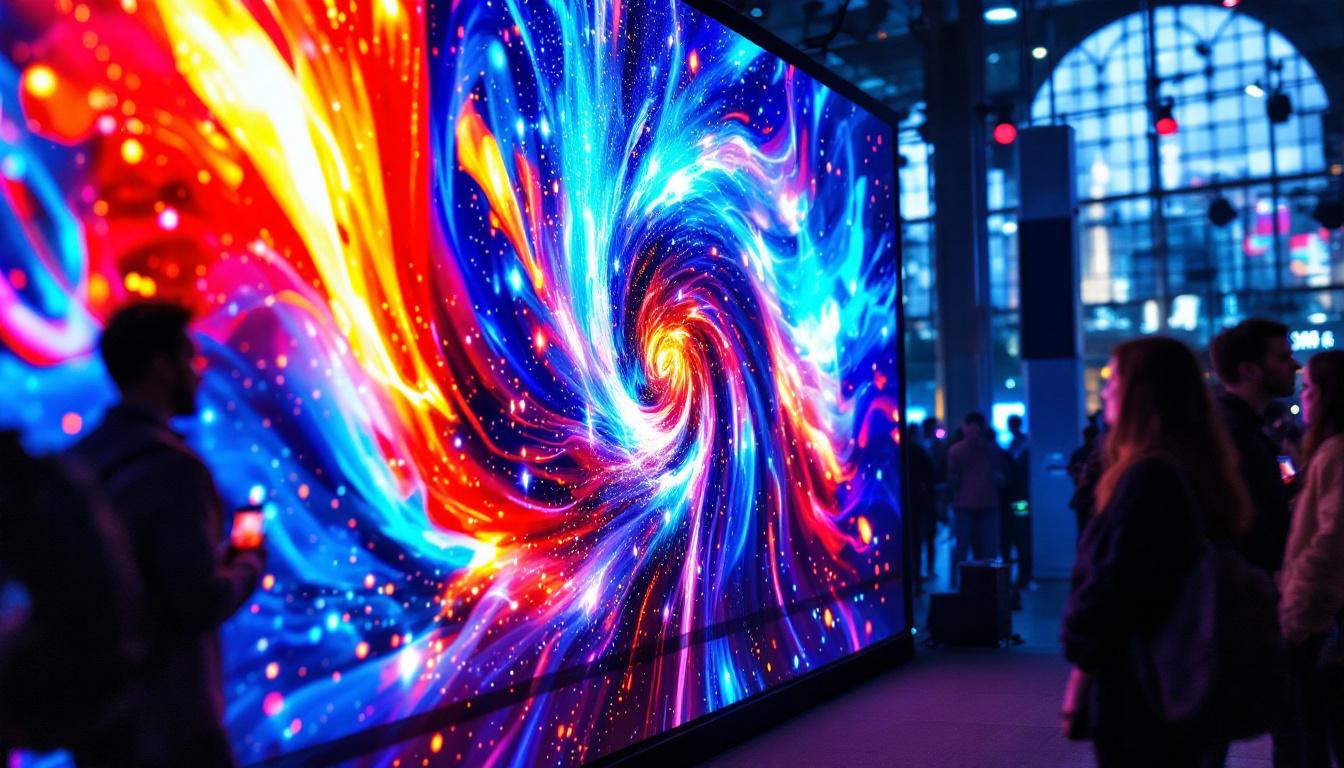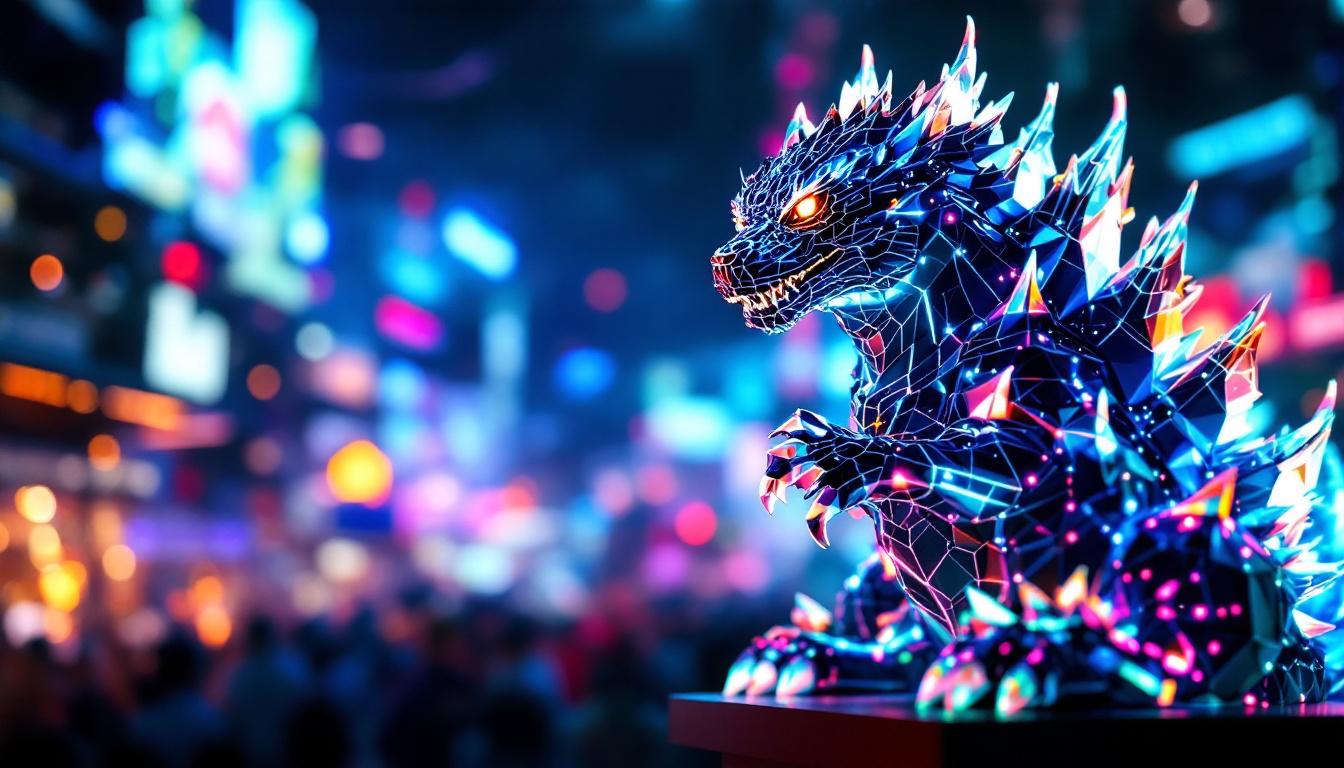
In the ever-evolving world of visual technology, LED displays have become a cornerstone for dynamic advertising, immersive art installations, and innovative public displays. From massive outdoor screens shaped like iconic figures such as the Godzilla head to intricate 3D cat boards that captivate audiences with their depth and vibrancy, LED technology continues to push the boundaries of what is possible. This article delves deep into the technology behind these fascinating LED displays, exploring how they work, their applications, and the future trends shaping this vibrant industry.
The Evolution of LED Displays: From Simple Panels to Complex Shapes
LED (Light Emitting Diode) technology has come a long way since its inception in the early 1960s. Initially used as indicator lights on electronic devices, LEDs have evolved into powerful light sources capable of producing vivid colors and high brightness levels. This transformation has paved the way for LED displays that are not only flat panels but also complex three-dimensional shapes.
One of the most striking examples of this evolution is the Godzilla head LED display installed in urban centers. Unlike traditional rectangular screens, this display is sculpted to resemble the iconic monster’s head, combining artistry with cutting-edge technology. Such displays require a blend of engineering precision, creative design, and advanced LED modules to achieve a seamless visual experience.
From 2D to 3D: The Leap in Display Technology
Traditional LED displays are flat and rectangular, designed primarily for straightforward content delivery such as advertisements or informational messages. However, the demand for more engaging and immersive visual experiences has driven the development of three-dimensional LED displays. These 3D boards, like the popular 3D cat board, utilize curved surfaces and layered LED panels to create depth and motion illusions that captivate viewers.
The shift from 2D to 3D LED displays involves complex design considerations, including pixel mapping on irregular surfaces, heat dissipation in unconventional shapes, and maintaining uniform brightness and color accuracy. Advances in flexible LED panels and modular LED cubes have made it feasible to construct displays that wrap around objects or form intricate shapes, expanding the creative possibilities for designers and advertisers alike.
Understanding the Technology Behind LED Displays
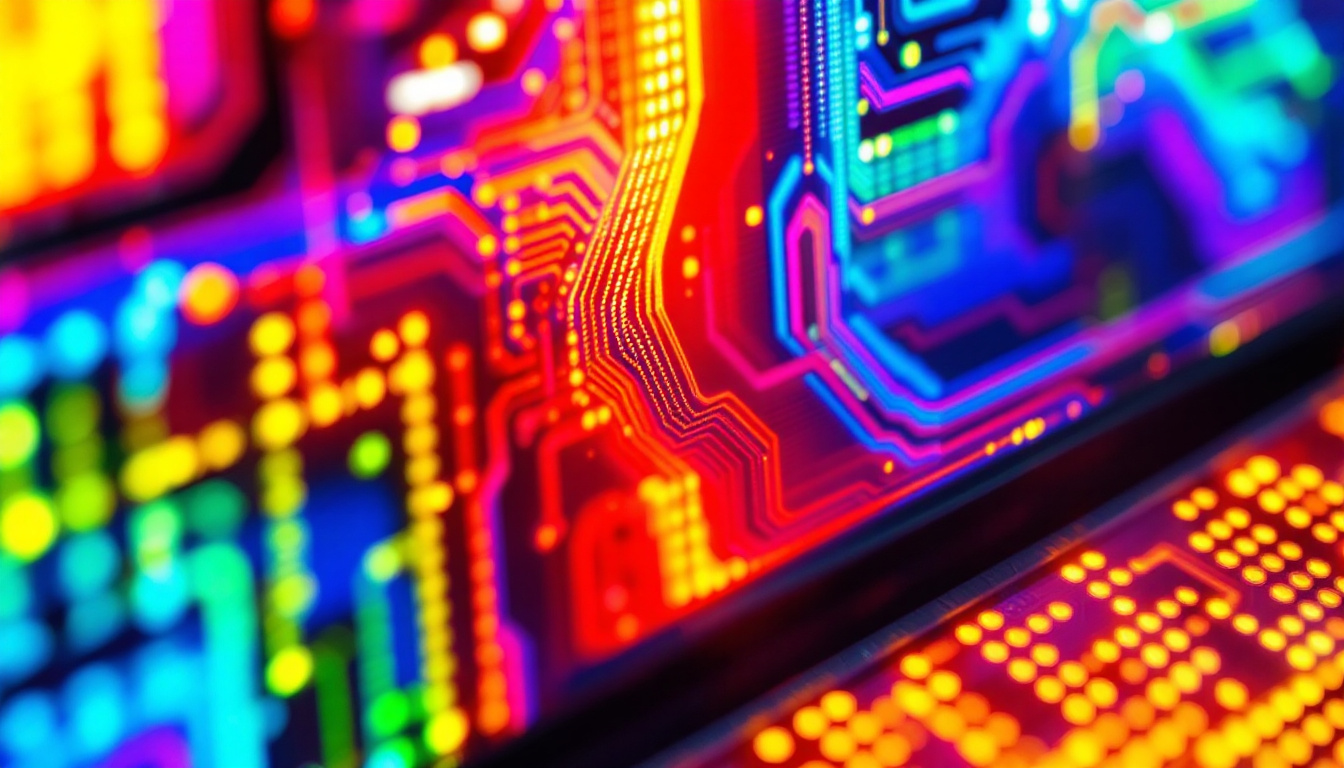
At its core, an LED display is composed of thousands to millions of tiny LEDs arranged in a matrix. Each LED acts as a pixel, emitting light in various colors to form images and videos. The technology behind these displays involves several key components and principles that ensure high-quality visuals.
LED Modules and Pixel Density
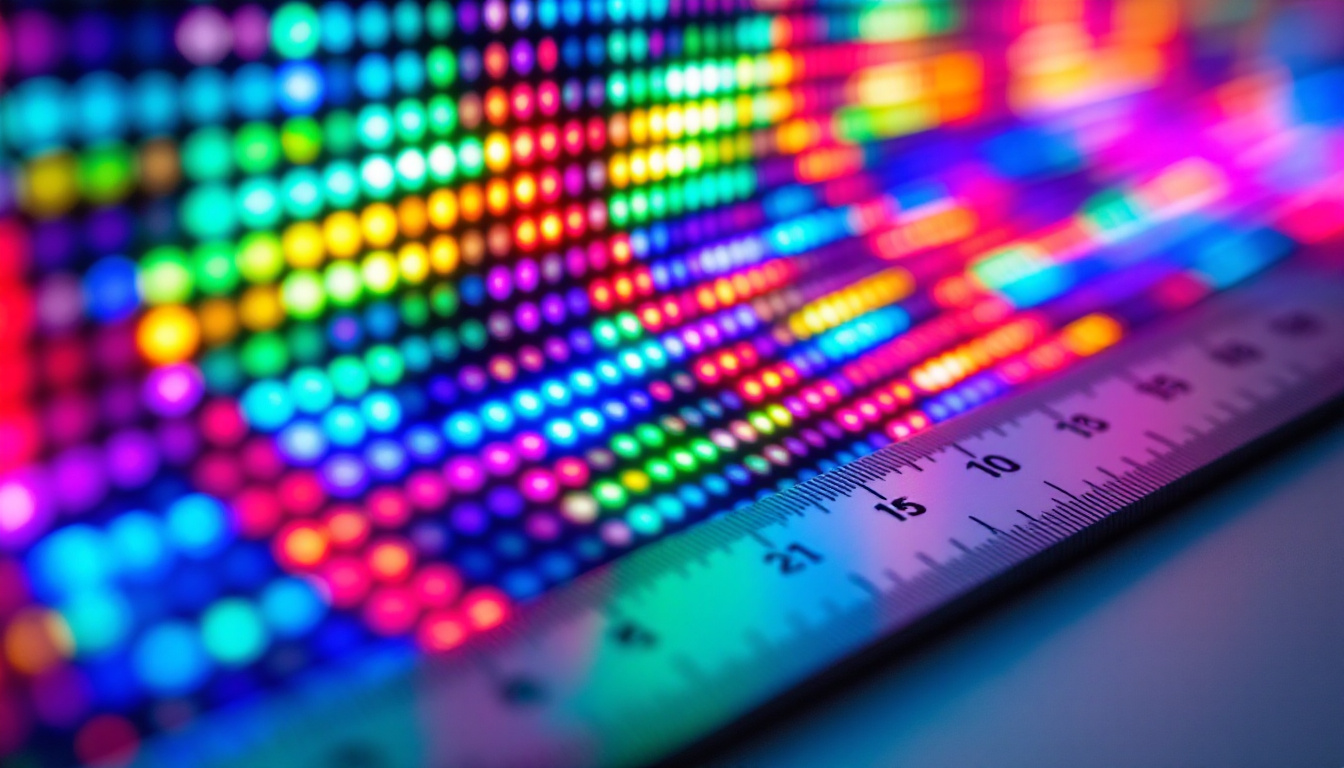
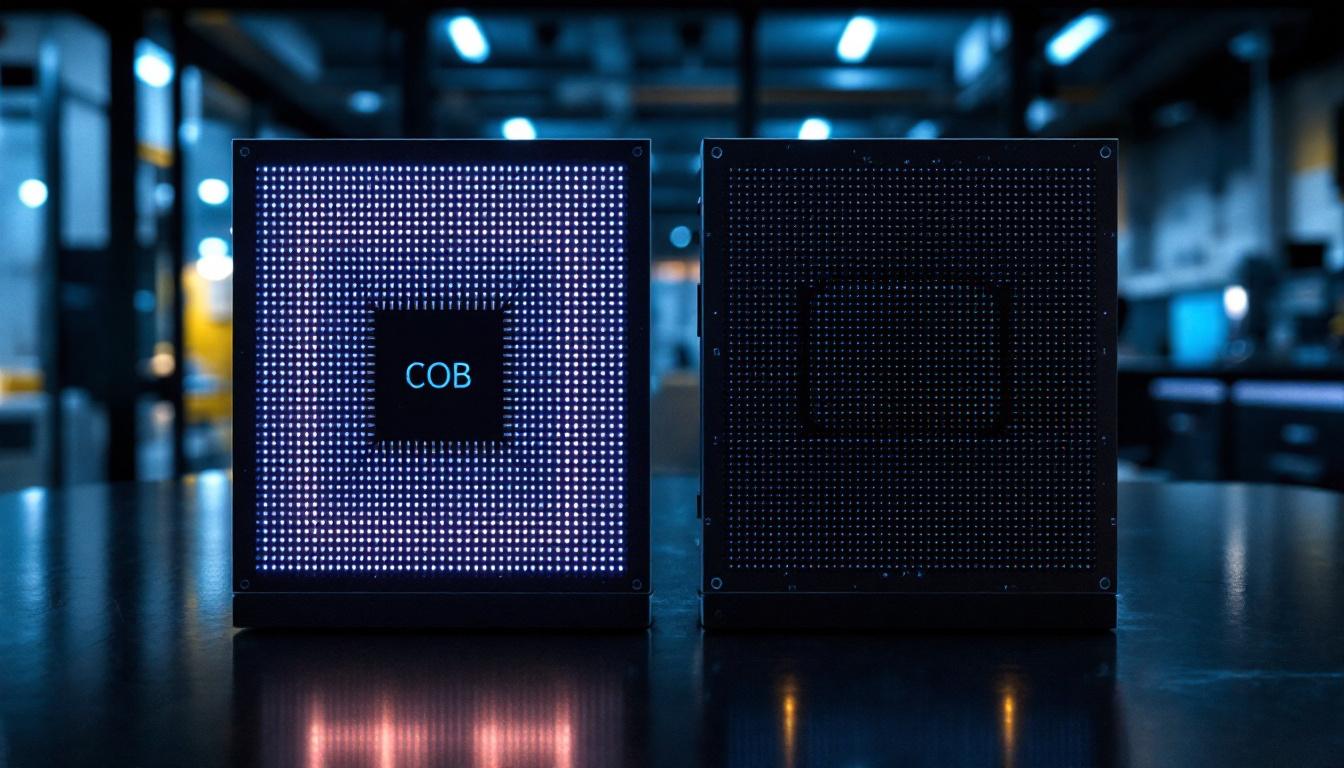
LED displays are built from individual modules, each containing a grid of LEDs. The resolution and clarity of the display depend on the pixel pitch — the distance between the centers of two adjacent pixels. A smaller pixel pitch means higher pixel density, resulting in sharper images. For example, indoor displays often use pixel pitches as small as 1.2mm, while large outdoor displays might have pitches of 10mm or more to ensure visibility from a distance.
In 3D displays like the Godzilla head or 3D cat board, pixel density must be carefully balanced with the curvature and surface area of the display. Engineers use advanced software to map pixels onto the 3D surface, ensuring the content appears natural and distortion-free.
Color and Brightness Control
Modern LED displays use RGB (Red, Green, Blue) LEDs to produce a full spectrum of colors. By varying the intensity of each color, the display can render millions of shades. Brightness is another critical factor, especially for outdoor displays exposed to sunlight. High-brightness LEDs, sometimes exceeding 5,000 nits, ensure visibility even in direct sunlight.
Dynamic brightness control systems adjust the LED output based on ambient lighting conditions, conserving energy and extending the lifespan of the display. This feature is particularly important for installations like the Godzilla head, which operates 24/7 in outdoor environments.
Driving and Control Systems
The content displayed on an LED screen is managed by a control system that processes video signals and converts them into electrical impulses to drive each LED. These systems include video processors, controllers, and software that handle tasks such as scaling, color calibration, and synchronization.
For 3D LED displays, the control system must also handle complex geometric transformations to ensure the content aligns perfectly with the physical shape of the display. This often involves custom software solutions and real-time rendering technologies.
Applications of Shaped and 3D LED Displays
LED displays shaped like iconic figures or animals are more than just technological marvels; they serve a variety of practical and creative purposes across industries.
Advertising and Marketing
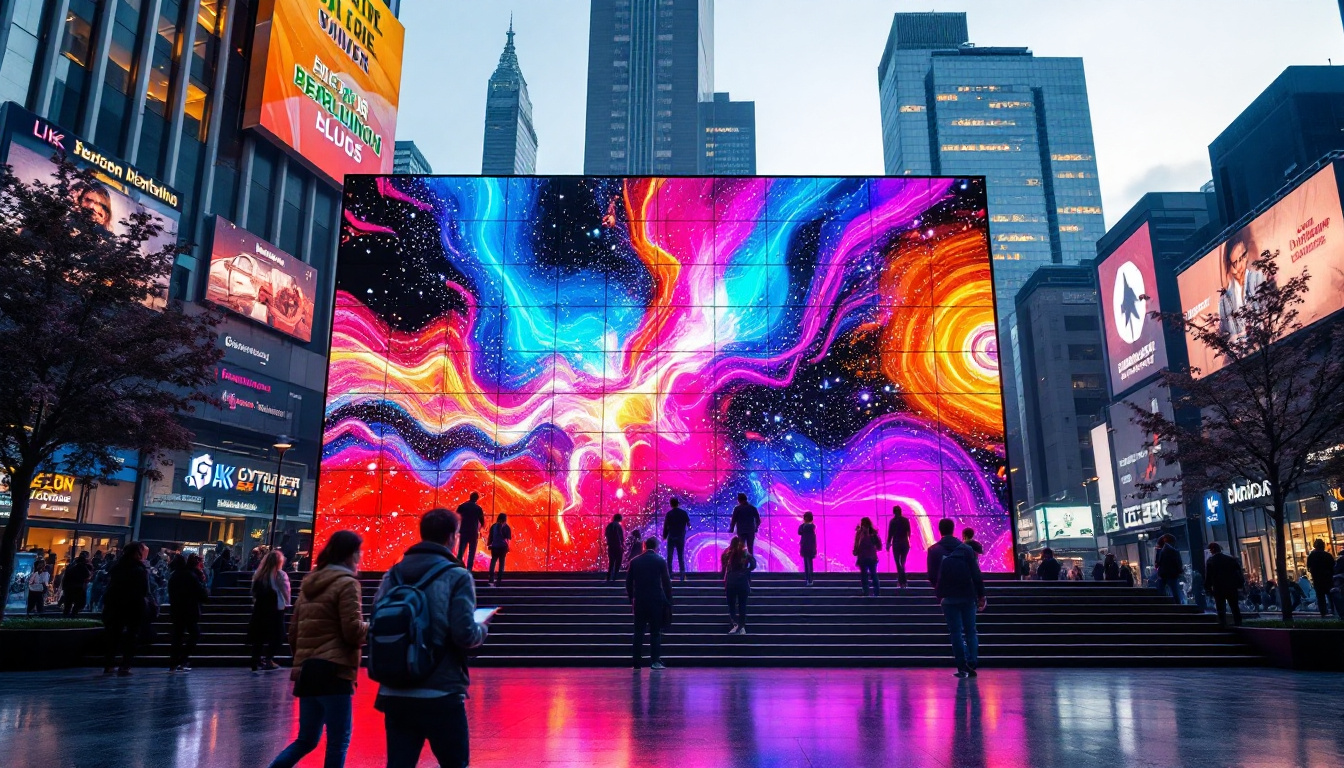
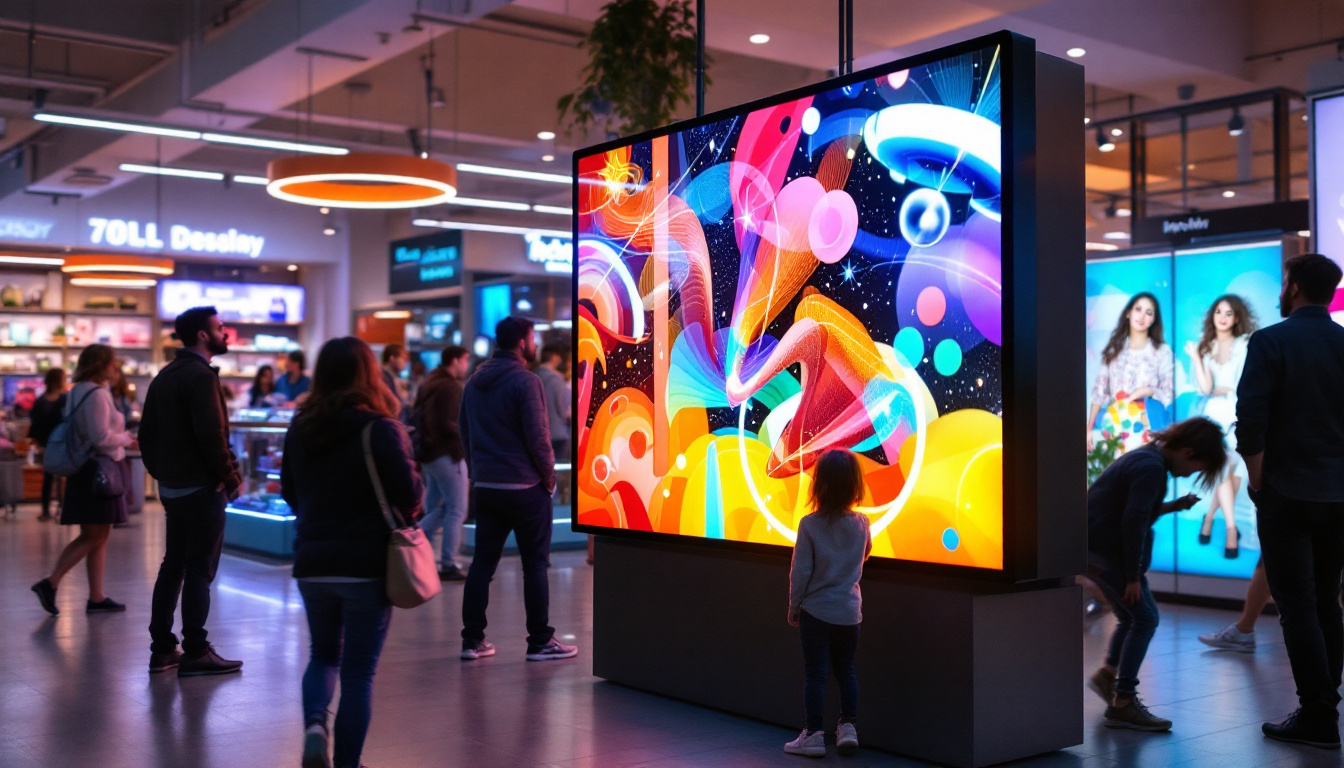
Brands are increasingly leveraging shaped LED displays to create memorable advertising campaigns. A Godzilla head LED display, for instance, can be used to promote movies, events, or products with a strong visual impact that traditional billboards cannot match. Similarly, 3D cat boards can attract attention in retail spaces or public areas, enhancing brand visibility and engagement.
These displays offer interactive possibilities as well, such as motion sensors or augmented reality integration, allowing audiences to engage with the content in innovative ways. Studies show that 3D and shaped displays can increase viewer engagement by up to 60% compared to flat screens, making them a valuable investment for marketers.
Art and Public Installations
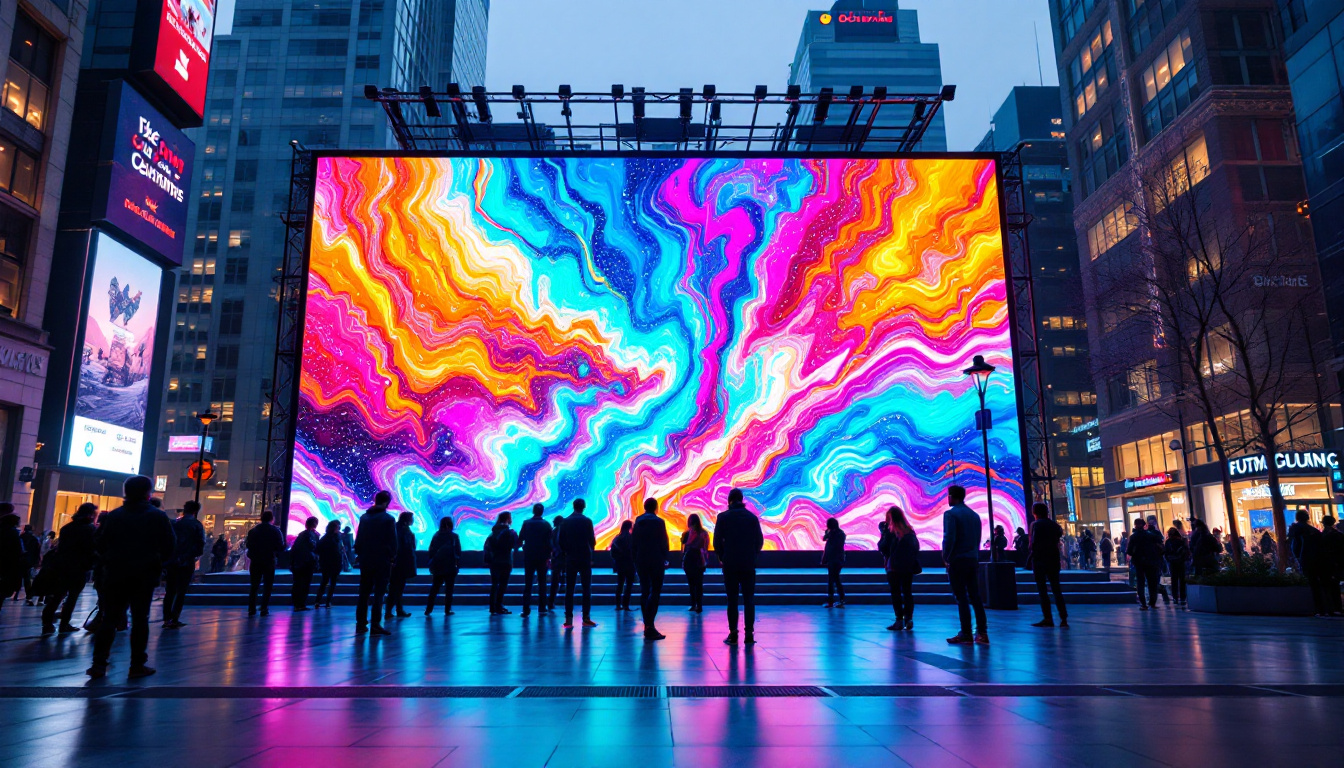
Artists and city planners have embraced shaped LED displays to create immersive public art installations. The ability to mold LED panels into sculptures or thematic shapes adds a new dimension to urban aesthetics. For example, a 3D cat board in a city plaza can become a beloved landmark, combining technology with cultural symbolism.
These installations often incorporate interactive elements and real-time data visualization, such as displaying environmental data or social media feeds, fostering a deeper connection between the community and the artwork.
Entertainment and Events
Concerts, festivals, and theatrical performances utilize shaped LED displays to enhance stage design and audience experience. The flexibility of LED technology allows for custom shapes that complement the theme of the event, creating immersive environments that captivate attendees.
For instance, a Godzilla head LED display can be part of a themed concert backdrop, synchronizing with music and lighting effects to deliver a multi-sensory experience. The modular nature of LED displays also facilitates quick setup and teardown, essential for touring events.
Challenges and Solutions in Creating 3D LED Displays
While the benefits of shaped and 3D LED displays are clear, their creation involves overcoming several technical and logistical challenges.
Structural Design and Durability
Building a 3D LED display requires a robust structural framework that supports the weight of the LED modules while maintaining the intended shape. Materials must be lightweight yet strong, often involving aluminum alloys or composite materials. Additionally, the structure must withstand environmental factors such as wind, rain, and temperature fluctuations, especially for outdoor installations like the Godzilla head.
Engineers use finite element analysis (FEA) to simulate stresses and optimize the design for durability and safety. Protective coatings and weatherproof enclosures further enhance longevity.
Heat Management
LEDs generate heat during operation, which can affect performance and lifespan. In flat displays, heat sinks and ventilation are standard solutions, but in complex 3D shapes, heat dissipation becomes more challenging due to irregular surfaces and enclosed spaces.
Innovative cooling solutions, such as integrated heat pipes, active cooling fans, and thermally conductive materials, are employed to maintain optimal operating temperatures. Proper thermal management ensures consistent brightness and prevents premature LED failure.
Content Creation and Mapping
Designing content for 3D LED displays demands specialized skills. Content creators must account for the display’s geometry to avoid distortion and ensure visual coherence. This process, known as pixel mapping or content warping, involves using 3D modeling software and custom playback systems.
Collaboration between designers, engineers, and software developers is crucial to produce content that leverages the unique capabilities of shaped LED displays while delivering a seamless viewing experience.
The Future of LED Display Technology
The LED display industry continues to innovate, driven by advancements in materials science, electronics, and software. Several emerging trends promise to further revolutionize shaped and 3D LED displays.
MicroLED and MiniLED Technologies
MicroLED and MiniLED technologies offer higher resolution, improved brightness, and better energy efficiency compared to traditional LEDs. MicroLEDs, in particular, consist of microscopic LEDs that can be densely packed to create ultra-high-definition displays with superior color accuracy and contrast.
These technologies will enable even more intricate and visually stunning 3D LED displays, expanding possibilities for applications in retail, entertainment, and public art.
Flexible and Transparent Displays
Flexible LED panels allow displays to bend and conform to complex shapes without compromising performance. Transparent LED displays, meanwhile, enable screens that can be integrated into glass surfaces, creating futuristic effects such as see-through billboards or augmented reality windows.
Combining flexibility and transparency will open new avenues for creative expression and functional design, making LED displays an integral part of smart cities and interactive environments.
Integration with AI and IoT
Artificial Intelligence (AI) and the Internet of Things (IoT) are transforming how LED displays operate. AI algorithms can optimize content delivery based on audience demographics, weather conditions, or time of day, enhancing engagement and efficiency.
IoT connectivity allows displays to communicate with other devices and systems, enabling real-time data visualization, remote management, and predictive maintenance. This integration will make shaped LED displays smarter, more responsive, and easier to maintain.
Conclusion
From the towering Godzilla head LED display to the charming 3D cat board, shaped and 3D LED displays represent a fusion of technology, art, and engineering that captivates audiences worldwide. Understanding the technology behind these displays reveals the complexity and innovation required to bring such visions to life.
As LED technology continues to advance, the possibilities for creative expression and practical applications will only expand. Whether for advertising, public art, or entertainment, shaped LED displays are set to become even more immersive, interactive, and integral to the visual landscape of the future.
Illuminate Your Vision with LumenMatrix
Ready to transform your space with the magic of LED displays? LumenMatrix is at the forefront of LED display technology, offering a wide array of innovative solutions that bring your creative concepts to life. Whether you’re looking to captivate with an Indoor LED Wall Display, make a bold statement with an Outdoor LED Wall Display, or create a unique experience with Custom LED Displays, we have the expertise to elevate your visual storytelling. Experience the future of visual engagement with our LED Sports Displays, Floor LED Displays, and revolutionary Transparent LED Displays. Check out LumenMatrix LED Display Solutions today and let us help you share your message with the world in an unforgettable way.