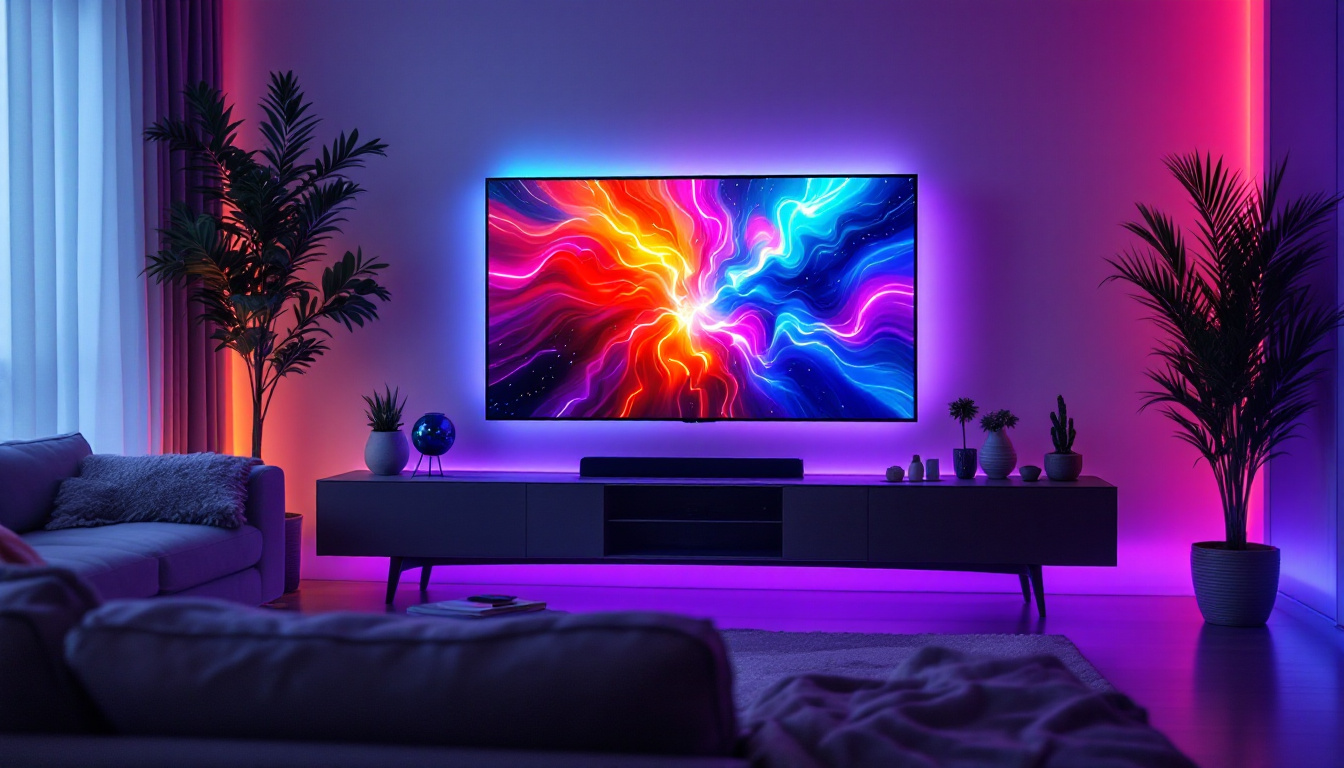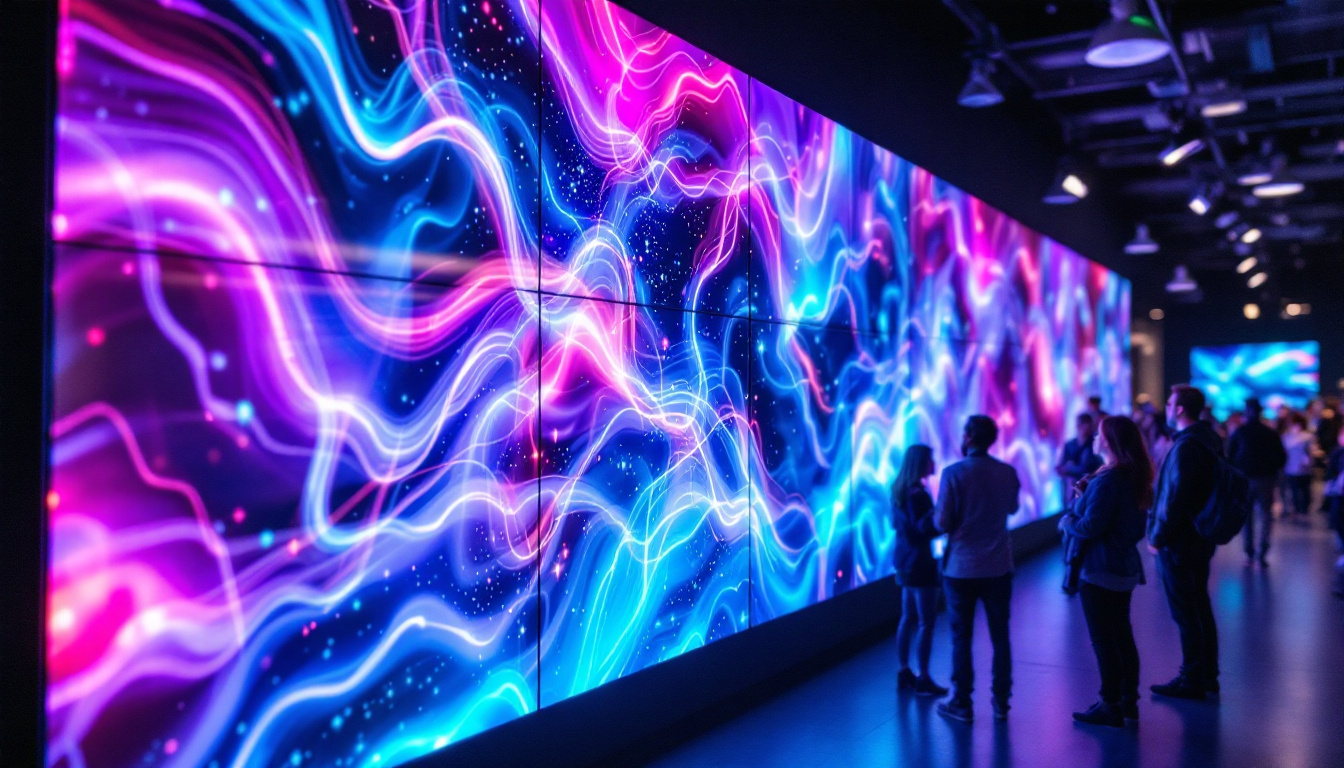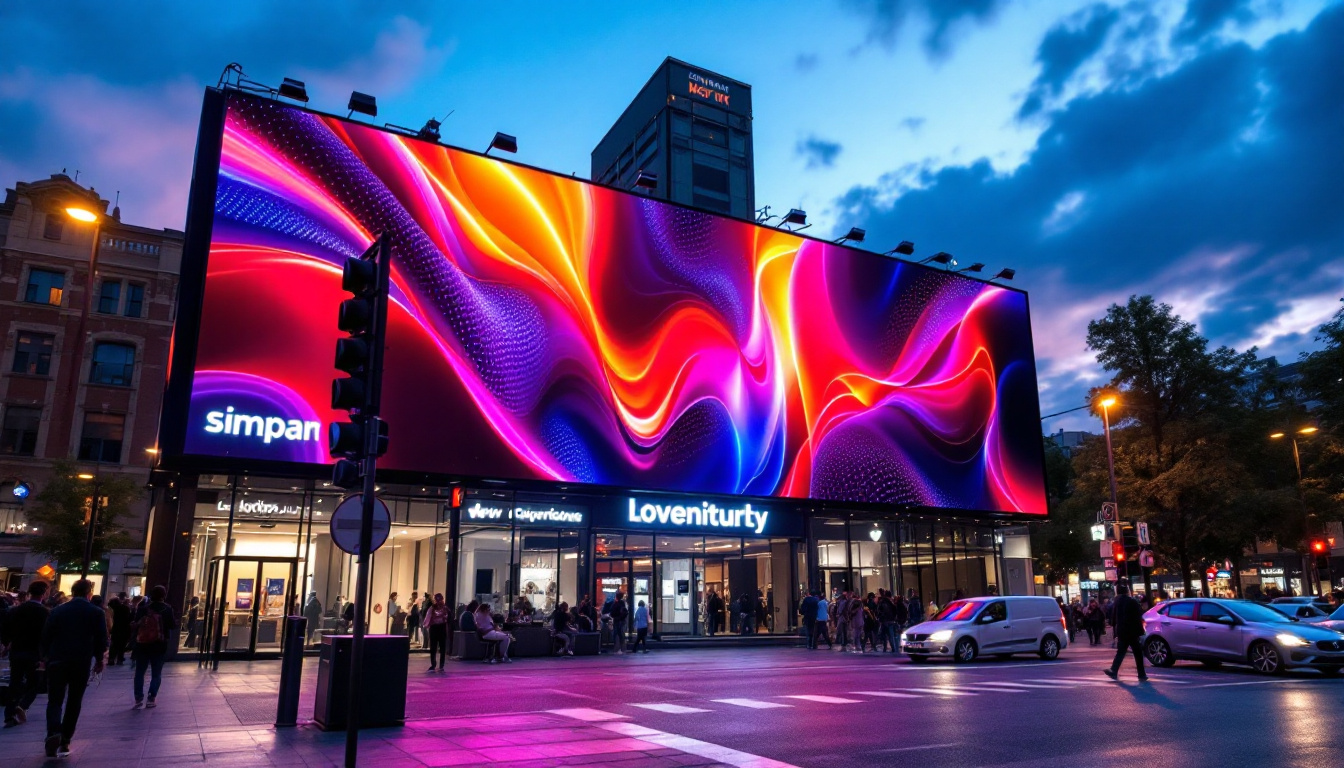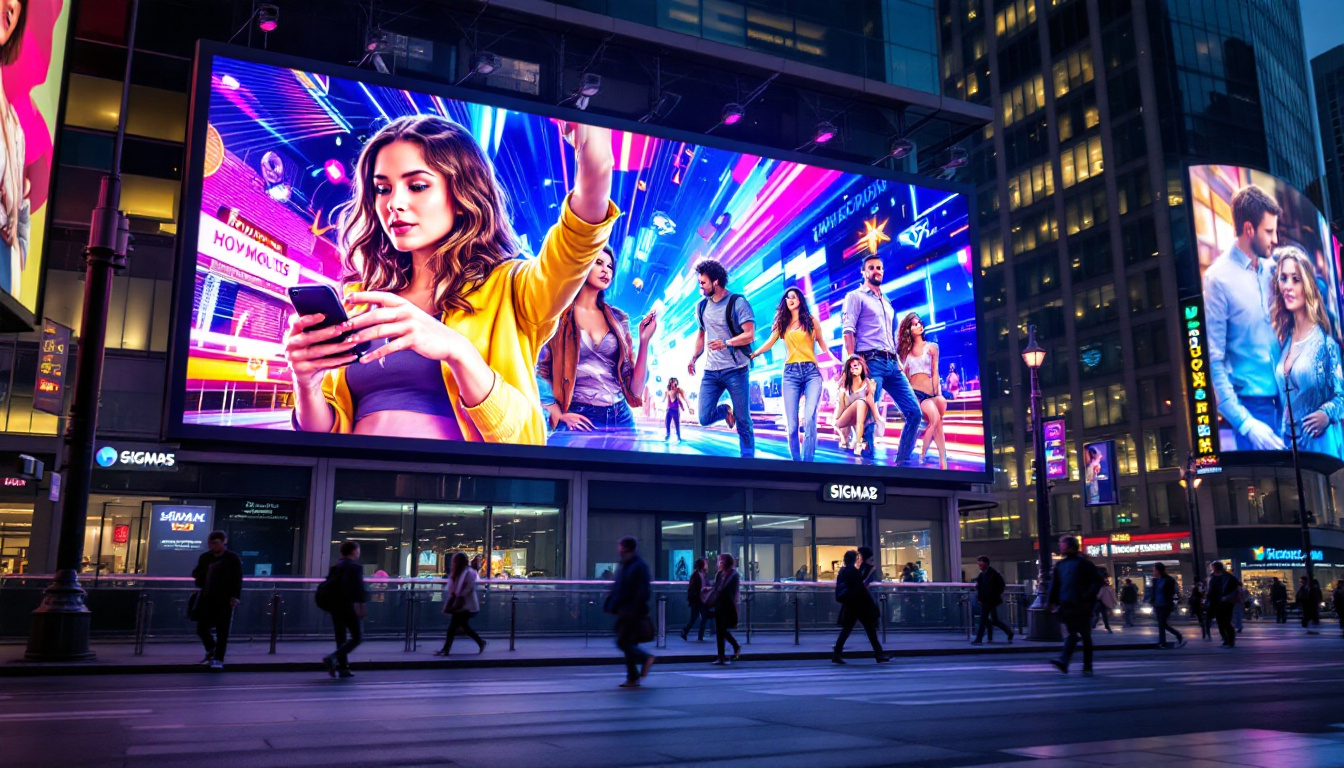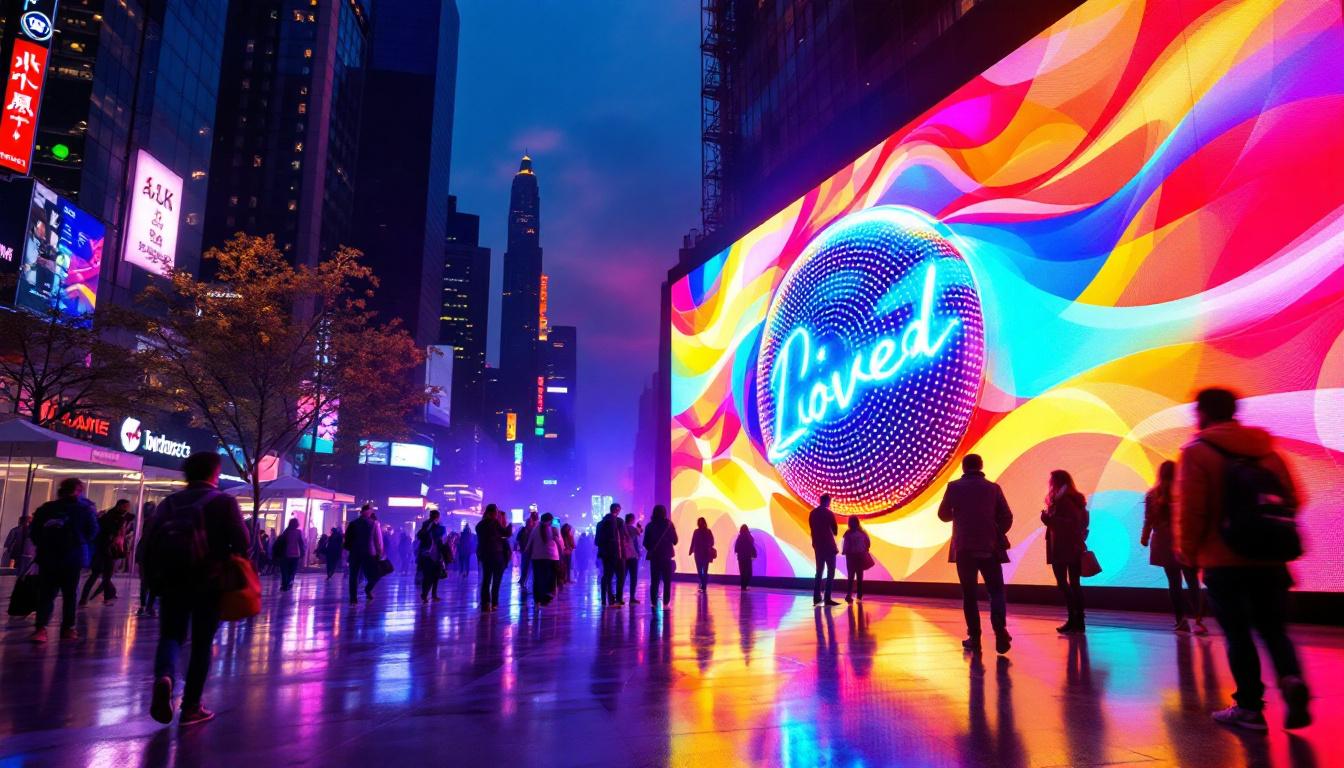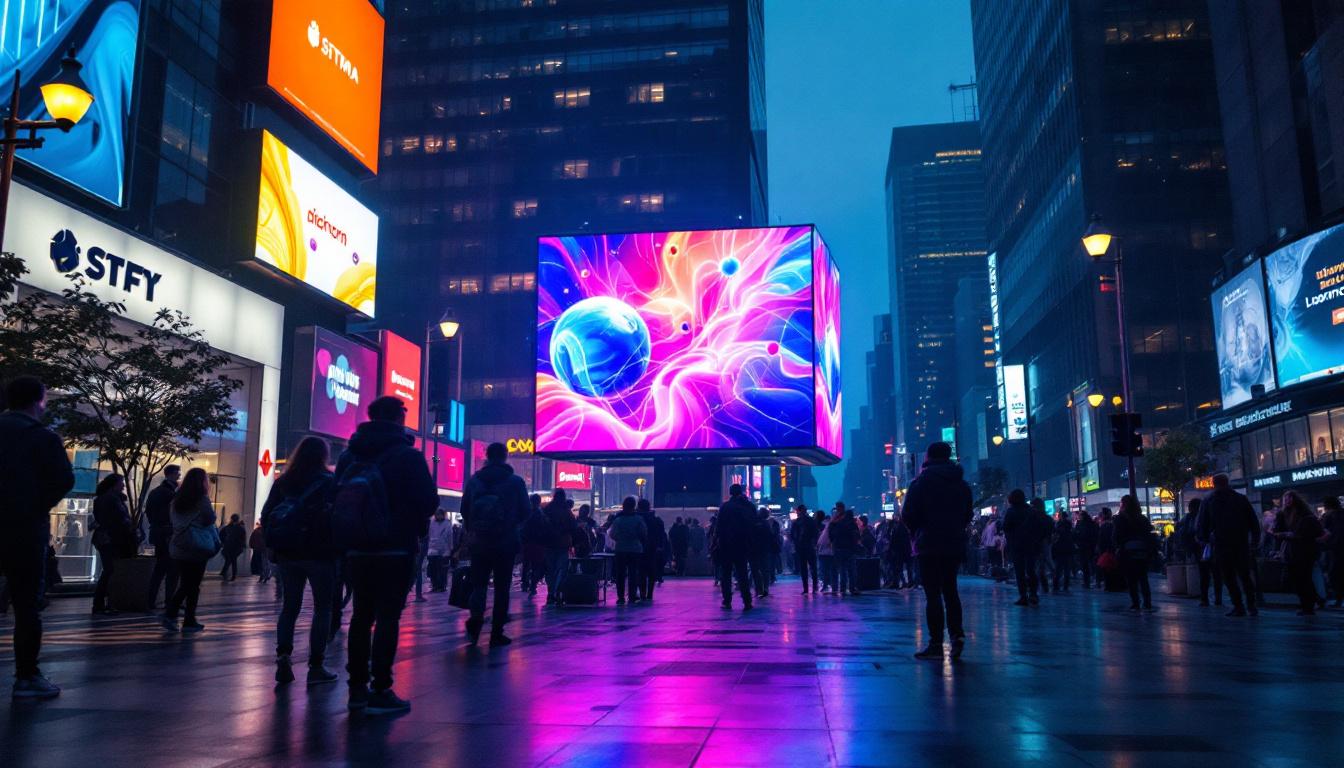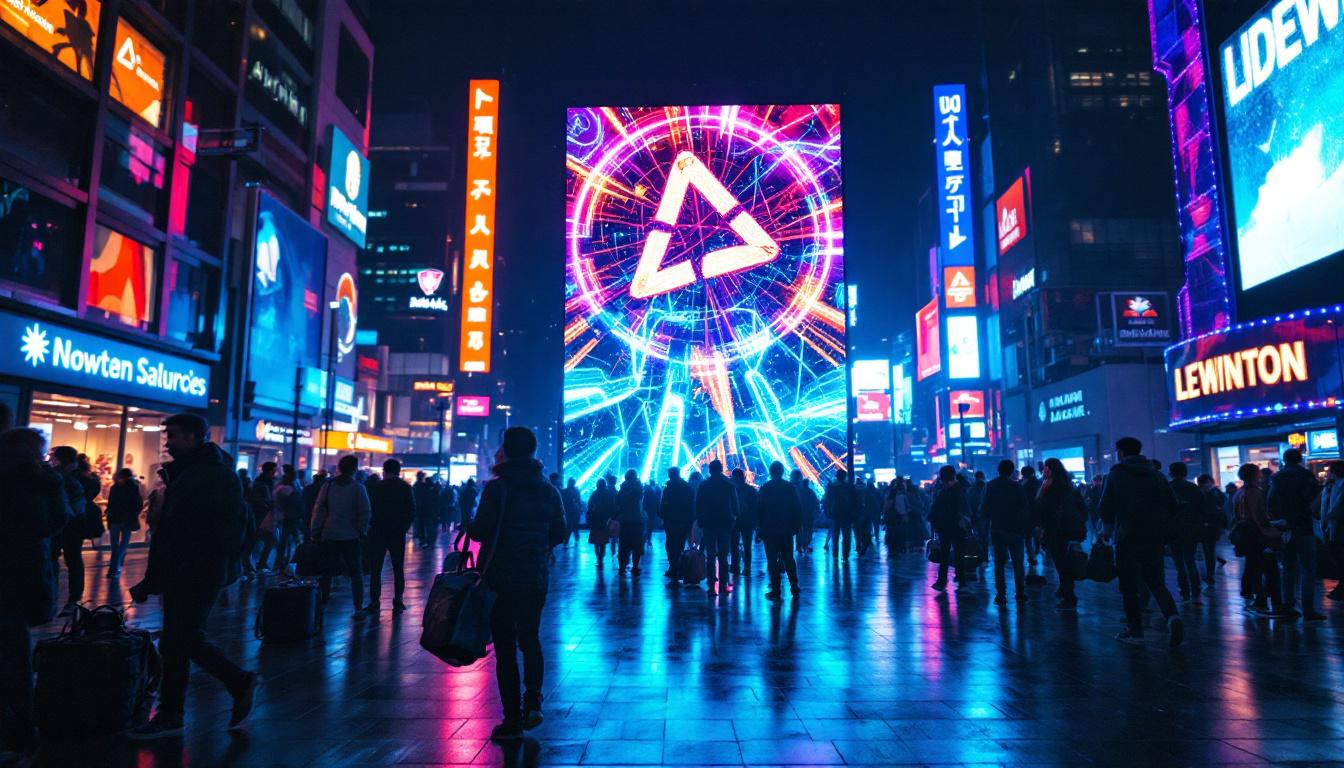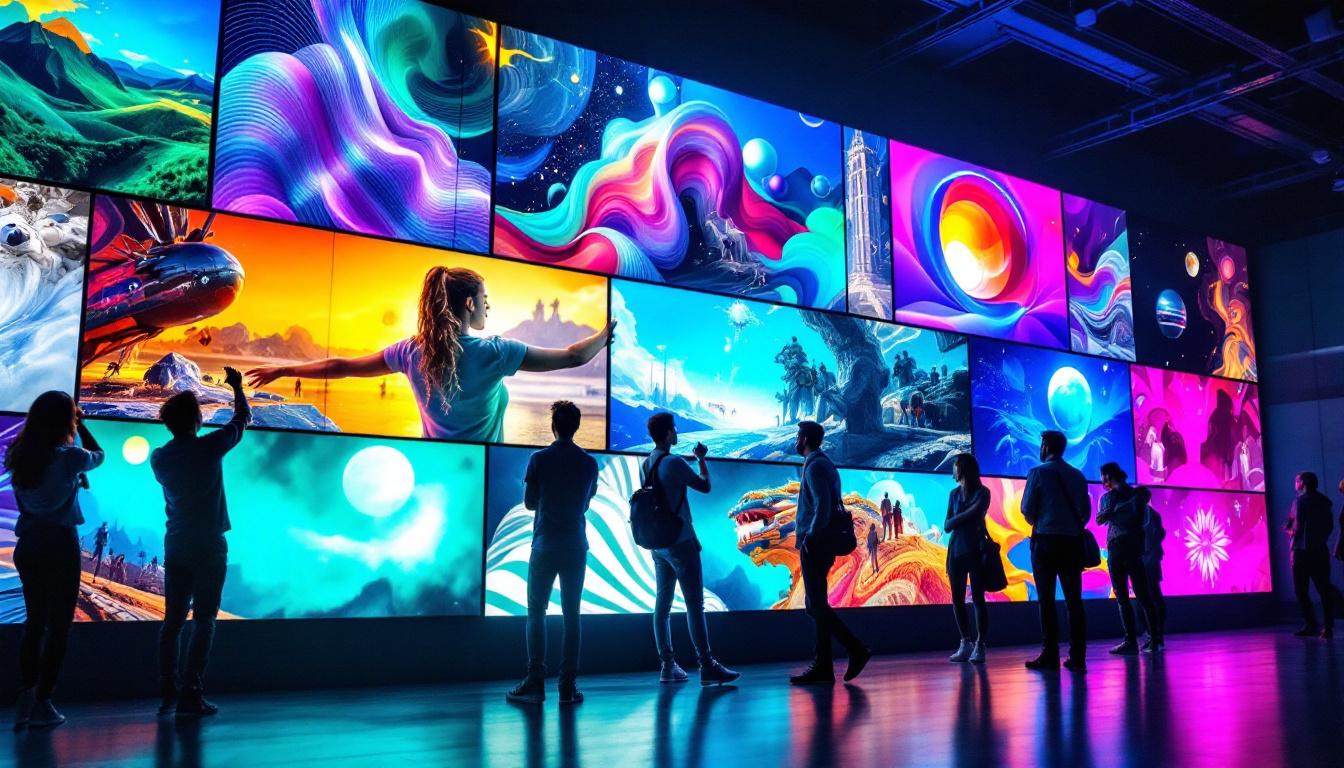
In the realm of digital signage and large-scale visual presentations, the HDMI video wall controller has become an indispensable tool. These devices enable the seamless management and display of content across multiple screens, creating a unified, high-impact visual experience. When paired with LED displays, video walls offer unparalleled brightness, clarity, and versatility, making them ideal for a wide range of applications from corporate environments to public venues.
Understanding HDMI Video Wall Controllers
An HDMI video wall controller is a hardware device designed to split, scale, and distribute video signals across multiple display panels. Unlike traditional single-screen setups, video walls require precise synchronization to ensure that content appears continuous and coherent across all screens. HDMI controllers are particularly popular due to their ability to handle high-definition digital signals with minimal latency and signal degradation.
Modern HDMI video wall controllers support various input sources, including computers, media players, and cameras, making them highly adaptable. They often come with user-friendly interfaces that allow operators to customize layouts, adjust resolutions, and manage multiple content streams simultaneously. This flexibility is crucial for environments that demand dynamic content switching and real-time updates.
Key Features of HDMI Video Wall Controllers
Several features distinguish HDMI video wall controllers from other types of video processing equipment:
- Multi-Input Support: Ability to accept multiple HDMI inputs from different devices, enabling diverse content sources.
- High-Resolution Output: Support for 4K and even 8K resolutions ensures crisp, detailed images across large display arrays.
- Scalability: Controllers can manage anything from a 2×2 video wall to expansive setups with dozens of screens.
- Real-Time Control: Software integration allows for live content management, including window resizing, cropping, and layering.
- Low Latency: Essential for applications such as live events or interactive displays where timing is critical.
In addition to these features, many HDMI video wall controllers come equipped with advanced processing capabilities, such as image enhancement technologies that can improve color accuracy and contrast. This is particularly beneficial in environments like museums or galleries, where visual fidelity is paramount. Furthermore, some models offer built-in video wall management software, allowing users to create and save custom layouts for different events or presentations, streamlining the setup process for future use.
Another noteworthy aspect of HDMI video wall controllers is their compatibility with various network protocols, enabling remote management and monitoring. This feature is invaluable in large installations, such as corporate offices or control rooms, where operators may need to adjust settings or troubleshoot issues from a distance. Additionally, many controllers support integration with third-party applications, providing even greater flexibility in content delivery and enhancing the overall user experience.
The Role of LED Displays in Video Walls
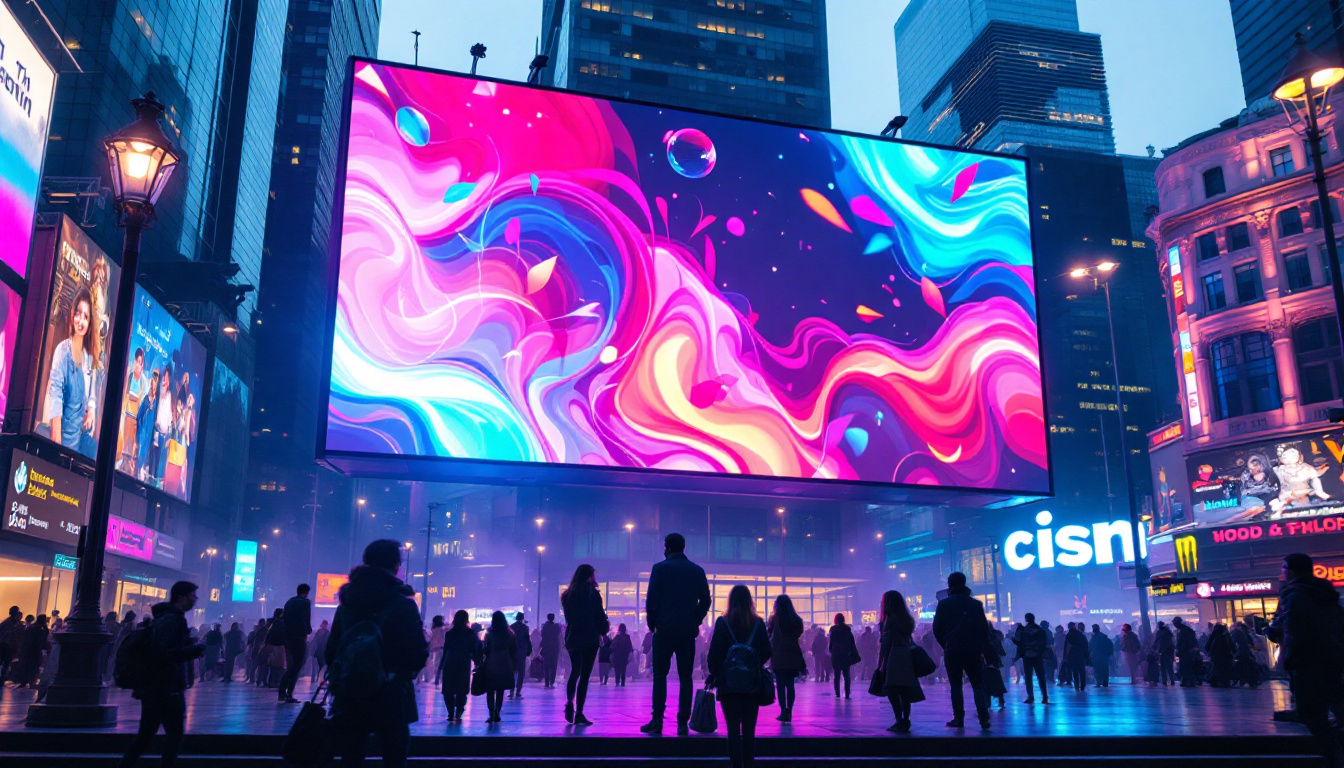
LED (Light Emitting Diode) displays have revolutionized the way video walls are constructed and utilized. Unlike LCD or projection-based systems, LED displays offer superior brightness, contrast, and viewing angles. This makes them particularly well-suited for environments with high ambient light or where vivid color reproduction is essential. The ability of LED displays to maintain clarity and vibrancy in various lighting conditions has made them a popular choice for venues such as stadiums, airports, and retail spaces, where capturing the attention of passersby is crucial.
LED video walls are composed of numerous small LED modules tiled together to form a single, large display surface. The modular nature of LED panels allows for flexible sizing and aspect ratios, accommodating custom installation requirements with ease. This flexibility not only facilitates creative designs but also enables businesses to adapt their displays to different marketing campaigns or events, ensuring that the visual experience remains fresh and engaging for audiences. Furthermore, advancements in technology have led to the development of ultra-thin and lightweight LED panels, making installation and maintenance more convenient than ever.
Advantages of LED Displays for Video Walls
When combined with HDMI video wall controllers, LED displays offer several compelling benefits:
- Brightness and Visibility: LED panels can achieve brightness levels exceeding 1,000 nits, ensuring clear visibility even in direct sunlight.
- Color Accuracy and Consistency: Advanced calibration techniques maintain uniform color and brightness across the entire wall.
- Durability and Longevity: LEDs have long lifespans, often exceeding 100,000 hours, reducing maintenance costs.
- Seamless Image Quality: Narrow bezels or bezel-less designs minimize visual interruptions between panels.
- Energy Efficiency: LEDs consume less power compared to other display technologies, which is beneficial for large installations.
In addition to these advantages, LED displays are also highly versatile in terms of content delivery. They can seamlessly integrate with various media sources, allowing for dynamic content changes that can be scheduled or triggered in real-time. This capability is particularly useful for businesses looking to promote time-sensitive offers or events, as the display can be updated instantly to reflect the latest information. Moreover, the ability to display high-definition video and graphics enhances the overall viewer experience, making LED video walls an effective tool for storytelling and brand engagement.
Another significant aspect of LED technology is its impact on audience interaction. Many modern LED video walls are equipped with touch capabilities or can be linked to interactive applications, allowing viewers to engage directly with the content. This interactivity not only captivates audiences but also provides valuable data insights into viewer preferences and behaviors, enabling businesses to tailor their marketing strategies more effectively. As the technology continues to evolve, the potential applications for LED video walls are expanding, promising even more innovative ways to connect with audiences in the future.
How HDMI Video Wall Controllers and LED Displays Work Together
The synergy between HDMI video wall controllers and LED displays is what enables the creation of stunning visual experiences. The controller acts as the brain of the system, processing incoming video signals and distributing them appropriately across the LED panels. This coordination ensures that each panel displays the correct portion of the image without distortion or lag.
For example, in a 3×3 LED video wall, the controller splits the source video into nine segments. Each segment is sent to a specific LED panel, which then displays its part of the overall image. The controller manages synchronization so that the transitions between panels are imperceptible to viewers.
Installation and Configuration Considerations
Setting up an HDMI video wall controller with LED displays requires careful planning and technical expertise. Key considerations include:
- Resolution Matching: Ensuring the controller supports the native resolution of the LED panels to avoid scaling artifacts.
- Signal Integrity: Using high-quality HDMI cables and repeaters to maintain signal quality over long distances.
- Content Management: Selecting software that integrates with the controller for easy content scheduling and layout adjustments.
- Heat Dissipation: LED panels and controllers generate heat; adequate ventilation and cooling are necessary to maintain performance.
- Physical Mounting: Precise alignment and secure mounting of LED panels to maintain image continuity and prevent damage.
Applications of HDMI Video Wall Controllers with LED Displays
The combination of HDMI video wall controllers and LED displays has found applications across various industries, transforming how information and entertainment are delivered.
Corporate and Control Rooms
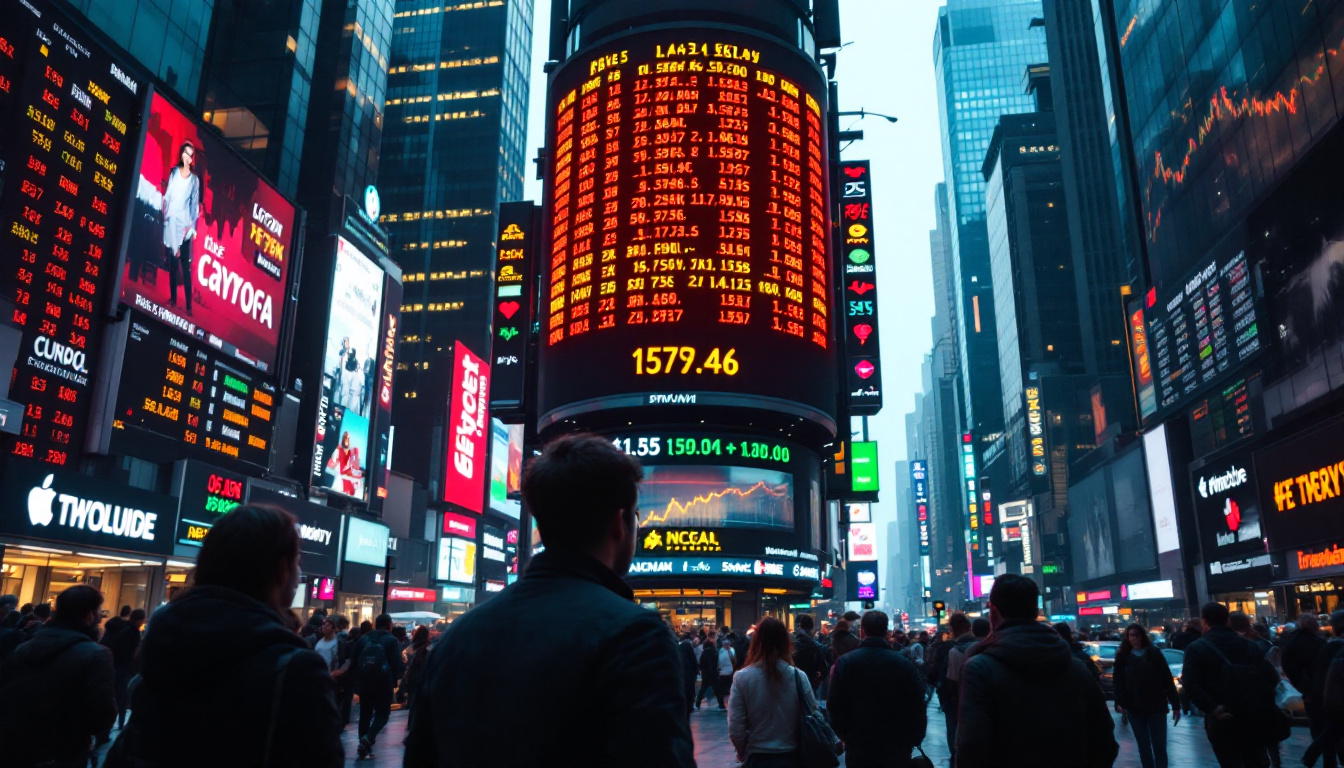
In corporate boardrooms and control centers, video walls provide real-time data visualization and collaborative environments. HDMI controllers enable the display of multiple data streams, video feeds, and presentations simultaneously. For instance, financial institutions use video walls to monitor stock market activity, while emergency response centers rely on them for situational awareness.
Retail and Advertising
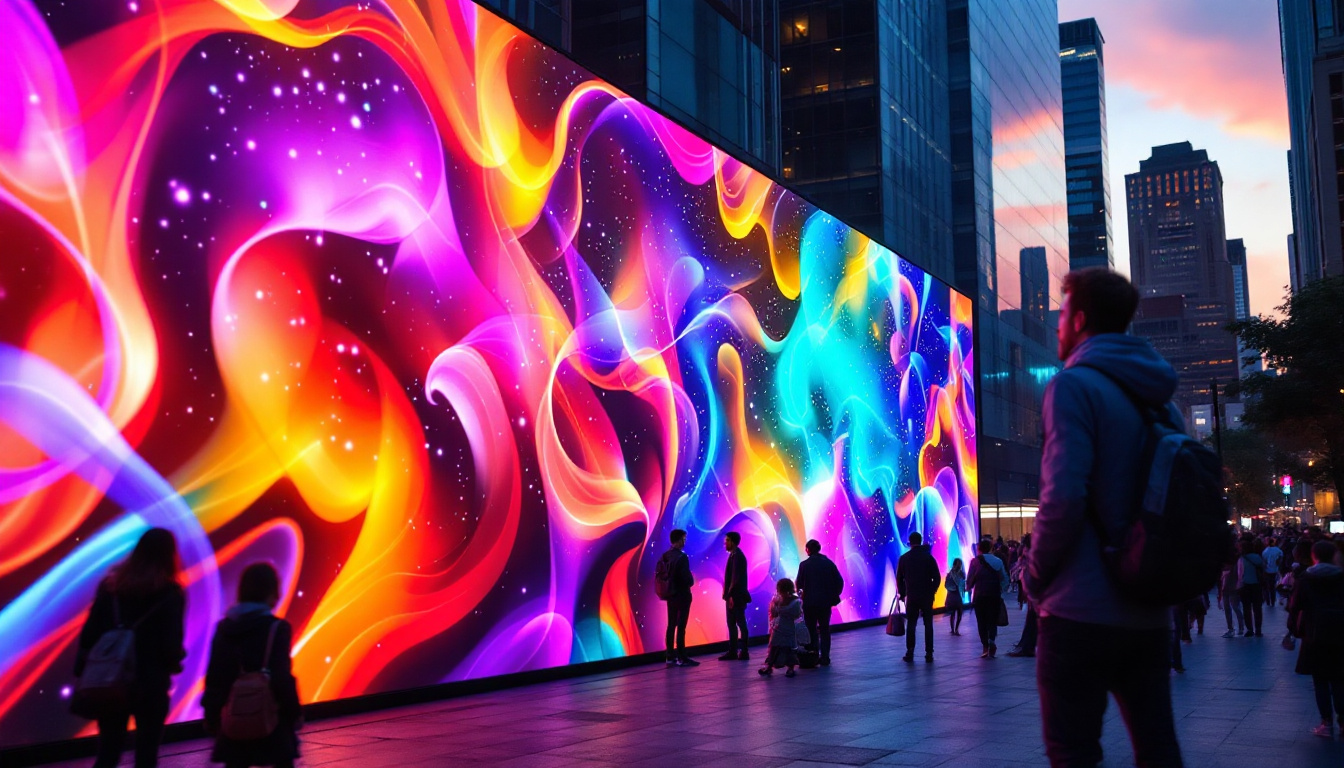
Retailers leverage LED video walls to create immersive brand experiences and dynamic advertising displays. The high brightness and vivid colors of LED panels attract customer attention even in brightly lit stores or outdoor environments. HDMI controllers allow marketers to update content instantly, tailoring promotions based on time of day or customer demographics.
Entertainment and Events
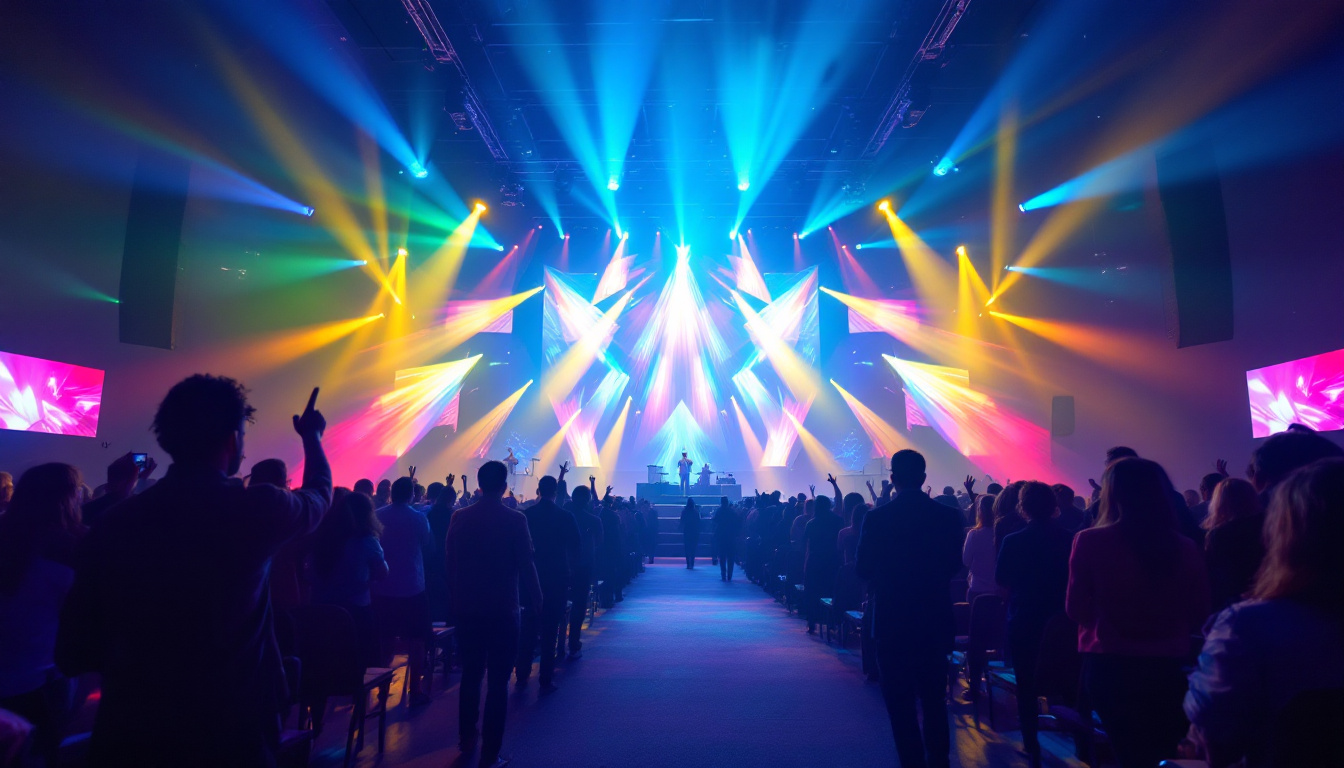
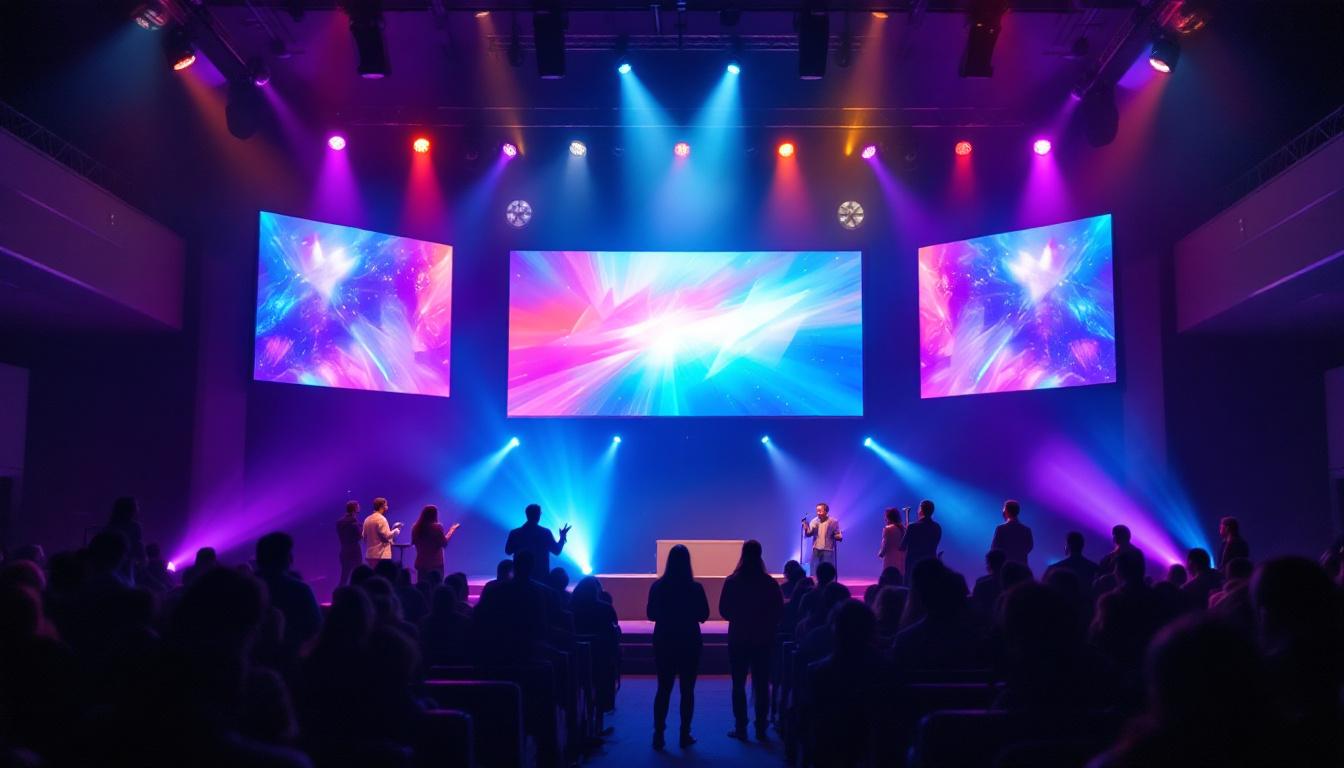
Concerts, sports arenas, and theaters utilize LED video walls to enhance audience engagement. With HDMI video wall controllers, event organizers can switch between live feeds, graphics, and interactive content seamlessly. The scalability of LED displays means they can be customized to fit any stage or venue size.
Transportation Hubs
Airports, train stations, and bus terminals use LED video walls for wayfinding, announcements, and advertising. The durability and brightness of LED panels ensure messages remain visible despite varying lighting conditions and heavy foot traffic. HDMI controllers facilitate centralized control, enabling quick updates across multiple screens.
Future Trends and Innovations
The field of HDMI video wall controllers and LED displays continues to evolve rapidly. Emerging technologies and market demands are driving innovations that promise even more impressive capabilities.
Higher Resolutions and HDR Support
With 8K content becoming more accessible, HDMI video wall controllers are increasingly supporting ultra-high resolutions and High Dynamic Range (HDR). This enhances image depth and color range, delivering more lifelike visuals that captivate audiences.
Artificial Intelligence and Automation
AI-powered content management systems are beginning to integrate with video wall controllers, enabling automated content optimization based on viewer behavior and environmental factors. This can improve engagement and reduce manual intervention.
Wireless and Networked Solutions
Advancements in wireless HDMI technology and IP-based video distribution are making installation more flexible. Networked controllers allow for remote management and monitoring, simplifying maintenance and enabling distributed video walls across multiple locations.
Conclusion
HDMI video wall controllers paired with LED displays represent a powerful combination for delivering large-scale, high-quality visual content. Their ability to handle complex video processing and provide bright, vibrant imagery makes them ideal for a broad spectrum of applications. As technology advances, these systems will continue to offer enhanced features, greater flexibility, and improved user experiences, solidifying their role in the future of digital display solutions.
Explore Cutting-Edge LED Display Solutions with LumenMatrix
Ready to elevate your visual presentations to the next level? Discover the innovative world of LumenMatrix, where state-of-the-art LED display technology meets creative design. From vibrant Indoor and Outdoor LED Wall Displays to dynamic Vehicle and Sports LED Displays, LumenMatrix offers a wide array of solutions tailored to your unique needs. Experience the future of digital signage with our Custom, All-in-One, and Transparent LED Displays, designed to captivate your audience and amplify your message. Don’t miss the opportunity to transform your space with our LED display modules. Check out LumenMatrix LED Display Solutions today and see your vision come to life.