In the realm of modern audiovisual technology, the HDMI wall matrix combined with LED displays has become a cornerstone for delivering high-quality, scalable visual experiences. Whether in corporate boardrooms, control centers, broadcast studios, or large-scale event venues, understanding how HDMI wall matrices integrate with LED displays is essential for professionals aiming to optimize their AV setups.
What is an HDMI Wall Matrix?
An HDMI wall matrix is a sophisticated switching device that allows multiple HDMI sources to be routed to multiple display outputs independently. Unlike simple HDMI switches or splitters, which offer limited routing capabilities, a wall matrix provides dynamic control over which source feeds which display, often simultaneously.
This flexibility is crucial in environments where content from various devices—such as computers, media players, cameras, or streaming devices—needs to be displayed on multiple screens or combined into video walls. The matrix can handle high-resolution signals, including 4K and even 8K, while maintaining signal integrity and minimizing latency. In settings like conference rooms, control centers, or entertainment venues, the ability to switch between sources quickly and efficiently can significantly enhance the user experience and streamline presentations or broadcasts.
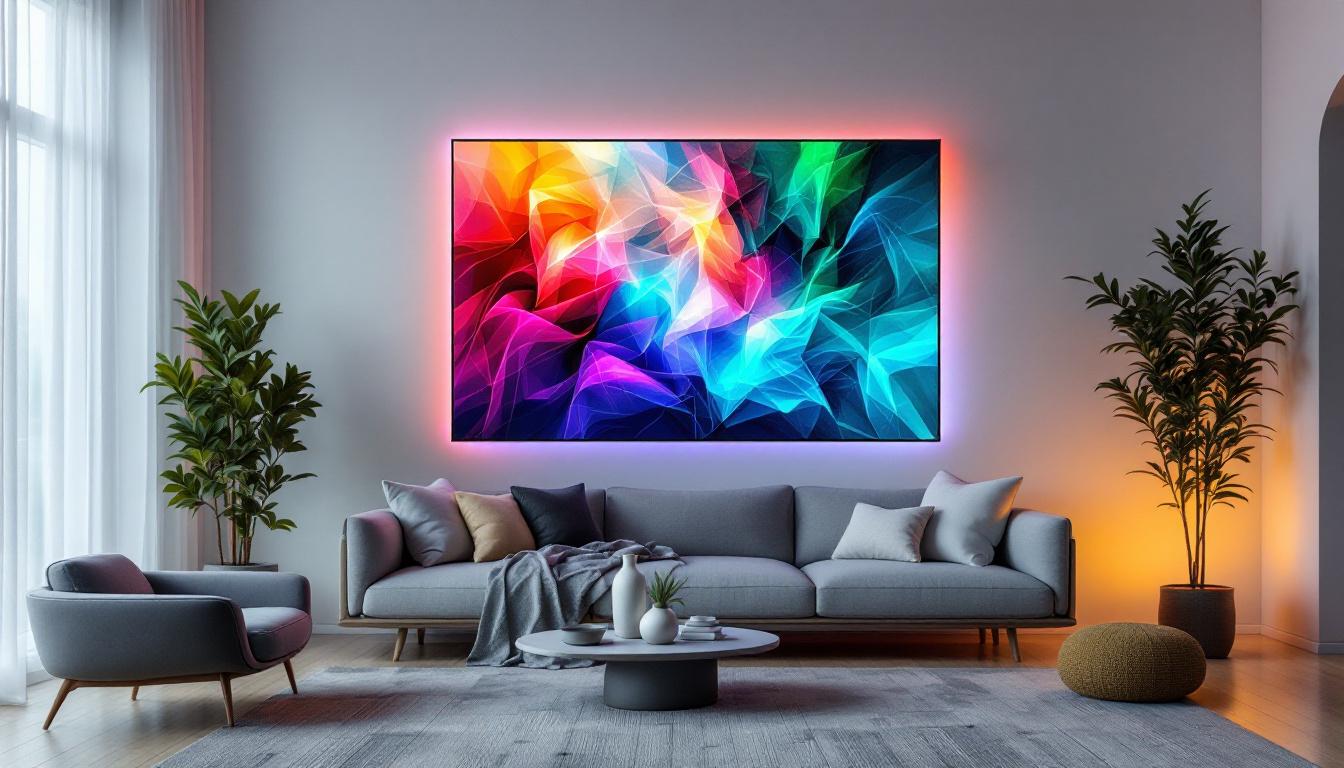
Moreover, HDMI wall matrices are increasingly being utilized in residential setups, where homeowners desire a centralized solution for managing multiple media sources throughout their living spaces. With the rise of smart homes and integrated entertainment systems, these devices allow for seamless transitions between different media sources, ensuring that family members can enjoy their favorite shows or games on any screen in the house without the hassle of manually switching cables or devices.
Key Features of HDMI Wall Matrices
Modern HDMI wall matrices typically support:
- Multiple Inputs and Outputs: Ranging from 4×4 to 32×32 or more, accommodating complex setups.
- High-Resolution Support: Including 4K UHD at 60Hz, HDR formats, and HDCP compliance for protected content.
- EDID Management: Ensuring compatibility between sources and displays by managing display capabilities.
- Control Interfaces: Integration with RS-232, IP control, or dedicated software for seamless management.
- Audio Extraction and Embedding: Allowing separate audio routing or embedding audio into HDMI streams.
In addition to these features, many HDMI wall matrices come equipped with advanced capabilities such as video scaling, which adjusts the resolution of the output to match the display’s specifications, ensuring optimal visual quality. Some models also offer remote management options, allowing users to control the matrix from anywhere within a network, which is particularly beneficial for large installations where physical access may be limited. Furthermore, the ability to create custom presets for specific configurations can save time and enhance productivity, making it easier for users to switch between different setups for various events or presentations.
Understanding LED Displays in Video Walls
LED displays have revolutionized large-format visual presentations. Unlike traditional LCD or projection-based systems, LED video walls are composed of numerous individual light-emitting diodes that create bright, vibrant images with excellent contrast and viewing angles. The technology behind LED displays allows for a dynamic range of colors, making them particularly effective for showcasing high-definition video content and intricate graphics. This capability has made them a popular choice not only for entertainment venues but also for educational institutions and corporate environments, where visual clarity is paramount.
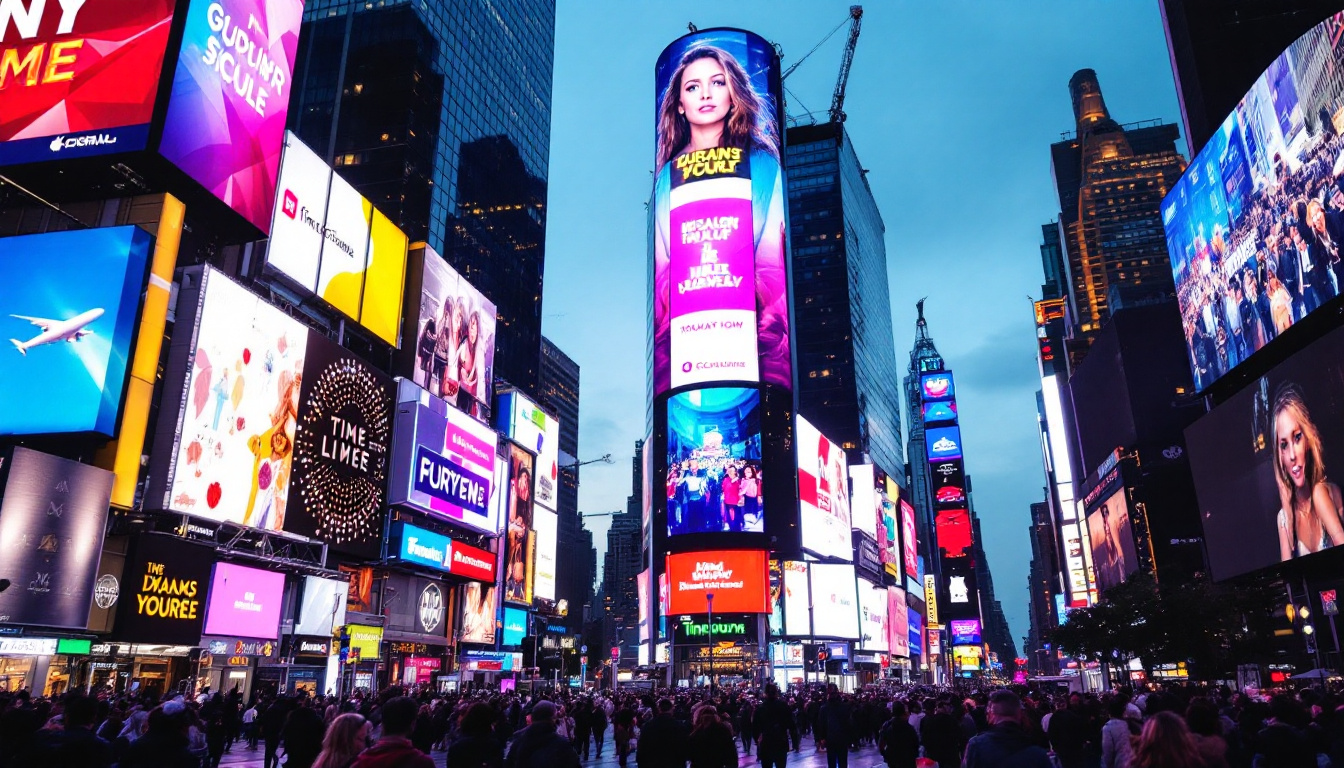
LED technology is especially favored for its scalability and durability. Panels can be tiled seamlessly to create massive displays without visible bezels, making them ideal for immersive environments such as stadiums, control rooms, and advertising billboards. Furthermore, the longevity of LED components means that these displays often have lower maintenance costs over time compared to their counterparts. The energy efficiency of LED technology also contributes to reduced operational costs, making it an environmentally friendly option for large-scale installations.
Types of LED Displays
LED displays come in various forms, each suited to different applications:
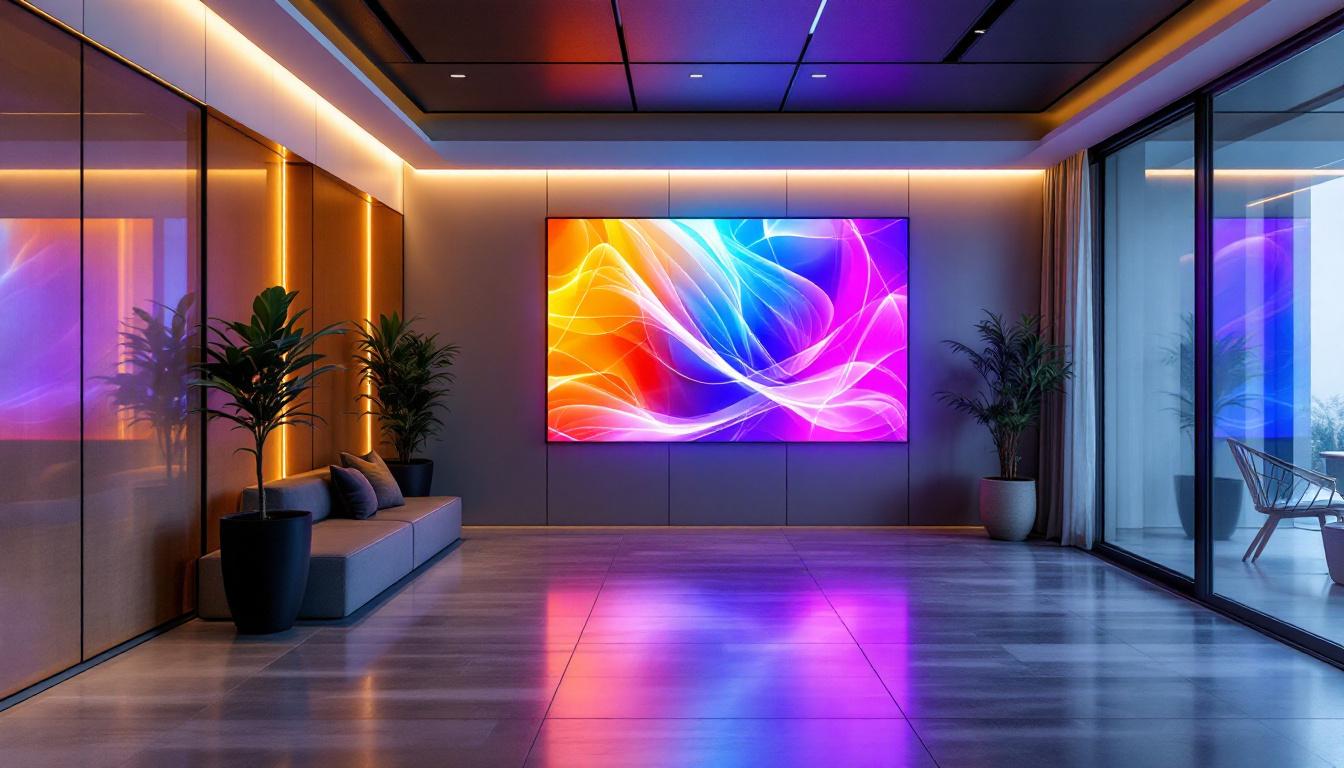
- Indoor LED Displays: Featuring smaller pixel pitches (e.g., 1.2mm to 2.5mm), these are designed for close viewing distances, such as in conference rooms or retail spaces. Their high resolution ensures that even the smallest details are visible, which is crucial for presentations or digital signage that requires clear text and images.
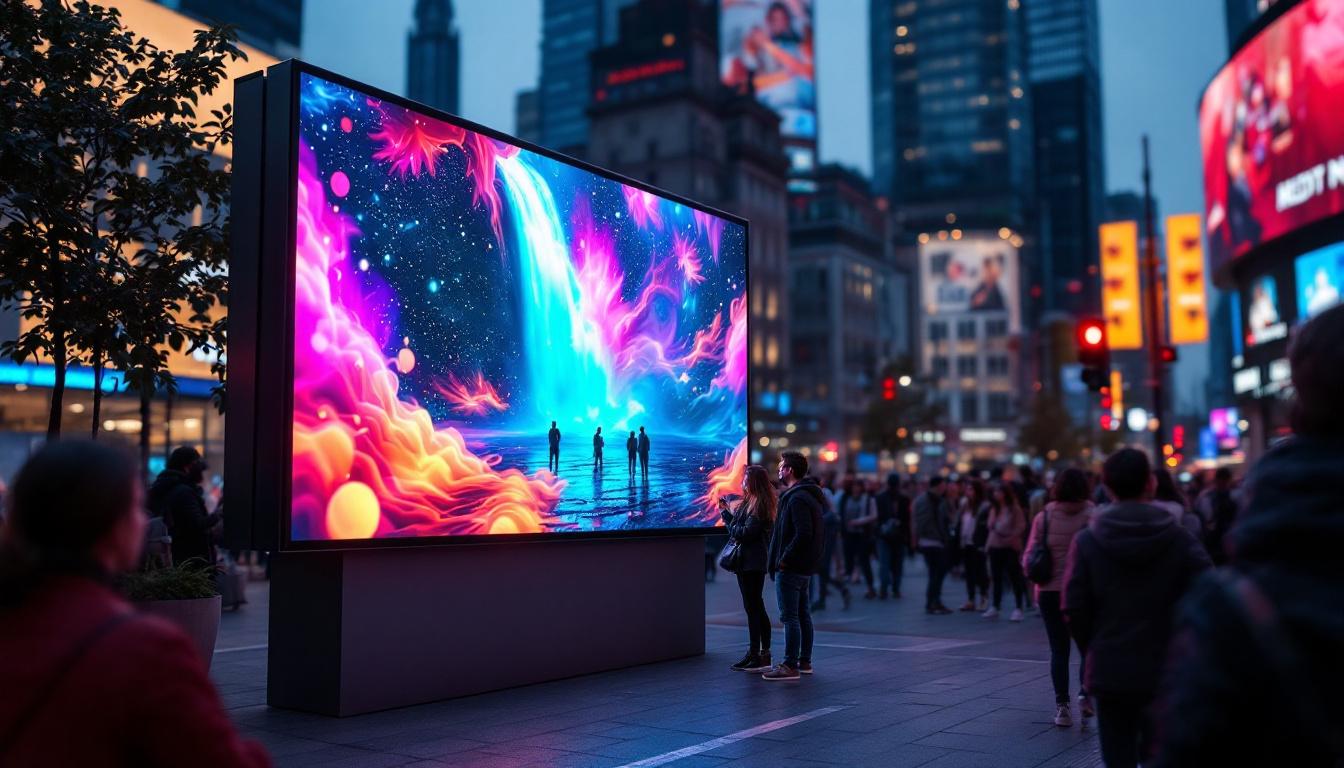
- Outdoor LED Displays: Built with weather-resistant materials and larger pixel pitches (e.g., 4mm to 10mm), these displays are optimized for visibility in bright sunlight and harsh conditions. Their robust construction allows them to withstand the elements, making them ideal for advertising in bustling urban environments or at outdoor events where they can attract attention from afar.
- Transparent LED Displays: Allowing light to pass through, these are used in storefront windows or architectural applications where see-through capability is desired. This innovative design not only enhances the aesthetic appeal of a space but also provides businesses with a unique way to engage customers by displaying dynamic content without obstructing the view of their products.
In addition to these types, there are also specialized LED displays such as flexible LED screens that can be curved or shaped to fit unconventional spaces, offering even more creative possibilities for designers and advertisers. These flexible options are particularly popular in art installations and themed environments, where traditional display formats may not suffice. Moreover, advancements in LED technology continue to push the boundaries of what is possible, with developments in pixel density and color accuracy enhancing the overall viewing experience.
How HDMI Wall Matrices Interface with LED Displays
Integrating HDMI wall matrices with LED displays requires careful consideration of signal compatibility, resolution matching, and control synchronization. The matrix acts as the central hub, receiving input signals from various sources and distributing them to LED panels configured as individual screens or combined into a video wall.
Signal Distribution and Scaling
LED video walls often require video scaling to match the native resolution of the display. HDMI wall matrices with built-in scalers can adjust input signals to fit the LED panel’s resolution, ensuring crisp and distortion-free images. This feature is particularly important when mixing sources of different resolutions or aspect ratios.
For example, a 4K source might need to be downscaled for a 1080p LED wall or upscaled for a higher-resolution display. Advanced matrices can also split a single input across multiple outputs, enabling seamless video wall configurations.
Latency and Synchronization
Maintaining low latency is critical in applications like live events or control rooms where real-time video feedback is essential. High-quality HDMI wall matrices minimize processing delays, ensuring that video signals reach LED displays without perceptible lag.
Synchronization across LED panels is also vital to avoid visual artifacts such as tearing or misalignment. Many systems use timing controllers (TCONs) and synchronization signals managed through the matrix to keep the video wall cohesive.
Applications and Benefits of HDMI Wall Matrix with LED Displays
The combination of HDMI wall matrices and LED displays unlocks numerous possibilities across industries. Here are some prominent use cases and their associated benefits:
Control Rooms and Command Centers
In environments where monitoring multiple data streams simultaneously is crucial—such as traffic management, security surveillance, or emergency response—HDMI wall matrices enable operators to switch between sources quickly and display critical information on large LED walls. This setup enhances situational awareness and decision-making efficiency.
Corporate and Educational Settings
Boardrooms and lecture halls benefit from HDMI wall matrices by allowing presenters to share content from laptops, video conferencing systems, or media players across multiple LED screens. This flexibility supports collaborative discussions and engaging presentations.
Broadcast and Live Events
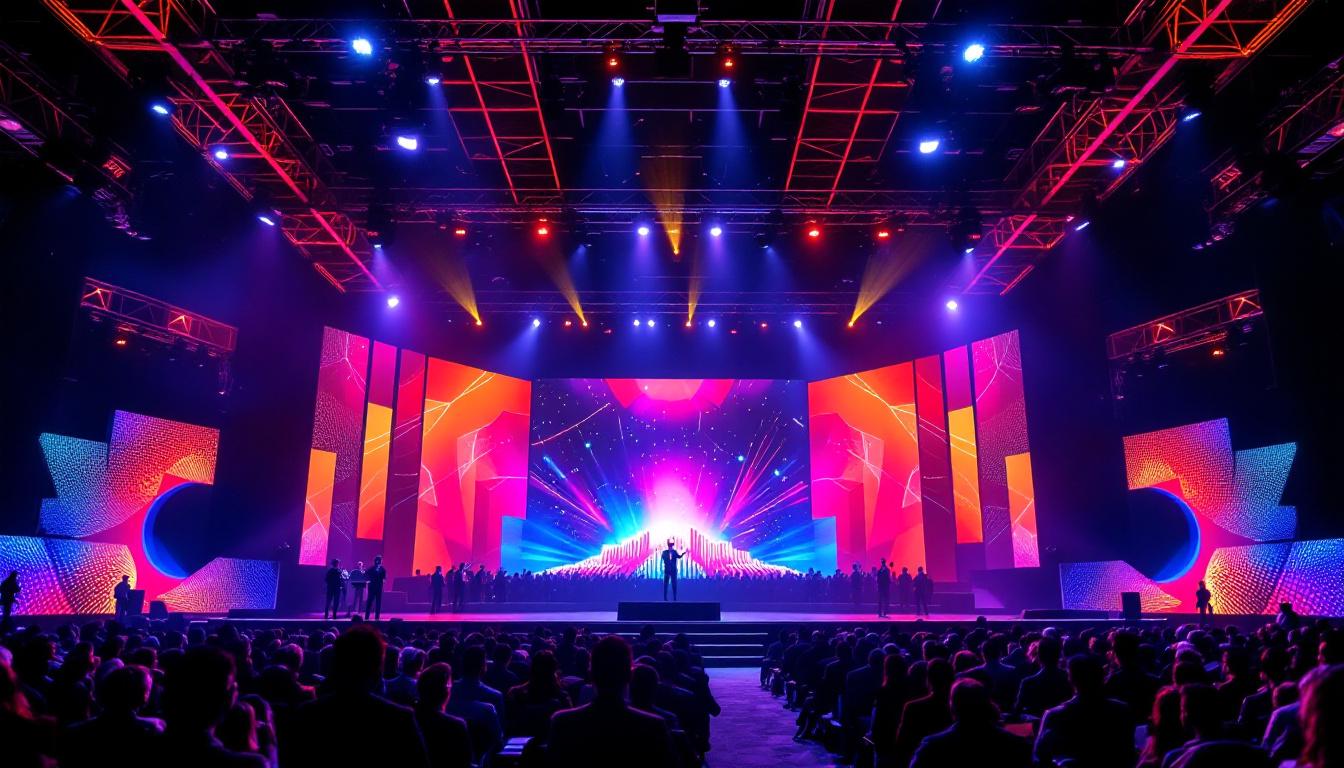
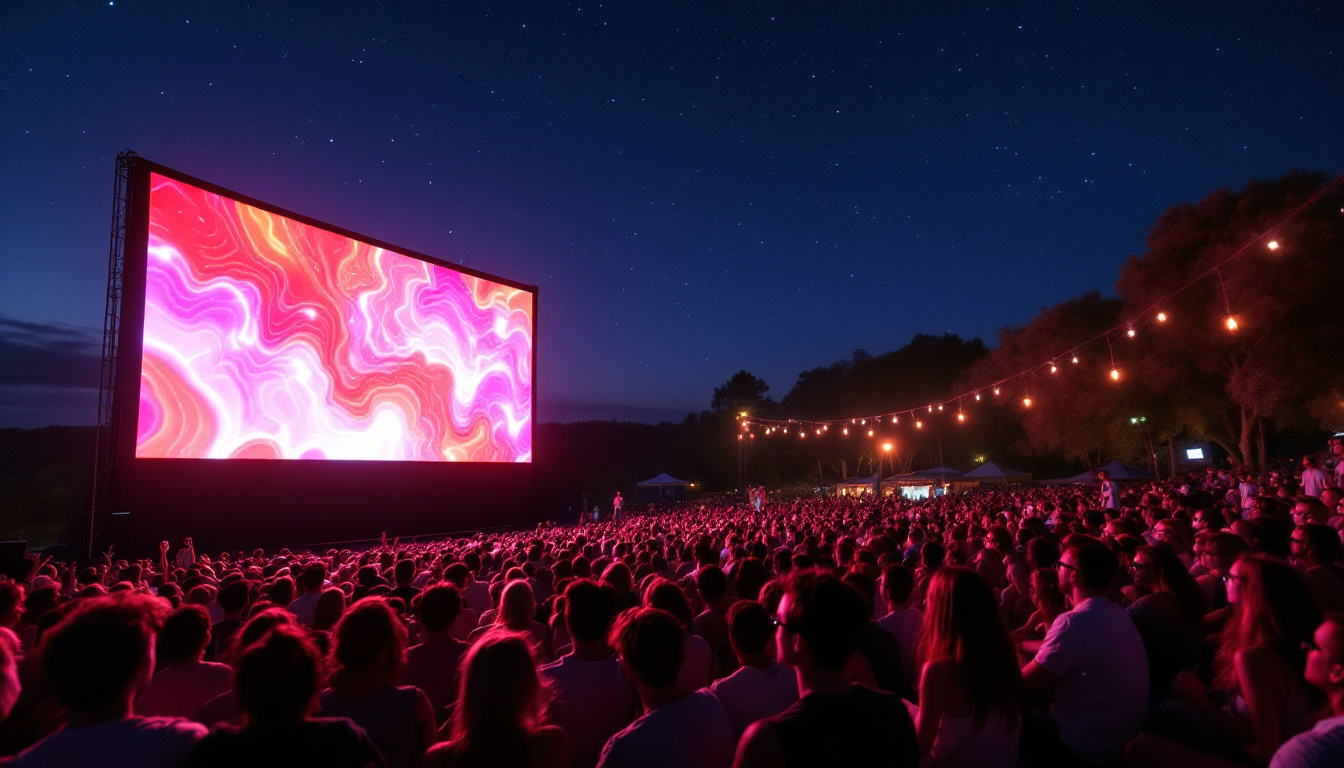
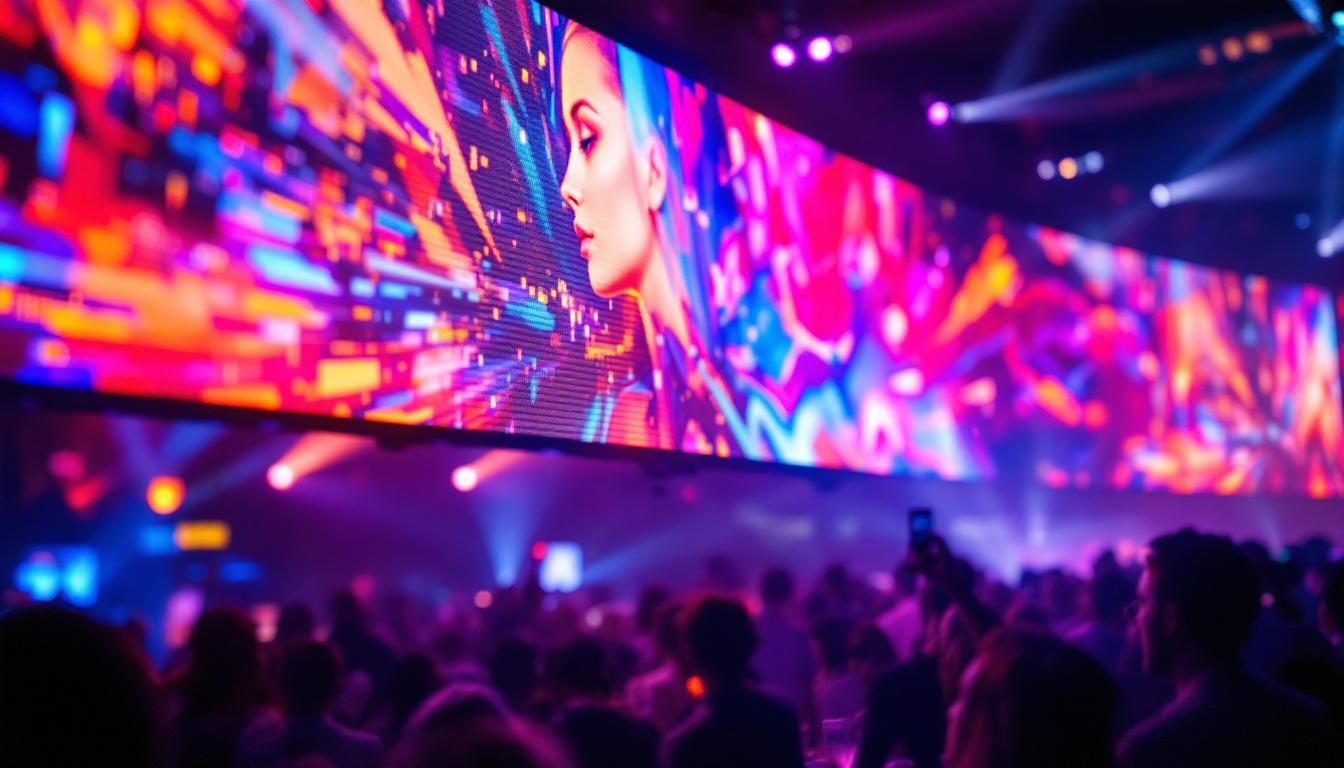
Broadcast studios use HDMI wall matrices to manage feeds from cameras, playback devices, and graphics systems, routing them to LED walls that serve as dynamic backdrops or information displays. Similarly, live event venues rely on this technology to deliver immersive visual experiences to large audiences.
Retail and Advertising
Retailers and advertisers utilize LED video walls controlled via HDMI matrices to display targeted content, promotions, and interactive media. The ability to update and switch content instantly helps maintain audience engagement and adapt messaging in real time.
Choosing the Right HDMI Wall Matrix for LED Displays
Selecting an appropriate HDMI wall matrix involves evaluating several factors to ensure compatibility and performance:
Number of Inputs and Outputs
Assess the number of source devices and displays in your setup. Future scalability should also be considered to accommodate potential expansion.
Resolution and Bandwidth Support
Ensure the matrix supports the highest resolution and refresh rates required by your LED displays. For example, 4K at 60Hz with HDR support is increasingly standard in professional environments.
Control and Integration Options
Look for matrices that offer flexible control interfaces, such as IP-based management, RS-232, or integration with AV control systems. User-friendly software or mobile apps can simplify operation.
Signal Processing Features
Features like EDID management, scaling, audio extraction, and HDCP compliance are critical for seamless operation and content protection.
Reliability and Support
Choose reputable manufacturers known for robust hardware and responsive technical support. In mission-critical environments, uptime and quick troubleshooting are paramount.
Future Trends in HDMI Wall Matrix and LED Display Technology
The audiovisual industry continues to evolve rapidly, with several emerging trends shaping the future of HDMI wall matrices and LED displays:
Higher Resolutions and HDR Enhancements
As 8K content becomes more prevalent, HDMI matrices will increasingly support ultra-high resolutions and advanced HDR formats, delivering richer color depth and greater detail on LED walls.
IP-Based Video Distribution
Network-based video distribution over IP is gaining traction, enabling more flexible and scalable AV infrastructures. Hybrid matrices that combine traditional HDMI switching with IP streaming capabilities are becoming common.
Artificial Intelligence and Automation
AI-driven content management and automation can optimize source selection, display calibration, and fault detection, reducing manual intervention and improving overall system efficiency.
Miniaturization and Energy Efficiency
Advances in semiconductor technology are leading to more compact, energy-efficient matrices and LED panels, lowering operational costs and environmental impact.
Conclusion
The integration of HDMI wall matrices with LED displays represents a powerful solution for delivering versatile, high-quality visual experiences across diverse applications. By understanding the technical capabilities, practical considerations, and emerging trends, AV professionals can design and implement systems that meet current demands while remaining adaptable to future innovations.
Whether managing complex control rooms, creating immersive event environments, or enhancing corporate communications, the synergy between HDMI wall matrices and LED video walls offers unparalleled control, scalability, and image quality.
Discover LumenMatrix’s Advanced LED Display Solutions
Ready to elevate your audiovisual capabilities with cutting-edge technology? Explore LumenMatrix’s innovative LED display solutions, designed to transform any space into a dynamic and engaging environment. From Indoor and Outdoor LED Wall Displays to specialized options like Vehicle, Sports, and Floor LED Displays, LumenMatrix offers a comprehensive range of products to meet your unique needs. Embrace the future of visual communication with our Custom, All-in-One, and Transparent LED Displays. Experience the difference in clarity and impact with LumenMatrix. Check out LumenMatrix LED Display Solutions today and see how we can help you share your message with the world.