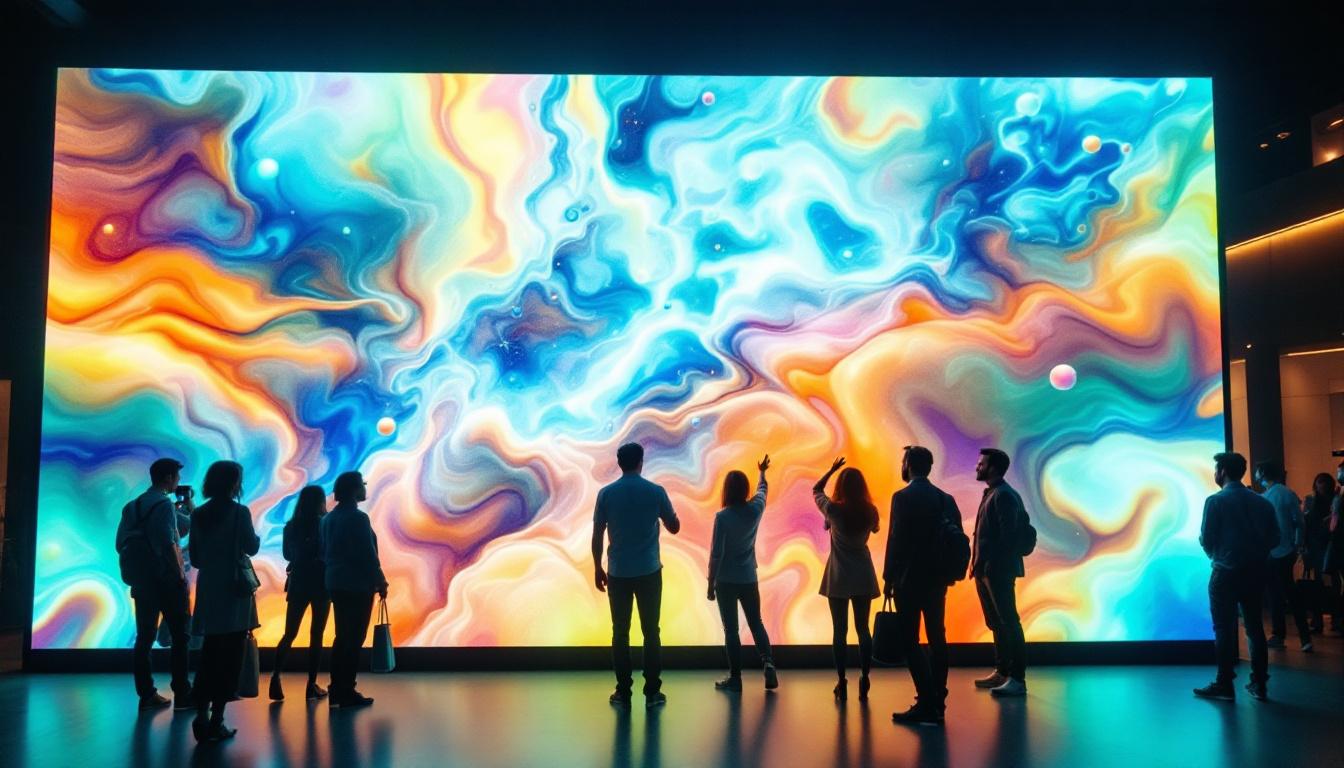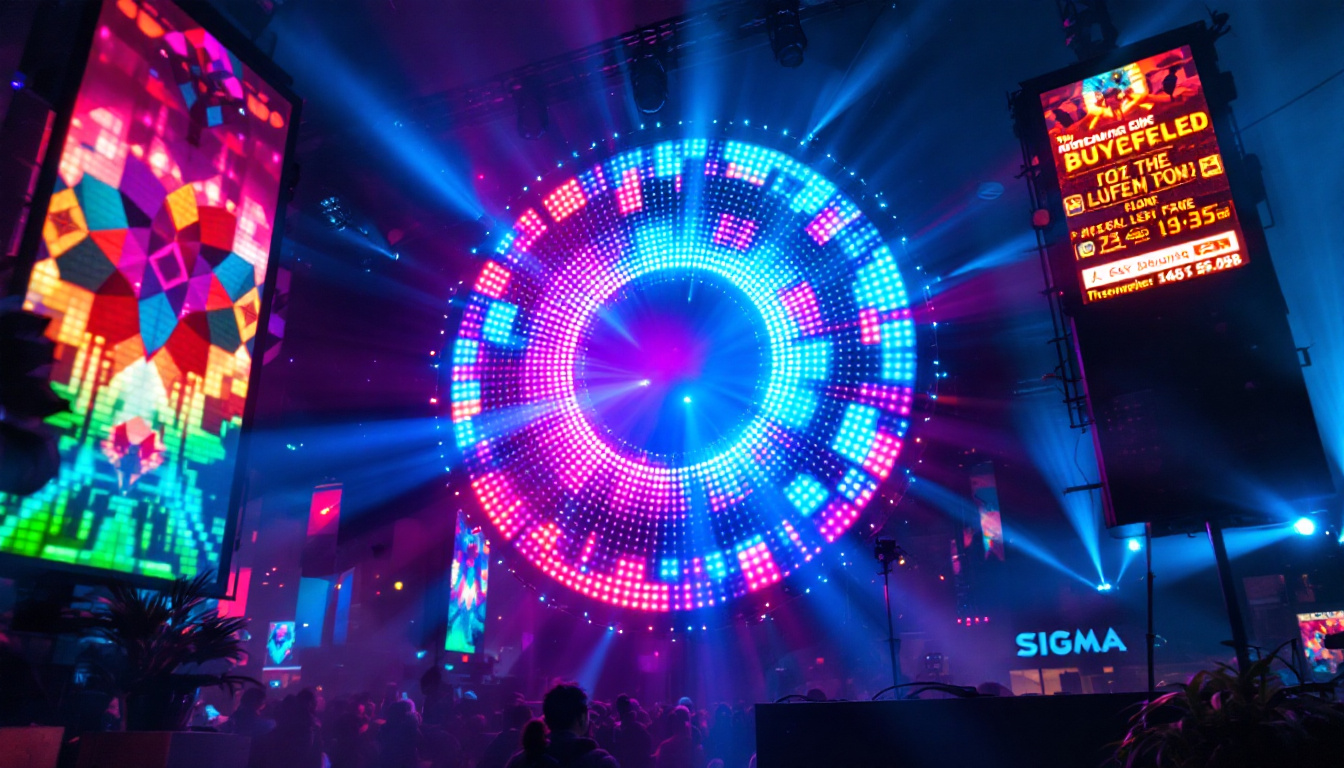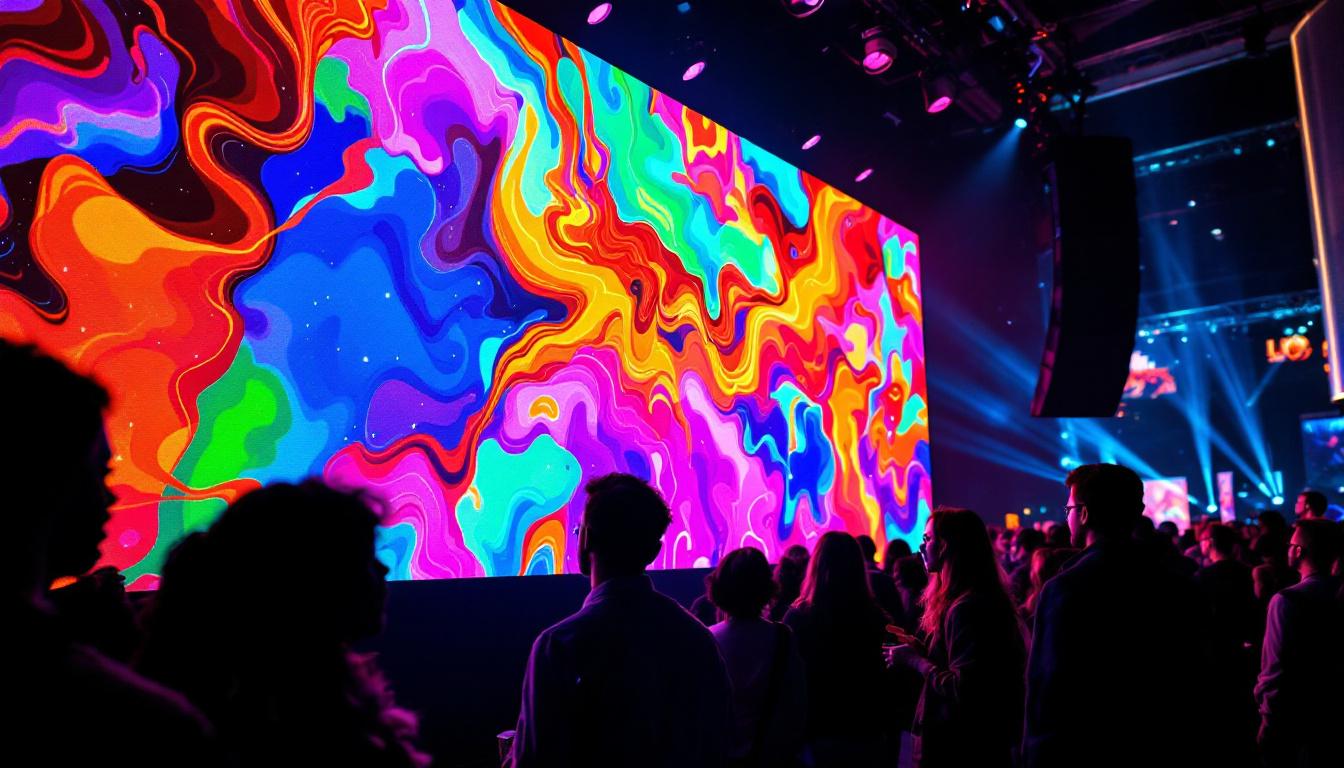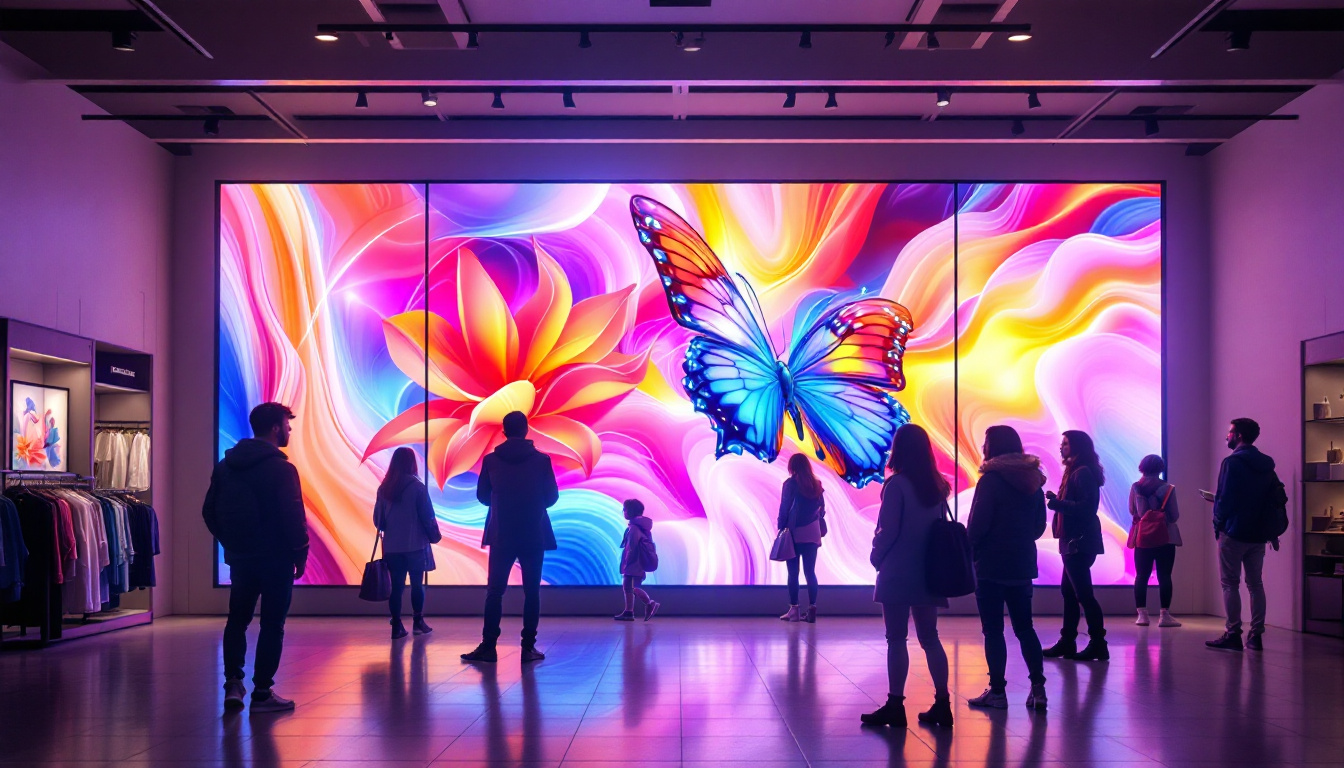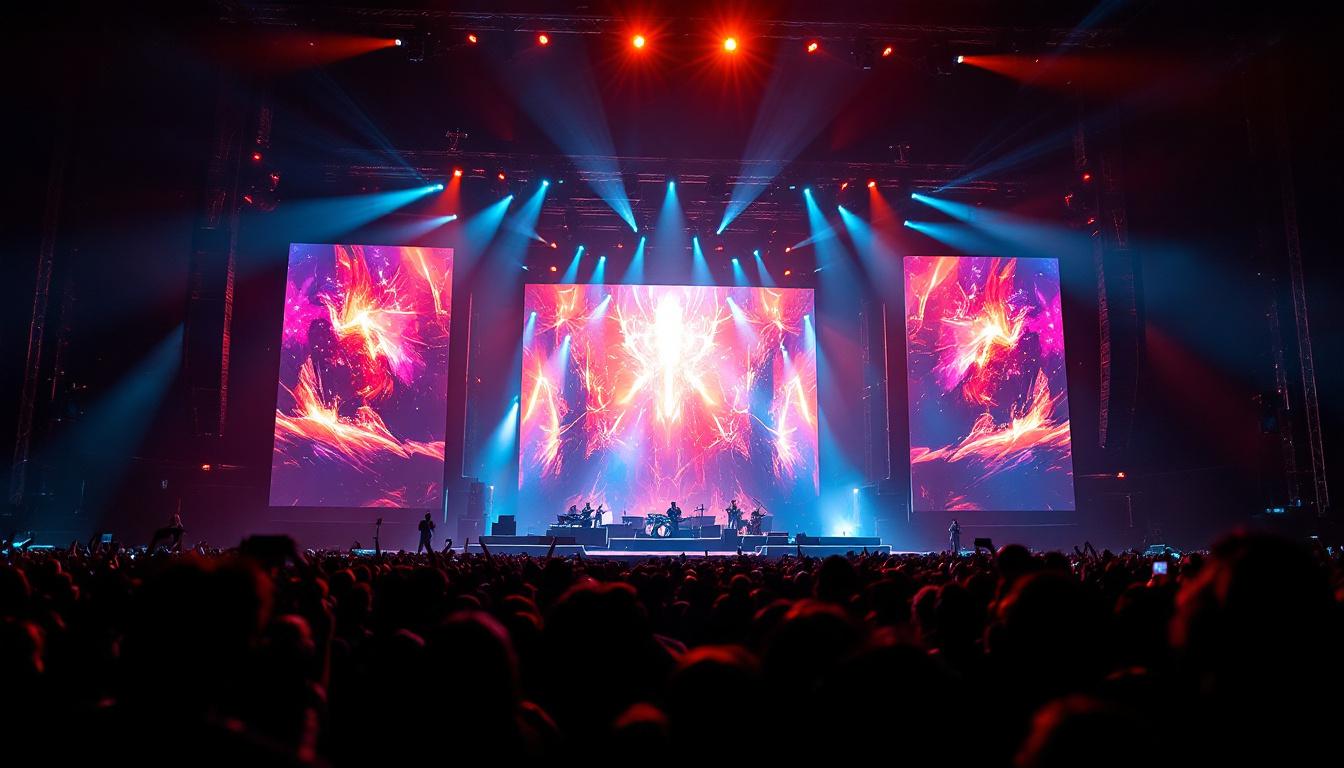
In the world of live entertainment, visual impact is just as crucial as the audio experience. Concerts today are not merely about music; they are immersive multimedia events that captivate audiences through stunning visuals, dynamic lighting, and cutting-edge technology. One of the most transformative technologies shaping modern concert productions is the high resolution LED display used as stage backgrounds. These vibrant, flexible, and high-definition screens have revolutionized how artists and production teams design their shows, creating unforgettable experiences for fans worldwide.
This article delves into the intricacies of high resolution concert stage backgrounds, focusing on LED displays. From the technology behind these screens to their practical applications and benefits, readers will gain a comprehensive understanding of why LED displays have become indispensable in contemporary concert staging.
Understanding LED Displays: The Technology Behind the Magic
What Are LED Displays?
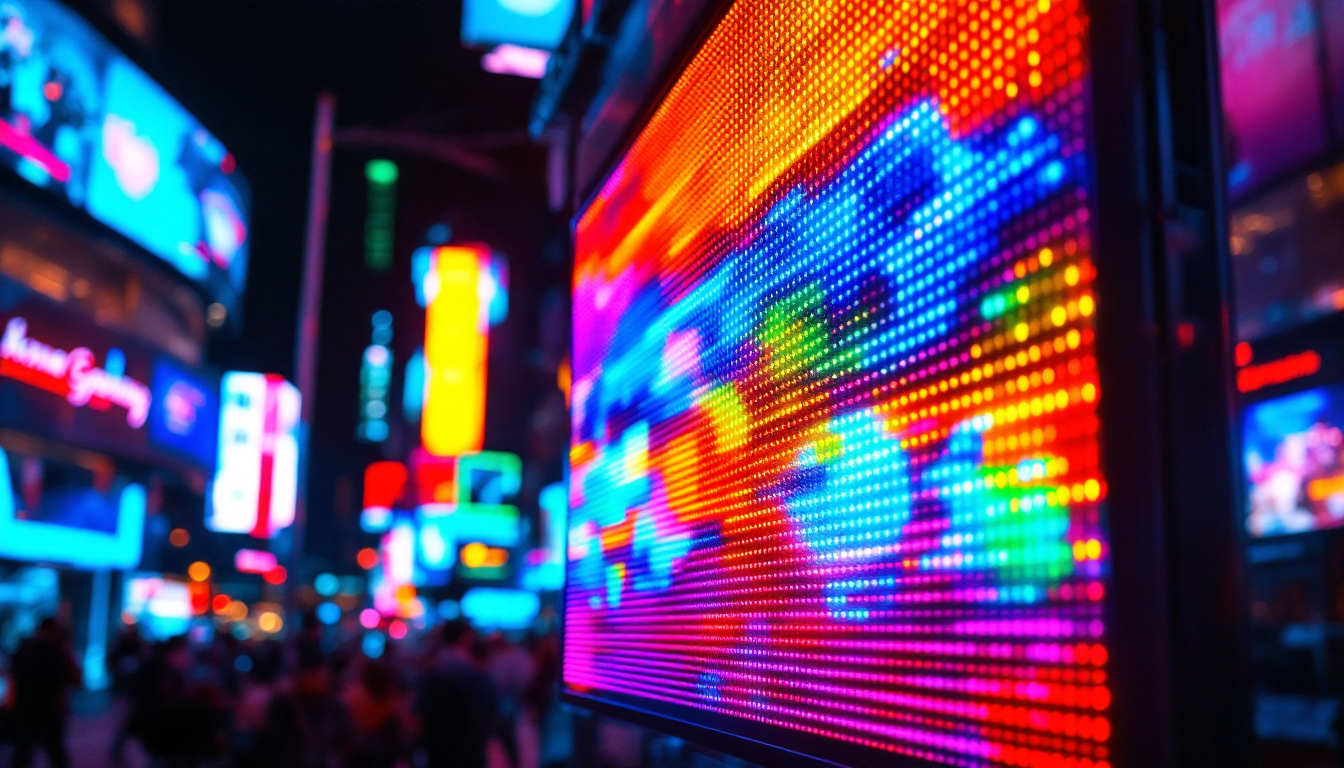
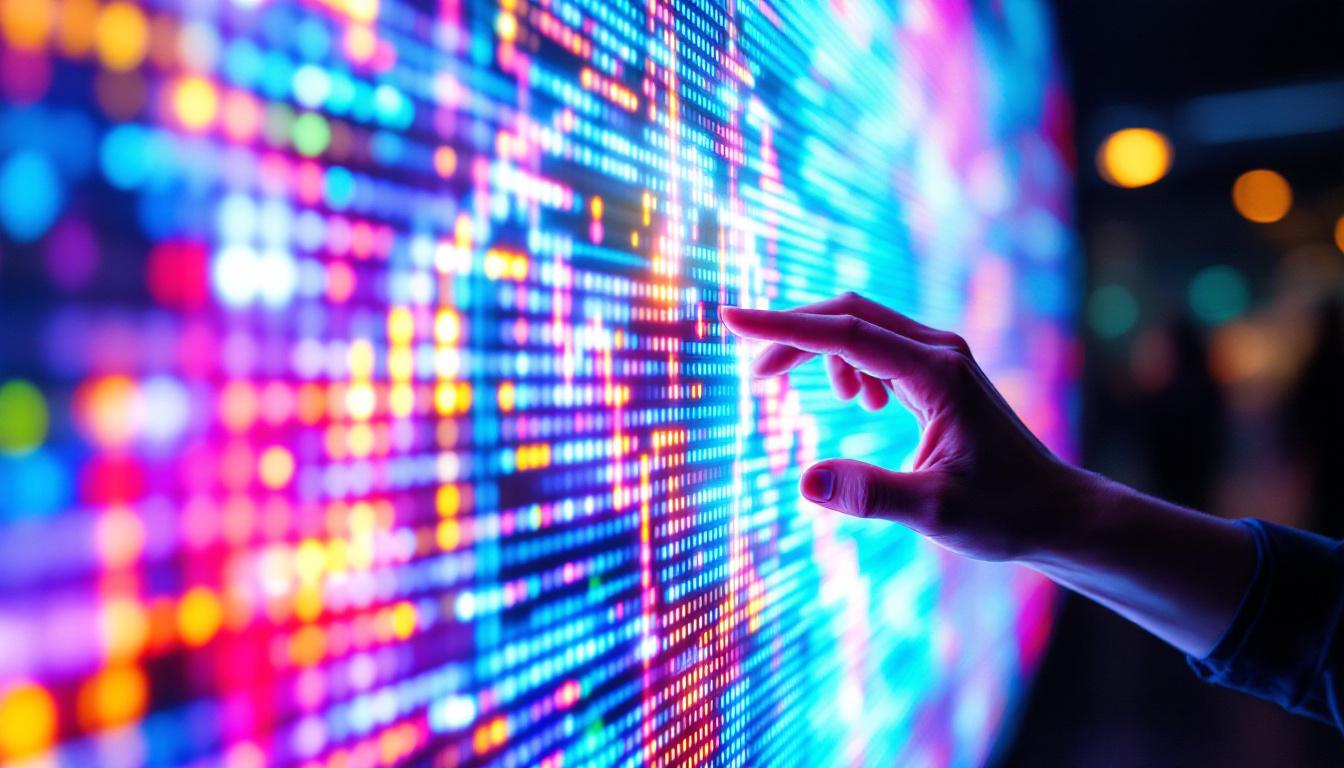
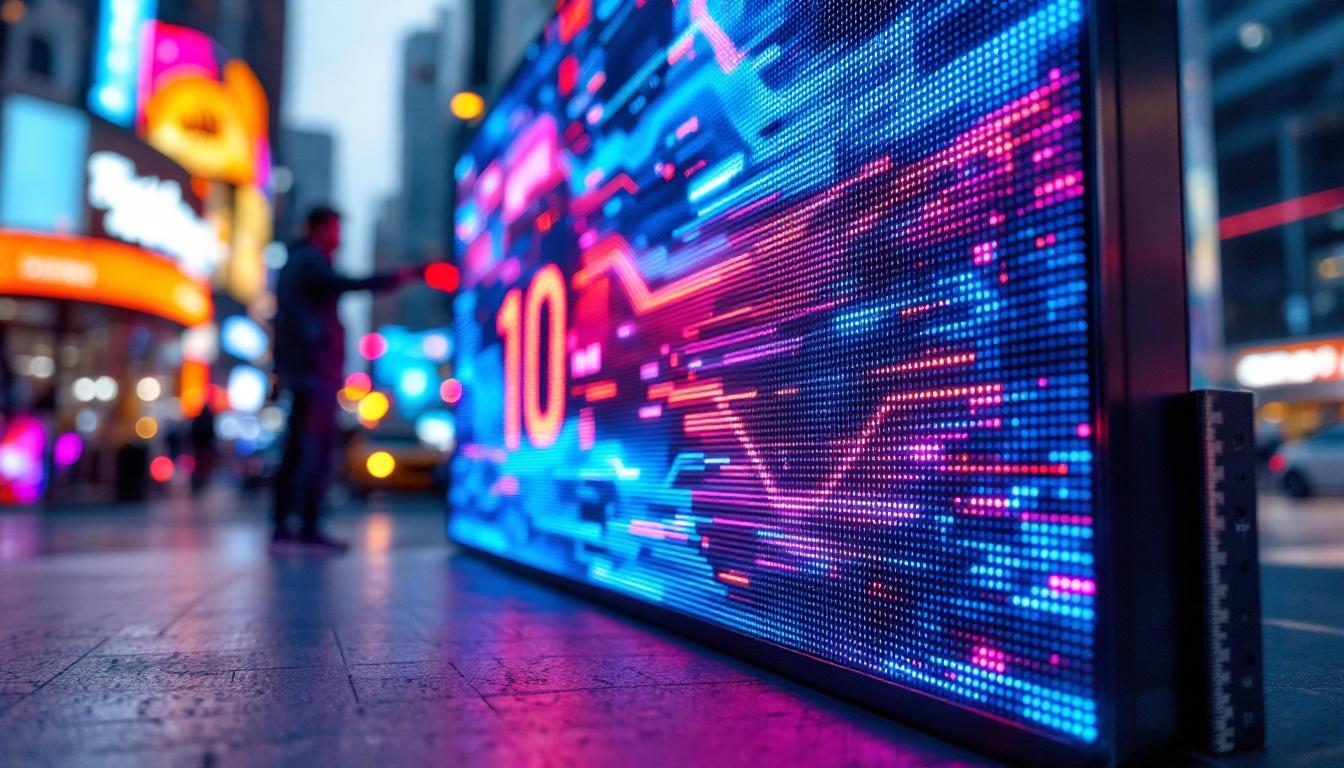
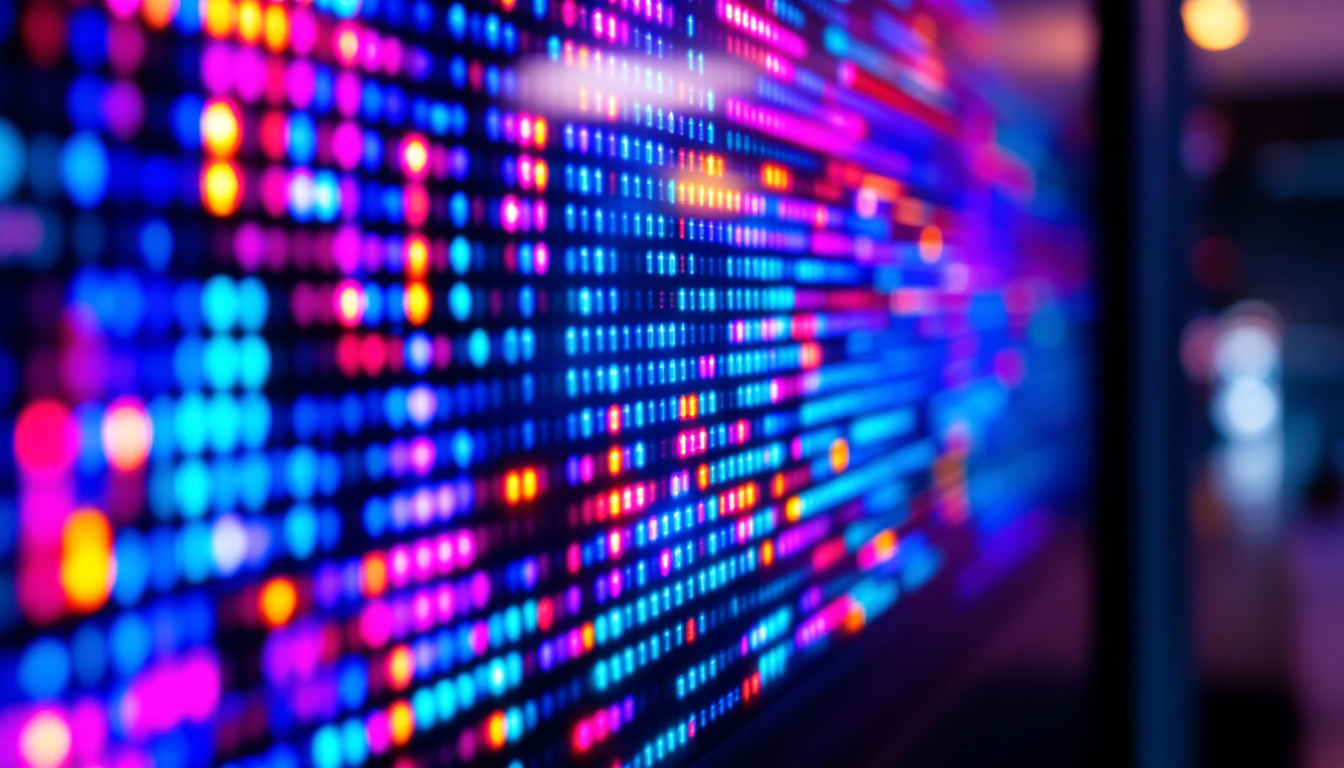
LED stands for Light Emitting Diode, a semiconductor device that emits light when an electric current passes through it. LED displays are composed of thousands, sometimes millions, of these tiny diodes arranged in a matrix to form images, videos, and animations. Unlike traditional projection systems or LCD screens, LED displays emit their own light, resulting in brighter, more vivid visuals that are easily visible even in brightly lit environments. This self-illuminating property is particularly advantageous in settings where ambient light can wash out other display types, making LED technology the go-to choice for outdoor events, sporting arenas, and concert stages.
High resolution LED displays used in concert stages are typically made up of modular panels that can be assembled into various shapes and sizes. This modularity allows for creative freedom in stage design, enabling curved, angled, or even 3D configurations that enhance the visual storytelling of a performance. Additionally, these panels can be easily replaced or upgraded, ensuring that the display remains cutting-edge and can adapt to the evolving needs of a production. The flexibility of LED displays not only supports artistic expression but also facilitates quick setup and teardown, which is crucial in the fast-paced world of live entertainment.
Pixel Pitch and Resolution
One of the most important technical aspects of LED displays is the pixel pitch, which refers to the distance between the centers of two adjacent pixels, measured in millimeters. A smaller pixel pitch means more pixels per unit area, resulting in higher resolution and sharper images. For concert stages, pixel pitches can range from as low as 1.2mm to 10mm or more, depending on the viewing distance and budget. The choice of pixel pitch is critical, as it directly impacts the clarity of the visuals and the overall audience experience. As technology advances, manufacturers are continuously working to create smaller pixel pitches, allowing for even more detailed displays that can captivate audiences from various distances.
For example, an LED display with a 2.5mm pixel pitch is considered high resolution and is ideal for indoor concerts where the audience is close to the stage. Conversely, outdoor festivals with large crowds viewing from a distance may use displays with a 6mm or 8mm pixel pitch, balancing resolution with cost-effectiveness. This strategic selection of pixel pitch not only optimizes visual quality but also ensures that the investment in technology aligns with the specific requirements of each event, making it a vital consideration for event planners and production teams alike.
Brightness and Contrast
Concert environments often involve variable lighting conditions, including intense stage lights and daylight for outdoor events. LED displays excel in these scenarios due to their high brightness levels, often reaching 4,000 to 6,000 nits or more. This brightness ensures that visuals remain clear and vibrant regardless of ambient light. The ability to adjust brightness dynamically also allows for seamless transitions between different segments of a performance, maintaining visual integrity throughout the show. Furthermore, advancements in LED technology have led to the development of displays that can automatically calibrate their brightness based on surrounding light conditions, enhancing their versatility.
Additionally, LED displays offer excellent contrast ratios because each diode can be individually controlled to emit light or remain off, producing deep blacks and vivid colors. This capability enhances the visual depth and realism of the content displayed, making the concert experience more immersive. The precision of LED technology allows for intricate visual effects, such as gradients and color transitions, that can evoke emotions and elevate the overall atmosphere of a performance. As artists and designers continue to push the boundaries of creativity, the role of LED displays in enhancing live events becomes increasingly significant, transforming the way audiences engage with performances.
Applications of High Resolution LED Displays in Concert Staging
Dynamic Visual Storytelling
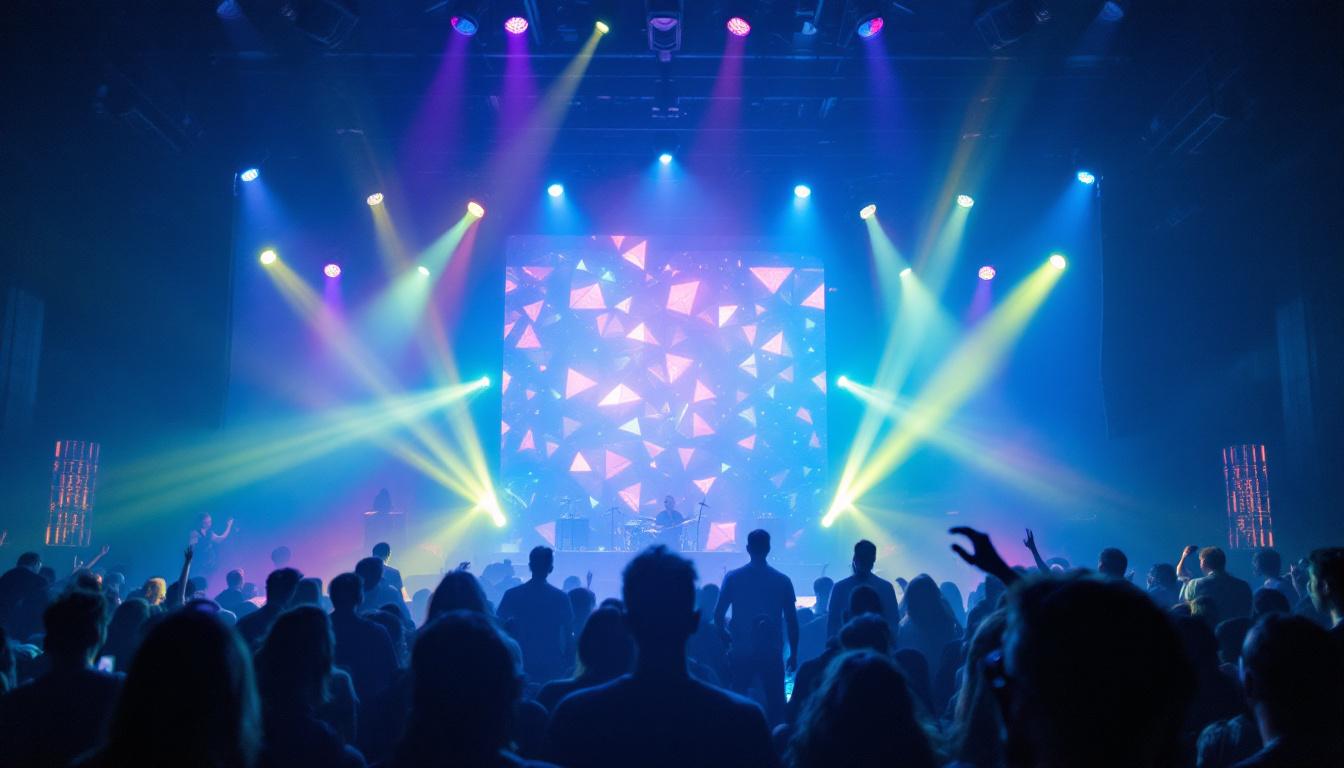
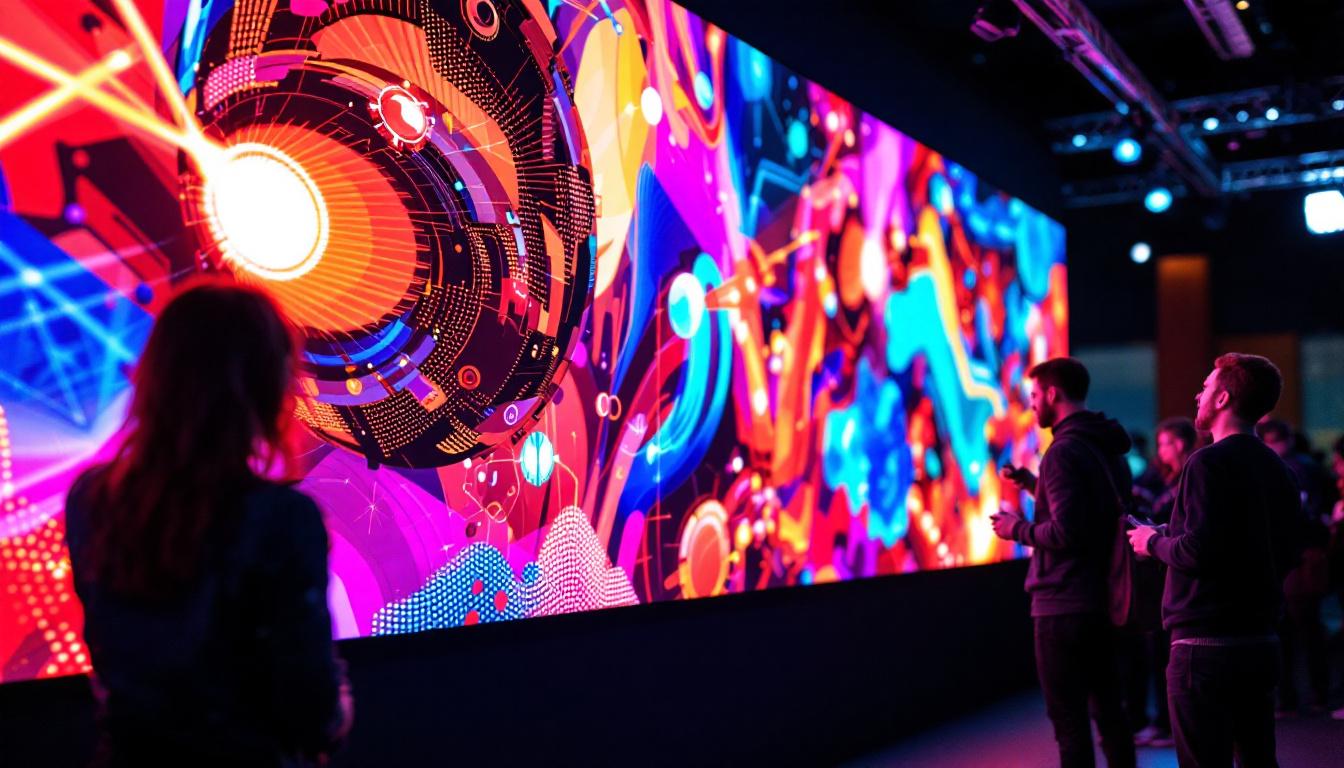
LED stage backgrounds serve as dynamic canvases that bring the artist’s vision to life. They can display everything from abstract graphics and animated sequences to live video feeds and interactive content. This versatility allows for storytelling that complements the music, creating a multisensory experience.
For instance, during Beyoncé’s Renaissance World Tour, high resolution LED screens were used to project intricate visuals that synced perfectly with the choreography and lighting, enhancing the narrative of each song. Similarly, Coldplay’s use of LED wristbands combined with stage LED displays created an interactive environment where the audience became part of the visual spectacle.
Enhanced Stage Design and Flexibility
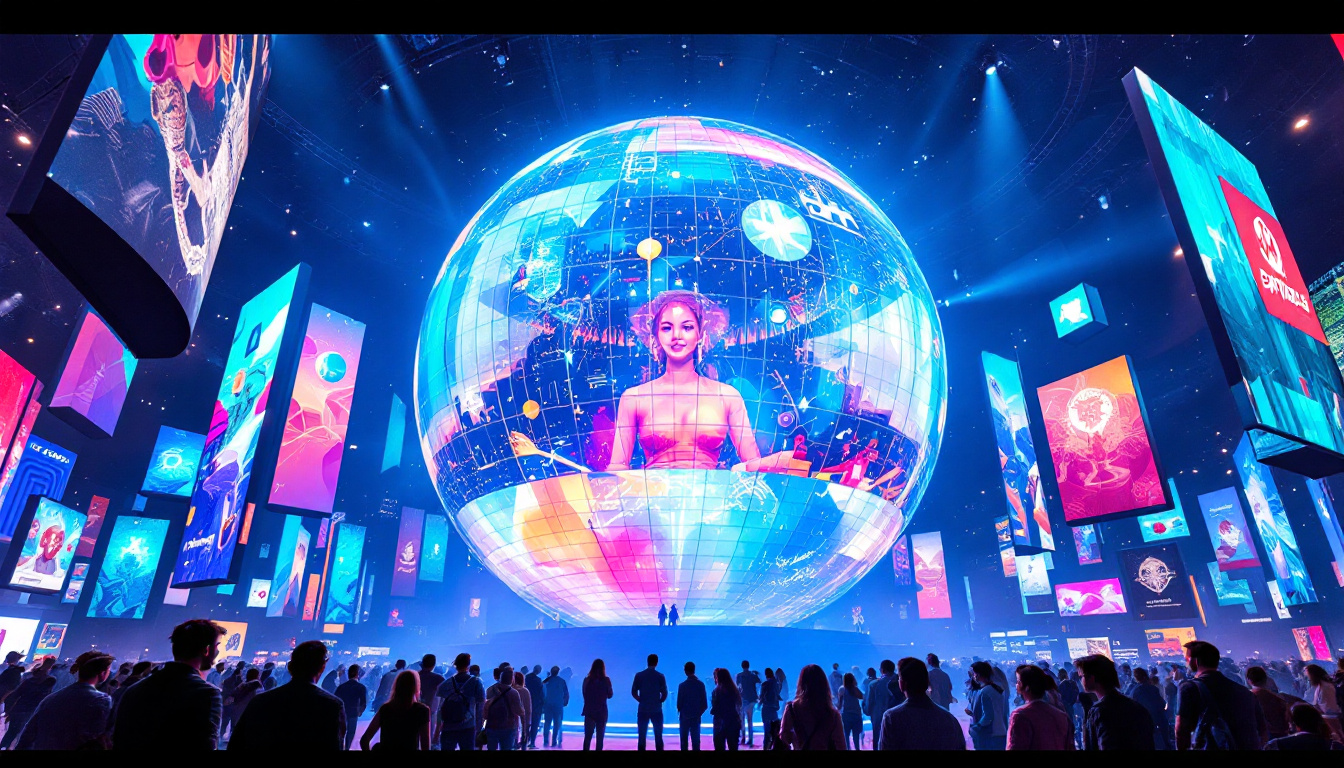
The modular nature of LED panels enables stage designers to experiment with unconventional shapes and configurations. LED walls can curve around performers, form ceilings or floors, and even create immersive environments that surround the audience.
This flexibility is evident in productions like Travis Scott’s Astroworld Tour, where LED displays were integrated into the stage structure, creating a futuristic landscape that changed dynamically throughout the performance. Such innovations push the boundaries of traditional stage design, offering audiences a unique and memorable experience.
Real-Time Content and Interactivity
Modern LED displays support real-time content manipulation, allowing for live video feeds, social media integration, and audience interaction. This capability is particularly valuable for concerts that want to engage fans directly, making the event more participatory.
For example, artists can display live tweets, fan messages, or even incorporate augmented reality (AR) elements that respond to the crowd’s energy. This interactivity fosters a deeper connection between performers and their audience, enhancing the overall concert atmosphere.
Technical Considerations for Concert LED Displays
Installation and Structural Support
Setting up a high resolution LED display for a concert is a complex task that requires careful planning and engineering. The weight of LED panels, especially large-scale walls, necessitates robust rigging and structural support to ensure safety and stability.
Production teams must also consider factors such as weather resistance for outdoor events, ventilation to prevent overheating, and ease of assembly and disassembly for touring shows. Advances in lightweight materials and quick-lock mechanisms have streamlined these processes, reducing setup times and labor costs.
Content Creation and Management
High resolution LED displays demand high-quality content to maximize their visual potential. This means that concert production teams often collaborate with specialized video artists, animators, and content creators who understand the technical specifications and artistic possibilities of LED technology.
Content management systems (CMS) tailored for LED displays enable seamless scheduling, playback, and synchronization of visuals with music and lighting cues. These systems are critical for maintaining the flow and impact of the performance, ensuring that visuals enhance rather than distract from the live music.
Power Consumption and Heat Management
LED displays, especially large-scale high brightness models, consume significant amounts of power. Efficient power management is essential to prevent outages and reduce operational costs. Many modern LED panels incorporate energy-saving technologies such as automatic brightness adjustment based on ambient light.
Heat generated by LEDs must also be managed effectively. Concert venues often employ cooling systems or design LED modules with integrated heat sinks to maintain optimal operating temperatures and prolong the lifespan of the equipment.
Benefits of Using High Resolution LED Displays for Concerts
Unmatched Visual Quality
The most obvious benefit of high resolution LED displays is their superior visual quality. Bright, sharp, and colorful images captivate audiences, making every concert moment more memorable. The ability to display 4K or even 8K resolution content ensures that even the smallest details are visible, enhancing the overall production value.
Versatility Across Venues and Events
LED displays are highly adaptable, suitable for indoor arenas, outdoor festivals, and everything in between. Their modular design means they can be scaled up or down to fit different stage sizes and configurations, making them a cost-effective solution for touring artists and production companies.
Improved Audience Engagement
By integrating interactive elements and real-time content, LED displays help artists connect with their audiences on a deeper level. This engagement can increase fan loyalty and create buzz around a tour or event, ultimately driving ticket sales and brand value.
Durability and Reliability
LED technology is known for its long lifespan and robustness. Unlike projection systems that rely on bulbs with limited hours or screens susceptible to damage, LED panels are designed to withstand the rigors of touring and frequent setup. This reliability reduces downtime and maintenance costs.
Future Trends in Concert LED Display Technology
MicroLED and MiniLED Innovations
Emerging technologies such as MicroLED and MiniLED promise even higher resolutions, better color accuracy, and lower power consumption. These advancements will allow concert producers to create even more immersive and visually stunning environments, pushing the boundaries of what’s possible on stage.
Integration with Augmented and Virtual Reality
The convergence of LED displays with AR and VR technologies is set to redefine live performances. Imagine concerts where LED backgrounds interact seamlessly with AR effects visible through smart glasses or mobile devices, creating a hybrid reality experience that blends physical and digital worlds.
AI-Driven Content Personalization
Artificial intelligence is beginning to play a role in content creation and display management. AI algorithms can analyze audience reactions in real-time and adjust visuals accordingly, personalizing the concert experience and making each show unique.
Conclusion
High resolution LED displays have become a cornerstone of modern concert production, offering unparalleled visual quality, flexibility, and interactivity. Their ability to transform stage backgrounds into dynamic storytelling tools has elevated live music performances to new artistic heights. As technology continues to evolve, LED displays will undoubtedly remain at the forefront of concert innovation, delivering breathtaking experiences that resonate with audiences long after the final encore.
For artists, production teams, and event organizers, understanding the capabilities and considerations of high resolution LED displays is essential to crafting memorable shows that stand out in today’s competitive entertainment landscape.
Illuminate Your Stage with LumenMatrix
Ready to elevate your concert production to the next level? Discover the exceptional clarity, vibrant colors, and innovative designs of LumenMatrix’s LED display solutions. Whether you’re looking to create an immersive indoor event or a dazzling outdoor spectacle, LumenMatrix has the technology to bring your vision to life. From custom configurations to interactive displays, our LED solutions are crafted to captivate your audience and amplify your message. Don’t just put on a show—create an experience that will be remembered. Check out LumenMatrix LED Display Solutions today and transform your stage into a dynamic visual masterpiece.