When navigating the world of aviation, airport codes serve as critical identifiers that streamline communication, logistics, and travel planning. One such code that often piques curiosity is LED, associated with Hillsboro Airport. This article delves into the details behind the Hillsboro Airport code LED, explaining its meaning, usage, and the significance of LED displays in aviation contexts. Whether you are an aviation enthusiast, a traveler, or a professional in the industry, understanding these codes and displays enhances your grasp of airport operations and travel logistics.
Understanding Airport Codes: The Basics
Airport codes are short alphanumeric identifiers assigned to airports worldwide. They are essential for pilots, air traffic controllers, travel agents, and passengers alike. These codes simplify communication and ensure clarity when referring to specific airports, especially in international contexts where airport names might be similar or difficult to pronounce.
There are two primary types of airport codes: IATA and ICAO. The International Air Transport Association (IATA) assigns three-letter codes primarily used by airlines and travelers for ticketing and baggage handling. The International Civil Aviation Organization (ICAO) uses four-letter codes mainly for air traffic control and flight planning.
The Role of IATA Codes
IATA codes are the most familiar to the general public. For example, JFK refers to John F. Kennedy International Airport in New York, and LAX stands for Los Angeles International Airport. These codes appear on boarding passes, luggage tags, and flight schedules, making them integral to everyday travel. They also play a crucial role in the airline industry’s operational efficiency, as they help streamline processes such as check-in, baggage routing, and flight monitoring. Travelers often rely on these codes when booking flights online, as they can quickly identify their departure and arrival airports without confusion.
The Role of ICAO Codes
ICAO codes are more technical and less known to travelers. They provide a standardized system for air traffic control and are used in flight plans and weather reports. For instance, JFK’s ICAO code is KJFK, where the ‘K’ prefix indicates it is located in the continental United States. These codes are vital for ensuring safety in air travel, as they help air traffic controllers communicate clearly about specific airports, runways, and airspaces. Each ICAO code is unique and often reflects geographical or historical significance, which can be fascinating for aviation enthusiasts. For example, the ICAO code for London Heathrow Airport is EGLL, where ‘EG’ denotes the United Kingdom, and ‘LL’ is a unique identifier for Heathrow itself.
Hillsboro Airport and Its Code: LED
Hillsboro Airport, located in Hillsboro, Oregon, is a vital regional airport serving the Portland metropolitan area. It is known for general aviation, flight training, and corporate aviation activities rather than commercial airline service. Despite its importance locally, the airport’s code can sometimes cause confusion due to the designation LED.
Clarifying the LED Code
Contrary to what some might assume, LED is not the IATA code for Hillsboro Airport. In fact, Hillsboro Airport’s official IATA code is HIO, and its ICAO code is KHIO. The code LED is actually assigned to Pulkovo Airport in Saint Petersburg, Russia. This airport is one of Russia’s busiest international gateways.
So why is LED associated with Hillsboro Airport in some contexts? The answer lies in the use of LED displays at the airport and in aviation technology rather than as an airport code. These LED displays provide real-time information to pilots and passengers, showcasing flight schedules, weather updates, and other essential data that enhance operational efficiency and safety. The incorporation of LED technology represents a significant advancement in how information is communicated at airports, making it easier for users to access vital details quickly and effectively.
Hillsboro Airport’s Official Codes
- IATA: HIO
- ICAO: KHIO
- FAA Location Identifier: HIO
These codes are used in flight planning, air traffic control, and passenger information systems related to Hillsboro Airport. Additionally, the airport plays a crucial role in the local economy, supporting various businesses and industries that rely on aviation for transportation and logistics. With its well-maintained runways and facilities, Hillsboro Airport attracts a diverse range of aircraft, from small private planes to larger corporate jets, making it a hub of activity for aviation enthusiasts and professionals alike. The airport is also home to several flight schools and aviation-related businesses, contributing to the training and development of future pilots and aviation technicians.
What is an LED Display in Aviation?
LED stands for Light Emitting Diode, a semiconductor light source that emits light when current flows through it. LED displays have become ubiquitous in aviation for their brightness, energy efficiency, and durability. They are used in various applications, including runway lighting, flight information displays, and navigational aids.
Flight Information Displays
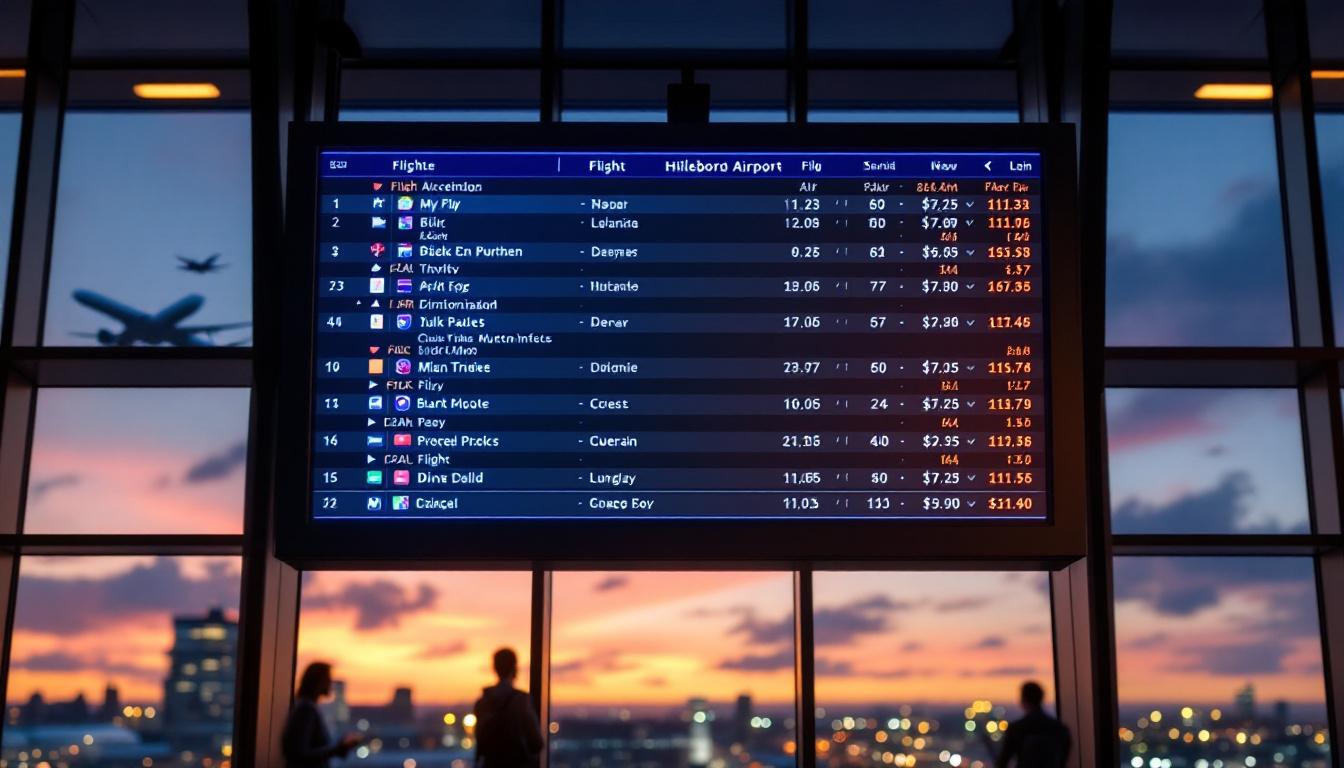
One of the most visible uses of LED technology at airports is in flight information display systems (FIDS). These displays provide real-time updates on arrivals, departures, gate assignments, delays, and cancellations. Their high visibility and clarity are essential for helping passengers navigate the airport efficiently.
Runway and Taxiway Lighting
LED lighting is increasingly replacing traditional incandescent and halogen lights on runways and taxiways. These lights improve visibility for pilots during takeoff, landing, and taxiing, especially under adverse weather conditions. Additionally, LEDs have a longer lifespan and lower maintenance costs, making them a cost-effective choice for airports.
Instrument Panels and Cockpit Displays
Within aircraft cockpits, LED displays are used for various instruments and control panels. They offer pilots clear and reliable information, which is crucial for safe flight operations. The brightness and contrast of LED displays help reduce pilot fatigue and improve situational awareness.
The Importance of Accurate Airport Codes and Displays
Accurate airport codes and effective display systems are fundamental to the safety, efficiency, and convenience of air travel. Misunderstandings or errors in these areas can lead to logistical challenges, delays, or even safety risks.
Impact on Flight Operations
Flight planning depends heavily on correct airport codes. A misread or incorrect code can cause confusion in routing, fuel calculations, and scheduling. For example, confusing Hillsboro Airport (HIO) with Pulkovo Airport (LED) could lead to significant operational errors, especially in cargo or charter flights.
Passenger Experience
For travelers, clear and accurate information displayed on LED screens helps reduce stress and confusion. Knowing the correct airport code and seeing timely updates on flights and gates allows passengers to plan their movements within the airport more effectively.
Technological Integration
Modern airports integrate LED displays with automated systems for security, baggage handling, and passenger flow management. This integration relies on standardized codes and data formats to function seamlessly. Any discrepancies can disrupt these systems and impact overall airport efficiency.
Hillsboro Airport’s Use of LED Technology
While Hillsboro Airport is primarily a general aviation facility, it has embraced LED technology in various aspects of its operations. The airport has implemented LED runway and taxiway lighting to enhance safety and reduce energy consumption, aligning with broader trends in sustainable airport management.
Energy Efficiency and Sustainability
LED lighting consumes significantly less energy compared to traditional lighting solutions. Hillsboro Airport’s adoption of LED lighting contributes to lower operational costs and reduced environmental impact. This move is part of a growing industry-wide effort to make aviation more sustainable.
Improved Safety Measures
The bright and reliable illumination provided by LED lights improves pilot visibility during night operations and adverse weather conditions. This enhancement is crucial for an airport like Hillsboro, which supports a high volume of flight training activities where safety is paramount.
Future Developments
Looking ahead, Hillsboro Airport is exploring further applications of LED technology, including advanced display systems for passenger information and enhanced navigational aids. These developments aim to improve the overall efficiency and user experience at the airport.
Common Misconceptions About the LED Code
Given the confusion surrounding the LED code, it is important to address some common misconceptions:
LED is Not Hillsboro Airport’s Code
As clarified earlier, LED is the IATA code for Pulkovo Airport in Russia, not Hillsboro Airport. Hillsboro’s correct code is HIO. This distinction is crucial for anyone involved in flight planning or travel arrangements.
LED Refers to Display Technology, Not Location
In many aviation contexts, LED refers to the type of display technology used for information systems and lighting, not an airport identifier. This dual usage can cause confusion for those unfamiliar with aviation terminology.
Always Verify Airport Codes
When booking flights, planning cargo shipments, or coordinating air traffic, always verify airport codes using official sources such as the FAA, IATA, or ICAO databases. This practice helps avoid costly mistakes and ensures smooth operations.
How to Use Airport Codes Effectively
Understanding and using airport codes correctly can simplify many aspects of air travel and aviation management. Here are some tips for effective use:
Check Official Sources
Always consult official aviation authorities or airline websites to confirm airport codes. These sources provide the most up-to-date and accurate information.
Be Aware of Similar Codes
Some airport codes can be similar or easily confused, especially when dealing with international airports. Double-check codes to ensure accuracy, particularly when coordinating logistics or travel plans.
Use Codes in Communication
When communicating with aviation professionals or booking flights, use airport codes to avoid ambiguity. This practice is standard in the industry and helps streamline discussions.
Conclusion
The Hillsboro Airport code LED is a common source of confusion due to its association with Pulkovo Airport in Russia and the widespread use of LED display technology in aviation. Understanding the distinction between airport codes and LED displays is essential for accurate communication and efficient operations in the aviation sector.
Hillsboro Airport’s official code is HIO, and it has embraced LED technology to enhance safety, efficiency, and sustainability. As aviation continues to evolve, the integration of LED displays and lighting will play an increasingly important role in airport operations worldwide.
By familiarizing oneself with airport codes and the applications of LED technology, travelers and aviation professionals can navigate the complexities of air travel with greater confidence and clarity.
Illuminate Your Airport Experience with LumenMatrix
As you’ve seen, LED technology is transforming the aviation industry, offering enhanced safety, efficiency, and communication. LumenMatrix is at the forefront of this innovation, providing a wide range of LED display solutions that cater to the dynamic needs of airports and other sectors. From Indoor and Outdoor LED Wall Displays to specialized options like Vehicle, Sports, and Floor LED Displays, our products are designed to captivate and inform. Discover how LumenMatrix can elevate your visual communication and create unforgettable experiences. Check out LumenMatrix LED Display Solutions today and see the difference for yourself.