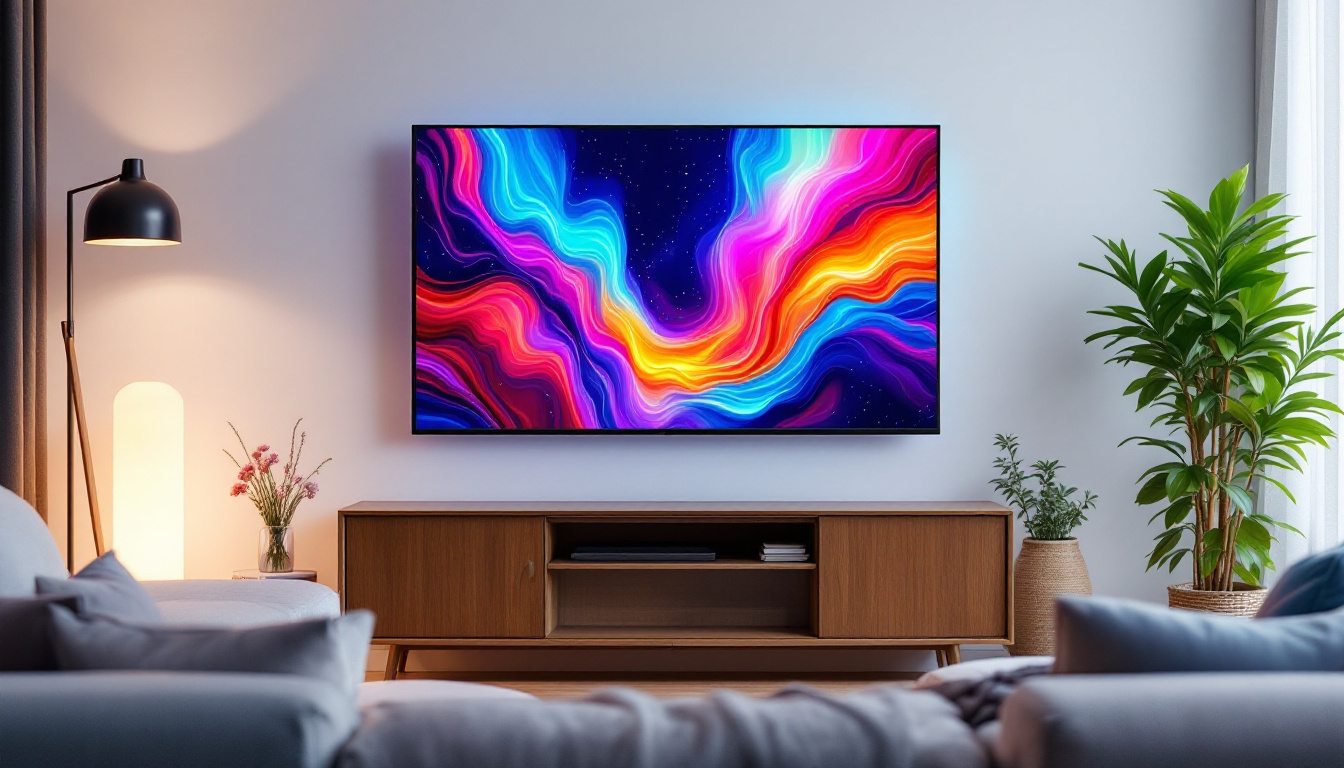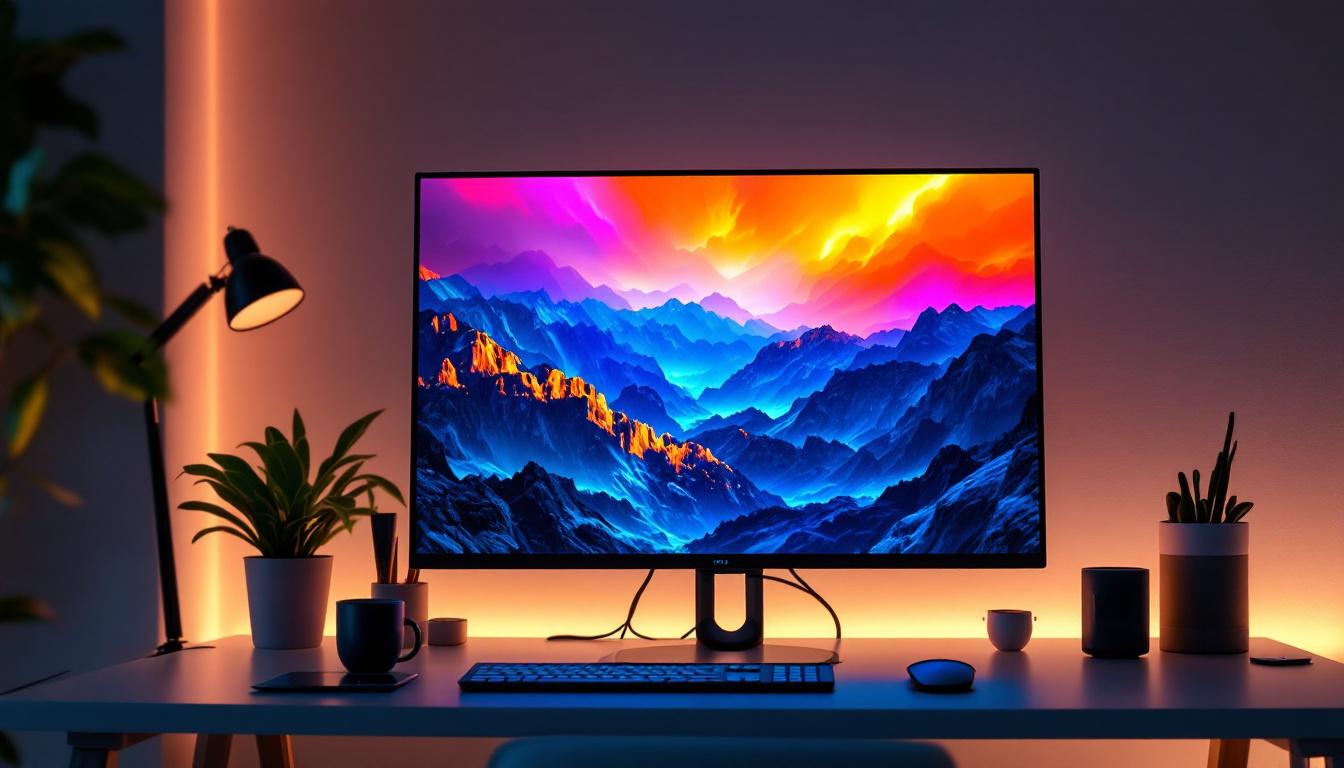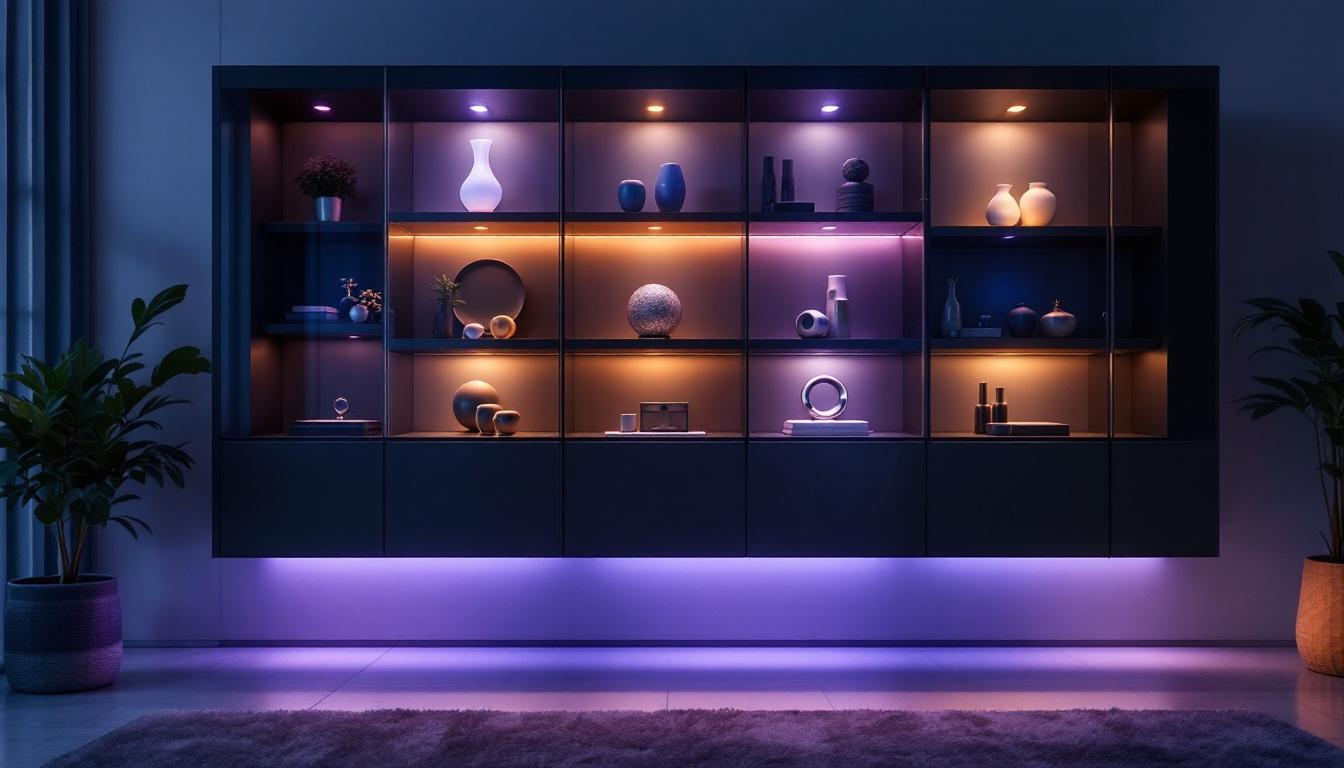
In an age where technology seamlessly integrates into daily life, maintaining privacy within the home has become a growing concern. With the rise of smart devices and digital displays, indoor LED screens offer a unique blend of functionality and discretion. This article explores the concept of home privacy screens using LED displays, explaining their technology, benefits, and practical applications to help homeowners make informed decisions.
Understanding LED Displays for Indoor Privacy Screens
What Is an LED Display?
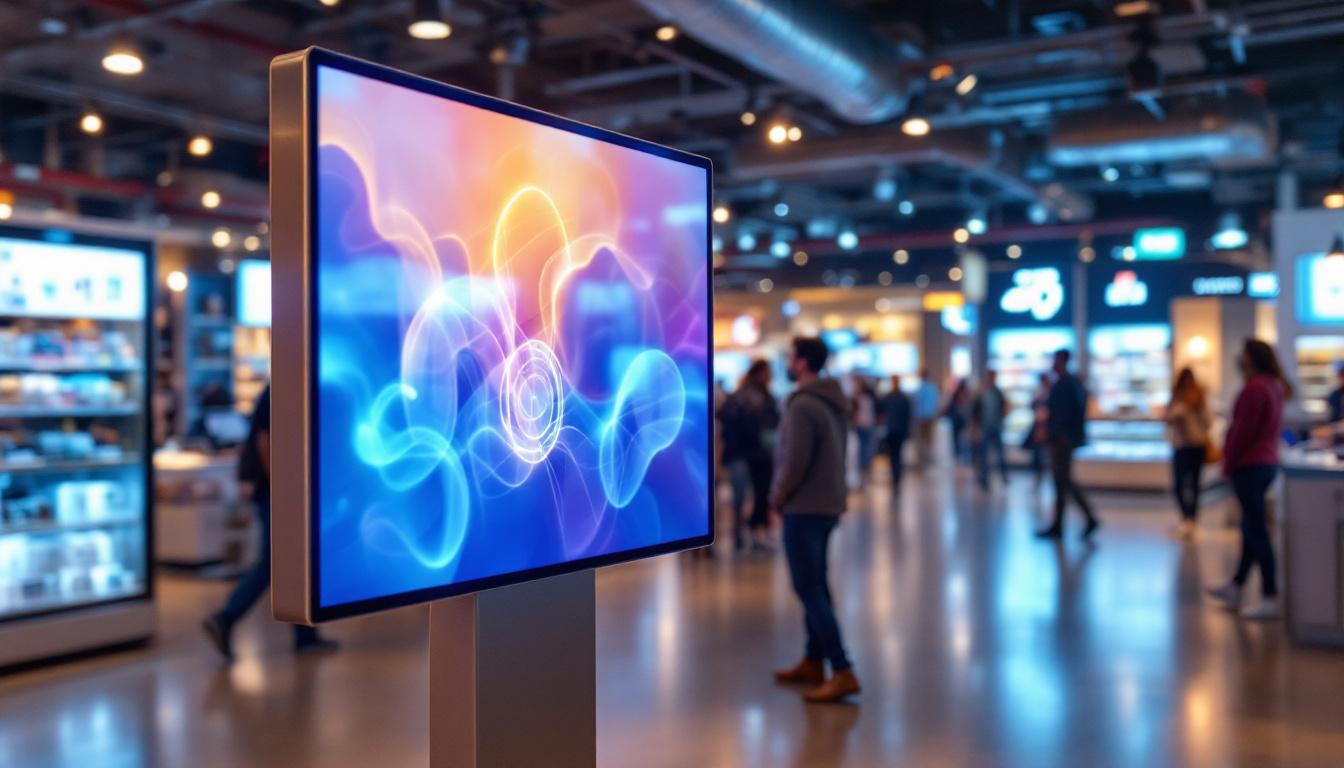
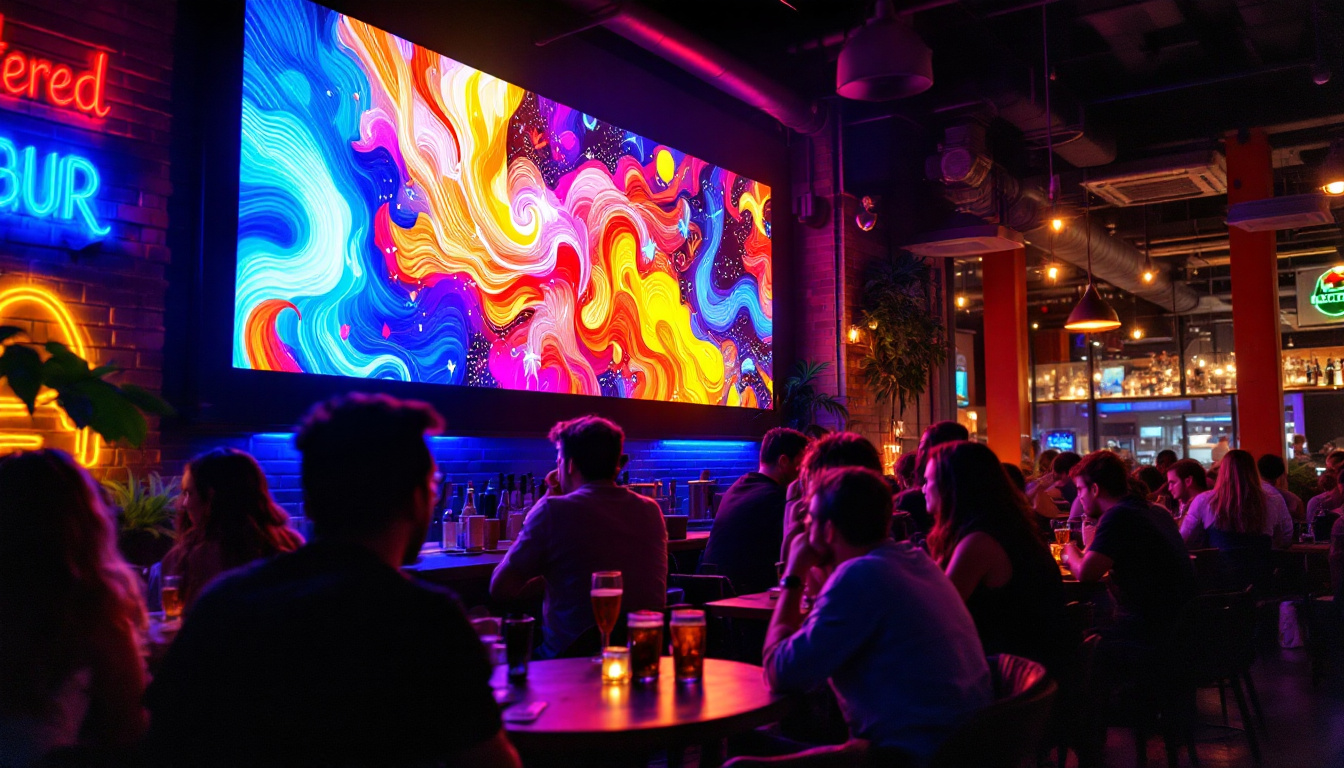
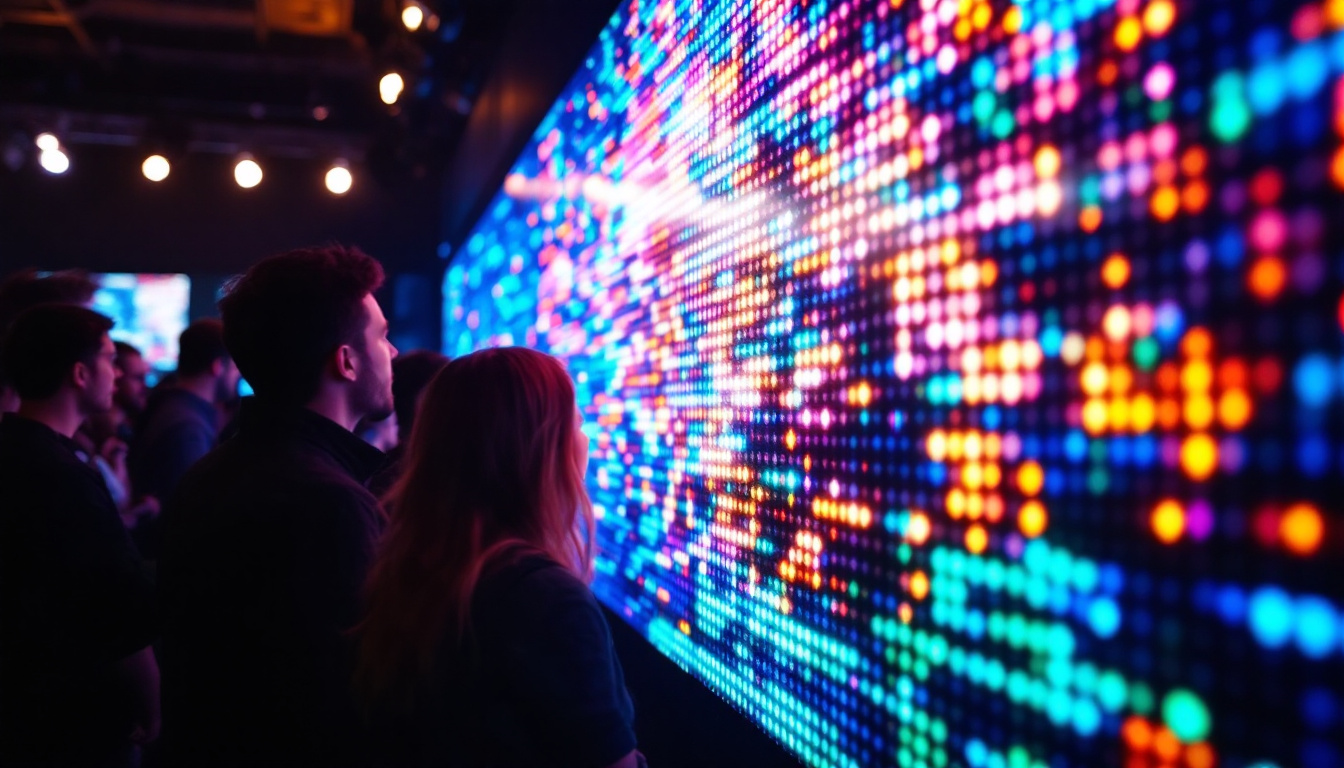
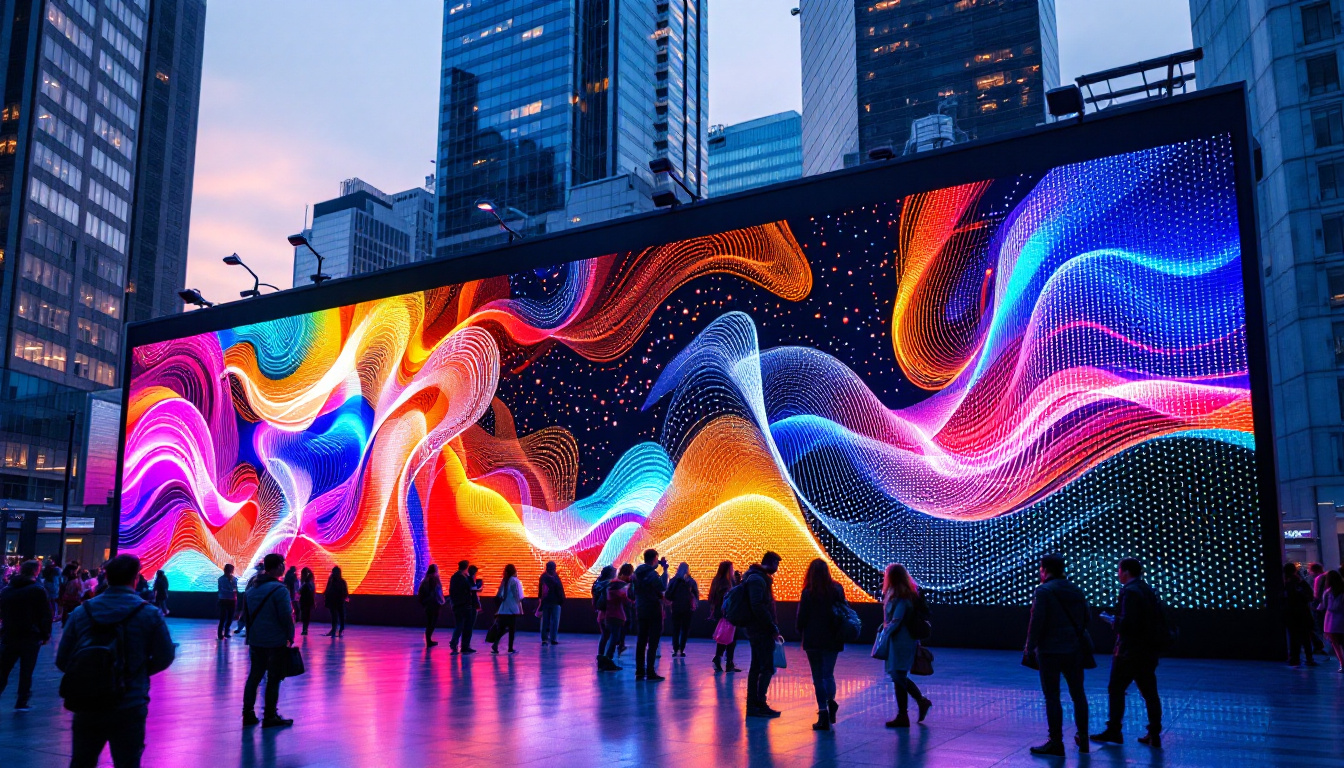
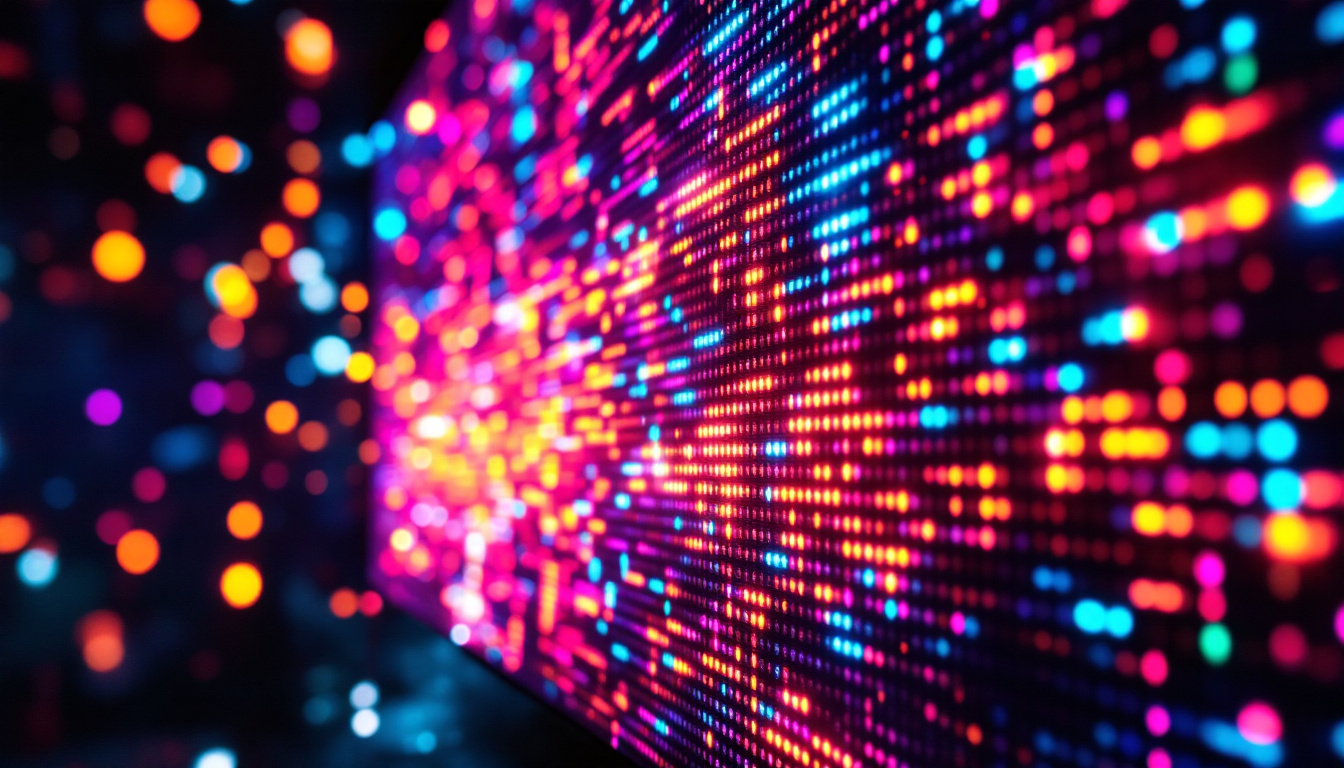
LED, or Light Emitting Diode, displays are screens made up of numerous tiny light sources that emit light when powered. Unlike traditional LCD screens that rely on backlighting, LED displays produce their own light, resulting in brighter images and better contrast. This technology has evolved beyond televisions and monitors, finding innovative uses in home environments, including privacy screens.
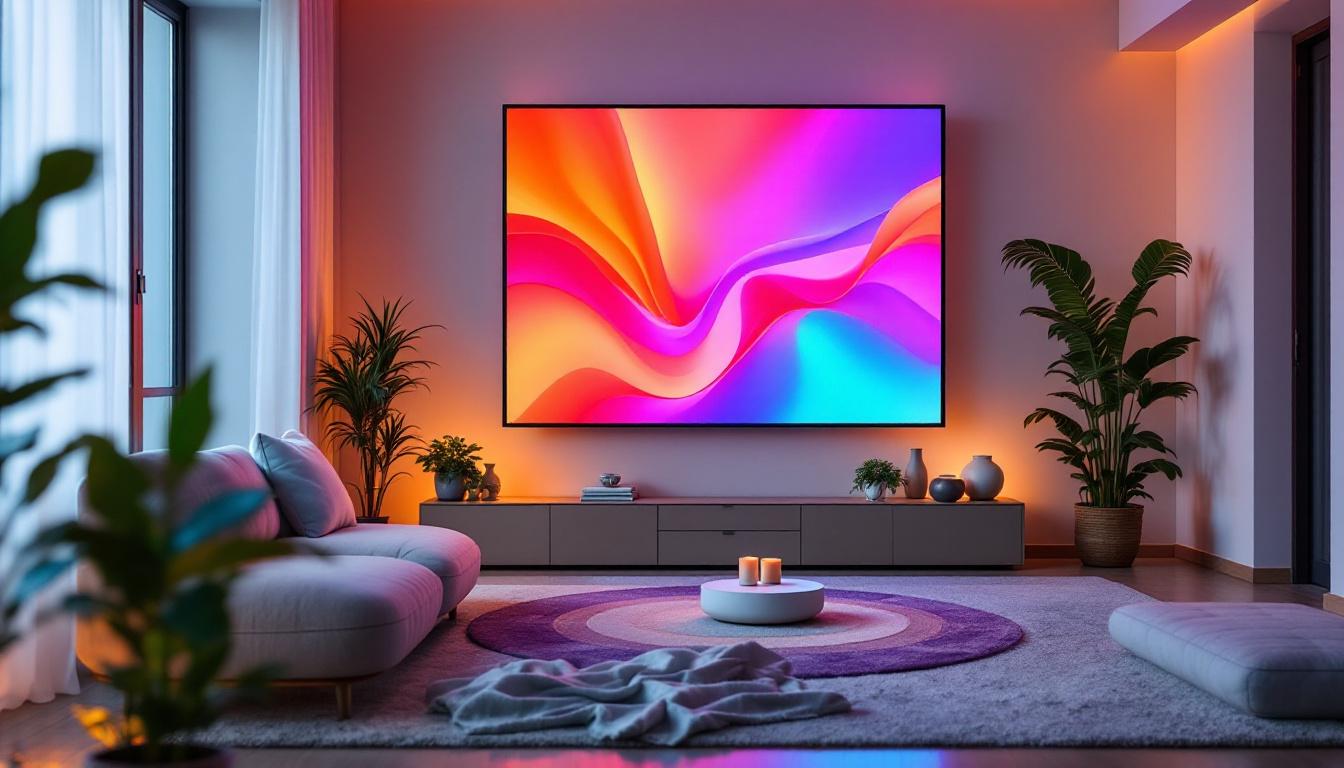
Indoor LED displays are designed to be energy-efficient and visually striking, capable of rendering high-resolution images and videos. Their modular nature allows for customization in size and shape, making them suitable for various home settings. Furthermore, the lightweight design of LED panels enables easy installation, whether mounted on walls or integrated into furniture, allowing homeowners to create a seamless aesthetic that fits their unique style.
In addition to their visual appeal, LED displays are also known for their longevity and durability. With a lifespan that can exceed 50,000 hours, these screens require less frequent replacement than traditional display technologies, making them a cost-effective choice in the long run. Their robust construction also means they can withstand environmental factors better, making them ideal for both residential and commercial applications.
How LED Privacy Screens Work
Privacy screens using LED technology function by controlling the visibility of the display from different angles. They can be configured to show content clearly only when viewed head-on, while appearing opaque or dark from side angles. This directional light emission is achieved through advanced pixel arrangements and optical filters embedded within the screen.
Some LED privacy screens also incorporate smart dimming features that adjust brightness based on ambient light, enhancing privacy without compromising visibility. These screens can be integrated into windows, room dividers, or even glass walls, effectively creating private zones within open-plan homes. This adaptability not only enhances the functionality of living spaces but also contributes to energy savings by reducing the need for additional lighting in darker environments.
Moreover, many modern LED privacy screens come equipped with interactive capabilities, allowing users to customize content displayed on the screen. This can range from digital art to personal photos or even information relevant to the room’s function, such as schedules or reminders. The ability to change the display dynamically adds a layer of personalization and utility, transforming a simple privacy screen into a multifunctional element of home decor.
Benefits of Using Indoor LED Privacy Screens
Enhanced Privacy Without Sacrificing Style
One of the primary advantages of LED privacy screens is their ability to provide seclusion without the need for bulky curtains or blinds. This is particularly valuable in modern homes where open layouts and large glass surfaces are prevalent. LED screens maintain the aesthetic appeal of the space while offering a high-tech solution to privacy concerns.
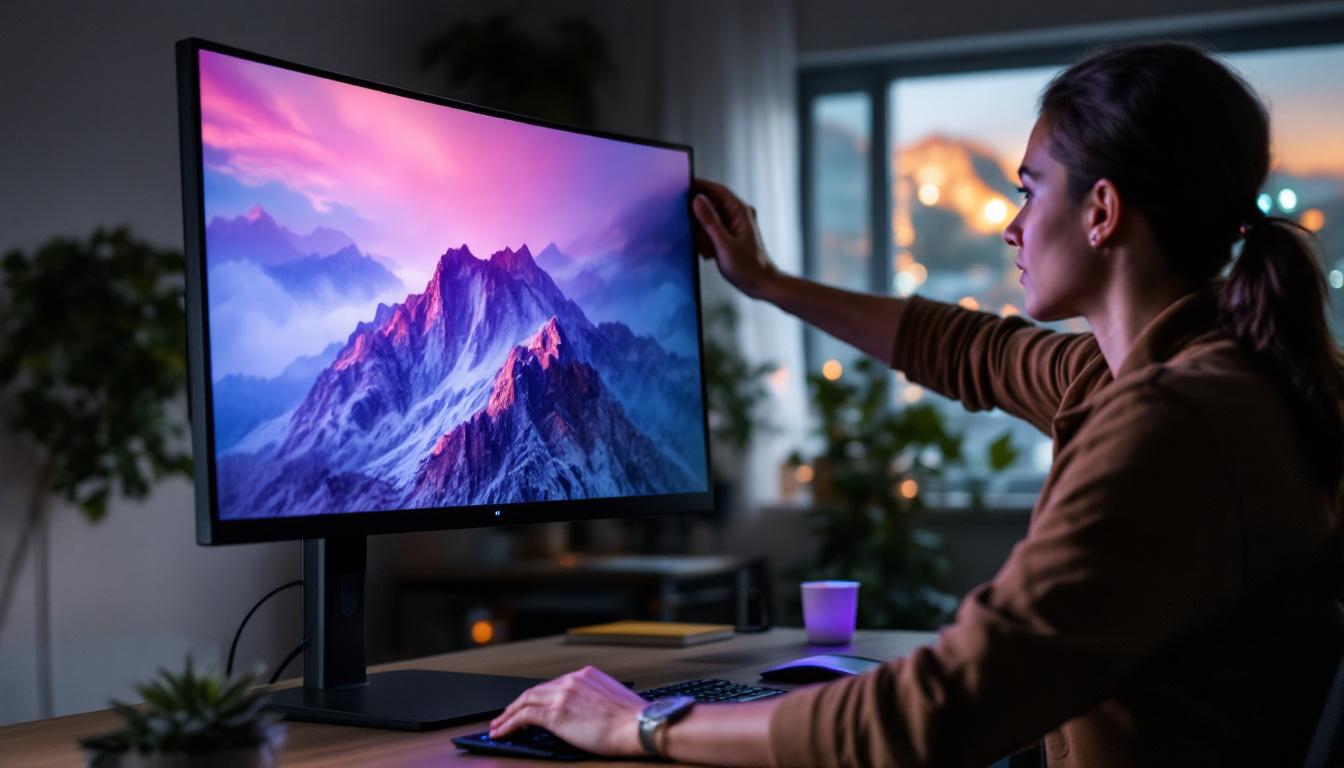
Moreover, these screens can display customizable content, such as ambient visuals or family photos, turning privacy into an opportunity for personalized décor. This dual functionality elevates the living environment, blending technology with interior design. For example, a homeowner can set the screen to display serene landscapes during the day, creating a calming atmosphere, and switch to a vibrant art piece for entertaining guests in the evening. This adaptability not only enhances the visual appeal of a room but also allows for a dynamic living experience that can change with the mood or occasion.
Energy Efficiency and Longevity
Compared to traditional lighting and display options, LED technology is highly energy-efficient. Indoor LED privacy screens consume less power, reducing household energy bills and environmental impact. Additionally, LEDs have a longer lifespan, often exceeding 50,000 hours of use, which means homeowners can enjoy their privacy solution for years without frequent replacements.
Furthermore, the energy efficiency of LED screens extends beyond mere power consumption. Many models are designed with smart dimming features that adjust brightness based on ambient light levels, ensuring optimal visibility while minimizing energy use. This not only contributes to lower utility costs but also aligns with the growing trend of sustainable living, allowing homeowners to make eco-friendly choices without compromising on comfort or style.
Improved Security and Control
Privacy screens using LED displays can be integrated with smart home systems, allowing users to control visibility remotely via smartphones or voice commands. This feature is particularly useful for securing sensitive areas, such as home offices or nurseries, where privacy needs may fluctuate throughout the day.
Some advanced models also include motion sensors that activate the screen only when someone is present, further enhancing security and energy savings. In addition, these screens can be programmed to automatically adjust their opacity based on the time of day or the presence of people, providing an extra layer of convenience. For instance, a screen can be set to become fully opaque at night for complete privacy while allowing natural light to filter through during the day. This level of control not only enhances security but also contributes to a more comfortable living environment, adapting seamlessly to the daily rhythms of life.
Applications of LED Privacy Screens in the Home
Windows and Glass Walls
Large windows and glass walls are common in contemporary homes, offering natural light and expansive views but often compromising privacy. LED privacy screens can be installed directly onto these surfaces, allowing homeowners to switch between transparent and opaque states as needed.
This technology is especially beneficial in urban settings where neighboring buildings are close, or in homes facing busy streets. By controlling the visibility of windows, residents can enjoy daylight without exposing their interiors to outside observers.
Room Dividers and Partitions
Open floor plans are popular for their spaciousness but can lack privacy for different household activities. LED privacy screens serve as dynamic room dividers that not only separate spaces visually but also provide interactive displays.
For example, a living room divider can double as a digital photo frame or an information board, while maintaining privacy between the kitchen and dining areas. This multifunctionality makes LED screens a smart investment for modern living spaces.
Home Offices and Study Areas
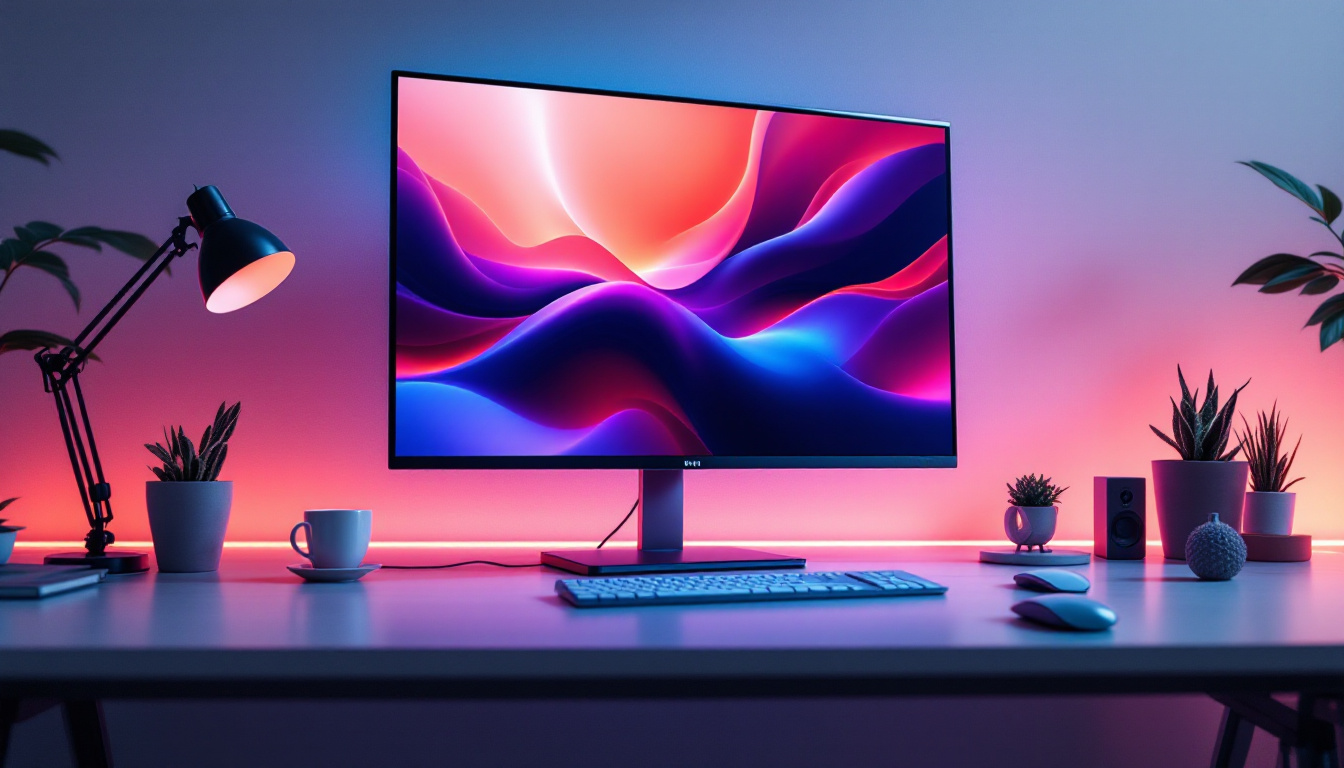
With remote work and online learning becoming more prevalent, creating private, distraction-free zones at home is essential. LED privacy screens can shield workspaces from interruptions while allowing natural light to pass through when privacy is not required.
Additionally, these screens can display calendars, reminders, or motivational messages, enhancing productivity and organization within the home office environment.
Choosing the Right LED Privacy Screen for Your Home
Factors to Consider
Selecting an appropriate LED privacy screen involves evaluating several key factors:
- Size and Placement: Determine the dimensions needed based on the installation area, whether it’s a window, partition, or wall.
- Resolution and Brightness: Higher resolution ensures clearer images, while adjustable brightness adapts to different lighting conditions.
- Viewing Angle: A narrower viewing angle enhances privacy but may limit visibility for intended users.
- Integration Capabilities: Compatibility with smart home systems can provide greater control and convenience.
- Budget: Prices vary widely based on technology sophistication and customization options.
Installation and Maintenance
Professional installation is recommended to ensure optimal performance and safety, especially for large or complex setups. Many manufacturers offer turnkey solutions that include mounting, wiring, and calibration services.
Maintenance of LED privacy screens is generally minimal, involving routine cleaning and occasional software updates. The durability of LED components reduces the likelihood of frequent repairs, making them a low-maintenance choice for homeowners.
Future Trends in Home Privacy and LED Technology
Advancements in Smart Glass and LED Integration
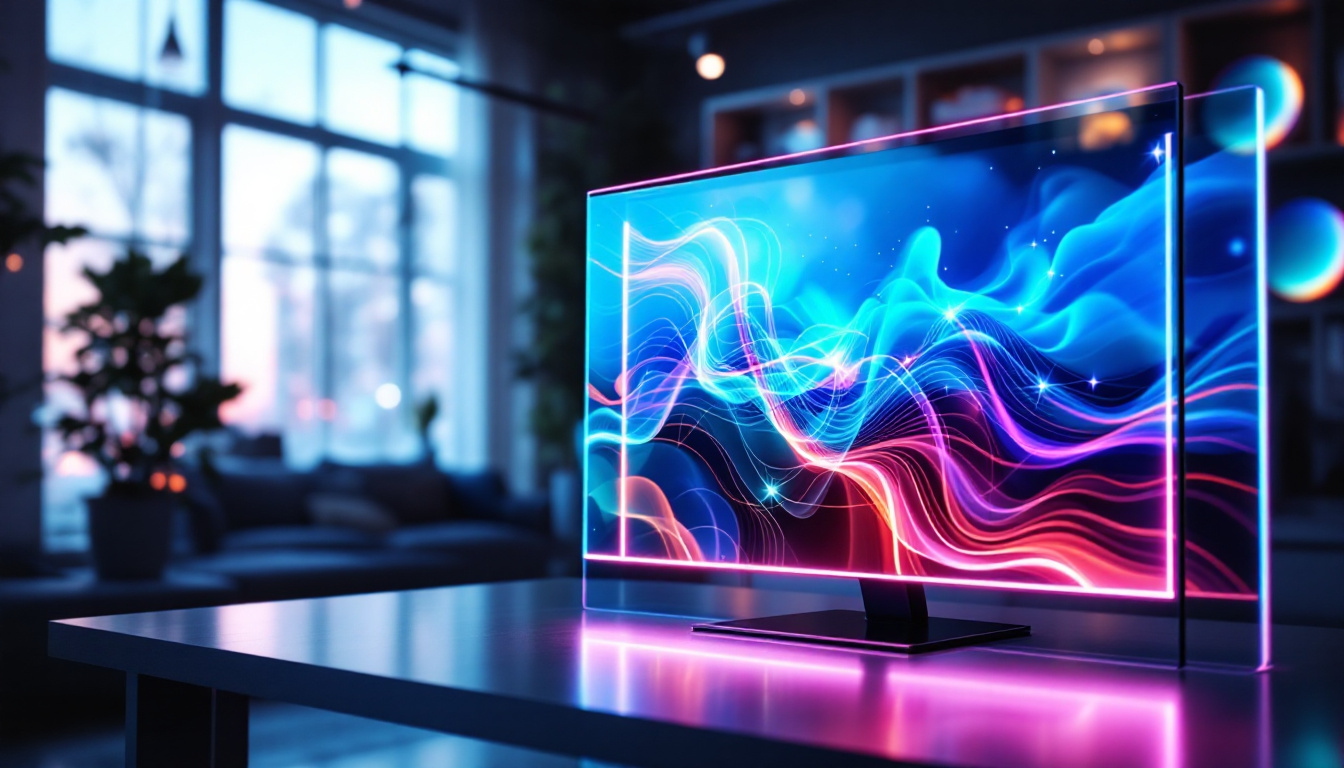
The convergence of smart glass technology with LED displays promises even more versatile privacy solutions. Electrochromic glass, which changes opacity with electrical input, combined with embedded LED pixels, can create dynamic surfaces that serve multiple functions—from privacy screens to interactive displays.
Such innovations will allow homeowners to customize their environment in real-time, adjusting transparency, color, and content according to mood or activity.
Increased Adoption of AI and Automation
Artificial intelligence is set to play a significant role in managing indoor privacy screens. AI-powered systems can learn user preferences, automatically adjusting screen settings based on time of day, occupancy, or external factors like weather.
This level of automation enhances convenience and energy efficiency, making privacy screens an integral part of smart home ecosystems.
Sustainability and Eco-Friendly Materials
As environmental concerns grow, manufacturers are focusing on sustainable materials and production methods for LED displays. Innovations include recyclable components, reduced hazardous substances, and energy harvesting technologies that minimize environmental impact.
Homeowners interested in eco-friendly solutions will benefit from these advancements, aligning privacy needs with sustainability goals.
Conclusion
Indoor LED privacy screens represent a sophisticated and stylish approach to maintaining privacy within modern homes. By leveraging advanced display technology, these screens offer customizable, energy-efficient, and multifunctional solutions that blend seamlessly with contemporary interior design.
Whether installed on windows, used as room dividers, or integrated into home offices, LED privacy screens enhance security, comfort, and aesthetic appeal. As technology continues to evolve, their role in smart homes is expected to expand, providing homeowners with greater control and flexibility over their personal spaces.
For those seeking a balance between openness and privacy, investing in indoor LED privacy screens is a forward-thinking choice that combines innovation with practicality.
Discover LumenMatrix LED Privacy Solutions
Embrace the future of home privacy with LumenMatrix’s cutting-edge LED display technology. As a pioneer in creating immersive visual experiences, LumenMatrix offers a wide array of LED solutions tailored to your privacy and design needs. From the comfort of your home to the empowerment of your business, our Indoor LED Wall Display, LED Transparent Display, and Custom LED Display options are designed to integrate seamlessly into your space. Elevate your home’s privacy and ambiance by exploring the innovative possibilities with LumenMatrix LED Display Solutions.