Creating the perfect home theater experience involves a careful balance of technology, design, and ambiance. Among the many factors that influence how immersive and enjoyable your viewing experience can be, the choice of wall color plays a surprisingly crucial role—especially when paired with LED display technology. This article explores the relationship between home theater wall color and LED displays, offering insights into how you can optimize your space for the best picture quality and overall atmosphere.
The Importance of Wall Color in Home Theaters
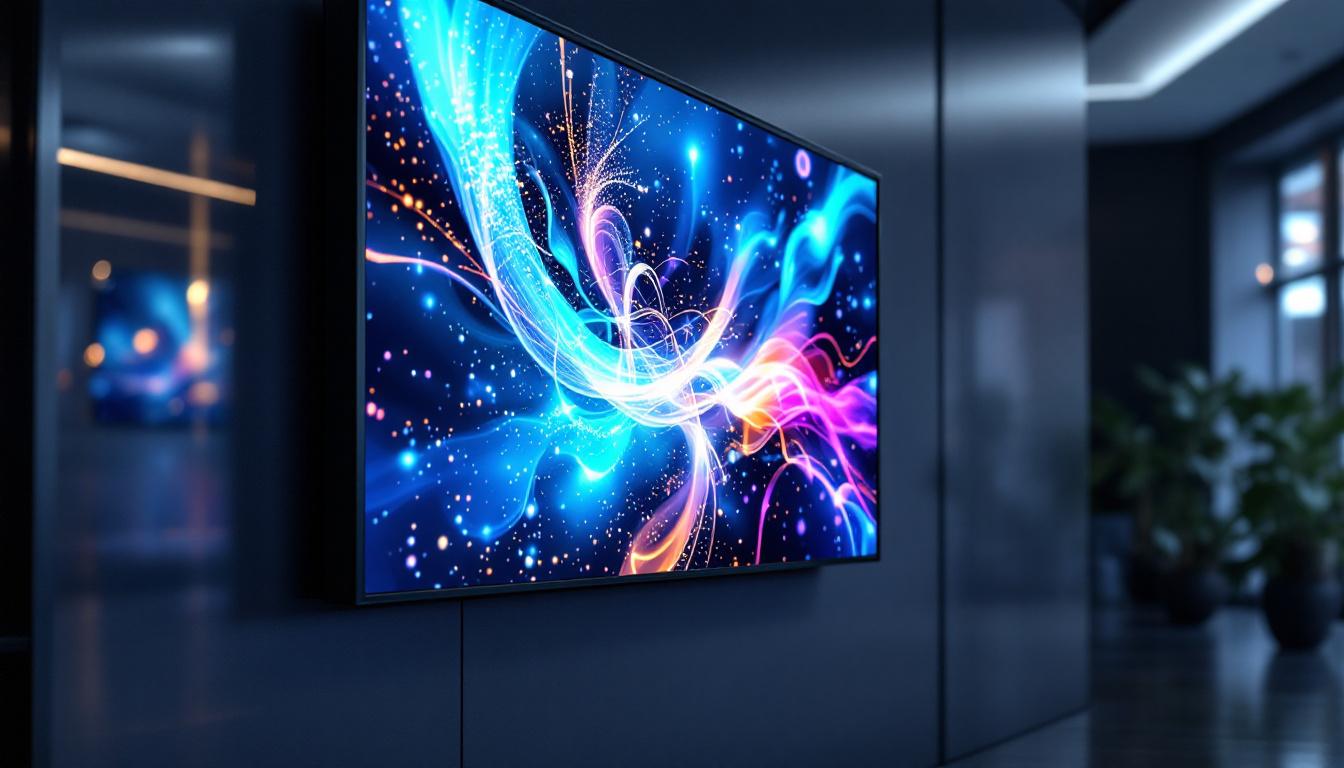
When designing a home theater, many focus on the screen, sound system, and seating, but wall color is often overlooked. However, the color and finish of the walls can significantly affect the visual performance of your LED display.
Wall colors influence how light reflects within the room. In a home theater, controlling ambient light and reflections is essential to maintain contrast and color accuracy on the screen. For LED displays, which emit their own light, wall color still matters because it affects perceived brightness and viewer comfort.
How Wall Color Affects Perceived Picture Quality
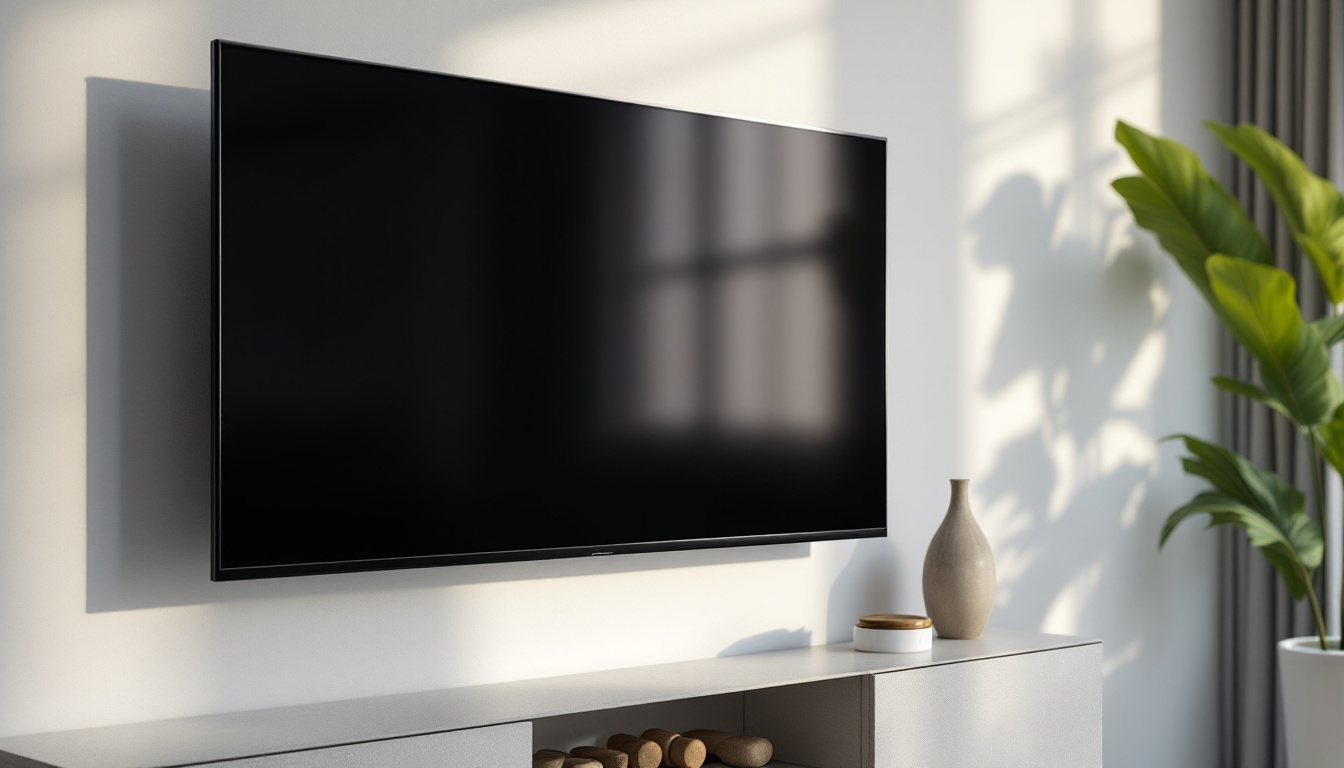
LED displays are self-illuminating, meaning they produce their own light rather than relying on a projector shining onto a screen. This characteristic reduces some concerns about ambient light interference, but wall color can still impact the viewing experience. For example, very bright or reflective walls can cause distracting glare or visual noise, while very dark walls absorb light, enhancing perceived contrast.
Studies in visual ergonomics suggest that neutral or darker matte finishes around the viewing area help the eyes focus on the display, reducing fatigue and improving the vividness of colors on the screen. This is particularly important for LED displays, which often have high brightness levels that can cause eye strain if the surrounding environment is too bright.
Moreover, the psychological effects of color should not be underestimated. Different colors can evoke various emotions and set the mood for your viewing experience. For instance, deep blues and rich burgundies can create a cozy and immersive atmosphere, making viewers feel more engaged with the content. In contrast, lighter colors might create a more open and airy feel, which could be distracting during intense scenes. Choosing a color that aligns with the type of films or shows you enjoy can enhance your overall experience, making it more enjoyable and memorable.
Additionally, the finish of the paint plays a crucial role in the overall aesthetic and functionality of your home theater. Matte finishes are preferred for their ability to minimize reflections and glare, while satin or glossy finishes may be more suited for accent walls or areas where you want to create a dramatic effect. Incorporating textures, such as fabric wall panels or acoustic treatments, can further enhance sound quality while also contributing to the visual appeal. These elements work together to create a harmonious environment that not only looks stunning but also optimizes the audio-visual experience.
Choosing the Right Wall Color for LED Displays
Selecting the optimal wall color for a home theater with an LED display requires balancing aesthetics, light control, and psychological comfort. Here are some key considerations:
Neutral and Dark Tones: The Preferred Palette
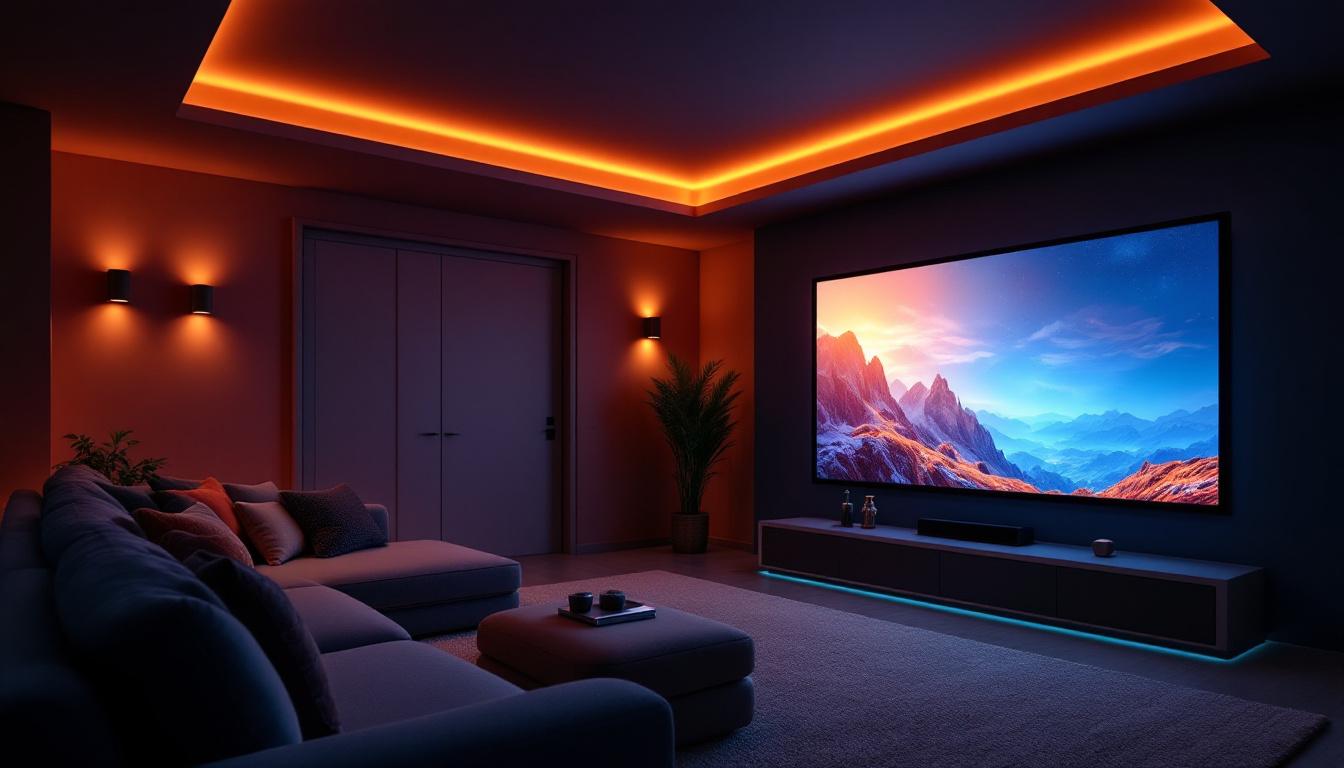
Dark, neutral colors such as charcoal gray, deep navy, and matte black are often recommended for home theater walls. These colors absorb ambient light and minimize reflections, allowing the LED display’s colors and contrast to stand out. For instance, a matte charcoal gray wall can reduce glare without making the room feel too enclosed or gloomy.
Black walls offer the highest level of light absorption, but they can sometimes make a room feel smaller or less inviting. To counterbalance this, designers often incorporate softer lighting and textured materials to maintain a cozy atmosphere. Additionally, incorporating elements like dark wood accents or plush furnishings can create a warm and inviting space, making it a perfect retreat for movie nights or gaming sessions.
Why Avoid Bright or Glossy Walls
Bright colors like white, yellow, or light pastels reflect more light, which can cause unwanted glare and diminish the perceived contrast on LED screens. Glossy or semi-gloss finishes exacerbate this issue by bouncing light around the room, creating hotspots and distracting reflections.
While LED displays are less sensitive to ambient light than projectors, a room with bright or reflective walls can still lead to visual discomfort and reduce the immersive quality of the home theater experience. Furthermore, the psychological impact of bright colors can be overstimulating in a viewing environment, making it harder for viewers to relax and fully engage with the content on screen.
Accent Walls and Creative Approaches
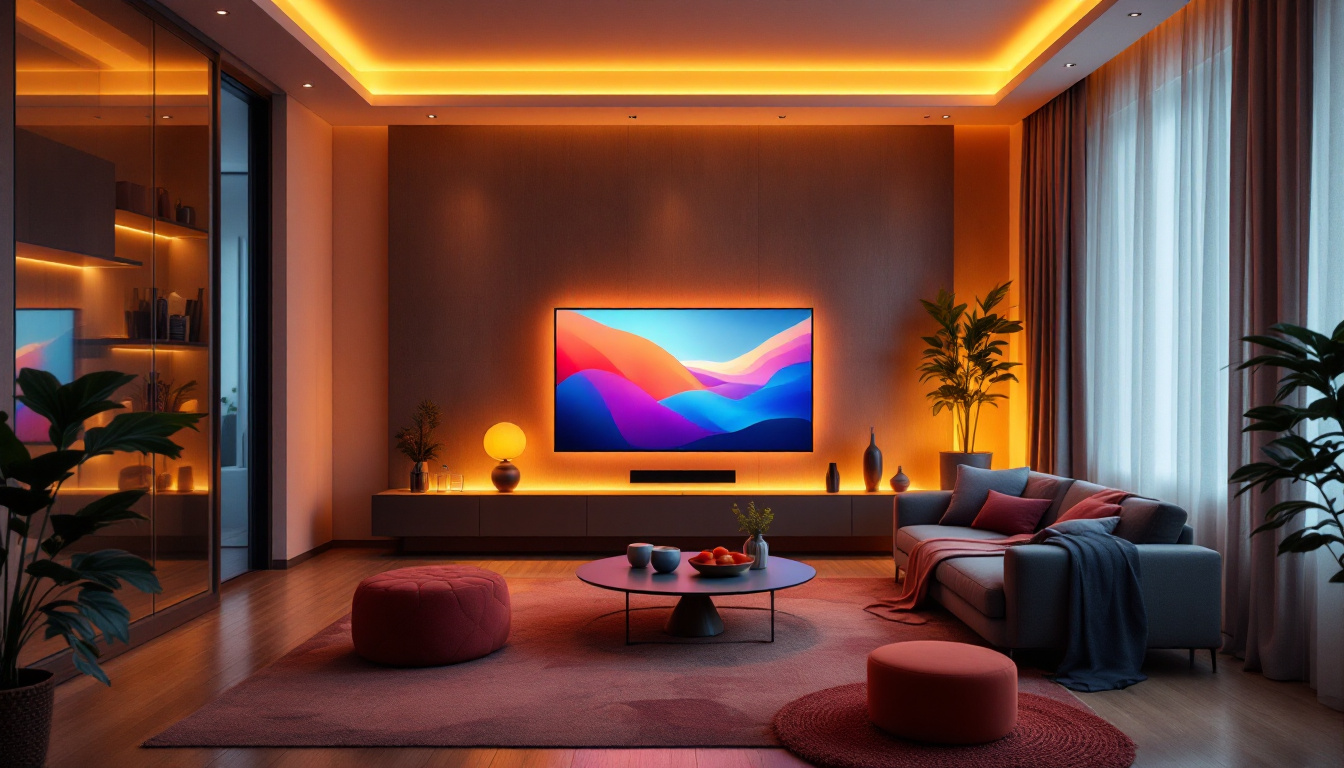
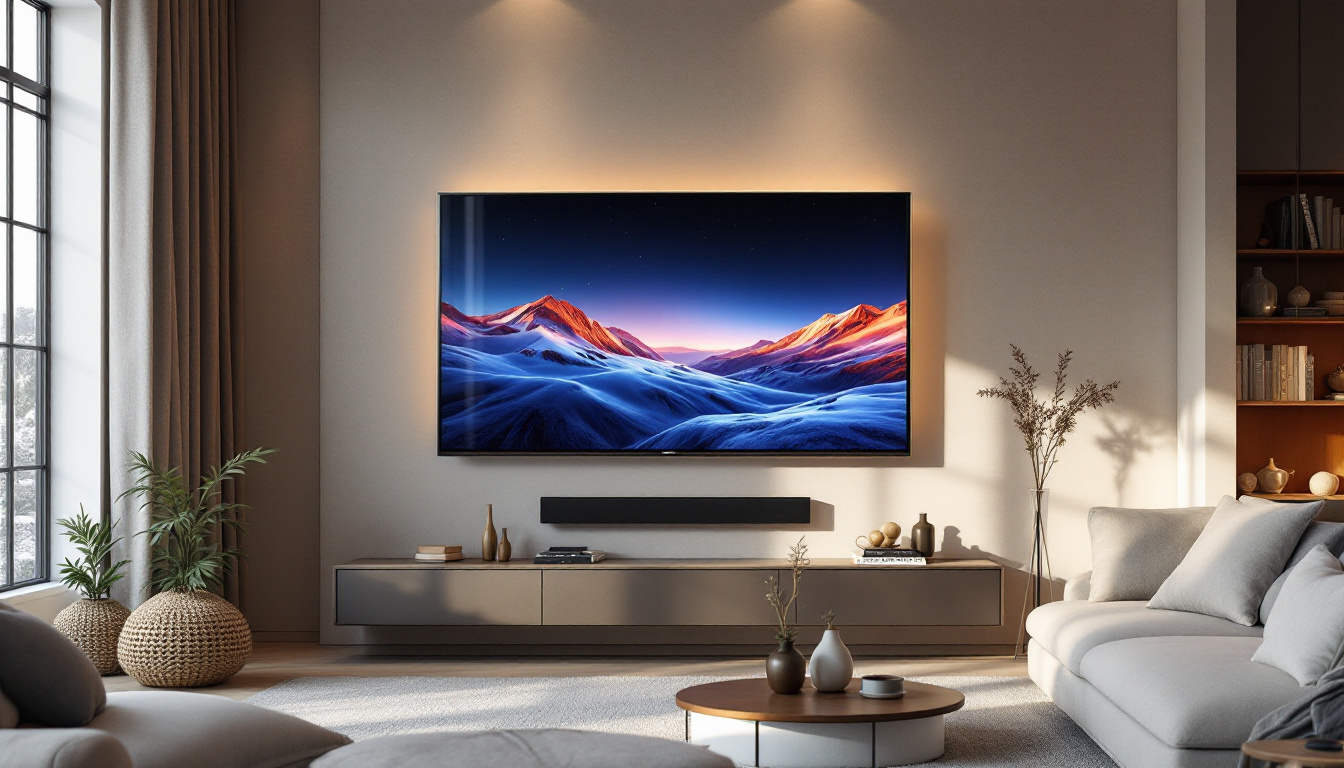
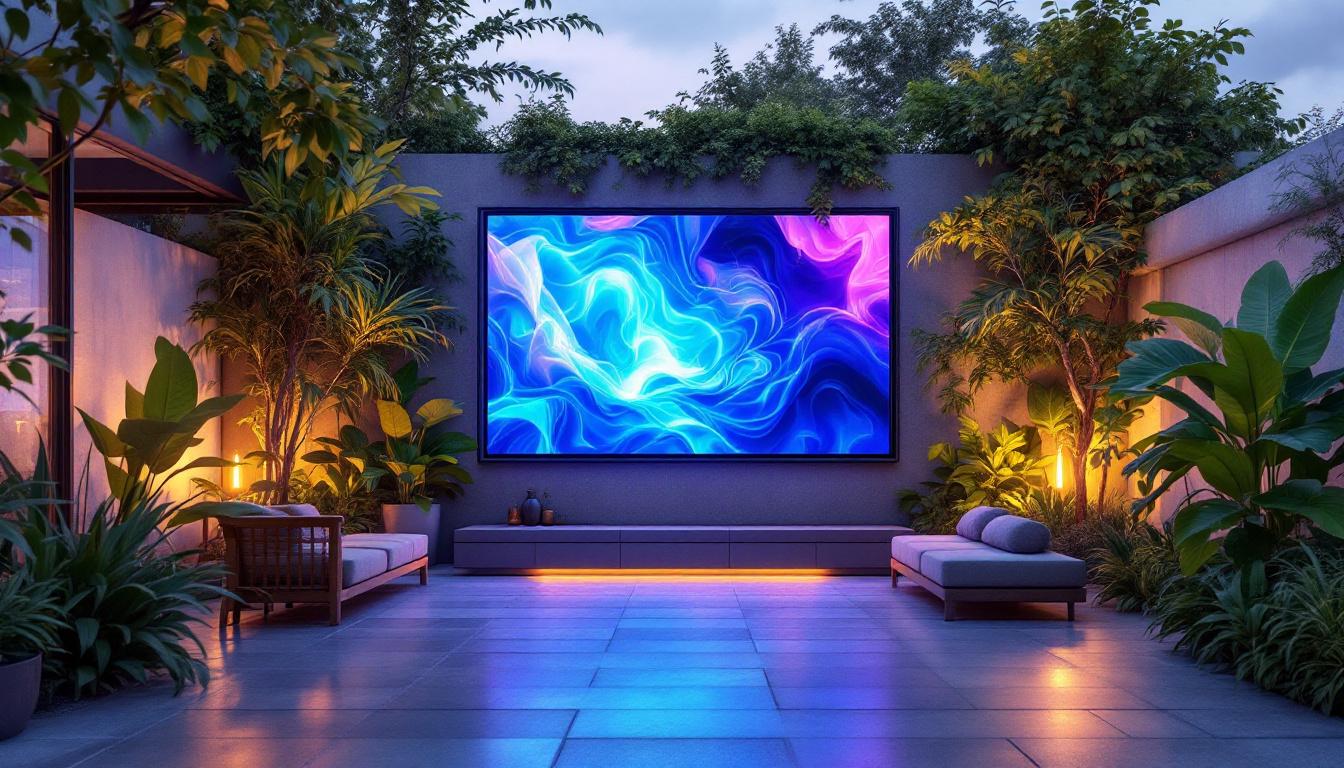
Some home theater enthusiasts choose to incorporate an accent wall behind the LED display. This wall is typically painted in a darker shade to frame the screen and enhance contrast, while the other walls are painted in lighter, complementary colors to prevent the room from feeling too dark.
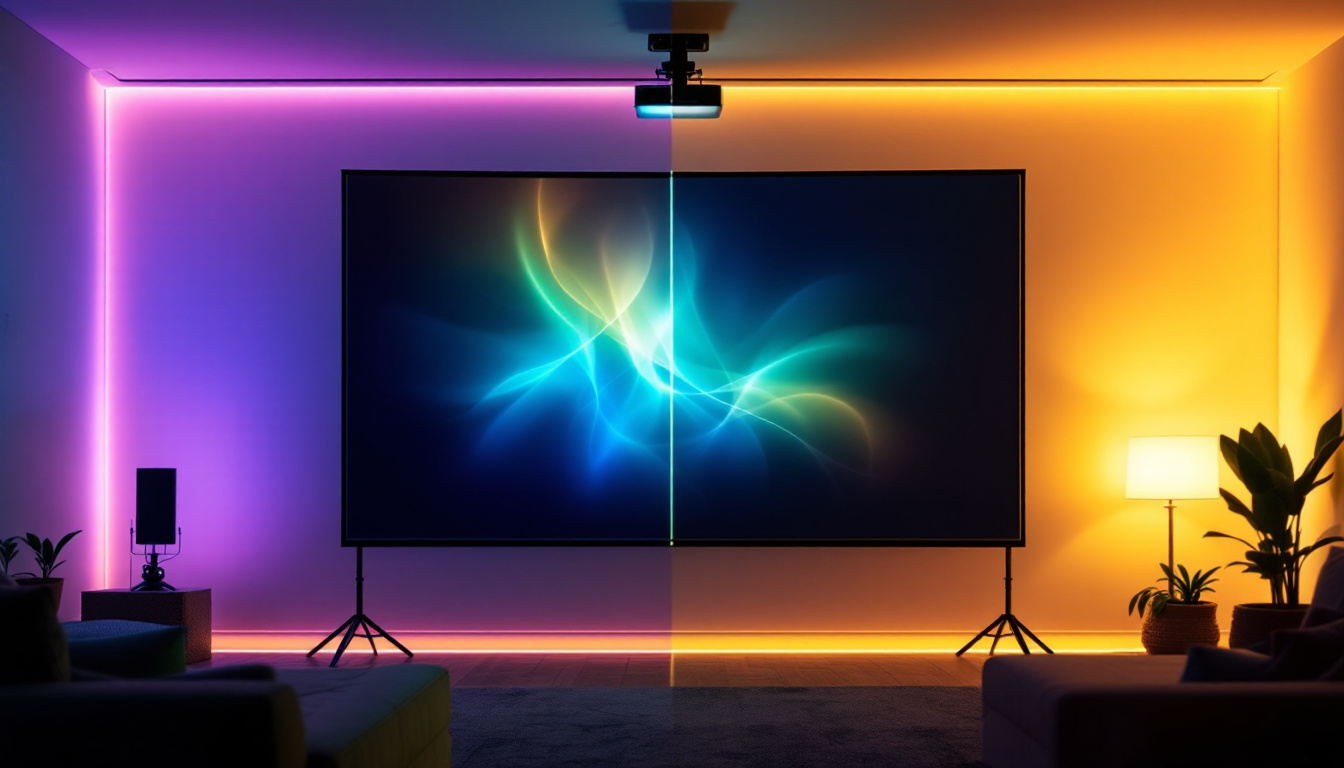
Another creative option involves using textured wall treatments or acoustic panels in dark colors. These not only improve sound quality but also help control light reflections, contributing to a more immersive viewing environment. Additionally, incorporating artwork or framed movie posters in muted tones can add personality to the space without overwhelming the senses, allowing for a visually appealing yet comfortable atmosphere. For those looking to personalize their home theater further, experimenting with LED strip lighting along the edges of the walls can create a stunning visual effect that enhances the overall ambiance while maintaining the focus on the screen.
LED Display Technology and Its Interaction with Room Colors
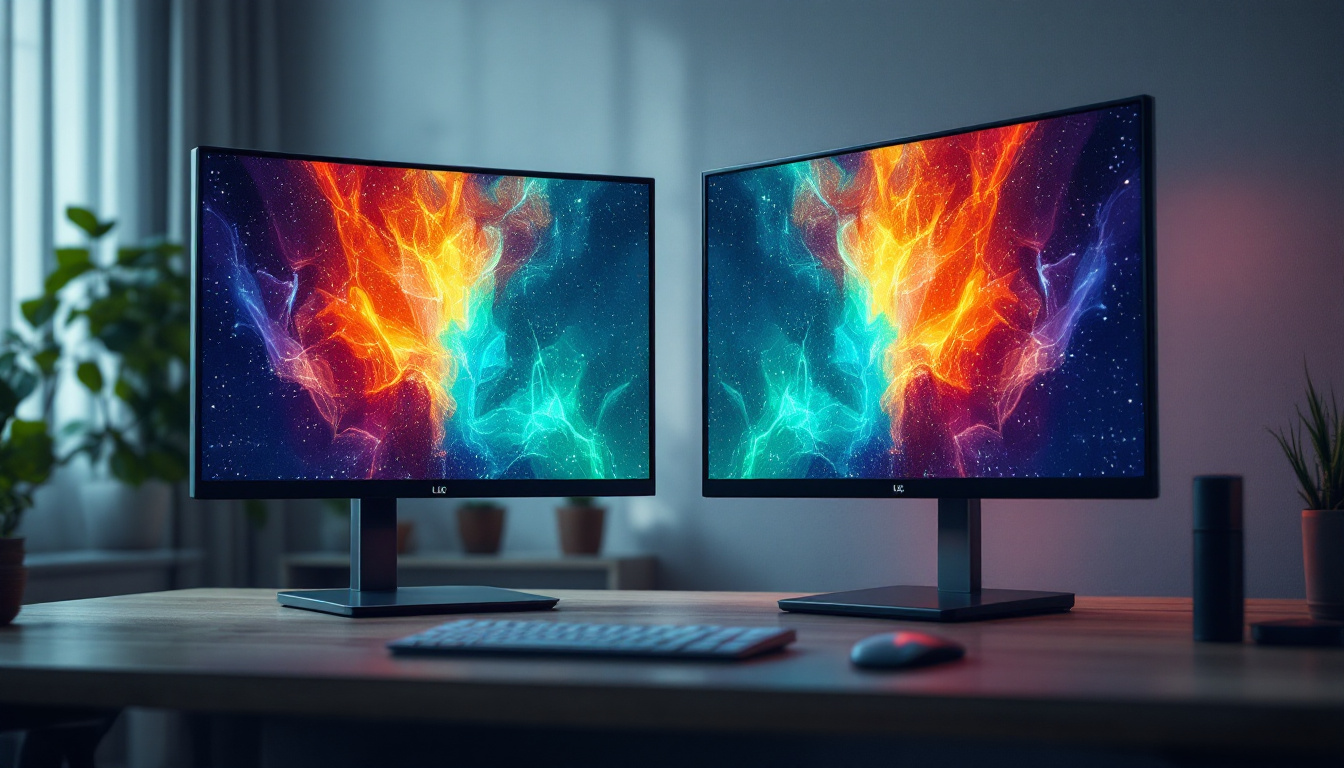
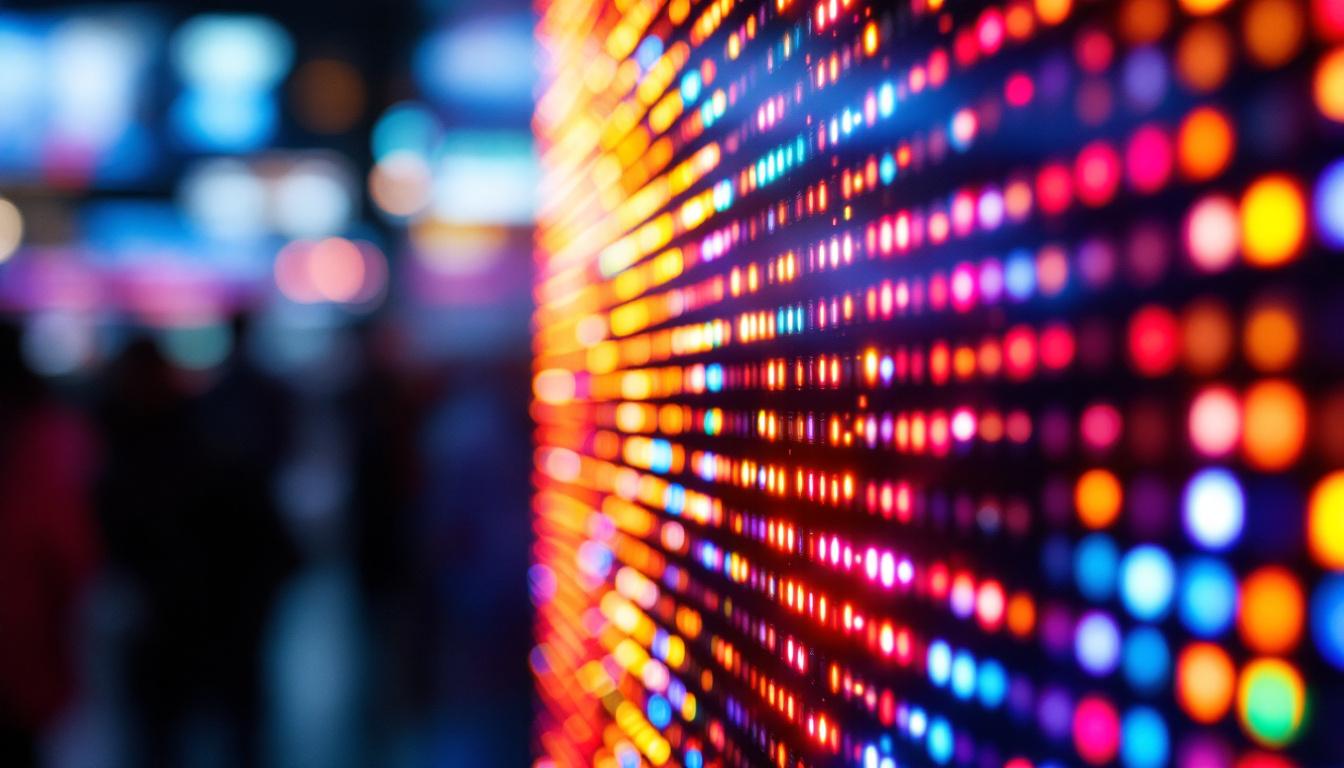
Understanding how LED displays function helps clarify why wall color matters. Unlike traditional projectors, LED displays emit light directly from their pixels, resulting in bright, vivid images with deep blacks and high contrast ratios. This direct emission of light enables LED displays to create stunning visuals that are not only engaging but also immersive, making them ideal for various applications, from home theaters to professional presentations.
Brightness and Contrast Considerations
LED displays typically offer higher brightness levels than projectors, often exceeding 600 nits, with some premium models reaching over 1,000 nits. This brightness allows for clear images even in rooms with some ambient light. However, excessive ambient light reflected off bright-colored walls can still wash out the image, reducing perceived contrast. In environments where natural light is prevalent, such as living rooms with large windows, the choice of wall color becomes even more critical. Soft, muted tones can help mitigate the effects of glare while enhancing the overall viewing experience.
Contrast ratio—the difference between the darkest black and the brightest white—is a critical factor in image quality. Dark walls help maintain this contrast by absorbing stray light, preventing it from bouncing back onto the screen and reducing black levels. Moreover, the texture of the wall surface can also play a role; matte finishes tend to absorb more light than glossy ones, further enhancing the contrast and making the images appear more dynamic and lifelike.
Color Accuracy and Ambient Light
LED displays are known for their excellent color reproduction. However, ambient light reflected from walls can alter the viewer’s perception of colors. For example, a yellow or red wall can cast a subtle hue onto the screen, affecting color accuracy. Neutral wall colors help preserve the true colors emitted by the LED display. This is particularly important in professional settings, such as graphic design studios or photography galleries, where color fidelity is paramount for accurate representation of visual content.
In addition to wall color, the lighting fixtures in the room can also impact the viewing experience. The type of bulbs used, their placement, and even the dimming capabilities can all influence how colors are perceived on the screen. For instance, warm-toned lights can enhance the warmth of colors displayed, while cooler lights may create a more sterile viewing environment. Therefore, a comprehensive approach that considers both wall color and lighting can significantly enhance the performance of LED displays, ensuring that viewers experience the intended vibrancy and accuracy of the visuals presented.
Practical Tips for Painting Your Home Theater Walls
Once you’ve decided on the ideal color palette, proper preparation and paint selection are essential to maximize the benefits.
Choose Matte or Flat Finishes
Matte or flat paint finishes are ideal for home theater walls because they minimize light reflection. Satin or eggshell finishes, while easier to clean, can reflect light and cause glare, detracting from the viewing experience.
Consider Paint Quality and Coverage
High-quality paint with good coverage ensures a uniform finish, which is important for avoiding uneven light absorption. Some paints are formulated specifically for media rooms and theaters, offering enhanced light absorption and sound dampening properties.
Test Samples in Your Space
Before committing to a color, it’s wise to paint sample patches on your walls and observe them under different lighting conditions—daylight, artificial lighting, and with the LED display turned on. This helps you understand how the color interacts with your specific environment.
Additional Design Elements to Complement Wall Color
Wall color is just one part of the home theater design equation. Other elements can work synergistically to enhance your LED display’s performance and overall comfort.
Lighting Control
Effective lighting control is crucial. Blackout curtains or shades prevent daylight from flooding the room, while dimmable, indirect lighting reduces eye strain and maintains ambiance. Avoid placing bright lights directly opposite the LED display to minimize reflections.
Acoustic Treatments
Acoustic panels and sound-absorbing materials not only improve audio quality but also help reduce light reflections when covered in dark fabrics or paint. Integrating these treatments with your wall color strategy creates a more immersive experience.
Furniture and Flooring Choices
Dark-colored furniture and flooring can complement dark walls and reduce light reflection. Soft materials like carpets and upholstered seats also absorb sound and light, contributing to a cozy, distraction-free environment.
Conclusion: Balancing Functionality and Style
Choosing the right wall color for your home theater equipped with an LED display is a critical step in crafting an immersive and enjoyable viewing experience. Dark, neutral matte finishes are generally the best choice to optimize contrast, reduce glare, and maintain color accuracy.
However, personal taste and room characteristics should guide your final decision. By combining thoughtful wall color selection with proper lighting, acoustic treatments, and furniture choices, you can create a home theater that not only looks great but also delivers exceptional performance.
Investing time and effort into these design details ensures that your LED display shines in the best possible environment, turning movie nights and gaming sessions into truly memorable experiences.
Enhance Your Home Theater with LumenMatrix
Ready to elevate your home theater experience with the perfect LED display? LumenMatrix offers a wide range of innovative LED display solutions that bring your favorite content to life. From the comfort of your carefully designed space, immerse yourself in the vibrant colors and deep contrasts that our state-of-the-art LED displays provide. Whether you’re looking for an Indoor LED Wall Display to complement your wall color choices or a Custom LED Display tailored to your unique space, LumenMatrix has the technology to transform your viewing experience. Check out LumenMatrix LED Display Solutions today and see the difference for yourself!