In modern healthcare environments, patient privacy and comfort are paramount. Hospitals continuously seek innovative solutions to enhance patient care while maintaining strict confidentiality. One such innovation gaining traction is the use of LED display technology in hospital privacy screens. This article explores the role of LED displays in hospital privacy screens, their benefits, and how they are revolutionizing patient privacy standards.
Understanding Hospital Privacy Screens
The Importance of Privacy in Healthcare Settings
Patient privacy is a critical aspect of healthcare, mandated by laws such as the Health Insurance Portability and Accountability Act (HIPAA) in the United States and similar regulations worldwide. Privacy screens in hospitals serve to protect patients from unwanted exposure during examinations, treatments, and rest periods. They also help create a calming environment that supports patient dignity and comfort.
Traditional privacy screens are typically made from fabric or vinyl curtains, which, while effective at blocking visual access, have limitations. They can be cumbersome, require manual adjustment, and may not offer additional functional benefits beyond privacy. This has driven the search for more advanced solutions that integrate technology with privacy needs.
What Are LED Display Privacy Screens?
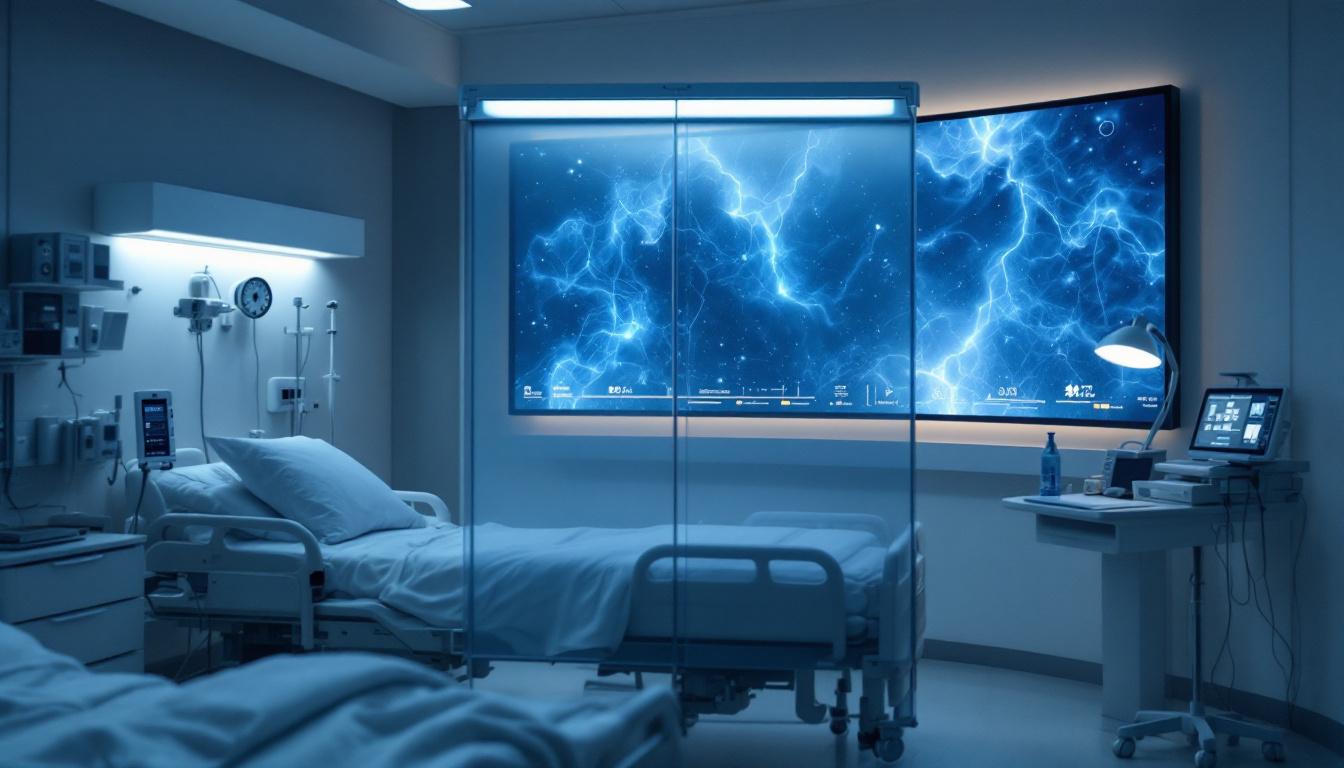
LED display privacy screens are innovative partitions embedded with light-emitting diode (LED) technology. Unlike conventional curtains, these screens can display customizable content, ranging from static images to dynamic information, while simultaneously serving as physical barriers between patient spaces.
These screens use high-resolution LED panels that can be adjusted for brightness and content, allowing hospitals to tailor the display to specific needs. For example, they can show calming visuals to reduce patient anxiety or provide real-time information about hospital services and safety protocols.
Moreover, LED display privacy screens can also be programmed to display important health information, such as reminders for medication times or instructions for post-operative care. This dual functionality not only enhances patient engagement but also serves as an educational tool, empowering patients with knowledge about their health and treatment plans. The ability to customize the displayed content means that hospitals can adapt the screens to reflect seasonal themes or health awareness campaigns, creating a more dynamic and responsive healthcare environment.
In addition to their visual capabilities, these screens are designed with patient safety in mind. Many models incorporate antimicrobial materials and easy-to-clean surfaces, ensuring that hygiene standards are maintained in high-traffic areas. This is particularly crucial in preventing hospital-acquired infections, a significant concern in healthcare settings. By merging privacy with advanced technology and safety features, LED display privacy screens represent a significant evolution in the way hospitals approach patient care and comfort.
How LED Display Privacy Screens Work
Technical Overview
LED display privacy screens consist of numerous tiny LEDs arranged in a matrix to form a screen. Each LED can emit light independently, allowing for the creation of detailed images and videos. The screens are typically thin and lightweight, making them suitable for hospital environments where space and mobility are considerations. The technology behind these displays often includes advanced color calibration techniques, ensuring that the images produced are not only vibrant but also true to life, which is particularly important in medical settings where accurate visual representation can impact patient care.
These screens can be connected to hospital information systems, enabling seamless updates and content management. They often feature touch capability or remote control options, allowing healthcare staff to adjust settings without disturbing patients. Furthermore, many of these screens are designed with energy efficiency in mind, utilizing low power consumption methods that contribute to the overall sustainability goals of modern healthcare facilities. This not only reduces operational costs but also aligns with the growing emphasis on eco-friendly practices in hospital management.
Integration with Hospital Infrastructure
Integration is a key advantage of LED privacy screens. They can be linked to electronic health records (EHR) systems, nurse call systems, or environmental controls to display relevant patient information or alerts discreetly. For example, a screen might show a patient’s name and care instructions visible only to authorized personnel, enhancing communication while maintaining privacy. This level of integration allows for real-time updates, ensuring that healthcare providers have immediate access to critical information, which can be vital in emergency situations where every second counts.
Additionally, LED screens can be programmed to adjust brightness automatically based on ambient light, ensuring optimal visibility without causing discomfort. This adaptability is crucial in hospital rooms where lighting conditions can vary significantly. Moreover, these screens can also incorporate features such as patient education content, displaying instructional videos or health tips tailored to individual patients, which can enhance patient engagement and understanding of their care. By providing relevant information in a visually appealing manner, LED privacy screens not only protect patient confidentiality but also empower patients in their healthcare journey.
Benefits of LED Display Privacy Screens in Hospitals
Enhanced Patient Privacy and Comfort
LED display screens provide a physical barrier that effectively shields patients from view, similar to traditional curtains. However, their ability to display soothing images or informative content can also improve the patient experience. Studies show that visual stimuli such as nature scenes or calming colors can reduce stress and promote healing, making LED screens a dual-purpose tool. This innovative approach not only enhances privacy but also transforms the hospital environment into a more welcoming space. By integrating art and nature into the clinical setting, hospitals can create a therapeutic atmosphere that supports emotional well-being, which is crucial for patient recovery.
Improved Infection Control
Hospital-acquired infections (HAIs) remain a significant challenge, with the Centers for Disease Control and Prevention (CDC) estimating approximately 1.7 million HAIs occurring annually in the U.S. alone. Traditional fabric curtains can harbor pathogens and require frequent laundering.
In contrast, LED privacy screens are made from non-porous materials that are easier to clean and disinfect. Their smooth surfaces reduce the risk of microbial contamination, contributing to better infection control protocols. Additionally, the implementation of LED screens can be part of a broader strategy to enhance hospital hygiene. By utilizing advanced cleaning technologies, such as UV light disinfection, hospitals can ensure that these screens remain sterile, further protecting vulnerable patients. This proactive approach not only safeguards health but also instills confidence in patients and their families, knowing that the facility prioritizes their safety.
Operational Efficiency and Cost Savings
While the initial investment in LED privacy screens may be higher than traditional curtains, hospitals can realize long-term savings. The durability and low maintenance requirements of LED screens reduce replacement and cleaning costs. Furthermore, their ability to display dynamic information can streamline communication, reducing the need for printed materials and manual updates.
For example, during the COVID-19 pandemic, hospitals used digital screens to display rapidly changing safety guidelines, minimizing confusion and enhancing compliance. Beyond just information dissemination, these screens can also serve as a platform for patient education. By showcasing videos on procedures, medication instructions, or wellness tips, hospitals can empower patients to take an active role in their care. This not only enhances patient understanding but also fosters a sense of partnership between healthcare providers and patients, ultimately leading to better health outcomes.
Applications of LED Display Privacy Screens in Healthcare
Patient Rooms and Wards
In patient rooms, LED privacy screens can partition spaces without sacrificing light or openness. Their customizable displays allow for personalization, such as showing patient names, care schedules, or entertainment content. This personalization supports patient-centered care and improves satisfaction.
Emergency Departments and Waiting Areas
Emergency departments often face challenges balancing privacy with the need for rapid information flow. LED privacy screens can provide discreet visual barriers while displaying wait times, procedural updates, or health education content. This dual function helps manage patient expectations and reduces anxiety.
Operating Theaters and Procedure Rooms
In surgical and procedural settings, privacy screens with LED displays can enhance communication among medical teams by showing critical information without the need for additional monitors. They also help maintain sterile environments by reducing the need for physical interaction with devices.
Challenges and Considerations
Cost and Implementation
Despite their benefits, LED privacy screens require significant upfront investment. Hospitals must consider budget constraints and weigh the long-term advantages against initial costs. Implementation also involves staff training and integration with existing systems, which can be resource-intensive.
Privacy and Security Concerns
While LED screens can enhance privacy, they also introduce new security considerations. Content displayed must be carefully managed to prevent unauthorized access to sensitive patient information. Hospitals need robust cybersecurity measures and strict access controls to safeguard data.
Technical Limitations
LED screens require reliable power sources and network connectivity. In the event of power failures or technical malfunctions, privacy functions could be compromised. Backup systems and regular maintenance are essential to ensure continuous operation.
Future Trends in Hospital Privacy Screens
Advancements in Display Technology
Emerging technologies such as microLED and OLED displays promise even thinner, more flexible, and energy-efficient screens. These advancements will likely make LED privacy screens more adaptable to various hospital environments, including mobile and temporary setups.
Integration with Smart Hospital Systems
The future of hospital privacy screens lies in their integration with broader smart hospital ecosystems. By connecting with Internet of Things (IoT) devices, artificial intelligence (AI), and patient monitoring systems, LED screens can become interactive hubs that support personalized care and real-time decision-making.
Environmental Sustainability
Hospitals are increasingly focused on sustainability. LED privacy screens, with their energy efficiency and durability, align with green healthcare initiatives. Future designs may incorporate recyclable materials and energy harvesting technologies to further reduce environmental impact.
Conclusion
LED display privacy screens represent a significant advancement in hospital privacy solutions. By combining physical barriers with dynamic digital displays, they enhance patient privacy, improve infection control, and support operational efficiency. While challenges exist in terms of cost and technical requirements, the benefits for patient care and hospital management are substantial.
As technology continues to evolve, LED privacy screens are poised to become an integral part of smart, patient-centered healthcare environments. Hospitals investing in these systems today will be better equipped to meet the privacy, comfort, and communication needs of tomorrow’s patients.
Discover LumenMatrix LED Display Solutions for Healthcare
Ready to elevate your healthcare facility’s patient privacy and comfort with the latest in LED display technology? Explore LumenMatrix’s comprehensive range of LED display solutions, designed to meet the diverse needs of modern hospitals. From Indoor LED Walls that create soothing environments to Custom LED Displays tailored to your specific requirements, LumenMatrix is at the forefront of enhancing healthcare experiences. Check out LumenMatrix LED Display Solutions today and take the first step towards a smarter, more patient-centered healthcare environment.