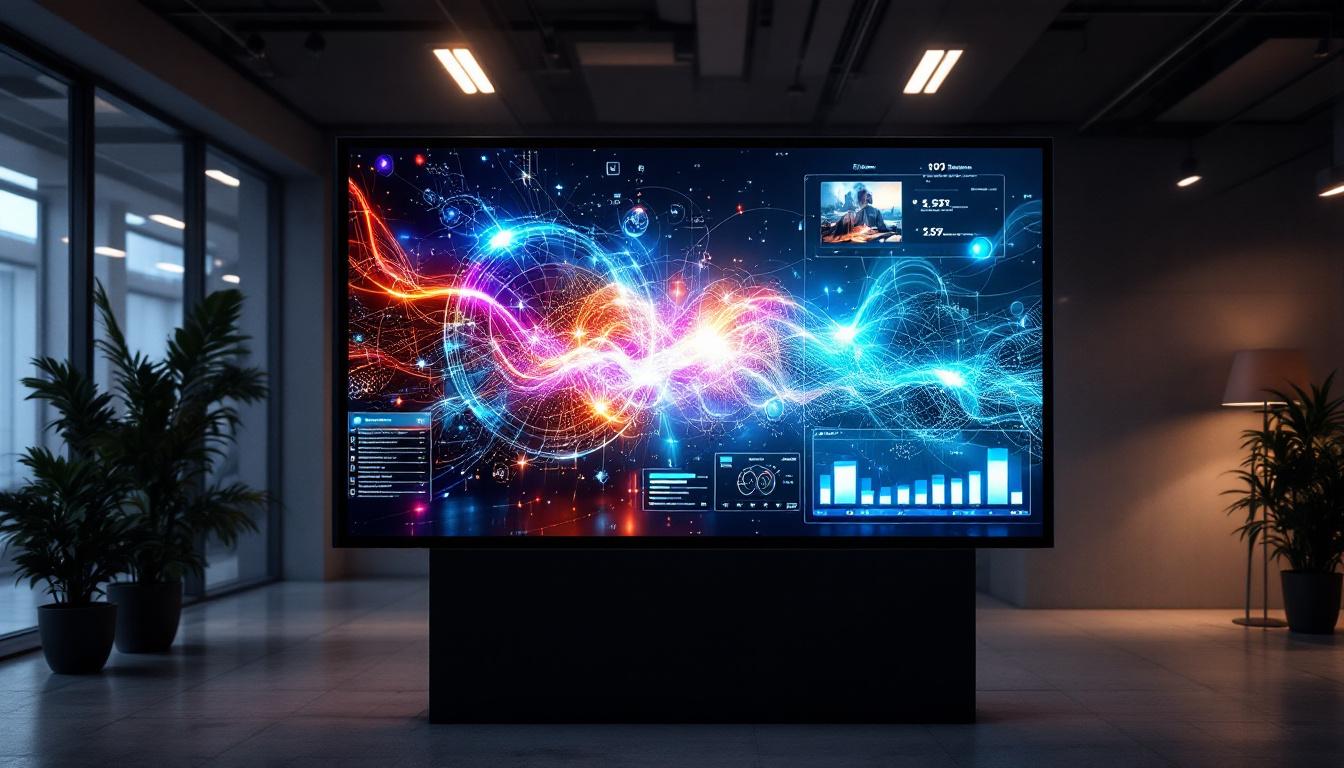
In recent years, 3D LED displays have revolutionized the way visual content is presented, offering immersive and eye-catching experiences across advertising, entertainment, and even education. But how exactly do these captivating three-dimensional displays work? This article delves into the technology behind 3D LED displays, exploring the principles, construction, and applications that make them a standout innovation in digital signage and visual communication.
Understanding the Basics of 3D LED Displays
To appreciate the complexity and ingenuity of 3D LED displays, it’s essential to first understand what differentiates them from traditional 2D screens. Conventional LED displays present images on a flat plane, relying on pixels arranged in a grid to create visuals. In contrast, 3D LED displays add depth perception, allowing viewers to perceive images as if they have volume and occupy real space.
This depth effect is achieved without the need for special glasses, making 3D LED displays more accessible and engaging for a wide audience. The technology combines advanced hardware and software techniques to manipulate light, perspective, and viewer positioning, creating a convincing illusion of three-dimensionality.
What is a 3D LED Display?
A 3D LED display is a screen that uses light-emitting diodes (LEDs) arranged in a way that produces images with depth. Unlike traditional flat LED panels, these displays can project visuals that appear to float in space or extend outward from the screen surface. This is often realized through either volumetric displays, holographic effects, or layered LED panels that simulate depth.
For example, some 3D LED displays use multiple layers of transparent LED panels stacked with precise spacing, allowing different images to be shown at each layer. When combined, these layers create a composite image with depth cues that the human brain interprets as three-dimensional.
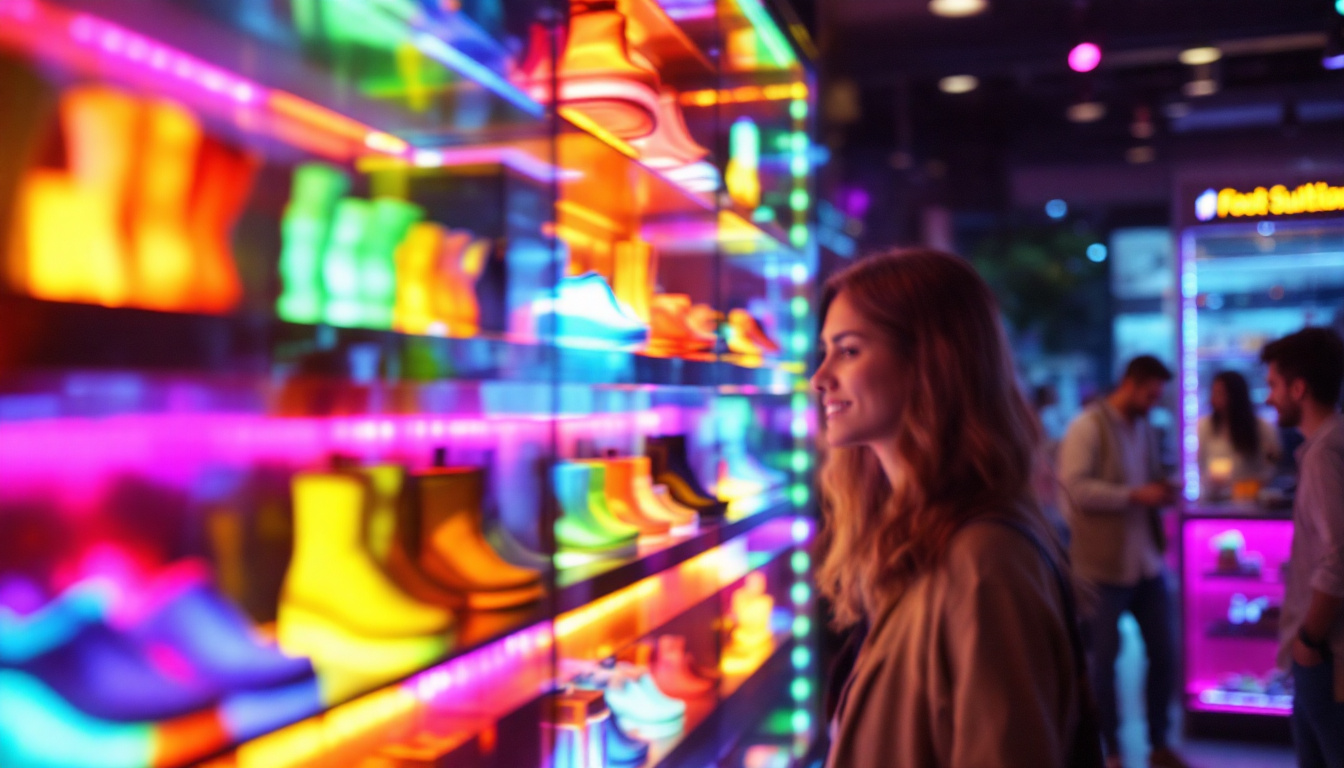
In addition to their visually striking capabilities, 3D LED displays are increasingly being utilized in various sectors, including advertising, entertainment, and education. In retail environments, for instance, these displays can create immersive product showcases that draw in customers and enhance their shopping experience. Meanwhile, in the realm of entertainment, 3D LED displays are revolutionizing how audiences experience movies and live performances, providing a more engaging and memorable experience. The ability to create dynamic visuals that interact with the audience’s perspective opens up new avenues for storytelling and artistic expression.
Moreover, the technology behind 3D LED displays is continually evolving, with advancements in resolution, brightness, and color accuracy pushing the boundaries of what is possible. Innovations such as the integration of artificial intelligence and machine learning are also being explored to enhance the interactivity and personalization of content displayed. As these technologies mature, we can expect to see even more captivating applications of 3D LED displays across various fields, transforming the way we perceive and interact with digital content.
Key Technologies Behind 3D LED Displays
The creation of 3D LED displays involves several cutting-edge technologies working in concert. Understanding these components helps clarify how the illusion of depth is generated and maintained.
Volumetric LED Displays
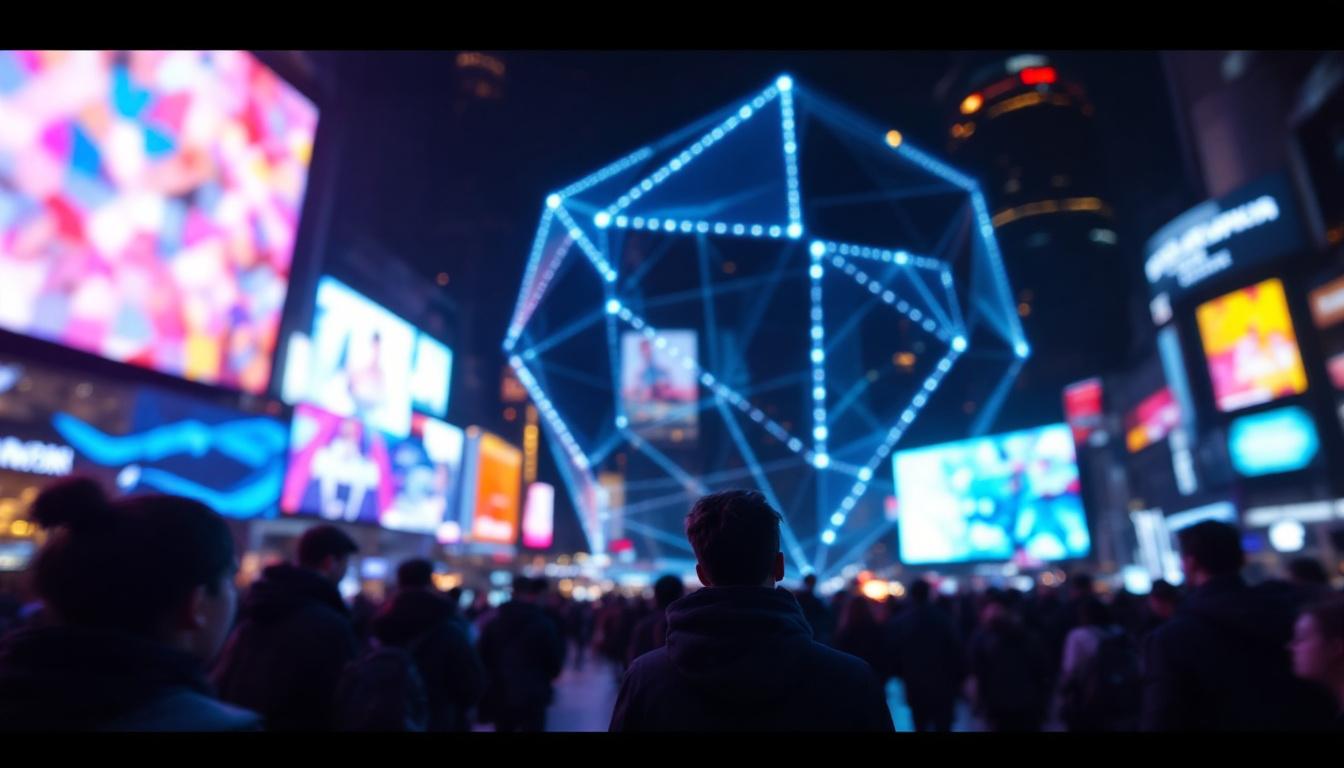
Volumetric displays create images in a three-dimensional volume rather than on a flat surface. Some volumetric LED displays use rotating LED arrays or multiple layers of LEDs arranged in a cube or spherical shape. As the LEDs light up in sequence, they form a 3D image that can be viewed from nearly any angle.
One example is the use of spinning LED strips that rapidly move to form a volumetric image by persistence of vision. This technique allows for real-time 3D visuals that appear to float in mid-air, making it highly effective for exhibitions and interactive displays.
Layered LED Panels
Another approach to 3D LED displays involves stacking transparent LED panels with controlled spacing. Each panel displays a different slice of the 3D image. When viewed together, these layers create depth perception as the brain merges the multiple images into a single three-dimensional scene.
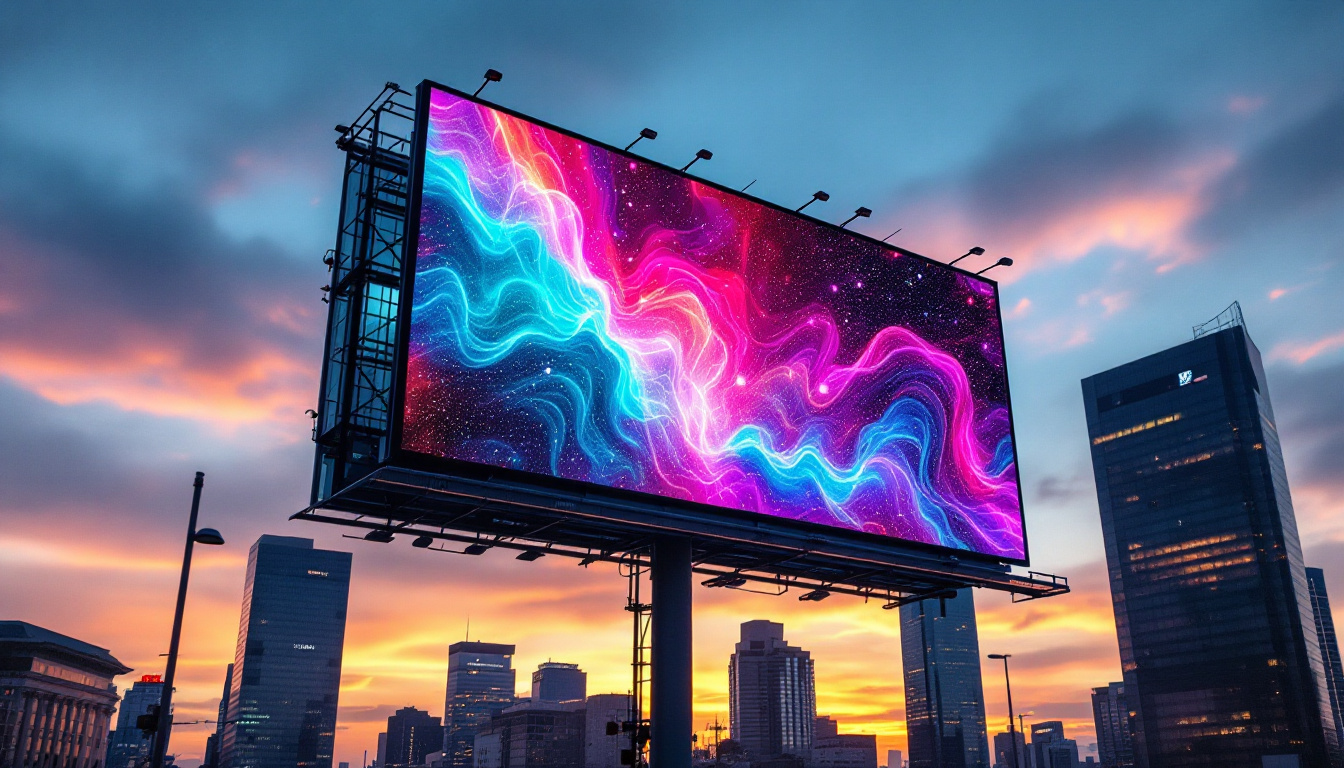
This method is particularly useful for large-scale installations, such as digital billboards or stage backdrops, where the 3D effect can be seen from a distance and multiple viewing angles.
Light Field Technology
Light field technology captures and projects light rays from multiple directions, enabling the viewer’s eyes to focus naturally on different parts of the image, just as they would with real objects. Integrating light field principles with LED displays allows for glasses-free 3D viewing with accurate depth cues.
Though still emerging, this technology promises to enhance 3D LED displays by providing more realistic and comfortable viewing experiences without the need for head tracking or special eyewear.
Holographic LED Displays
Holography involves recording and reconstructing the light field of an object, creating a three-dimensional image that appears to float in space. Some advanced 3D LED displays incorporate holographic elements, using lasers or LED light sources combined with diffraction patterns to produce holograms.
While true holographic displays are still evolving, hybrid systems using LED technology can simulate holographic effects, adding to the depth and realism of the displayed content.
How 3D LED Displays Create Depth Perception
Creating a convincing 3D effect involves more than just layering images; it requires careful manipulation of visual cues that the human brain uses to interpret depth.
Stereoscopy and Parallax
Stereoscopy is a technique that presents two slightly different images to each eye, mimicking how human vision perceives depth. Some 3D LED displays use parallax barriers or lenticular lenses to direct separate images to each eye, creating a stereoscopic effect without glasses.
Parallax, the apparent shift of an object’s position when viewed from different angles, is also exploited in multi-layered LED displays. By adjusting the images on each layer relative to the viewer’s position, the display can simulate this natural depth cue.
Motion Parallax and Head Tracking
Motion parallax enhances depth perception by changing the perspective of the image as the viewer moves. Some 3D LED display systems incorporate sensors that track the viewer’s head position and adjust the displayed images accordingly, increasing the realism of the 3D effect.
This dynamic adjustment helps maintain the illusion of depth from different angles, making the experience more interactive and immersive.
Shading, Lighting, and Texture
Visual cues such as shading, lighting, and texture gradients play a critical role in depth perception. 3D LED displays use sophisticated rendering techniques to simulate how light interacts with objects, creating shadows and highlights that reinforce the sense of volume and space.
These effects are rendered in real-time, allowing for dynamic and lifelike 3D visuals that respond to changes in lighting or viewer perspective.
Applications of 3D LED Displays
The versatility and impact of 3D LED displays have led to their adoption across a variety of sectors. Their ability to captivate audiences with vivid, floating images makes them ideal for environments where engagement and visual impact are paramount.
Advertising and Retail
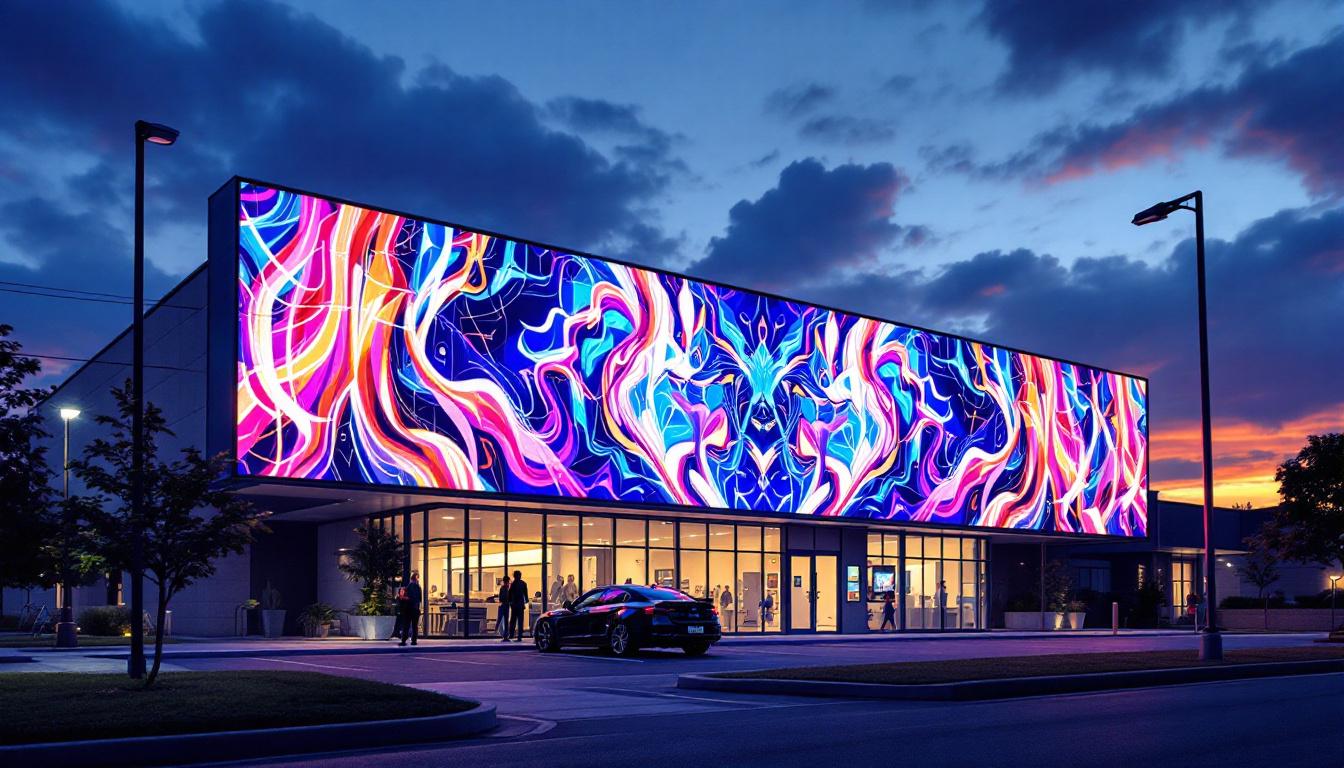
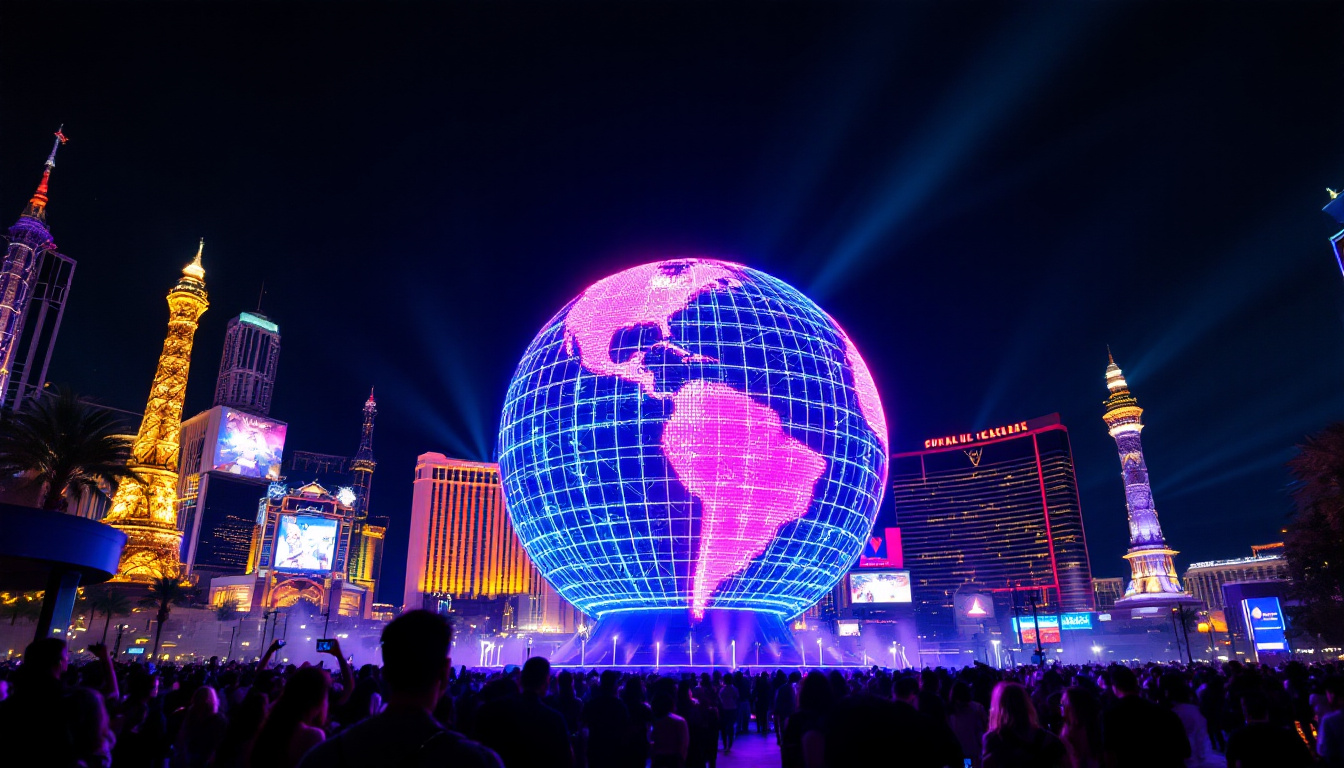
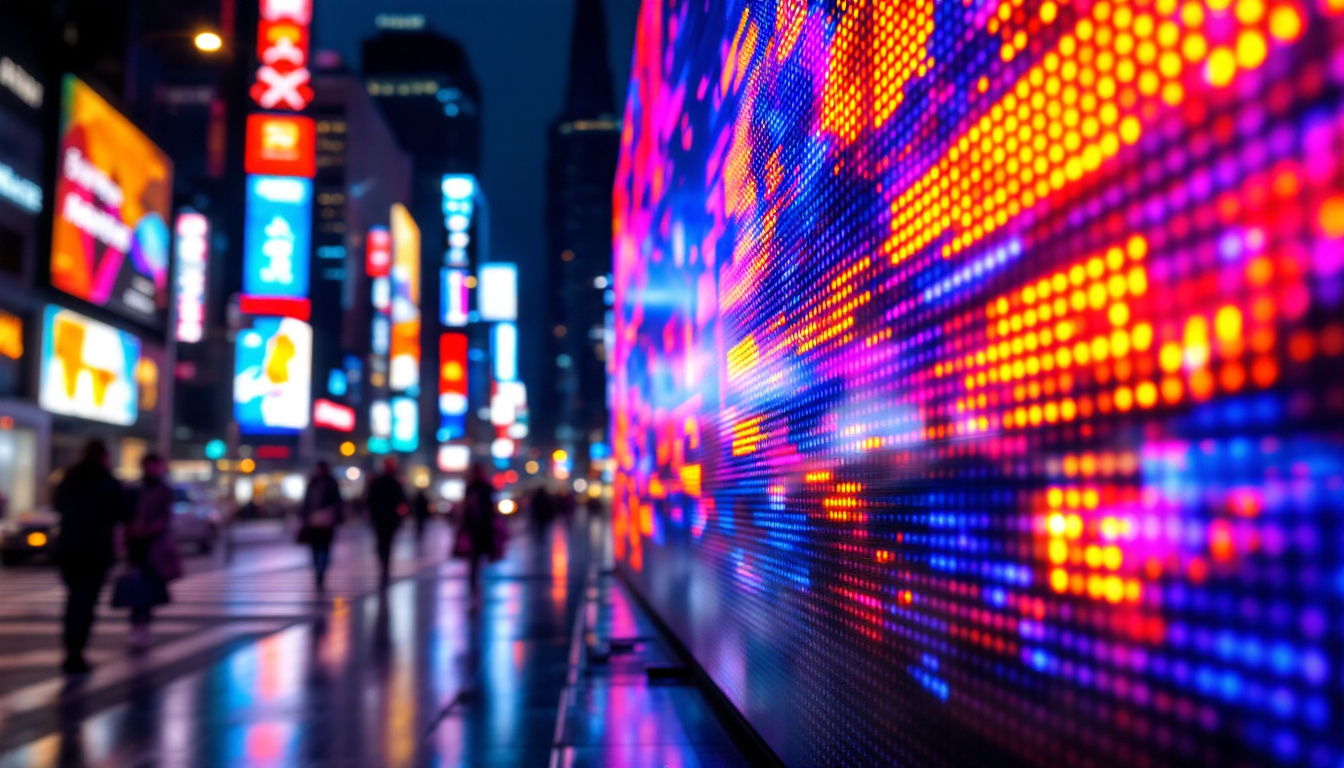
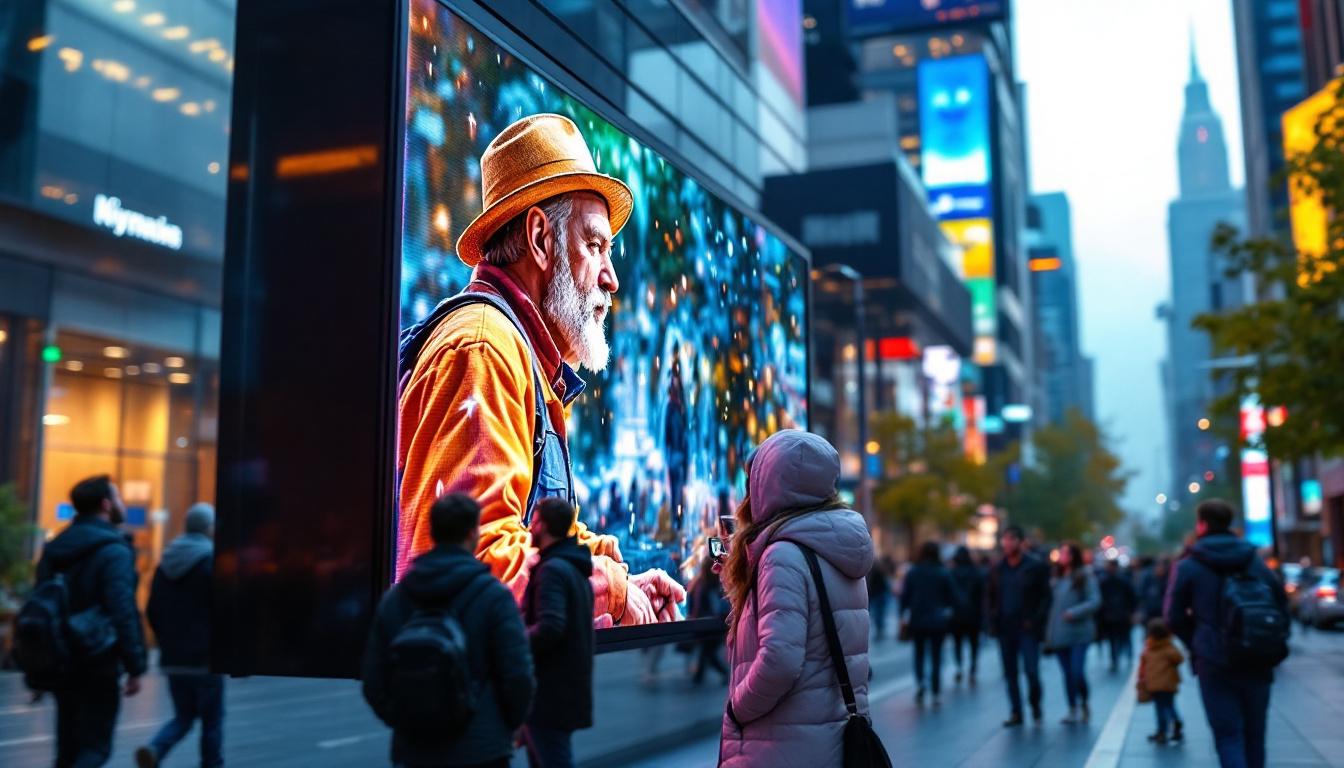
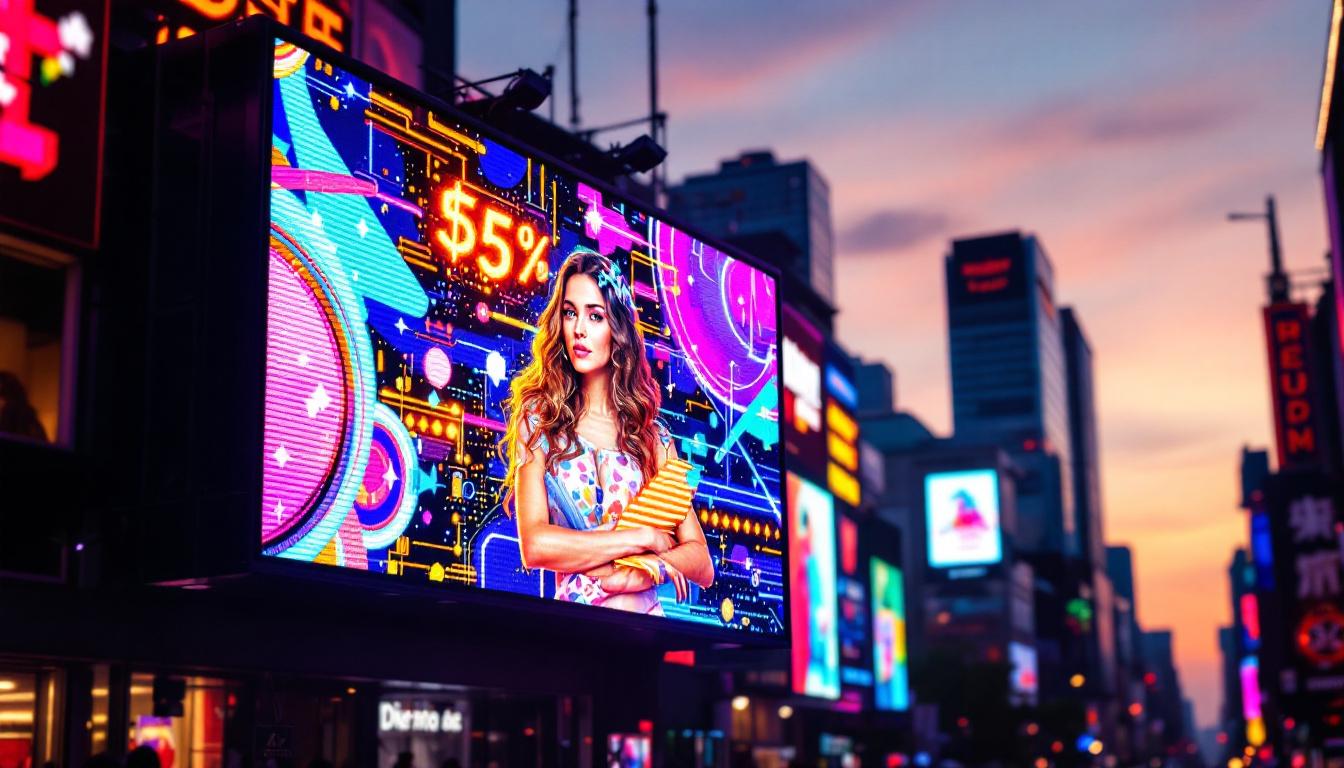
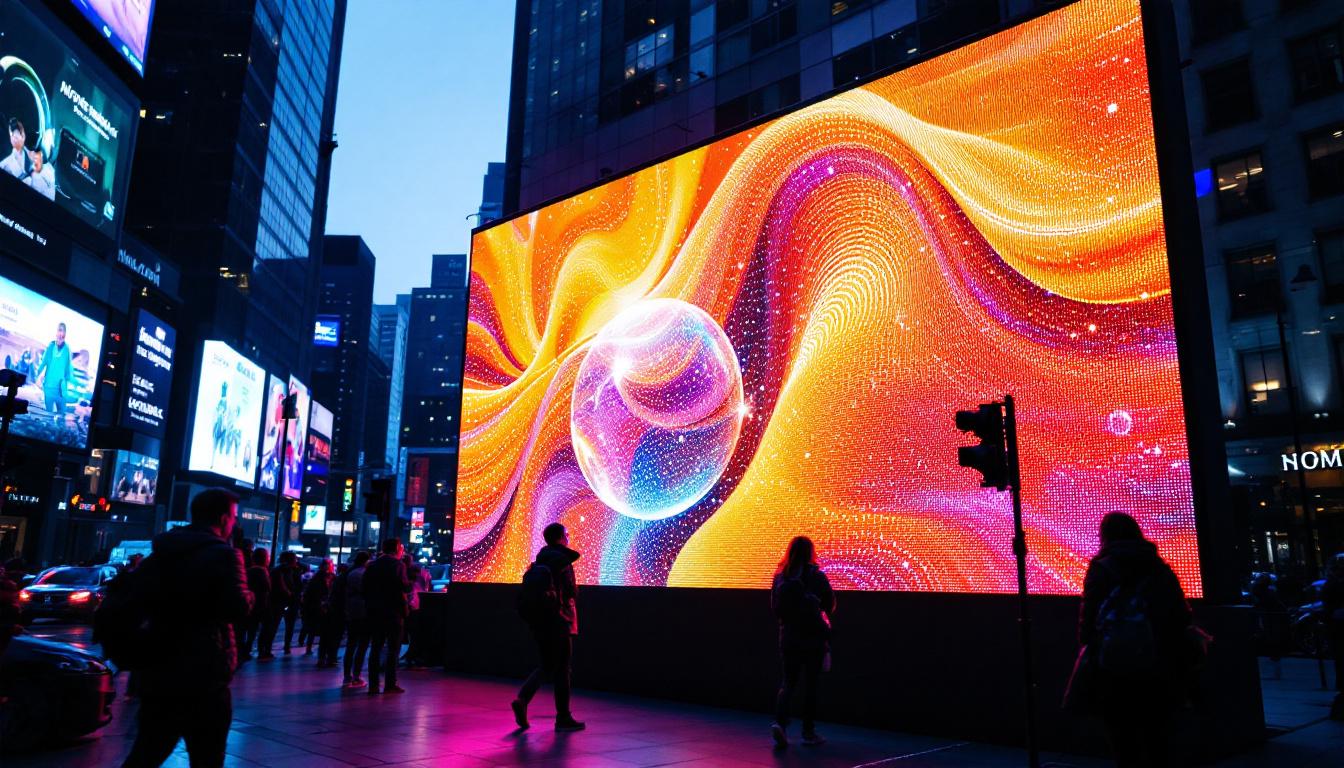
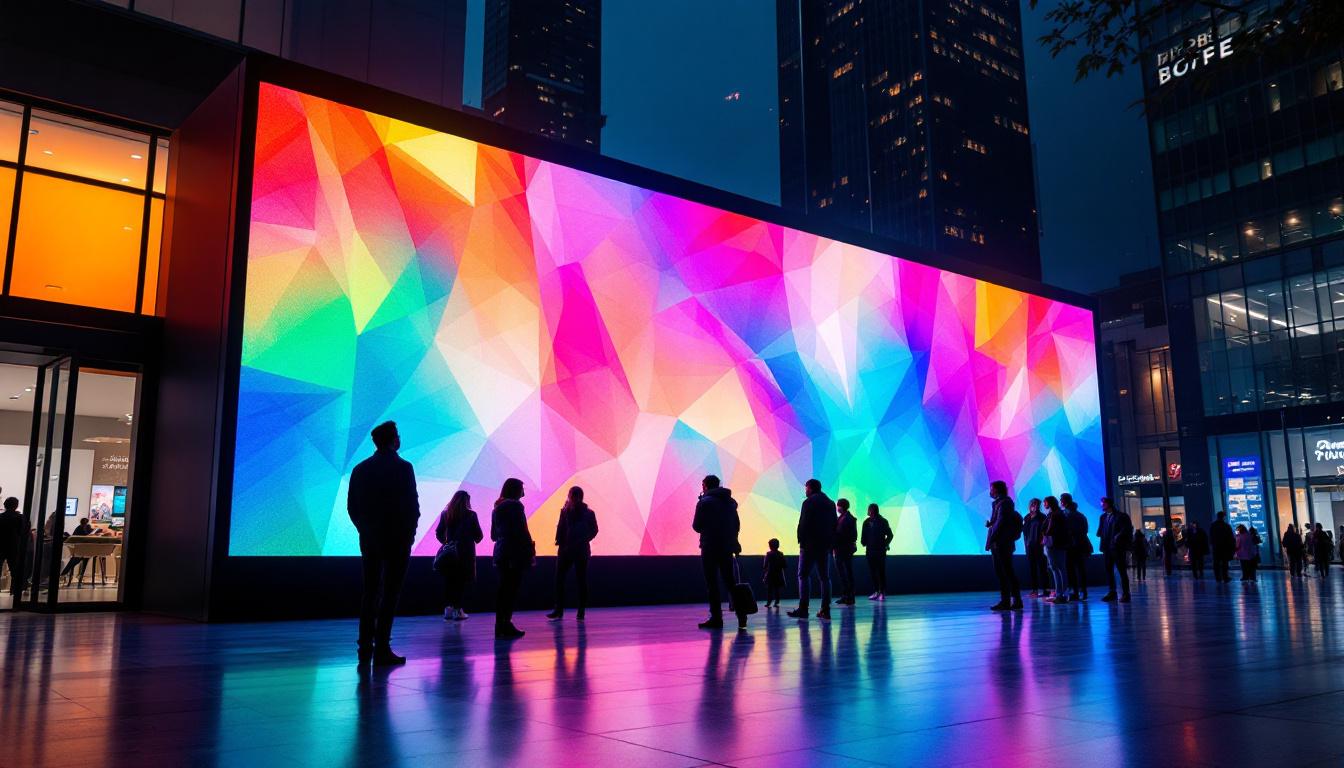
One of the most prominent uses of 3D LED displays is in advertising. Brands leverage these displays to create memorable campaigns that stand out in crowded urban environments. For instance, major cities like Tokyo and New York have seen 3D LED billboards that showcase products seemingly popping out towards the viewer, dramatically increasing attention and recall.
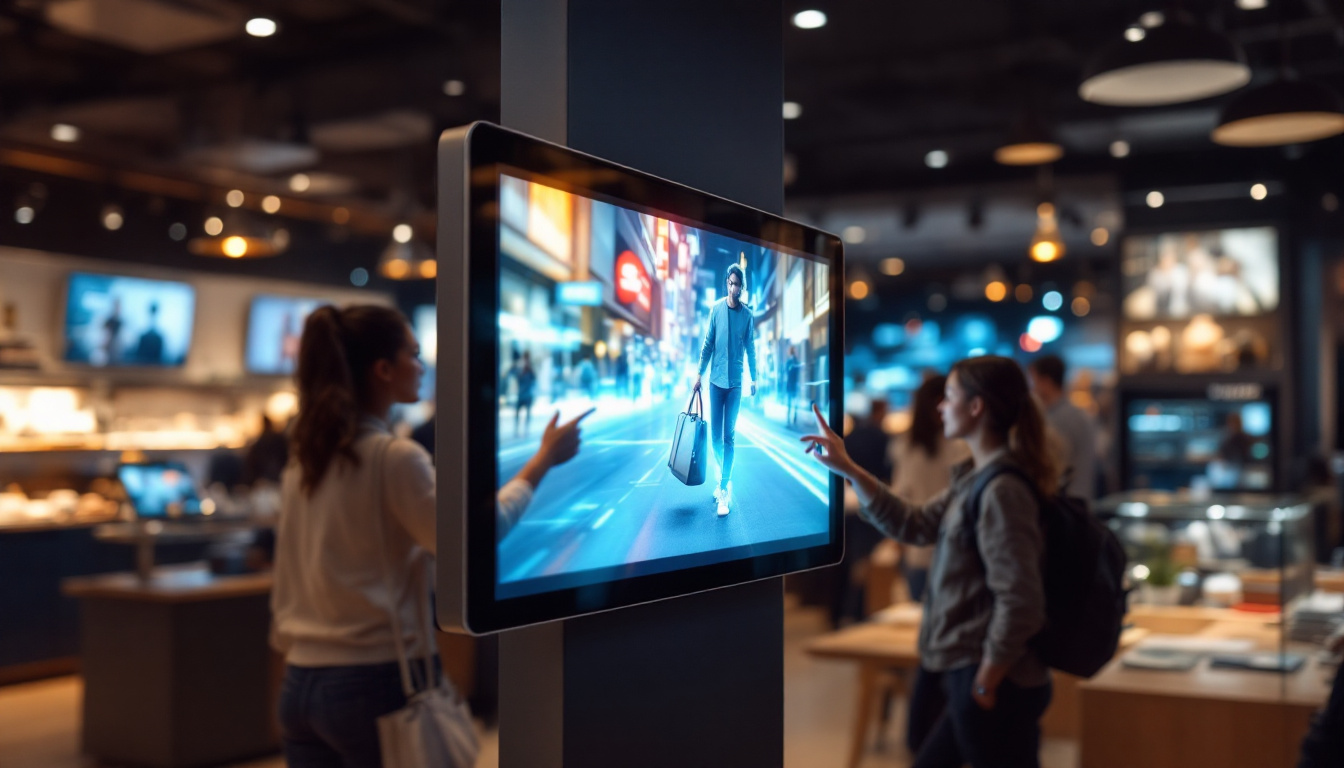
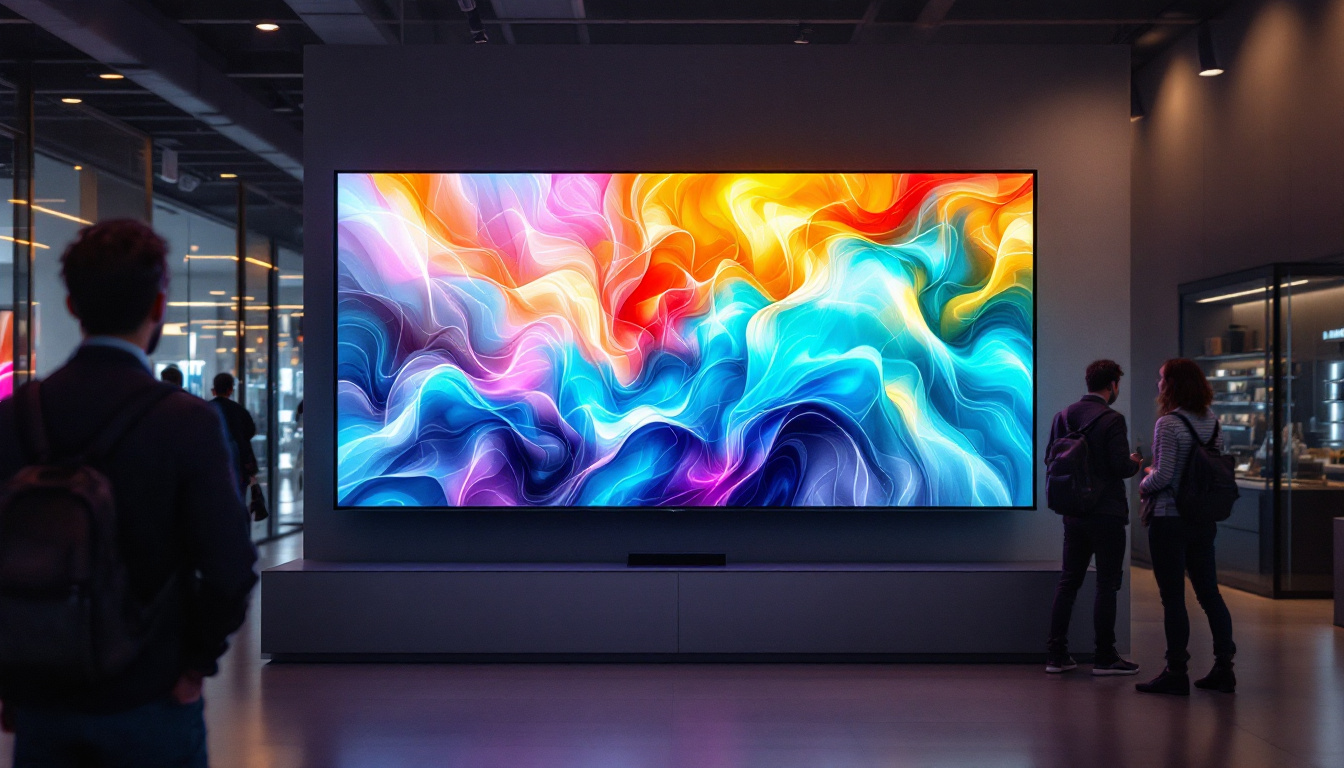
In retail, 3D LED displays are used in store windows and showrooms to showcase products in a more engaging manner, driving foot traffic and enhancing the shopping experience.
Entertainment and Events
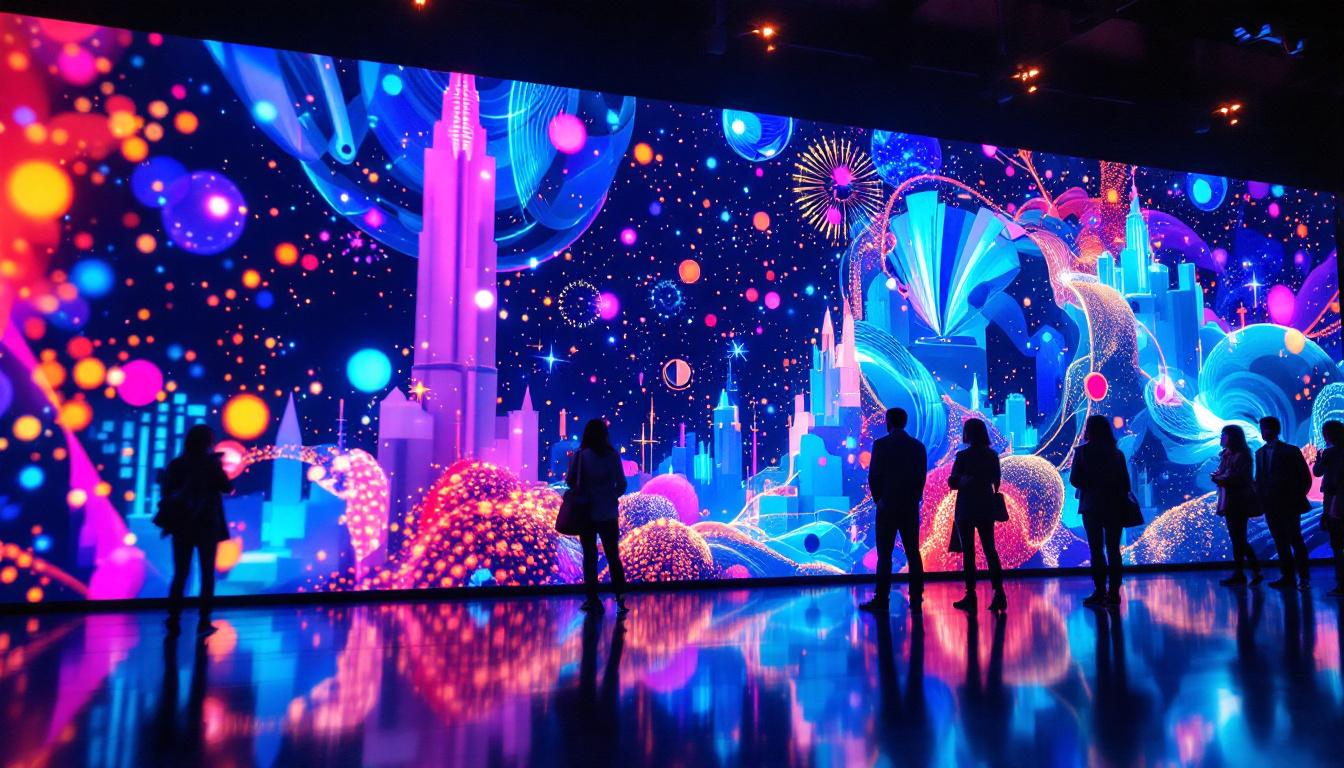
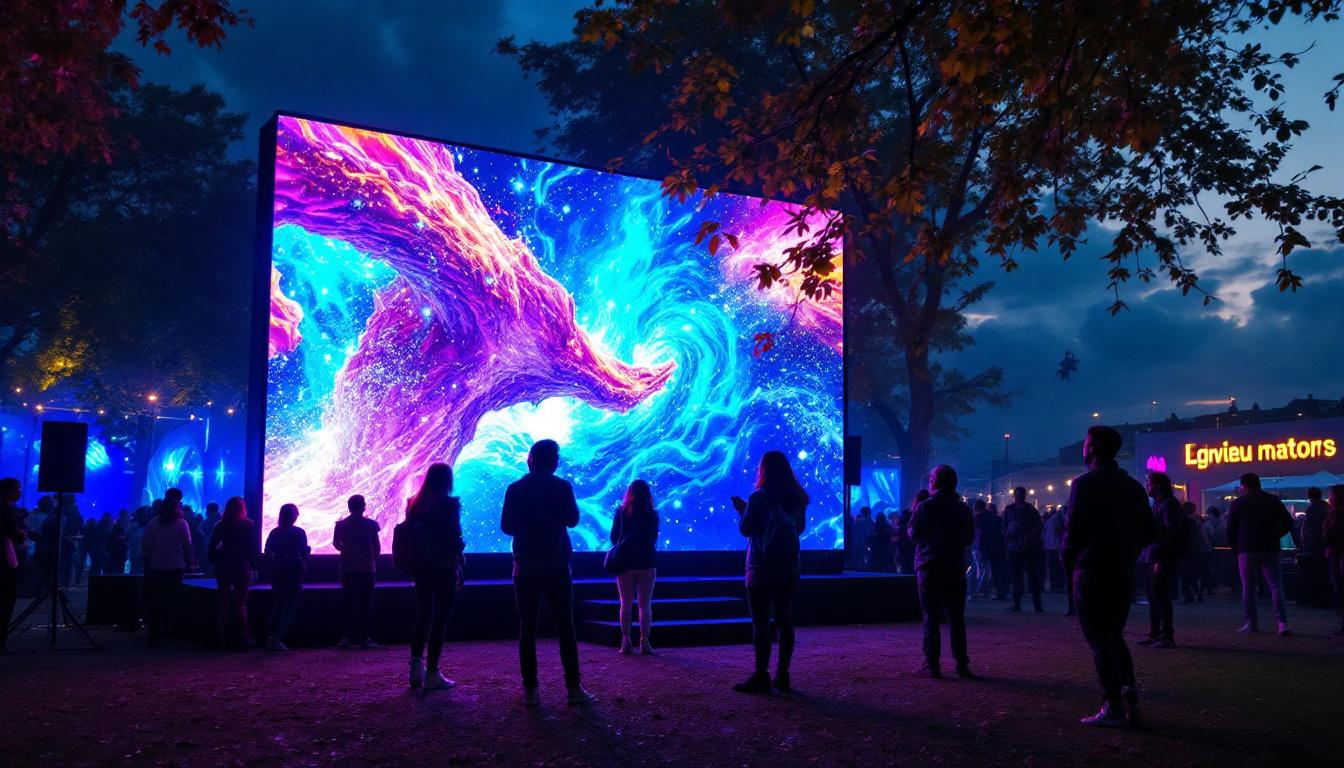
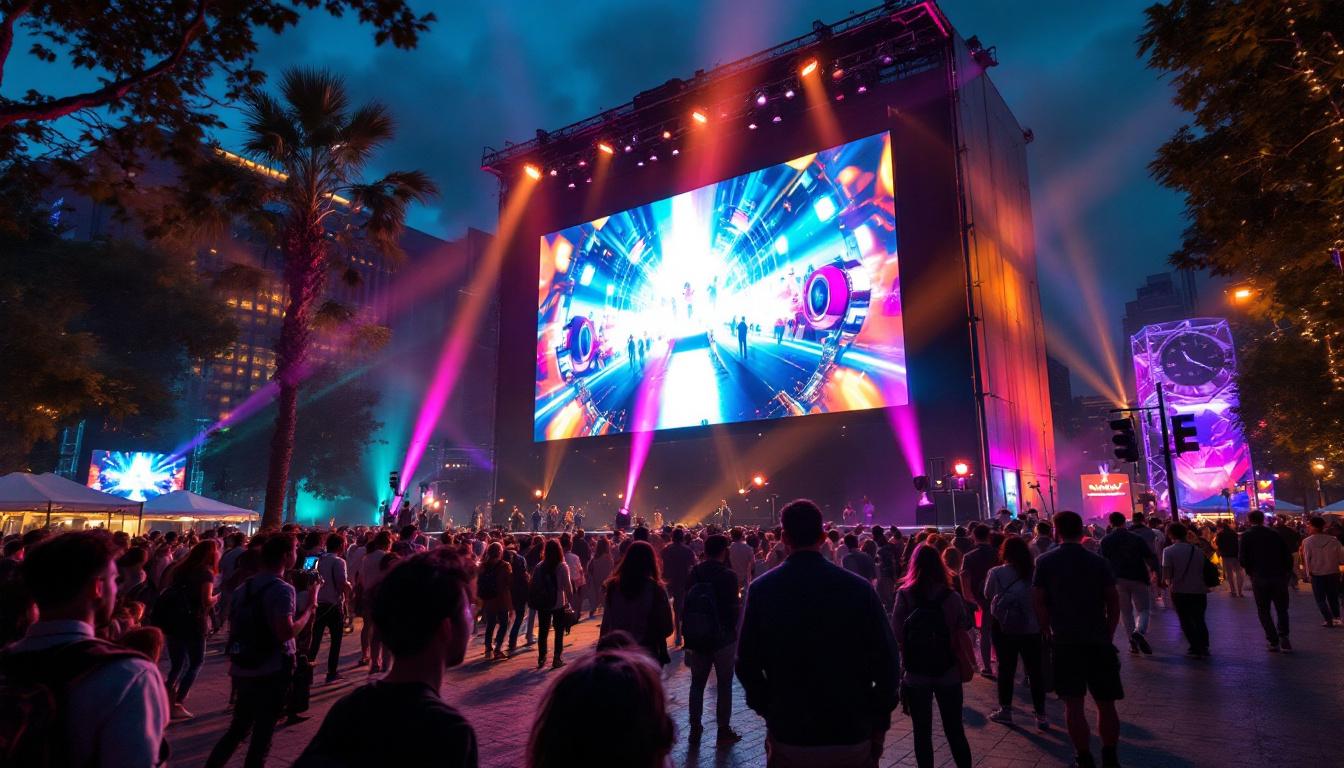
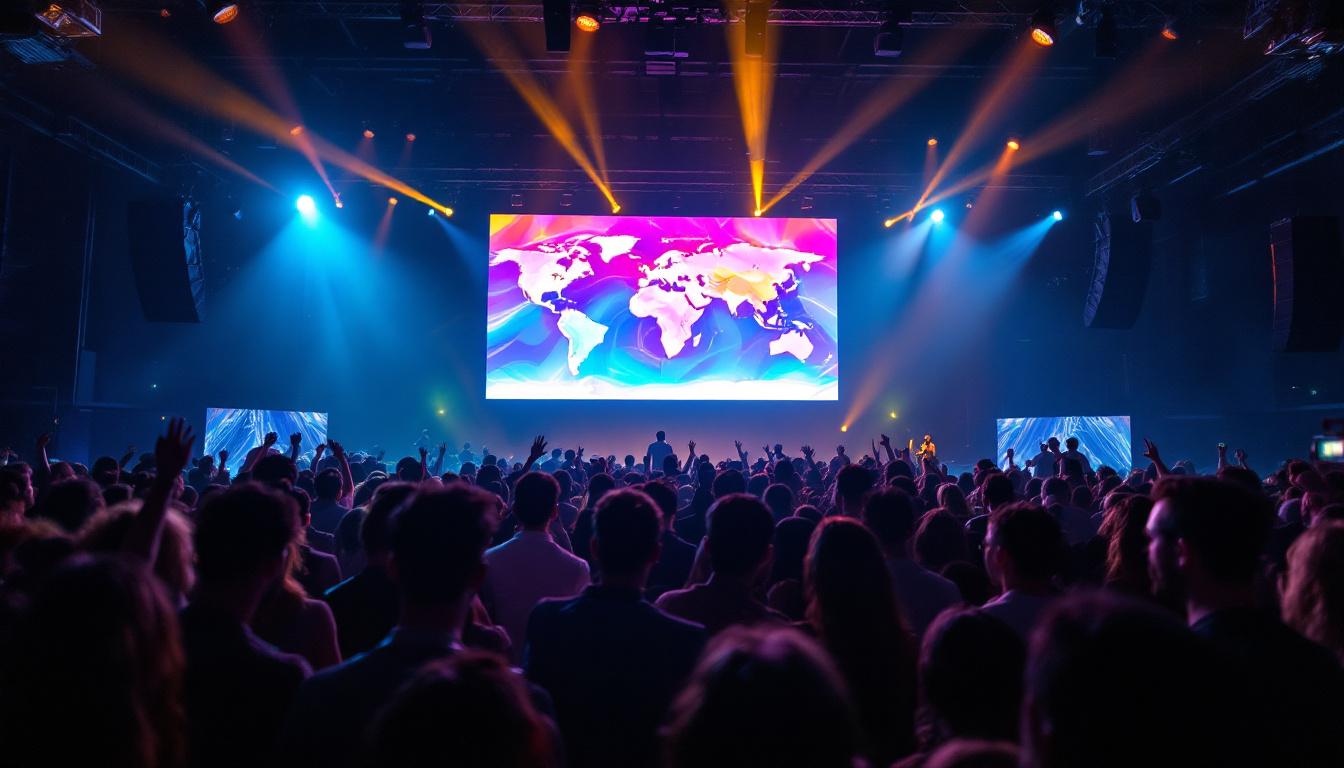
Concerts, exhibitions, and sporting events increasingly incorporate 3D LED displays to enhance visual storytelling. From dynamic stage backdrops to interactive installations, these displays add a new dimension to live performances and immersive experiences.
For example, some music festivals use volumetric LED displays to create hologram-like images of performers, blending digital art with live entertainment seamlessly.
Education and Training
In educational settings, 3D LED displays offer innovative ways to present complex information. Medical schools use them to display anatomical models in three dimensions, allowing students to explore structures interactively. Similarly, engineering and architecture programs benefit from 3D visualizations that provide spatial understanding beyond traditional 2D blueprints.
Training simulations for fields such as aviation and military also utilize 3D LED displays to create realistic scenarios that improve learning outcomes.
Public Information and Wayfinding
Public spaces like airports, museums, and transportation hubs are adopting 3D LED displays for information dissemination and wayfinding. The depth and motion capabilities help attract attention and convey information more effectively than static signs.
These displays can dynamically update content based on time of day, crowd density, or special events, enhancing user experience and operational efficiency.
Challenges and Future Directions
While 3D LED displays offer remarkable benefits, several challenges remain in their development and deployment.
Technical Limitations
Creating high-resolution 3D images across large volumes requires significant hardware complexity and computational power. Issues such as limited viewing angles, brightness uniformity across layers, and potential visual fatigue for viewers are ongoing concerns.
Moreover, volumetric and holographic displays often involve moving parts or intricate optical components, which can affect durability and maintenance costs.
Cost and Accessibility
The advanced technology and materials required for 3D LED displays make them more expensive than traditional screens. This cost factor limits widespread adoption, especially for smaller businesses or budget-conscious applications.
However, as manufacturing processes improve and economies of scale are achieved, prices are expected to decrease, making 3D LED displays more accessible.
Emerging Innovations
Research continues into improving glasses-free 3D viewing experiences, with developments in light field displays, advanced eye-tracking, and AI-driven content adaptation. These innovations aim to overcome current limitations and deliver more natural and immersive 3D visuals.
Additionally, integration with augmented reality (AR) and virtual reality (VR) technologies is poised to expand the capabilities and applications of 3D LED displays, blending physical and digital worlds more seamlessly.
Conclusion
3D LED displays represent a significant leap forward in visual technology, transforming how images are presented and perceived. By combining layered LED panels, volumetric techniques, and advanced rendering, these displays create compelling three-dimensional experiences without the need for special glasses.
Their applications span advertising, entertainment, education, and public information, offering new opportunities for engagement and communication. While challenges related to cost and technical complexity remain, ongoing innovations promise to make 3D LED displays increasingly practical and impactful in the years ahead.
Understanding the technology behind these displays not only highlights the remarkable engineering involved but also opens doors to imagining future possibilities where digital content truly comes to life in three dimensions.
Discover the Future of 3D LED Displays with LumenMatrix
Ready to step into the next dimension of visual storytelling and advertising? LumenMatrix is at the forefront of LED display innovation, offering a wide array of solutions that bring your content to life. From Indoor and Outdoor LED Walls to specialized displays for Vehicles, Sports, and even Floors, our custom and transparent LED options are designed to captivate and engage. Experience the future of digital signage with LumenMatrix and let your brand shine in stunning 3D. Check out LumenMatrix LED Display Solutions and transform your visual communication today.