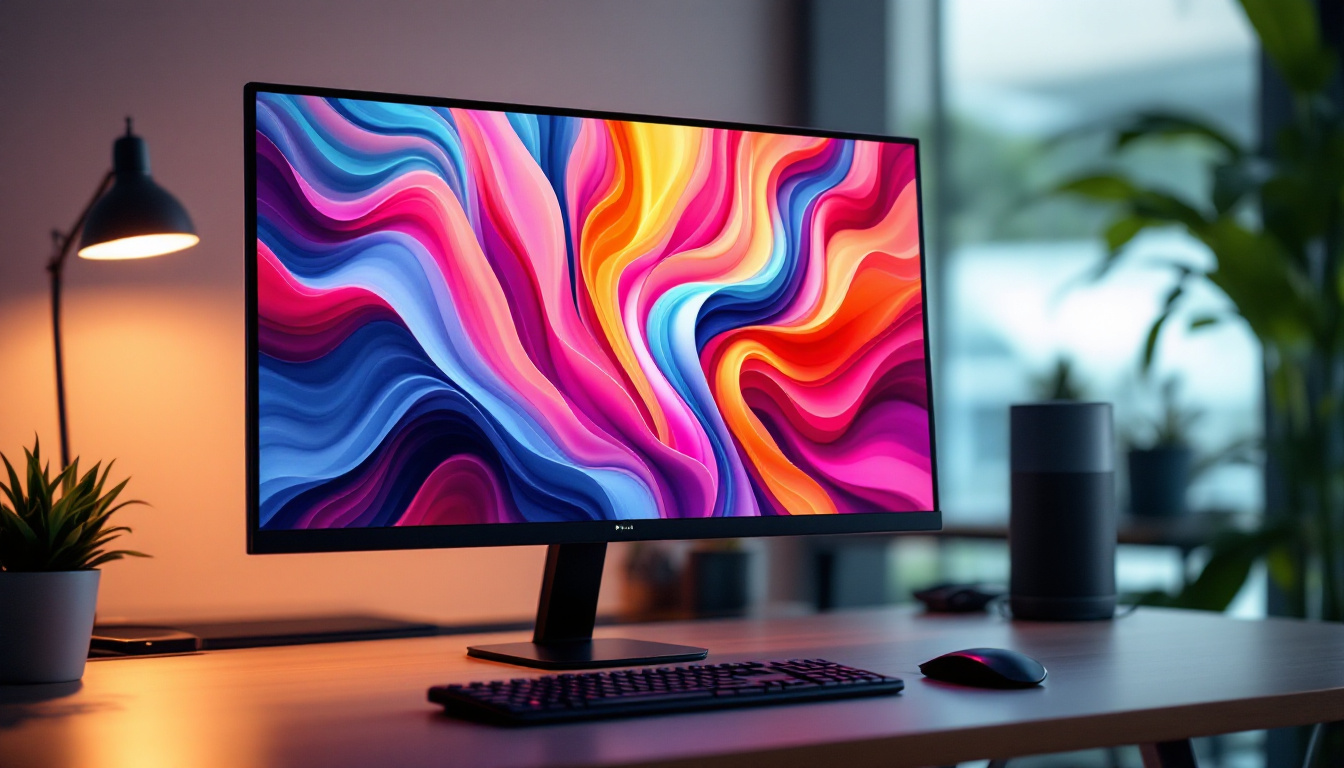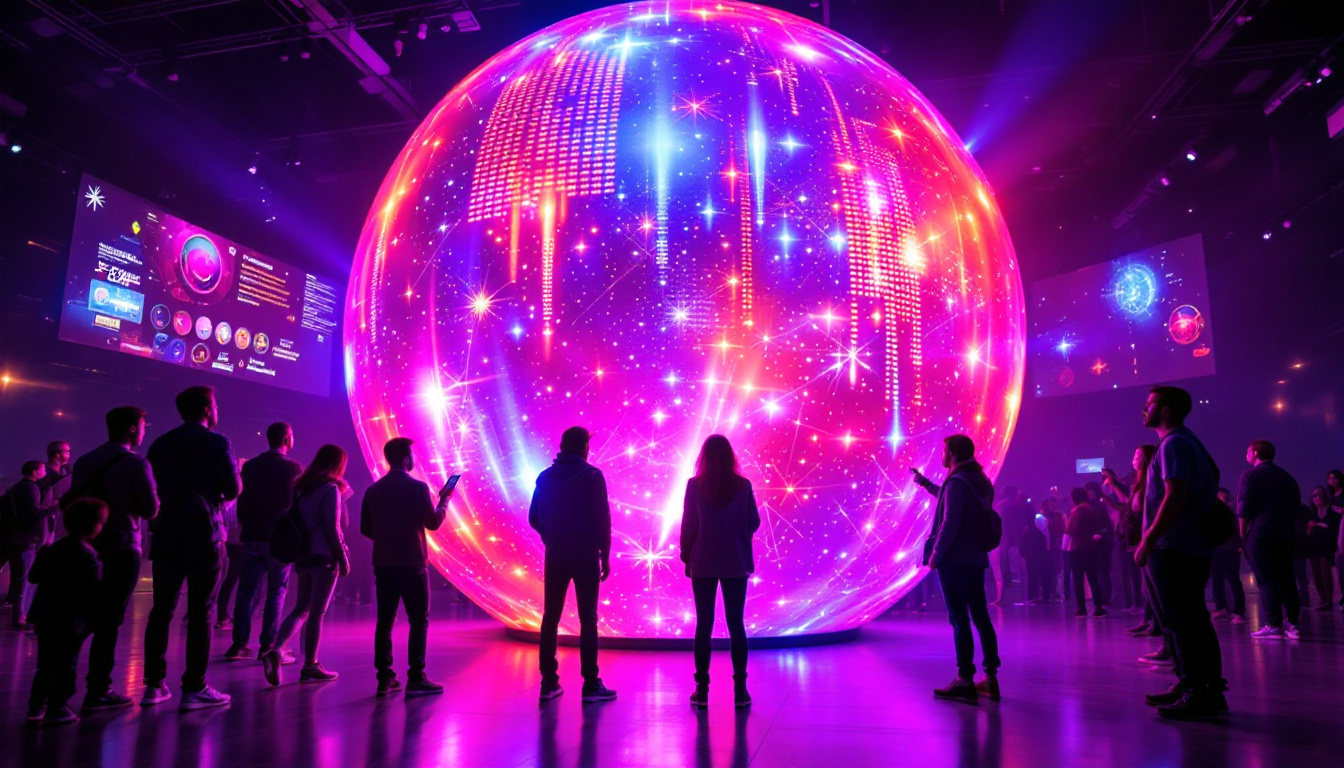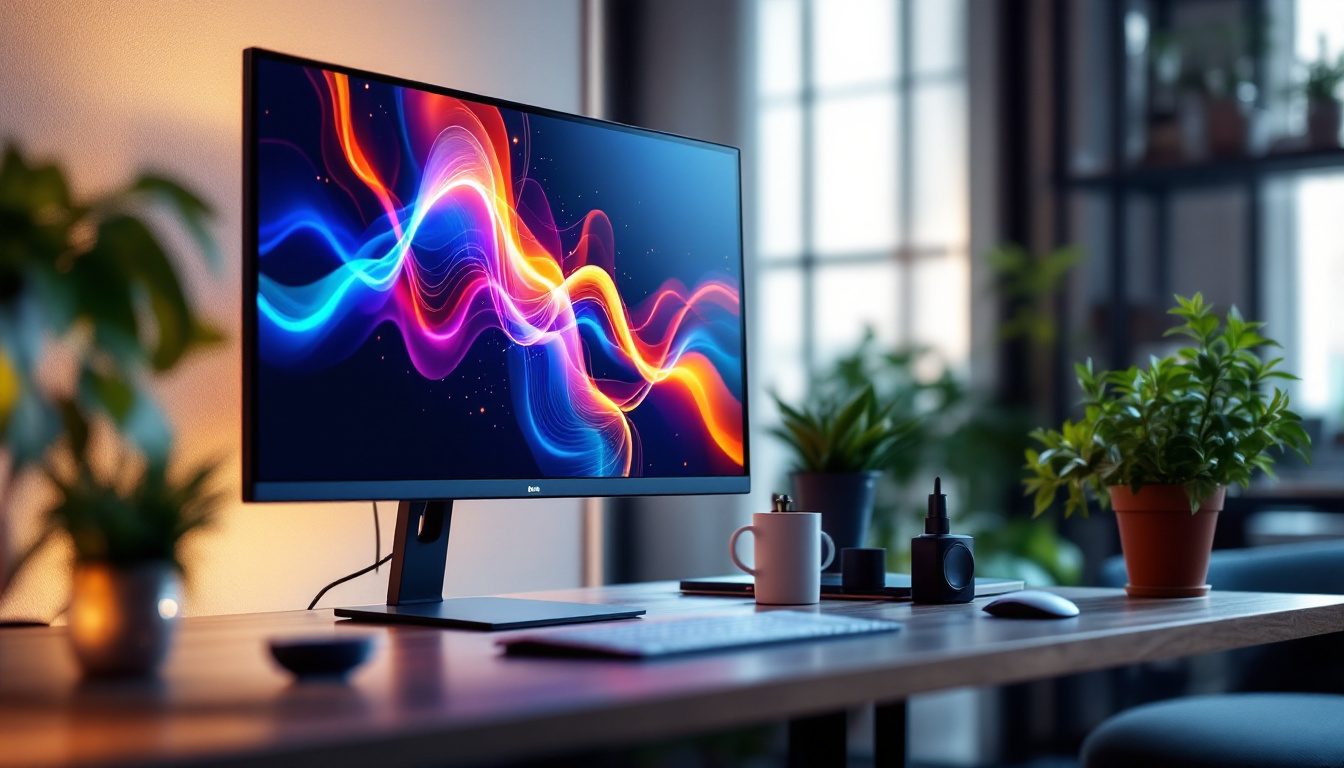
In the rapidly evolving world of digital video technology, LED displays have emerged as a cornerstone for delivering vibrant, high-resolution visual content across various industries. From stadiums and retail environments to corporate events and public transportation hubs, LED displays offer unmatched brightness, flexibility, and durability. This article delves into the fundamentals of LED display technology, explores its applications, and highlights why it remains a preferred choice for digital video solutions in 2024.
Understanding LED Display Technology
What is an LED Display?
LED stands for Light Emitting Diode, a semiconductor device that emits light when an electric current passes through it. An LED display is a flat panel display that uses an array of these tiny LEDs to create images and videos. Unlike traditional LCD or plasma screens, LED displays rely on direct emission of light from each diode, which results in higher brightness and better contrast ratios.
Typically, LED displays are composed of thousands to millions of individual LEDs arranged in a grid. These LEDs can be red, green, and blue, which combine at varying intensities to produce a full spectrum of colors. This RGB system allows for the creation of vivid, true-to-life images that can be viewed clearly even in bright outdoor environments. The ability to control each pixel individually also enables LED displays to showcase dynamic content, such as animations and videos, making them ideal for advertising and entertainment applications.
Moreover, the energy efficiency of LED technology contributes to its growing popularity. Compared to traditional lighting methods, LEDs consume significantly less power, which not only reduces operational costs but also minimizes environmental impact. This efficiency, combined with the longevity of LED components, often results in lower maintenance costs over time, making LED displays a smart investment for businesses and organizations.
Types of LED Displays
There are several types of LED displays, each suited to different applications and environments:
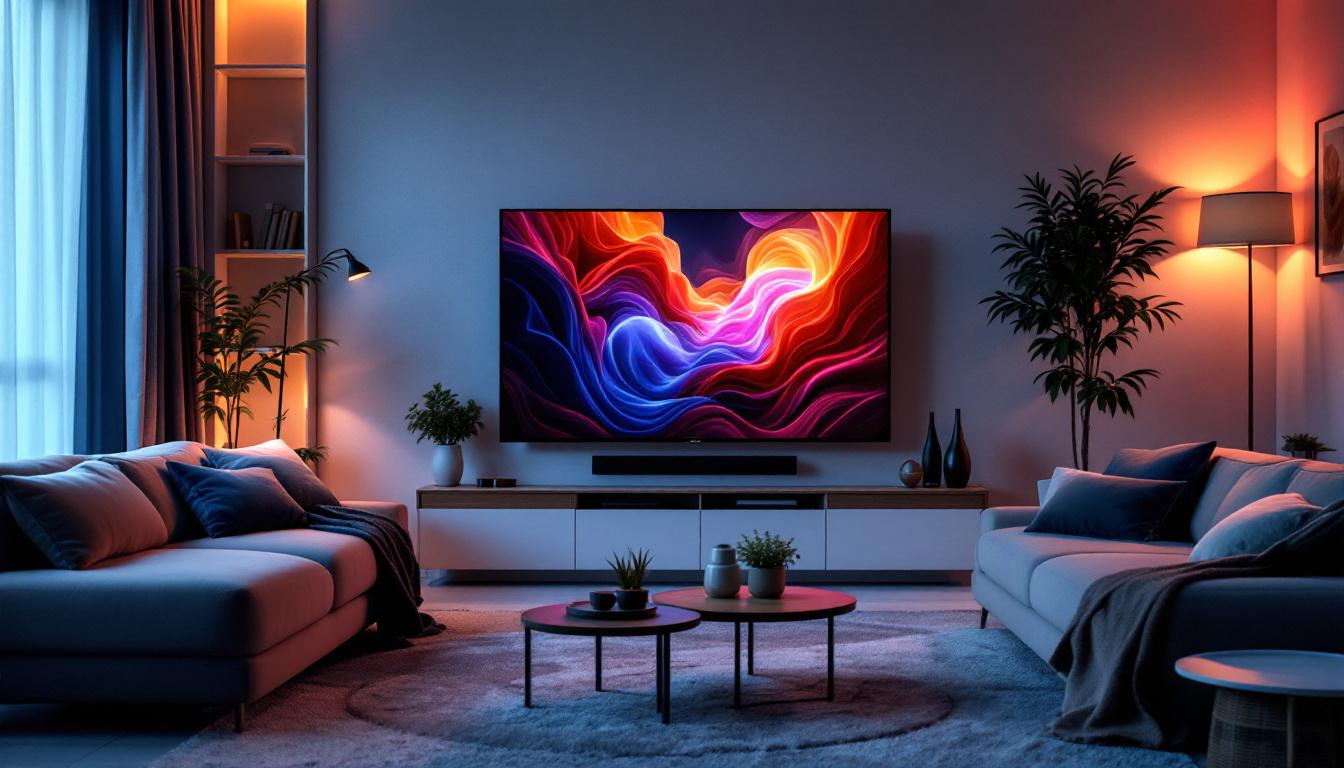
- Indoor LED Displays: Designed for controlled lighting environments, these displays have a higher pixel density and smaller pixel pitch, resulting in sharper images at close viewing distances. They are commonly used in venues like conference rooms, theaters, and retail spaces where high-resolution visuals are essential.
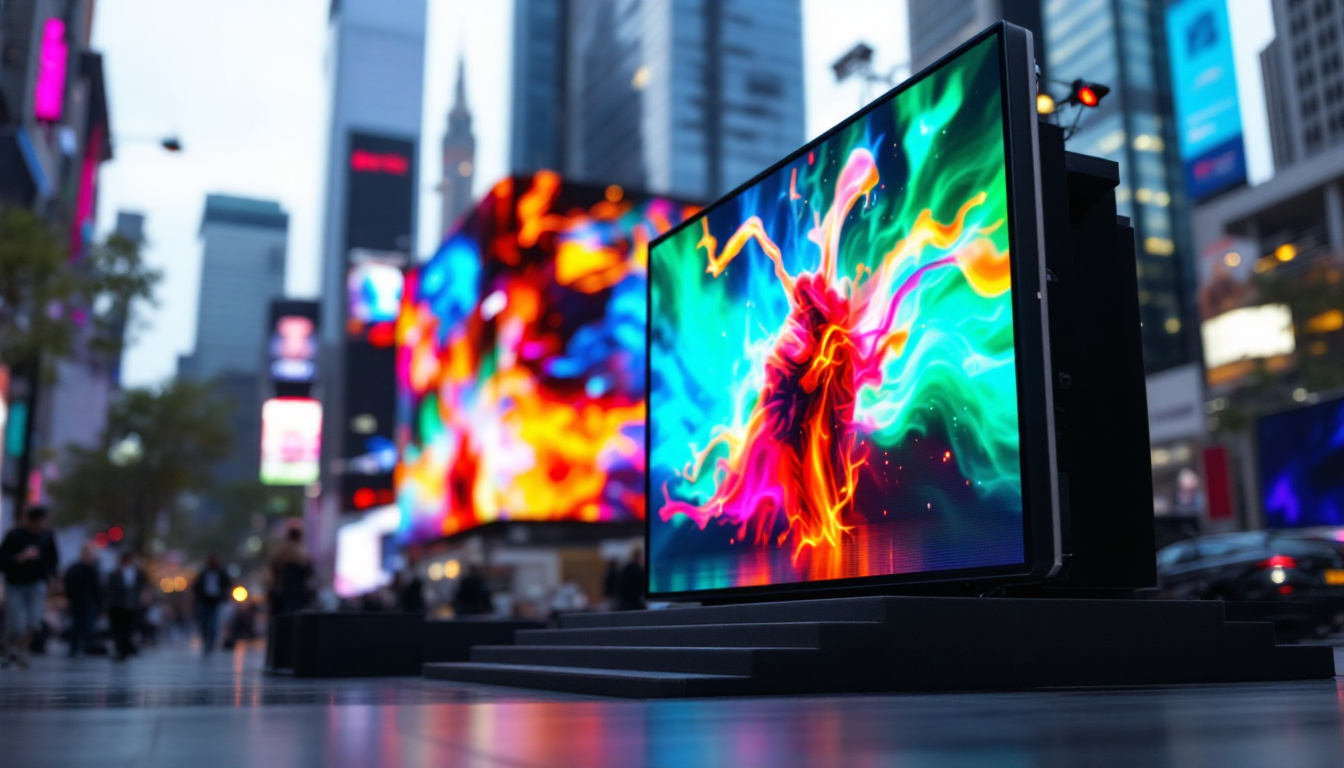
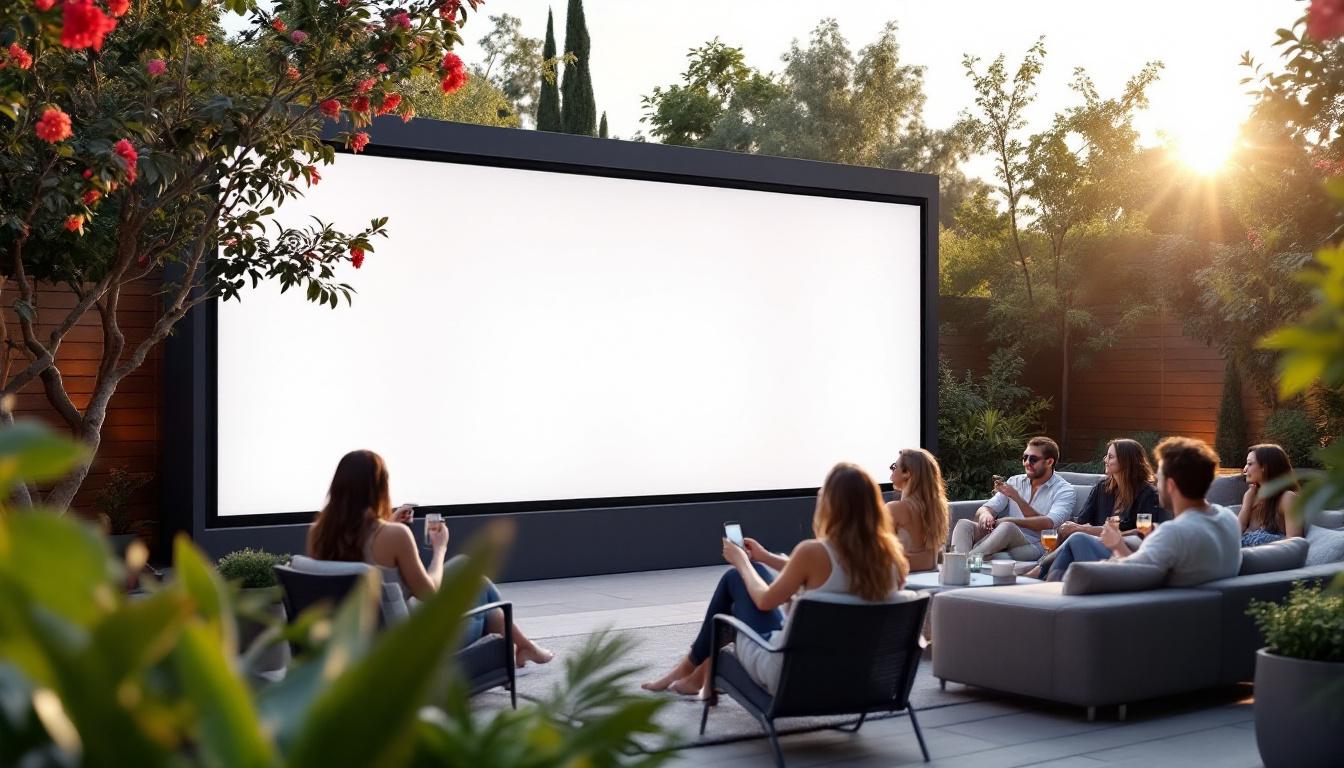
- Outdoor LED Displays: Built to withstand weather conditions, these displays feature higher brightness levels (often exceeding 5,000 nits) and are typically larger with wider pixel pitches to be visible from greater distances. They are frequently employed for billboards, sports arenas, and public events, providing eye-catching visuals that can attract large audiences.
- Transparent LED Displays: These innovative panels allow light to pass through, making them ideal for storefront windows and architectural applications where visibility from both sides is desired. They create a striking visual effect, blending digital content with the physical environment, and are increasingly used in modern retail and exhibition designs.
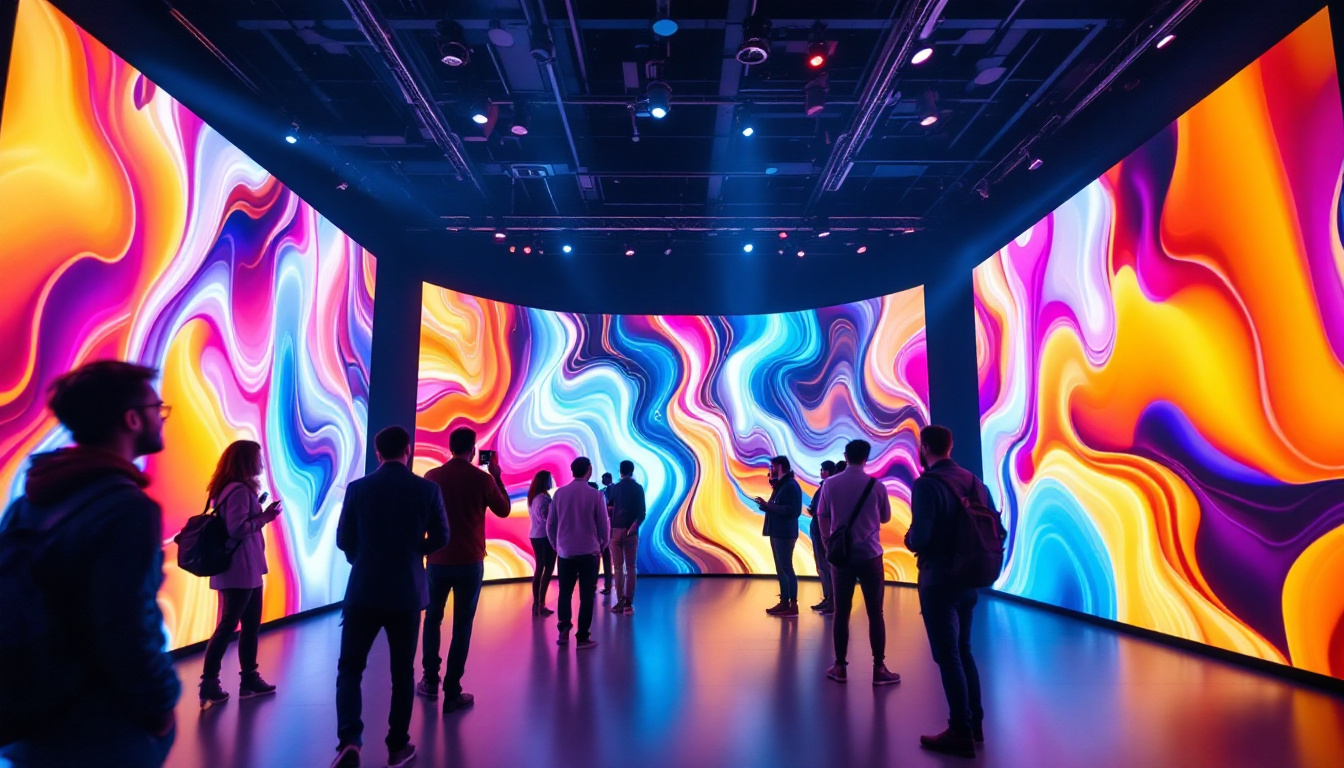
- Flexible and Curved LED Displays: Utilizing flexible substrates, these displays can be curved or shaped to fit unique installations, enhancing creative possibilities for digital signage and experiential marketing. Their adaptability allows for immersive experiences in environments such as museums, art installations, and themed attractions.
Key Technical Specifications
When evaluating LED displays, several technical factors influence performance and suitability for specific uses:
- Pixel Pitch: The distance between the centers of two adjacent pixels, measured in millimeters. Smaller pixel pitch means higher resolution and better image clarity, especially at close range. This is particularly important in applications where viewers are close to the screen, such as in control rooms or retail displays.
- Brightness: Measured in nits (cd/m²), brightness determines how well the display performs in different lighting conditions. Outdoor displays require higher brightness to combat sunlight glare, while indoor displays can operate effectively at lower brightness levels, reducing eye strain in darker environments.
- Refresh Rate: The number of times per second the display updates its image. Higher refresh rates reduce flickering and improve video smoothness, essential for live broadcasts and dynamic content. A refresh rate of 60Hz is standard, but displays used for high-speed sports or gaming may require rates of 120Hz or higher.
- Viewing Angle: The maximum angle at which the display can be viewed without significant loss of image quality or color distortion. A wider viewing angle is crucial for large audiences, ensuring that everyone can enjoy a consistent visual experience regardless of their position relative to the screen.
- Contrast Ratio: The ratio between the luminance of the brightest white and the darkest black the display can produce, impacting image depth and realism. A higher contrast ratio enhances the overall visual quality, making images appear more vibrant and lifelike, which is particularly beneficial for media presentations and cinematic experiences.
Applications of LED Displays in Digital Video Solutions
Advertising and Digital Signage
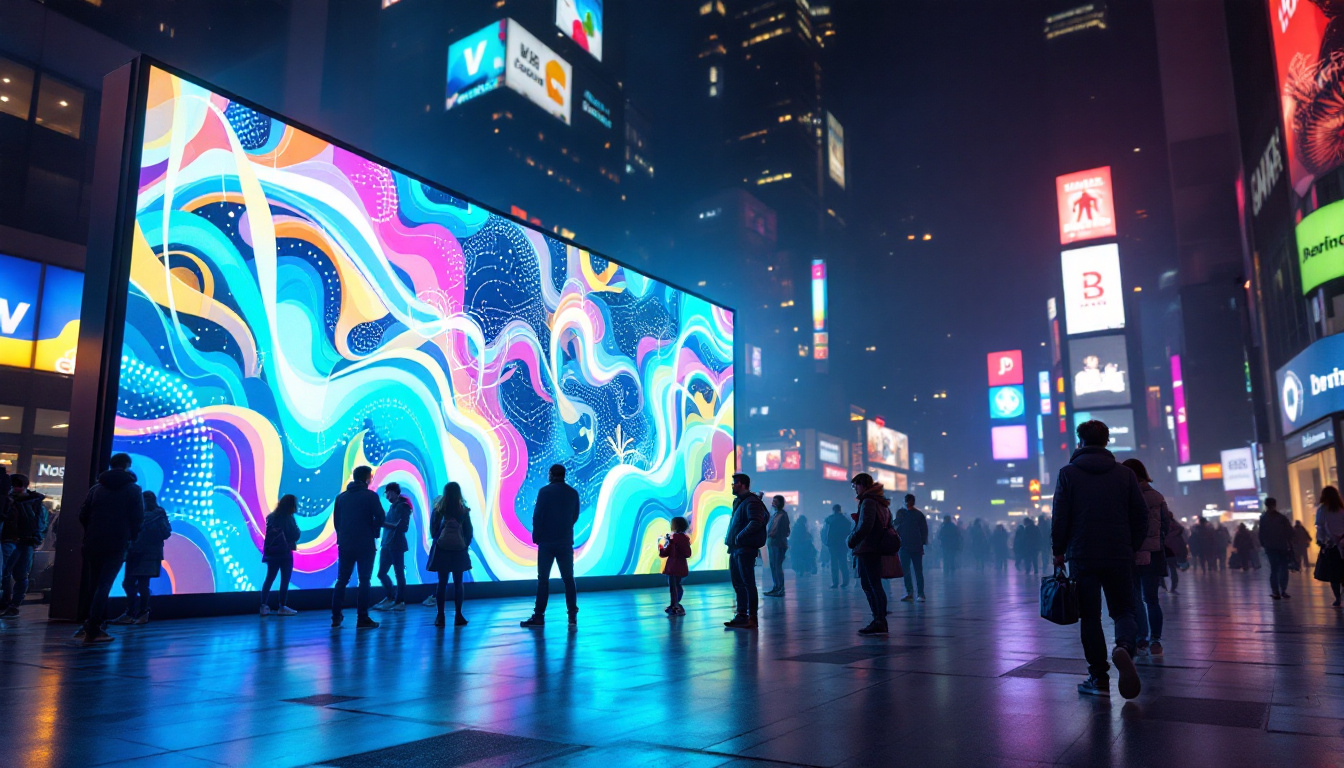
One of the most prevalent uses of LED displays is in advertising and digital signage. According to a 2023 report by Grand View Research, the global digital signage market is expected to reach $31.71 billion by 2028, driven largely by the adoption of LED technology. LED displays offer advertisers the ability to deliver dynamic content that can be updated in real-time, tailored to different audiences and times of day.
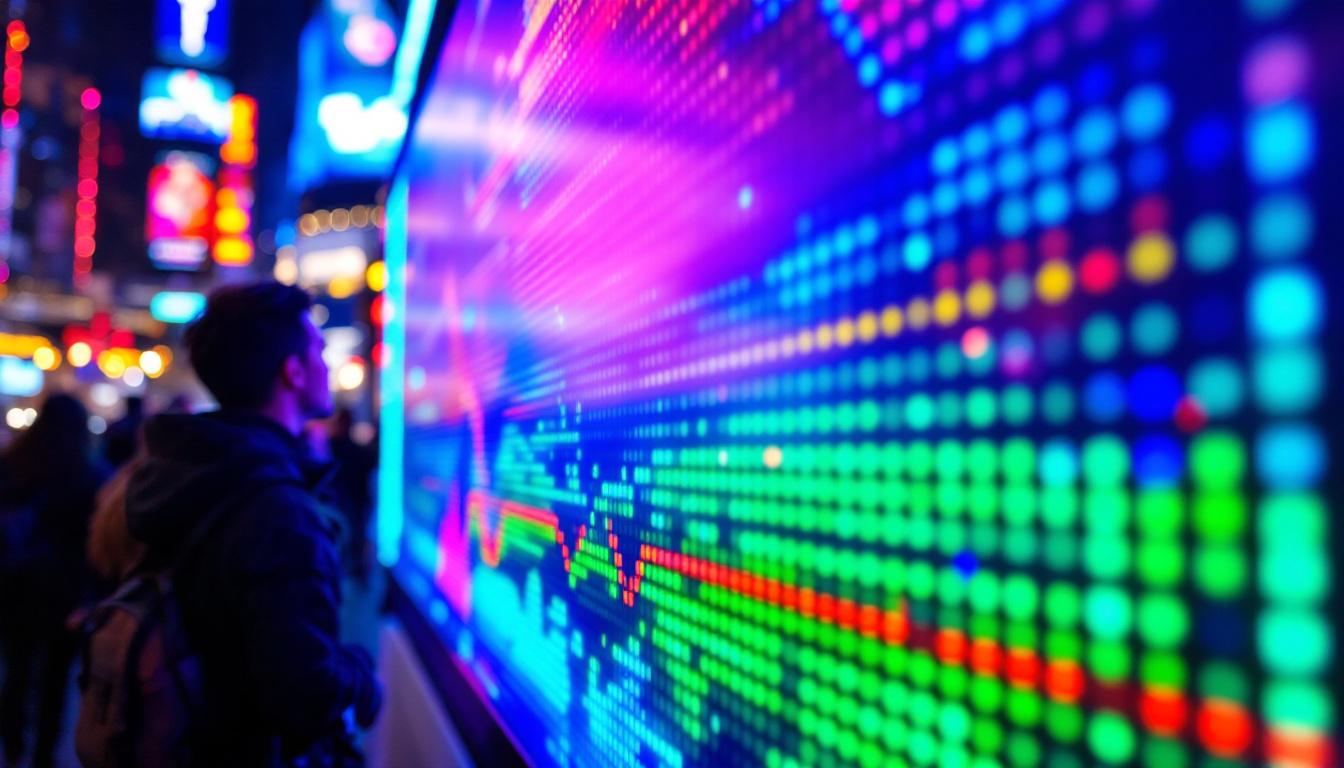
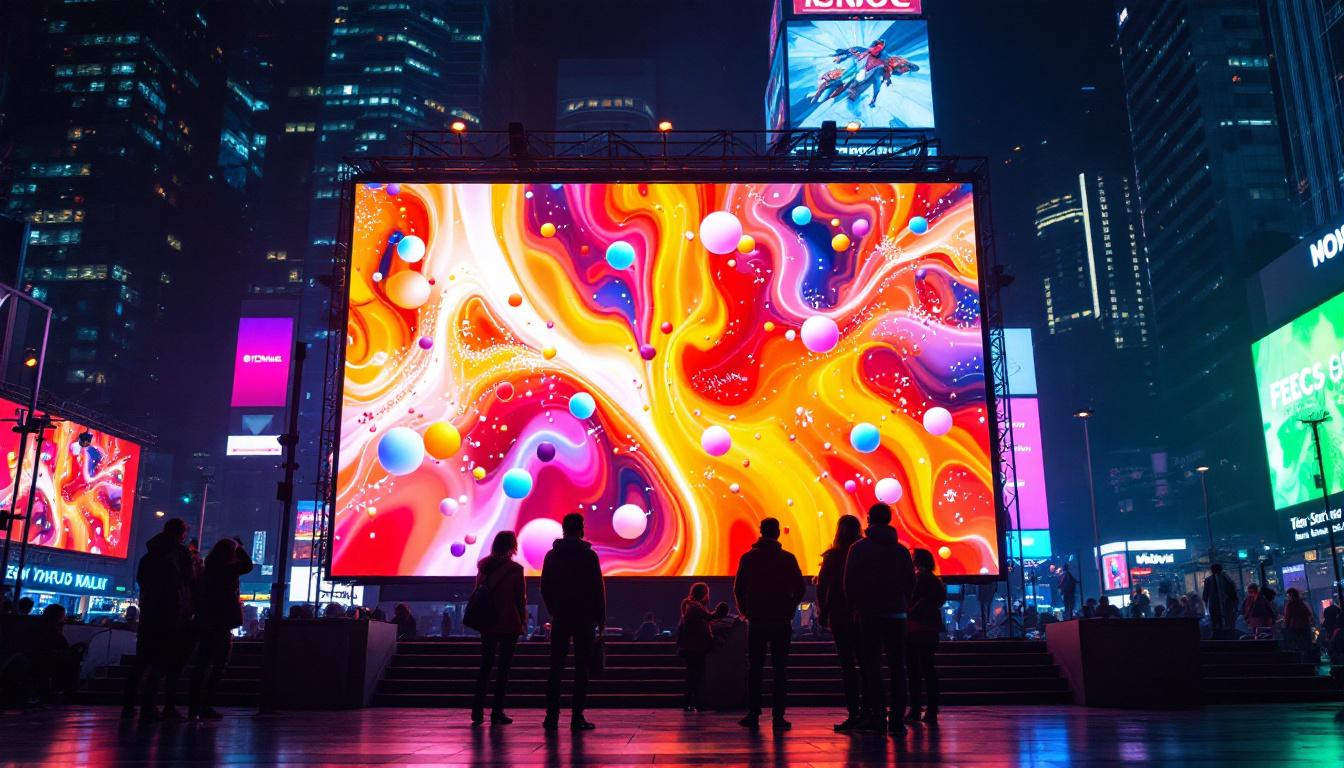
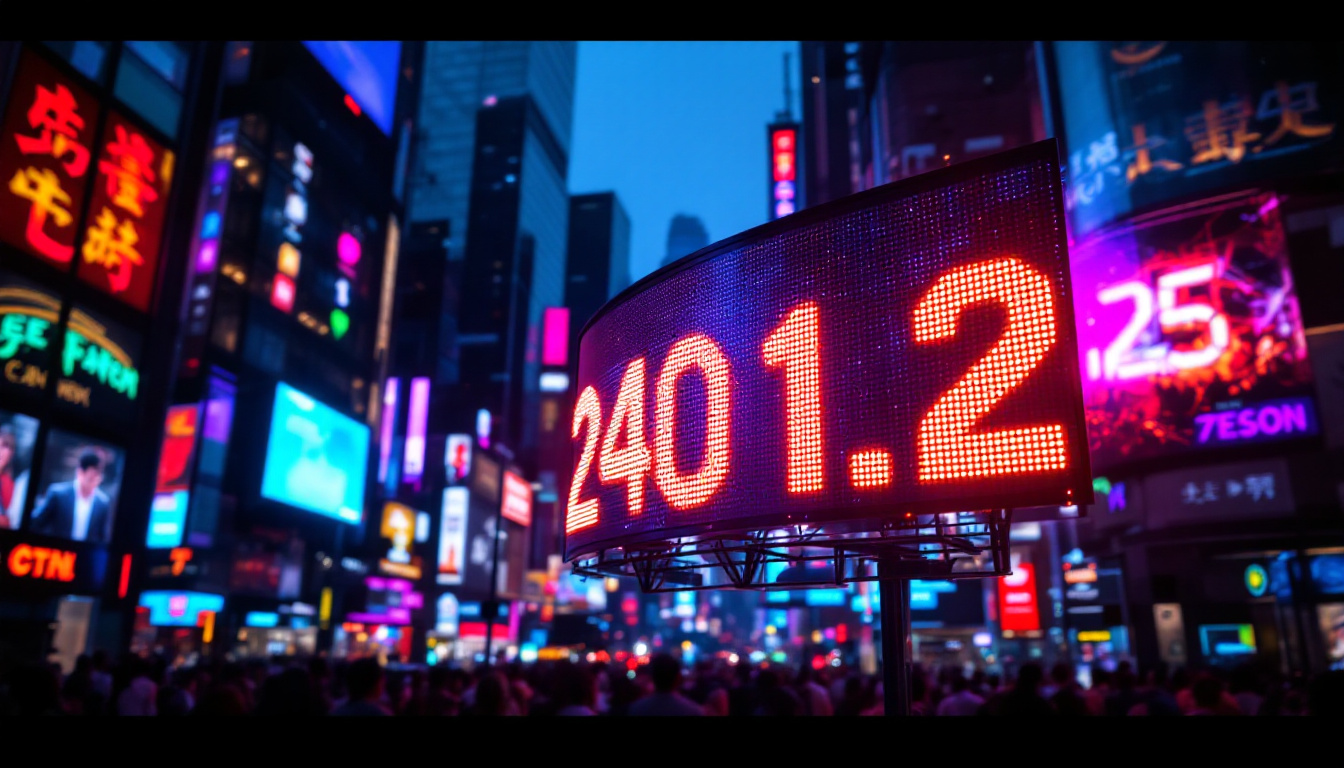
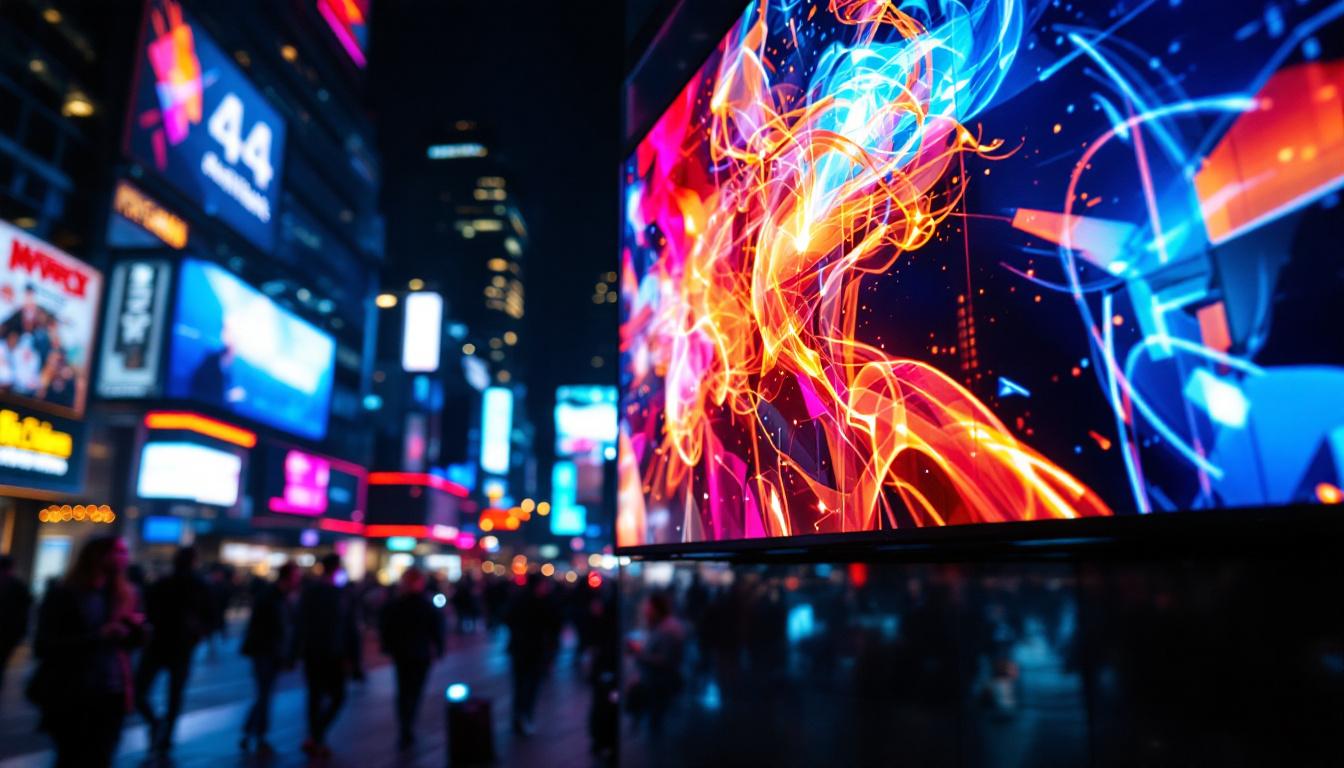
For example, Times Square in New York City is renowned for its massive LED billboards that captivate millions of visitors daily. These displays provide high visibility and vibrant colors that traditional print ads cannot match, making them highly effective for brand promotion and public messaging.
Sports and Entertainment Venues
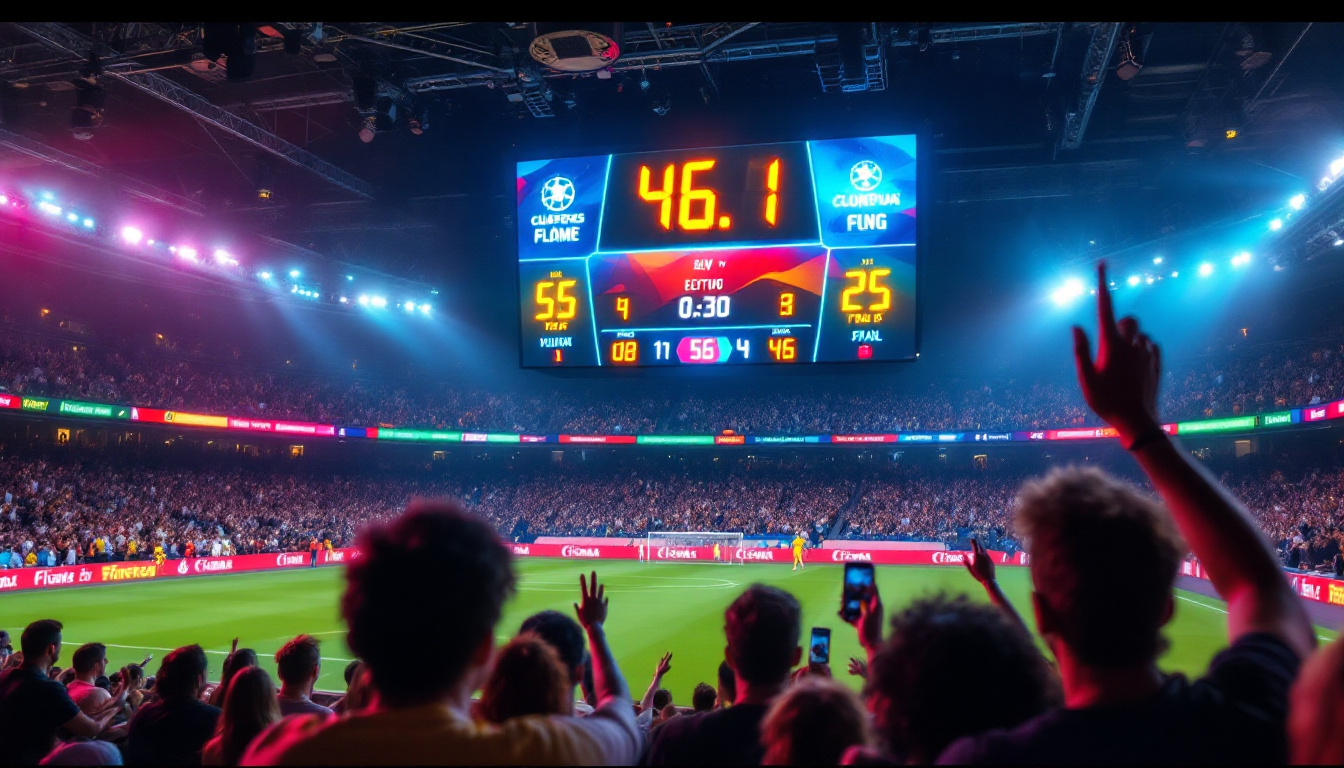
Stadiums and arenas have embraced LED displays to enhance the spectator experience. Large-scale LED video walls provide instant replays, live scores, and interactive content that engage fans throughout events. The ability to customize content and display high-definition video ensures that every seat has an optimal viewing experience.
Major sporting events like the FIFA World Cup and the Olympics utilize cutting-edge LED display technology to broadcast live action and advertisements seamlessly. The durability and brightness of outdoor LED screens make them ideal for these large venues, where visibility and reliability are critical.
Corporate and Conference Environments
In the corporate world, LED displays are increasingly used for presentations, video conferencing, and digital collaboration. Their ability to display crisp visuals and support various input sources makes them a valuable tool for enhancing communication and engagement during meetings and events.
Moreover, modular LED panels allow companies to create custom-sized video walls that fit their spaces perfectly. This flexibility enables businesses to convey their brand message effectively while fostering a modern and professional atmosphere.
Transportation and Public Information Systems
LED displays play a vital role in transportation hubs such as airports, train stations, and bus terminals. They provide real-time updates on schedules, delays, and safety information, improving passenger experience and operational efficiency.
Additionally, city-wide digital signage networks use LED displays to deliver public service announcements, emergency alerts, and community news. Their high visibility and reliability make them indispensable tools for urban communication strategies.
Advantages of LED Displays Over Other Technologies
Superior Brightness and Visibility
One of the standout benefits of LED displays is their exceptional brightness. Unlike LCD or OLED screens, which rely on backlighting or organic compounds, LEDs emit their own light, allowing for much higher luminance levels. This makes LED displays highly effective in environments with strong ambient light, such as outdoor settings or brightly lit indoor spaces.
Energy Efficiency and Longevity
LED technology is known for its energy efficiency. LEDs consume significantly less power compared to traditional display technologies, reducing operational costs and environmental impact. Furthermore, LEDs have a longer lifespan, often exceeding 100,000 hours of use, which translates to lower maintenance and replacement expenses.
Flexibility and Scalability
LED displays are modular by design, enabling easy scalability and customization. Whether creating a small indoor screen or a massive outdoor video wall, LED panels can be combined seamlessly to fit the required dimensions. This modularity also simplifies installation, maintenance, and future upgrades.
Enhanced Color Accuracy and Contrast
Thanks to the precise control over individual LEDs, these displays offer superior color accuracy and high contrast ratios. This capability is crucial for applications requiring detailed visuals, such as broadcasting, digital art installations, and branding.
Emerging Trends and Innovations in LED Display Technology
MicroLED and MiniLED Displays
MicroLED and MiniLED technologies represent the next frontier in LED display innovation. MicroLEDs are tiny LEDs that can be individually controlled, offering even higher resolution, better contrast, and improved energy efficiency compared to conventional LEDs. MiniLEDs, while larger than MicroLEDs, provide enhanced backlighting for LCD screens, improving brightness and contrast.
These advancements are beginning to enter consumer electronics, such as televisions and smartphones, promising brighter displays with longer lifespans and reduced power consumption.
Interactive and Smart LED Displays
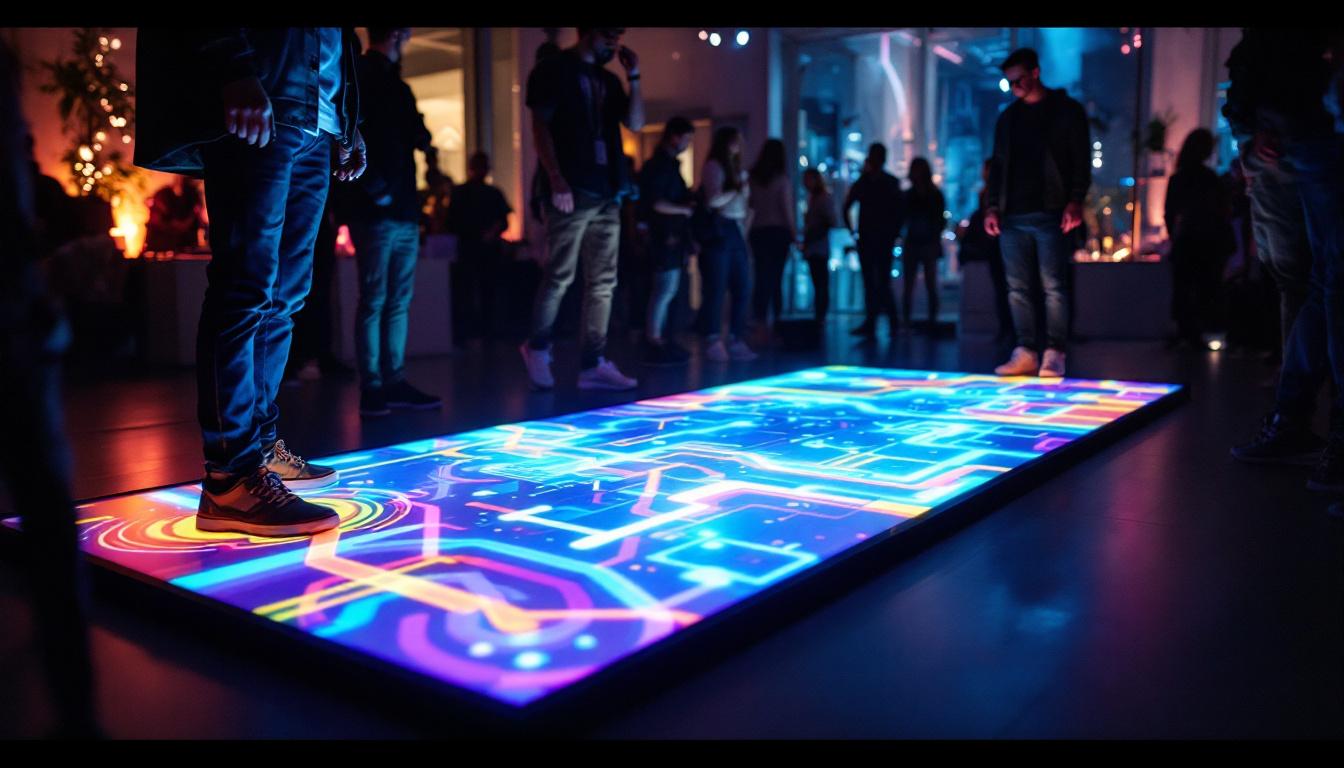
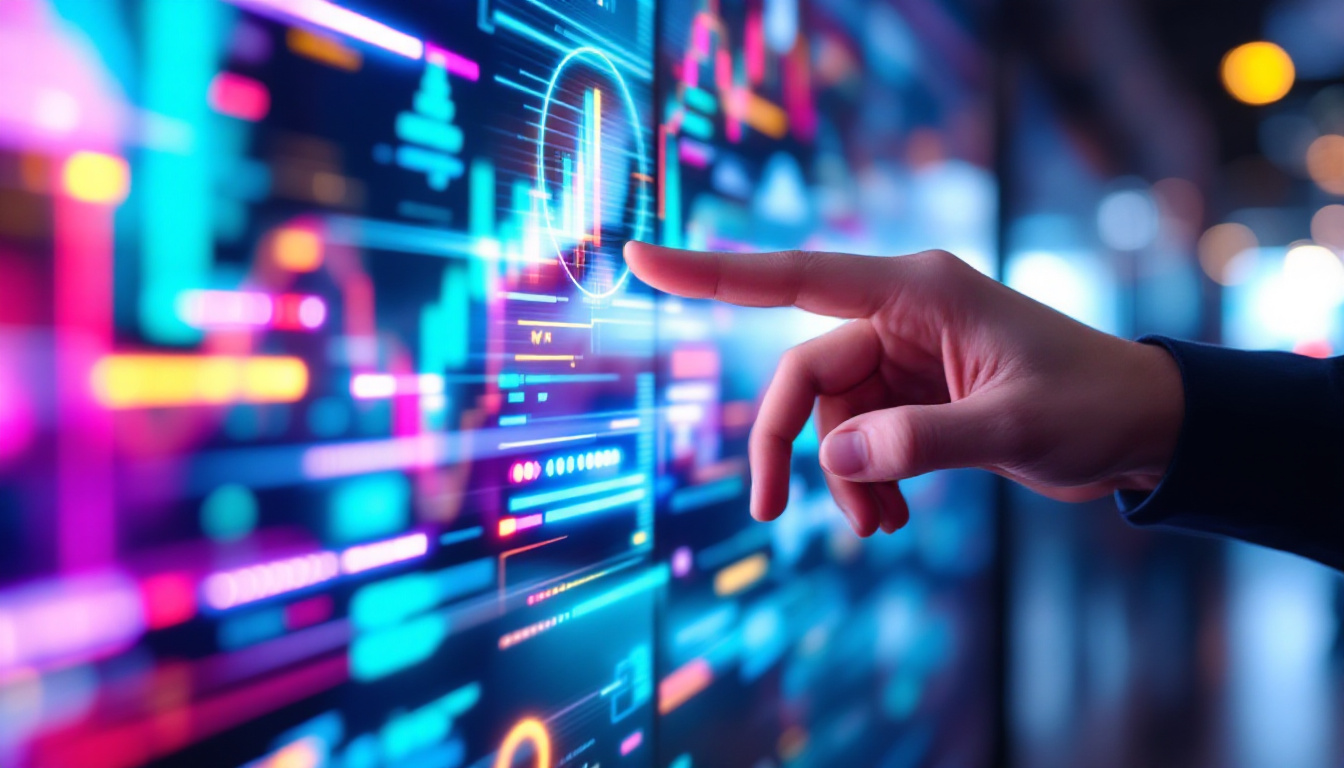
Integration of touch sensors and AI-driven content management systems is transforming LED displays into interactive platforms. Retailers and event organizers use these smart displays to engage audiences with personalized content, wayfinding, and real-time analytics.
For instance, AI-powered digital signage can adjust advertisements based on demographic data or environmental conditions, maximizing marketing effectiveness and user engagement.
Sustainability and Eco-Friendly Materials
With growing environmental awareness, manufacturers are focusing on sustainable production methods and recyclable materials for LED displays. Innovations include reducing hazardous substances, improving energy efficiency, and designing for easier disassembly and recycling at the end of the product lifecycle.
Choosing the Right LED Display for Your Needs
Assessing Your Environment and Viewing Distance
Selecting an LED display begins with understanding the installation environment. Indoor displays require higher pixel density for close viewing, while outdoor screens prioritize brightness and weather resistance. Viewing distance also dictates pixel pitch; the farther the audience, the larger the pixel pitch can be without compromising image quality.
Content Type and Resolution Requirements
Consider the type of content you plan to display. High-definition video and detailed graphics demand displays with higher resolution and refresh rates. For static images or text-based content, lower resolution may suffice, allowing for cost savings.
Budget and Maintenance Considerations
While LED displays can be a significant investment, it is important to factor in long-term operational costs, including energy consumption and maintenance. Opting for reputable manufacturers and service providers ensures reliability and support, minimizing downtime and repair expenses.
Integration and Control Systems
Modern LED displays often require integration with content management systems, video processors, and network controls. Ensure compatibility with your existing infrastructure and consider ease of use for content updates and remote management.
Conclusion
LED displays have revolutionized digital video solutions by offering unparalleled brightness, flexibility, and durability. Their versatility across industries—from advertising and entertainment to corporate communications and public information—demonstrates their critical role in modern visual technology. As innovations like MicroLED and interactive smart displays continue to evolve, LED technology will remain at the forefront of delivering captivating and effective digital content.
Choosing the right LED display involves careful consideration of technical specifications, environmental factors, and budget constraints. With informed decisions, businesses and organizations can harness the full potential of LED displays to engage audiences, enhance experiences, and communicate messages with impact.
Discover the Future of Visual Engagement with LumenMatrix
Ready to elevate your visual communication strategy with cutting-edge LED display technology? LumenMatrix is at the forefront of innovation, offering a diverse range of LED display solutions tailored to meet your unique needs. From vibrant Indoor LED Wall Displays to dynamic Outdoor LED Wall Displays, and from sleek LED Poster Displays to immersive LED Sports and Floor Displays, our products are designed to captivate your audience and amplify your message. Experience the transformative power of our Custom, All-in-One, and Transparent LED Displays. Check out LumenMatrix LED Display Solutions today and step into a world of unparalleled brightness, flexibility, and durability.