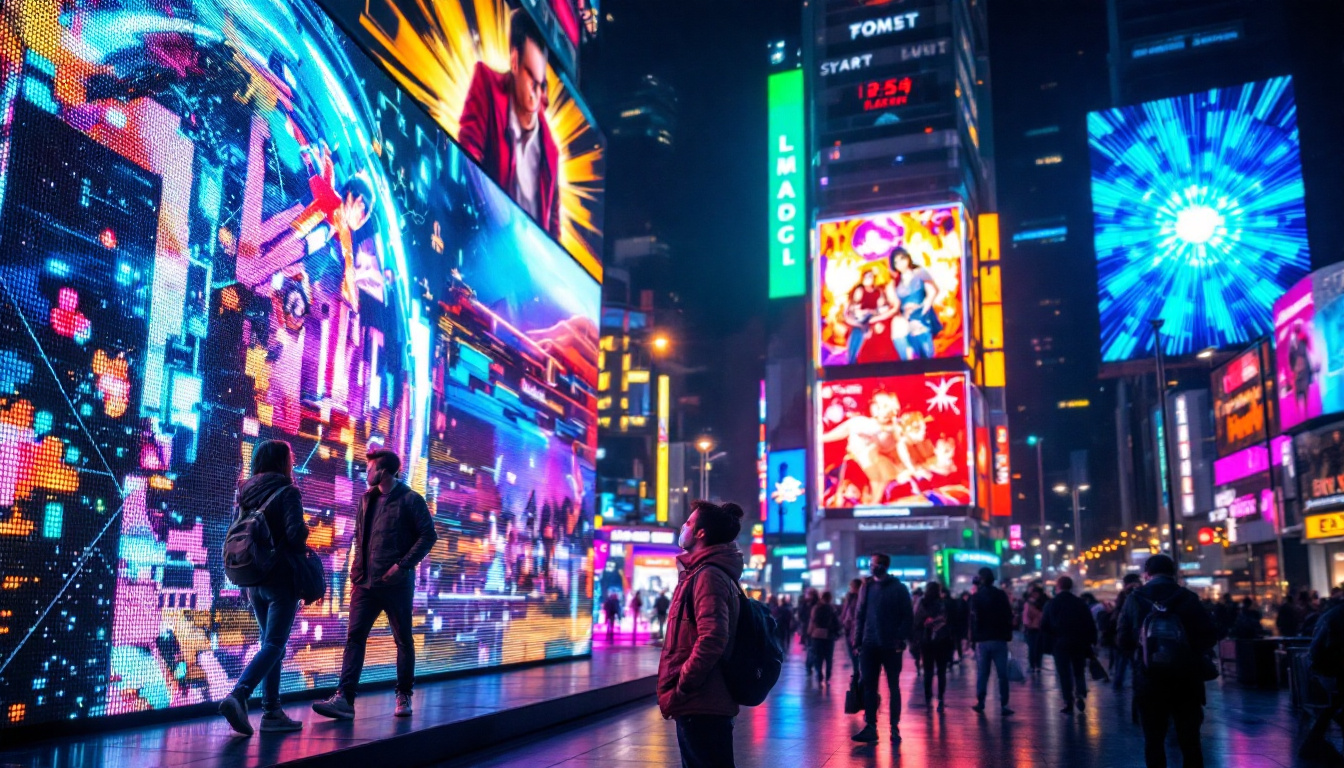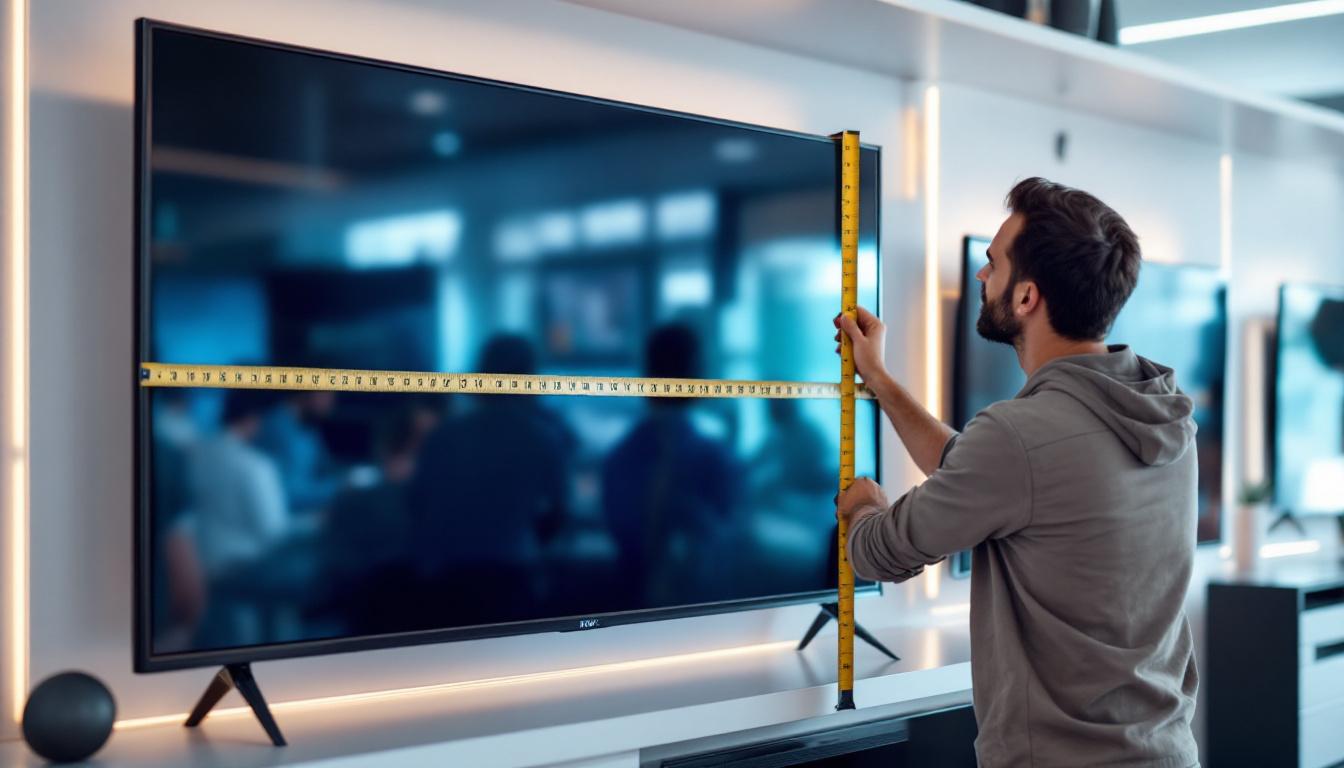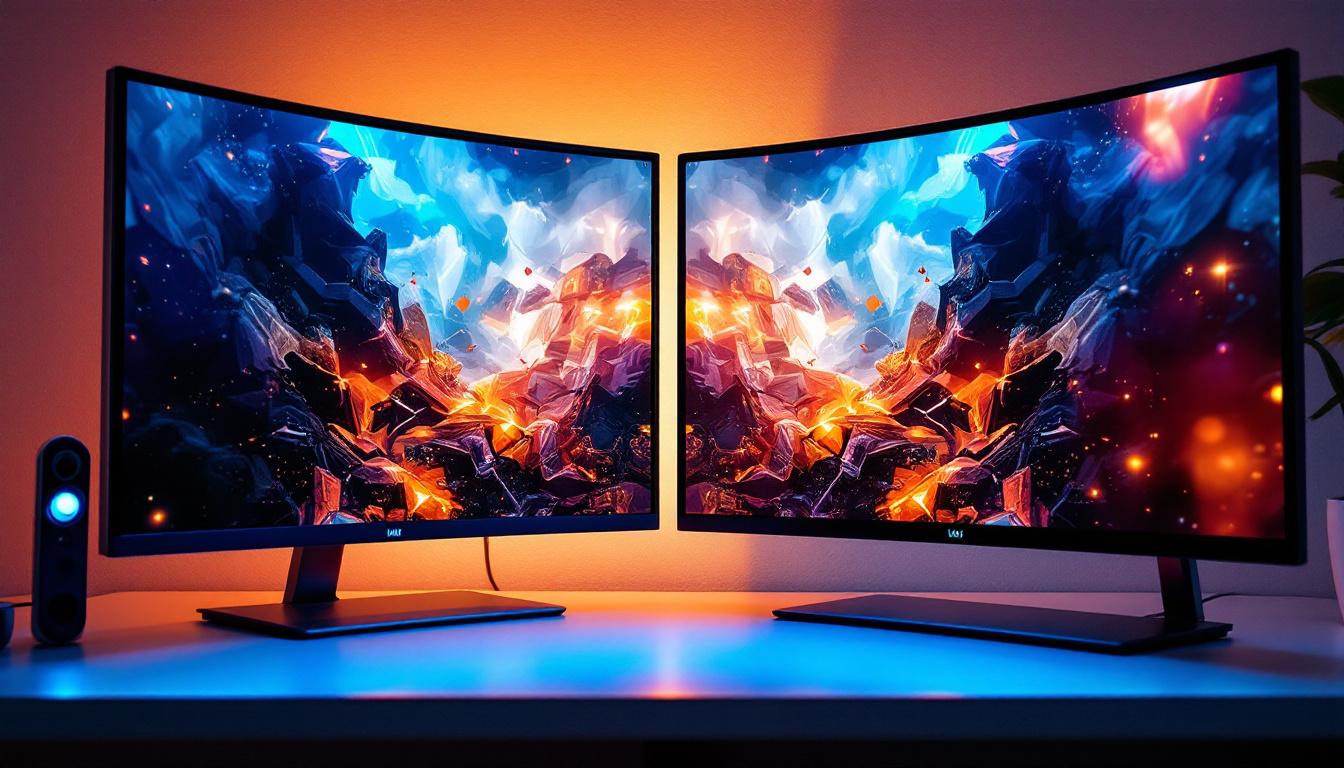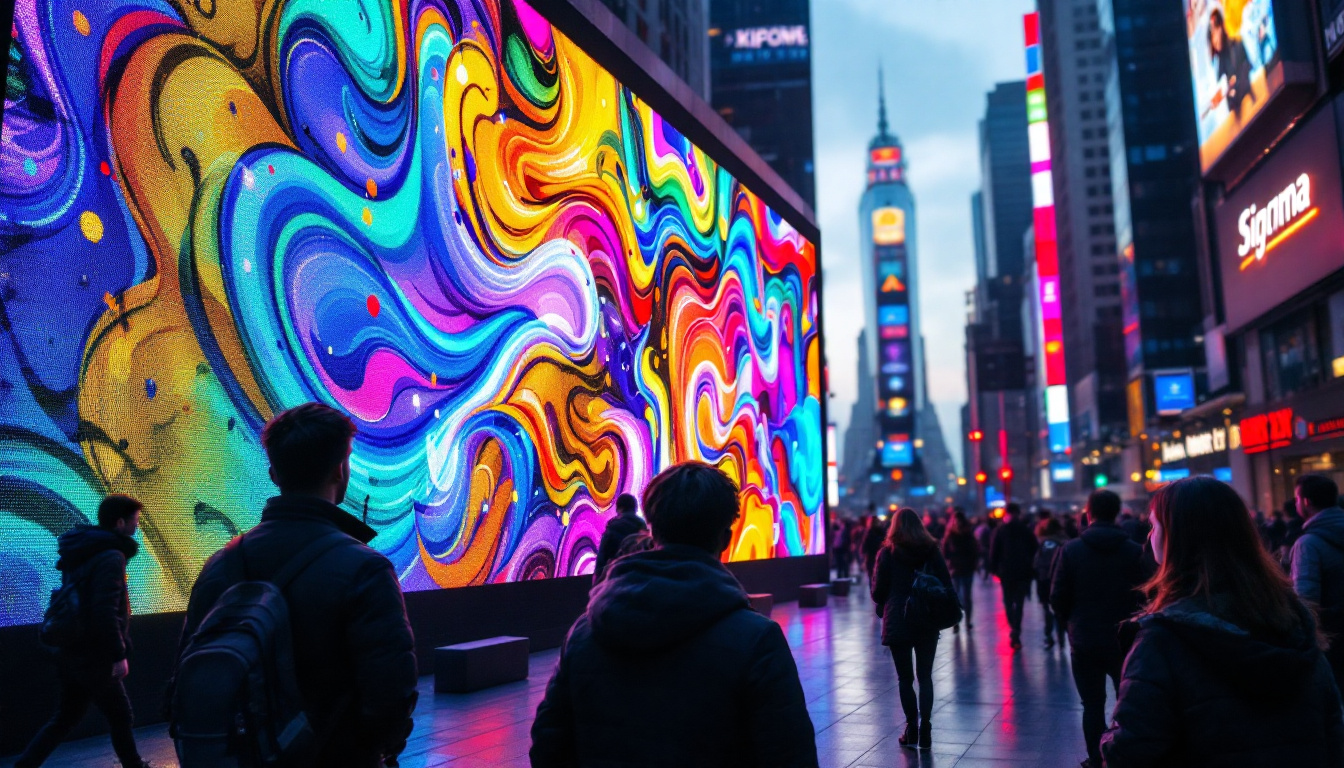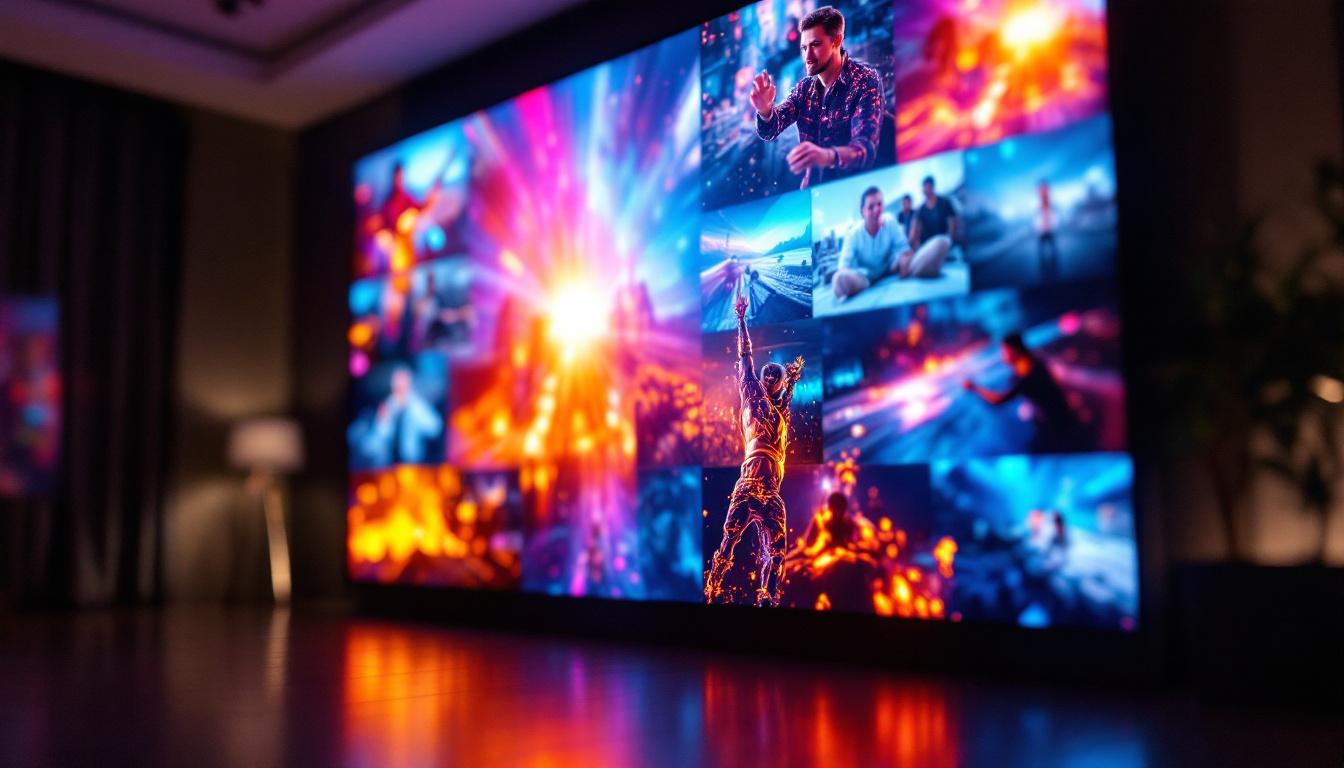
In the age of digital transformation, LED displays have become a cornerstone of visual communication, captivating audiences with vibrant, high-resolution content. One of the most compelling features of modern LED technology is the ability to seamlessly combine multiple videos into a single, cohesive display. Whether for advertising, events, or control rooms, understanding how to put multiple videos together on an LED display is essential for maximizing impact and engagement.
This article delves into the technical and practical aspects of video splicing on LED screens, exploring the technology behind it, the software and hardware involved, and best practices to ensure a flawless visual experience.
Understanding LED Displays and Their Capabilities
What Makes LED Displays Unique?
LED (Light Emitting Diode) displays are composed of thousands to millions of tiny light-emitting diodes arranged in a grid. These diodes produce bright, vivid colors and can be scaled to virtually any size, from small indoor panels to massive outdoor billboards. Unlike traditional LCD or projection screens, LED displays offer superior brightness, contrast, and viewing angles, making them ideal for dynamic video content. The technology behind LED displays has evolved significantly, leading to advancements such as HDR (High Dynamic Range) capabilities, which enhance the color range and brightness levels, allowing for a more immersive viewing experience.
The modular nature of LED panels allows multiple screens to be tiled together, creating a larger canvas. This flexibility is a key factor in displaying multiple videos simultaneously or stitching them into one large video. Additionally, the seamless integration of these panels minimizes bezels, ensuring that the viewer’s focus remains on the content rather than the hardware. As a result, LED displays are increasingly popular in venues such as stadiums, concert halls, and corporate environments, where engaging visuals are essential for audience interaction and retention.
Types of LED Displays Relevant to Video Splicing
There are several types of LED displays, each suited to different environments and applications:
- Indoor LED Displays: Designed for close viewing distances, these have higher pixel densities (e.g., 1.2mm to 4mm pitch) and are perfect for detailed video content. They are often used in retail spaces, trade shows, and conference rooms, where clarity and detail are paramount.
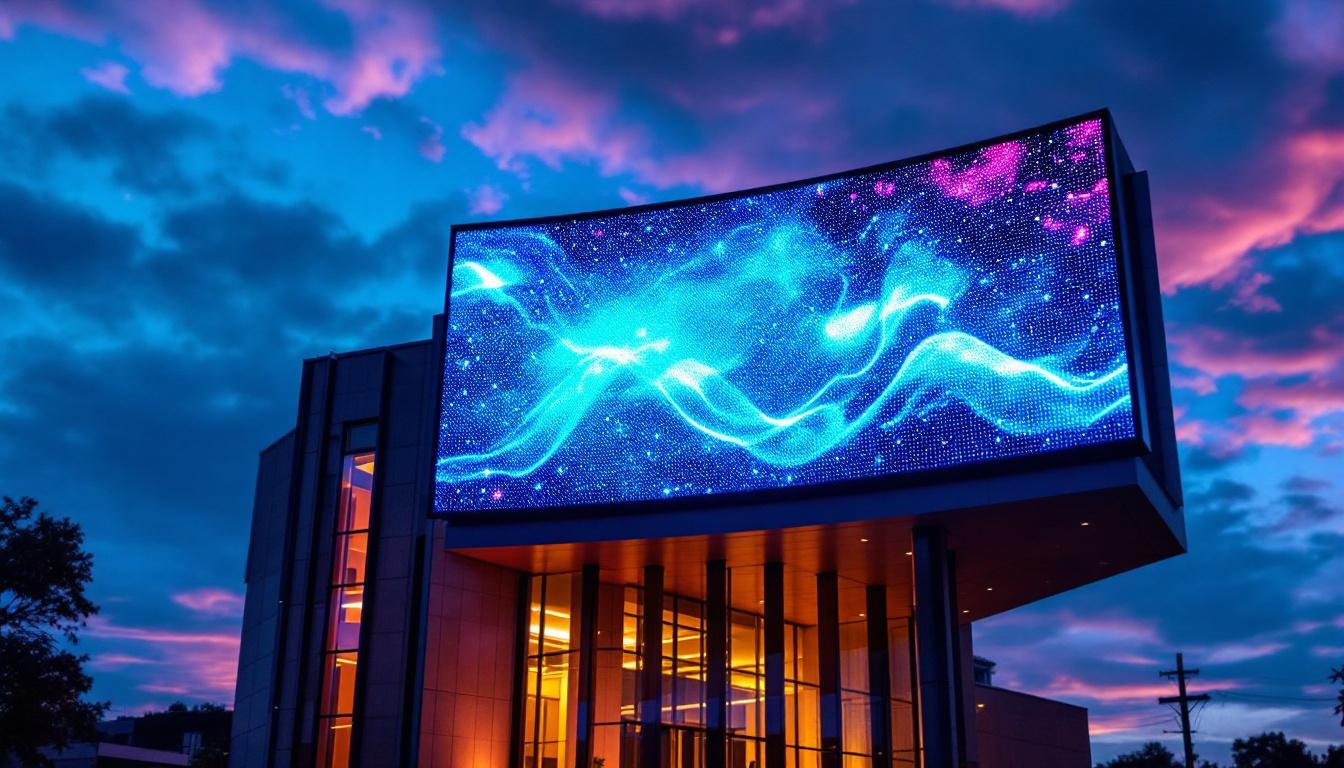
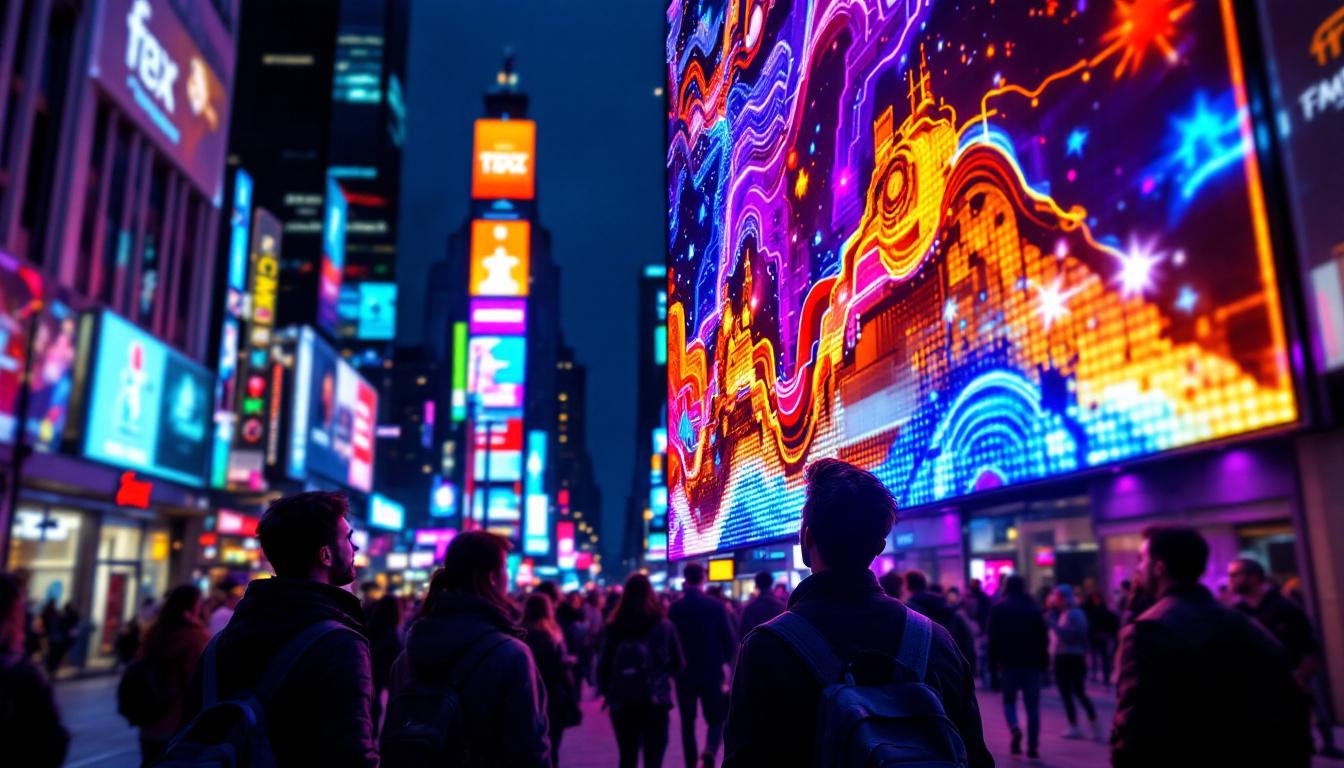
- Outdoor LED Displays: Built to withstand weather elements with higher brightness levels (often exceeding 5,000 nits) to combat sunlight glare, but with larger pixel pitches (e.g., 6mm to 20mm). These displays are commonly found in urban settings, advertising spaces, and public events, drawing attention even in bright daylight.
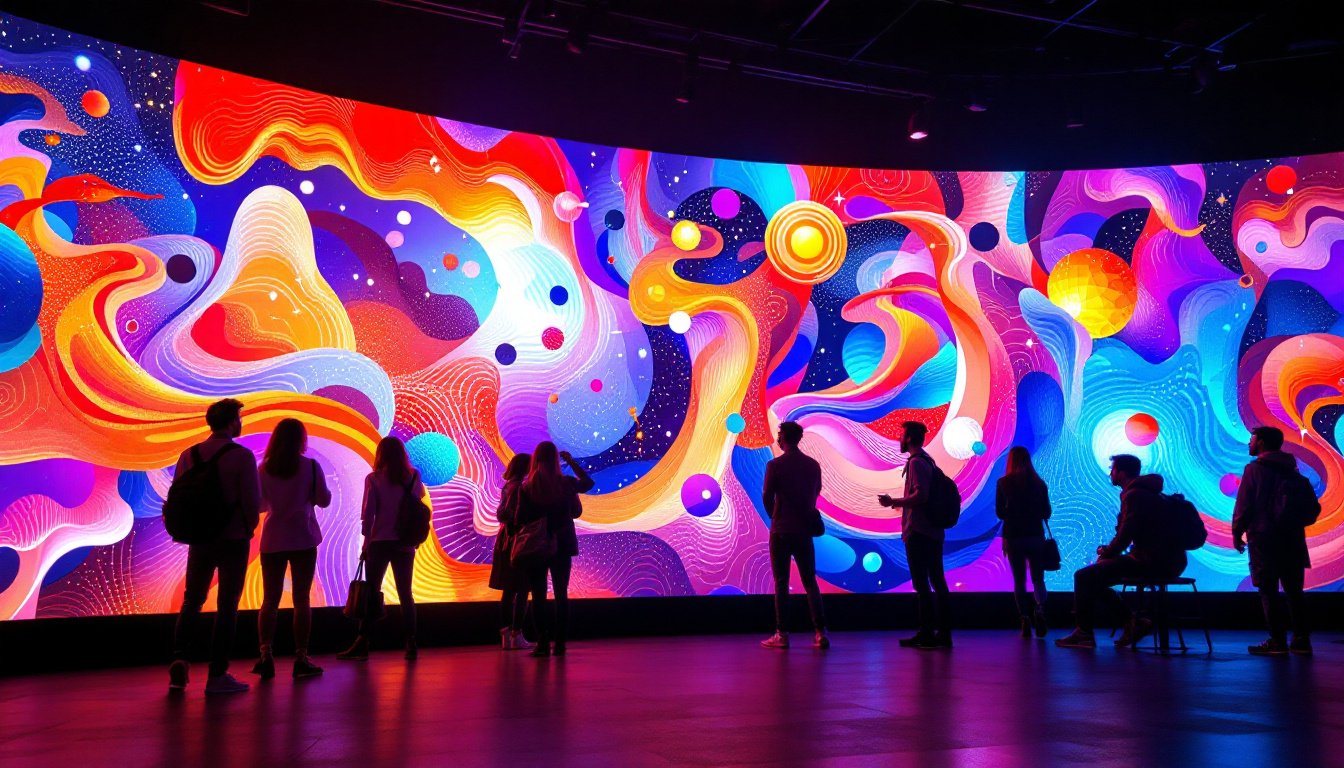
- Flexible and Curved LED Displays: These allow creative installations where screens wrap around surfaces or form non-traditional shapes. Their adaptability opens up new possibilities for artistic expression in architecture and design, enabling immersive environments that engage viewers from multiple angles.
Each type influences how videos are combined and displayed, particularly in terms of resolution, brightness uniformity, and viewing angles. Moreover, advancements in video processing technology have made it possible to synchronize multiple LED displays seamlessly, allowing for intricate video splicing that can create a cohesive narrative across various screens. This capability is particularly beneficial in live events, where quick transitions and real-time content updates are crucial for maintaining audience engagement. As LED technology continues to evolve, the potential for innovative applications in advertising, entertainment, and information dissemination expands, paving the way for even more captivating visual experiences.
The Technology Behind Combining Multiple Videos on LED Displays
Video Wall Controllers and Processors
At the heart of putting multiple videos together on an LED display is the video wall controller or processor. This hardware device manages the input signals from various video sources and maps them onto the LED panels.
Modern video wall processors support multiple input types—HDMI, DisplayPort, SDI, and more—and can handle several video streams simultaneously. They allow for:
- Splitting: Dividing one large video signal into sections to display across multiple panels.
- Splicing: Combining multiple video sources into a single output.
- Scaling and Positioning: Adjusting video size and placement on the LED canvas.
Advanced processors also support real-time video stitching, blending, and edge correction to ensure seamless transitions between panels.
Software Solutions for Video Integration
Alongside hardware, software plays a critical role in managing multiple videos on LED displays. Video management software allows operators to control content distribution, schedule playback, and customize layouts.
Popular software platforms offer features such as:
- Drag-and-drop interfaces for easy video arrangement.
- Real-time preview and monitoring.
- Support for various media formats and streaming protocols.
- Synchronization across multiple panels to avoid latency or frame mismatches.
Examples include LED display control systems from manufacturers like NovaStar, Brompton Technology, and Barco, which integrate both hardware and software to streamline multi-video display management.
Network Infrastructure and Synchronization
When dealing with large LED walls or distributed displays, network infrastructure becomes vital. Video data often travels over Ethernet or fiber optic networks to reach each panel or controller.
Synchronization protocols ensure that all video streams play in perfect harmony, preventing visual artifacts such as tearing or lag. Precision timing, often achieved through technologies like PTP (Precision Time Protocol), is essential for high-quality video splicing.
Step-by-Step Guide: How to Put Multiple Videos Together on an LED Display
1. Assess Your Display Configuration
Before combining videos, understand your LED display’s specifications:
- Resolution and pixel pitch.
- Physical dimensions and aspect ratio.
- Input ports and supported video formats.
This information guides how videos will be arranged and scaled.
2. Select Appropriate Video Sources
Choose videos that complement each other in resolution, frame rate, and content style. Mismatched video qualities can disrupt the overall visual harmony.
For example, combining a 4K video with a low-resolution clip may require upscaling or cropping to maintain consistency.
3. Configure the Video Wall Controller
Connect your video sources to the controller and use its interface to assign each video to a specific section of the LED display.
Most controllers allow you to:
- Define “zones” on the display where each video will play.
- Adjust scaling and cropping to fit the zones.
- Set transition effects if videos will play sequentially.
4. Use Software to Fine-Tune Layout and Playback
Leverage video management software to preview the arrangement and make adjustments. This step is critical for ensuring that videos do not overlap unintentionally and that the overall composition is visually balanced.
Scheduling features can automate playback sequences, allowing for dynamic content rotation on the LED display.
5. Test and Calibrate
Run a full test to check for synchronization issues, color uniformity, and any visual glitches. Calibration tools may be necessary to adjust brightness and color across different panels to achieve a uniform look.
Regular maintenance and recalibration help maintain optimal display performance, especially in environments where lighting conditions change.
Applications and Benefits of Multi-Video LED Displays
Advertising and Retail
Retailers and advertisers use multi-video LED displays to showcase multiple products, promotions, or brand messages simultaneously. This dynamic approach captures customer attention more effectively than static signage.
According to a 2023 study by the Digital Signage Federation, digital signage with multi-video capabilities can increase customer engagement by up to 30%, translating into higher sales conversions.
Events and Entertainment
Concerts, sports arenas, and exhibitions leverage large LED walls to display live feeds, replays, and interactive content. Combining multiple video streams enhances the audience experience by delivering diverse perspectives and information in real-time.
Control Rooms and Command Centers
In mission-critical environments, such as traffic management or security monitoring, displaying multiple video feeds simultaneously allows operators to maintain situational awareness and respond swiftly.
LED video walls provide the clarity and flexibility needed to monitor numerous data sources without clutter.
Challenges and Considerations When Combining Multiple Videos
Latency and Synchronization Issues
One of the primary technical challenges is ensuring that all video streams are perfectly synchronized. Even minor delays can cause disjointed visuals, which are especially noticeable in live events or interactive displays.
Choosing high-quality controllers and robust network infrastructure mitigates these issues.
Resolution and Aspect Ratio Compatibility
Videos with differing resolutions or aspect ratios require careful scaling and cropping. Improper handling can lead to distorted images or black bars, detracting from the viewing experience.
Content Management Complexity
Managing multiple video sources demands meticulous planning, especially when content changes frequently. Investing in intuitive software and trained operators is crucial to maintain smooth operations.
Future Trends in Multi-Video LED Display Technology
AI-Driven Content Management
Artificial intelligence is beginning to play a role in optimizing video layouts based on audience behavior and environmental factors. AI can dynamically adjust video positioning, brightness, and content selection to maximize engagement.
Higher Resolutions and Miniaturization
As LED technology advances, pixel pitches continue to shrink, enabling even more detailed and immersive video walls. This trend will facilitate more complex multi-video arrangements with near-seamless integration.
Integration with Augmented Reality (AR)
Future LED displays may incorporate AR elements, blending physical and digital content. Combining multiple videos with interactive AR overlays could revolutionize advertising, entertainment, and information dissemination.
Conclusion
Putting multiple videos together on an LED display is a sophisticated process that combines cutting-edge hardware, intelligent software, and careful planning. The ability to seamlessly integrate diverse video content unlocks powerful storytelling and communication opportunities across various industries.
By understanding the technology, selecting the right tools, and adhering to best practices, businesses and event organizers can create captivating visual experiences that engage audiences and deliver measurable results.
As LED display technology continues to evolve, the possibilities for multi-video integration will expand, offering even more creative freedom and impact.
Explore Cutting-Edge LED Display Solutions with LumenMatrix
Ready to transform your visual storytelling and captivate your audience with unparalleled clarity and impact? Discover LumenMatrix’s innovative range of LED display solutions, from vibrant Indoor and Outdoor LED Wall Displays to dynamic Vehicle and Sports LED Displays. Each solution is crafted to elevate your brand visibility and create immersive visual experiences that resonate with viewers. Embrace the future of digital signage with our Custom, All-in-One, and Transparent LED Displays, designed for businesses seeking to make a powerful statement. Check out LumenMatrix LED Display Solutions today and see how our technology can revolutionize your visual communication.