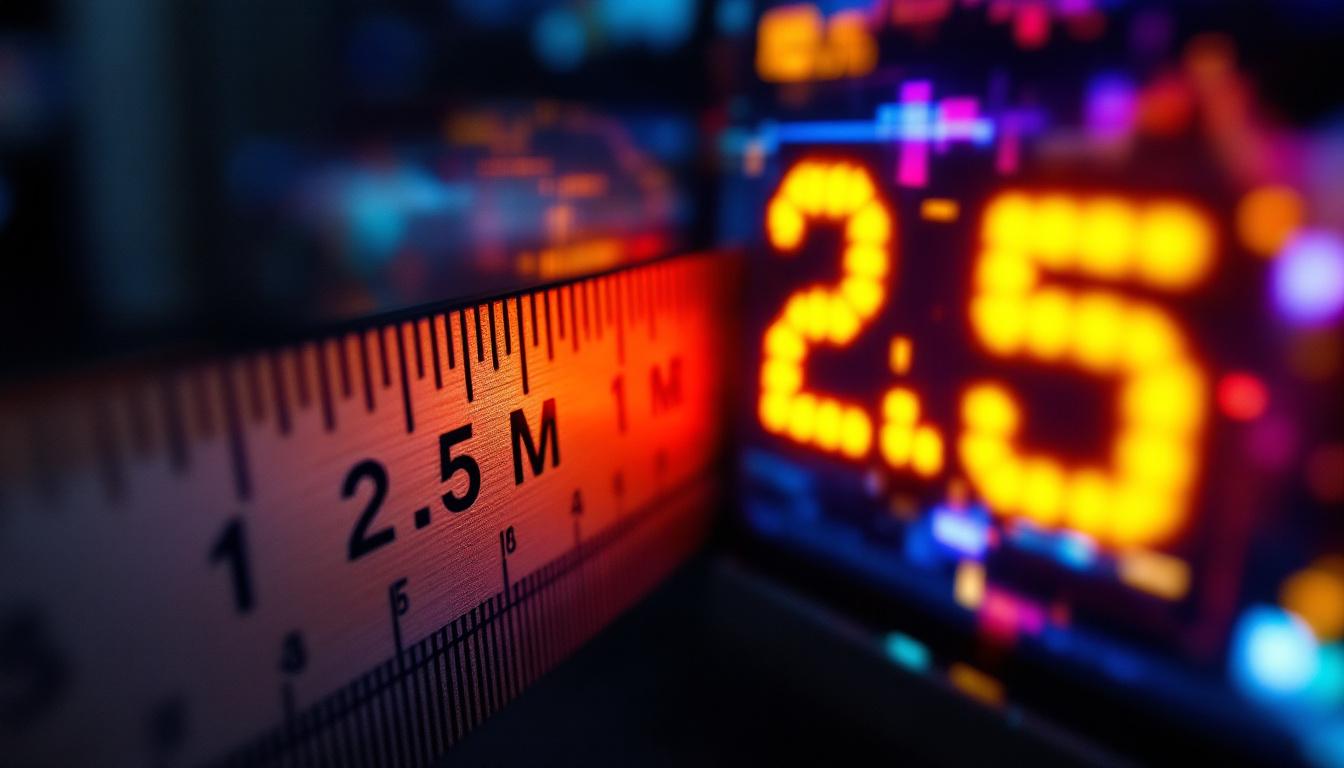
Understanding the conversion between inches and millimeters is essential in many technical fields, especially when working with LED displays. Whether you’re designing a new digital billboard, calibrating a screen, or simply trying to comprehend specifications, knowing how to convert measurements accurately can make a significant difference. This article explores the conversion of 2.5 inches to millimeters and delves into why this measurement matters in the context of LED displays.
Inches to Millimeters: The Basic Conversion
The inch and the millimeter are units of length used in different measurement systems. Inches belong to the imperial system, primarily used in the United States, while millimeters are part of the metric system, widely adopted around the world. This difference in measurement systems can sometimes lead to confusion, especially in fields like manufacturing and construction, where precision is paramount.
One inch is defined as exactly 25.4 millimeters. This precise definition was internationally agreed upon in 1959 and remains the standard for all conversions between these units. The choice of 25.4 mm as the equivalent of one inch was made to facilitate trade and communication between countries using different measurement systems, ensuring that product specifications and dimensions could be universally understood.
Calculating 2.5 Inches in Millimeters
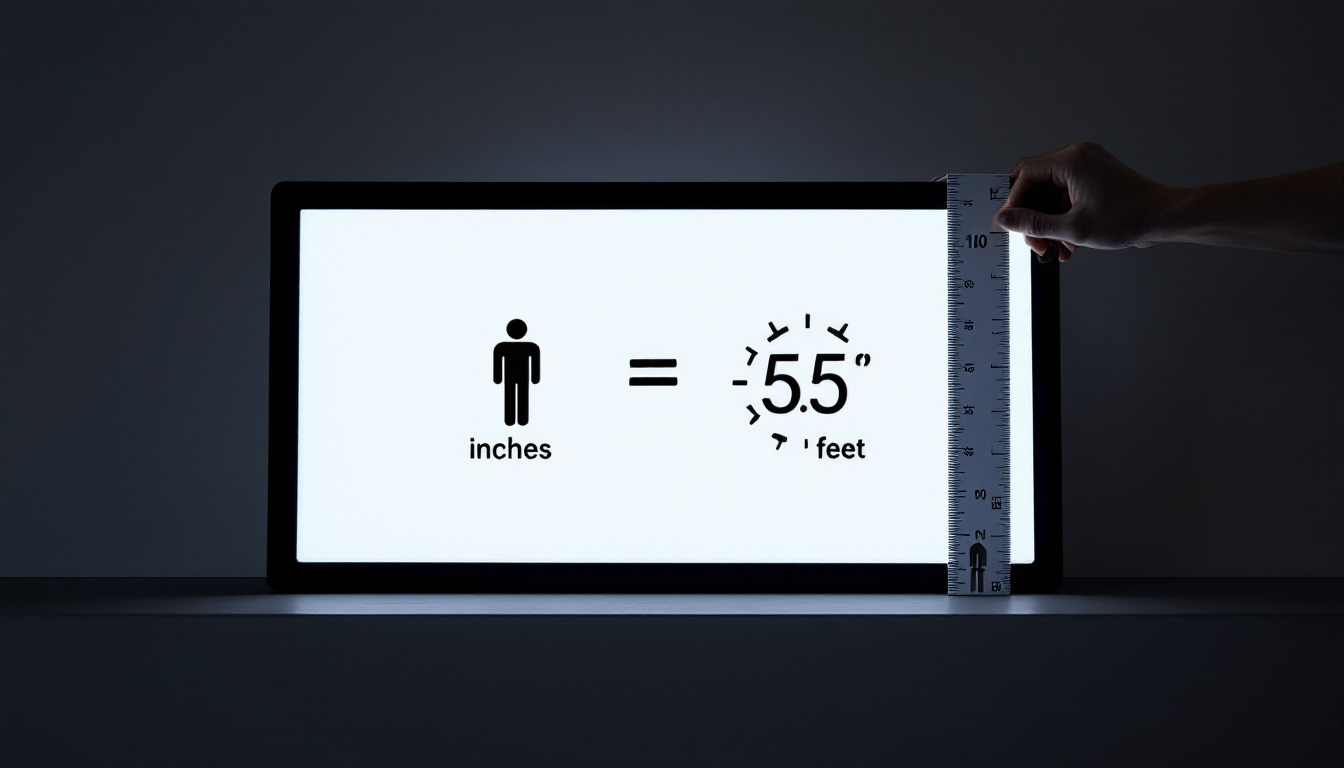
To convert 2.5 inches to millimeters, multiply the number of inches by 25.4:
2.5 inches × 25.4 mm/inch = 63.5 mm
Therefore, 2.5 inches equals 63.5 millimeters. This straightforward calculation is essential for anyone working in industries where both measurement systems are used, such as automotive, aerospace, and electronics. Understanding these conversions can help avoid costly errors and ensure that components fit together as intended.
Why Precision Matters in Measurement
In many applications, especially in technology and engineering, even small deviations in measurement can lead to significant issues. For LED displays, where pixel pitch and screen dimensions are critical, understanding exact measurements ensures compatibility and optimal performance. Inaccurate measurements can result in misalignments that affect the quality of the final product, leading to increased costs and time delays during production.
Moreover, in fields like architecture and construction, precision in measurements is crucial for safety and structural integrity. A minor error in converting inches to millimeters can have cascading effects on the design and build process. For instance, when designing a building, every inch counts; thus, architects and engineers must be diligent in their calculations to ensure that all elements fit together seamlessly. This need for accuracy underscores the importance of mastering conversions between different measurement systems, allowing professionals to communicate effectively and execute their projects successfully.
LED Displays: An Overview
LED (Light Emitting Diode) displays have revolutionized the way visual content is presented, from small digital watches to massive outdoor billboards. Their vibrant colors, energy efficiency, and long lifespan make them a popular choice across industries. The rapid advancement in LED technology has also led to the development of flexible and transparent displays, further expanding their applications in advertising, entertainment, and even architecture. These innovations allow for creative installations that can adapt to various environments, transforming traditional spaces into dynamic visual experiences.
Understanding the physical dimensions of LED displays is crucial for designers, engineers, and marketers alike. The size of the display, pixel density, and component spacing all influence the final image quality and user experience. Additionally, factors such as brightness levels and color accuracy play significant roles in ensuring that the display meets the specific needs of its intended use, whether it be for indoor environments with controlled lighting or outdoor settings that require high visibility under direct sunlight.
Pixel Pitch and Its Significance
Pixel pitch refers to the distance from the center of one LED cluster (or pixel) to the center of the adjacent one. It is usually measured in millimeters and directly impacts the resolution and viewing distance of the display. The choice of pixel pitch is not merely a technical specification; it also reflects the intended audience and application. For instance, a concert venue might opt for a finer pixel pitch to ensure that attendees, regardless of their seating position, can enjoy a clear and immersive visual experience.
A smaller pixel pitch means higher resolution and sharper images, which is essential for close-up viewing. Conversely, larger pixel pitches are suitable for displays viewed from a distance, such as stadium screens or highway billboards. Understanding these nuances allows businesses to tailor their display solutions to maximize engagement and effectiveness, ensuring that the content resonates with viewers, whether they are walking by or driving at high speeds.
How 2.5 Inches Relates to LED Display Measurements
Given that 2.5 inches equals 63.5 millimeters, this measurement can relate to various aspects of LED display design, such as:
- Module Size: Some LED modules or panels might have dimensions close to 2.5 inches on one side, affecting how many modules fit into a display. This modularity allows for easier repairs and upgrades, as individual panels can be replaced without the need to dismantle the entire display.
- Pixel Pitch: Although pixel pitch is typically smaller (often between 1mm to 10mm), understanding the conversion helps when dealing with module spacing or housing dimensions. Designers must consider how these measurements interact to create a cohesive and visually appealing display.
- Component Spacing: The physical spacing between LEDs or other components might be specified in inches or millimeters, requiring accurate conversion for manufacturing. This precision is vital not only for aesthetic purposes but also for ensuring optimal performance and longevity of the display system.
Moreover, the relationship between inches and millimeters is critical in global markets where different standards are prevalent. Manufacturers and designers must be adept at navigating these units of measurement to ensure compatibility and functionality across various regions. As the demand for LED technology continues to grow, so does the importance of understanding these fundamental concepts, paving the way for innovative applications and enhanced user experiences.
Applications of Accurate Measurement in LED Displays
Accurate measurement and conversion between inches and millimeters are vital in several key areas of LED display technology and deployment.
Design and Manufacturing
During the design phase, engineers must ensure that components fit precisely within the intended dimensions. For example, if a display module is designed to be 2.5 inches wide, converting this to 63.5 millimeters allows manufacturers who use metric tools to produce parts accurately.
Moreover, the alignment of LEDs within the module must be precise to avoid image distortion or dead spots. Using consistent units of measurement reduces errors and streamlines production.
Installation and Maintenance
Installers often work with both imperial and metric measurements, especially when LED displays are shipped internationally. Knowing that 2.5 inches equals 63.5 millimeters helps in selecting the right mounting hardware, ensuring proper fit and alignment.
Maintenance teams benefit as well; replacement parts specified in millimeters can be cross-referenced with imperial measurements to avoid compatibility issues.
Marketing and Sales
Marketers and sales professionals use display dimensions to communicate product specifications to clients. Providing measurements in both inches and millimeters caters to a global audience, enhancing clarity and professionalism.
Common Measurement Challenges in LED Display Projects
Despite the straightforward conversion between inches and millimeters, several challenges can arise in practical scenarios involving LED displays.
Mixed Measurement Systems
Many projects involve components sourced from different countries, some using imperial units and others metric. This mixture can lead to confusion and errors if conversions are not handled carefully.
For example, a display frame might be specified in inches, while LED modules are measured in millimeters. Without proper conversion, mismatches can occur, resulting in costly rework.
Rounding Errors
While 1 inch equals exactly 25.4 millimeters, rounding during conversions can accumulate errors. For instance, rounding 63.5 mm to 64 mm might seem minor but can affect tight tolerances in LED assembly.
Using precise decimal values and double-checking calculations help mitigate this risk.
Interpretation of Specifications
Sometimes, product specifications list dimensions in approximate values, such as “about 2.5 inches” or “around 60 mm.” This ambiguity can cause misunderstandings in design and procurement.
Clarifying exact measurements and insisting on precise specifications ensures smoother project execution.
Tools and Techniques for Accurate Measurement Conversion
To avoid errors and streamline processes, various tools and techniques can assist in converting and managing measurements in LED display projects.
Digital Conversion Tools
Online calculators and mobile apps provide quick and accurate conversions between inches and millimeters. These tools are especially useful in the field or during meetings where instant answers are needed.
CAD Software
Computer-Aided Design (CAD) software often allows users to switch between measurement units seamlessly. Designers can input dimensions in inches and view or export files in millimeters, ensuring compatibility with manufacturing requirements.
Standardized Documentation
Maintaining documentation that clearly states measurements in both units reduces confusion. Engineering drawings, product datasheets, and installation manuals should consistently include conversions, especially for critical dimensions like 2.5 inches.
Conclusion: The Importance of Understanding 2.5 Inches in Millimeters for LED Displays
Converting 2.5 inches to millimeters results in 63.5 mm, a measurement that holds practical significance in the world of LED displays. Whether dealing with module sizes, pixel pitch, or component spacing, accurate conversion ensures that design, manufacturing, installation, and maintenance proceed without complications.
As LED technology continues to evolve and global collaboration increases, fluency in both imperial and metric units becomes indispensable. Professionals who master these conversions can improve communication, reduce errors, and contribute to the creation of stunning, high-quality LED displays that captivate audiences worldwide.
Discover Precision LED Display Solutions with LumenMatrix
Ready to take your visual displays to the next level? LumenMatrix is at the forefront of LED display technology, offering a wide array of innovative solutions that bring your content to life. From vibrant Indoor LED Walls to dynamic Outdoor LED Displays, and from mobile Vehicle LED Displays to interactive Floor LED options, we have the perfect fit for your unique needs. Embrace the future of visual communication with our Custom and All-in-One LED Displays, including cutting-edge Transparent LED solutions. Experience the difference precision and quality can make. Check out LumenMatrix LED Display Solutions today and transform your space into a captivating visual experience.