When shopping for a new television or LED display, size is one of the most important factors to consider. However, size measurements can sometimes be confusing, especially when different units like inches and feet are used interchangeably. For example, you might come across an 85-inch LED display and wonder, “How much is 85 inches in feet?” Understanding this conversion is crucial not only for spatial planning but also for appreciating the scale and impact of the display in your environment.
This article delves into the conversion between inches and feet, explains the significance of screen size in LED displays, and offers practical advice on choosing the right size for your needs.
Understanding Inches and Feet: The Basics of Measurement
Before diving into the specifics of LED displays, it’s essential to understand the fundamental units of measurement involved: inches and feet. Both are part of the Imperial system, commonly used in the United States and some other countries. This system can often seem perplexing to those accustomed to the metric system, which uses meters and centimeters. However, understanding inches and feet is crucial for various applications, from construction to technology, where precise measurements can significantly impact the outcome of a project.
What Is an Inch?
An inch is a unit of length equal to 1/12 of a foot. It is often used to measure smaller objects or dimensions where precision is needed. In the context of screens, inches typically refer to the diagonal length of the display. This measurement is particularly important in the tech industry, as it helps consumers compare the sizes of TVs, monitors, and other devices. Interestingly, the inch has historical roots that trace back to the human body; it was originally based on the width of a man’s thumb. Today, the inch is standardized, but its legacy continues to influence how we perceive size in everyday life.
What Is a Foot?
A foot is a larger unit of length, equal to 12 inches. Feet are often used to measure larger objects or spaces, such as room dimensions or furniture size. Converting inches to feet helps in visualizing the size of an object in a more relatable way, especially when planning space. For instance, when designing a room, knowing that a piece of furniture is 6 feet long can help you better understand how it will fit within the overall layout. Additionally, the foot has its own interesting history; it was originally based on the average length of a human foot, which varied significantly across different cultures and times. This historical context adds a layer of richness to our understanding of measurement, reminding us that these units are not just abstract numbers but are deeply rooted in human experience and practicality.
Converting 85 Inches to Feet: The Simple Math
To convert inches to feet, you divide the number of inches by 12, since there are 12 inches in one foot. This straightforward calculation helps translate the size of an LED display into a unit that might be easier to visualize.
Calculation for 85 Inches
Using the formula:
Feet = Inches ÷ 12
For 85 inches:
85 ÷ 12 = 7.0833 feet
This means an 85-inch display is approximately 7.08 feet diagonally.
Why This Conversion Matters
Knowing that 85 inches equals just over 7 feet helps you understand the physical scale of the display. This is particularly useful when considering where to place the screen, how far you should sit from it, and how it will fit within your room’s dimensions.
Why Screen Size Matters in LED Displays
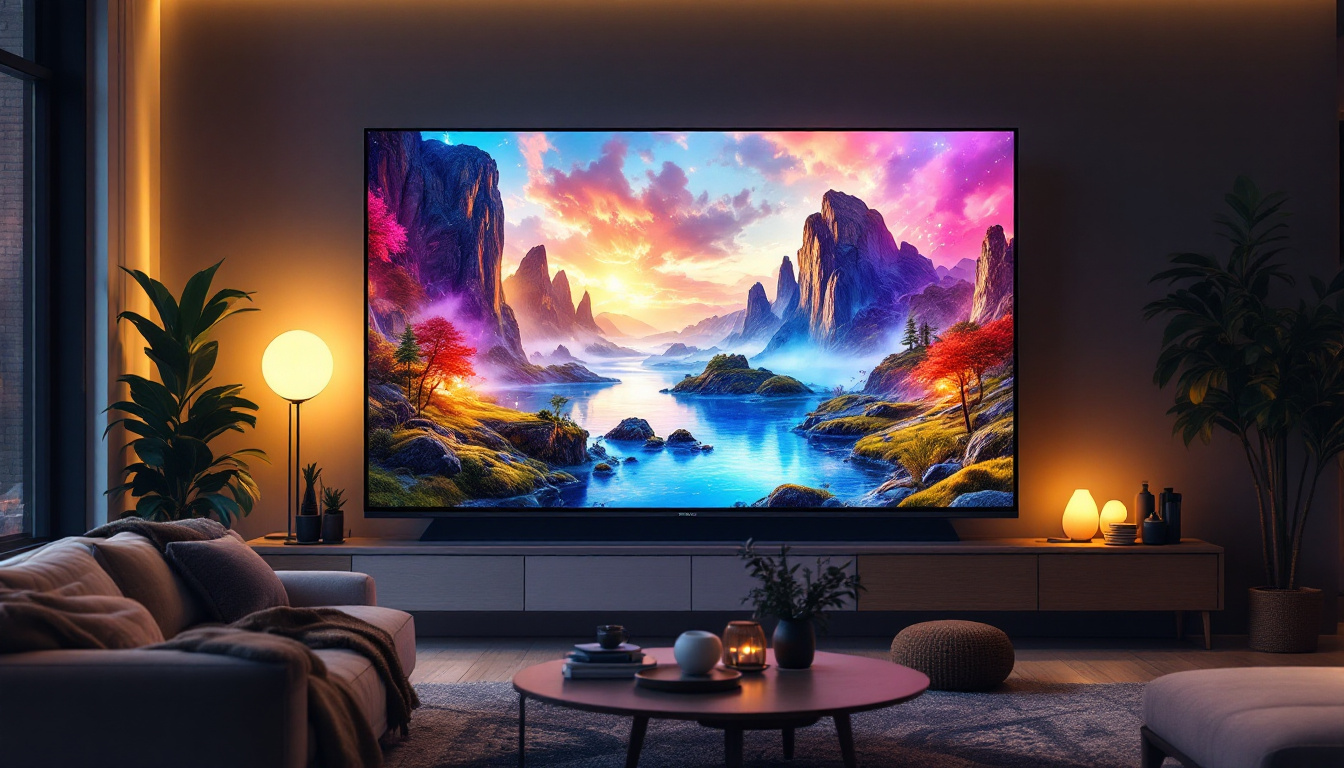
Screen size is a critical factor when selecting an LED display, as it directly impacts viewing experience, room aesthetics, and overall satisfaction. The 85-inch size is considered quite large, often used in home theaters, conference rooms, and public displays.
Viewing Distance and Comfort
The size of the screen influences the optimal viewing distance. For an 85-inch LED display, the ideal viewing distance typically ranges from 10 to 17.5 feet, depending on the resolution and content type. Sitting too close can cause eye strain and make the pixels visible, while sitting too far can reduce the immersive experience.
Resolution and Screen Size
Large screens like 85-inch displays often come with high resolutions such as 4K (3840 x 2160 pixels) or even 8K. Higher resolution ensures that the image remains sharp and clear even on big screens, preventing pixelation that can occur if the resolution is too low for the screen size.
Use Cases for 85-Inch LED Displays
85-inch LED displays are popular in various settings:
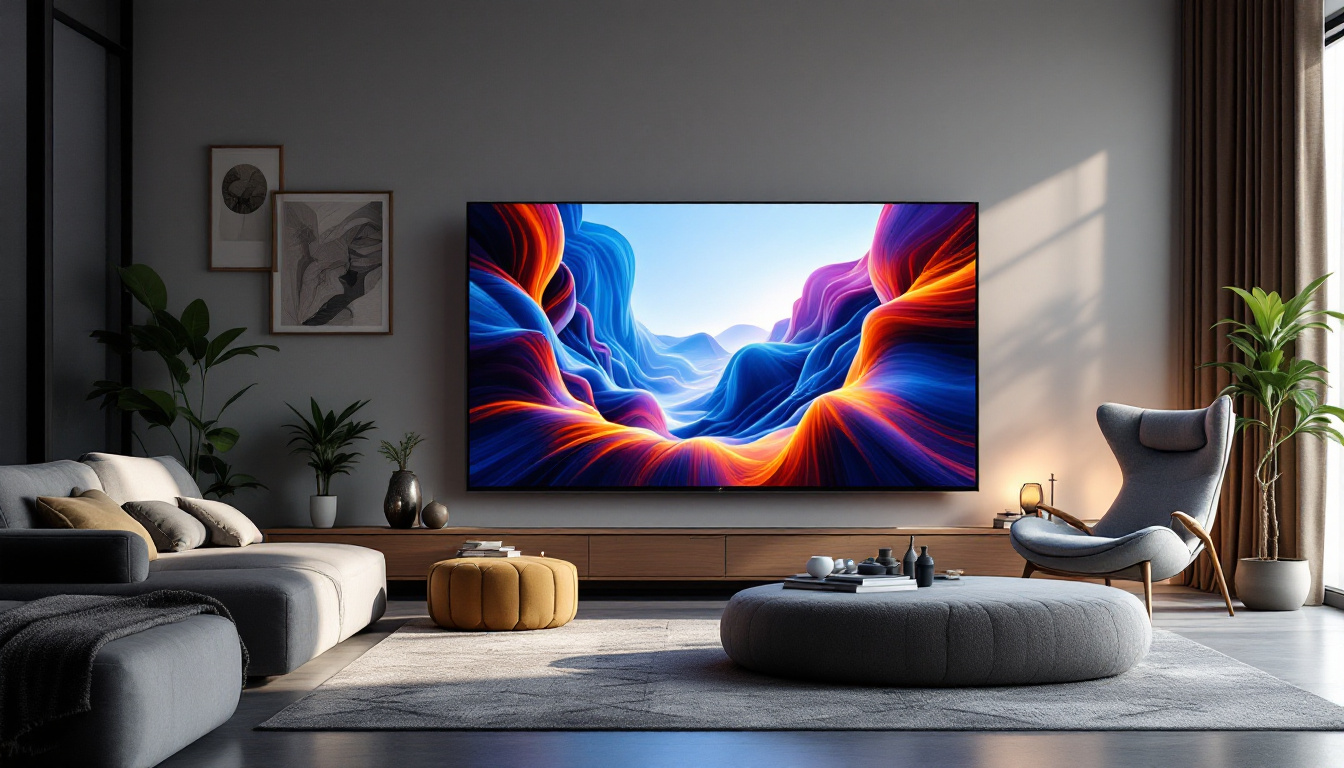
- Home Theaters: For movie enthusiasts who want a cinema-like experience at home.
- Corporate Environments: Used in boardrooms and conference rooms for presentations and video conferencing.
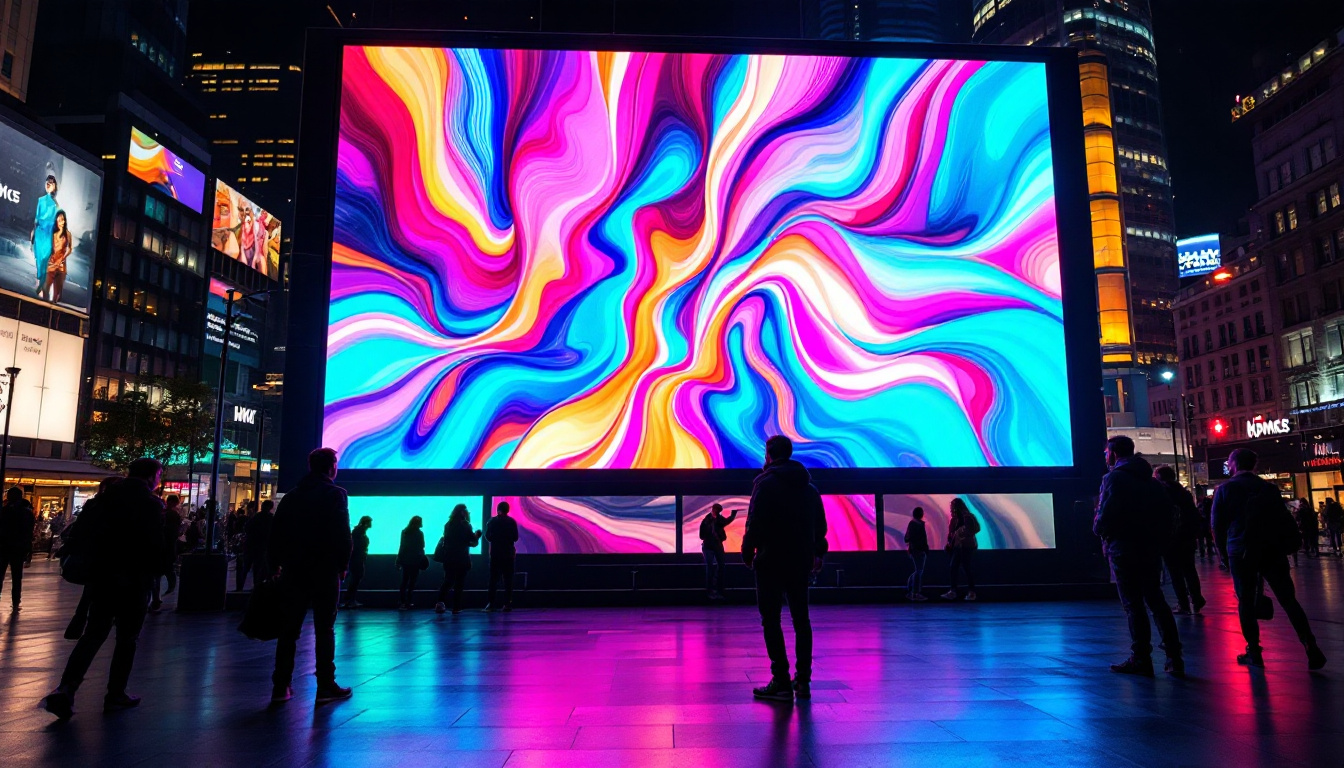
- Public Displays: Ideal for digital signage in malls, airports, and event venues.
Physical Dimensions of an 85-Inch LED Display
While the diagonal measurement is 85 inches (approximately 7.08 feet), understanding the width and height of the display helps in planning the space where it will be installed.
Aspect Ratio and Its Impact
Most modern LED displays have a 16:9 aspect ratio, meaning the width is 16 units for every 9 units of height. This ratio affects the actual width and height of the screen.
Calculating Width and Height
Using the Pythagorean theorem, the width (W) and height (H) can be calculated as follows:
- Diagonal (D) = 85 inches
- Aspect ratio = 16:9
- W = D × (16 ÷ √(16² + 9²))
- H = D × (9 ÷ √(16² + 9²))
Calculations:
√(16² + 9²) = √(256 + 81) = √337 ≈ 18.36
Width = 85 × (16 ÷ 18.36) ≈ 85 × 0.8716 ≈ 74.1 inches
Height = 85 × (9 ÷ 18.36) ≈ 85 × 0.4903 ≈ 41.7 inches
Converting Width and Height to Feet
Width in feet: 74.1 ÷ 12 ≈ 6.18 feet
Height in feet: 41.7 ÷ 12 ≈ 3.48 feet
Thus, an 85-inch LED display is approximately 6.18 feet wide and 3.48 feet tall.
Practical Considerations When Choosing an 85-Inch LED Display
Choosing an 85-inch LED display involves more than just understanding its size. Several practical factors should be taken into account to ensure the display fits your needs and space.
Room Size and Layout
Before purchasing, measure your room to ensure the display will fit comfortably. Consider wall space, furniture placement, and viewing angles. An 85-inch screen requires significant wall space and sufficient distance for optimal viewing.
Mounting Options
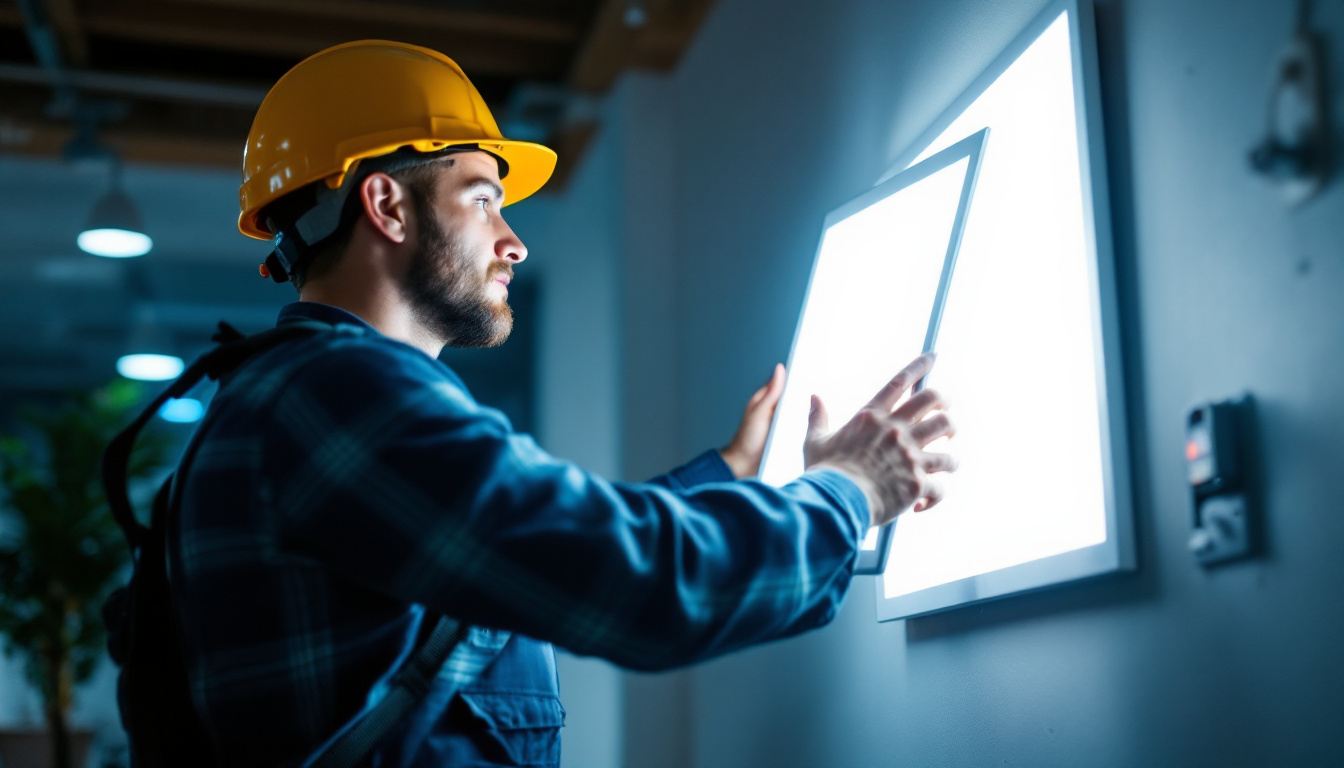
Large LED displays can be heavy and require sturdy mounting solutions. Wall mounts should be rated for the display’s weight and size, and professional installation is often recommended to ensure safety and stability.
Lighting Conditions
LED displays perform best in well-controlled lighting environments. Excessive ambient light can cause glare, reducing picture quality. Consider curtains, blinds, or anti-glare screen protectors if the room has many windows or bright lighting.
Budget Considerations
85-inch LED displays tend to be premium products with higher price points. Prices vary based on brand, resolution, refresh rate, and additional features like smart TV capabilities or HDR support. It’s important to balance size with other specifications to get the best value.
Comparing 85-Inch Displays to Other Sizes
Understanding how an 85-inch display compares to other common sizes can help in making an informed decision.
Smaller Screens: 55 to 65 Inches
Displays in the 55 to 65-inch range are popular for typical living rooms and smaller spaces. They are easier to fit and usually more affordable but offer less immersive viewing compared to an 85-inch screen.
Mid-Range Large Screens: 75 Inches
75-inch displays strike a balance between size and price. They are suitable for larger rooms and provide a more cinematic experience without the spatial demands of an 85-inch screen.
Extra-Large Screens: 85 Inches and Above
85-inch and larger screens are ideal for dedicated home theaters, commercial use, or public displays. They offer an immersive experience but require ample space and a higher budget.
Technological Advances in LED Displays
LED display technology continues to evolve, enhancing the viewing experience on large screens like the 85-inch models.
Mini-LED and Micro-LED Technologies
Newer LED technologies such as Mini-LED and Micro-LED offer better brightness, contrast, and energy efficiency. These advancements improve picture quality, especially on large screens where uniform brightness and deep blacks are critical.
4K and 8K Resolutions
As screen sizes increase, higher resolutions become essential. 4K is now standard for large LED displays, providing sharp images and detailed visuals. 8K displays are emerging, offering even higher clarity, although content availability and price remain considerations.
Smart Features and Connectivity
Modern 85-inch LED displays often come equipped with smart capabilities, including streaming apps, voice control, and multiple HDMI/USB ports. These features enhance usability and make the display a versatile centerpiece in any setup.
Conclusion: Visualizing 85 Inches in Feet and Making the Right Choice
Converting 85 inches to feet reveals that the diagonal length of such an LED display is just over 7 feet. This understanding aids in spatial planning and helps you visualize the impressive size of the screen. With a width of approximately 6.18 feet and a height of around 3.48 feet, an 85-inch LED display is a substantial investment in both space and budget.
Choosing the right size involves considering room dimensions, viewing distance, resolution, and intended use. Advances in LED technology continue to improve the quality and functionality of large displays, making them more accessible and enjoyable for a variety of applications.
Whether for home entertainment, professional presentations, or public signage, understanding the physical dimensions and practical considerations of an 85-inch LED display ensures you make an informed decision that enhances your viewing experience.
Discover the Perfect LED Display with LumenMatrix
Ready to elevate your space with an LED display that offers unparalleled clarity and impact? LumenMatrix is at the forefront of LED display technology, providing a wide array of solutions to meet your every need. From immersive home theaters to dynamic corporate presentations, our Indoor and Outdoor LED Wall Displays, Vehicle LED Displays, and more are designed to transform your visual experience. Don’t settle for less—check out LumenMatrix LED Display Solutions today and witness how our commitment to innovation can amplify your message and captivate any audience.