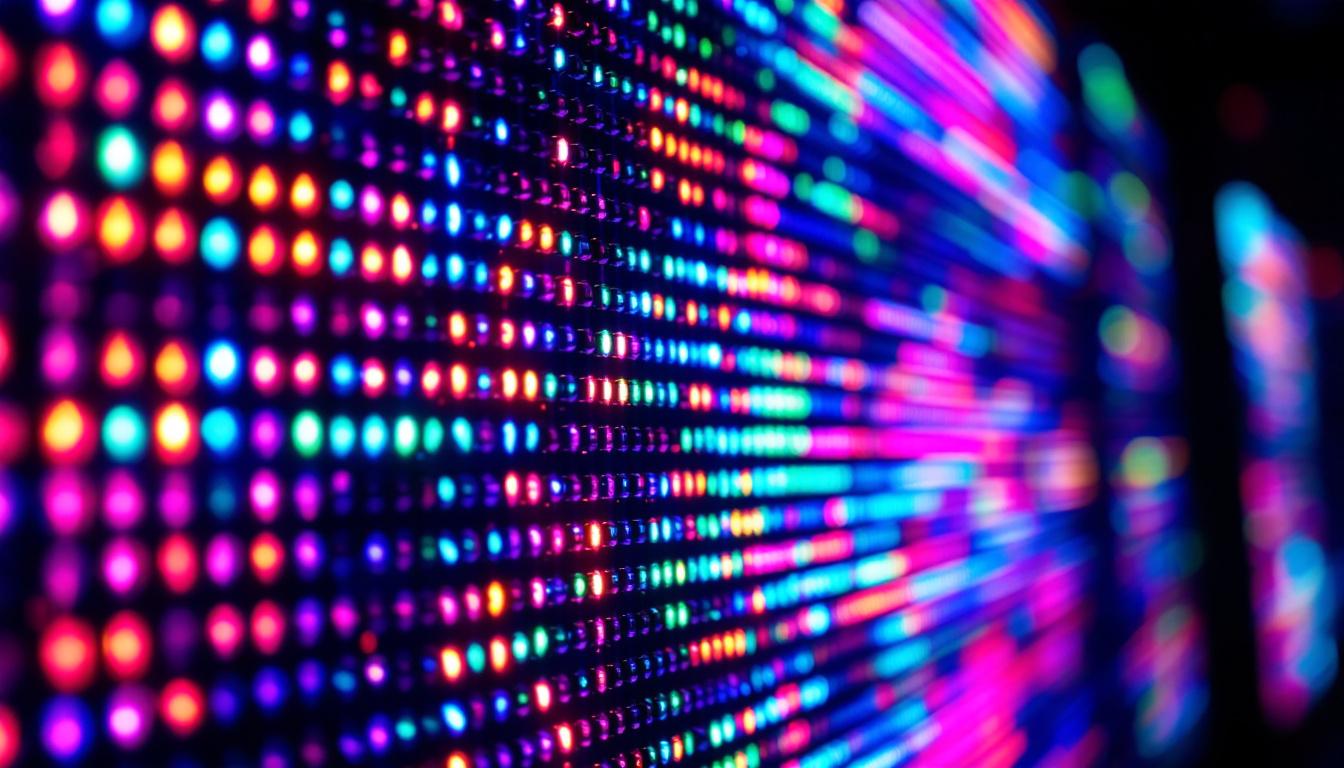
In the modern world of digital displays, LED technology has become synonymous with clarity, efficiency, and vibrant visuals. Whether you’re working on a high-end graphic design project, gaming, or simply browsing the web, the quality of your monitor’s LED display significantly impacts your experience. This article delves into the intricacies of monitor LED lights, explaining how LED displays work, their advantages, and what to consider when choosing a monitor with LED technology.
Understanding LED Technology in Monitors
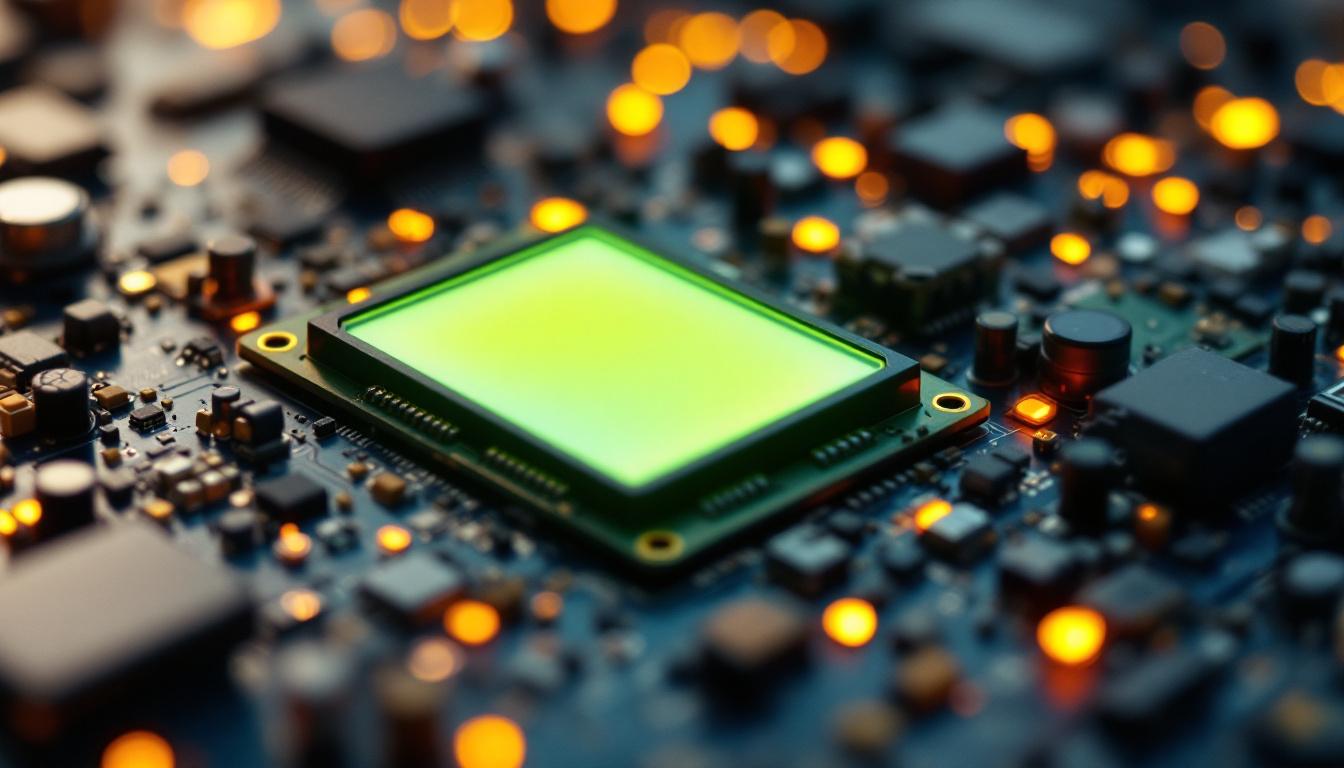
LED stands for Light Emitting Diode, a semiconductor device that emits light when an electric current passes through it. In the context of monitors, LED technology refers to the backlighting system used to illuminate the display panel, which is typically an LCD (Liquid Crystal Display).
Unlike older CCFL (Cold Cathode Fluorescent Lamp) backlights, LEDs are more energy-efficient, produce less heat, and allow for thinner, lighter screens. The LED backlight shines through the LCD layer, which controls the color and intensity of each pixel, creating the images you see on the screen. This advancement in technology not only enhances the visual experience but also contributes to a more sustainable approach to electronic devices, as reduced energy consumption leads to lower carbon footprints.
Types of LED Backlighting
There are primarily two types of LED backlighting used in monitors: edge-lit and full-array.
- Edge-Lit LED: LEDs are positioned along the edges of the screen, and light is diffused across the panel. This design allows for very slim monitors but can sometimes lead to uneven brightness or light bleeding.
- Full-Array LED: LEDs are distributed evenly behind the entire screen. This setup enables local dimming, where specific zones can be dimmed or brightened independently, improving contrast and black levels.
Understanding these types helps consumers make informed decisions based on their needs, whether prioritizing slim design or superior image quality. Additionally, advancements in LED technology have led to the emergence of HDR (High Dynamic Range) displays, which utilize full-array backlighting to achieve a broader range of colors and brightness levels. This results in more lifelike images, making HDR monitors particularly appealing for gamers and content creators who require precise color accuracy and depth in their visuals.
Moreover, the ongoing evolution of LED technology has sparked interest in OLED (Organic Light Emitting Diode) displays, which offer even greater contrast ratios and color vibrancy by allowing each pixel to emit its own light. While OLED monitors tend to be more expensive, they provide deeper blacks and a wider viewing angle, catering to those who prioritize top-tier performance in their visual displays. As consumers become more aware of these options, the landscape of monitor technology continues to expand, offering a variety of choices tailored to different preferences and use cases.
How LED Displays Work: The Science Behind the Screen
To appreciate the quality of LED displays, it’s essential to understand how they function. The display panel itself is typically an LCD, which doesn’t emit light on its own. Instead, it relies on the LED backlight to illuminate pixels.
Each pixel in an LCD is made up of subpixels in red, green, and blue (RGB). Liquid crystals manipulate the light passing through these subpixels to produce the desired colors and images. The LED backlight provides a consistent light source, and the LCD controls how much light passes through each subpixel.
Local Dimming and Contrast Enhancement
One of the key advancements in LED monitor technology is local dimming. Full-array LED monitors can dim or brighten specific zones of the backlight independently, which dramatically improves contrast ratios. This means deeper blacks and brighter whites, enhancing the overall picture quality.
For example, in a dark scene of a movie, local dimming can turn off LEDs behind black areas, preventing light bleed and making shadows appear truly dark. This feature is especially beneficial for gamers and professionals working with high dynamic range (HDR) content.
Moreover, the implementation of local dimming varies across different models and brands, with some utilizing edge-lit technology while others employ full-array backlighting. Edge-lit displays, while thinner and often more affordable, may not achieve the same level of contrast as their full-array counterparts. The latter can create a more immersive viewing experience by ensuring that the brightness and darkness are more accurately represented across the entire screen. This technology is particularly advantageous for viewing content in varied lighting conditions, as it adapts to the ambient light, ensuring that the picture remains vibrant and clear.
Additionally, advancements in LED technology have led to the development of Quantum Dot displays, which further enhance color accuracy and brightness. By using tiny semiconductor particles that emit specific colors when illuminated, Quantum Dot technology can produce a wider color gamut and improve energy efficiency. This means that not only do these displays look better, but they also consume less power, making them a more sustainable choice for consumers and businesses alike.
Advantages of LED Monitors Over Other Technologies
LED monitors have become the standard in display technology due to their numerous benefits. Here are some of the most compelling reasons why LED displays outperform older technologies like CCFL-backlit LCDs and even some OLEDs in certain contexts.
Energy Efficiency and Environmental Impact
LEDs consume significantly less power than CCFL backlights, making LED monitors more energy-efficient. According to the U.S. Department of Energy, LED lighting can reduce energy consumption by up to 75% compared to traditional lighting solutions. This efficiency translates to lower electricity bills and a reduced carbon footprint, which is increasingly important in today’s environmentally conscious world.
Better Brightness and Color Accuracy
LED backlighting provides higher brightness levels and better color accuracy. Modern LED monitors can achieve brightness levels exceeding 400 nits, with some professional-grade displays reaching 1000 nits or more. This brightness is crucial for HDR content, where vivid highlights and subtle shadows coexist.
Moreover, LED technology supports a wider color gamut, including standards like DCI-P3 and Adobe RGB, which are essential for photographers, video editors, and graphic designers who require precise color reproduction.
Longer Lifespan and Durability
LEDs have a longer operational lifespan compared to CCFLs, often lasting upwards of 50,000 hours. They are also more robust, less prone to damage from shock or vibration, and do not contain hazardous materials like mercury, making them safer and easier to dispose of.
Key Features to Consider When Choosing an LED Monitor
With so many LED monitors on the market, selecting the right one can be overwhelming. Here are the critical features to evaluate to ensure you get the best monitor for your needs.
Resolution and Screen Size
Resolution determines the clarity and detail of the image. Common resolutions include Full HD (1920×1080), Quad HD (2560×1440), and 4K UHD (3840×2160). Larger screens benefit from higher resolutions to maintain sharpness, especially for tasks like video editing or gaming.
Screen size is a matter of personal preference and workspace constraints. Typical sizes range from 24 to 32 inches for desktop use, with ultrawide monitors becoming popular for multitasking and immersive gaming.
Refresh Rate and Response Time
For gamers and video editors, refresh rate and response time are crucial. Refresh rate, measured in hertz (Hz), indicates how many times the screen updates per second. Higher refresh rates (120Hz, 144Hz, or even 240Hz) provide smoother motion, reducing blur and lag.
Response time measures how quickly a pixel changes color, affecting motion clarity. Lower response times (1ms to 5ms) are ideal for fast-paced gaming and video playback.
Color Accuracy and HDR Support
Professionals working with color-critical applications should prioritize monitors with high color accuracy and HDR support. Look for monitors covering at least 99% of the sRGB color space and support for HDR10 or Dolby Vision standards.
Calibration tools and factory calibration reports can also ensure the monitor meets professional color standards out of the box.
Connectivity and Ergonomics
Modern LED monitors come with various connectivity options, including HDMI, DisplayPort, USB-C, and Thunderbolt. USB-C and Thunderbolt ports offer the added benefit of charging laptops and transferring data through a single cable.
Ergonomic features such as adjustable height, tilt, swivel, and pivot are essential for comfortable long-term use, reducing strain on the neck and eyes.
Emerging Trends in LED Monitor Technology
LED technology continues to evolve, pushing the boundaries of display quality and user experience. Here are some of the latest trends shaping the future of LED monitors.
Mini-LED and Micro-LED Displays
Mini-LED technology uses thousands of tiny LEDs as backlights, allowing for even more precise local dimming and improved contrast. This technology bridges the gap between traditional LED and OLED displays, offering deep blacks without the risk of burn-in associated with OLEDs.
Micro-LED displays take this a step further by using microscopic LEDs as individual pixels, promising exceptional brightness, color accuracy, and longevity. While still emerging, Micro-LED holds potential for the next generation of premium monitors.
Quantum Dot Enhancement
Quantum Dot technology enhances LED displays by adding a layer of semiconductor nanocrystals that emit pure colors when illuminated by the LED backlight. This results in wider color gamuts and higher brightness levels, making Quantum Dot monitors popular among professionals and enthusiasts.
Adaptive Sync Technologies
Technologies like NVIDIA G-Sync and AMD FreeSync synchronize the monitor’s refresh rate with the graphics card’s output, reducing screen tearing and stuttering during gaming. These features are increasingly standard in LED monitors aimed at gamers.
Conclusion: Why LED Monitors Remain the Top Choice
LED monitors have revolutionized the way we experience digital content, offering a compelling combination of energy efficiency, superior image quality, and durability. Their versatility makes them suitable for a wide range of applications, from professional creative work to immersive gaming and everyday computing.
As LED technology advances with innovations like Mini-LED, Quantum Dot, and adaptive sync, the future promises even more vibrant, accurate, and responsive displays. Understanding the fundamentals of LED displays empowers consumers to choose the right monitor tailored to their specific needs, ensuring a satisfying and productive visual experience.
Discover Cutting-Edge LED Displays with LumenMatrix
Ready to elevate your visual experience with the latest in LED display technology? Look no further than LumenMatrix, a leader in innovative LED solutions. From captivating Indoor and Outdoor LED Wall Displays to dynamic Vehicle and Sports LED Displays, LumenMatrix offers a wide array of products designed to make your brand shine. Immerse yourself in the world of vibrant colors and unparalleled clarity with our Custom, All-in-One, and Transparent LED Displays. Whether for business or entertainment, LumenMatrix is your partner in creating unforgettable visual narratives. Check out LumenMatrix LED Display Solutions today and see your vision come to life.