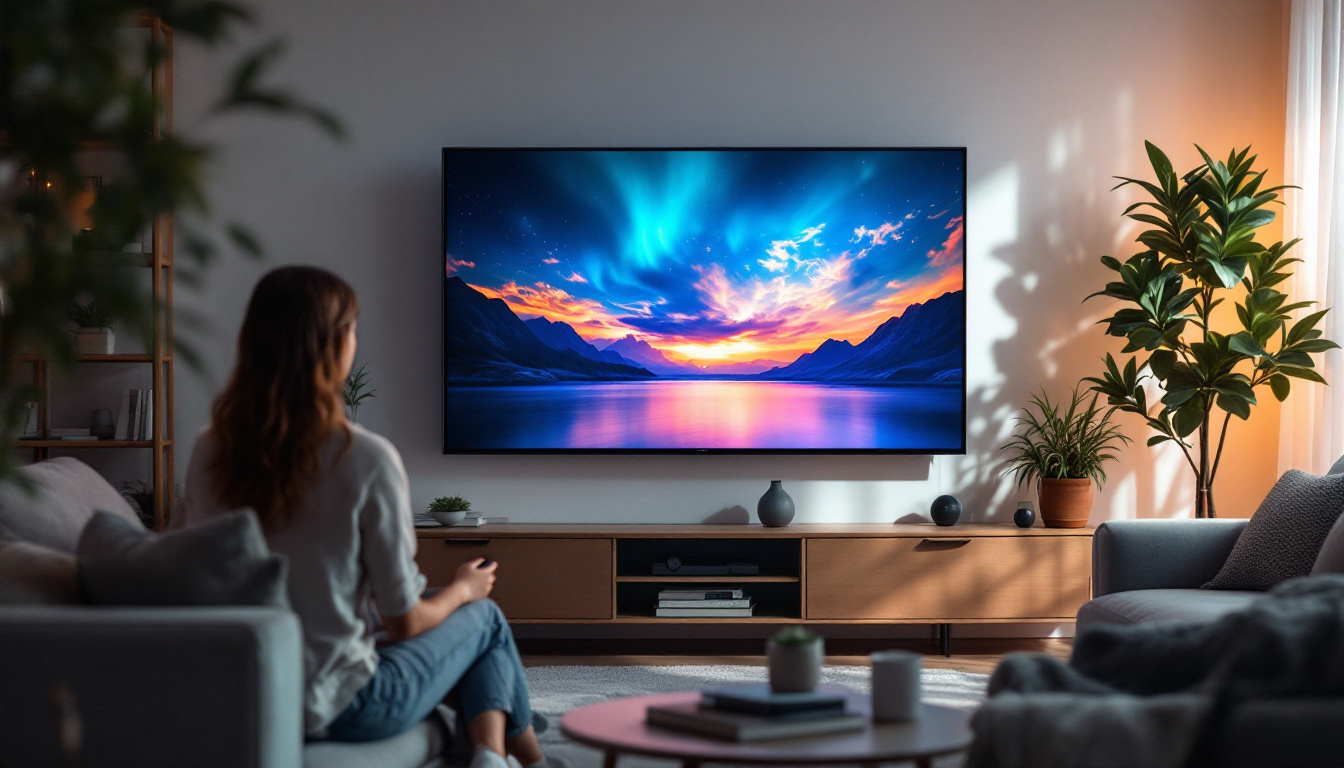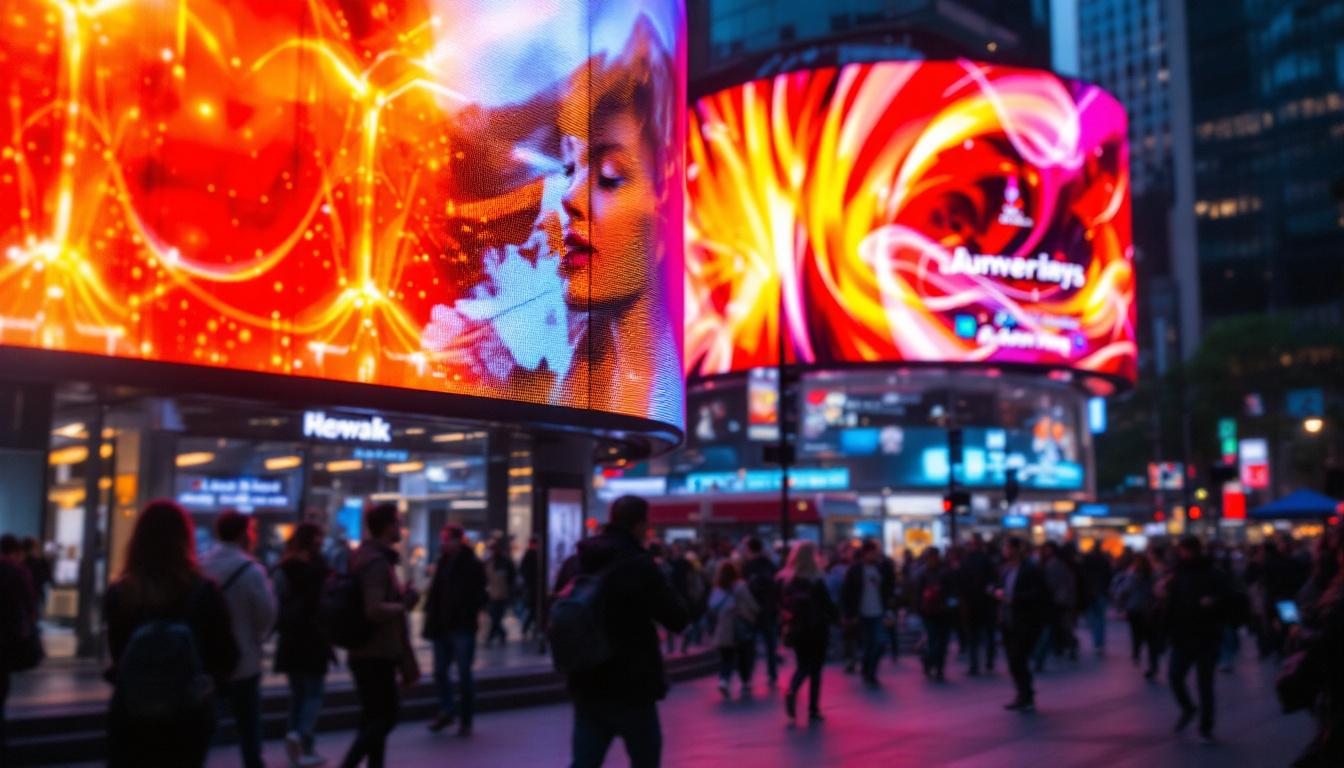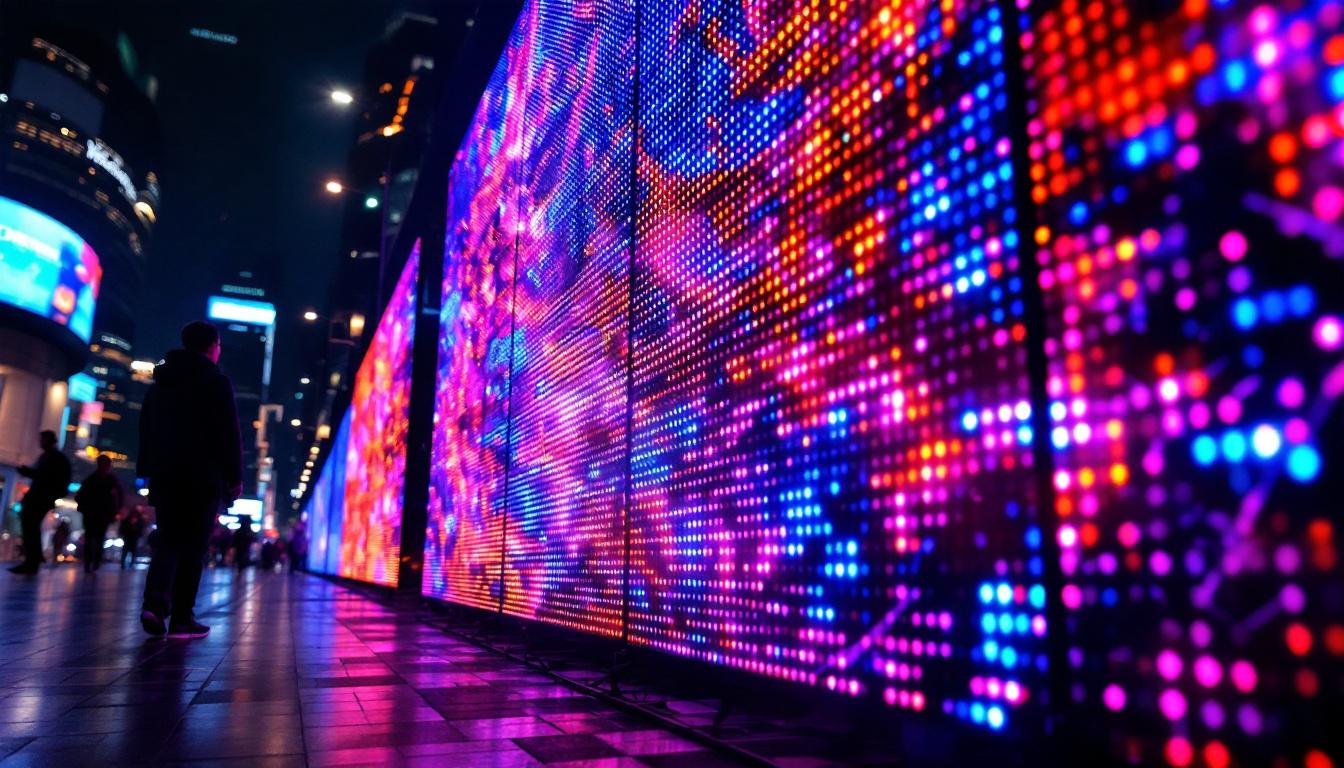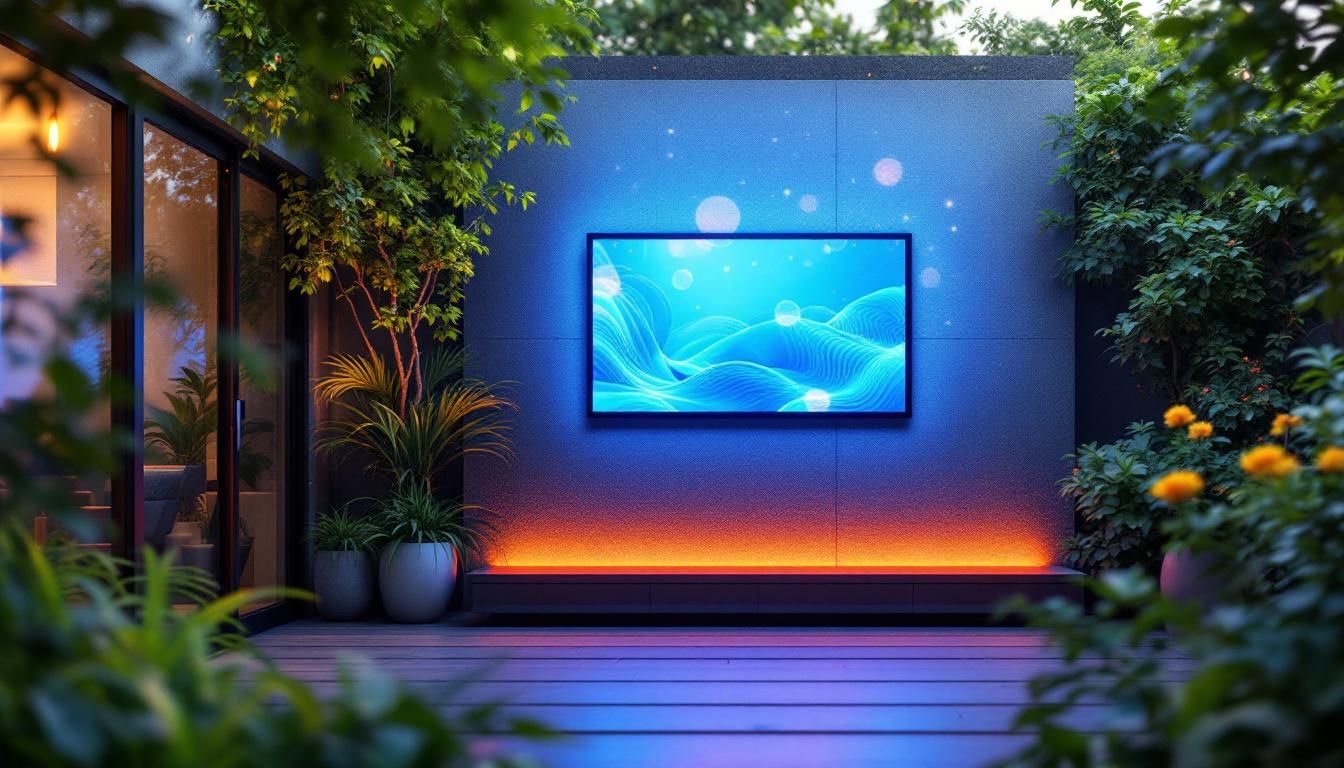
Creating a private, comfortable outdoor space has become a priority for many homeowners and businesses alike. Whether it’s shielding a backyard from neighbors’ views, adding an element of style to a patio, or enhancing a commercial outdoor area, privacy screens are a practical and attractive solution. In recent years, integrating LED displays into outdoor privacy screens has revolutionized the way these structures function, combining privacy with technology and dynamic visual appeal.
Why Choose an Outdoor Privacy Screen with LED Display?
Traditional outdoor privacy screens typically consist of wood, metal, or fabric panels designed to block sightlines. However, adding an LED display transforms these static barriers into interactive, multifunctional installations. LED privacy screens offer several advantages:
- Dynamic Visuals: Unlike conventional screens, LED panels can display images, videos, or animations, allowing for customization and seasonal changes.
- Enhanced Privacy: High-resolution LED panels can obscure views effectively while maintaining brightness and clarity from the inside.
- Durability: Modern outdoor LED displays are designed to withstand weather elements such as rain, wind, and UV exposure.
- Energy Efficiency: Advances in LED technology have made these displays more energy-efficient, reducing operational costs.
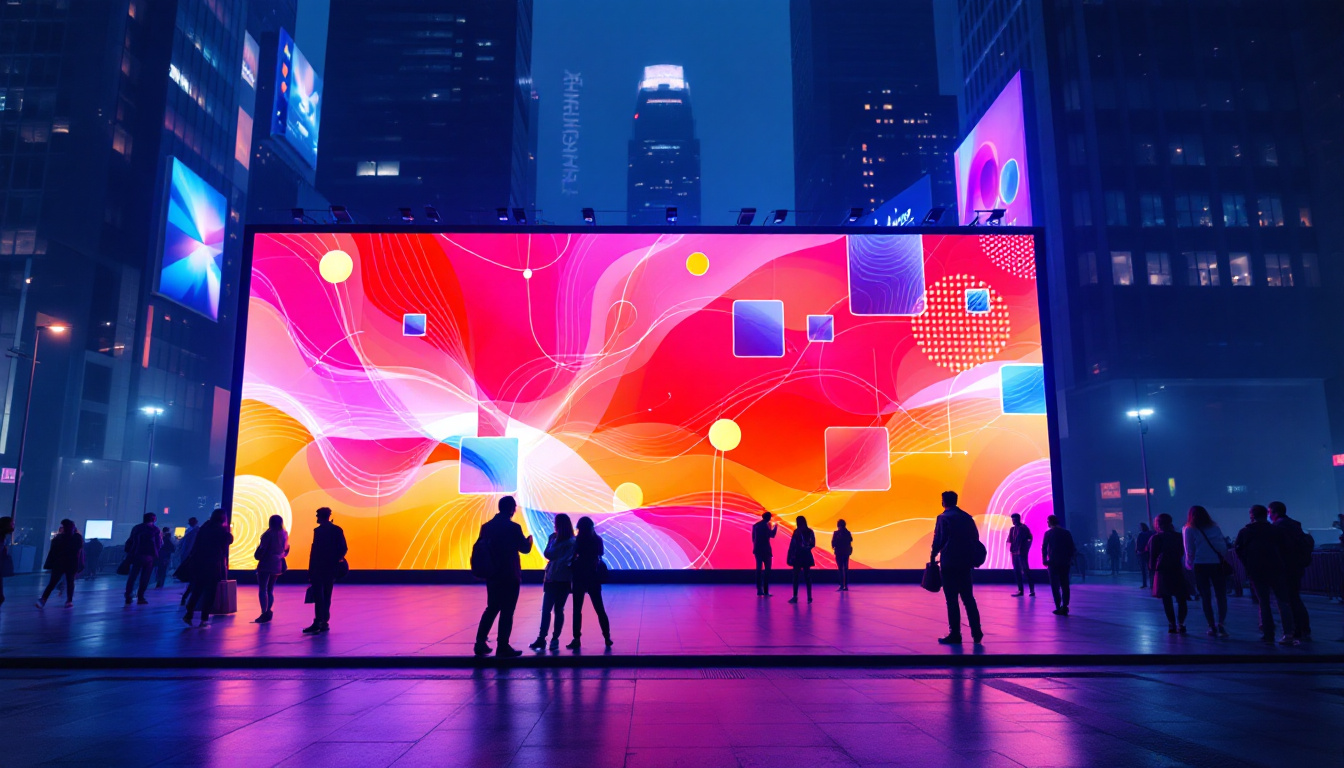
For commercial spaces, LED privacy screens can double as advertising surfaces or informational displays, increasing their utility beyond simple privacy. Imagine a bustling café that uses its LED privacy screen not only to shield outdoor seating from the prying eyes of passersby but also to showcase daily specials or upcoming events. This dual functionality not only enhances the customer experience but also drives engagement and foot traffic.
Moreover, the integration of smart technology with LED privacy screens can further elevate their capabilities. With the ability to connect to mobile devices or social media, these screens can display real-time updates, weather forecasts, or even user-generated content. This interactivity fosters a sense of community and encourages patrons to engage with the space in a more meaningful way. As outdoor areas become increasingly important for social gatherings and business interactions, investing in an LED privacy screen can be a game-changer for both aesthetics and functionality.
Planning Your Outdoor LED Privacy Screen
Assessing Your Space and Privacy Needs
The first step in building an outdoor privacy screen with an LED display is to evaluate the space where it will be installed. Consider the following:
- Dimensions: Measure the area to determine the appropriate size of the screen.
- Viewing Angles: Identify the primary viewing directions to ensure the LED display is visible and effective.
- Privacy Level: Decide how much visibility you want to block. Some areas may require full opacity, while others might benefit from partial transparency.
- Sunlight Exposure: Understanding how sunlight hits the screen will help in selecting LED brightness and anti-glare features.
These considerations will influence the type of LED panels used, the supporting structure, and the overall design. Additionally, think about the surrounding environment and how it interacts with your privacy screen. For instance, if your outdoor area is near a busy street or a public park, you may want to prioritize a more opaque design to enhance your seclusion. Conversely, if you have a serene backyard with lush greenery, a semi-transparent screen could complement the natural beauty while still providing a degree of privacy.
Moreover, consider the potential for seasonal changes. In the summer, you might want a screen that offers shade and coolness, while in the winter, you may prefer something that allows sunlight to warm your space. By taking these factors into account, you can create a more versatile and functional outdoor area.
Choosing the Right LED Display Technology
Outdoor LED displays come in various configurations. Selecting the right technology is crucial to ensure longevity and performance:
- Pixel Pitch: This refers to the distance between LED pixels. Smaller pixel pitches offer higher resolution but at a higher cost. For privacy screens, a balance between resolution and cost is essential.
- Brightness Levels: Outdoor screens require high brightness (typically 5,000 to 7,000 nits) to remain visible in direct sunlight.
- Weatherproofing: Look for LED modules with IP65 or higher ratings to ensure protection against dust and water.
- Transparency: Transparent LED screens allow light and air to pass through, maintaining airflow while providing privacy and display capabilities.
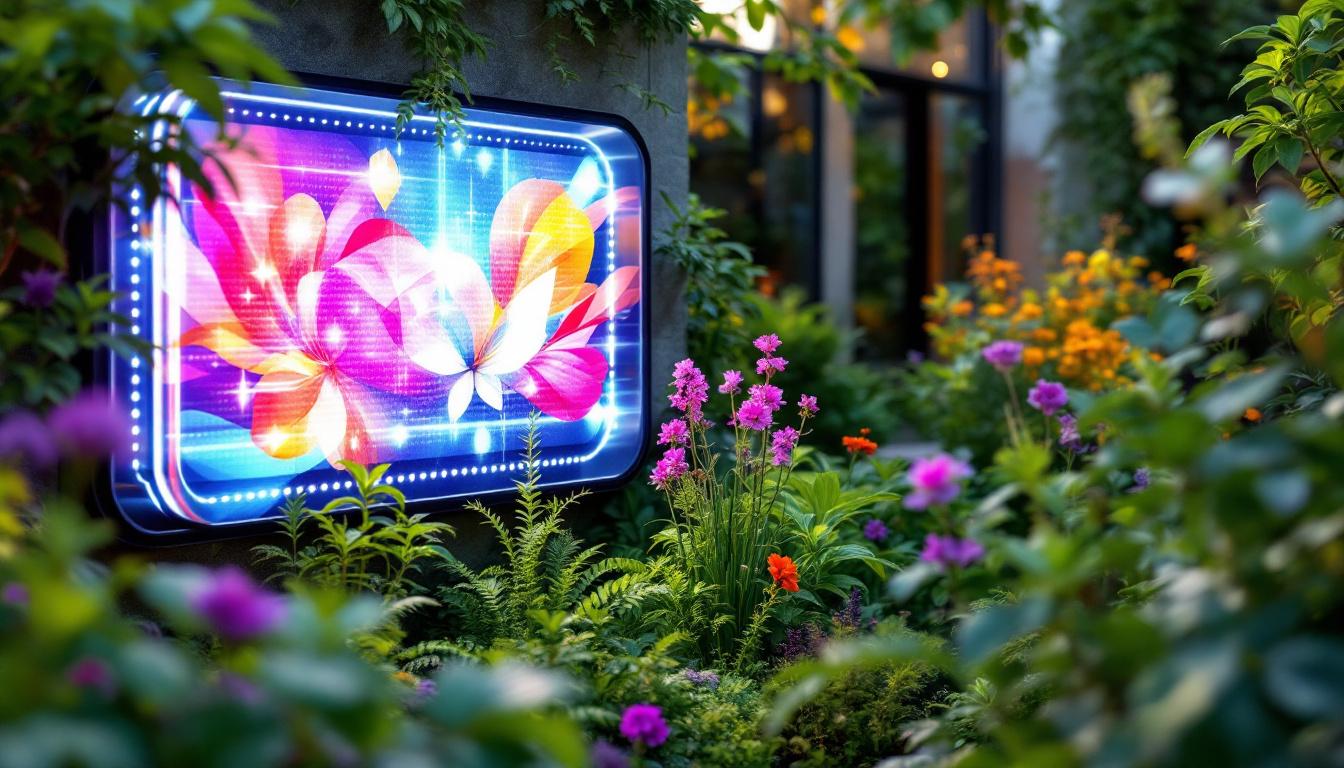
Transparent LED screens are particularly popular for privacy screens as they do not block natural light completely, preserving the outdoor ambiance. Furthermore, these screens can be programmed to display various content, from serene nature scenes to vibrant advertisements, allowing you to customize your outdoor experience. This adaptability makes them not just functional but also a dynamic part of your outdoor decor.
When selecting your LED technology, also consider the installation process and maintenance requirements. Some systems may require specialized mounting or regular upkeep to ensure optimal performance, especially in harsh weather conditions. Understanding these aspects will help you make an informed decision that aligns with your lifestyle and maintenance capabilities, ensuring your privacy screen remains a beautiful and effective addition to your outdoor space for years to come.
Materials and Tools Required
Structural Components
The frame supporting the LED display must be sturdy and weather-resistant. Common materials include:
- Aluminum: Lightweight, corrosion-resistant, and easy to work with, aluminum is ideal for outdoor frames.
- Steel: Offers superior strength but requires proper treatment to prevent rust.
- Wood: Can be used for aesthetic purposes but needs weatherproofing and may not support heavy LED panels.
LED Display Modules and Accessories
Depending on the design, the following components are essential:
- Outdoor-rated LED display panels
- Power supply units with surge protection
- Control system (media player or controller)
- Mounting brackets and hardware
- Cabling for power and data transmission
- Weatherproof enclosures for electronics
Tools Needed
Building the screen will require a range of tools, including:
- Drill and drill bits
- Screwdrivers and wrenches
- Measuring tape and level
- Wire strippers and crimpers
- Safety equipment such as gloves and goggles
Step-by-Step Guide to Building Your Outdoor LED Privacy Screen
Step 1: Design and Layout
Begin by sketching a detailed plan of the screen’s dimensions and layout. Decide whether the screen will be freestanding or attached to an existing structure like a fence or wall. Consider the placement of LED panels and wiring paths.
Step 2: Construct the Frame
Using aluminum or steel, build a frame that matches your design specifications. Ensure the frame is level and securely anchored to the ground or supporting structure. Reinforce corners and joints for stability, especially in windy areas.
Step 3: Install LED Panels
Carefully mount the LED panels onto the frame using the appropriate brackets. Follow manufacturer guidelines to avoid damaging the modules. Connect the panels in sequence to facilitate data and power flow.
Step 4: Wiring and Electronics Setup
Run power and data cables through weatherproof conduits. Connect the LED panels to the power supply and control system. Use surge protectors to safeguard against electrical spikes. Ensure all connections are secure and insulated.
Step 5: Configure the Control System
Set up the media player or controller to manage the content displayed on the LED screen. Many systems allow remote access via smartphone or computer, enabling easy updates and scheduling.
Step 6: Testing and Calibration
Power on the system and test the display for brightness, color accuracy, and responsiveness. Adjust settings to optimize visibility and privacy. Check for any flickering or dead pixels and address issues promptly.
Step 7: Final Touches and Maintenance Planning
Seal any gaps in the frame to prevent water ingress. Apply protective coatings if necessary. Develop a maintenance schedule to clean the panels and inspect electrical components regularly, ensuring long-term performance.
Best Practices and Tips for Outdoor LED Privacy Screens
Ensuring Longevity
Regular maintenance is key to extending the life of your LED privacy screen. Clean the panels gently with a soft cloth and mild detergent to remove dust and debris. Inspect seals and weatherproofing annually, especially after severe weather events.
Optimizing Energy Use
Use timers and ambient light sensors to adjust screen brightness automatically, reducing power consumption during low-light conditions. Consider solar power integration for sustainable energy use, particularly in sunny climates.
Enhancing Privacy Without Compromising Style
Choose LED content that complements your outdoor decor. For example, displaying subtle patterns or nature-inspired visuals can enhance privacy while adding aesthetic value. Transparent LED screens can maintain openness while obscuring direct views.
Examples of Outdoor LED Privacy Screens in Use
Several innovative projects showcase the versatility of LED privacy screens:
- Residential Patios: Homeowners use transparent LED screens to create private outdoor lounges that double as entertainment hubs, displaying ambient visuals or family photos.
- Restaurants and Cafés: Outdoor dining areas benefit from LED privacy screens that display menus, promotions, or calming imagery while shielding diners from street views.
- Office Courtyards: Businesses install LED privacy screens to separate outdoor meeting spaces, displaying company branding or motivational messages.
- Event Venues: Temporary LED privacy screens provide flexible partitions that can be reconfigured and programmed for different events.
Conclusion
Building an outdoor privacy screen with an integrated LED display is a forward-thinking way to enhance outdoor spaces. By combining functional privacy with dynamic digital content, these screens offer unparalleled versatility and style. With careful planning, the right materials, and adherence to best practices, anyone can create an outdoor LED privacy screen that elevates their environment while providing practical benefits.
As LED technology continues to evolve, the possibilities for outdoor privacy screens will expand, making them an increasingly popular choice for modern outdoor living and commercial applications.
Discover LumenMatrix LED Display Solutions
Ready to transform your outdoor space with a cutting-edge LED privacy screen? LumenMatrix is at the forefront of LED display technology, offering a wide array of solutions to meet your needs. From vibrant Outdoor LED Wall Displays to innovative LED Transparent Displays, our products are designed to captivate and engage. Elevate your environment with dynamic digital content and experience the difference that quality and creativity can make. Check out LumenMatrix LED Display Solutions today and take the first step towards a more private, visually stunning outdoor space.