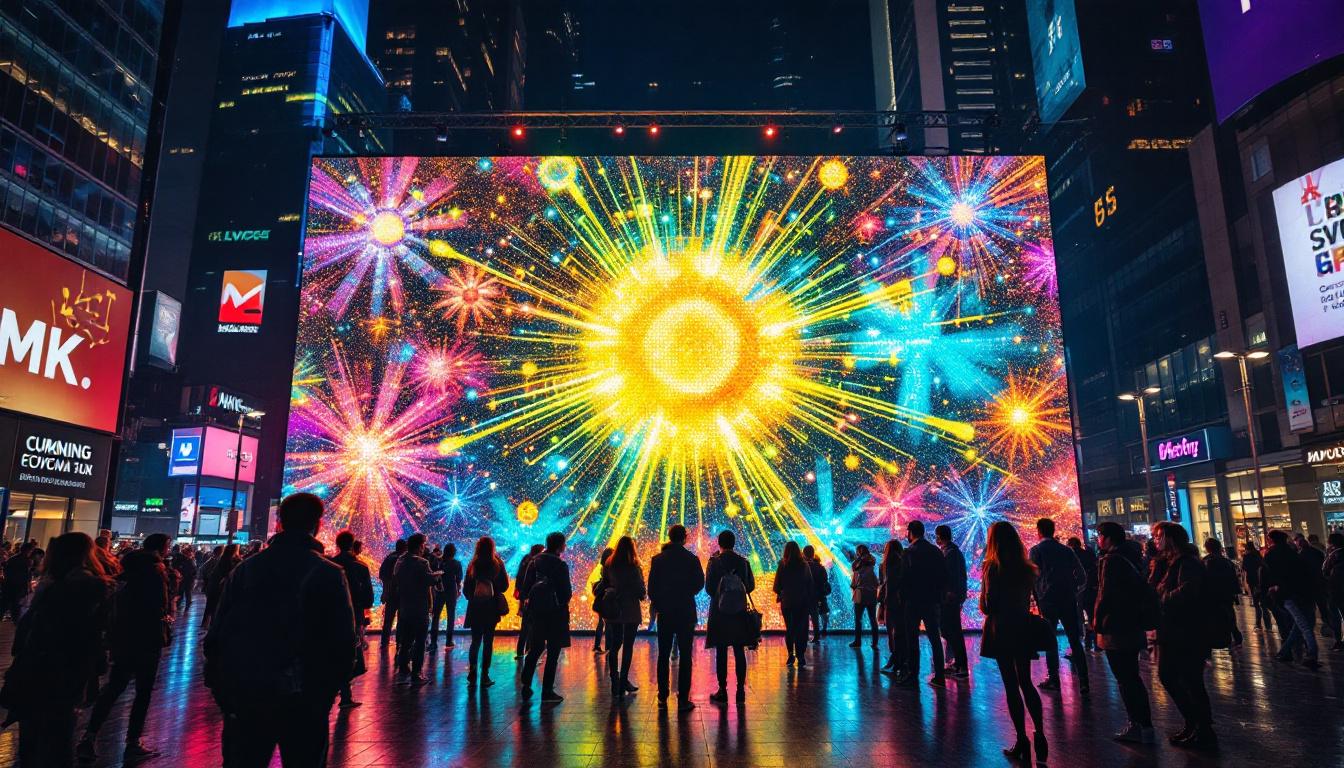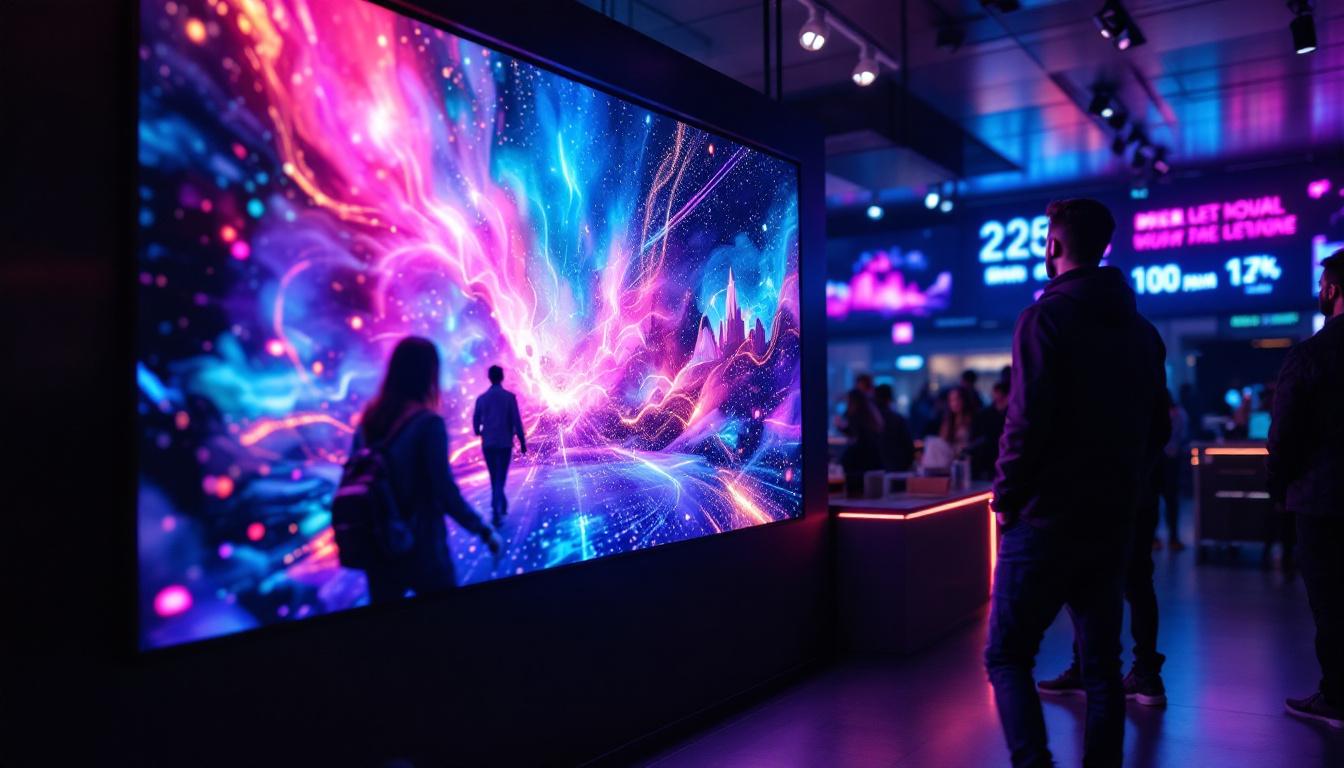
In the fast-paced world of advertising, commercial videos have become a pivotal tool for brands to communicate their message effectively. Among the many mediums available, LED displays stand out as one of the most dynamic and visually captivating options for showcasing commercial content. This article delves into the process of creating a commercial video specifically designed for LED displays, explaining the technology behind these screens and offering practical guidance on producing content that maximizes their potential.
Understanding LED Displays: The Foundation of Modern Commercial Video
Before diving into the production of a commercial video for LED displays, it is essential to understand what LED technology entails and why it has become a preferred choice for advertisers worldwide.
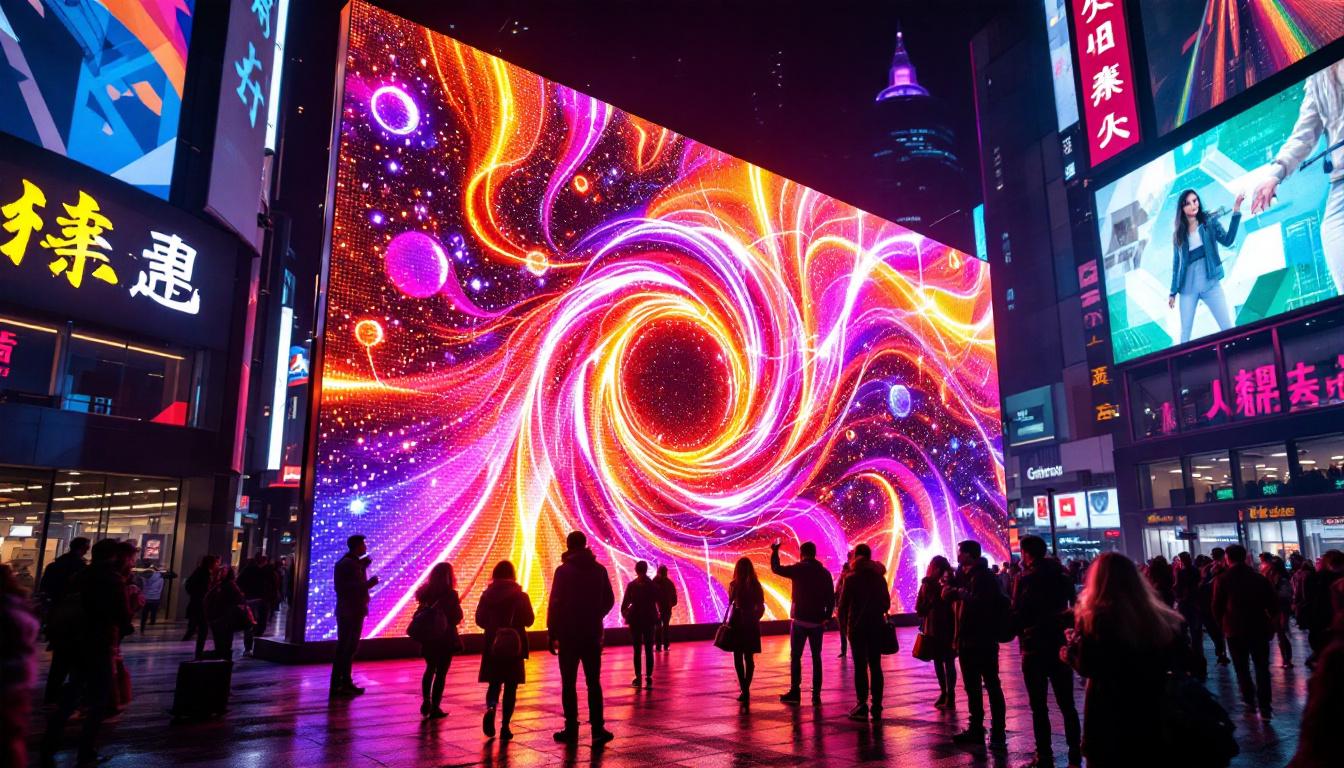
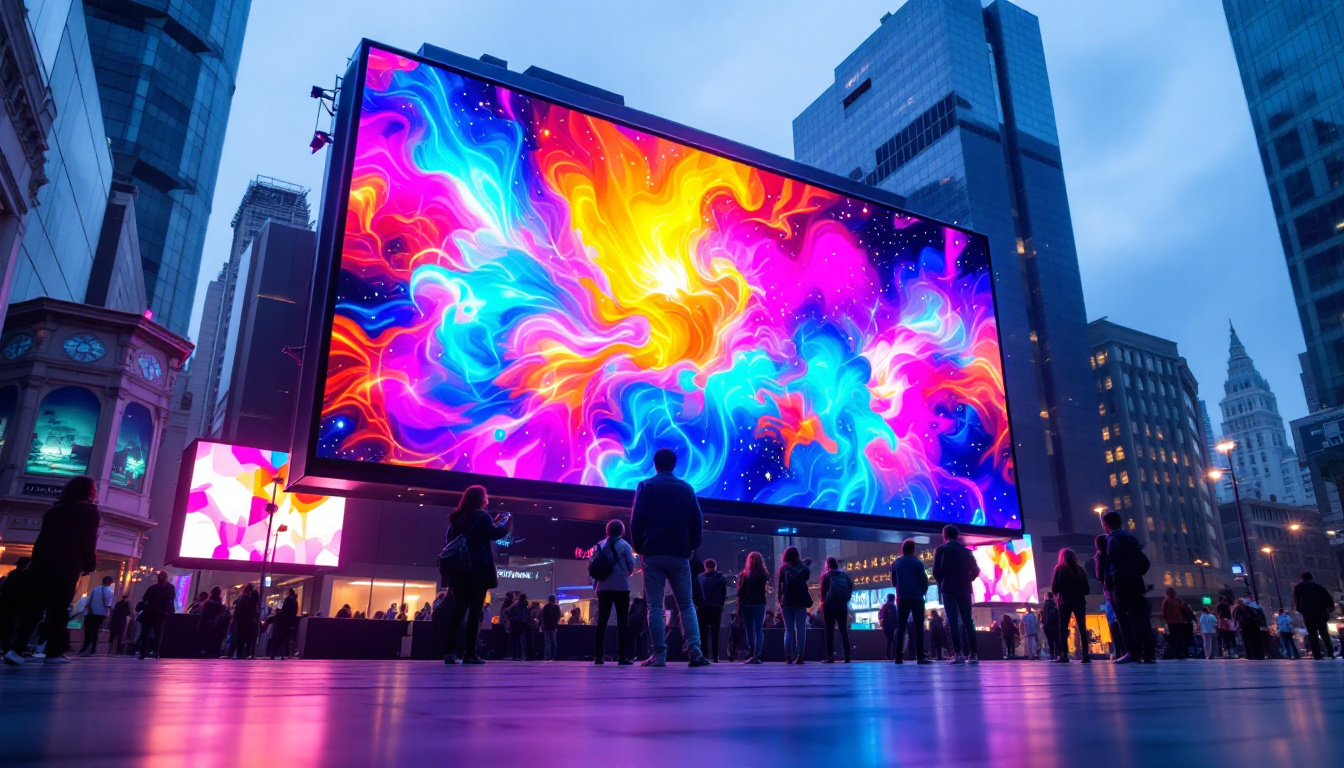
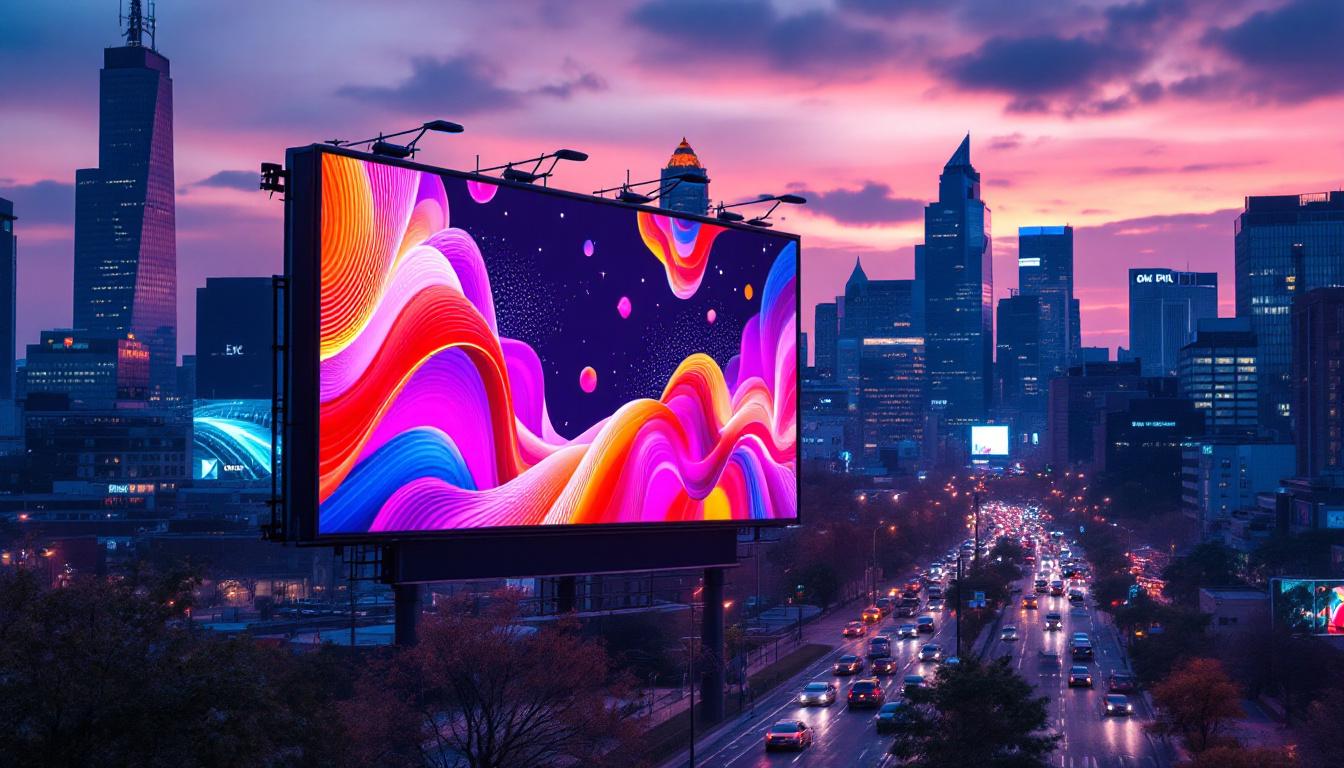
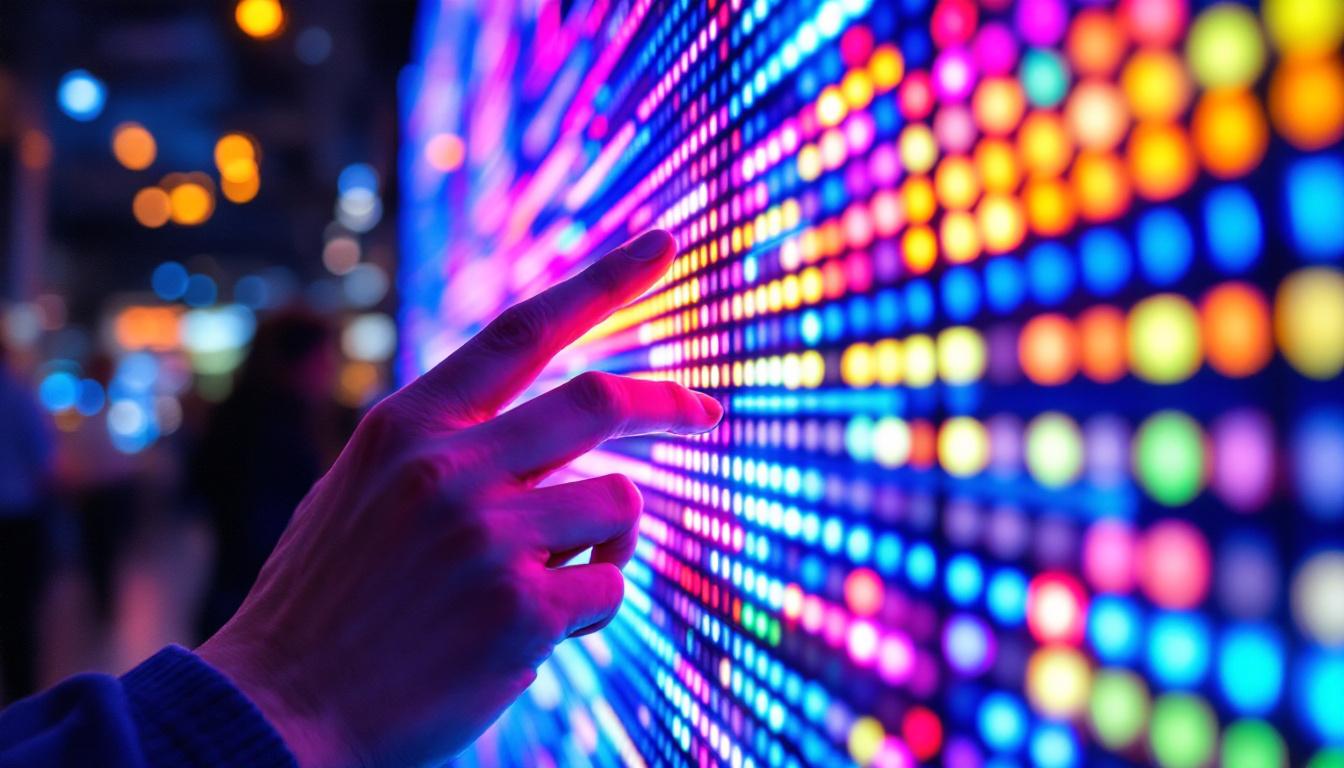
LED, or Light Emitting Diode, displays consist of numerous tiny diodes that emit light when an electric current passes through them. Unlike traditional LCD or projection screens, LED displays produce their own light, resulting in brighter images, deeper blacks, and higher contrast ratios. This self-illumination feature makes LED screens highly visible even in direct sunlight, which is why they are commonly used in outdoor advertising, stadiums, and large public venues.
According to recent industry reports, the global LED display market is projected to grow at a compound annual growth rate (CAGR) of over 10% through 2027, driven by increasing demand for digital signage and commercial advertising solutions. This growth underscores the importance of mastering LED-specific video production techniques to stay competitive in the advertising landscape.
Key Characteristics of LED Displays
LED displays come in various forms, including indoor panels, outdoor billboards, and flexible or curved screens. Some of their defining characteristics include:
- Brightness: LED screens can reach brightness levels exceeding 5,000 nits, ensuring visibility under bright ambient light conditions.
- Resolution and Pixel Pitch: Pixel pitch refers to the distance between individual LEDs. A smaller pitch means higher resolution and sharper images, which is critical for close-up viewing.
- Durability: Outdoor LED displays are designed to withstand weather elements such as rain, wind, and extreme temperatures.
- Color Accuracy: Advanced LED displays offer wide color gamuts and precise color calibration, enhancing the vibrancy of commercial videos.
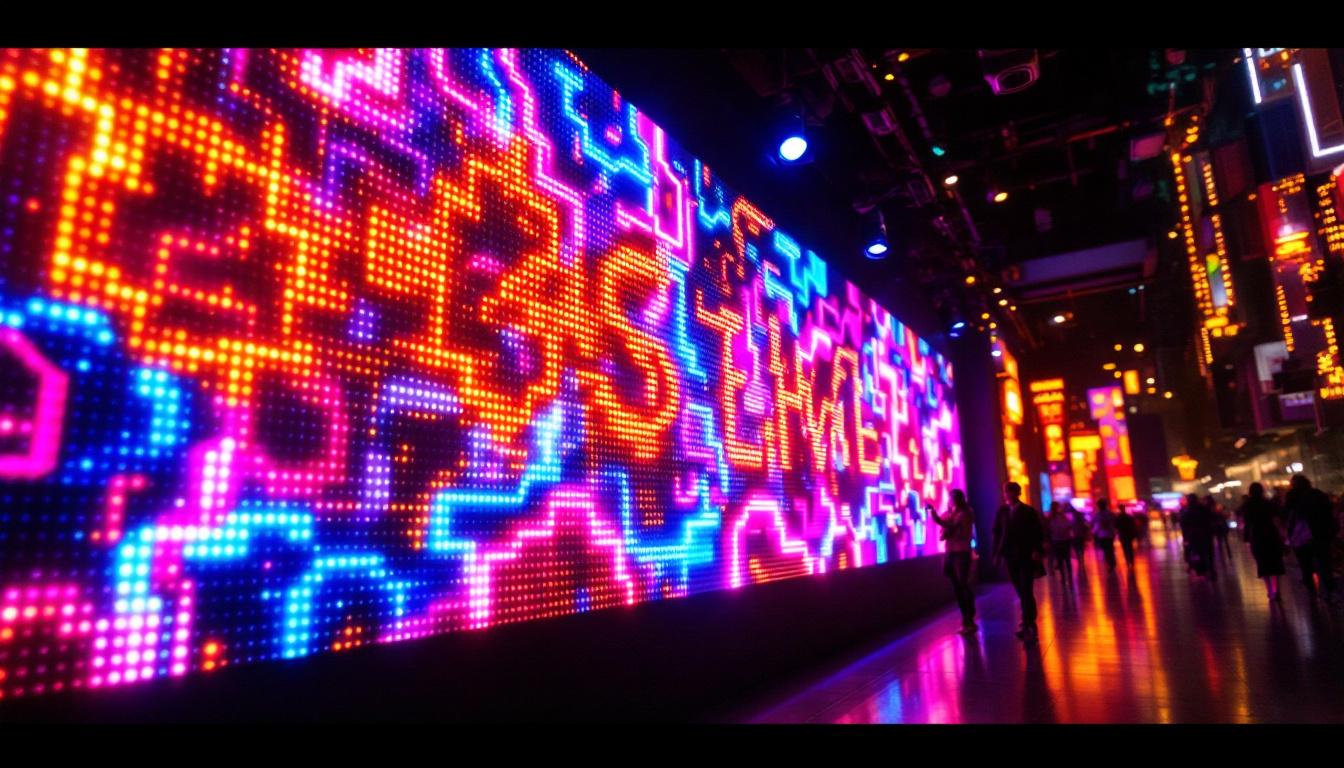
Furthermore, the versatility of LED technology allows for innovative applications that extend beyond traditional advertising. For instance, LED displays are increasingly being integrated into architectural designs, creating dynamic facades that can change color and display animations, thereby attracting attention in urban environments. Additionally, the advent of interactive LED displays has opened new avenues for engagement, enabling viewers to interact with content through touch or mobile devices, thereby enhancing the overall experience and effectiveness of marketing campaigns.
Moreover, the energy efficiency of LED displays is a significant factor contributing to their popularity. Compared to conventional lighting technologies, LED displays consume considerably less power, making them not only cost-effective but also environmentally friendly. This aspect is particularly appealing for businesses looking to reduce their carbon footprint while maintaining high-quality visual communication. As sustainability becomes a central theme in corporate responsibility, the adoption of LED technology aligns well with these values, further solidifying its place in the future of commercial video production.
Planning Your Commercial Video for LED Displays
Creating a commercial video tailored for LED displays requires careful planning. The unique characteristics of LED technology influence every stage of production, from concept development to final delivery.
Define Your Objectives and Audience
Start by clarifying the primary goal of your commercial video. Are you aiming to increase brand awareness, promote a new product, or drive immediate sales? Understanding your objectives will shape the messaging and creative direction.
Equally important is identifying the target audience. LED displays are often placed in high-traffic areas such as shopping malls, airports, or city centers. Knowing the demographics and behaviors of the people who will see your ad helps tailor the content for maximum impact.
Consider the Viewing Environment
LED displays vary widely in size, resolution, and placement. A billboard on a busy highway requires different content considerations than a screen inside a retail store. Factors to consider include:
- Viewing Distance: Larger pixel pitches are acceptable for displays viewed from afar, while close-up screens demand high resolution.
- Ambient Lighting: Brightness and contrast settings should be optimized for the lighting conditions of the display location.
- Screen Shape and Size: Some LED installations use curved or irregularly shaped panels, which may affect how your video is composed.
Storyboard and Script Development
Once the context is clear, develop a storyboard that visualizes the flow of your commercial video. LED displays excel at bold, high-contrast visuals and concise messaging. Keep text minimal and legible, using large fonts and simple language to ensure readability from a distance.
Remember that commercial videos for LED screens typically run in loops and are often viewed briefly. Aim for a duration between 10 to 30 seconds to maintain viewer attention and reinforce your message effectively.
Technical Considerations for Producing LED Commercial Videos
Producing video content for LED displays involves technical nuances that differ from traditional video production. Attention to these details ensures your commercial looks crisp, vibrant, and professional on the final screen.
Resolution and Aspect Ratio
LED displays do not always conform to standard video resolutions like 1080p or 4K. Instead, the resolution is determined by the number of LED modules and their pixel pitch. It is crucial to obtain the exact pixel dimensions of the target LED screen from the display operator or manufacturer.
For example, a large outdoor LED billboard might have a resolution of 1920×1080 pixels, while a smaller indoor display could be 1280×720. Producing your video at the native resolution prevents scaling artifacts and preserves image quality.
Color Calibration and Brightness
LED screens have different color profiles compared to standard monitors or TVs. To achieve accurate color reproduction, work closely with the LED display provider to understand their calibration standards.
Additionally, avoid overly dark scenes or subtle gradients that may not translate well on high-brightness LED panels. Instead, use vibrant colors and clear contrasts to make your commercial visually striking.
File Formats and Playback Compatibility
Most LED display systems accept common video formats such as MP4 (H.264 codec) or MOV, but it is essential to confirm the preferred format and encoding settings. Some LED controllers have specific requirements regarding frame rates, bitrates, and file sizes.
Consulting with the technical team managing the LED display ensures smooth playback and prevents issues such as dropped frames or synchronization errors.
Production Workflow: From Concept to Screen
With planning and technical parameters in place, the production of your commercial video can proceed efficiently. The workflow typically involves the following stages:
1. Pre-Production
This phase includes scripting, storyboarding, casting (if applicable), and scheduling. For LED commercials, pre-production also involves gathering detailed specifications about the LED screen to tailor the creative accordingly.
2. Production
Whether shooting live-action footage or creating animated content, maintain high image quality and lighting standards. For LED displays, saturated colors and high contrast lighting setups often yield the best results.
3. Post-Production
Editing, color grading, and motion graphics are refined during this stage. Pay particular attention to color vibrancy and text legibility. Use professional video editing software that allows you to export videos at custom resolutions and codecs.
4. Testing and Quality Assurance
Before final delivery, preview the video on a similar LED screen or use simulation software to check how it will appear. This step helps identify any issues with brightness, color, or resolution.
5. Delivery and Installation
Submit the final video file to the LED display operator according to their specifications. Coordinate with their technical team to schedule playback and confirm that the video loops correctly and displays as intended.
Creative Tips for Impactful LED Commercial Videos
Beyond technical considerations, creativity plays a significant role in the success of commercial videos on LED displays. Here are some tips to make your content stand out:
Use Bold Visuals and Minimal Text
LED displays are often viewed from a distance or in passing, so simplicity is key. Use large, bold fonts and limit text to essential information such as a tagline, website, or call-to-action.
Leverage Motion and Animation
Dynamic movement captures attention more effectively than static images. Incorporate smooth animations, transitions, and kinetic typography to engage viewers.
Optimize for Looping
Design your video so that it can loop seamlessly. This ensures that viewers who catch the video mid-way still experience a coherent message.
Consider Sound and Interactivity
While many LED displays do not incorporate sound, some indoor installations do. If sound is available, synchronize audio elements carefully. Additionally, interactive LED displays can provide unique engagement opportunities, such as touch or motion sensors.
Case Studies: Successful LED Commercial Campaigns
Examining real-world examples helps illustrate the power of LED commercial videos.
Times Square Digital Billboards
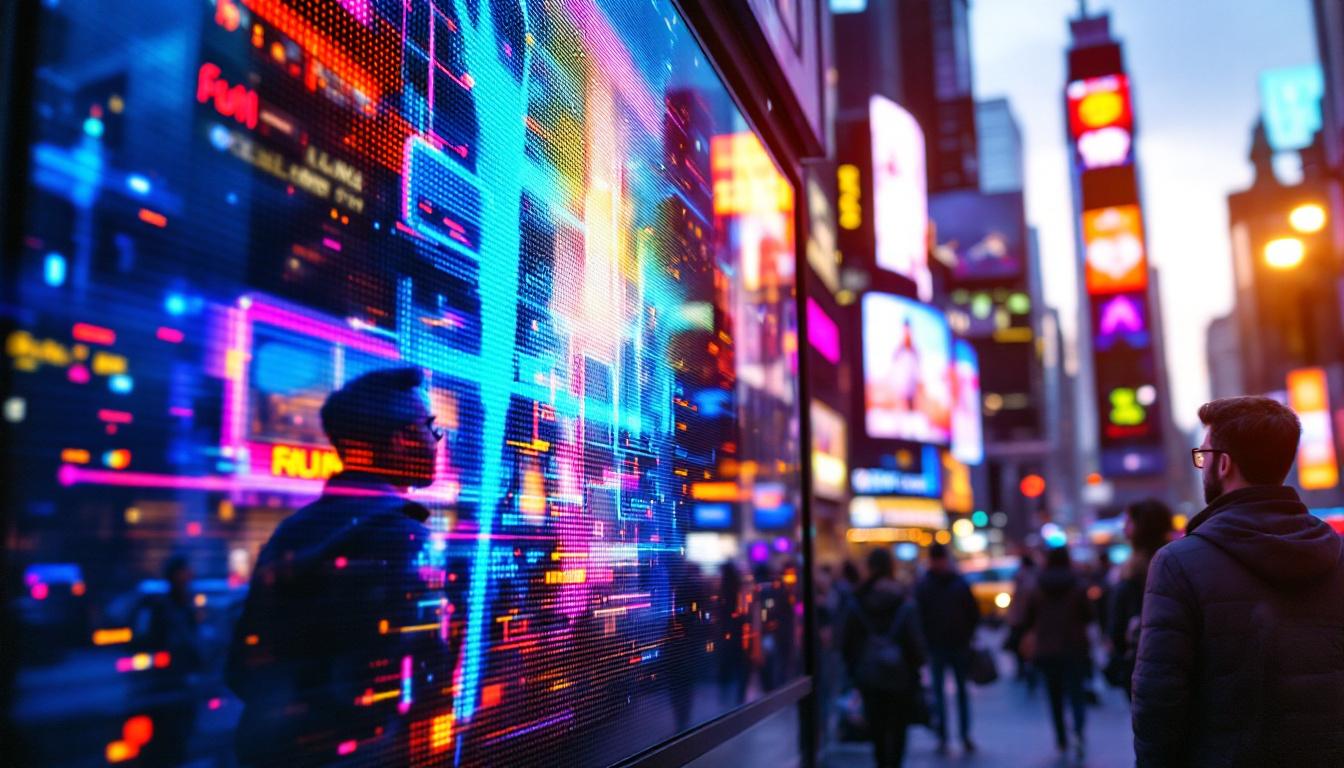
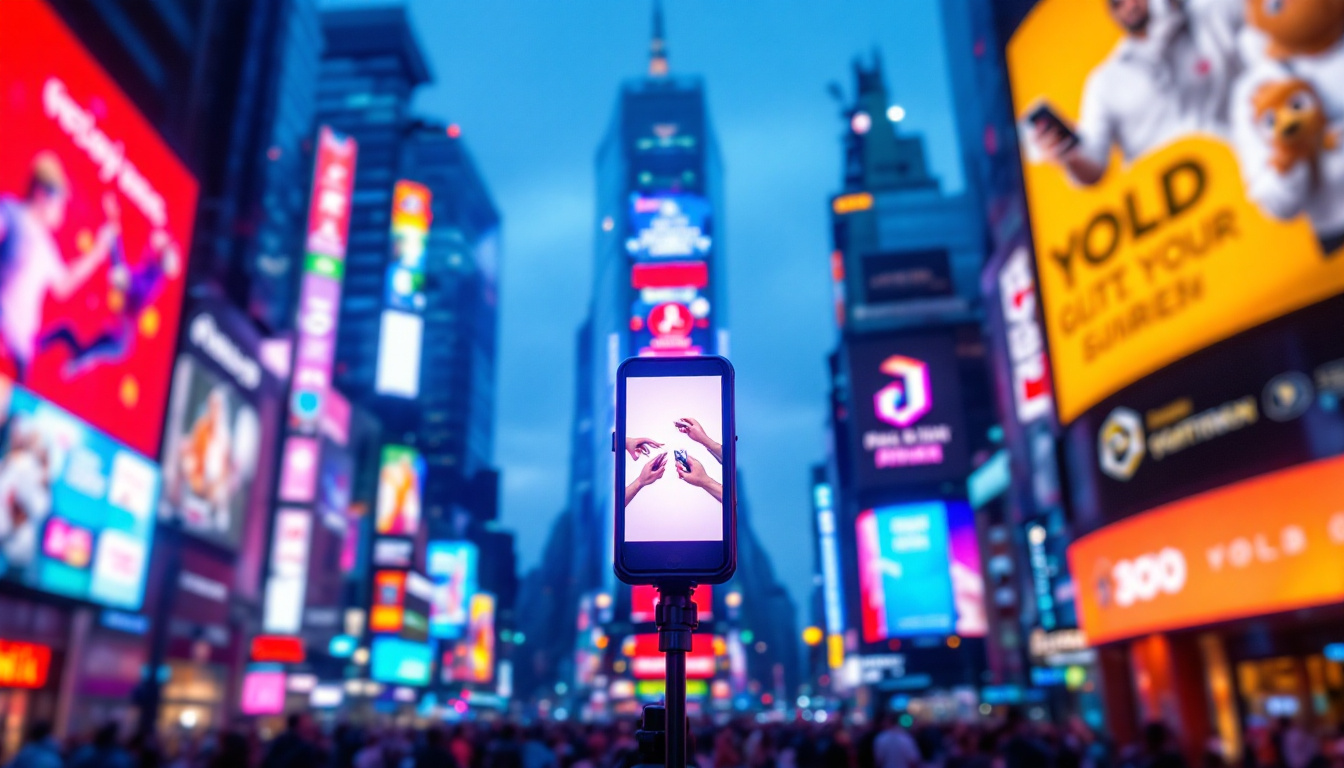
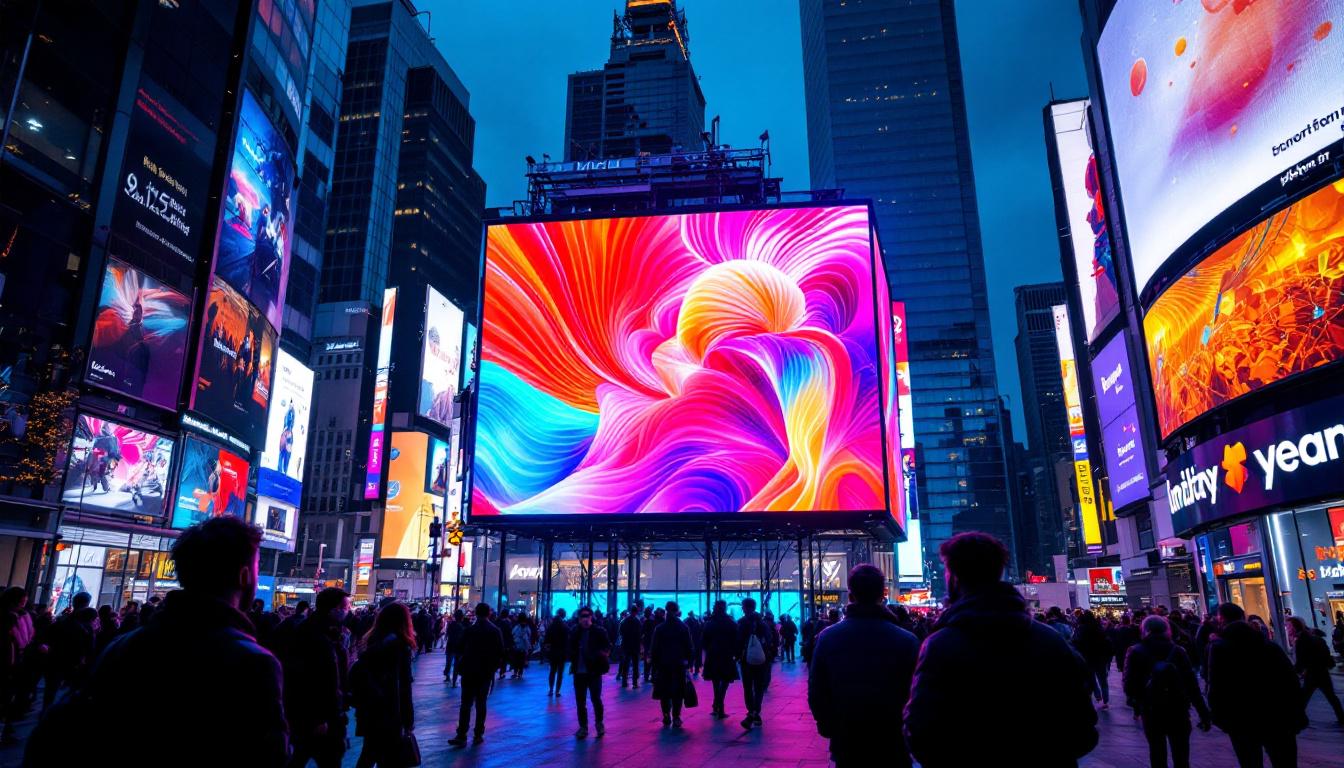
New York City’s Times Square is home to some of the most iconic LED billboards globally. Brands like Coca-Cola and Samsung have utilized these massive LED screens to deliver vibrant, high-impact commercials that combine bright colors, animation, and concise messaging. The high brightness and resolution of these displays allow for visually stunning campaigns that captivate millions of daily visitors.
Sports Stadium LED Displays
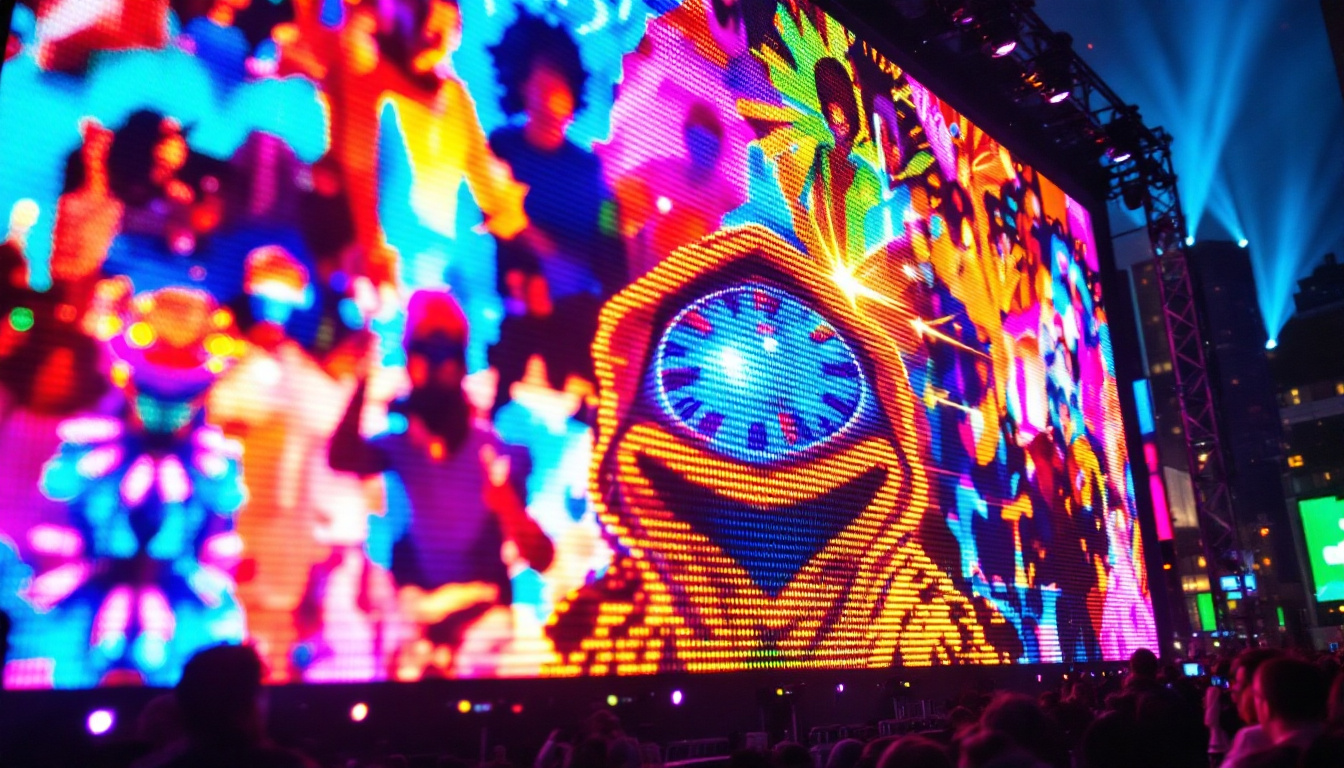
During major sporting events, LED displays around stadiums provide advertisers with prime real estate. Nike’s campaigns often feature fast-paced, energetic videos optimized for large LED screens, using bold graphics and motion to energize the crowd and reinforce brand identity.
Retail Storefronts
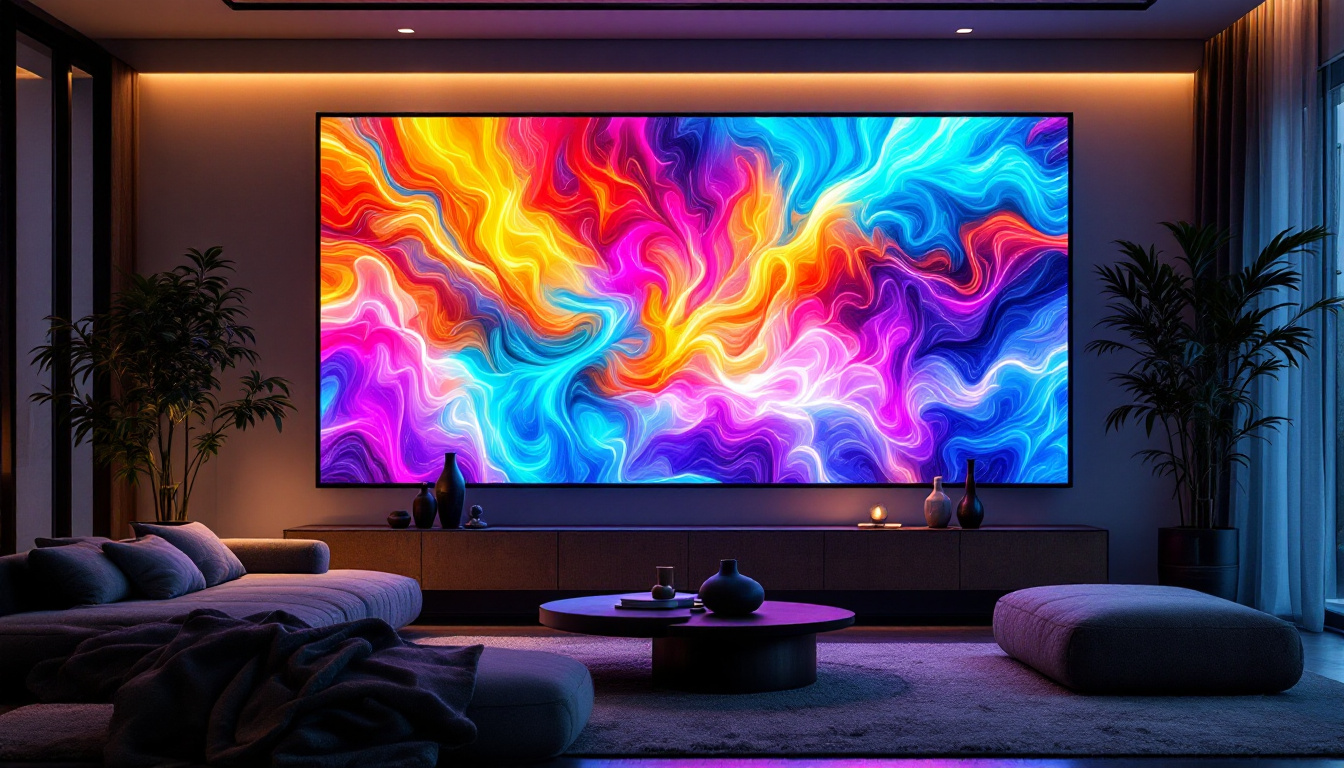
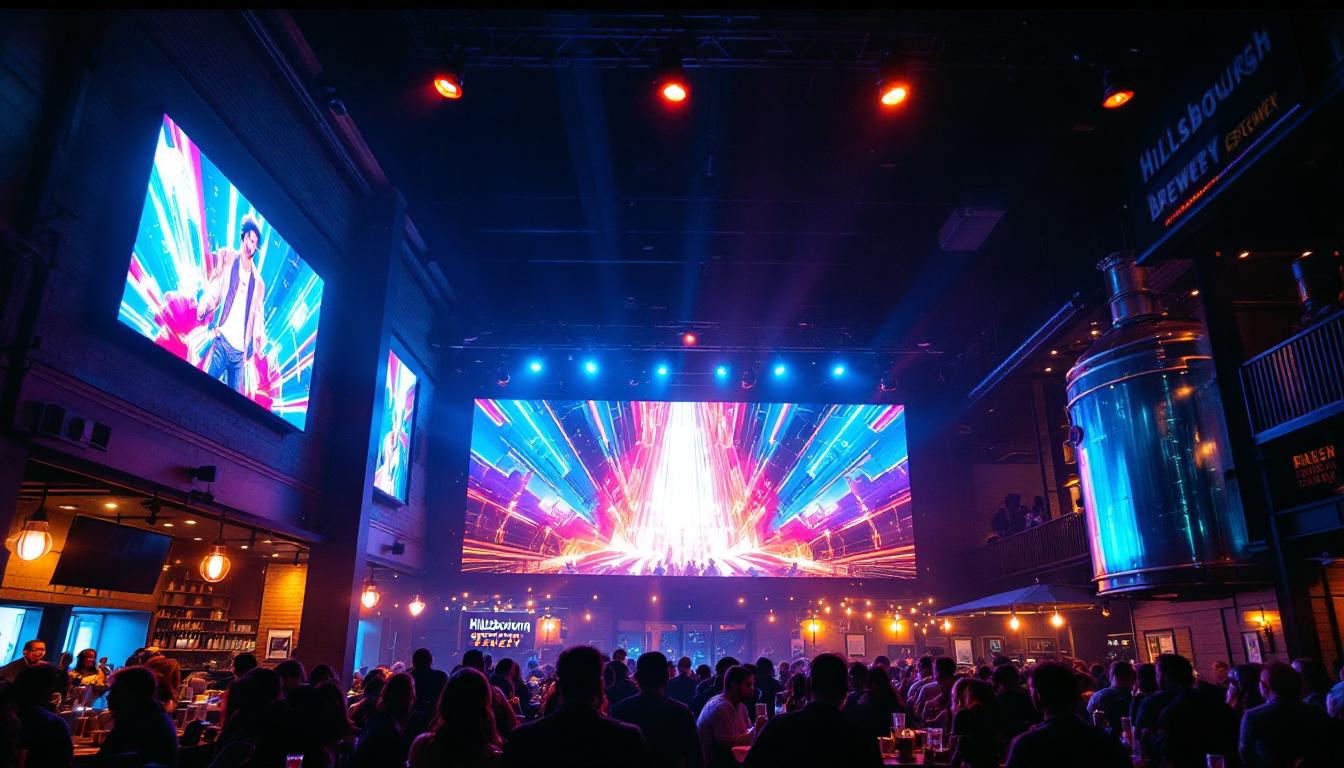
Retailers like Apple and Adidas use indoor LED displays to showcase product launches and promotions. These screens benefit from higher resolution and closer viewing distances, enabling more detailed visuals and interactive content.
Conclusion: Mastering Commercial Videos for LED Displays
Producing a commercial video for LED displays requires a blend of technical knowledge, creative vision, and strategic planning. Understanding the unique attributes of LED technology—from brightness and resolution to color calibration—ensures that your content looks its best and delivers your message effectively.
By tailoring your video’s design to the viewing environment and leveraging the strengths of LED displays, advertisers can create visually compelling campaigns that captivate audiences and drive results. Whether deploying a large outdoor billboard or an indoor retail screen, mastering the art of LED commercial video production is essential for brands seeking to thrive in today’s digital advertising landscape.
Discover LumenMatrix’s Advanced LED Solutions
Ready to elevate your brand’s presence with the power of LED technology? LumenMatrix offers a comprehensive range of innovative LED display modules designed to bring your commercial videos to life. From the immersive Indoor LED Wall Display to the dynamic Outdoor LED Wall Display, and from the mobile flexibility of Vehicle LED Displays to the interactive possibilities of Floor LED Displays, our solutions are crafted to captivate and engage your audience. Embrace the future of visual communication with LumenMatrix’s cutting-edge digital signage and LED display solutions. Check out LumenMatrix LED Display Solutions and transform your advertising strategy today.