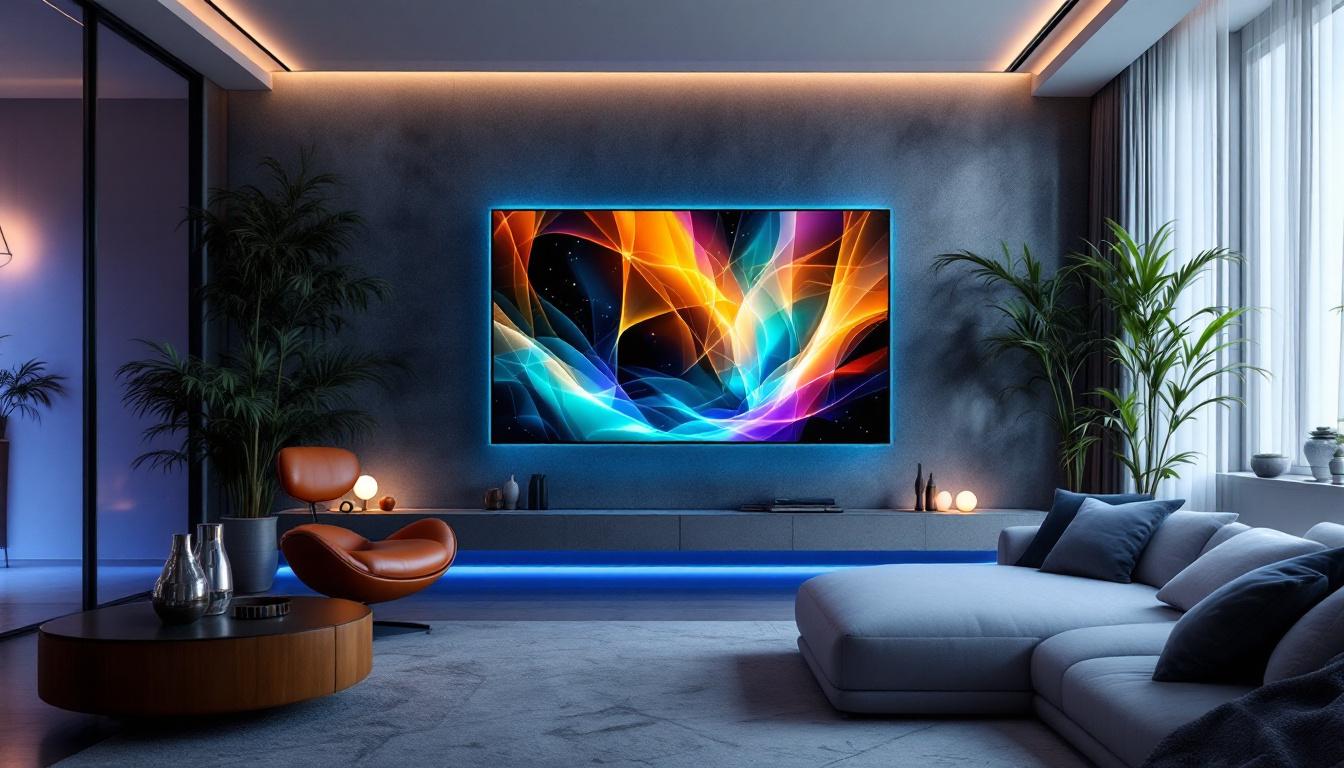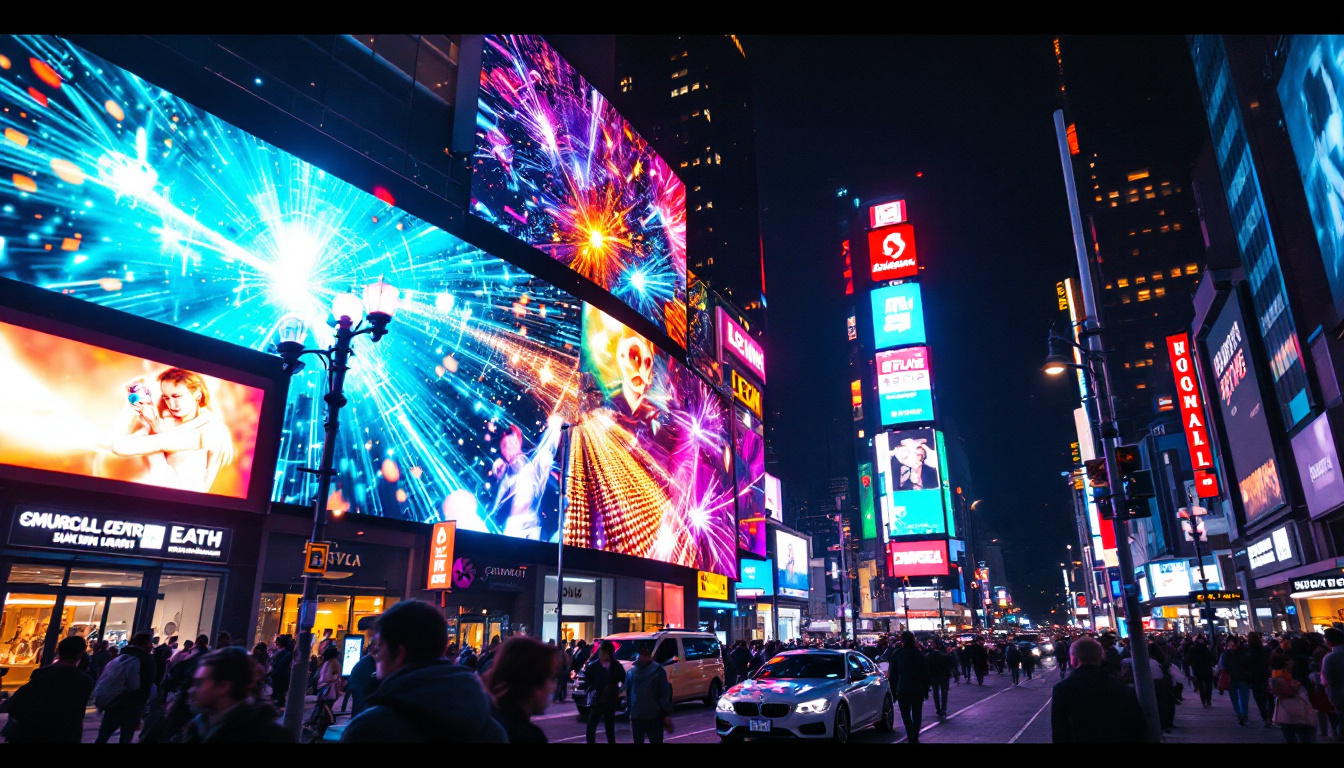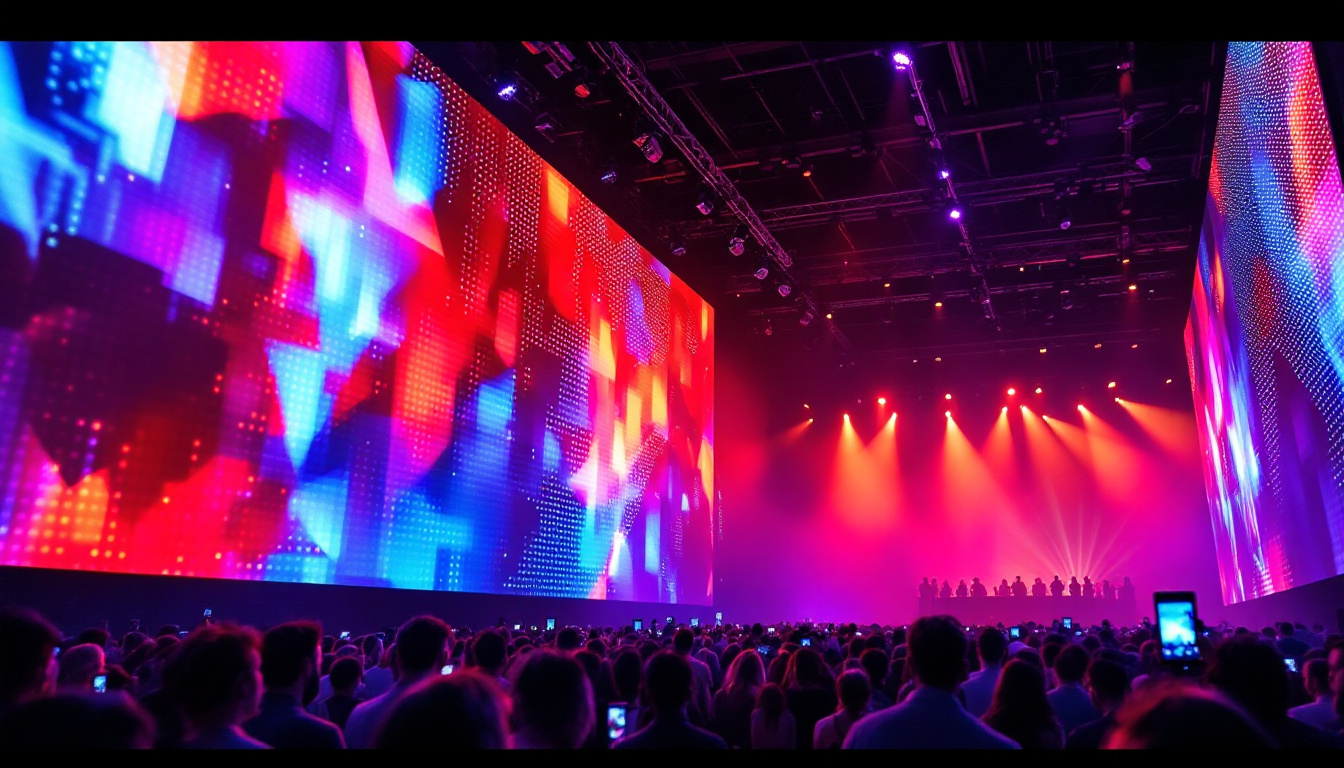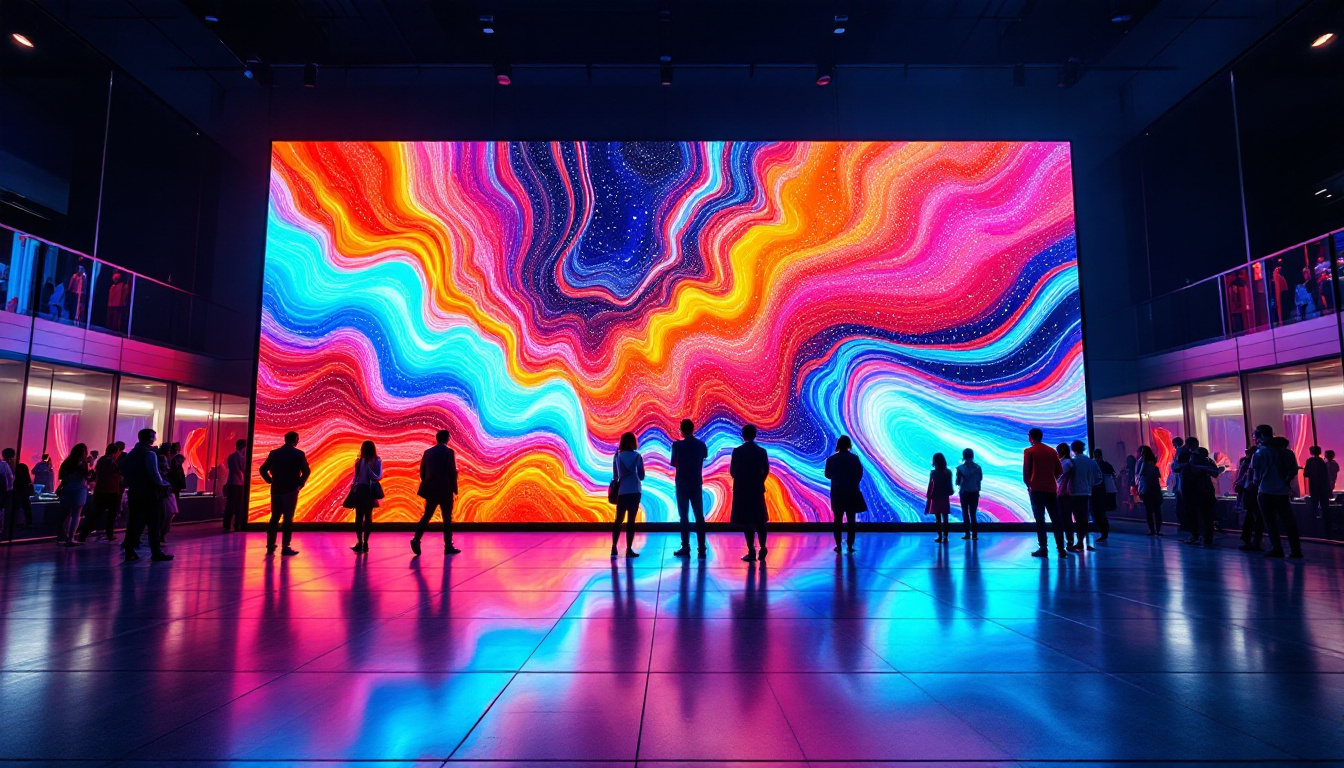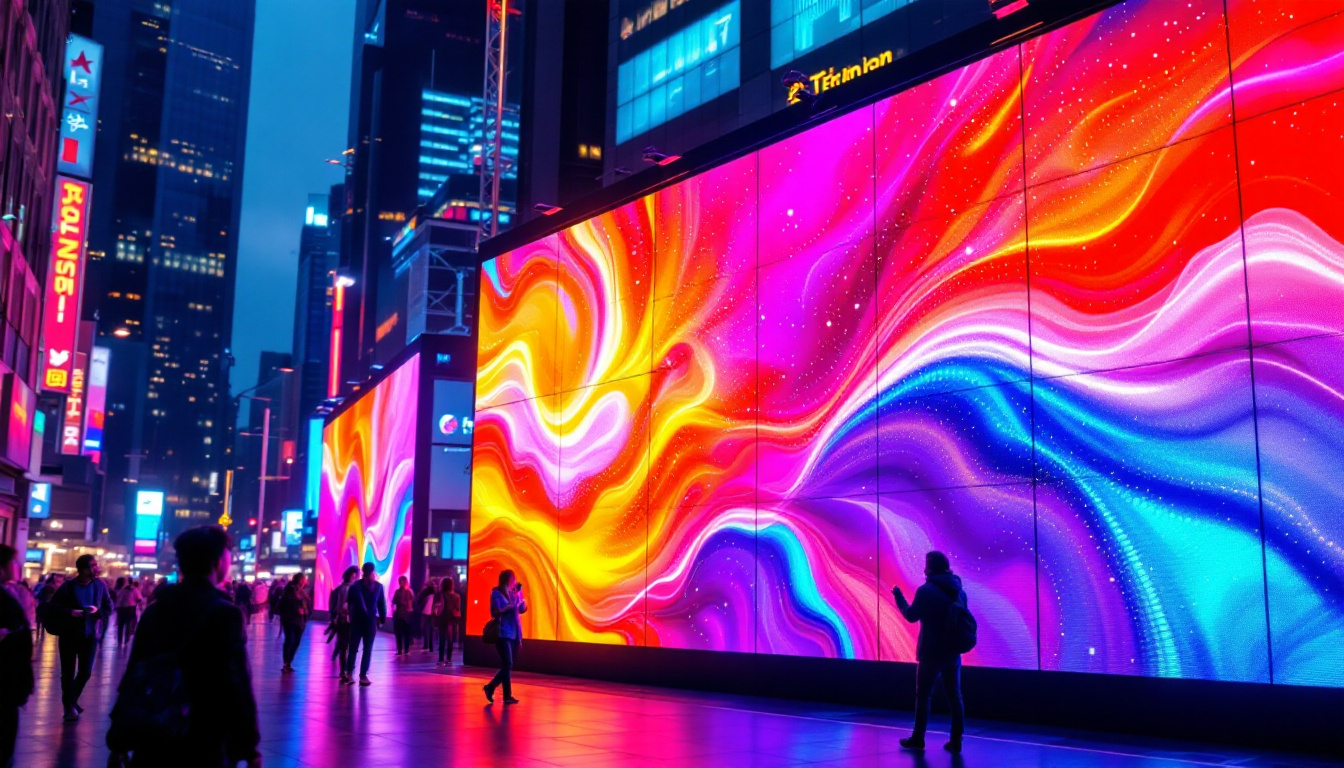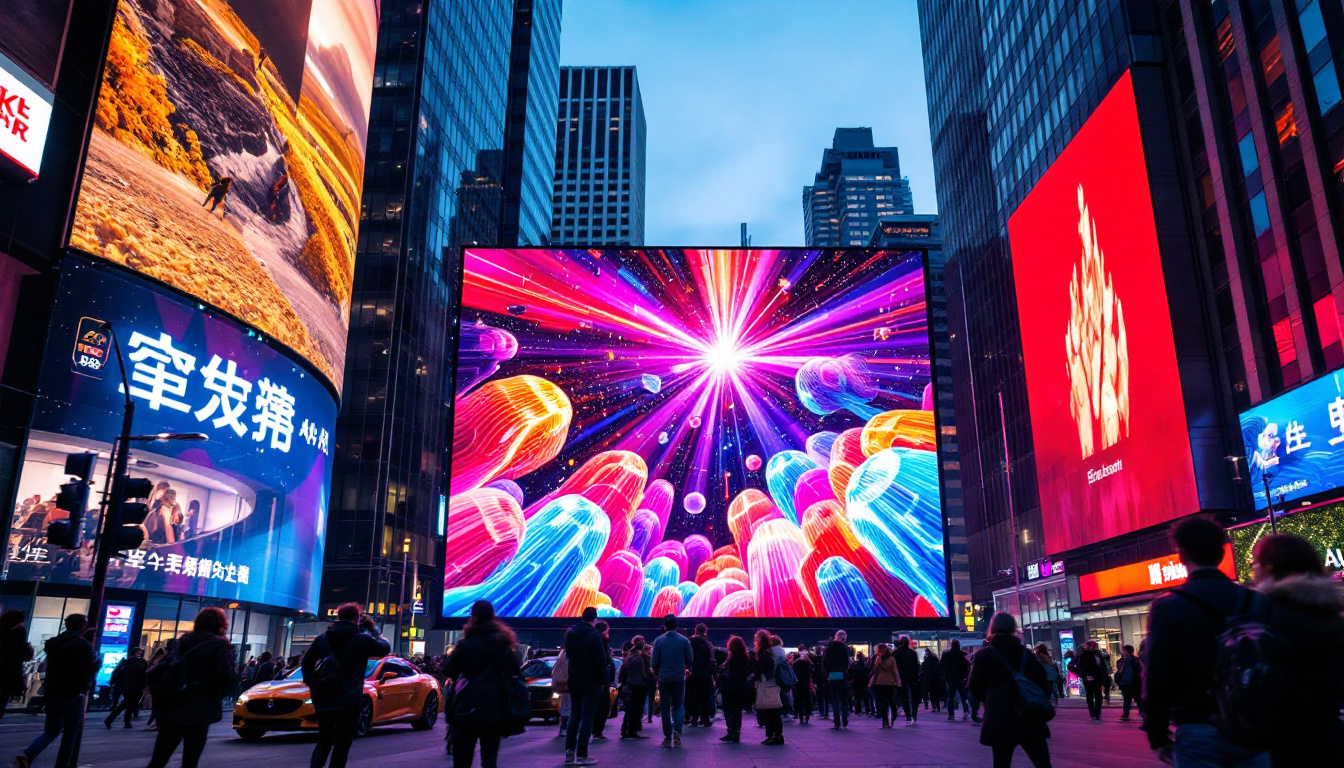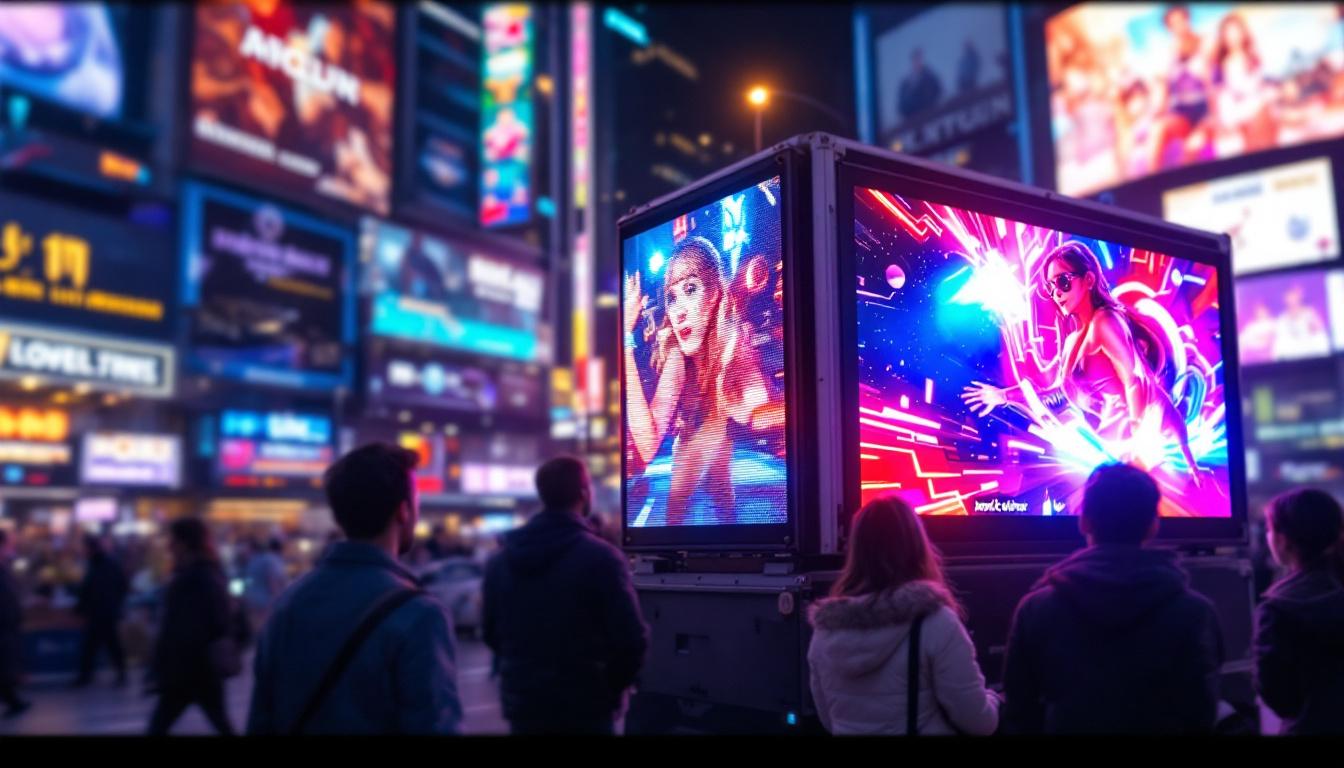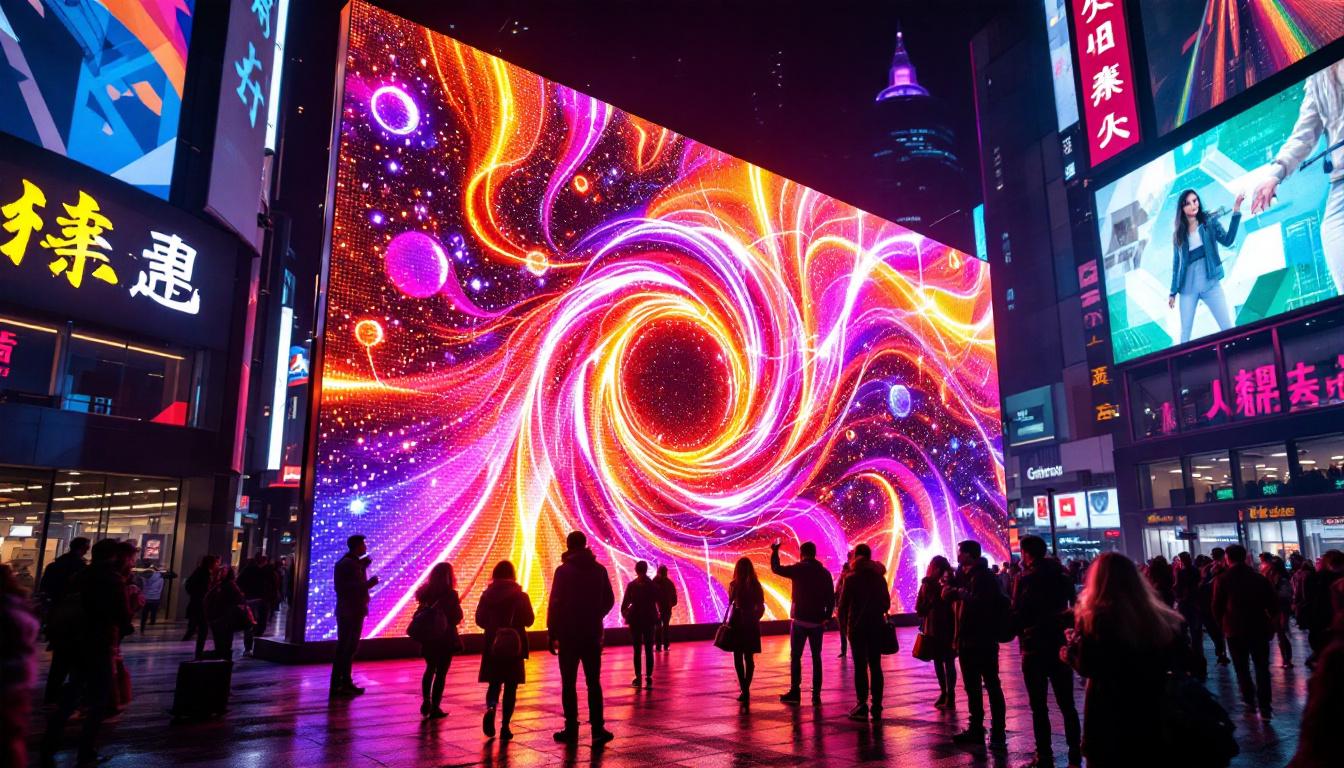
In the rapidly evolving world of display technology, LED screens have emerged as a dominant force, revolutionizing how information and visuals are presented across various industries. From the vibrant billboards in Times Square to the ultra-high-definition televisions in living rooms, LED displays have become synonymous with clarity, brightness, and energy efficiency. This article delves deep into the concept of active screen LED displays, exploring their technology, applications, advantages, and future trends.
Understanding LED Display Technology
At its core, an LED display is a flat panel display that uses light-emitting diodes (LEDs) as pixels to create images. These LEDs emit light when an electric current passes through them, producing bright and vivid visuals. However, not all LED displays are created equal. The term “active screen” specifically refers to displays that use active matrix technology, which significantly enhances performance compared to passive matrix counterparts.
What is Active Matrix Technology?
Active matrix technology involves a grid of thin-film transistors (TFTs) and capacitors that actively control each pixel on the screen. Each pixel is paired with a transistor that acts as a switch, allowing precise control over the pixel’s illumination. This setup ensures faster response times, higher refresh rates, and better color accuracy.
In contrast, passive matrix displays rely on a simpler grid where pixels are controlled by intersecting rows and columns without dedicated switches, leading to slower response times and less sharp images.
How Active Screen LED Displays Work
Active screen LED displays integrate the active matrix system with LEDs, enabling each pixel to be individually controlled and illuminated. This results in displays that can produce high-resolution images with exceptional brightness and contrast. The active control also allows for dynamic adjustments in real-time, making these screens ideal for video playback, gaming, and interactive applications.
Moreover, the advancements in LED technology have led to the development of various types of active screen displays, including OLED (Organic Light Emitting Diodes) and MicroLED. OLED displays, for instance, utilize organic compounds that emit light when electricity is applied, allowing for even deeper blacks and a wider color gamut. MicroLED, on the other hand, is a newer technology that uses microscopic LEDs to create individual pixels, offering advantages like lower power consumption and higher durability, making them suitable for a range of applications from smartphones to large-scale digital signage.
Furthermore, the versatility of active screen LED displays extends beyond just visual performance. These displays are increasingly being integrated with smart technology, enabling features such as touch sensitivity and connectivity to the Internet of Things (IoT). This integration allows for interactive experiences, where users can engage with content in real-time, making them not only a tool for information dissemination but also a medium for creative expression and user interaction in various environments, from retail spaces to art installations.
Key Advantages of Active Screen LED Displays
The adoption of active matrix LED displays has surged due to several compelling benefits that address the limitations of older display technologies.
Superior Image Quality
Active screen LED displays offer sharper images with higher contrast ratios. Their ability to control each pixel individually means that blacks are deeper, colors are more vibrant, and details are clearer. This quality is particularly important in professional settings such as graphic design, medical imaging, and broadcasting, where accuracy is paramount. Additionally, the wide color gamut provided by these displays allows for more precise color reproduction, making them ideal for applications that require color-critical work, such as digital art and photography. The enhanced image quality not only elevates professional projects but also enriches everyday viewing experiences, making movies and games more visually stunning.
Faster Response Times
One of the standout features of active matrix LED displays is their rapid response time. This reduces motion blur and ghosting effects, which are common in slower displays. For gamers and video editors, this translates into smoother visuals and a more immersive experience. Furthermore, the quick refresh rates enable these displays to handle high frame rates effortlessly, which is essential for fast-paced gaming and high-definition video playback. As a result, users can enjoy a seamless experience without interruptions, enhancing both productivity and entertainment value.
Energy Efficiency
Compared to traditional LCDs with backlighting, active LED screens consume less power because they emit light directly from the pixels themselves. This efficiency not only reduces electricity costs but also contributes to longer device lifespans and less environmental impact. Moreover, the reduced heat generation associated with active LED displays means that devices can operate cooler, which can further enhance performance and reliability over time. As sustainability becomes increasingly important, the energy-efficient nature of these displays positions them as a responsible choice for both consumers and businesses looking to minimize their carbon footprint.
Thin and Flexible Designs
The compact nature of LEDs and the active matrix circuitry allows manufacturers to produce ultra-thin, lightweight displays. Some active LED displays can even be made flexible, opening doors to innovative applications such as wearable technology and curved screens. This flexibility not only allows for creative design possibilities in consumer electronics but also enables the integration of displays into unconventional surfaces, such as furniture or clothing. As technology continues to evolve, the potential for active LED displays to adapt to various environments and uses is virtually limitless, paving the way for futuristic applications that blend seamlessly into everyday life.
Applications of Active Screen LED Displays
The versatility and performance of active screen LED displays have led to their widespread adoption across various sectors.
Consumer Electronics
Smartphones, tablets, and televisions increasingly utilize active matrix LED technology to deliver stunning visuals. OLED (Organic LED) screens, a subset of active matrix LED displays, are particularly popular in flagship devices due to their superior color reproduction and contrast. The deep blacks and vibrant colors offered by OLED technology create an immersive viewing experience, making them ideal for gaming and high-definition video streaming. Additionally, advancements in flexible OLED technology have paved the way for innovative designs, such as curved screens and foldable devices, further enhancing user engagement and aesthetic appeal.
Advertising and Digital Signage
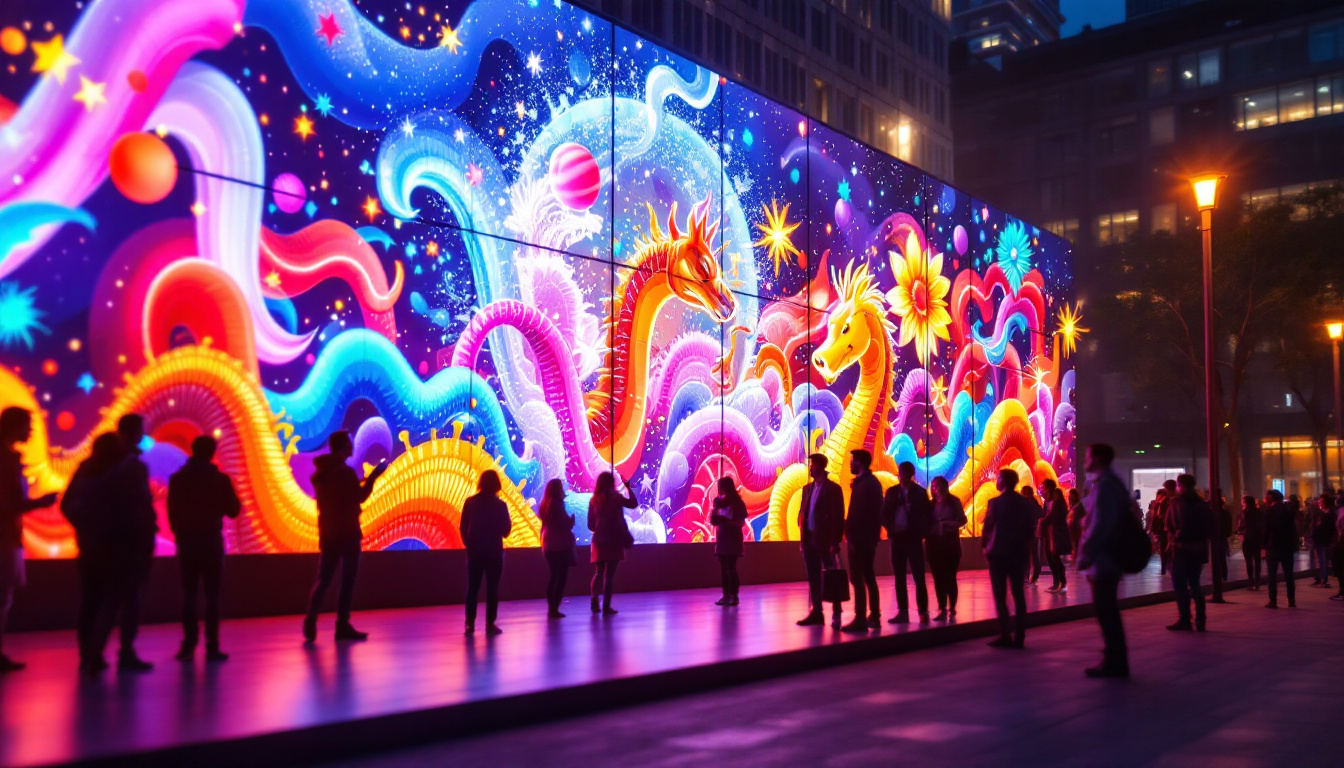
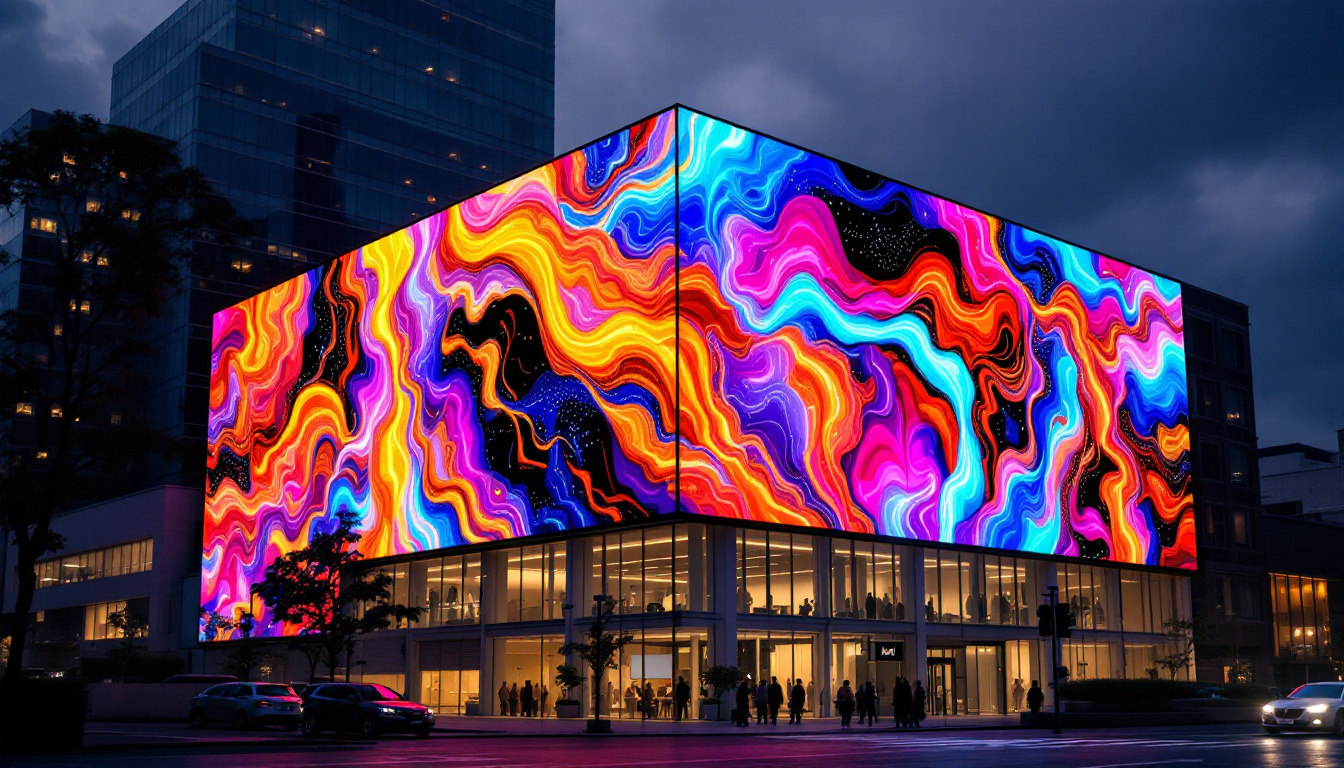
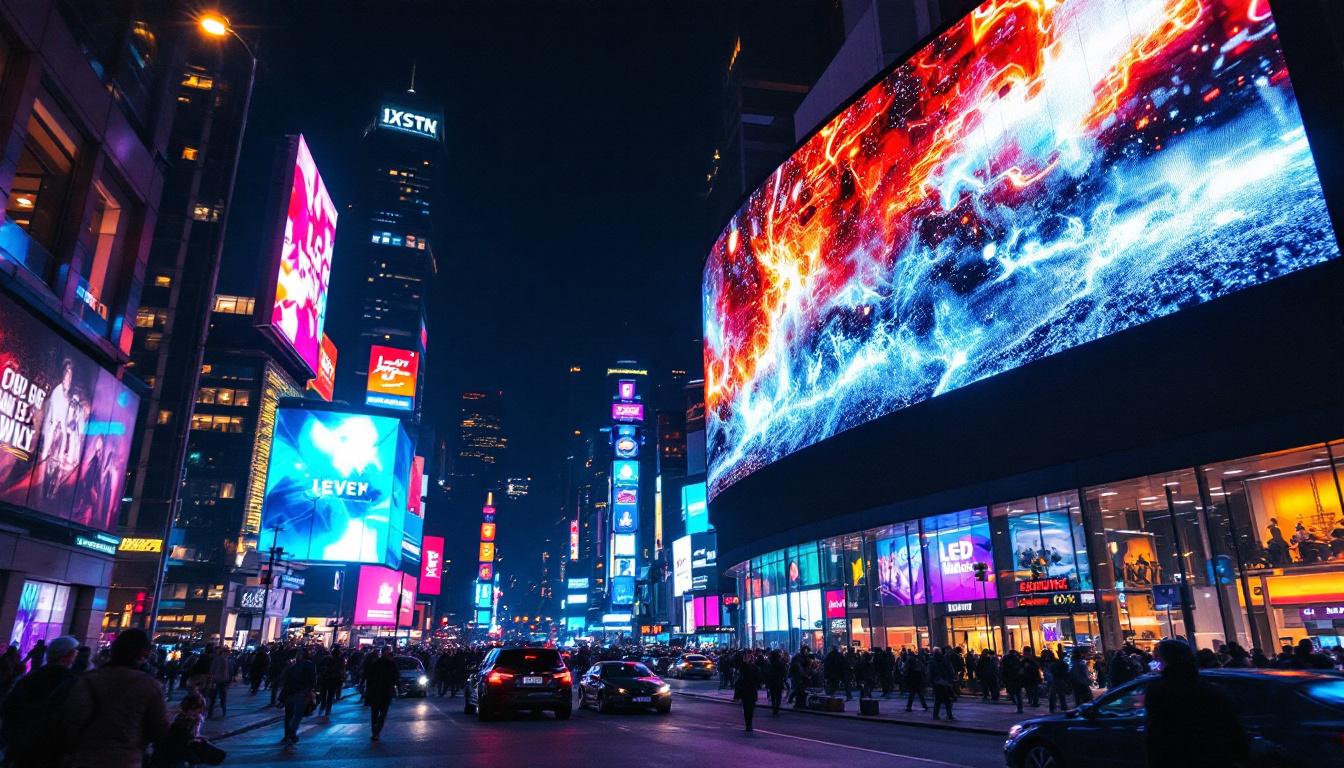
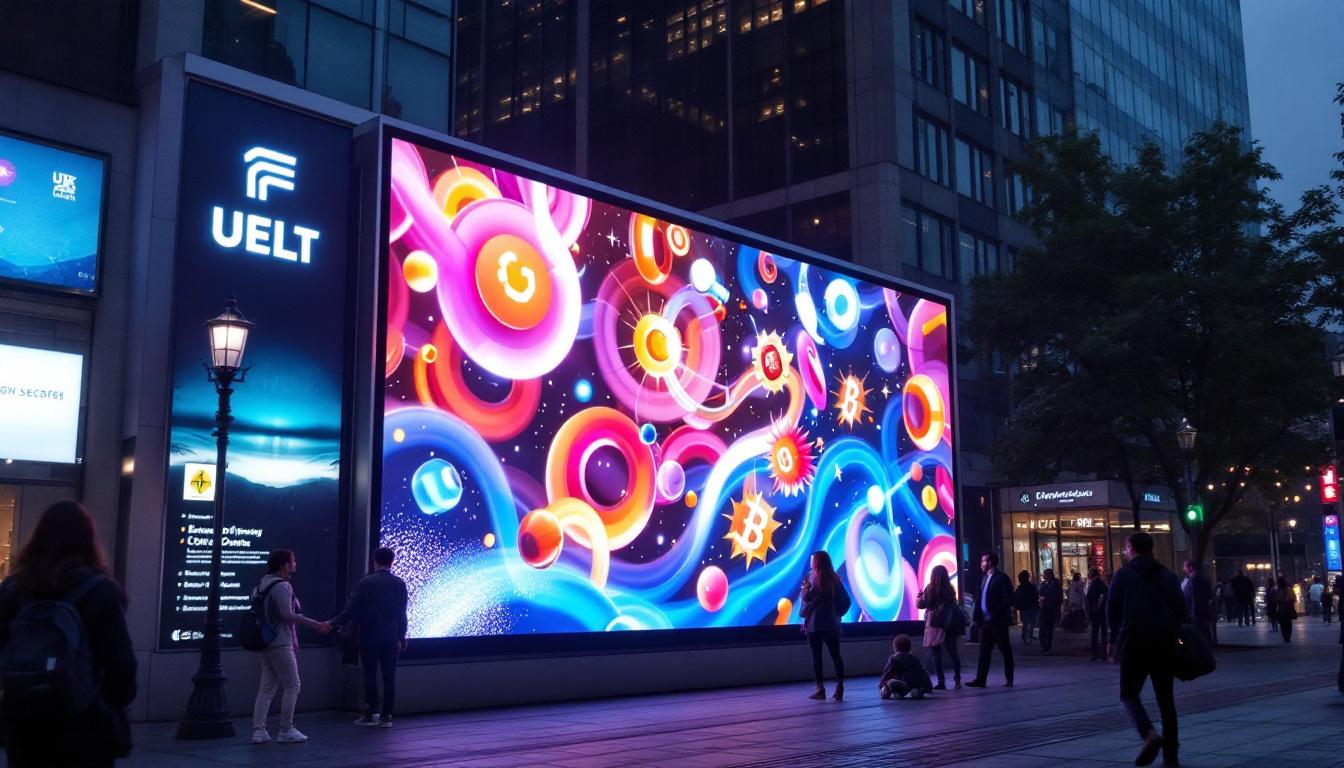
Large-scale outdoor and indoor advertising screens rely heavily on active LED displays. Their brightness and durability make them visible even in direct sunlight, ensuring messages reach audiences effectively. For example, the iconic digital billboards in major cities like New York and Tokyo use active LED technology to captivate millions daily. These displays not only showcase advertisements but also serve as platforms for real-time information, such as weather updates and news headlines. The ability to change content dynamically allows advertisers to tailor messages based on time of day or audience demographics, maximizing engagement and return on investment.
Automotive Displays
Modern vehicles incorporate active LED displays in dashboards, infotainment systems, and head-up displays. These screens provide drivers with critical information in real-time, enhancing safety and user experience. The integration of touch-sensitive LED displays allows for intuitive controls and seamless interaction, enabling drivers to access navigation, music, and communication features without distraction. Furthermore, advancements in augmented reality (AR) are beginning to transform automotive displays, overlaying important data directly onto the driver’s field of vision, which can help in navigation and hazard detection, ultimately contributing to safer driving experiences.
Medical and Industrial Uses
In medical imaging, active LED displays help visualize complex scans with high precision. These displays are essential in hospitals, where clarity can significantly impact diagnosis and treatment decisions. High-resolution active LED screens allow medical professionals to examine intricate details in imaging studies, such as MRIs and CT scans, facilitating better patient outcomes. Industrial control rooms employ these displays for monitoring systems, where clarity and responsiveness are crucial. In addition, active LED displays are often used in manufacturing environments to provide real-time data on production metrics, equipment status, and safety alerts, thereby enhancing operational efficiency and ensuring compliance with safety regulations. The ability to customize display layouts for specific tasks further amplifies their utility in fast-paced industrial settings.
Challenges and Considerations
While active screen LED displays offer numerous benefits, there are challenges and factors to consider when choosing or implementing this technology.
Cost Factors
Active matrix LED displays, especially OLEDs, tend to be more expensive to manufacture than traditional LCDs. The complexity of the thin-film transistor arrays and the precision required in assembly contribute to higher costs. However, prices have been steadily decreasing due to advancements in manufacturing processes and economies of scale.
Longevity and Burn-in Issues
Some active LED technologies, particularly OLED, can suffer from burn-in, where static images leave permanent marks on the screen. Manufacturers have made significant progress in mitigating this issue through software solutions and improved materials, but it remains a consideration for long-term use.
Environmental Impact
While LED displays are more energy-efficient, the production and disposal of electronic components raise environmental concerns. Responsible manufacturing practices and recycling programs are essential to minimize ecological footprints.
The Future of Active Screen LED Displays
Looking ahead, active screen LED technology continues to evolve, promising even more exciting developments.
MicroLED and MiniLED Innovations
MicroLED and MiniLED are emerging as next-generation display technologies that build upon active matrix principles. MicroLEDs are tiny LEDs that offer higher brightness, better color accuracy, and longer lifespans without the burn-in risks associated with OLEDs. MiniLEDs use smaller LEDs for backlighting, improving contrast and local dimming capabilities in LCD panels.
Flexible and Transparent Displays
Research into flexible active LED displays is advancing rapidly, with prototypes of bendable smartphones and rollable televisions already demonstrated. Transparent active LED screens are also being developed for augmented reality applications and innovative advertising solutions.
Integration with Smart Technologies
Active LED displays are increasingly integrated with sensors, AI, and IoT devices to create interactive and adaptive environments. Smart displays that adjust brightness and content based on user behavior or ambient conditions are becoming more common in retail, education, and public spaces.
Conclusion
Active screen LED displays represent a significant leap forward in display technology, combining superior image quality, energy efficiency, and versatility. Their impact spans across consumer electronics, advertising, automotive, medical, and industrial sectors, making them a cornerstone of modern visual communication. As innovations like MicroLED and flexible screens continue to mature, the future of active LED displays looks brighter than ever, promising richer experiences and new possibilities for users worldwide.
Discover the Future of LED Displays with LumenMatrix
Ready to elevate your visual experience with the latest in LED display technology? LumenMatrix is at the forefront of innovation, offering a wide array of LED display solutions tailored to your needs. From captivating Indoor LED Wall Displays to dynamic Outdoor LED Wall Displays, and from versatile Vehicle LED Displays to sleek LED Poster Displays, our products are designed to revolutionize visual communication. Embrace the future with our LED Sports Displays, Floor LED Displays, Custom LED Displays, All-in-One LED Displays, and LED Transparent Displays. Don’t miss the opportunity to transform your space and captivate your audience. Check out LumenMatrix LED Display Solutions today and share your message with the world like never before.