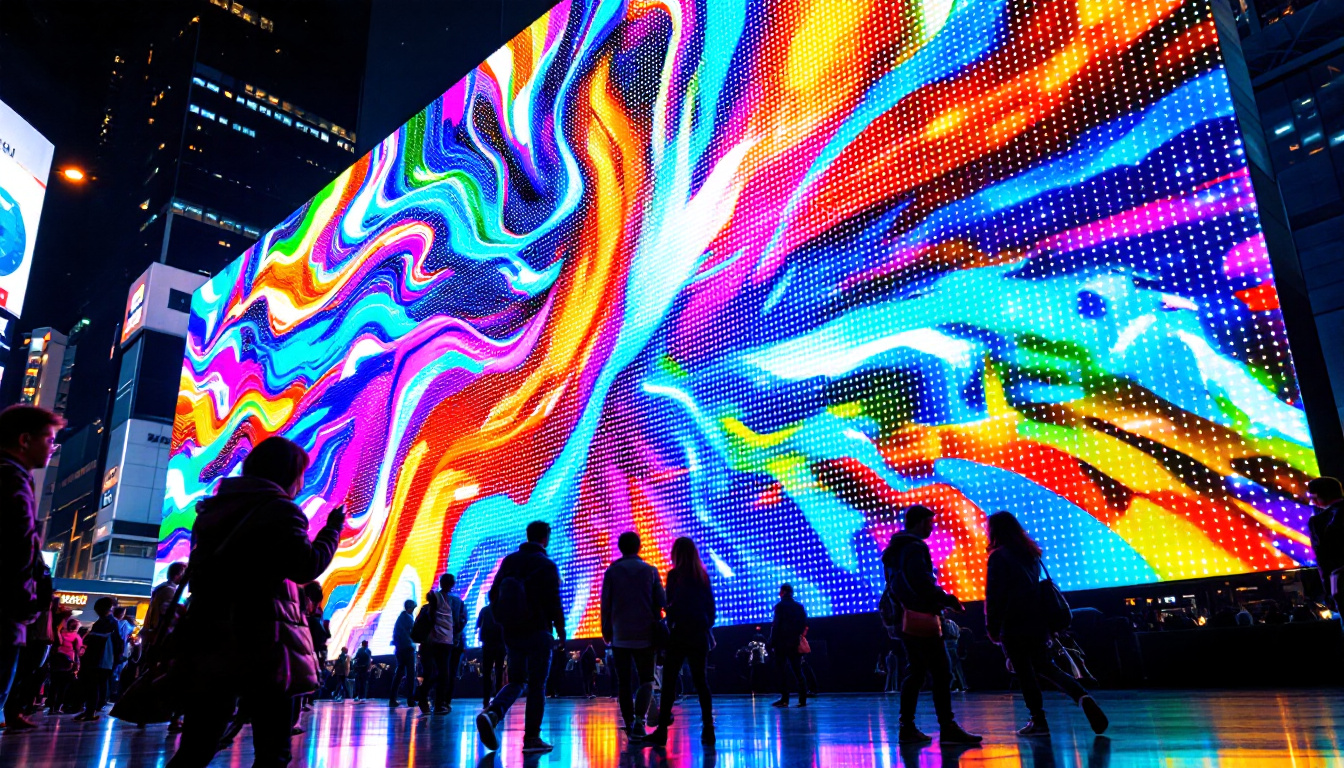
In today’s digital age, LED displays have become an essential part of advertising, entertainment, and communication. From the vibrant billboards that light up Times Square to the massive screens in stadiums and concert venues, LED technology is transforming how information and visuals are presented to the public. But what exactly is behind these dazzling displays? This article explores the fundamentals of LED displays, the role of LED screen manufacturers, and the technology’s evolving landscape.
Understanding LED Displays: The Basics
What is an LED Display?
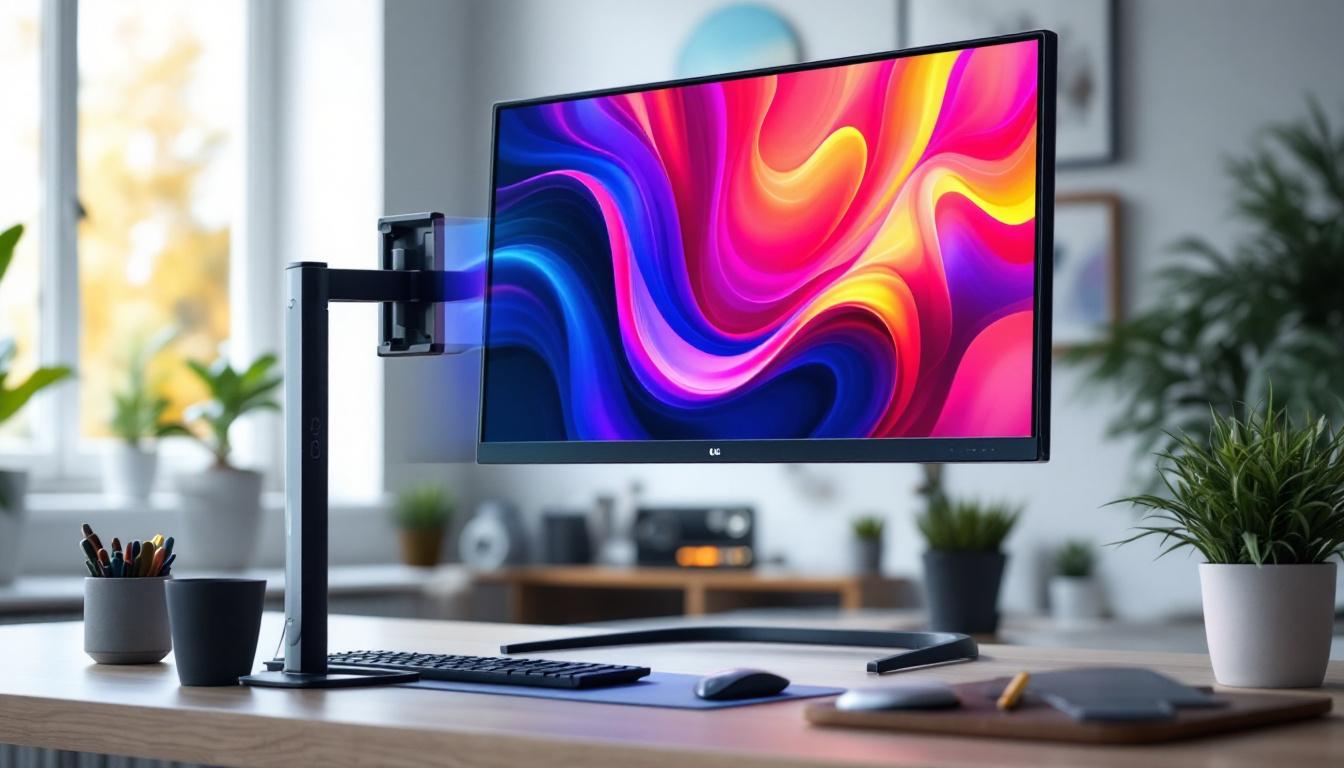
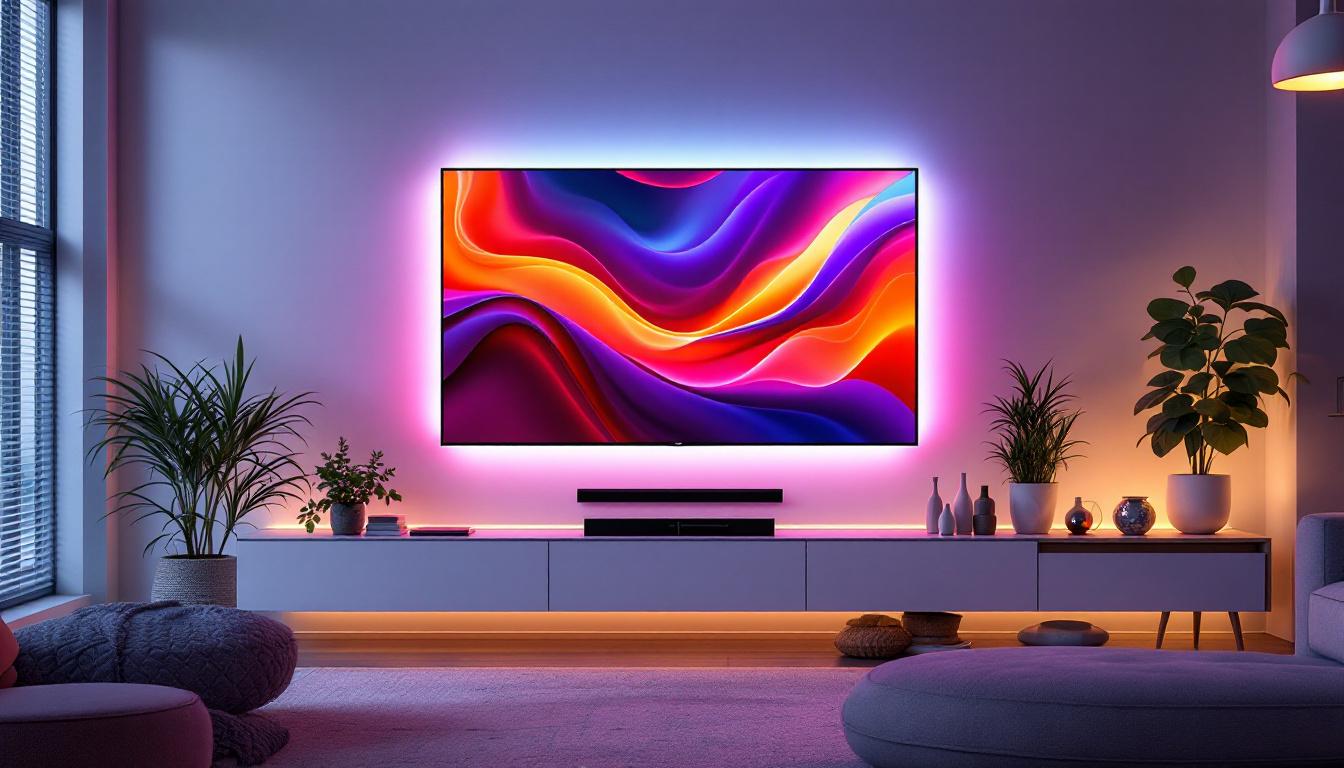
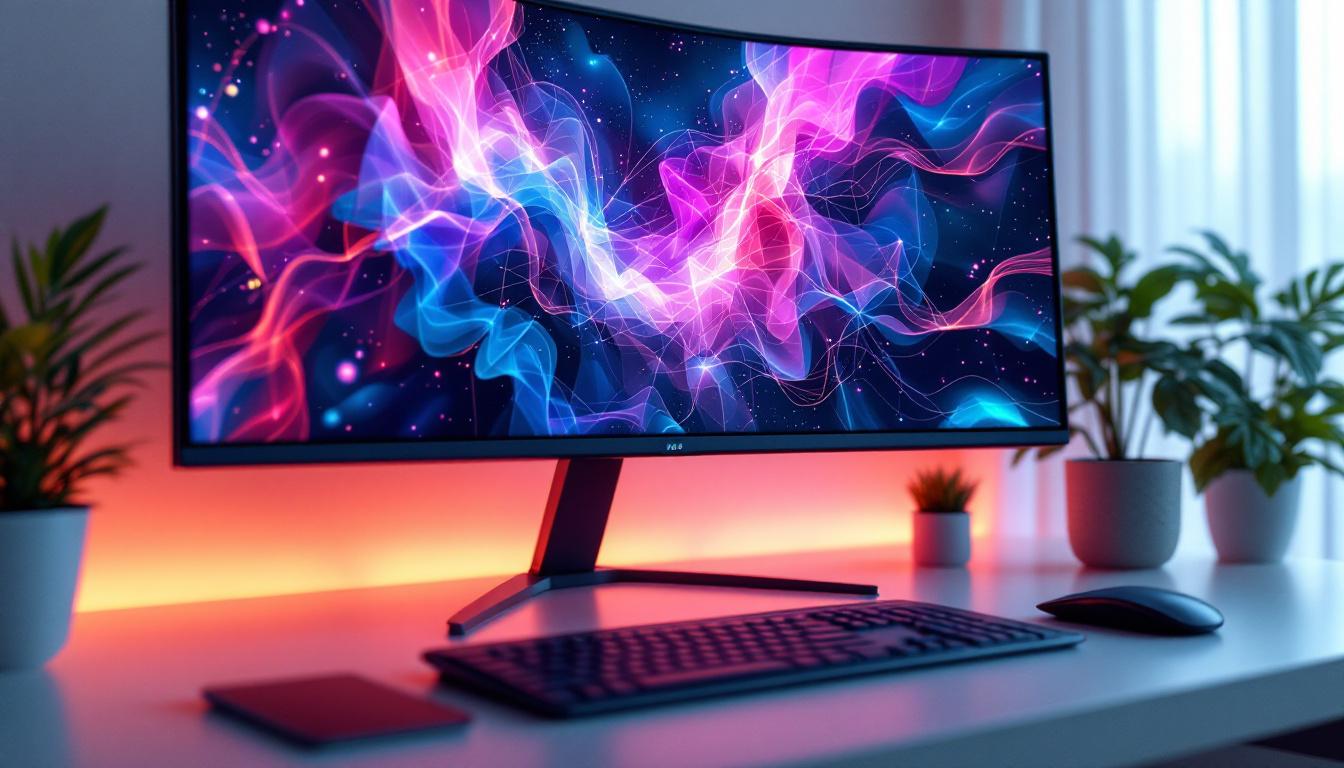
An LED display is a flat panel display that uses light-emitting diodes (LEDs) as pixels to create images, videos, and text. Unlike traditional LCD screens that rely on backlighting, LED displays produce their own light, resulting in brighter colors, higher contrast ratios, and better visibility in various lighting conditions.
LED displays come in two main types: direct view LED and LED-backlit LCD. Direct view LED displays consist of individual LEDs arranged in a matrix to form the image directly. This type is commonly used for large outdoor screens and digital billboards. On the other hand, LED-backlit LCDs use LEDs as a light source behind an LCD panel, typical in televisions and computer monitors. The versatility of LED technology allows it to be adapted for various applications, from small handheld devices to massive stadium displays, showcasing its scalability and effectiveness in delivering high-quality visual content.
Key Components of LED Displays
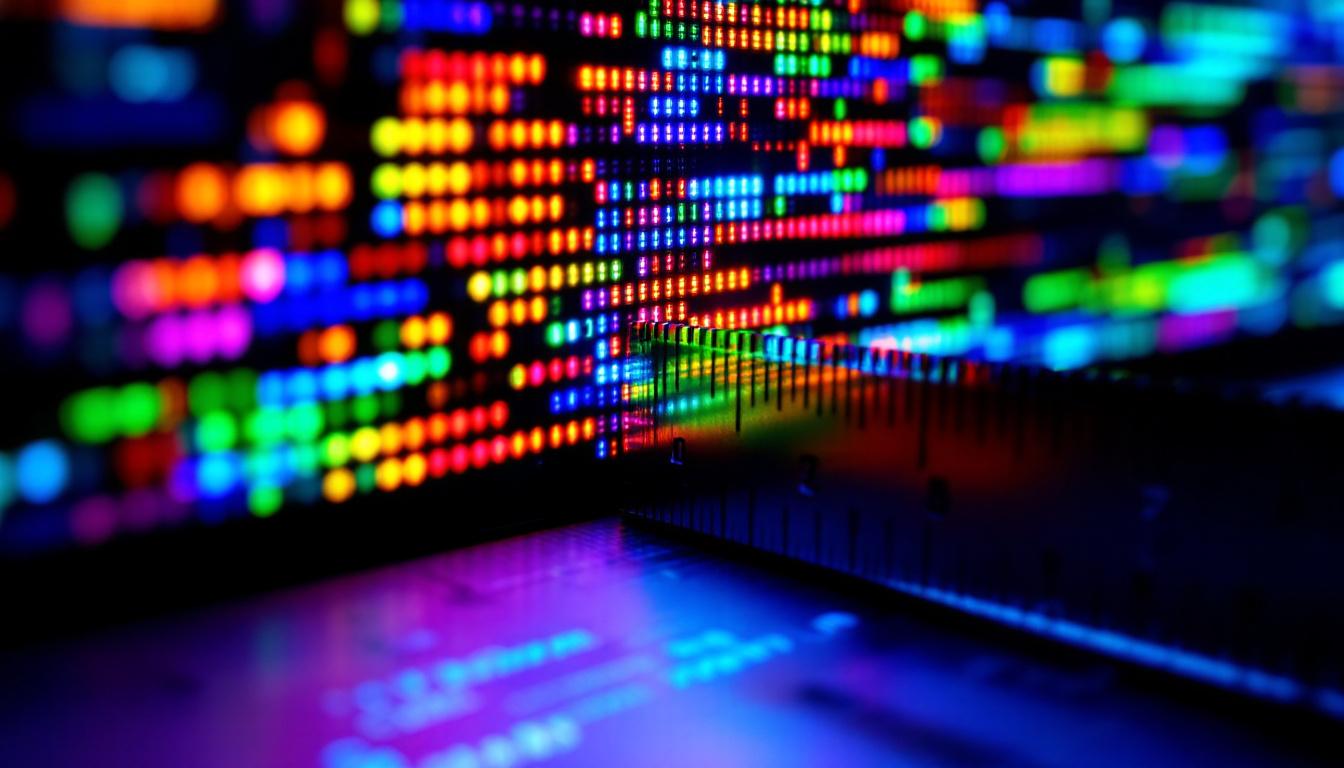
The core of an LED display lies in its diodes—tiny semiconductor devices that emit light when an electric current passes through them. Each pixel on an LED screen is made up of red, green, and blue LEDs, which combine to produce a full spectrum of colors through varying intensities. This RGB configuration enables LED displays to achieve vibrant and lifelike images, making them ideal for everything from advertising to entertainment.
Other critical components include:
- Driver ICs: Integrated circuits that control the brightness and color of each LED.
- Control Systems: Hardware and software that manage image processing and synchronization across the display.
- Modules and Panels: Modular units that can be combined to create screens of various sizes and resolutions.
In addition to these components, the structure of LED displays often includes a robust housing that protects the internal elements from environmental factors, especially for outdoor installations. This housing is typically designed to be weather-resistant and durable, ensuring that the display can withstand harsh conditions such as rain, wind, and extreme temperatures. Furthermore, advancements in cooling technology are also essential, as efficient heat dissipation helps maintain optimal performance and longevity of the LEDs, preventing overheating and potential damage.
Moreover, the rapid evolution of LED technology has led to innovations such as flexible LED displays, which can be bent or shaped to fit unique installations, and transparent LED displays that allow for creative applications in retail and architecture. These developments not only enhance the aesthetic appeal of digital signage but also expand the possibilities for interactive and immersive experiences, engaging audiences in ways that traditional displays cannot. As the demand for high-quality visual communication continues to grow, the LED display market is poised for further advancements, making it an exciting field to watch.
The Role of LED Screen Manufacturers
Design and Engineering Expertise
LED screen manufacturers are responsible for designing, engineering, and producing LED display solutions tailored to diverse applications. This involves selecting the right LED components, optimizing pixel pitch (the distance between LEDs), and ensuring durability for different environments—whether indoor, outdoor, or specialized installations like curved or transparent screens.
Manufacturers invest heavily in research and development to improve display brightness, energy efficiency, and lifespan. For example, advancements in mini-LED and micro-LED technologies are pushing the boundaries of pixel density and color accuracy, offering near-OLED quality with the added benefits of LED durability. These innovations not only enhance the visual experience but also contribute to the sustainability of the technology, as they often consume less power and have longer operational lifespans compared to traditional display technologies.
Customization and Scalability
One of the significant advantages LED screen manufacturers provide is customization. Clients can specify screen dimensions, resolution, refresh rates, and even features like waterproofing or anti-glare coatings. This flexibility allows LED displays to be integrated into a wide range of environments, from retail storefronts and transportation hubs to sports arenas and corporate offices. Furthermore, the ability to customize also extends to software solutions, where manufacturers can offer tailored content management systems that enable clients to easily update and control the display content, ensuring that messaging remains relevant and engaging.
Scalability is another critical factor. Manufacturers produce modular panels that can be assembled to create displays ranging from a few square feet to thousands of square feet. This modular approach simplifies installation, maintenance, and future upgrades. Additionally, the scalability of LED screens allows for creative applications, such as large-scale video walls in entertainment venues or dynamic advertising displays in urban environments. As technology evolves, manufacturers are also exploring the integration of IoT capabilities, enabling these displays to connect and interact with other smart devices, further enhancing their functionality and appeal.
Quality Control and Compliance
Reputable LED screen manufacturers adhere to strict quality control standards to ensure product reliability and safety. This includes rigorous testing for brightness uniformity, color consistency, and resistance to environmental factors such as moisture, dust, and temperature fluctuations. Quality assurance processes often involve both automated and manual inspections, ensuring that every unit meets the high standards expected by clients and end-users alike.
Compliance with international standards like CE, RoHS, and FCC is essential, especially for manufacturers exporting products globally. These certifications guarantee that the displays meet health, safety, and environmental regulations, providing peace of mind to customers and end-users. Moreover, many manufacturers are now adopting sustainable practices in their production processes, such as using recyclable materials and reducing waste, which not only helps in compliance with environmental regulations but also appeals to eco-conscious consumers. This commitment to sustainability is becoming increasingly important in the competitive landscape of LED screen manufacturing, as businesses seek to align their operations with global sustainability goals.
Applications of LED Displays
Outdoor Advertising and Digital Billboards
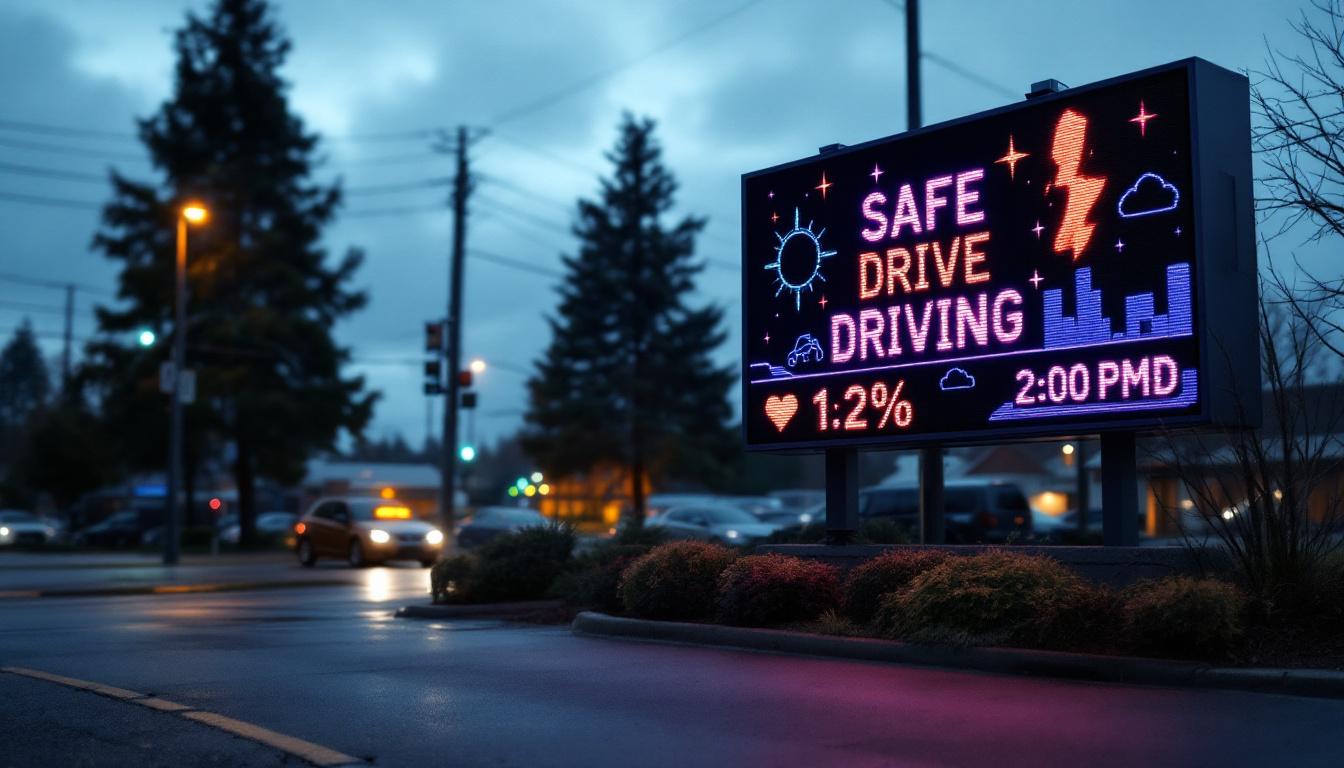
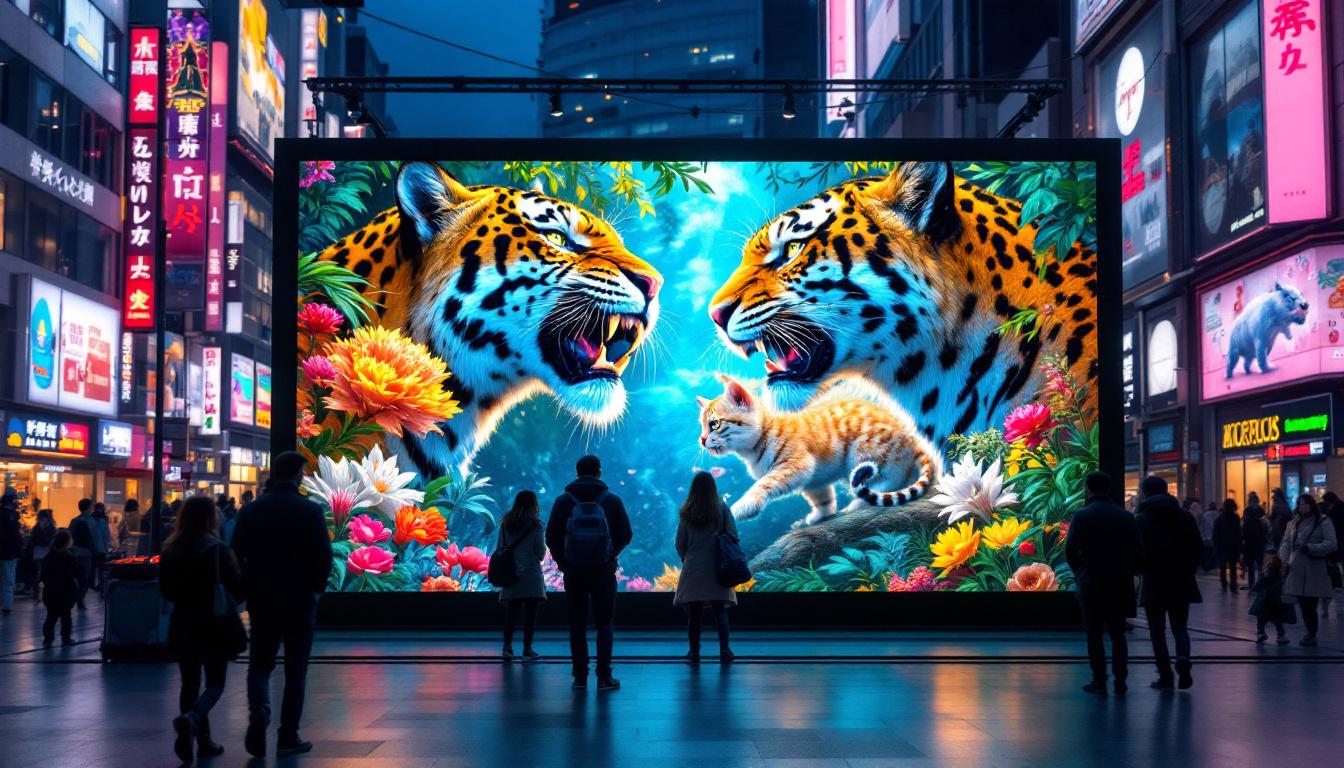
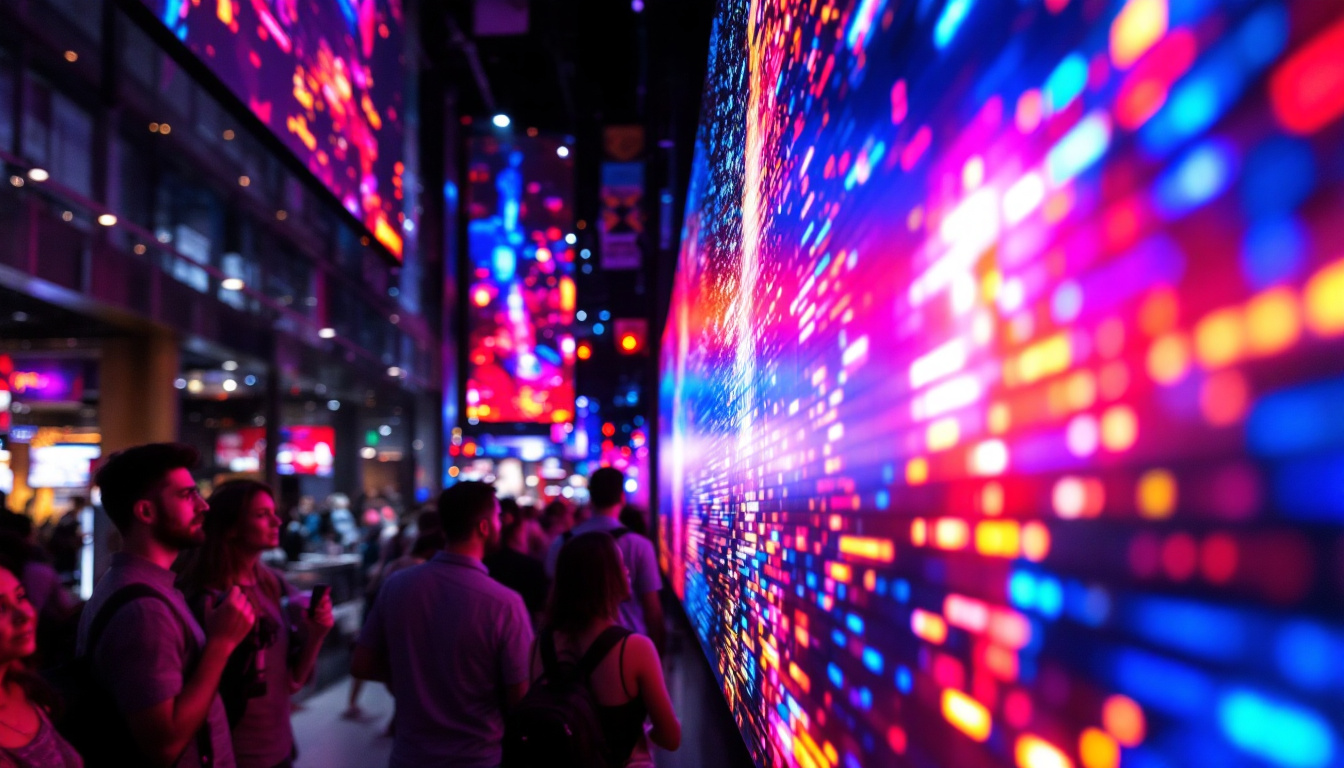
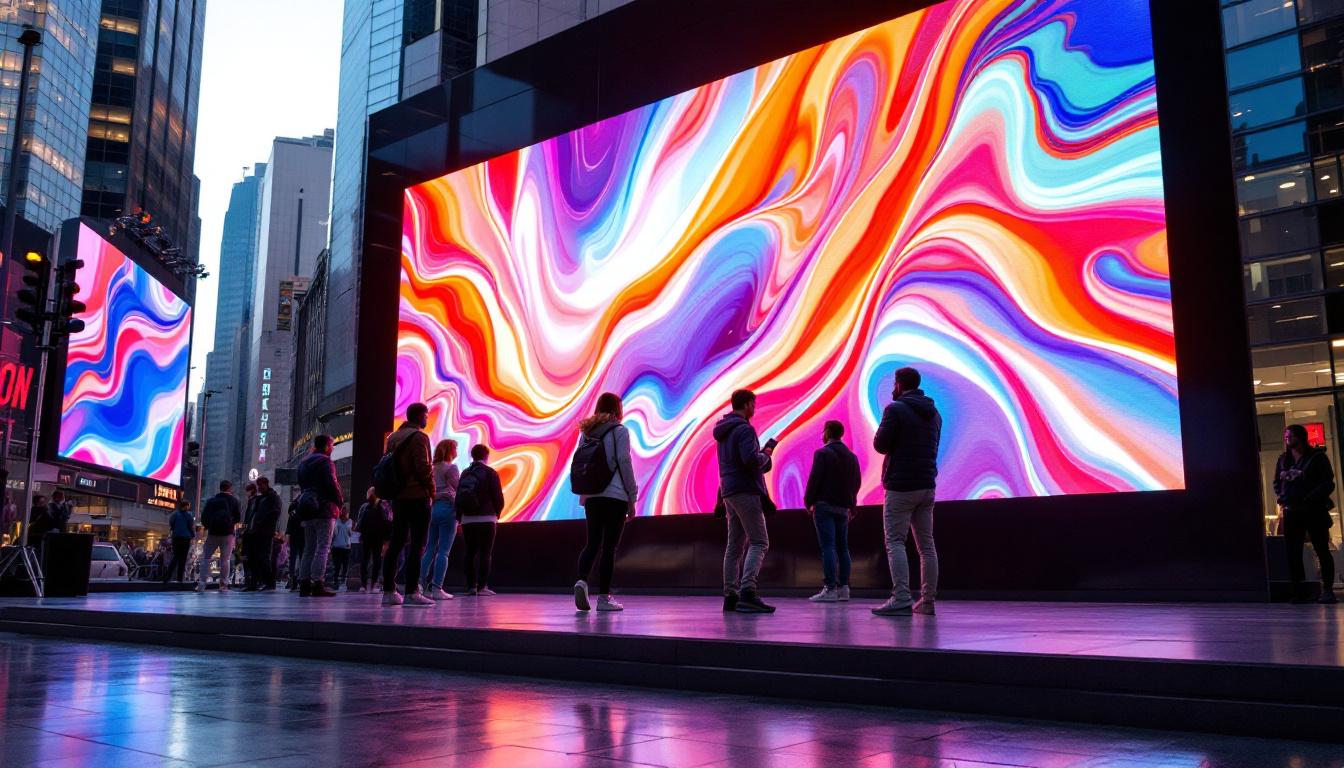
Outdoor LED displays are among the most visible applications of this technology. Their high brightness and weather-resistant construction make them ideal for billboards, transit advertising, and event promotions. According to a 2023 report by Grand View Research, the global digital billboard market is expected to reach $8.2 billion by 2028, driven largely by the adoption of LED technology.
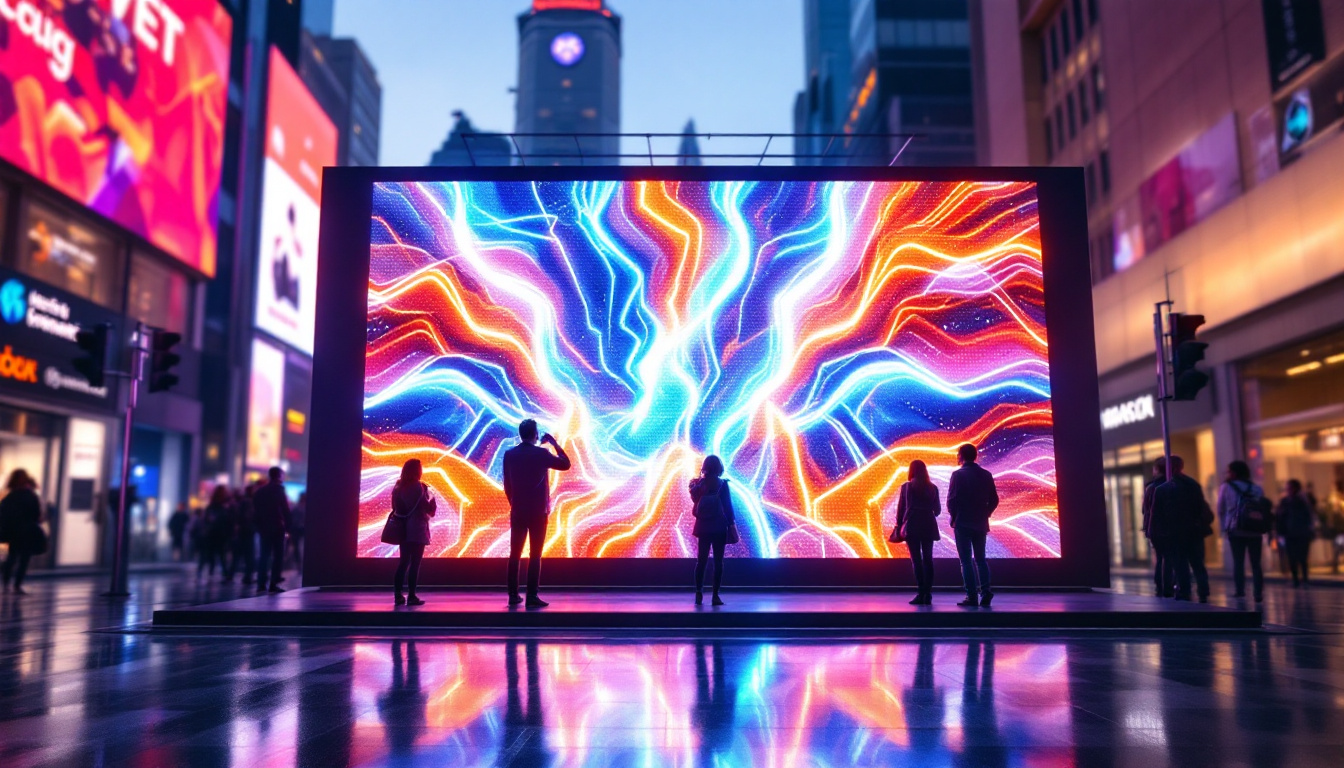
LED billboards offer dynamic content capabilities, enabling advertisers to change messages in real time, target specific audiences, and increase engagement. This flexibility is a game-changer compared to static print advertising.
Sports and Entertainment Venues
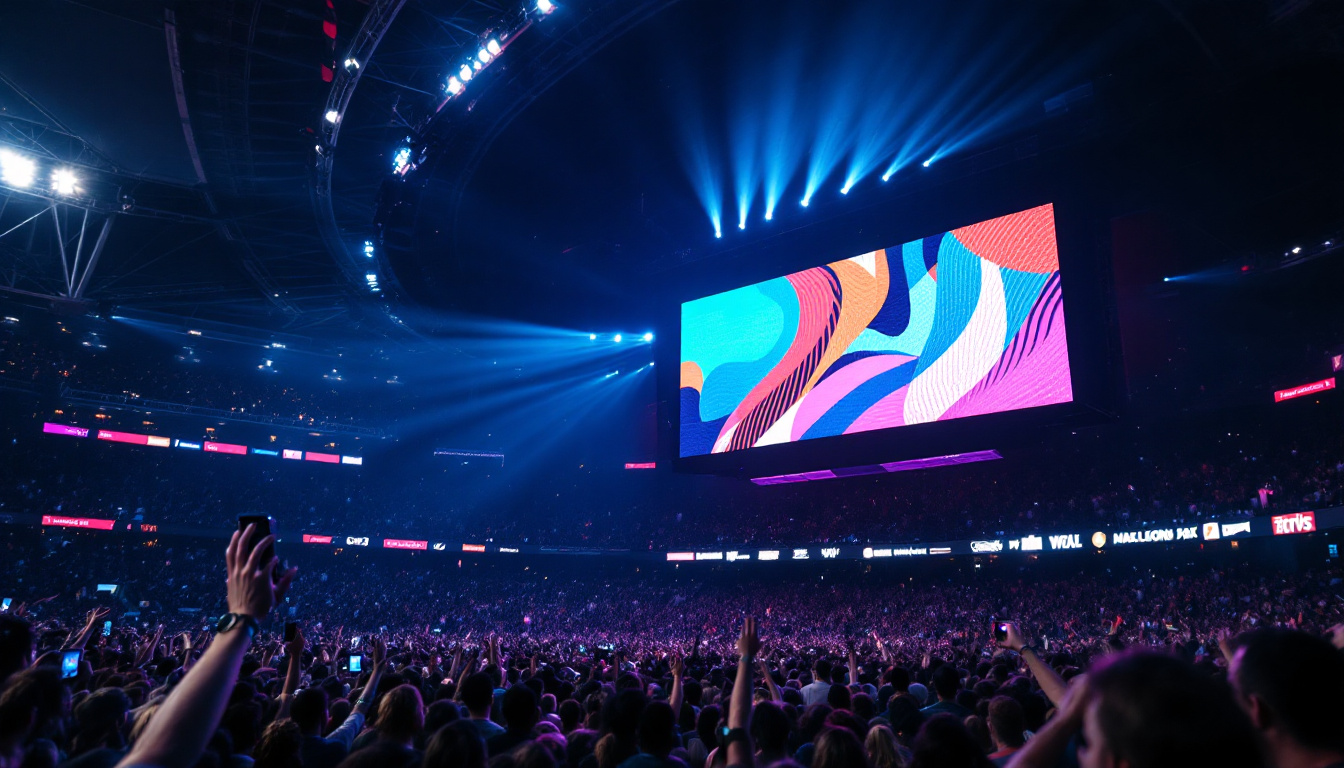
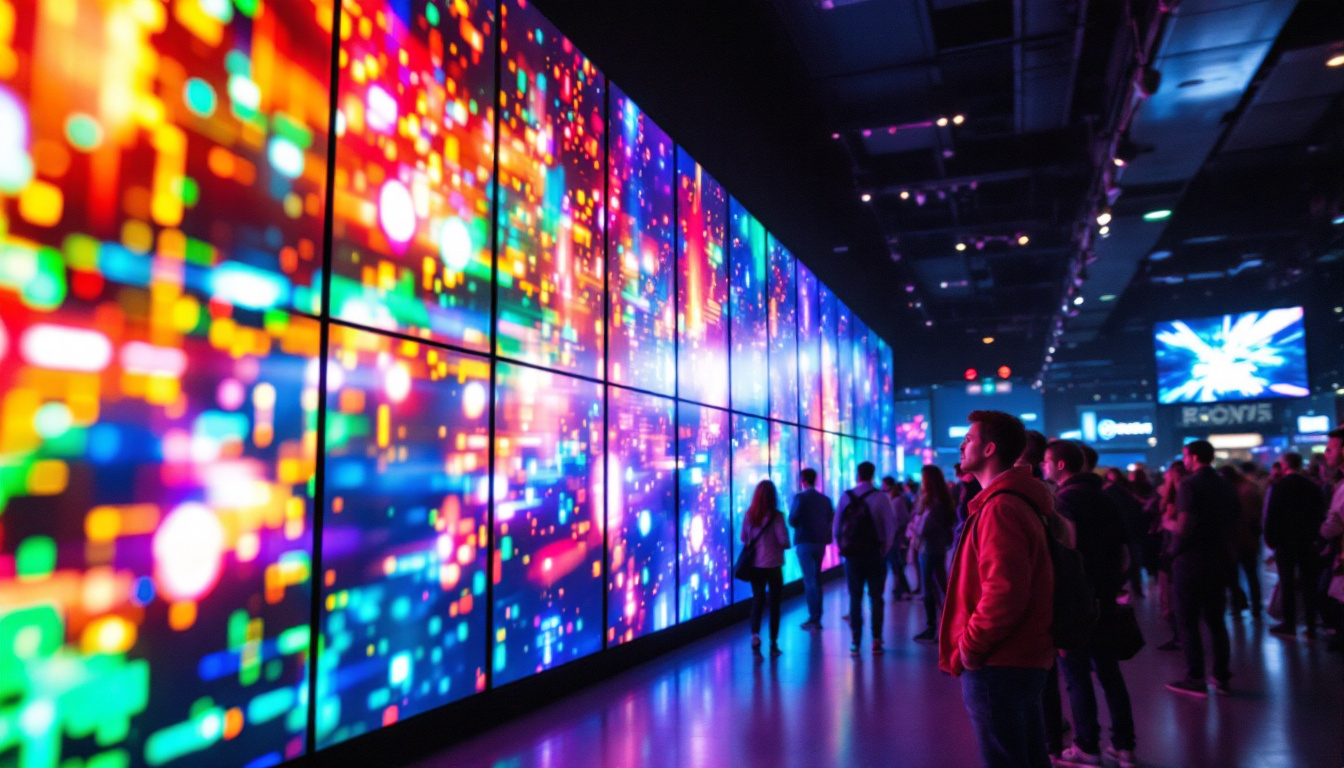
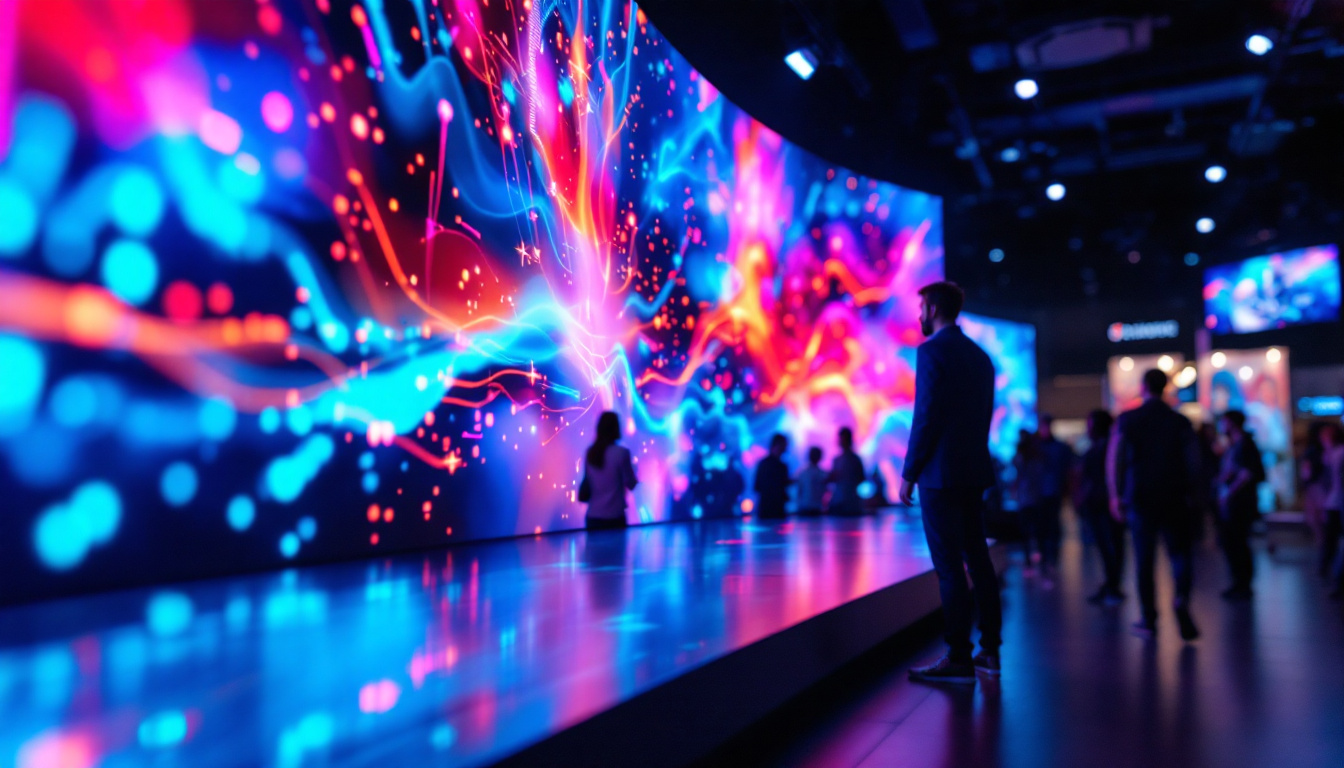
Large-scale LED screens have become standard in stadiums and arenas worldwide. These displays enhance the fan experience by providing live game footage, replays, statistics, and interactive content. The ability to produce ultra-high-definition images on massive screens helps venues attract larger audiences and generate additional revenue through advertising and sponsorships.
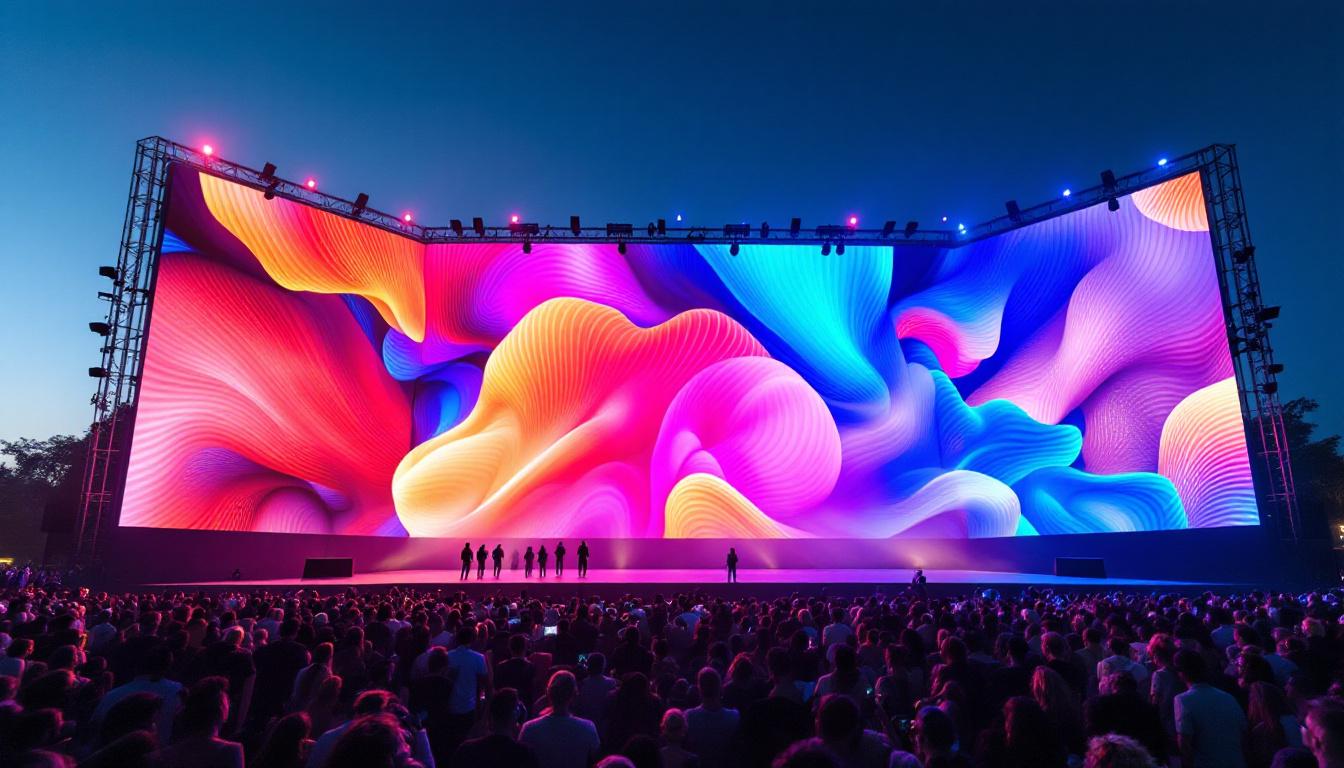
Moreover, LED displays are integral to concerts and festivals, where they serve as backdrops and visual effects that synchronize with performances, creating immersive environments.
Corporate and Retail Environments
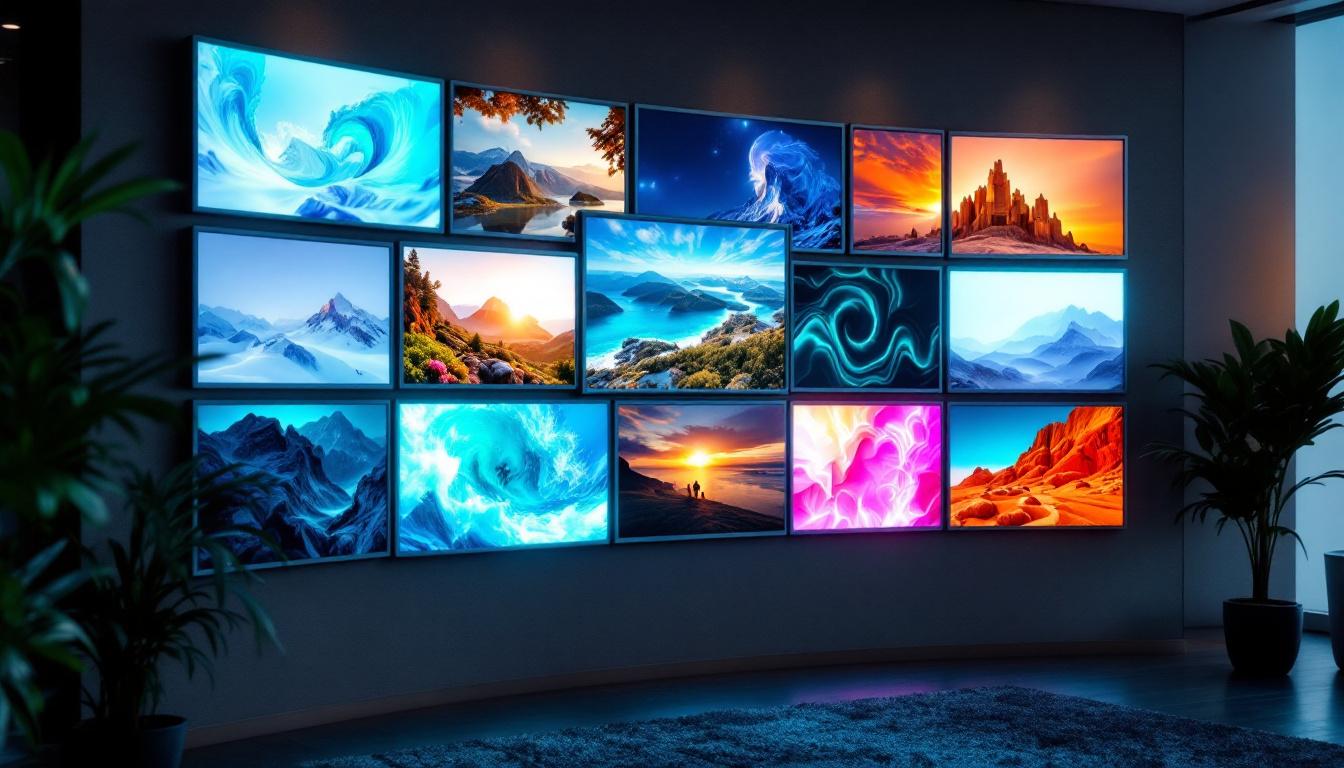
In corporate settings, LED displays are used for presentations, video conferencing, and digital signage. Their clarity and brightness make them suitable for boardrooms, lobbies, and trade shows. Retailers leverage LED screens to attract customers, showcase products, and provide interactive experiences that drive sales.
The rise of smart cities and digital transformation initiatives also sees LED displays integrated into public spaces for wayfinding, public service announcements, and community engagement.
Technological Trends Shaping the Future of LED Displays
Mini-LED and Micro-LED Innovations
Mini-LED and micro-LED technologies represent significant advancements in LED display design. Mini-LEDs use thousands of tiny LEDs as backlighting for LCD panels, improving contrast and brightness dramatically. Micro-LEDs, on the other hand, consist of microscopic LEDs that function as individual pixels, enabling displays with exceptional color accuracy, brightness, and energy efficiency.
These technologies are gaining traction in premium TVs, smartphones, and wearable devices, promising better performance and longer lifespans than current OLED displays.
Higher Resolutions and Pixel Density
As consumer demand for sharper and more immersive visuals grows, manufacturers are pushing the limits of pixel density. Fine pixel pitch LED displays, with pixel pitches below 1 millimeter, are now available for indoor applications, delivering stunning 4K and even 8K resolutions on large screens.
This trend is particularly relevant for control rooms, broadcast studios, and high-end retail environments where image clarity is paramount.
Energy Efficiency and Sustainability
Energy consumption is a critical consideration in LED display design. Modern LED screens incorporate energy-saving features such as adaptive brightness control and efficient power supplies. Additionally, manufacturers are exploring sustainable materials and recycling programs to reduce environmental impact.
With increasing regulatory pressure and consumer awareness, sustainability is becoming a key differentiator for LED screen manufacturers in the global market.
Choosing the Right LED Screen Manufacturer
Evaluating Experience and Expertise
When selecting an LED screen manufacturer, it is essential to consider their experience and technical expertise. Established manufacturers with a proven track record typically offer better product quality, comprehensive support, and innovative solutions tailored to specific needs.
Reviewing case studies, client testimonials, and industry certifications can provide valuable insights into a manufacturer’s capabilities.
Assessing Product Range and Customization Options
A diverse product portfolio allows buyers to find LED displays that fit their exact requirements. Whether the need is for a small indoor screen or a large outdoor billboard, the manufacturer should offer scalable solutions and customization options to ensure optimal performance and integration.
After-Sales Support and Warranty
Reliable after-sales service is crucial for maintaining LED displays, which often operate continuously in demanding environments. Manufacturers that provide comprehensive warranties, technical support, and maintenance services help minimize downtime and extend the lifespan of the investment.
Conclusion
LED displays have revolutionized visual communication across industries, offering unparalleled brightness, color accuracy, and versatility. The role of LED screen manufacturers is pivotal in advancing this technology, delivering customized solutions that meet the evolving demands of advertising, entertainment, corporate, and public sectors.
As innovations like mini-LED and micro-LED continue to emerge, the future of LED displays promises even more impressive visual experiences combined with enhanced energy efficiency and sustainability. Choosing the right manufacturer ensures access to cutting-edge technology, quality assurance, and ongoing support, making it possible to harness the full potential of LED display systems.
Discover Cutting-Edge LED Display Solutions
Ready to elevate your visual communication with the latest in LED technology? Look no further than LumenMatrix, a pioneer in crafting LED display modules that bring your brand to life. Whether you’re in need of an Indoor LED Wall Display, a vibrant Outdoor LED Wall Display, or specialized solutions like Vehicle LED Displays, LED Sports Displays, or even Custom LED Displays, LumenMatrix has the expertise to transform your space. Experience the future of digital signage with our All-in-One LED Display or captivate passersby with an LED Transparent Display. Embrace the power of LumenMatrix to create immersive experiences and deliver your message with unparalleled impact. Check out LumenMatrix LED Display Solutions and join the revolution in visual storytelling.