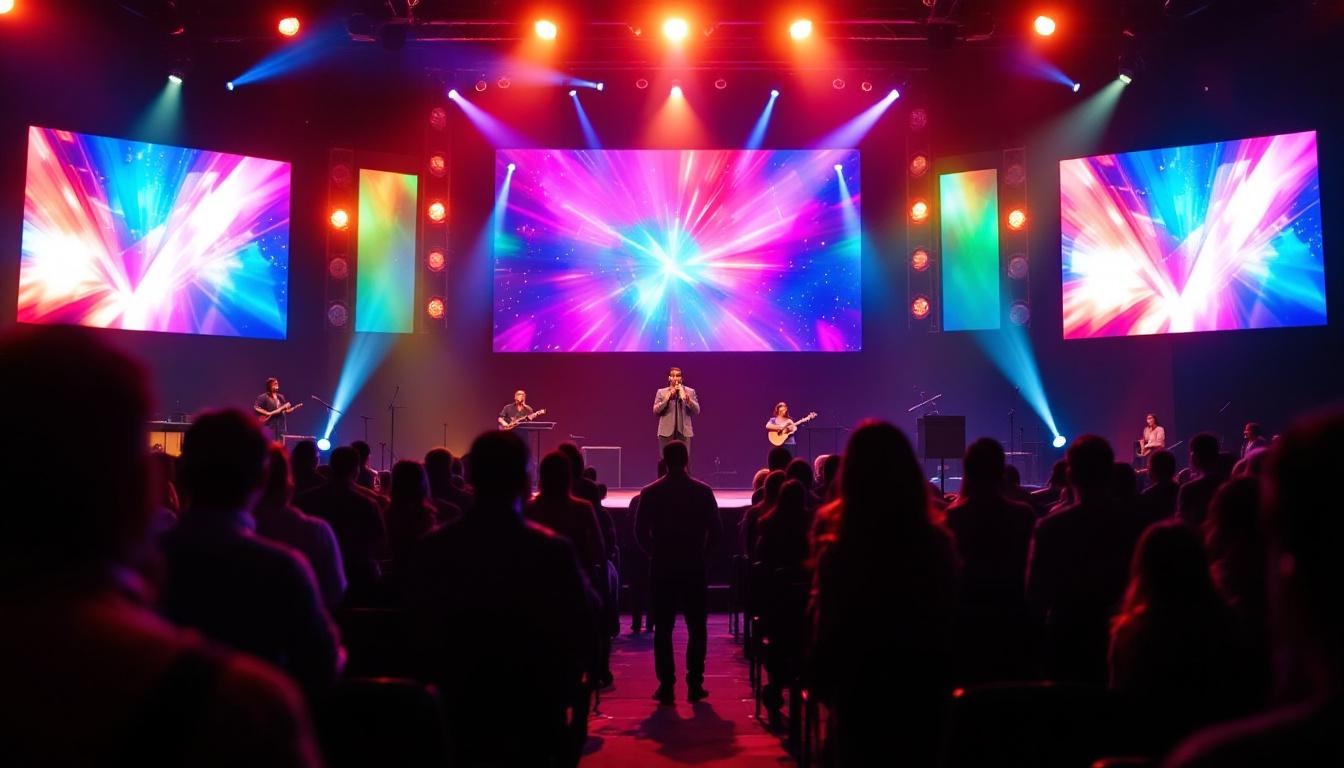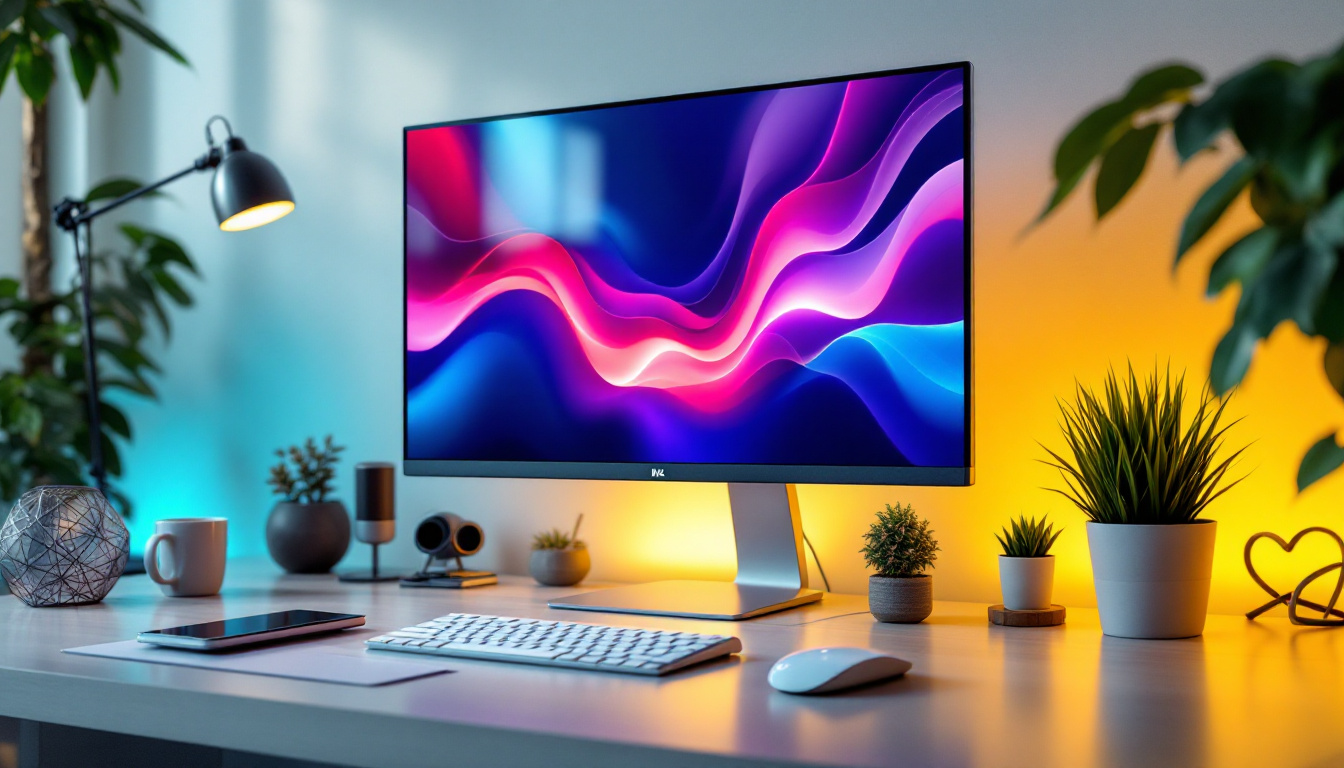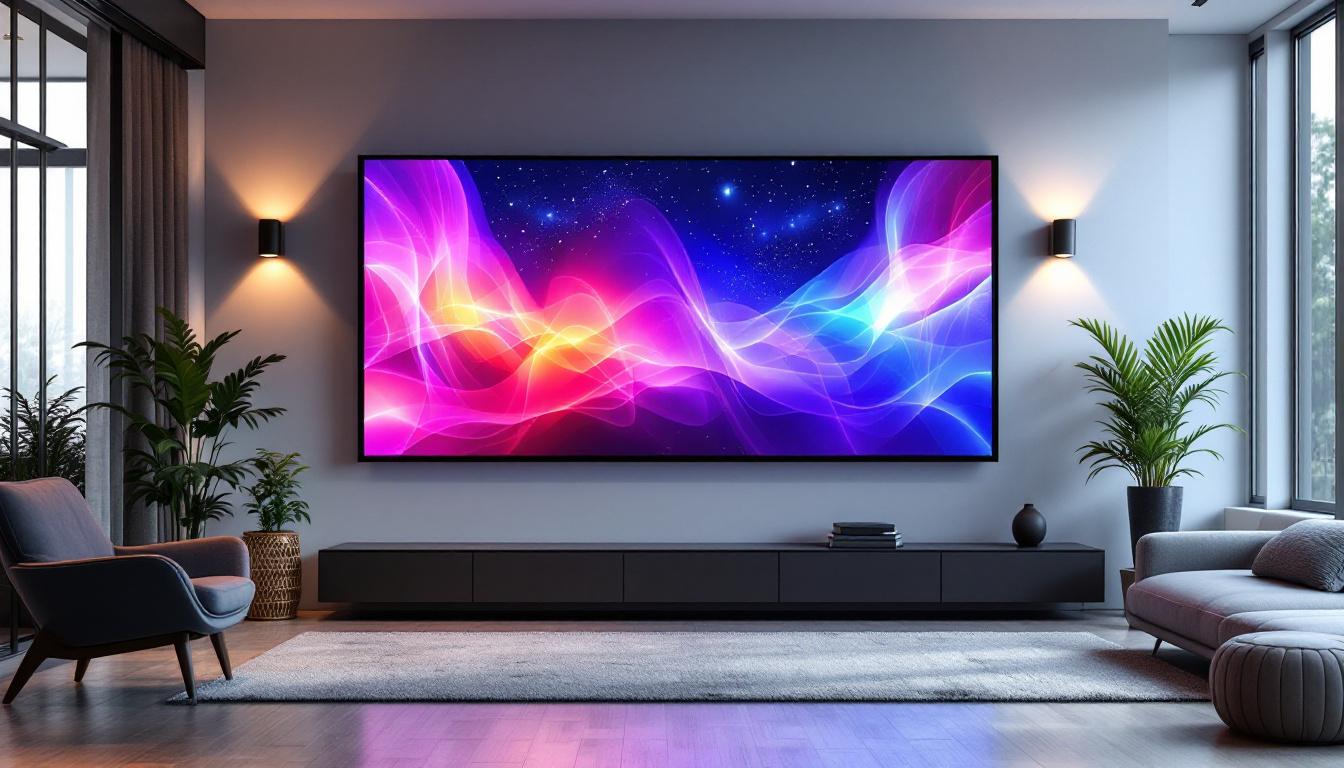
In today’s fast-paced environments—whether in corporate offices, event venues, retail spaces, or exhibition halls—the need for flexible, visually impactful solutions is greater than ever. Temporary walls equipped with LED displays have emerged as a cutting-edge solution, combining the functionality of space division with dynamic digital content. This article explores how to create temporary walls integrated with LED displays, the technology behind them, and practical considerations to help you make informed decisions for your space.
Understanding Temporary Walls and Their Growing Popularity
Temporary walls are freestanding or modular partitions designed to quickly divide or transform spaces without permanent construction. Unlike traditional drywall or fixed partitions, these walls can be assembled, disassembled, and relocated with minimal effort.
The rise in flexible workspace designs, pop-up retail concepts, and immersive event experiences has fueled demand for temporary walls that do more than just separate space—they communicate, engage, and enhance ambiance. Integrating LED displays into these walls adds an interactive and visually compelling dimension that static partitions cannot match.
Why Choose Temporary Walls with LED Displays?
LED technology offers vibrant, high-resolution visuals that attract attention and convey messages effectively. When embedded into temporary walls, LED displays can serve multiple purposes:
- Dynamic Branding: Businesses can showcase logos, promotional content, or themed visuals that align with marketing campaigns.
- Wayfinding and Information: In large venues or conferences, LED walls can display schedules, directions, or announcements.
- Ambiance and Experience: LED visuals can transform the mood of a space with changing colors, animations, or interactive elements.
According to a 2023 report by MarketsandMarkets, the global LED display market is projected to grow at a CAGR of 14.6% through 2028, reflecting increasing adoption in commercial and event settings. This trend underscores the value and versatility of LED-integrated temporary walls.
Key Components of Temporary Walls with LED Displays
Creating a temporary wall with an LED display involves integrating several components that work seamlessly together. Understanding these elements is crucial for designing a system that is both functional and visually effective.
Modular Wall Frames
The foundation of any temporary wall is its frame. Modular frames are typically made from lightweight but sturdy materials such as aluminum or steel, designed for easy assembly and disassembly. These frames must support the weight of the LED panels while maintaining stability and safety.
Many manufacturers offer standardized modular systems that allow for customization in size and shape, making it easier to adapt the wall to different venues or configurations.
LED Display Panels
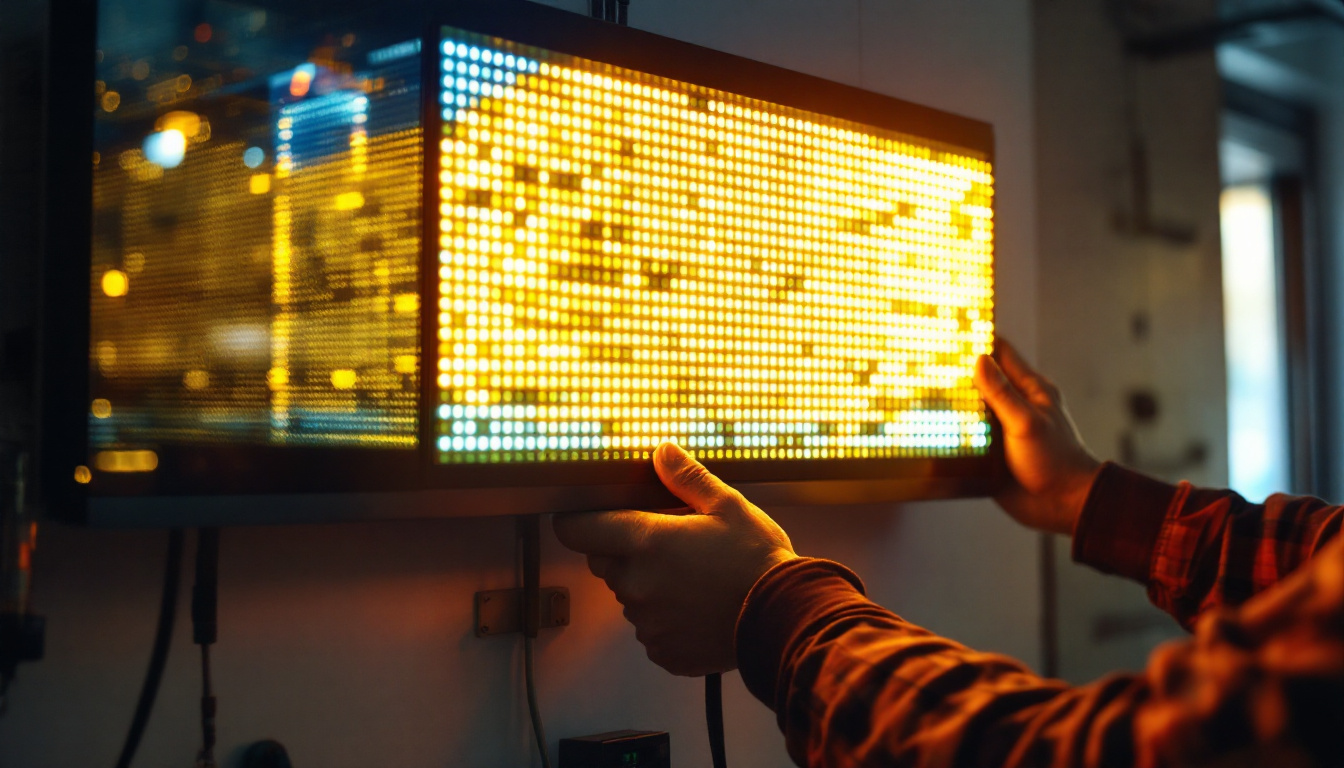
LED panels are the core visual element. These panels consist of arrays of light-emitting diodes that create images and videos with high brightness and contrast. When selecting LED panels for temporary walls, several factors should be considered:
- Pixel Pitch: This refers to the distance between individual LEDs. Smaller pixel pitches (e.g., 1.5mm to 3mm) provide higher resolution and are ideal for close viewing distances, while larger pitches are suitable for viewing from afar.
- Brightness: LED panels must be bright enough to be visible under various lighting conditions, including outdoor or well-lit indoor environments. Typical brightness levels range from 1,000 to 5,000 nits.
- Weight and Thickness: Lightweight and slim panels facilitate easier installation and reduce the load on the wall frame.
- Durability: Panels should be robust and resistant to damage during transport and setup, especially if the wall is frequently moved.
Power and Data Infrastructure
LED displays require reliable power sources and data connections to operate. Temporary walls must include concealed wiring channels or cable management solutions to maintain a clean appearance and prevent hazards.
Power supplies need to be sized appropriately to handle the total wattage of the LED panels, and data connections—often via Ethernet or proprietary protocols—must ensure smooth content delivery without lag or distortion.
Content Management Systems (CMS)
The visual content displayed on LED walls is controlled by software platforms known as content management systems. These systems allow users to upload, schedule, and customize content remotely, often supporting real-time updates and interactive features.
Choosing a CMS that is user-friendly and compatible with your LED hardware is essential for maximizing the impact of your temporary wall.
Step-by-Step Guide: How to Build a Temporary Wall with an LED Display
Building a temporary wall with an LED display requires careful planning, coordination, and execution. Below is a step-by-step process to guide you through the project.
1. Define Your Objectives and Space Requirements
Start by clarifying the purpose of the temporary wall. Are you aiming to create a branded backdrop for an event, partition a workspace, or provide interactive information? Understanding your goals will influence the size, resolution, and content strategy for the LED display.
Measure the available space accurately, considering ceiling height, floor area, and access points for installation. This ensures the wall fits perfectly and complies with safety regulations.
2. Select the Appropriate LED Panels and Wall System
Based on your objectives and space, choose LED panels with suitable pixel pitch and brightness. For example, a retail pop-up might benefit from high-resolution panels with vibrant colors, while a conference center might prioritize larger panels with excellent visibility from a distance.
Pair the LED panels with a modular wall frame system that supports the total weight and allows for quick assembly. It’s advisable to work with suppliers who provide integrated solutions designed specifically for LED temporary walls.
3. Plan Power and Data Connectivity
Ensure that your venue can supply adequate power for the LED system. Temporary walls often require dedicated circuits to prevent overloads. Additionally, plan the routing of data cables to connect the LED panels to the control system, avoiding visible wires that could detract from the wall’s aesthetics.
4. Assemble the Wall Structure
Begin by erecting the modular frame according to manufacturer instructions. Use levelers and supports to maintain stability. Once the frame is secure, mount the LED panels carefully, aligning them precisely to create a seamless display surface.
Take care to protect the LED modules during installation, using gloves and handling tools designed for delicate electronics.
5. Connect and Test the LED Display
After installation, connect all power and data cables. Power on the system and run diagnostic tests to check for dead pixels, color consistency, and brightness uniformity. Adjust settings as necessary to optimize image quality.
6. Configure Content and Schedule Playback
Using the CMS, upload your visual content and schedule playback according to your event or operational needs. Test transitions, animations, and any interactive features to ensure smooth performance.
7. Maintain and Monitor the Wall
During use, monitor the LED display for any technical issues. Temporary walls with LED displays require periodic cleaning and maintenance to preserve image quality and prevent hardware failures.
Applications and Benefits of LED-Integrated Temporary Walls
The versatility of temporary walls with LED displays makes them suitable for a wide range of applications across industries.
Corporate and Office Environments
Modern offices increasingly embrace flexible layouts to foster collaboration and adaptability. LED temporary walls can create meeting pods, quiet zones, or presentation areas that also serve as digital signage for announcements or branding.
This approach reduces renovation costs and downtime while enhancing the workplace atmosphere.
Events and Exhibitions
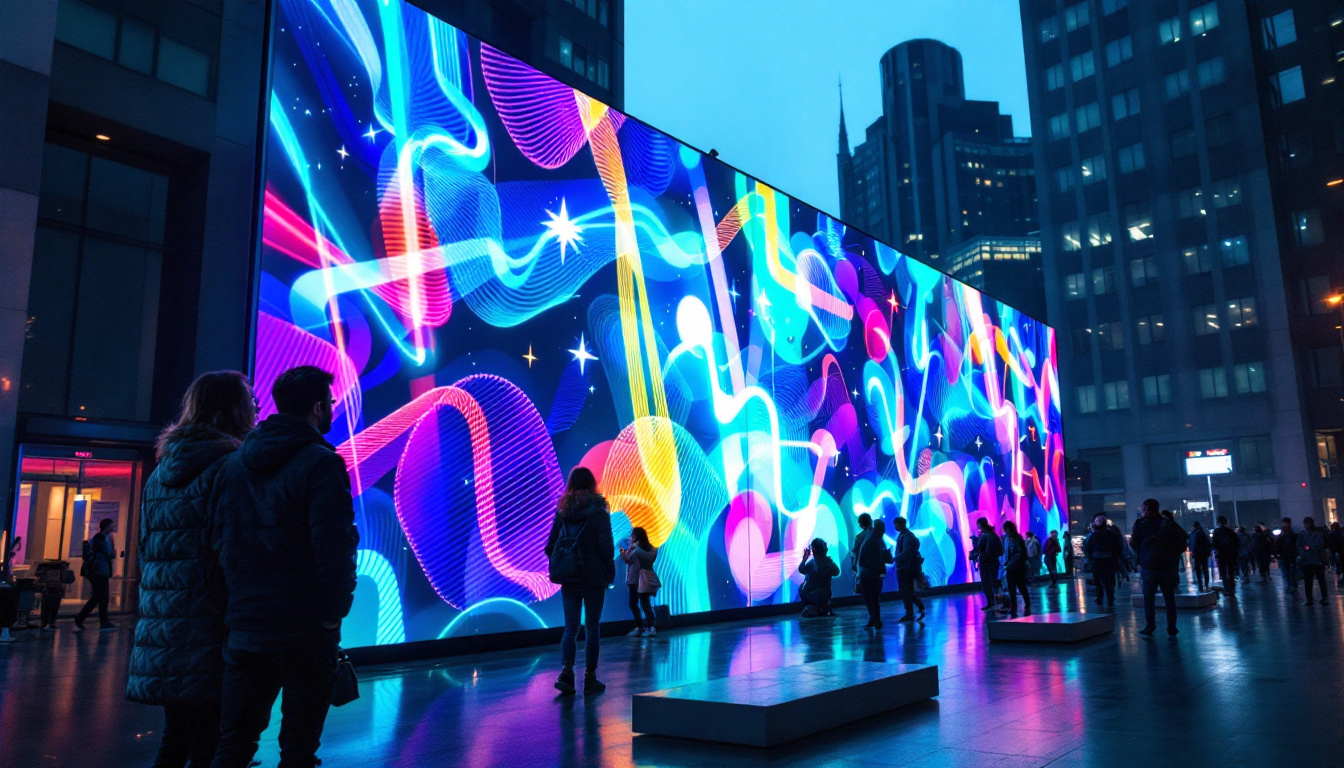
Trade shows, conferences, and festivals benefit immensely from LED walls that attract visitors and provide immersive experiences. Temporary LED walls allow organizers to tailor spaces dynamically, changing visuals to suit different sessions or themes.
For example, a product launch can feature high-impact video content on LED walls that captivate audiences and reinforce messaging.
Retail and Hospitality
Retailers use LED temporary walls to create pop-up shops or seasonal displays that draw customers and highlight promotions. Hotels and restaurants incorporate LED walls to enhance ambiance, display menus, or host interactive entertainment.
Educational and Public Spaces
Schools, museums, and public venues utilize LED temporary walls for informational displays, wayfinding, and interactive exhibits. The ability to update content quickly ensures relevance and engagement.
Challenges and Considerations When Using LED Temporary Walls
While LED-integrated temporary walls offer many advantages, there are challenges to address to ensure successful implementation.
Cost Implications
High-quality LED panels and modular wall systems represent a significant investment. Budgeting should account not only for hardware but also for installation, content creation, and ongoing maintenance.
Technical Expertise
Installing and managing LED displays requires specialized knowledge. Partnering with experienced vendors or technicians is essential to avoid common pitfalls such as improper calibration or connectivity issues.
Venue Restrictions and Safety
Temporary walls must comply with fire codes, accessibility standards, and structural safety regulations. Coordination with venue management and local authorities is necessary to ensure compliance.
Content Strategy
Effective use of LED walls depends on compelling and well-planned content. Poorly designed visuals can detract from the user experience and reduce the return on investment.
Future Trends in Temporary Walls and LED Display Technology
The intersection of temporary walls and LED technology continues to evolve, driven by innovations in materials, display capabilities, and interactivity.
Flexible and Transparent LED Panels
Emerging LED panels that are flexible or transparent are opening new possibilities for temporary walls. These panels can curve around corners or overlay glass surfaces, creating futuristic designs and enhancing spatial dynamics.
Integration with Smart Building Systems
LED temporary walls are increasingly integrated with IoT and smart building platforms, enabling automated content changes based on occupancy, time of day, or environmental conditions.
Augmented Reality and Interactive Features
Combining LED displays with AR and touch-sensitive technologies allows for highly engaging experiences, particularly in retail and events. Visitors can interact with content, personalize displays, or participate in gamified environments.
Conclusion
Temporary walls with integrated LED displays represent a powerful tool for modern space design, blending physical partitioning with dynamic digital communication. By understanding the technology, components, and best practices involved, organizations can create adaptable environments that captivate audiences, enhance functionality, and maximize return on investment.
Whether for corporate offices, events, retail, or public spaces, the strategic use of LED temporary walls is poised to redefine how spaces are configured and experienced in the years to come.
Discover LumenMatrix LED Display Solutions
Ready to transform your space with the versatility and visual impact of LED temporary walls? LumenMatrix is at the forefront of LED display innovation, offering a wide array of solutions that cater to your unique needs. From Indoor and Outdoor LED Wall Displays to specialized applications like Vehicle, Sports, and Floor LED Displays, our products are designed to elevate your brand and create immersive experiences. Embrace the future of visual communication with LumenMatrix and let us help you share your message with unparalleled clarity. Check out LumenMatrix LED Display Solutions today and start redefining your space.