In an era where digital screens dominate our daily interactions, understanding the technology behind these displays is essential. Among the various display technologies, LED displays stand out for their brightness, energy efficiency, and versatility. This article delves into the I Touch Active LED display technology, explaining its fundamentals, applications, and benefits, helping readers grasp why it’s becoming a preferred choice in many industries.
What is I Touch Active LED Display?
The term “I Touch Active” refers to a specific type of LED display technology designed to enhance interactivity and visual performance. At its core, it combines the high-quality illumination of LEDs with touch-sensitive interfaces, enabling users to interact directly with the display surface. This integration makes it ideal for environments where both vivid visuals and responsive touch controls are necessary.
Unlike traditional LED displays that serve primarily as passive screens, I Touch Active LED displays incorporate capacitive or infrared touch sensors that detect user inputs. This feature transforms the display into an interactive panel, suitable for applications ranging from digital signage to interactive kiosks and control rooms. The versatility of I Touch Active displays allows them to be utilized in a variety of settings, from retail environments showcasing products to educational institutions engaging students with interactive learning tools.
In addition to their touch capabilities, I Touch Active LED displays often boast high-definition resolutions and wide viewing angles, ensuring that content is not only interactive but also visually stunning. The vibrant colors and sharp contrasts provided by LED technology make these displays perfect for showcasing dynamic content, such as videos, animations, and real-time data feeds. This combination of interactivity and visual appeal can significantly enhance user engagement and retention, making it a powerful tool for marketers and educators alike.
How Does I Touch Active Differ from Conventional LED Displays?
Conventional LED displays typically focus on delivering bright, clear images, often used for advertising, scoreboard displays, or large-scale video walls. However, they lack inherent touch capabilities, requiring external devices or overlays for interactivity. I Touch Active LED displays integrate touch functionality directly into the panel, eliminating the need for additional layers that can degrade image quality or responsiveness.
Moreover, I Touch Active technology often includes advanced calibration and multi-touch support, allowing multiple users to engage simultaneously. This capability is particularly valuable in collaborative settings such as classrooms, business meetings, and public information points. For instance, in a classroom, teachers can use these displays to facilitate group activities, enabling students to work together on projects or presentations in real-time. In corporate environments, teams can brainstorm and visualize ideas on the display, fostering creativity and collaboration. The seamless integration of touch and display technology not only enhances the user experience but also encourages active participation, making it a game-changer in various fields.
The Technology Behind I Touch Active LED Displays
Understanding the technology that powers I Touch Active LED displays requires exploring two main components: the LED matrix and the touch sensing mechanism.
LED Matrix: The Visual Backbone
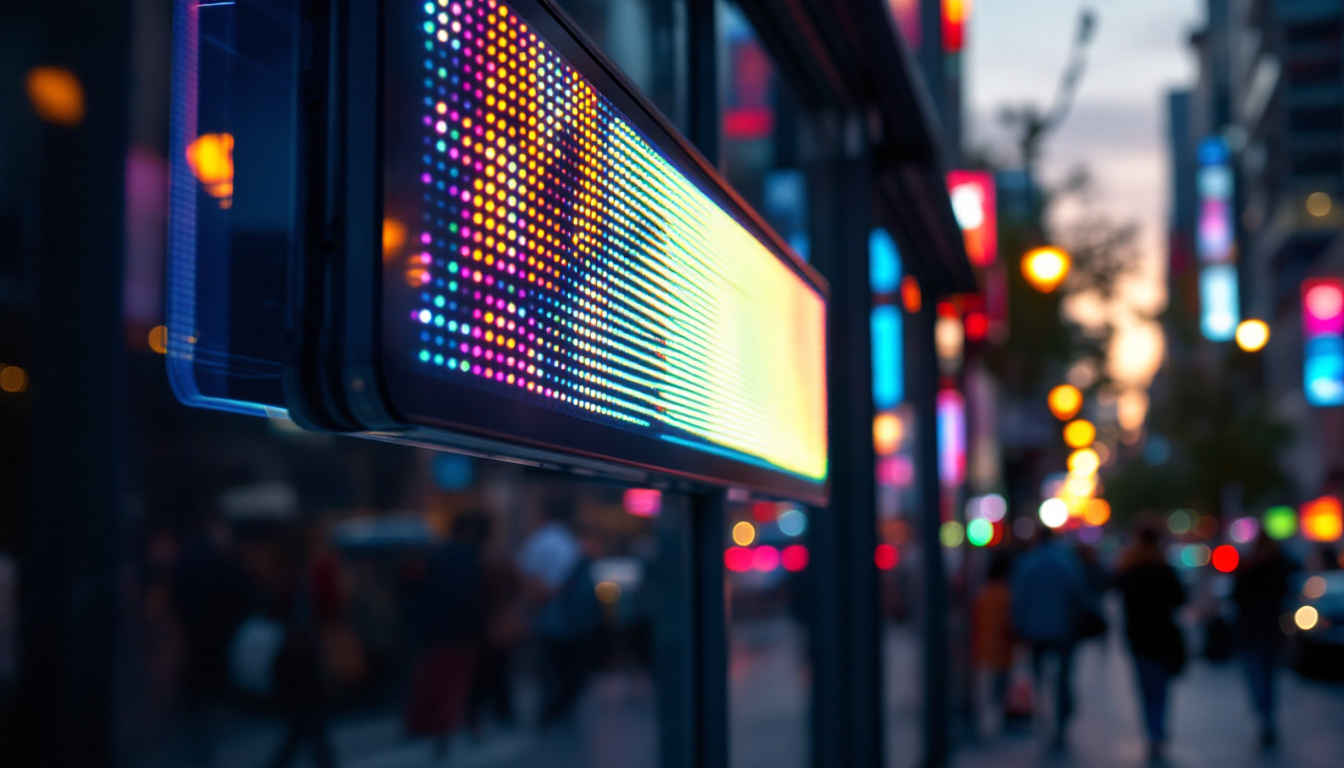
LED displays consist of an array of light-emitting diodes arranged in a grid. Each diode acts as a pixel, capable of emitting light in various colors by combining red, green, and blue LEDs. The resolution and pixel pitch (distance between pixels) determine the display’s clarity and detail.
I Touch Active displays utilize high-density LED matrices to produce sharp images even at close viewing distances. Advances in LED manufacturing have allowed for smaller pixel pitches, sometimes as low as 0.9mm, enabling ultra-high-definition visuals suitable for indoor environments. This high pixel density not only enhances image quality but also provides a more immersive experience for users, making it ideal for applications in education, corporate presentations, and interactive advertising.
Furthermore, the brightness levels of these displays can reach up to 2,500 nits, ensuring visibility even in brightly lit spaces. This capability is particularly beneficial for environments such as shopping malls or conference halls, where ambient light can often wash out traditional displays. The combination of high resolution and brightness makes I Touch Active displays a versatile choice for a variety of settings, from classrooms to retail spaces.
Touch Sensing Technologies
The interactive aspect of I Touch Active displays is made possible through touch sensing technologies, primarily capacitive and infrared systems.
- Capacitive Touch: This technology detects changes in the electrical field caused by the conductive properties of a human finger. It offers high accuracy and supports multi-touch gestures but requires a conductive touch surface.
- Infrared Touch: Infrared sensors create a grid of invisible light beams across the display surface. When a finger or object interrupts these beams, the system registers the touch point. Infrared touch is durable and works with any input type, including gloves or styluses.
I Touch Active displays often employ capacitive touch for its responsiveness and clarity, but some models integrate infrared sensors to accommodate diverse user needs and environments. The choice between these technologies can significantly impact user experience; for instance, capacitive touch is often preferred for applications requiring fine gestures, such as drawing or design work, while infrared touch is favored in industrial settings where users may wear gloves or need to interact with the display using various tools.
Moreover, the integration of advanced software algorithms enhances the touch experience by minimizing latency and improving gesture recognition. This allows for seamless interactions, enabling users to navigate through applications or presentations with ease. As touch technology continues to evolve, I Touch Active displays are likely to incorporate even more sophisticated features, such as haptic feedback, which can provide tactile responses to touch, further enriching user engagement and interaction.
Applications of I Touch Active LED Displays
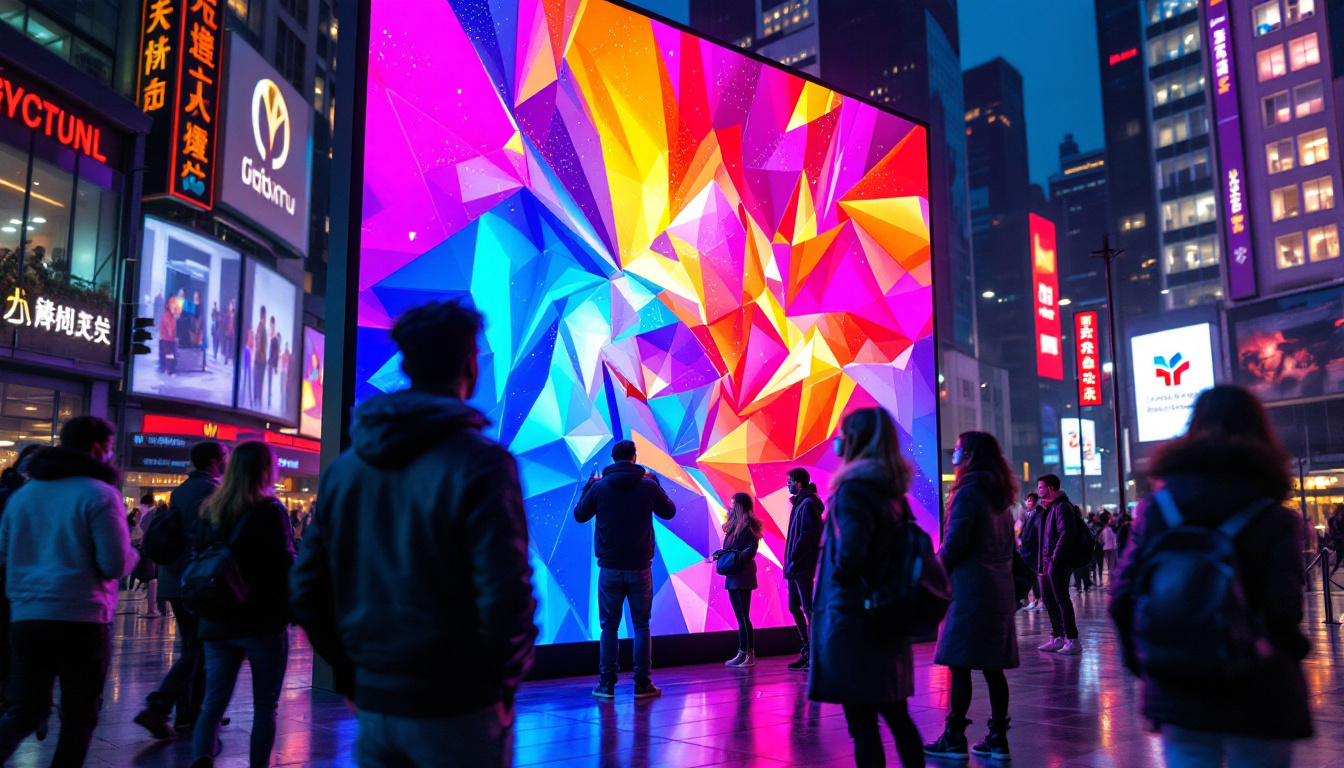
The versatility of I Touch Active LED displays has led to their adoption across various sectors. Their combination of bright visuals and touch interactivity makes them suitable for both commercial and public use.
Retail and Advertising
In retail environments, engaging customers through interactive displays can significantly enhance the shopping experience. I Touch Active LED displays enable dynamic product showcases, interactive catalogs, and personalized promotions. For example, clothing stores use these displays to allow customers to browse styles, check availability, or even virtually try on items using augmented reality features integrated with the touch interface.
According to a 2023 report by the Digital Signage Federation, interactive digital signage increases customer engagement by up to 47%, leading to higher conversion rates. The vividness and responsiveness of I Touch Active LED displays make them a powerful tool in this context.
Education and Training
Interactive learning environments benefit greatly from I Touch Active LED technology. Large-format touch displays facilitate collaborative lessons, interactive presentations, and real-time feedback. Schools and universities increasingly adopt these displays to replace traditional whiteboards, offering richer content and more engaging teaching methods.
Furthermore, corporate training centers use I Touch Active LED displays to simulate real-world scenarios, enhancing skill acquisition and retention. The ability to support multiple simultaneous touch points encourages group activities and brainstorming sessions.
Control Rooms and Command Centers
In critical environments such as control rooms for utilities, transportation, or emergency services, quick access to information and the ability to manipulate data visually are paramount. I Touch Active LED displays provide operators with high-resolution visuals combined with intuitive touch controls, enabling rapid decision-making and efficient monitoring.
The durability and reliability of LED technology also ensure continuous operation under demanding conditions, which is crucial for mission-critical applications.
Advantages of I Touch Active LED Displays
The integration of LED display technology with touch interactivity offers several advantages that distinguish I Touch Active displays from other digital display options.
Superior Visual Quality
LED displays are known for their brightness, color accuracy, and contrast ratios. I Touch Active displays maintain these qualities while adding touch functionality without compromising image clarity. This is particularly important in environments with varying ambient light conditions where screen readability is essential.
Energy Efficiency and Longevity
Compared to traditional LCD or plasma screens, LED displays consume less power and have longer operational lifespans. This efficiency reduces operational costs, especially in installations that run continuously, such as public information kiosks or advertising billboards.
Enhanced User Engagement
The touch capabilities of I Touch Active displays foster direct interaction, making content more engaging and accessible. This interactivity can lead to improved information retention, higher customer satisfaction, and more effective communication.
Customization and Scalability
I Touch Active LED displays come in various sizes and configurations, allowing customization to fit specific needs. Whether it’s a small interactive kiosk or a large video wall, these displays can be scaled and tailored to the application, offering flexibility for future upgrades or expansions.
Challenges and Considerations
Despite their advantages, I Touch Active LED displays also present certain challenges that users and installers should consider.
Initial Investment
The upfront cost of I Touch Active LED displays can be higher than traditional displays due to the integration of touch technology and high-quality LED panels. However, the long-term benefits in terms of durability, energy savings, and user engagement often justify the investment.
Maintenance and Calibration
Touch-sensitive LED displays require regular maintenance to ensure optimal performance. Calibration of touch sensors is necessary to maintain accuracy, especially in high-use environments. Additionally, LED panels may require periodic servicing to address dead pixels or brightness uniformity issues.
Environmental Factors
While LED displays are robust, factors such as extreme temperatures, humidity, and direct sunlight exposure can affect performance. Selecting the appropriate enclosure and protective measures is crucial for outdoor or harsh environment installations.
The Future of I Touch Active LED Displays
As technology continues to evolve, I Touch Active LED displays are poised to become even more integral to how people interact with digital content. Emerging trends include the incorporation of artificial intelligence to personalize user experiences, integration with Internet of Things (IoT) devices for smarter environments, and advances in flexible and transparent LED panels.
Moreover, improvements in touch sensitivity and multi-user capabilities will expand the range of applications, from immersive retail experiences to advanced collaborative workspaces. The convergence of high-resolution visuals and seamless interactivity positions I Touch Active LED displays as a cornerstone of future digital interfaces.
Conclusion
I Touch Active LED displays represent a significant advancement in display technology by marrying the vibrant, energy-efficient qualities of LEDs with responsive touch interactivity. Their application across retail, education, control centers, and beyond highlights their versatility and effectiveness in enhancing user engagement and communication.
While initial costs and maintenance considerations exist, the long-term benefits and expanding capabilities make I Touch Active LED displays a compelling choice for organizations seeking dynamic and interactive digital solutions. As the technology matures, it will undoubtedly play a pivotal role in shaping the future of digital interaction.
Discover LumenMatrix’s Interactive LED Solutions
Ready to elevate your space with the vibrant and interactive display technology discussed in this article? LumenMatrix, a pioneer in LED innovation, offers a wide array of LED display solutions tailored to meet your needs. From captivating Indoor and Outdoor LED Wall Displays to dynamic Vehicle and Sports LED Displays, our products are designed to transform your visual communication and audience engagement. Experience the future of interactive digital signage with LumenMatrix and let your message resonate with clarity and impact. Check out LumenMatrix LED Display Solutions today and step into a world of vivid imagery and touch interactivity.