In today’s digital age, LED displays have become an integral part of how we communicate visually, from advertising billboards to stadium screens and even our smartphones. But what exactly is an LED display, how does it work, and why has it become the preferred technology for so many applications? This comprehensive guide will explore the fundamentals of LED displays, their types, advantages, and the latest trends shaping the market.
Understanding LED Display Technology
LED stands for Light Emitting Diode, a semiconductor device that emits light when an electric current passes through it. An LED display is composed of numerous tiny LEDs arranged in a matrix to form images, videos, or text. Unlike traditional LCD or plasma screens, LED displays use these diodes as individual light sources, offering superior brightness and energy efficiency. This technology has revolutionized the way we interact with visual media, providing vibrant colors and sharp contrasts that enhance the viewing experience.
How LED Displays Work
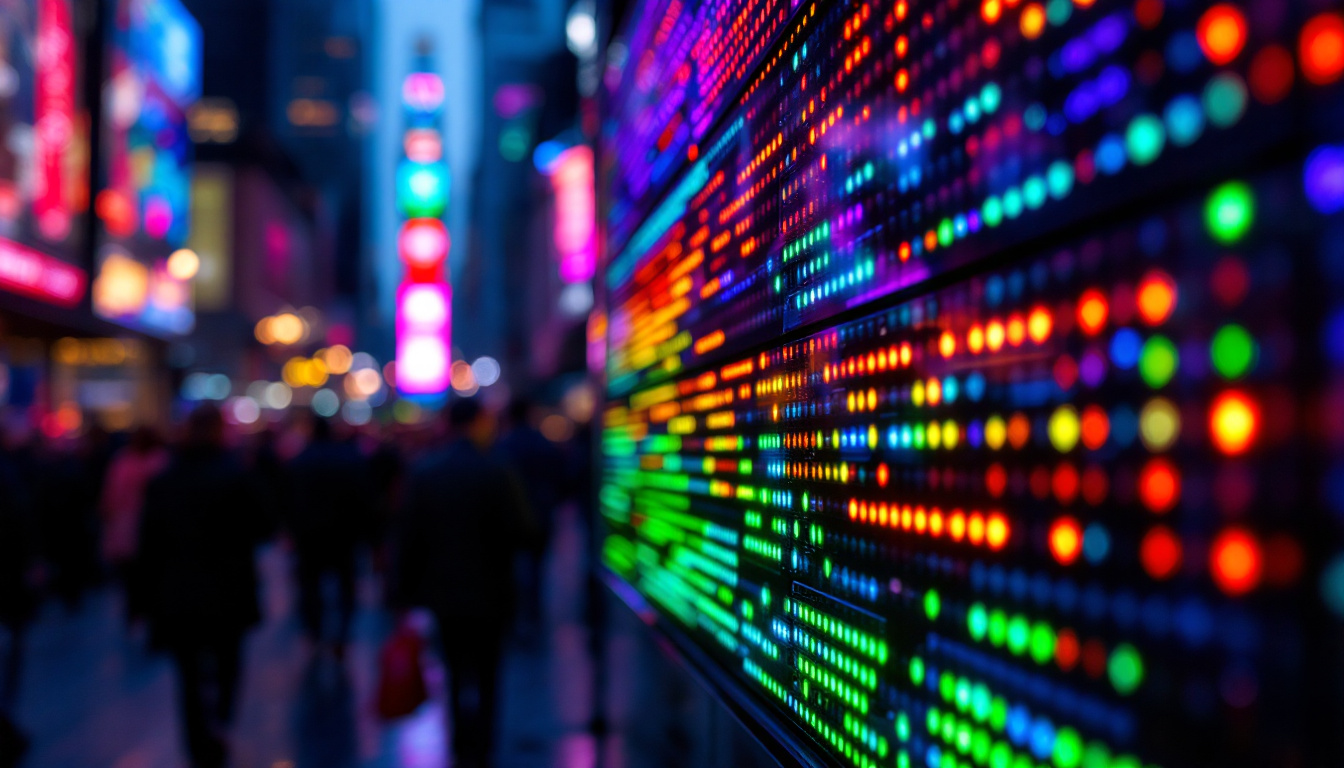
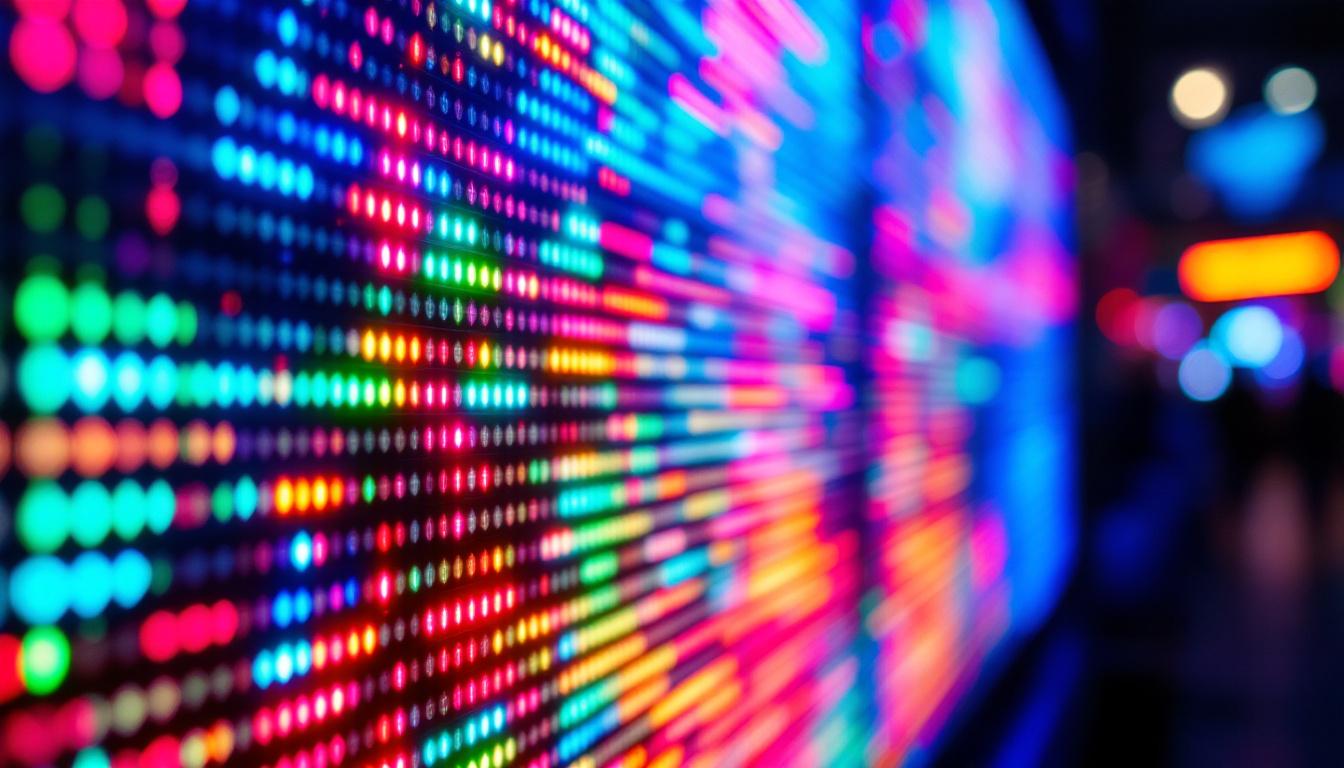
Each LED in the display emits light of a specific color—typically red, green, or blue (RGB). By varying the intensity of these three colors, the display can produce a wide spectrum of colors. LEDs are controlled by integrated circuits that regulate the current and timing, allowing for precise control over the image quality and refresh rate. This precision is essential for applications requiring high-definition visuals, such as live events or digital signage, where clarity and impact are paramount.
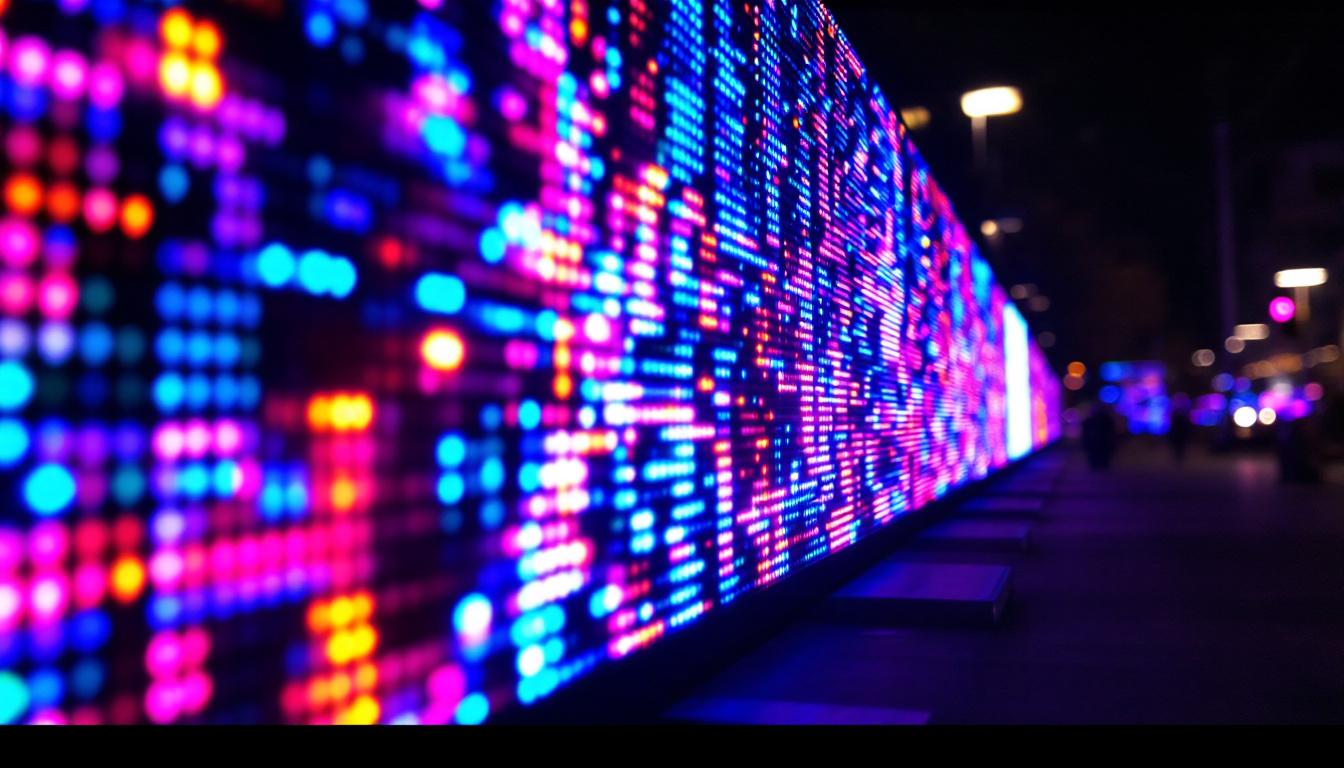
The LEDs are mounted on panels, which are then tiled together to create larger displays. The resolution depends on the pixel pitch—the distance between the centers of two adjacent LEDs. Smaller pixel pitches mean higher resolution and sharper images, which is crucial for close viewing distances. Additionally, advancements in technology have led to the development of high-density LED displays that can achieve remarkable resolutions, making them suitable for everything from large-scale concerts to immersive art installations.
Types of LED Displays
LED displays come in various types, each suited for different environments and purposes:
- Indoor LED Displays: Designed for controlled lighting conditions, these displays have a smaller pixel pitch (often less than 2 mm) to deliver high resolution and crisp images at close range. Commonly used in conference rooms, retail stores, and broadcast studios, they provide an engaging way to present information and advertisements, often incorporating interactive elements to enhance viewer engagement.
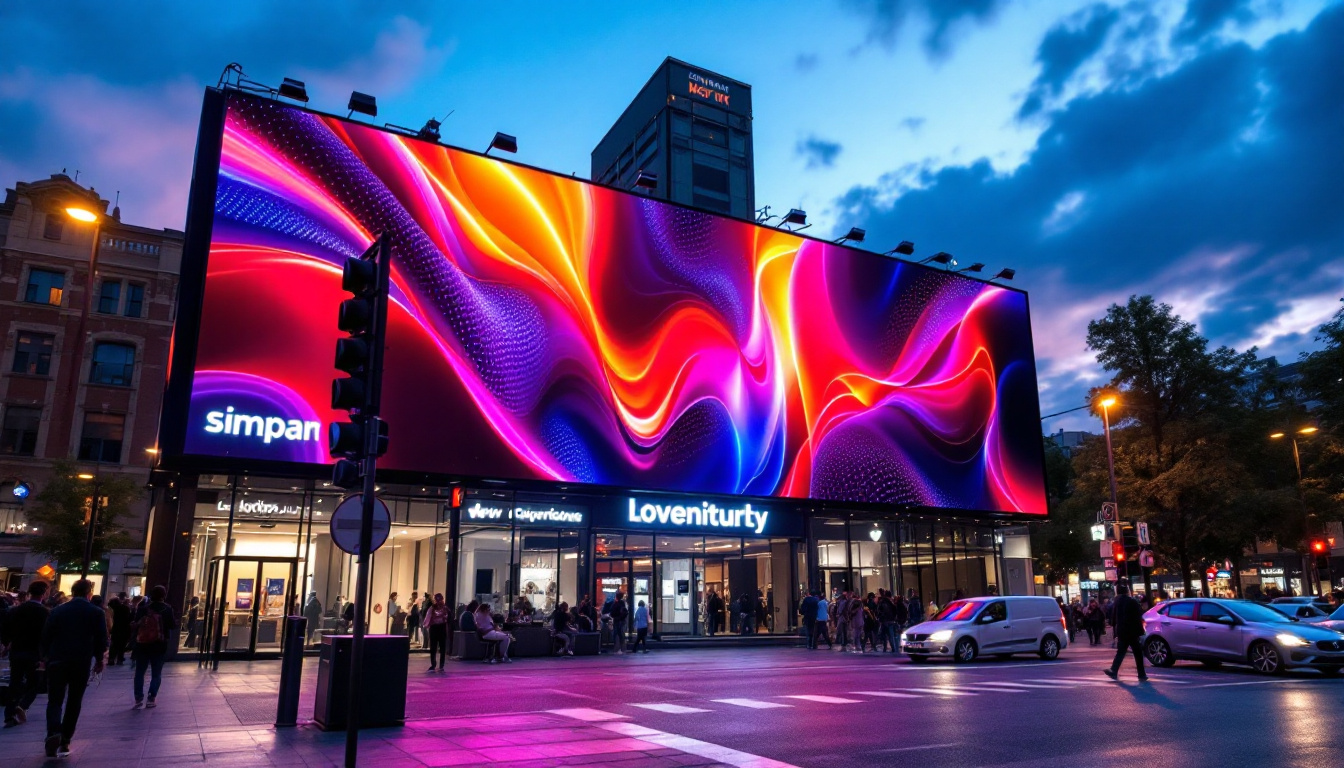
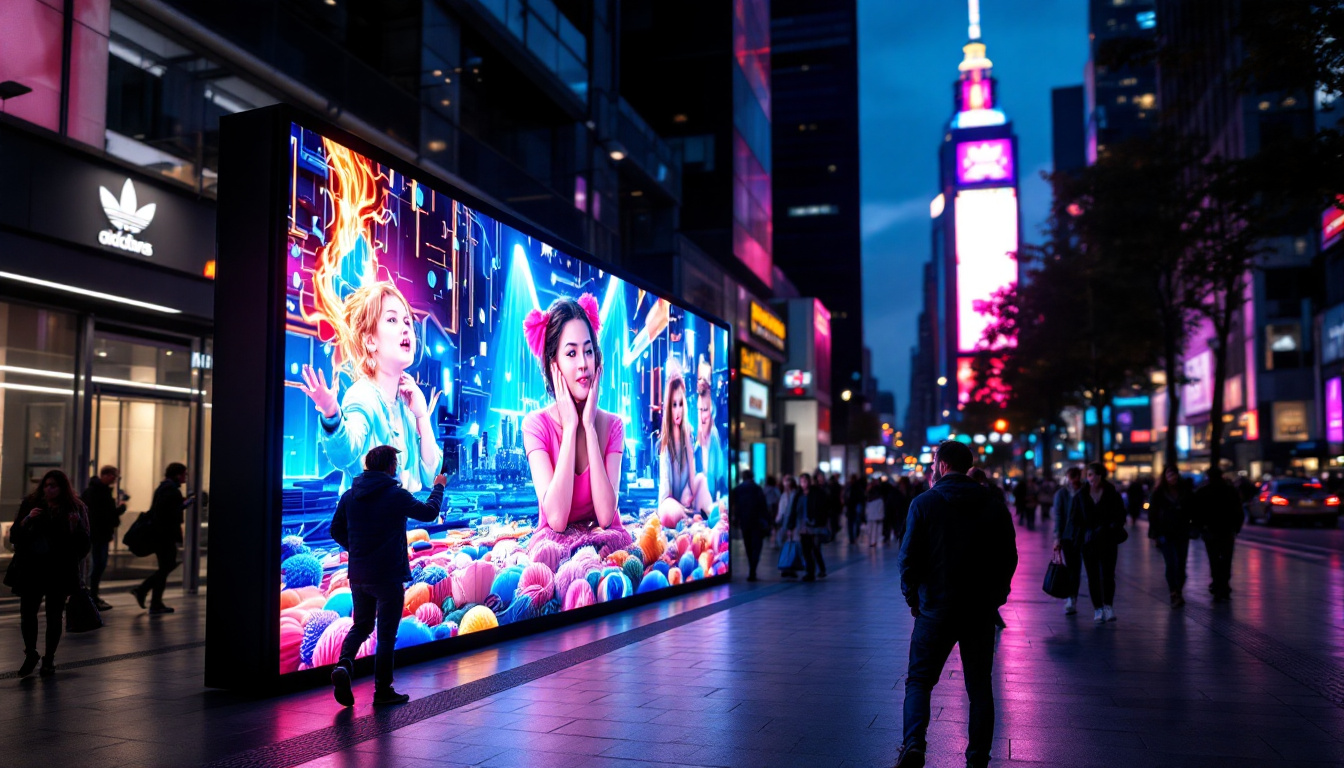
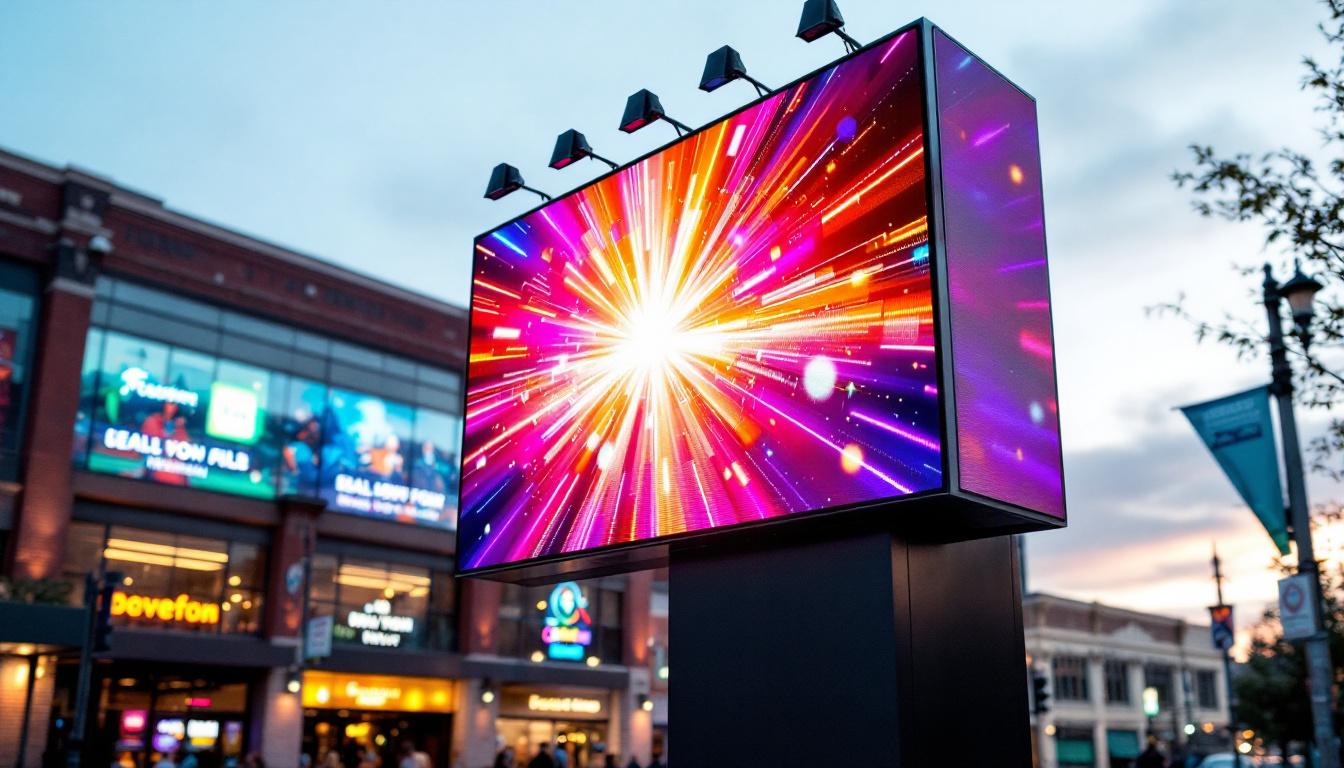
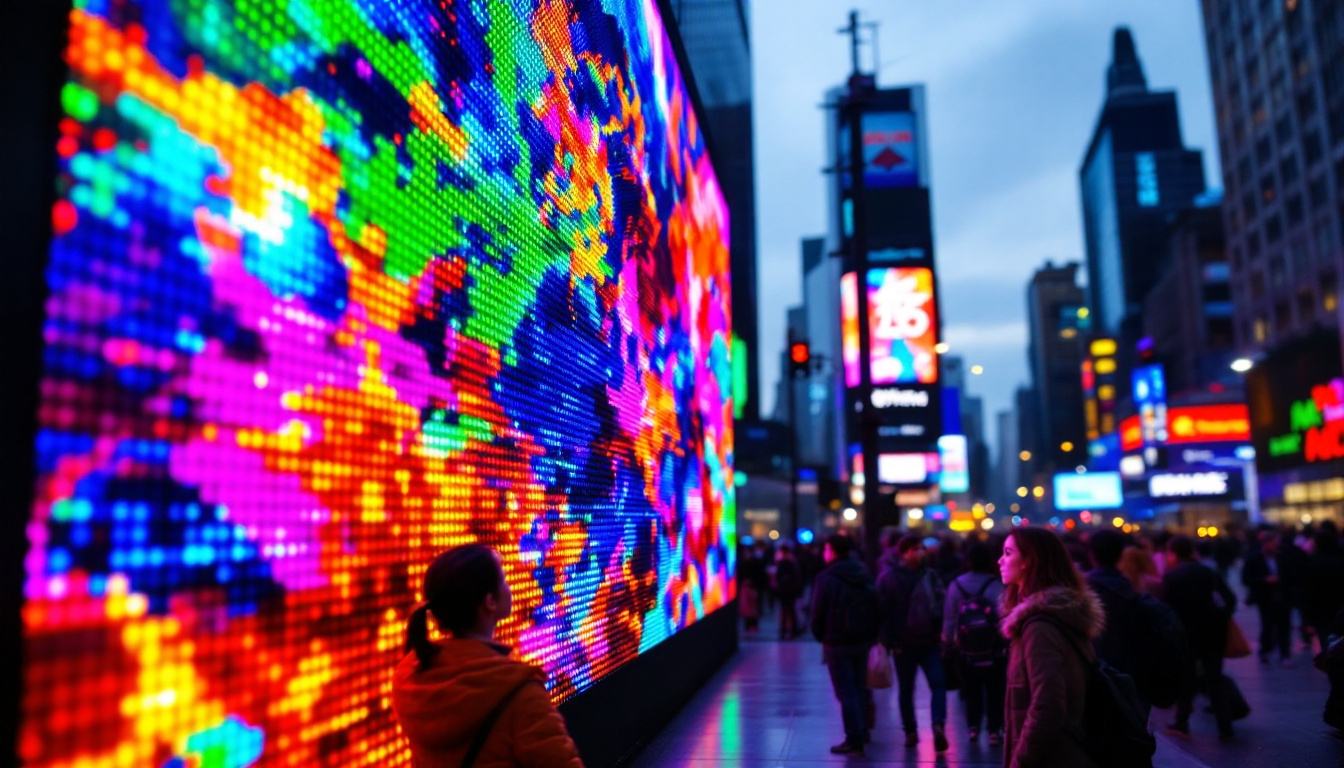
- Outdoor LED Displays: Built to withstand harsh weather and direct sunlight, these displays have higher brightness levels (up to 8,000 nits or more) and larger pixel pitches (typically 4 mm and above). They are widely used for billboards, sports arenas, and public information screens, capturing the attention of passersby with dynamic content that can be updated in real-time, making them an effective tool for marketing and communication.
- Flexible and Transparent LED Displays: Innovations in LED technology have enabled the creation of flexible screens that can curve around surfaces, as well as transparent LED panels that maintain visibility through glass while displaying content. These are gaining popularity in architectural and retail applications, allowing for creative designs that blend technology with aesthetics. For instance, transparent displays can be integrated into storefront windows, showcasing products while still allowing natural light to filter through, creating an inviting atmosphere for shoppers.
Moreover, the rise of smart LED displays has introduced features such as touch interactivity and connectivity with mobile devices, enabling users to engage with content in innovative ways. This evolution not only enhances the functionality of LED displays but also opens up new avenues for advertising, education, and entertainment, making them indispensable in today’s digital landscape.
Advantages of LED Displays Over Other Technologies
LED displays have rapidly overtaken traditional display technologies like LCD and plasma for many applications due to their distinct advantages. Understanding these benefits helps explain why businesses and consumers prefer LED solutions.
Superior Brightness and Visibility
One of the most significant advantages of LED displays is their exceptional brightness. Outdoor LED screens can reach brightness levels exceeding 8,000 nits, making them clearly visible even under direct sunlight. This is critical for outdoor advertising and public information systems where visibility can affect effectiveness and safety. Moreover, the ability to adjust brightness levels dynamically ensures that LED displays maintain optimal visibility in varying lighting conditions, whether it’s a bright sunny day or a dimly lit evening, enhancing their versatility in diverse environments.
Energy Efficiency and Longevity
LEDs consume less power compared to LCD and plasma displays, which translates into lower operating costs and reduced environmental impact. Additionally, LEDs have a longer lifespan, often exceeding 100,000 hours of operation, minimizing maintenance and replacement expenses. This longevity not only benefits businesses by reducing downtime but also contributes to sustainability efforts, as fewer displays need to be manufactured and disposed of over time. The energy efficiency of LED technology also aligns with global initiatives aimed at reducing carbon footprints, making them a responsible choice for eco-conscious consumers and organizations alike.
High Contrast and Color Accuracy
Because LEDs emit their own light, they can achieve true blacks by turning off individual diodes, resulting in higher contrast ratios. This capability enhances image depth and color vibrancy, making LED displays ideal for dynamic content such as video advertisements and live broadcasts. Furthermore, advancements in LED technology have led to improved color calibration and management, allowing for a broader color gamut that can accurately reproduce a wide spectrum of hues. This precision is particularly beneficial in industries such as film and photography, where color fidelity is paramount for visual storytelling and artistic expression.
Flexibility in Size and Shape
LED display modules can be assembled into virtually any size and shape, from small indoor panels to massive outdoor billboards spanning hundreds of square meters. This modularity allows for creative installations tailored to specific architectural or branding needs. The flexibility extends beyond just dimensions; LED displays can also be designed to fit curved or irregular surfaces, enabling innovative designs that can enhance the aesthetic appeal of venues such as shopping malls, sports arenas, and concert halls. This adaptability not only captivates audiences but also provides businesses with unique opportunities to stand out in a crowded marketplace, fostering brand recognition and consumer engagement.
Applications of LED Displays Across Industries
LED displays have found their way into a diverse range of industries, transforming how information is presented and consumed. Below are some of the most prominent sectors leveraging LED technology.
Advertising and Marketing
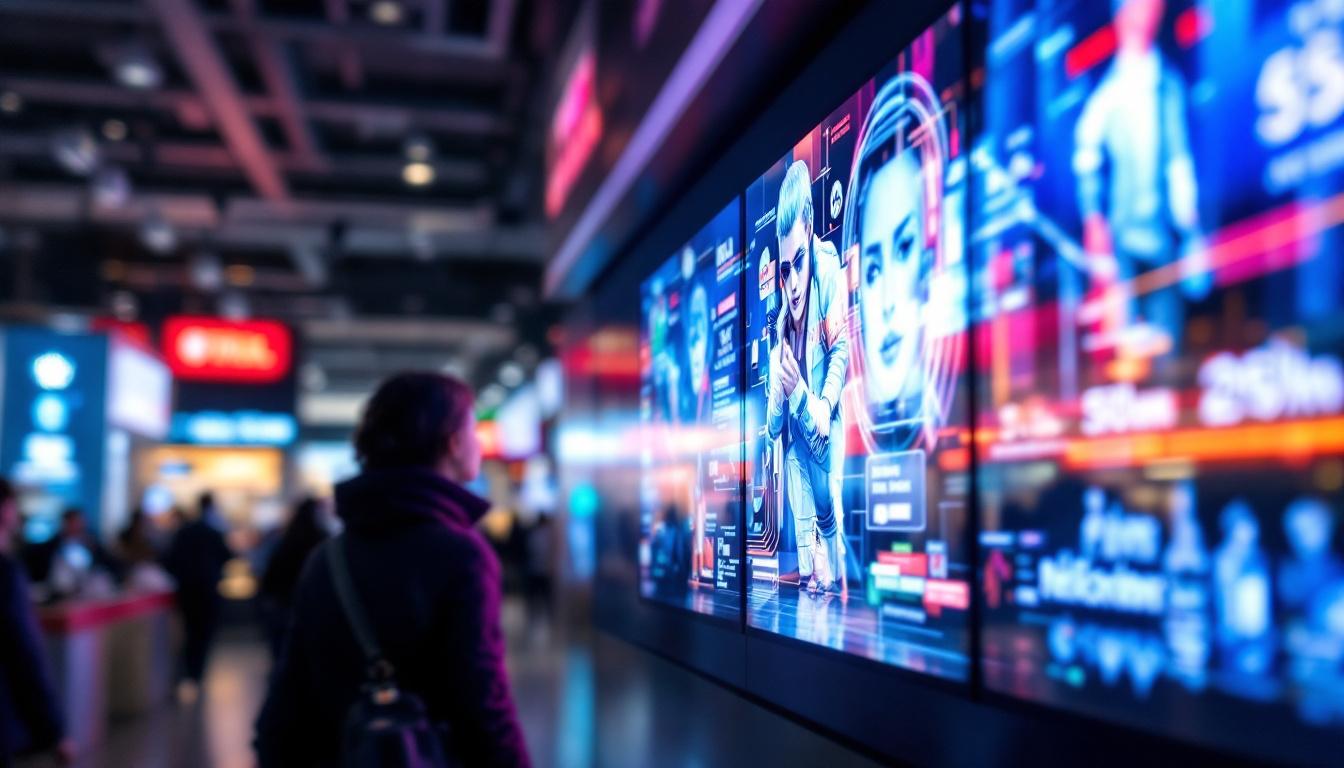
Outdoor LED billboards have revolutionized advertising by enabling dynamic, eye-catching content that can be updated remotely and in real-time. According to a 2023 report by Grand View Research, the global digital signage market is expected to reach $31.71 billion by 2028, with LED displays being a major driver due to their visibility and flexibility.
Retailers also use indoor LED walls to create immersive shopping experiences, attract customers, and promote products effectively.
Sports and Entertainment Venues
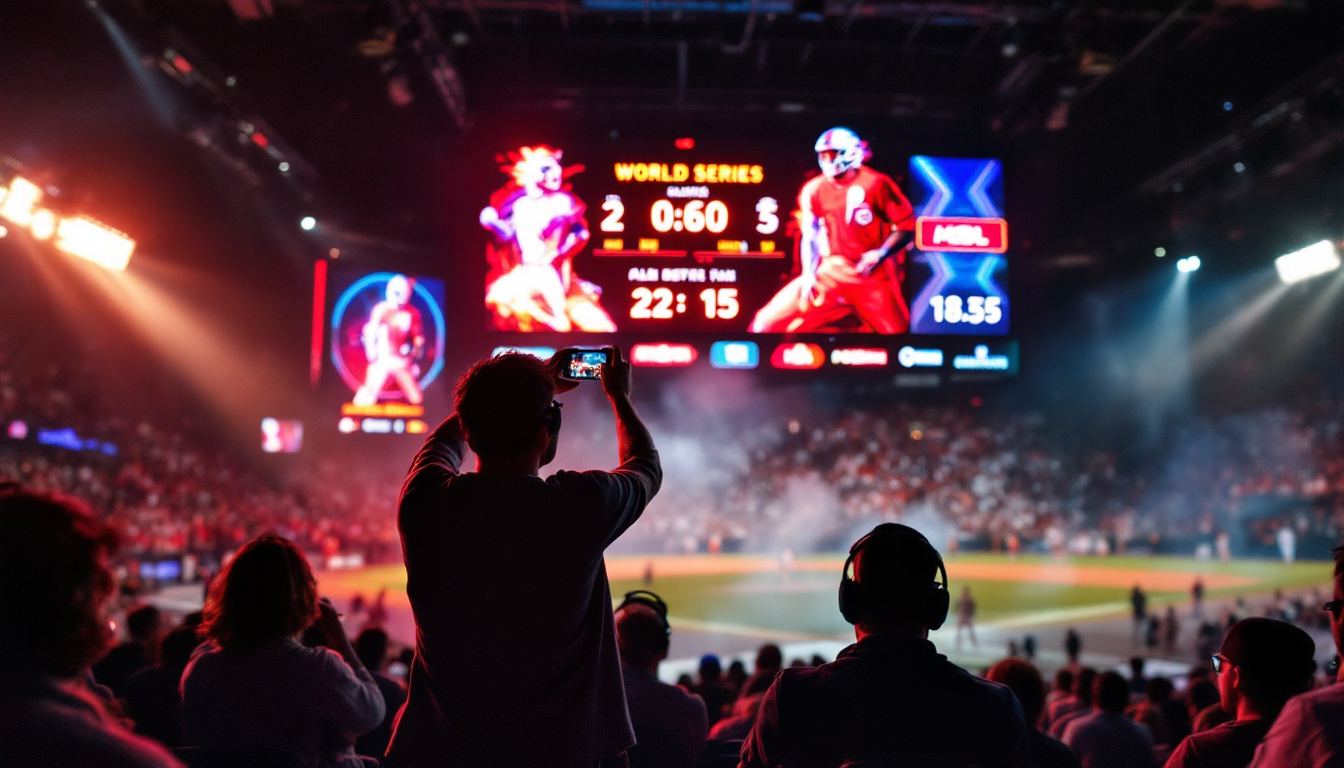
Stadiums and arenas utilize large-scale LED screens to display live game footage, replays, and interactive content, enhancing fan engagement. The ability to produce high-resolution images visible from long distances is crucial in these environments.
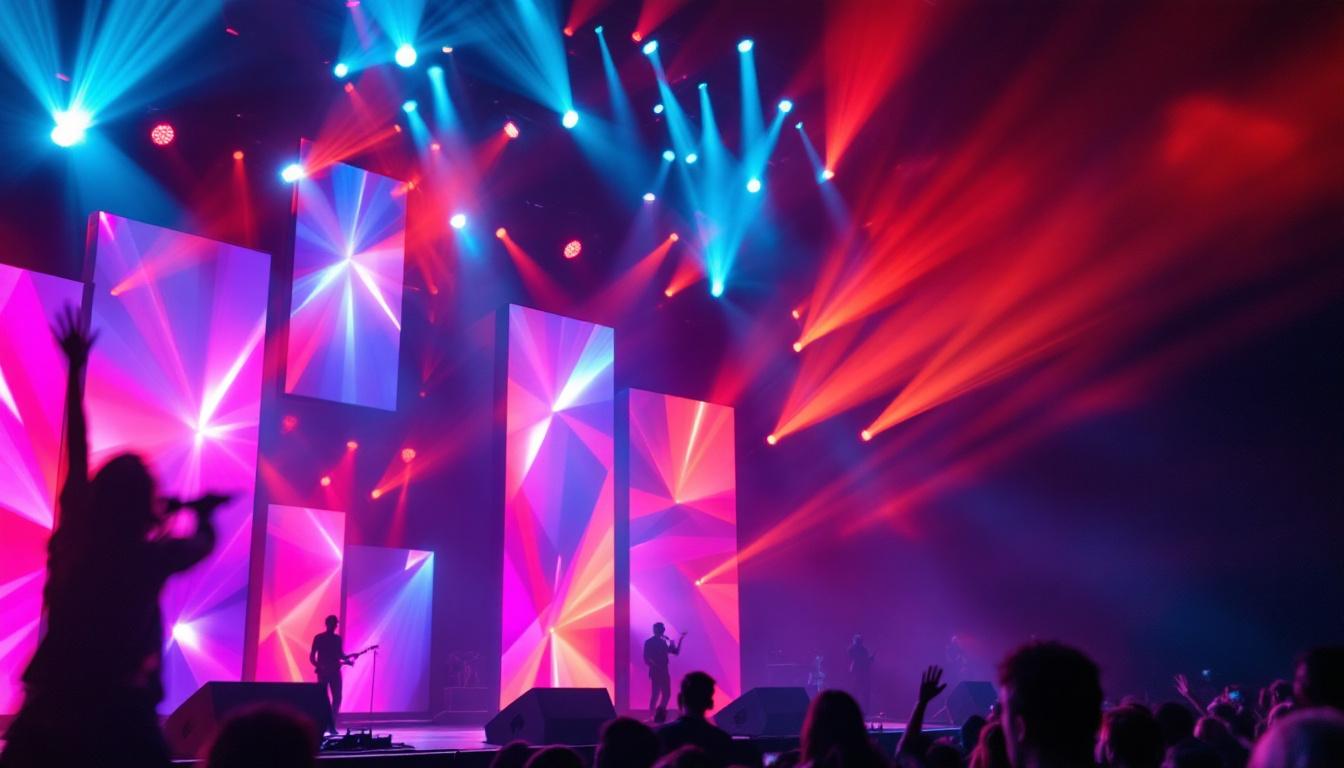
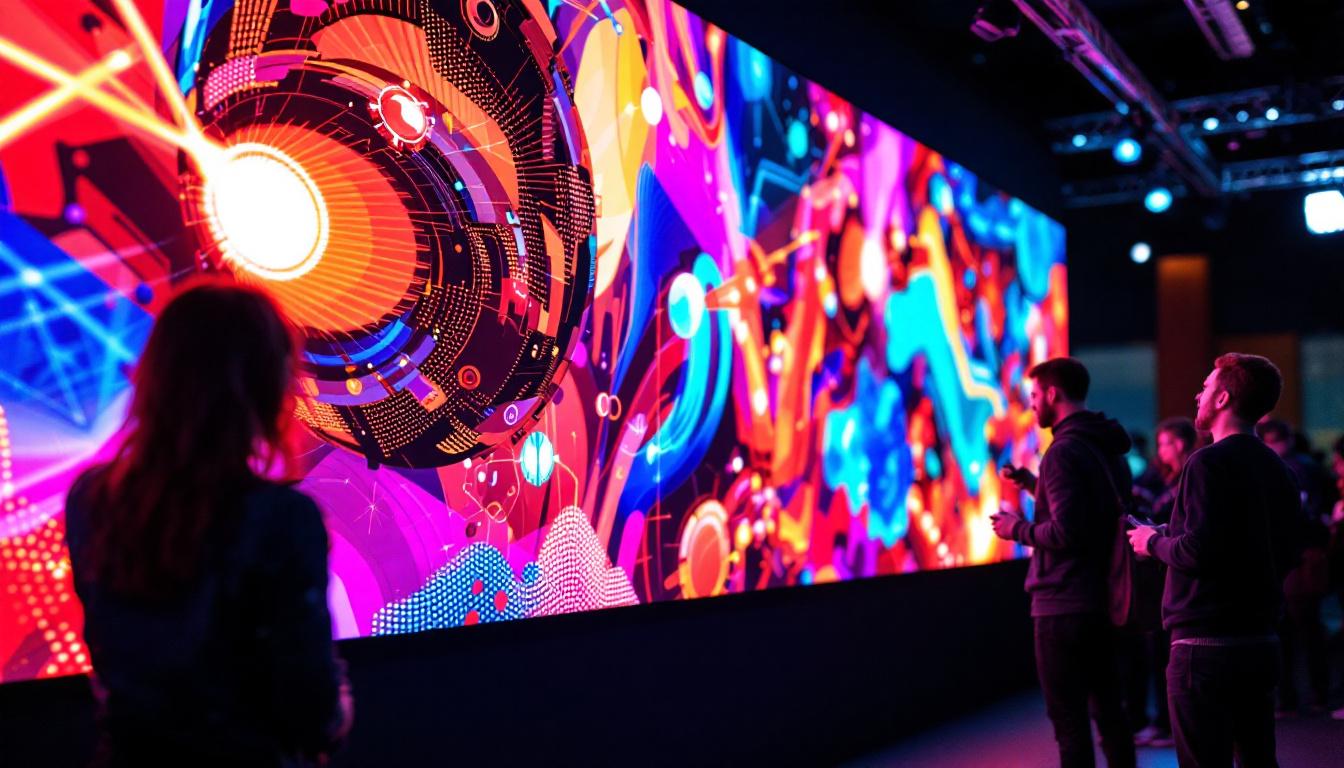
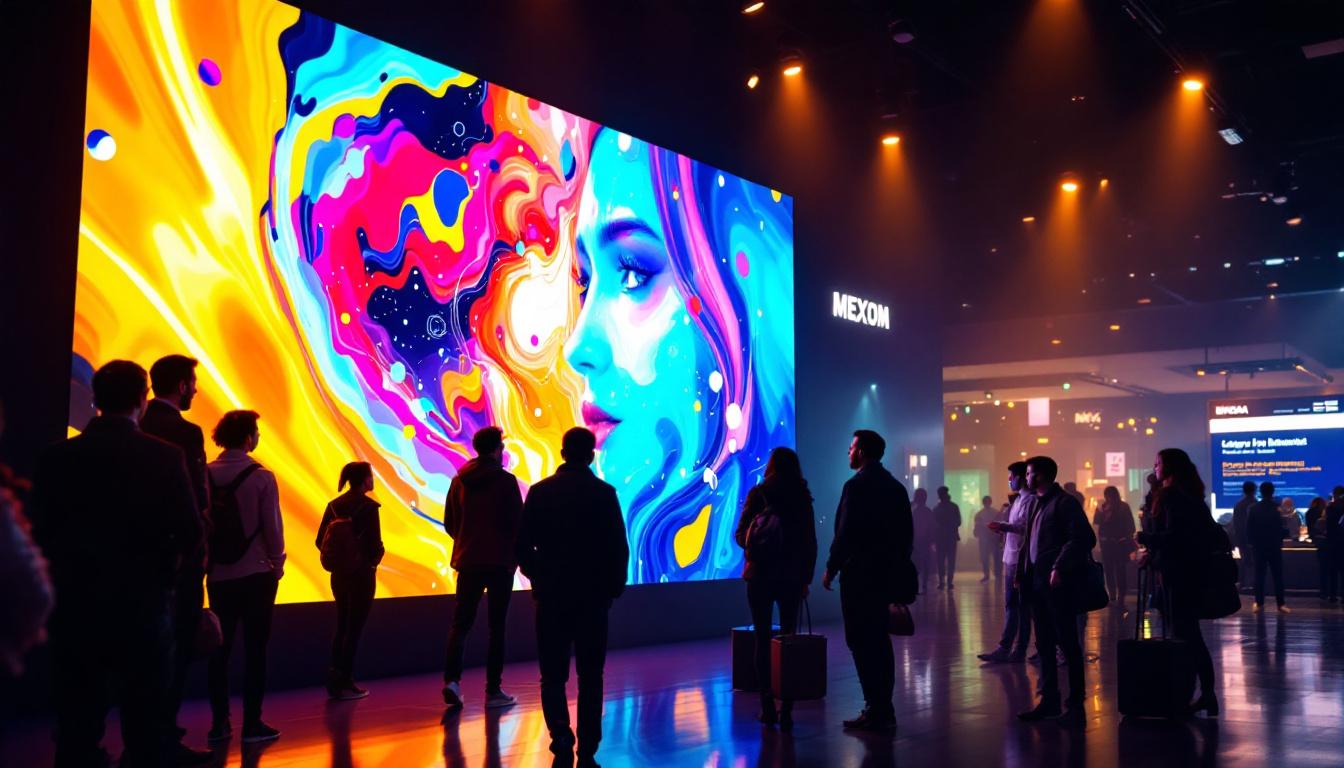
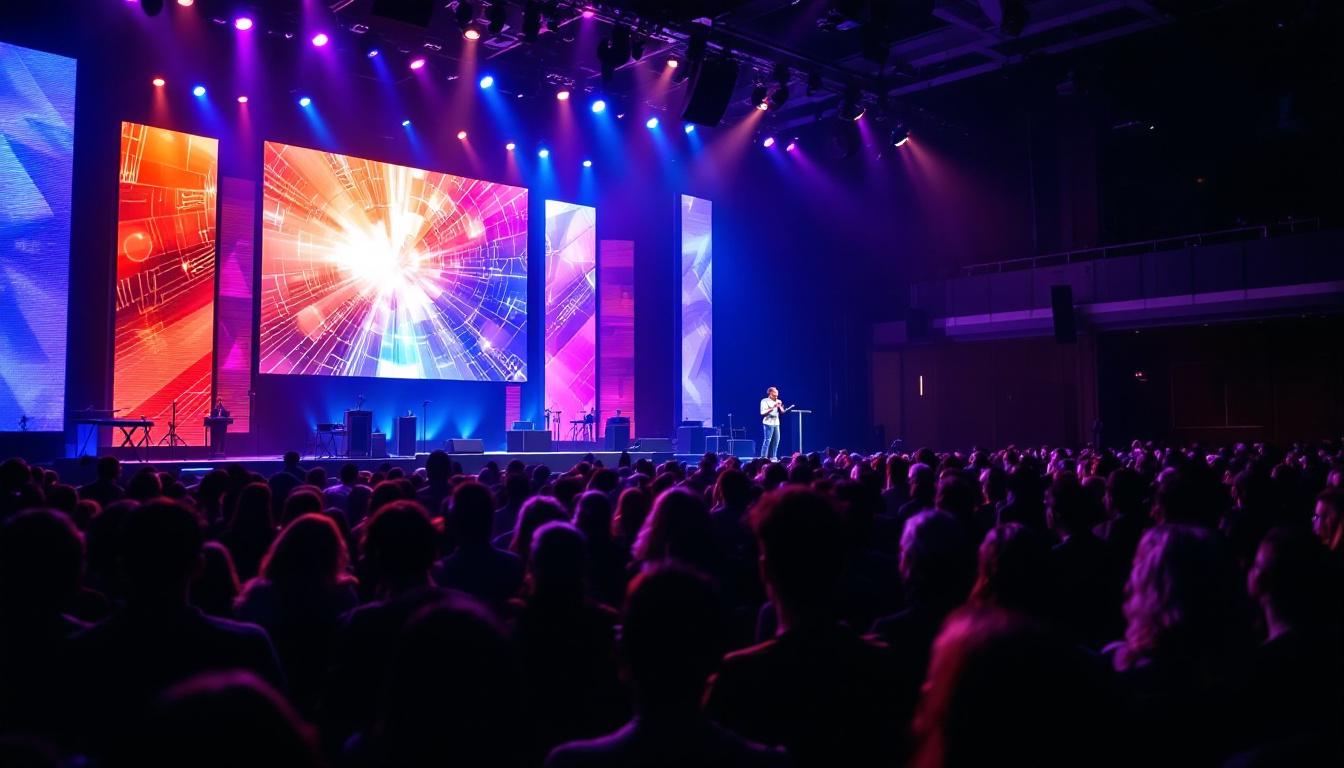
Concerts and events often incorporate LED walls and floors to create visually stunning backdrops and stage effects, pushing the boundaries of live entertainment production.
Transportation and Public Information
LED displays are extensively used in airports, train stations, and bus terminals to provide real-time schedules, alerts, and wayfinding information. Their brightness ensures readability in diverse lighting conditions, improving passenger experience and operational efficiency.
Corporate and Educational Settings
In corporate environments, LED video walls are used for presentations, video conferencing, and digital signage. Educational institutions employ LED displays for interactive learning, campus announcements, and event broadcasting, enhancing communication and engagement.
Emerging Trends and Innovations in LED Display Technology
The LED display industry continues to evolve rapidly, driven by technological advancements and changing market demands. Staying informed about these trends is essential for businesses and professionals planning to invest in LED solutions.
MicroLED and MiniLED Technologies
MicroLED and MiniLED represent the next generation of LED displays, offering even higher resolution, better color accuracy, and improved energy efficiency. MicroLEDs are microscopic LEDs that enable displays with pixel pitches below 1 mm, suitable for ultra-high-definition screens and wearable devices.
MiniLEDs, slightly larger than MicroLEDs, are increasingly used as backlighting for LCD panels, enhancing brightness and contrast while reducing power consumption.
Integration with IoT and Smart Systems
Modern LED displays are being integrated with Internet of Things (IoT) platforms, enabling remote management, data-driven content customization, and interactive capabilities. For example, digital signage can adapt content based on real-time environmental data or audience demographics, maximizing engagement and ROI.
Eco-Friendly and Sustainable Designs
With growing environmental awareness, manufacturers are focusing on sustainable materials, energy-saving designs, and recyclability. Advances in LED efficiency and manufacturing processes contribute to reducing the carbon footprint of digital displays.
Choosing the Right LED Display for Your Needs
Selecting the appropriate LED display involves considering several factors to ensure optimal performance, cost-effectiveness, and longevity.
Assessing Viewing Distance and Resolution
The pixel pitch should align with the typical viewing distance. For close-up viewing, such as in retail stores or control rooms, a pixel pitch of 1-2 mm is recommended. For outdoor billboards viewed from hundreds of meters away, a larger pixel pitch of 10 mm or more is suitable.
Brightness and Environmental Conditions
Outdoor displays require higher brightness levels to combat sunlight glare, while indoor displays can operate effectively at lower brightness, conserving energy. Additionally, consider weatherproofing and durability for outdoor installations.
Content and Connectivity Requirements
Evaluate the types of content you plan to display—static images, videos, live feeds—and ensure the display supports the necessary formats and refresh rates. Connectivity options such as HDMI, DVI, or network interfaces are also important for seamless integration.
Budget and Total Cost of Ownership
While upfront costs vary, consider long-term expenses including maintenance, power consumption, and potential upgrades. Investing in high-quality LED displays with reliable warranties often results in better value over time.
Conclusion
LED displays have transformed visual communication across industries by offering unparalleled brightness, flexibility, and energy efficiency. From the vibrant billboards illuminating cityscapes to the immersive screens enhancing live events, LED technology continues to push the boundaries of what’s possible.
As innovations like MicroLED and IoT integration emerge, the future of LED displays promises even more dynamic, interactive, and sustainable solutions. Whether for advertising, entertainment, or information dissemination, understanding the fundamentals and trends of LED displays is essential for making informed decisions and harnessing their full potential.
Discover LumenMatrix’s Innovative LED Solutions
Ready to elevate your visual communication with the latest in LED technology? LumenMatrix offers a comprehensive range of LED display modules that are perfect for any application, from vibrant indoor and outdoor displays to specialized solutions like vehicle and sports displays. Embrace the future of dynamic, interactive, and sustainable visual experiences with our cutting-edge products. Check out LumenMatrix LED Display Solutions today and see how we can help you create captivating visual experiences that engage and inspire.